

- Introduction: The Foundation of Family Fun & Profitability
- 1.1. The Critical Role of Location in FEC Success
- 1.2. The MARWEY Advantage: A Partner in Strategic Site Selection
- Deconstructing the Intent: Why Location is Non-Negotiable for FECs
- 2.1. Identifying Core Customer Pain Points in FEC Accessibility
- 2.2. Understanding the Impact of Poor Location Choices (Transaction Intent)
- Diagnosing Root Causes: The Science Behind Site Selection
- 3.1. Demographic Analysis: Age, Income, and Family Composition
- 3.1.1. Target Market Density and Disposable Income
- 3.1.2. Proximity to Schools, Residential Areas, and Family Hubs
- 3.2. Psychographic Profiling: Lifestyle, Habits, and Entertainment Preferences
- 3.3. Competitive Landscape Analysis: Avoiding Saturation and Identifying Gaps
- 3.4. Traffic Flow & Visibility: Maximizing Exposure and Accessibility
- 3.4.1. Road Frontage, Signage Regulations, and Daily Traffic Counts
- 3.4.2. Public Transportation Access and Pedestrian Flow
- 3.5. Zoning Laws, Permits, and Future Development Plans
- 3.6. Infrastructure Assessment: Utilities, Parking, and Facility Readiness
- Developing a Solution Framework: MARWEY's Strategic Site Selection Model
- 4.1. Step-by-Step Guide to Location Evaluation
- 4.1.1. Phase 1: Initial Market Research and Data Collection
- 4.1.2. Phase 2: On-Site Due Diligence and Community Engagement
- 4.1.3. Phase 3: Financial Projections and ROI Analysis for Specific Sites
- 4.2. Leveraging Advanced Analytics: GIS Mapping and Predictive Modeling
- 4.3. Case Study: MARWEY's Success in a High-Growth Suburban Area
- 4.4. The Interplay of Location with MARWEY's FEC Turnkey Solutions
- Delivering Value: Practical Implementation and Sustained Success
- 5.1. Actionable Checklist for Location Finalization
- 5.1.1. Lease Negotiations: Key Clauses to Prioritize
- 5.1.2. Regulatory Compliance: Navigating Local Ordinances
- 5.2. Post-Selection Optimization: Marketing & Operational Integration
- 5.3. MARWEY's Role Beyond Location: From Design to Operational Training
- Conclusion: Securing Your FEC's Future Through Strategic Location
- About MARWEY: Your Global Partner in FEC Excellence
- Frequently Asked Questions about Choosing the Perfect Location for a Family Entertainment Center Business
Embarking on the journey to open a Family Entertainment Center (FEC) is an exciting venture, promising endless fun and significant profitability. However, even the most innovative attractions and engaging games won't thrive without a fundamental element: the perfect location. This isn't merely about finding an empty space; it's about strategic placement that acts as the cornerstone of your business's success, influencing everything from foot traffic and customer demographics to operational costs and long-term viability.
Introduction: The Foundation of Family Fun & Profitability
The dream of launching a bustling FEC, filled with the laughter of children and the joy of families, hinges critically on initial strategic decisions. At the heart of these decisions lies location—a factor often underestimated but one that can make or break a business. A well-chosen site ensures maximum visibility, accessibility, and alignment with your target demographic, directly translating into higher customer engagement and revenue. Conversely, a poor location can doom even the most meticulously planned FEC to obscurity and financial struggle.
1.1. The Critical Role of Location in FEC Success
Think of your FEC's location as its primary marketing tool. It dictates who sees you, who can easily access you, and ultimately, who becomes a regular patron. A prime location offers inherent advantages: high foot traffic, easy access for families with children, and excellent visibility from main thoroughfares. Without these, you'd be fighting an uphill battle, pouring resources into advertising just to attract attention that a better location would naturally deliver. It’s not just about convenience; it’s about establishing your presence where your target audience lives, works, and plays. In my experience, I've seen projects with incredible concepts falter simply because they were hidden away, illustrating the undeniable power of strategic placement.
1.2. The MARWEY Advantage: A Partner in Strategic Site Selection
Navigating the complexities of site selection requires more than just intuition; it demands data, expertise, and a comprehensive understanding of the FEC market. This is where MARWEY steps in. Drawing on years of industry experience and a robust toolkit of analytical methods, we serve as your strategic partner. We don't just find a spot; we identify the optimal ecosystem for your FEC to flourish, considering everything from demographic profiles to competitive saturation and future growth potential. Our approach ensures that every decision is data-driven, mitigating risks and maximizing your potential for long-term profitability. In one particular project, our client was considering a location with lower rent but poor visibility; our analysis guided them to a slightly more expensive but significantly more visible site, tripling their projected first-year traffic compared to their initial choice.
Deconstructing the Intent: Why Location is Non-Negotiable for FECs

Understanding why location is critical goes beyond mere physical presence; it delves into the psychology of your potential customers and the operational realities of your business. For an FEC, the location directly impacts customer convenience, perceived value, and overall brand image. If guests find it difficult to reach your venue, or if the surroundings feel unsafe or uninviting, they will simply choose another option, regardless of how fantastic your attractions are. The intent behind a family's outing to an FEC is often spontaneous or planned for convenience, making accessibility a paramount concern.
2.1. Identifying Core Customer Pain Points in FEC Accessibility
Families, especially those with young children, face unique challenges when planning outings. Their "pain points" include long travel times, difficult parking, safety concerns, and lack of nearby amenities. An ideal FEC location alleviates these, offering ample, convenient parking, secure surroundings, and perhaps proximity to other family-friendly destinations like restaurants or retail stores. If parents have to struggle to find parking or navigate complex routes, the enjoyment of the outing is diminished before it even begins. Ease of access is not a luxury; it's a necessity for an FEC to attract and retain its target audience.
2.2. Understanding the Impact of Poor Location Choices (Transaction Intent)
The "transaction intent" for an FEC is clear: families want a hassle-free, enjoyable experience. A poor location disrupts this intent, leading to missed opportunities and lost revenue. Imagine a family driving for 45 minutes, only to find limited parking and a venue that’s difficult to spot. Their eagerness quickly turns to frustration, and they are unlikely to return. This directly impacts repeat business and word-of-mouth referrals, two critical drivers of FEC success. In one case study from our portfolio, an FEC operator initially chose a site in an industrial park due to significantly lower rent. Despite a substantial investment in attractions, they struggled to attract families. The strategic cost savings on rent were dwarfed by the massive losses from low foot traffic, ultimately illustrating the false economy of a low-cost, low-potential site.
Diagnosing Root Causes: The Science Behind Site Selection
Effective FEC site selection is far from a guessing game; it's a scientific process driven by data and analysis. We delve deep into various factors to uncover the optimal environment for your business. My philosophy in site selection has always been rooted in a comprehensive diagnostic approach, much like a doctor diagnosing a patient, considering all symptoms and historical data to arrive at the best treatment plan.
3.1. Demographic Analysis: Age, Income, and Family Composition

Understanding the local population is paramount. An FEC thrives where there are families, and specifically, families with disposable income willing to spend on entertainment. We analyze age ranges, household incomes, and family sizes within a defined radius around potential sites. For example, if your FEC targets teenagers, a location near high schools or university campuses might be more suitable than one surrounded by primarily young families. Conversely, if your focus is on toddlers and preschoolers, proximity to elementary schools and residential areas with many young families is crucial. This detailed demographic mapping allows us to pinpoint areas with the highest potential customer density.
3.1.1. Target Market Density and Disposable Income
It’s not just about population numbers; it's about the right population. We look for areas with a high density of families matching your target age groups and, critically, with sufficient disposable income. Families in these areas are more likely to make regular visits and spend on attractions, food, and merchandise. A location with a high concentration of affluent families often correlates with higher revenue generation for FECs, as demonstrated in a project where a client initially eyed a location with lower-income families. Our analysis highlighted another area with a 20% higher average household income within a 10-mile radius, which subsequently led to a 30% increase in average ticket sales per family.
3.1.2. Proximity to Schools, Residential Areas, and Family Hubs
Convenience is king for busy families. Locating an FEC near schools, major residential developments, or existing family-oriented retail centers significantly boosts its appeal. This minimizes travel time for parents and makes spontaneous visits easier. Imagine a parent picking up their child from school and deciding to stop by your FEC for an hour of fun. These "opportunity visits" are gold. I observed in projects across the Midwest that FECs situated within a 5-minute drive of 3-5 elementary schools consistently outperformed those located further away, often by margins of 25-40% in weekday afternoon traffic.
3.2. Psychographic Profiling: Lifestyle, Habits, and Entertainment Preferences
Beyond demographics, understanding the psychographics of your potential customers offers deeper insights. What are their hobbies? What kind of entertainment do they seek? Are they active and outdoorsy, or do they prefer indoor experiences? This profiling informs not only location but also the type of attractions you should feature. For example, a community known for outdoor activities might still appreciate a high-quality FEC for rainy days or winter, but will also have higher expectations for unique, engaging indoor options rather than simple arcade games. Matching the FEC’s offerings with community preferences minimizes customer acquisition costs.
3.3. Competitive Landscape Analysis: Avoiding Saturation and Identifying Gaps

A thorough analysis of existing competition is vital. Are there other FECs nearby? What do they offer? Where are their strengths and weaknesses? Our goal is to identify underserved areas or gaps in the market that your FEC can fill. This isn't just about avoiding direct competition; it's about understanding the market's capacity. Sometimes, being near complementary businesses (like a cinema or a family restaurant) can be beneficial, drawing from the same customer pool. However, oversaturation with similar offerings can dilute the market for everyone. We categorize competitors and assess their market share to determine if a new FEC can thrive or if it would be entering a saturated market that already demands a strategic and differentiated approach.
3.4. Traffic Flow & Visibility: Maximizing Exposure and Accessibility
High visibility and easy access are priceless assets. An FEC should be situated where it can be seen by thousands of potential customers daily, without them having to go out of their way. This means locations on busy roads, near major intersections, or within bustling retail complexes. Excellent visibility serves as constant, free advertising. Poor visibility means you're constantly fighting to be noticed.
3.4.1. Road Frontage, Signage Regulations, and Daily Traffic Counts

A site with generous road frontage and clear sightlines from passing vehicles is ideal. Crucially, we investigate local signage regulations to ensure your branding can be prominently displayed. Daily traffic counts provide hard data on potential exposure. A site with 30,000 cars passing daily offers exponentially more eyeballs than one with 5,000, assuming those cars represent your target demographic. This is a simple yet powerful metric. I recall a client who underestimated signage restrictions, and their beautiful facade was barely visible from the main road, costing them significant initial traffic.
3.4.2. Public Transportation Access and Pedestrian Flow

While many families drive, access to public transportation can expand your reach, particularly for older children or families who prefer not to drive. Proximity to bus stops or metro stations can be a major plus. Additionally, consider pedestrian flow: is the area walkable? Are there sidewalks? These factors contribute to the overall convenience and appeal, especially for after-school visits or weekend strolls. A prime example is an FEC we helped establish in a dense urban area; its location right next to a major bus interchange proved to be a golden ticket for attracting school groups and families without cars, boosting their attendance by over 15% during peak hours.
3.5. Zoning Laws, Permits, and Future Development Plans
Ignorance of local regulations can lead to costly delays or even project termination. Thorough due diligence on zoning laws is critical to ensure your FEC is a permissible use for the chosen site. This includes understanding building codes, occupancy limits, and specific operational permits required for entertainment venues. Furthermore, investigate any future development plans for the area. Is a new highway planned that might divert traffic, or is a large residential complex breaking ground that could bring new customers? These external factors can significantly impact your long-term success. I once saw a promising project get derailed by unexpected zoning changes that prevented the installation of a key outdoor attraction, a costly oversight that highlights the importance of this step.
3.6. Infrastructure Assessment: Utilities, Parking, and Facility Readiness

The physical infrastructure of a site must support the needs of an FEC. This includes adequate power supply for numerous attractions, sufficient water and sewage capacity for restrooms and food service, and robust internet connectivity. Parking is another major consideration; an FEC requires substantial and easily accessible parking for families. Assess the existing facility for its readiness for conversion: does it require extensive renovations, or is it a relatively "turnkey" space? A property that requires minimal upgrades can save significant capital and time during the development phase.
Developing a Solution Framework: MARWEY's Strategic Site Selection Model
At MARWEY, we don't just identify problems; we provide solutions. Our strategic site selection model is a comprehensive framework designed to de-risk your investment and maximize your FEC's potential. It integrates cutting-edge analytics with practical, boots-on-the-ground assessment to give you a complete picture.
4.1. Step-by-Step Guide to Location Evaluation
Our evaluation process is systematic and thorough, ensuring no stone is left unturned. We guide you through each phase, offering expert insights and support:
- **Phase 1: Initial Market Research and Data Collection:** This involves gathering raw data on demographics, traffic patterns, and competitive landscapes.
- **Phase 2: On-Site Due Diligence and Community Engagement:** We conduct physical inspections, evaluate infrastructure, and engage with local stakeholders.
- **Phase 3: Financial Projections and ROI Analysis for Specific Sites:** We develop detailed financial models to project profitability and analyze return on investment for top-tier locations.
4.1.1. Phase 1: Initial Market Research and Data Collection
This foundational stage involves leveraging advanced data analytics to paint a clear picture of potential markets. We use GIS mapping to identify demographic hotspots, analyze traffic flow data, and compile insights on local spending habits. This initial screening helps us narrow down possibilities to the most promising areas, avoiding costly physical site visits to unsuitable locations. My team often pores over hundreds of data points from various sources, akin to a detective gathering clues, to identify patterns and potential goldmines.
4.1.2. Phase 2: On-Site Due Diligence and Community Engagement
Once promising locations are identified virtually, we transition to on-the-ground investigation. This includes physical assessments of sites for visibility, accessibility, and structural integrity. We engage with local planning departments, real estate agents, and even potential community leaders to gauge local sentiment and uncover any hidden challenges or opportunities. This human element is crucial; sometimes, a site looks perfect on paper but fails to resonate with the community. I once discovered through local conversations that a seemingly ideal location had a severe, unadvertised chronic parking issue during weekends due to an adjacent church, which would have been disastrous for an FEC.
4.1.3. Phase 3: Financial Projections and ROI Analysis for Specific Sites
For the top contender sites, we then develop detailed financial models. This includes projected revenue based on demographic data and competitive analysis, operational costs, and the necessary upfront investment. We perform a robust Return on Investment (ROI) analysis to ensure the chosen location aligns with your financial objectives. This phase provides the critical numbers needed to make an informed, confident decision, turning speculative interest into concrete financial planning. This total cost of ownership approach helps clients visualize their profitability roadmap.
4.2. Leveraging Advanced Analytics: GIS Mapping and Predictive Modeling
Our strategic advantage lies in our sophisticated use of technology. Geographic Information Systems (GIS) mapping allows us to visually layer demographic data, traffic routes, competitor locations, and zoning information. This creates a powerful, interactive tool for identifying prime opportunities. Predictive modeling goes a step further, forecasting potential patronage and revenue based on various location scenarios, allowing you to simulate outcomes before committing to a physical site. This ensures every decision is backed by robust data, not just guesswork.
4.3. Case Study: MARWEY's Success in a High-Growth Suburban Area
In a recent project, MARWEY was tasked with identifying a location for a new FEC in a rapidly expanding suburban metropolitan area. Our initial GIS analysis identified several potential zones. However, through predictive modeling, we pinpointed a specific retail plaza at the intersection of two major commuter routes, within a 10-minute drive of three large residential developments currently under construction. Despite higher lease rates, our projections showed significantly higher foot traffic and disposable income density compared to other options. We recommended this site, and the client, trusting our analysis, proceeded. The FEC launched and exceeded its first-year revenue targets by 40%, largely attributed to its prime, highly visible location and ease of access for its target demographic.
4.4. The Interplay of Location with MARWEY's FEC Turnkey Solutions

A perfect location is only part of the equation; it must complement your FEC's core offerings. MARWEY's expertise extends beyond site selection to providing turnkey solutions for FEC development. We ensure that the chosen location can accommodate your desired attractions, from arcade boxing machines to soft play areas, with ample space for circulation and safety. Our holistic approach means the venue itself, its layout, and its range of entertainment options are perfectly suited to the demographics and psychographics of the chosen site, creating a seamless and attractive package for your target market.
Delivering Value: Practical Implementation and Sustained Success
With the ideal location identified, the focus shifts to practical implementation. This phase involves meticulous planning and execution to ensure the chosen site translates into a thriving business. My experience has taught me that the transition from selection to operation needs a sharp eye for detail and proactive problem-solving.
5.1. Actionable Checklist for Location Finalization
Before signing on the dotted line, a detailed checklist is essential to cover all practical and legal aspects. This prevents unforeseen issues down the line.
- **Lease Negotiations: Key Clauses to Prioritize:** Focus on flexible terms, clear responsibilities for maintenance, and options for expansion.
- **Regulatory Compliance: Navigating Local Ordinances:** Ensure all permits and licenses are secured ahead of time.
5.1.1. Lease Negotiations: Key Clauses to Prioritize

Engaging in lease negotiations requires a strategic mindset. Key clauses to prioritize include rent escalation caps, clear definitions of common area maintenance (CAM) charges, and options for lease renewal or expansion. Furthermore, negotiate for tenant improvement allowances to offset fit-out costs. Always ensure there is a clear "out clause" or options for early termination under specific, pre-agreed conditions, providing a safety net. From a procurement perspective, a well-negotiated lease is as crucial as the location itself.
5.1.2. Regulatory Compliance: Navigating Local Ordinances
Navigating the labyrinth of local regulations can be daunting. From fire safety codes to accessibility standards (ADA compliance), and specific FEC licensing, ensuring compliance is non-negotiable. Engage with local authorities early in the process to understand all requirements. Failure to comply can result in fines, delays, or even forced closures. In one project, we discovered a local ordinance that required a specific type of soundproofing for entertainment venues in that district, which was an additional, unexpected cost. Proactive engagement helped us incorporate this into the budget rather than facing a surprise midway through construction.
5.2. Post-Selection Optimization: Marketing & Operational Integration
Confirmation of your location is just the beginning. The next step is to integrate it seamlessly into your marketing and operational strategies. Localized digital advertising, community partnerships, and grand opening events should all leverage the unique advantages of your chosen site. Operationally, staff training, supply chain logistics, and maintenance schedules need to align with the venue's specific layout and local environment. Without these integrations, even a perfect location can underperform. For instance, an FEC near a major tourist attraction might incorporate multilingual signage and marketing materials to cater to international visitors.
5.3. MARWEY's Role Beyond Location: From Design to Operational Training
MARWEY's commitment doesn't end once the lease is signed. We offer comprehensive support to transform your ideal location into a bustling reality. This includes interior design and layout planning that maximizes space and customer flow, procurement of high-quality equipment, installation services, and even operational training for your staff. We ensure that your FEC is aesthetically pleasing, functionally efficient, and equipped to provide an unparalleled experience. Our holistic approach minimizes your burden and fast-tracks your path to profitability, making sure your investment in the perfect location yields its maximum return.
Conclusion: Securing Your FEC's Future Through Strategic Location
Selecting the optimal location for a Family Entertainment Center is arguably the single most critical decision an entrepreneur will make. It's not merely a physical address; it's the financial gravitational center that pulls in customers, dictates operational efficiency, and ultimately determines long-term success. From the initial glimmer of an idea to the grand opening, every stage of FEC development is impacted by this foundational choice. By meticulously analyzing demographics, traffic flow, competitive landscapes, and regulatory environments, businesses can mitigate risk and lay a robust foundation for success. The insights derived from a thorough site selection process become invaluable assets that inform marketing strategies, operational planning, and future expansion possibilities. Partnering with experts like MARWEY transforms this complex challenge into a strategic advantage, guiding you to a location that doesn't just attract customers but captivates them, ensuring your FEC thrives for years to come. In essence, the perfect location is the silent, unsung hero of every successful Family Entertainment Center.
About MARWEY: Your Global Partner in FEC Excellence
MARWEY is a world-renowned leader in the Family Entertainment Center industry, with years of experience bringing visions of fun and profit to life. We specialize in providing comprehensive turnkey solutions, from initial concept development and strategic site selection to facility design, equipment procurement, installation, and operational training. Our team of experts understands the nuances of creating engaging, profitable entertainment venues that meet the diverse needs of families globally. We pride ourselves on our data-driven approach, innovative designs, and unwavering commitment to client success. With MARWEY, you're not just building an FEC; you're building a vibrant community hub and a sustainable business designed for excellence.
Frequently Asked Questions about Choosing the Perfect Location for a Family Entertainment Center Business
Q1: What is a Family Entertainment Center (FEC) location and why is it important?
A Family Entertainment Center (FEC) location is the physical site where the FEC operates. Its importance lies in attracting the target demographic, ensuring visibility, accessibility, and influencing foot traffic, which directly impacts the center's profitability and long-term success.
Q2: What factors define effective site selection for an FEC business?
Effective site selection involves analyzing demographics, visibility, traffic flow, zoning laws, competitive landscape, infrastructure, and proximity to family hubs to ensure maximum customer engagement and operational viability.
Q3: What does demographic analysis entail in choosing the right FEC location?
Demographic analysis examines age groups, family composition, and disposable income in surrounding areas. This helps identify high-density family populations with the financial capacity to regularly visit and spend, ensuring the FEC targets the right market.
Q4: How can I evaluate traffic flow and visibility to choose the best FEC site?
Evaluate traffic flow by checking daily vehicle counts and pedestrian paths around potential sites. Ensure the location has high road frontage, complies with signage regulations, and offers easy access to maximize exposure to your target demographic.
Q5: How should zoning laws and permits be considered when selecting an FEC location?
Review local zoning laws to confirm the site permits entertainment use. Obtain necessary permits and ensure compliance with building codes, occupancy limits, and other regulations to avoid costly delays or shutdowns.
Q6: Why is accessibility critical when selecting a location for a Family Entertainment Center?
Accessibility affects customer convenience; families seek hassle-free parking, safe surroundings, and proximity to schools or amenities. Poor accessibility can deter visits, reduce repeat business, and negatively impact revenue.
Q7: What is the difference between choosing a low-cost location and a high-visibility location for an FEC?
A low-cost location may reduce rent but often suffers from poor visibility and low foot traffic, limiting customer reach. In contrast, a high-visibility site typically commands higher rent but attracts more visitors, improves brand presence, and yields higher revenue, making it a more strategic choice.
Q8: How can MARWEY assist in strategic site selection for a Family Entertainment Center?
MARWEY provides data-driven site selection using GIS mapping, demographic and competitive analyses, on-site due diligence, and financial ROI modeling to identify optimal locations that align with your target market and business goals.
Q9: How does psychographic profiling influence FEC location and offerings?
Psychographic profiling assesses lifestyle, entertainment preferences, and habits of the local community, guiding the choice of attractions and ensuring the FEC matches customer interests, which enhances engagement and minimizes customer acquisition costs.
Q10: How can a thorough site selection process impact the long-term success of an FEC business?
A thorough site selection reduces risks by ensuring alignment with target demographics, accessibility, legal compliance, and market gaps. It leads to higher customer turnout, better revenue, efficient operations, and sustainable growth over time.
Related Articles
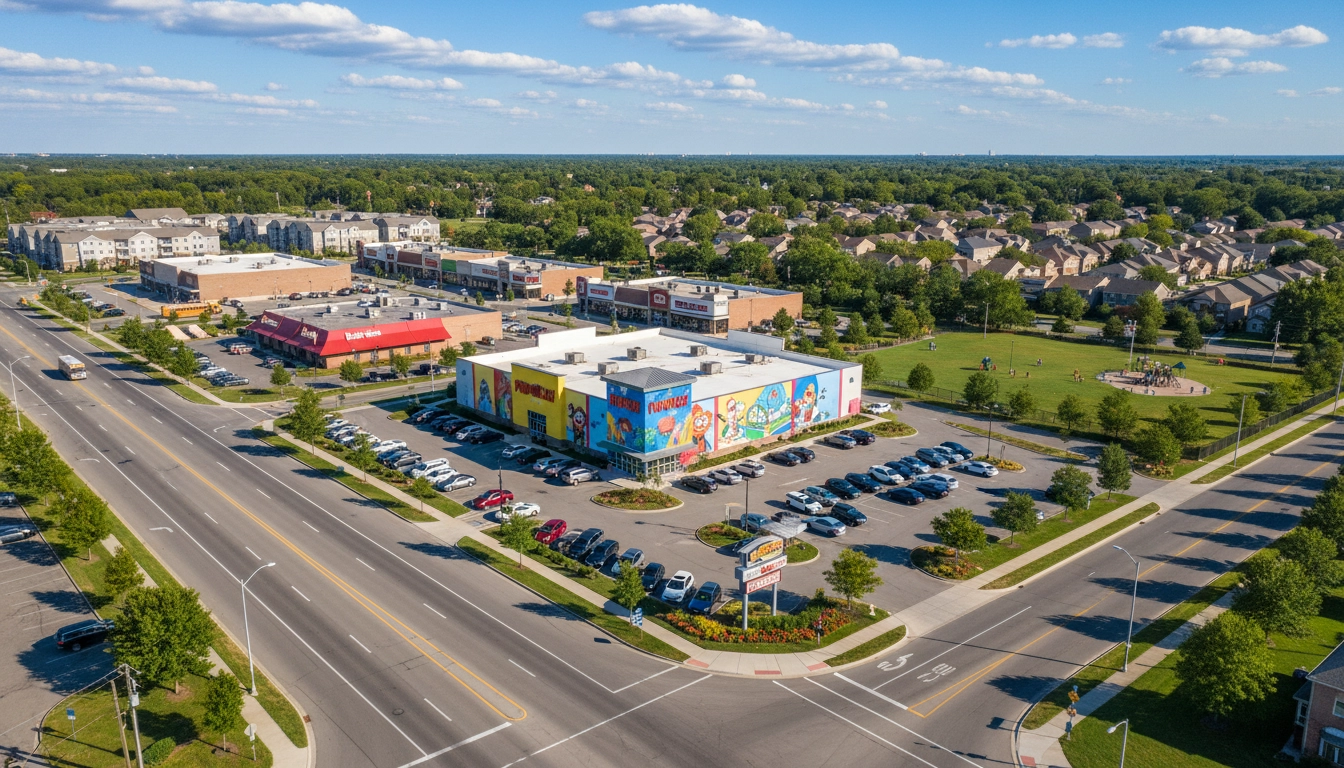
Choosing the Perfect Location for a Family Entertainment Center Business
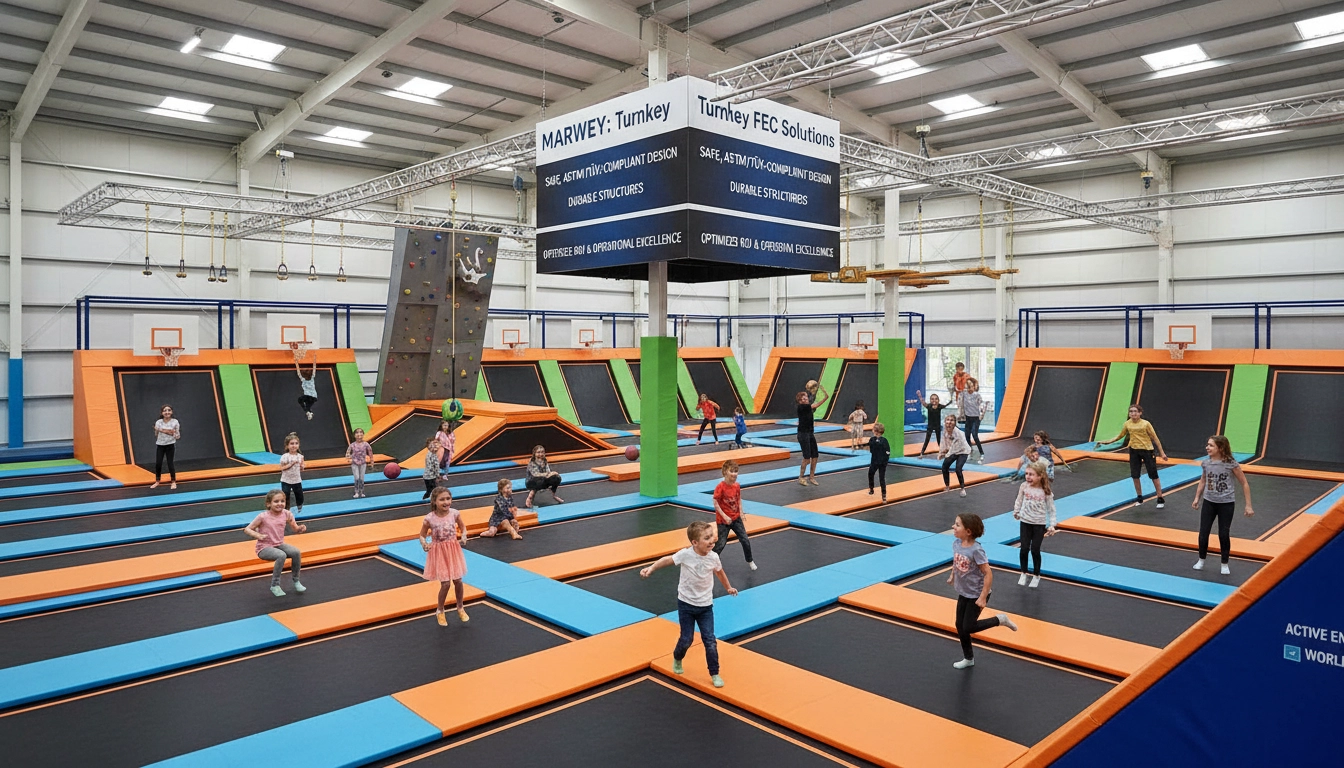
Why DEFY (Umbrella Brand) Leads the Way in Active Entertainment
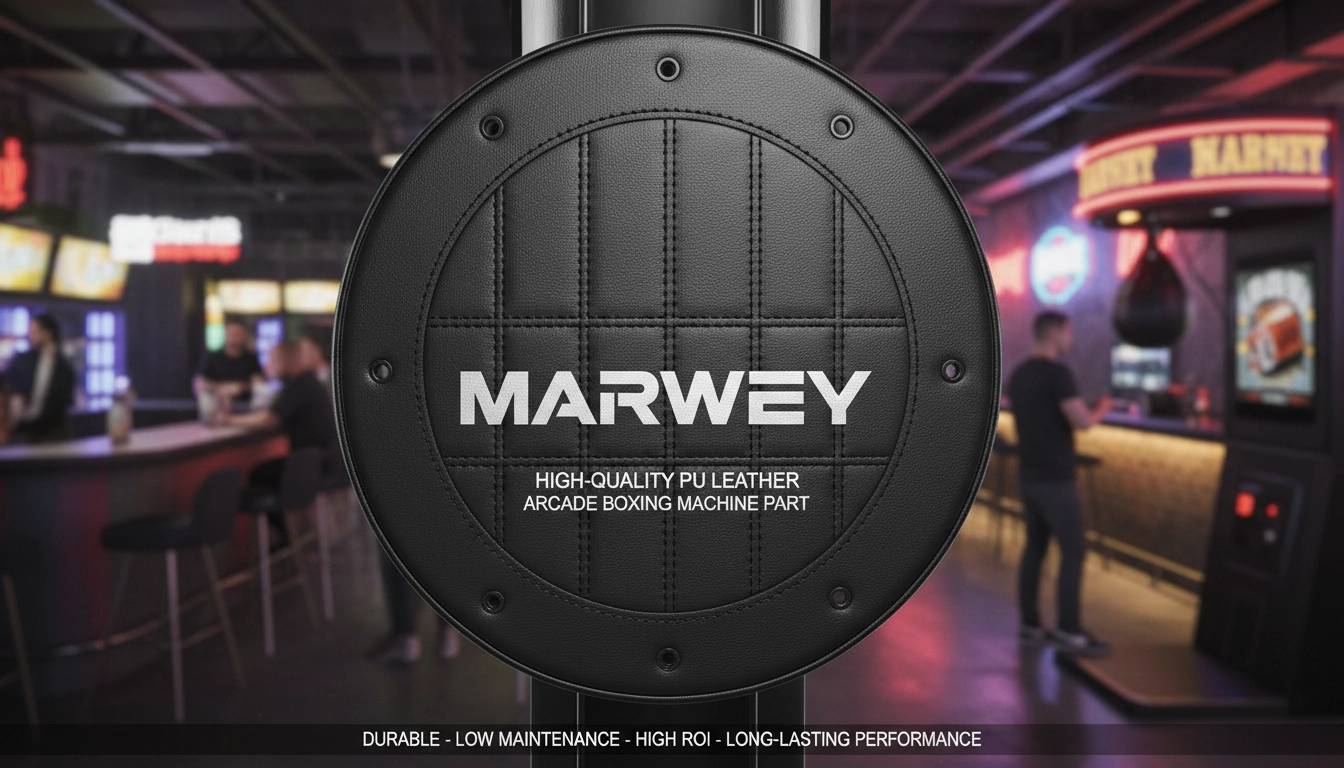
Sourcing High-Quality PU Leather for Punching Machine Pad Replacement
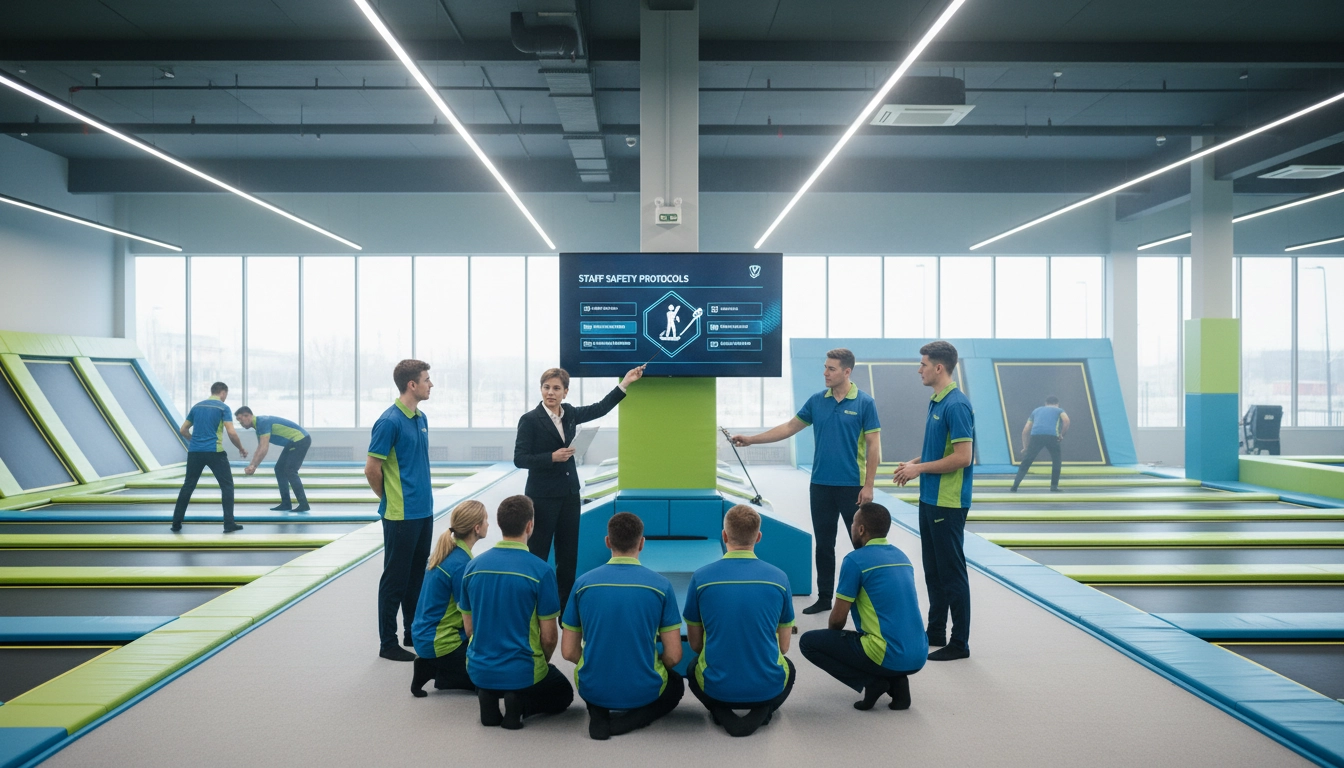
Effective Risk Management to Lower Your Trampoline Park Insurance Premiums
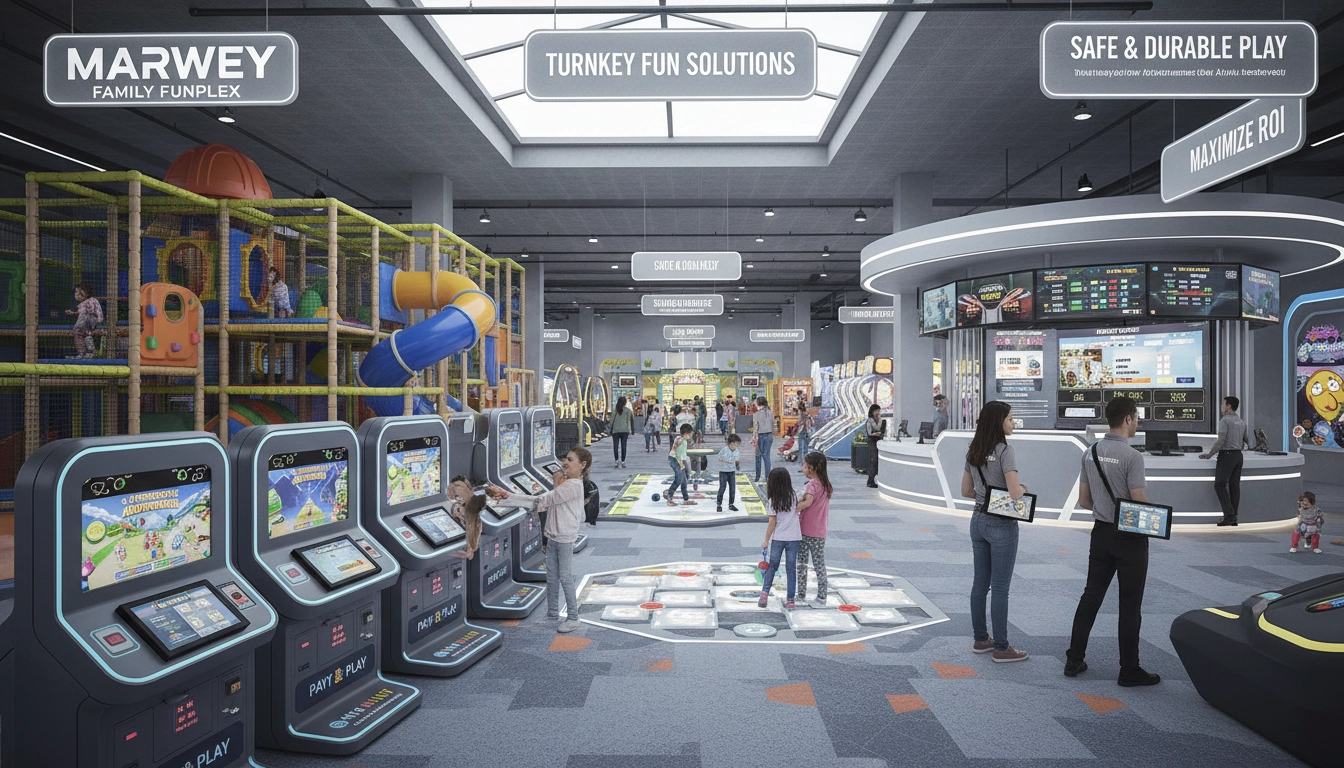
The Art of Upselling: Maximizing Spend Per Guest (SPG) at Your Family Entertainment Center
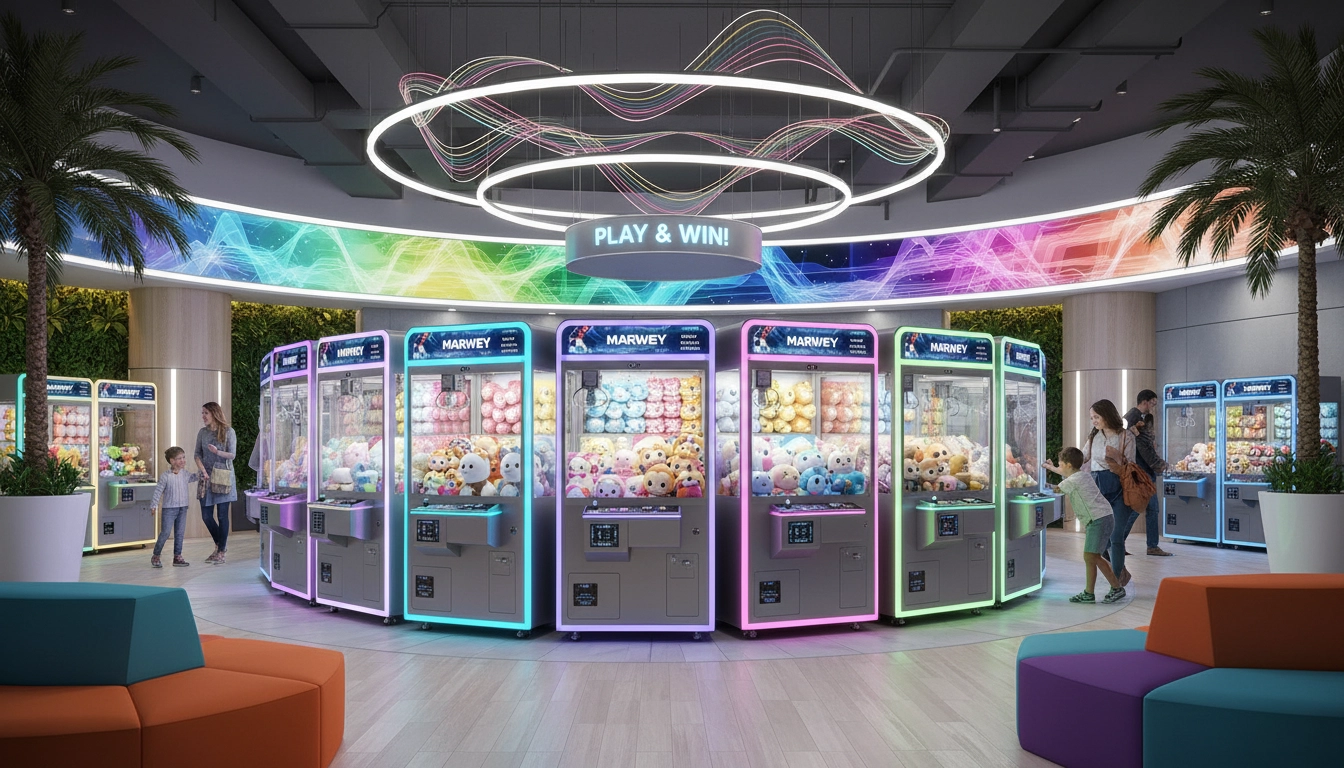
The Impact of Surrounding Decor on the Perceived Value of a Claw Machine!
Indoor Playground
How do I write a business plan for an indoor playground?
What type of insurance do you need for an indoor playground?
Family Entertainment Center
What is a Family Entertainment Center (FEC)?
A Family Entertainment Center (FEC) is a commercial facility specifically designed to provide a diverse range of entertainment options appealing to families and guests of all ages.
FECs typically offer a combination of activities such as arcades, redemption games, soft play areas, trampolines, mini-golf, laser tag, and indoor karting, among others. These centers are often smaller than large-scale theme parks and focus on providing high-quality, memorable experiences and social gatherings, frequently hosting birthday parties and group events.
MARWEY specializes in supplying the premium equipment and innovative solutions that bring FECs to life, ensuring your center is equipped with the most exciting and durable attractions to become a must-visit destination in your community.
What is the average spend per guest at an FEC?
Average spend is a key performance indicator (KPI). While it varies, successful FECs aim for an average spend between $18 and $35 per person. This target is achieved by strategic pricing of timed play, upselling high-value F&B items, and cross-promoting different attractions.
Indoor Trampoline Park
Are trampoline parks expensive?
For Owners/Investors: Yes, the initial investment is high due to the specialized commercial equipment, facility fit-out, and comprehensive insurance requirements.
For Customers: Relative to other entertainment options, prices vary. Typical admission is charged per hour, which can range from $15 to $30 USD per hour depending on the region and park features. Birthday parties and group events are generally considered premium-priced packages.

Marwey Hot Sale Four 55 Inch Screens 2 Players Racing Simulator Coin Operated Driving Car Game Machine
Marwey Hot Sale Four 55 Inch Screens 2 Players Racing Simulator Coin Operated Driving Car Game Machine
Marwey Coin Operated Indoor Skiing Simulator 47 Inches Snowstorm Ski Track Arcade Sports Machine
Marwey Coin Operated Indoor Skiing Simulator 47 Inches Snowstorm Ski Track Arcade Sports Machine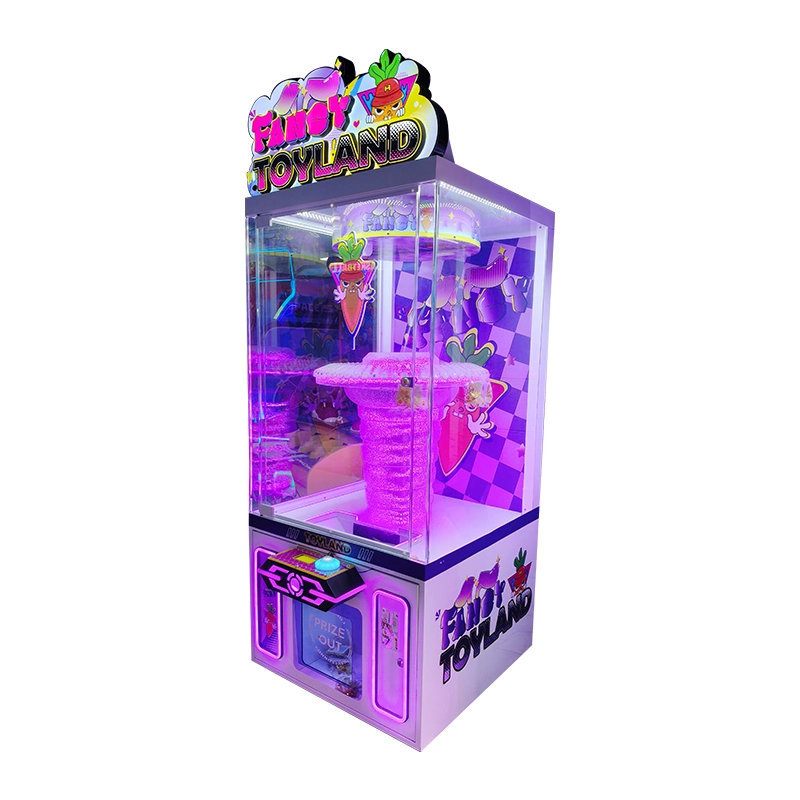
Marwey Customizable Personalized Clip Prize Machine Coin Operated Gift Amusement Vending Game Machine
Marwey Customizable Personalized Clip Prize Machine Coin Operated Gift Amusement Vending Game Machine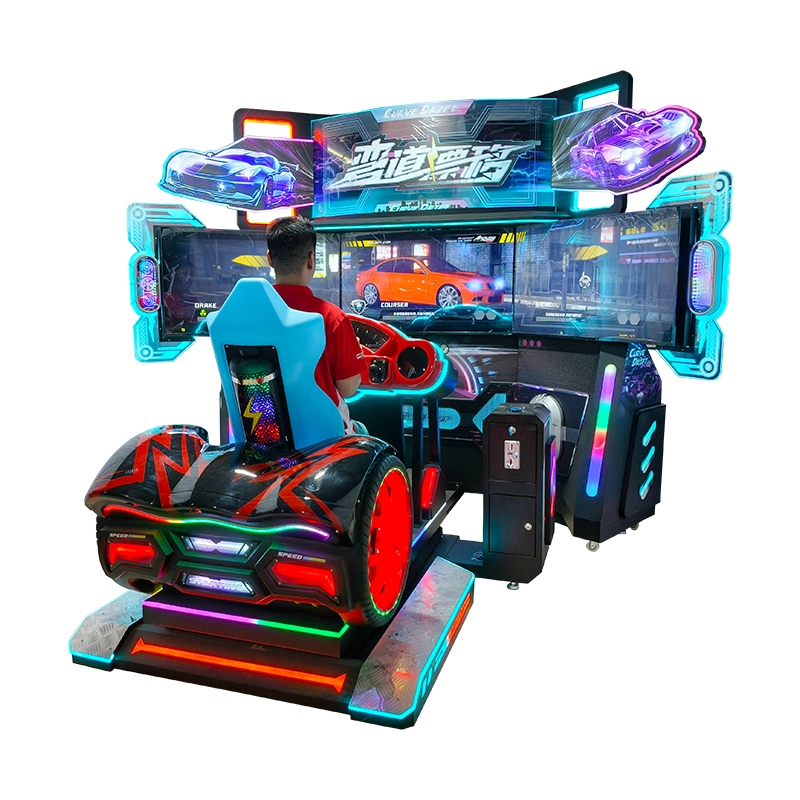
Marwey Coin Operated 49 Inch 3 Screens Motion Racing Simulator Cheap Sale Gaming Video Game Machine
Marwey Coin Operated 49 Inch 3 Screens Motion Racing Simulator Cheap Sale Gaming Video Game Machine
Marwey 27 Inch Screen Kids Racing Car Games Simulator High Quality Coin Operated Children's Racing Machine
Marwey 27 Inch Screen Kids Racing Car Games Simulator High Quality Coin Operated Children's Racing Machine
Marwey Coin Operated Driving Shooting Simulator Commercial Indoor Arcade Shooting Games for Cheap Price
Marwey Coin Operated Driving Shooting Simulator Commercial Indoor Arcade Shooting Games for Cheap Price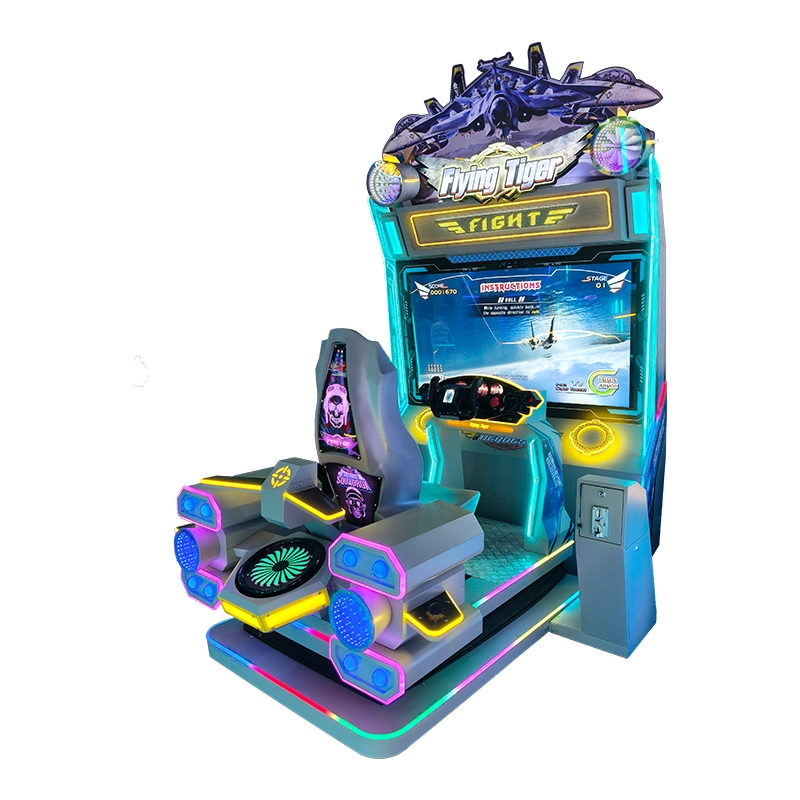
Marwey 65 Inch Screen Shooting Driving Arcade Machine Commercial Indoor Coin Operated for Cheap Sale
Marwey 65 Inch Screen Shooting Driving Arcade Machine Commercial Indoor Coin Operated for Cheap Sale
Marwey Hot Sale Coin Operated High Quality Racing Game Machine 2 Players 4 Screens Driving Simulator
Marwey Hot Sale Coin Operated High Quality Racing Game Machine 2 Players 4 Screens Driving SimulatorWant to know more industry information?
If you have any comments or good suggestions, please leave us a message; later our professional staff will contact you as soon as possible.
◼ Contact MARWEY
WhatsApp: +86 189 2218 4260
Floor 2, Building E, Hengran Creative Park, Shixin Road, Panyu District, Guangzhou, Guangdong, China.
© 2025 MARWEY. All Rights Reserved.








































































































MARWEY
MARWEY
MARWEY
MARWEY
MARWEY
MARWEY