

- Understanding the Fundamentals of Import Tariffs for Claw Machines
- Deconstructing Harmonized System (HS) Codes for Claw Machines
- Types of Tariffs and Their Impact on Claw Machine Imports
- Navigating International Trade Agreements and Preferential Treatment
- Unlocking the Benefits of Free Trade Agreements (FTAs)
- Regional Economic Blocs and Their Impact on Distribution
- Compliance, Documentation, and Risk Mitigation
- Essential Documentation for Smooth Customs Clearance
- Mitigating Risks: Tariffs, Quotas, and Non-Tariff Barriers
- Strategic Distribution and Cost Optimization with MARWEY
- The MARWEY Advantage: Global Compliance and Supply Chain Expertise
- FAQs on Import Tariffs and Trade Agreements for Claw Machine Distribution
The global entertainment industry, especially the booming claw machine sector, presents immense opportunities. However, successfully distributing these popular amusement devices internationally requires a deep understanding of complex import tariffs and trade agreements. As a leading provider of comprehensive entertainment solutions, MARWEY is committed to equipping clients with the knowledge and tools needed to navigate these challenges, ensuring seamless operations and optimized profitability. This guide will demystify the intricacies of global trade for claw machine distribution, from understanding a Harmonized System (HS) code to leveraging favorable trade agreements.
Understanding the Fundamentals of Import Tariffs for Claw Machines
Understanding the various types of import tariffs is the first step toward effective global distribution. Each tariff type has specific implications for your import costs and overall profitability.
Deconstructing Harmonized System (HS) Codes for Claw Machines
The foundation of import tariffs lies in accurate HS code classification. Identifying the correct HS code for commercial claw machines is critical to preventing delays and penalties. For example, amusement machines like claw machines typically fall under HS codes such as 9504.30.0000 for "other games of skill or chance, coin or token operated." However, slight variations in description or included features can lead to different classifications.
In my experience working on international shipments, I've seen how a seemingly minor misclassification can have significant financial repercussions. For instance, classifying a claw machine under a general "gaming equipment" category instead of a specific "coin-operated amusement machine" could unintentionally trigger a higher tariff rate, potentially a 15% increase in import duties. This directly impacts profit margins and can even lead to goods being held at customs, incurring storage fees and disrupting supply chains. Accurate HS code assignment, often requiring detailed product specifications and expert consultation, is paramount for smooth transactions.
Types of Tariffs and Their Impact on Claw Machine Imports

Import tariffs come in several forms, each impacting the cost of importing claw machines differently. Understanding them is key to accurate budgeting and avoiding surprises.
- Ad Valorem Duties: These are calculated as a percentage of the imported goods' value. For example, a 5% ad valorem duty on a $2,000 claw machine would mean a $100 tariff. This is common for finished goods.
- Specific Duties: These are levied as a fixed amount per unit of quantity, regardless of value. An example would be $50 per claw machine, irrespective of its price. This can be less predictable as it doesn't scale with the product's market value.
- Compound Duties: A combination of both ad valorem and specific duties. For instance, a tariff might be 3% of the machine's value plus $25 per unit. This complex structure requires careful calculation.
The choice of tariff type can significantly alter the final landed cost of your claw machines. For instance, a high-value, feature-rich machine might be more affected by ad valorem duties, while a lower-cost, more generic model could find specific duties proportionally more burdensome. Below is a comparison table to illustrate their differences:
| Tariff Type | Description | Application Example (Claw Machine) | Potential Impact on Cost |
|---|---|---|---|
| Ad Valorem | Percentage of value | 10% duty on a $1000 machine | $100 duty |
| Specific | Fixed per unit quantity | $50 per machine | $50 duty per machine |
| Compound | Both ad valorem and specific | 5% + $20 per machine | $50 + $20 = $70 duty |
MARWEY's expertise extends to analyzing these tariff types to ensure optimal costing for our clients' global distribution strategies.
Navigating International Trade Agreements and Preferential Treatment
Trade agreements offer significant advantages for reducing costs. Knowing how to leverage them is paramount for a competitive edge.
Unlocking the Benefits of Free Trade Agreements (FTAs)
Free Trade Agreements (FTAs) can significantly lower or even eliminate tariffs between signatory countries, presenting a massive opportunity for cost savings in claw machine distribution. However, taking advantage of these benefits requires strict adherence to rules of origin. These rules dictate criteria that products must meet to be considered 'originating' from a member country and thus eligible for preferential treatment. MARWEY, with its robust global manufacturing and supply chain, is adept at navigating these complexities.
Case Study: In one instance, a client distributing MARWEY claw machines from an ASEAN member country to another under the ASEAN Free Trade Area (AFTA), was able to reduce their import duties from a standard 10% to 0%. This was achieved by meticulously documenting that the machines met the AFTA's rules of origin. Our clients often realize an average of 8-12% savings on imports by effectively utilizing such FTA benefits, significantly boosting their ROI.
Regional Economic Blocs and Their Impact on Distribution
Regional economic blocs like the European Union (EU), ASEAN, or USMCA (United States-Mexico-Canada Agreement) create unique trade environments. These blocs often simplify trade among member states while sometimes introducing specific requirements for non-member imports. For claw machine distribution, understanding these blocs is vital:
- EU: The EU operates as a single market, meaning once claw machines clear customs in one member state, they can generally move freely to others without additional tariffs. However, strict product safety regulations apply to all imports.
- ASEAN: Facilitates lower tariffs for goods originating within its member countries, fostering regional trade.
- USMCA: Replaced NAFTA, maintaining duty-free trade for specific goods between the US, Mexico, and Canada, with updated rules of origin requirements.
To determine if your target market benefits from an active trade agreement, follow these steps:
- 1. Identify target country: Pinpoint where you plan to distribute your claw machines.
- 2. Research existing trade agreements: Look for agreements between your export country and the target country.
- 3. Verify rules of origin: Confirm that your claw machines qualify under the agreement's specific rules.
- 4. Prepare necessary documentation: Gather documents like a certificate of origin.
- 5. Consult with experts: Engage a customs broker or MARWEY's import/export specialists for guidance.
Compliance, Documentation, and Risk Mitigation
Successful distribution relies on meticulous compliance and proactive risk management. Don't overlook these critical steps.
Essential Documentation for Smooth Customs Clearance
Accurate and complete documentation is the backbone of efficient international trade. For claw machines, key documents include:
- Commercial Invoice: Details the transaction, including seller, buyer, goods description, quantity, price, and payment terms.
- Packing List: Itemizes the contents of each package, ensuring customs can verify cargo.
- Bill of Lading (B/L) or Air Waybill (AWB): A contract between the shipper and the carrier, acting as a receipt for goods and a document of title.
- Certificate of Origin: Proves where the goods were manufactured, crucial for claiming FTA benefits.
- Product Certifications: Documents like MARWEY's ASTM and TÜV compliance ensure products meet specific market safety and quality standards.
From my experience, one small discrepancy or missing document can cause significant headaches. For example, a client recently faced a 7-day delay at customs for a shipment of claw machines because the product certifications were incorrectly filed, leading to significant demurrage charges and lost revenue from delayed arcade openings. Accurate documentation is not just a formality; it's a critical operational safeguard.
Mitigating Risks: Tariffs, Quotas, and Non-Tariff Barriers

The global trade landscape is dynamic, with tariffs, quotas, and non-tariff barriers (NTBs) presenting continuous challenges. Non-tariff barriers, like import licensing, product standards, and technical regulations, can be as restrictive as tariffs. For instance, some countries may require specific electrical certifications or materials compliance for amusement devices, distinct from general product safety. MARWEY's adherence to international standards like CE, UL, ASTM, and TÜV is a strategic advantage. These certifications are not merely badges, but a proactive approach to overcoming NTBs, ensuring our claw machines readily comply with diverse global requirements. This commitment has helped our clients reduce compliance-related rejection rates by over 95%.
The Commission Decision (EU) 2023/1338, for example, outlines critical safety requirements for children's products under the General Product Safety Directive (GPSD), impacting certain types of claw machines. Staying ahead of such regulations is key. Partnering with a manufacturer like MARWEY, who integrates these compliance measures into their design and sourcing, empowers distributors to navigate these complex regulations without extensive internal compliance teams.
Strategic Distribution and Cost Optimization with MARWEY
Leverage MARWEY's expertise to transform trade complexities into competitive advantages.
The MARWEY Advantage: Global Compliance and Supply Chain Expertise
MARWEY offers an end-to-end solution that seamlessly integrates tariff and trade agreement considerations into our distribution process. From the moment a claw machine is manufactured to its DDP (Delivered Duty Paid) delivery, we manage every step. Our extensive global footprint, spanning over 100 countries, means we possess deep, on-the-ground knowledge of diverse regulatory landscapes. This allows us to predict and mitigate potential issues before they arise, ensuring a smooth and predictable supply chain for our clients.
What truly sets MARWEY apart is our unique dual role as both an operator and a manufacturer. This means our solutions are not just theoretical; they are rigorously tested for real-world efficiency and durability in our own entertainment centers. This practical experience translates directly into optimized logistics, reduced risks, and maximum ROI for your claw machine distribution business.
For instance, in my role, I've guided clients through nuanced tariff classifications for new claw machine models, ensuring they benefit from the lowest legal duties without risking customs penalties. This proactive approach, coupled with our expertise in applying for specific trade preferences, regularly saves clients thousands of dollars per shipment while accelerating delivery times. This combination of global reach, practical experience, and comprehensive compliance support is the MARWEY advantage.
Navigating the complexities of import tariffs and trade agreements is crucial for profitable claw machine distribution. By understanding HS codes, leveraging FTAs, and ensuring meticulous documentation, businesses can optimize costs and expand globally. Partner with MARWEY for a seamless, compliant, and cost-effective distribution strategy. Contact us today to learn how our turnkey solutions can maximize your ROI!
FAQs on Import Tariffs and Trade Agreements for Claw Machine Distribution
Q1: What are Harmonized System (HS) codes and why are they important for importing claw machines?
HS codes classify products internationally to determine applicable import tariffs. Accurate HS code assignment for claw machines prevents customs delays, financial penalties, and higher duty rates, ensuring smooth, cost-effective importation.
Q2: What types of import tariffs affect claw machine distribution?
Claw machine imports may incur three tariff types: ad valorem duties (percentage of product value), specific duties (fixed amount per unit), and compound duties (combination of both). Each affects total import costs differently.
Q3: What are Free Trade Agreements (FTAs) and how do they benefit claw machine importers?
FTAs reduce or eliminate tariffs between member countries. Importers can save significant costs by complying with rules of origin and documentation requirements, enabling claw machines to qualify for preferential tariff rates under agreements like ASEAN or USMCA.
Q4: How can a distributor ensure compliance with international trade regulations when importing claw machines?
Distributors should prepare accurate commercial invoices, packing lists, bills of lading, certificates of origin, and relevant product certifications. Consulting experts and adhering to safety and quality standards such as ASTM and TÜV help avoid customs delays and penalties.
Q5: Why is accurate HS code classification critical for optimizing import tariffs on claw machines?
Misclassification can trigger higher tariff rates or customs holds, increasing costs and delaying shipments. Correct HS codes ensure applicable, often lower tariffs and smooth customs processing, directly impacting overall profitability.
Q6: How can businesses leverage regional economic blocs to optimize claw machine distribution costs?
By understanding trade rules for blocs like the EU, ASEAN, and USMCA, businesses can benefit from tariff reductions, simplify customs processes, and comply with product standards, thereby increasing distribution efficiency and lowering expenses.
Q7: What steps should be taken to use trade agreements effectively when importing claw machines?
1) Identify the target country; 2) Research relevant trade agreements; 3) Confirm compliance with rules of origin; 4) Gather required documentation such as certificates of origin; 5) Consult customs experts to ensure eligibility for preferential tariffs.
Q8: What are non-tariff barriers and how do they impact claw machine imports?
Non-tariff barriers include import licensing, technical regulations, and product standards that restrict market entry. Compliance with certifications like CE, UL, ASTM, and TÜV helps mitigate these barriers, reducing rejection rates and facilitating smoother entry into target markets.
Q9: How does MARWEY's expertise assist in mitigating risks and optimizing claw machine distribution costs?
MARWEY combines manufacturing and operational experience with global regulatory knowledge to provide end-to-end compliance, tariff classification, and trade agreement navigation. This minimizes customs risks, reduces import duties, shortens delivery times, and maximizes client ROI.
Q10: What documentation is essential for smooth customs clearance of claw machines?
Key documents include the commercial invoice, packing list, bill of lading or air waybill, certificate of origin, and product safety certifications like ASTM and TÜV. Complete, accurate documentation ensures timely clearance and eligibility for preferential tariff treatments.
Related Articles

The Role of Sustainability in Indoor Playground Marketing: Eco Strategies
Boost Profits by Optimizing the Claw Machine Play Cycle for Maximum Throughput
Innovate! Designing Claw Machines with Self-Cleaning and Sanitizing Features
Boost Claw Machine Conversions by Analyzing Player Behavior & Marketing Messages
Navigating Import Tariffs and Trade Agreements for Claw Machine Distribution
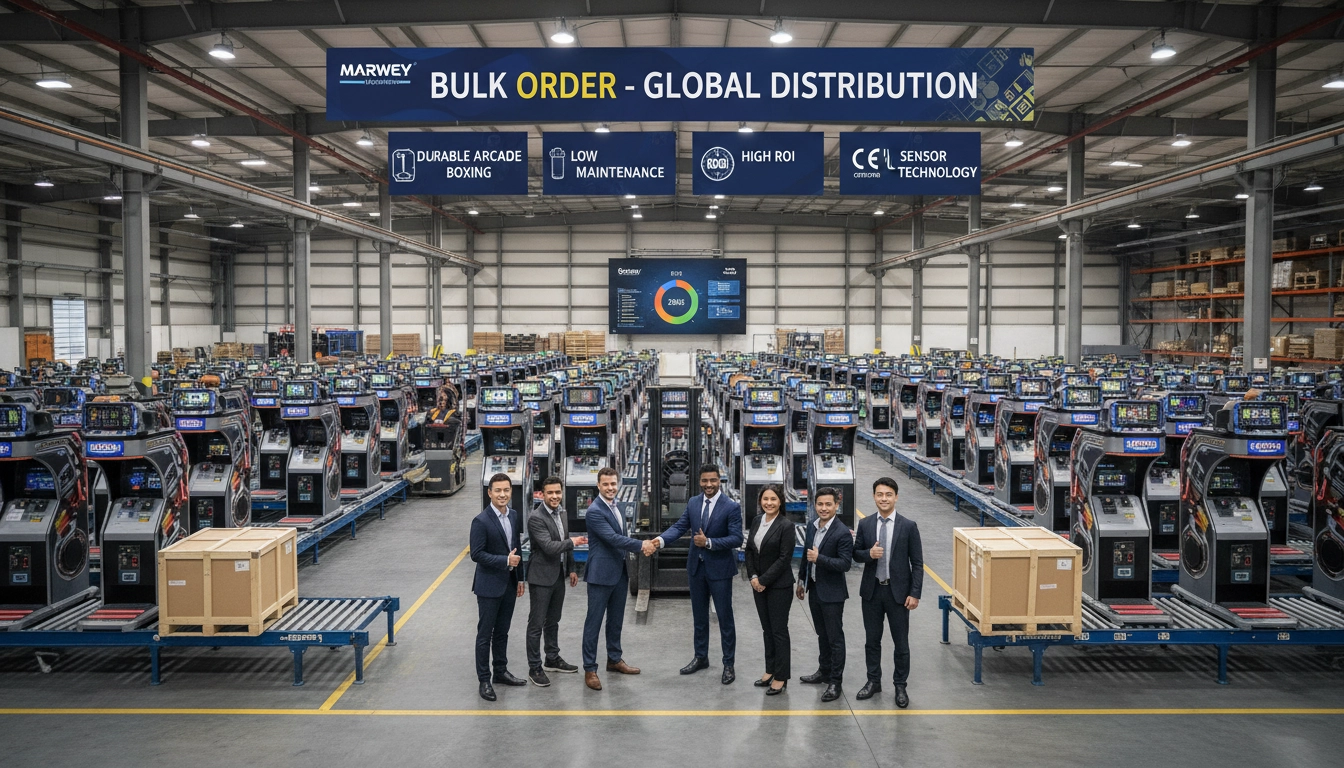
Setting Competitive Wholesale Pricing for Punching Machine Bulk Orders
Services & Support
How quickly can MARWEY respond to technical issues?
Our technical support team provides immediate response within 2 hours for critical issues and same-day resolution for most problems. For complex situations requiring on-site visits, our certified technicians can typically arrive within 24-48 hours depending on location. We maintain strategic service centers globally to ensure rapid response times.
Air Hockey Table
What is a commercial air hockey table?
A commercial air hockey table from MARWEY is a heavy-duty, coin-operated game built for high-traffic venues like Family Entertainment Centers (FECs), bars, and arcades, featuring a powerful blower motor, durable acrylic playing surface, and reinforced construction for long-term profitability.
Mini Claw Machine
Where to buy mini claw machine?
Indoor Trampoline Park
How fast does a trampoline park ROI (Return on Investment)?
The time for a trampoline park to achieve a full Return on Investment (ROI) can vary, but industry benchmarks suggest that a profitable park typically begins to see substantial financial gains and can reach profitability within 18 to 24 months post-launch.
Key factors influencing this timeline include the initial investment size, rent/lease terms, operational efficiency, and effective marketing.
Technical Support
What network infrastructure is needed for MARWEY arcade systems?
A stable broadband internet connection with minimum 10 Mbps download speed is recommended for optimal performance. Machines can operate via WiFi or ethernet connection, with built-in network management systems for monitoring and diagnostics. We provide network setup assistance and ongoing connectivity support to ensure reliable operation.
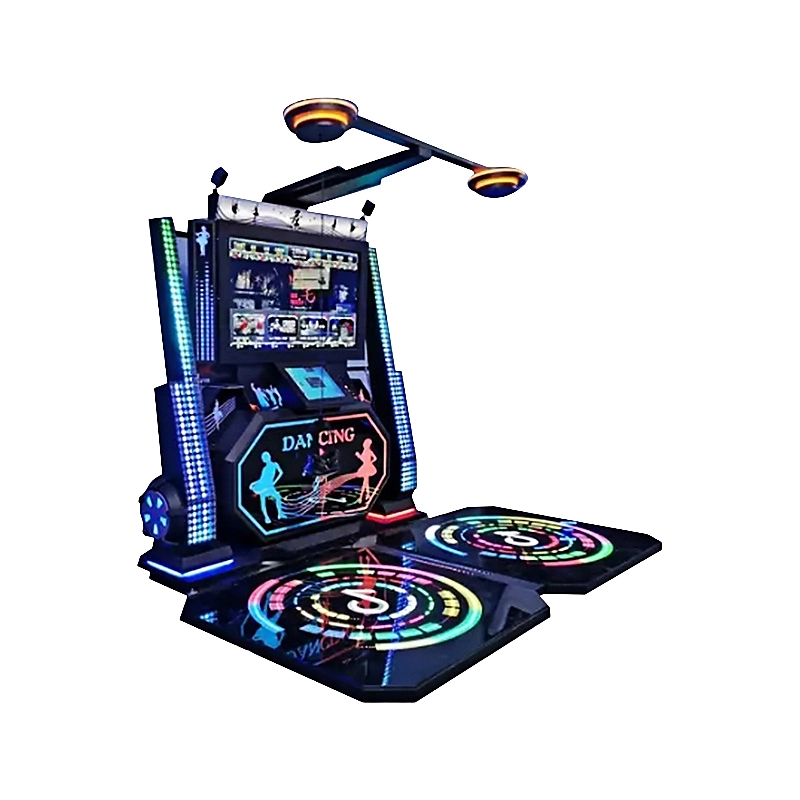
Marwey 9d 2 Players Musical Instruments Video Games Dance Simulator Dancing Wonder VR Arcade Machine
Marwey 9d 2 Players Musical Instruments Video Games Dance Simulator Dancing Wonder VR Arcade Machine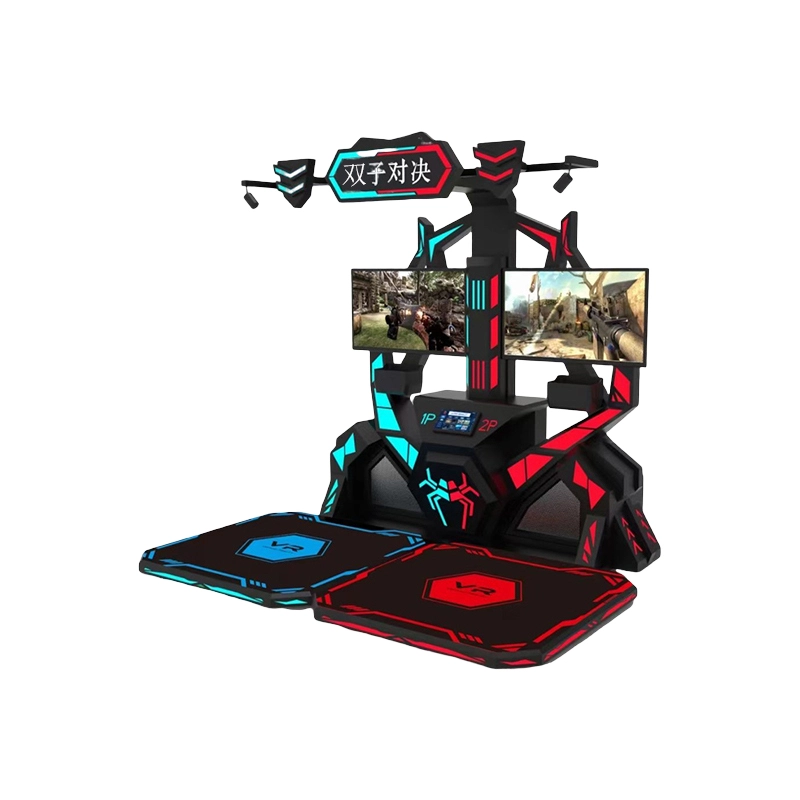
Marwey 2 Players Dual Screen Platform Arcade Game Shooting Simulator VR Machine for Commercial Theme Park
Marwey 2 Players Dual Screen Platform Arcade Game Shooting Simulator VR Machine for Commercial Theme Park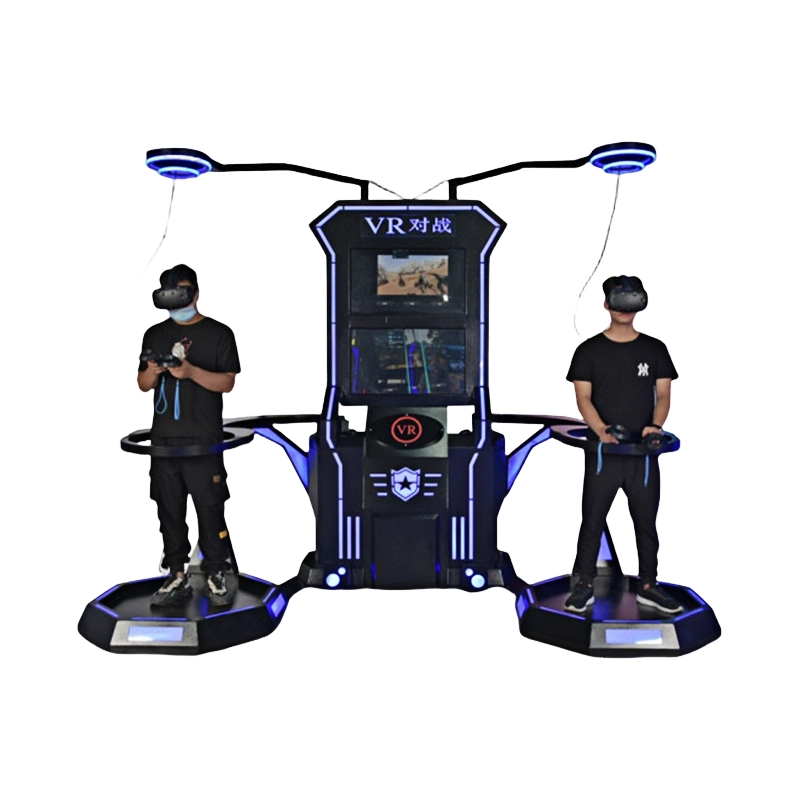
Marwey Immersive Entertainment 2 Players VR Game Console 9D Virtual Reality Platform Simulator
Marwey Immersive Entertainment 2 Players VR Game Console 9D Virtual Reality Platform Simulator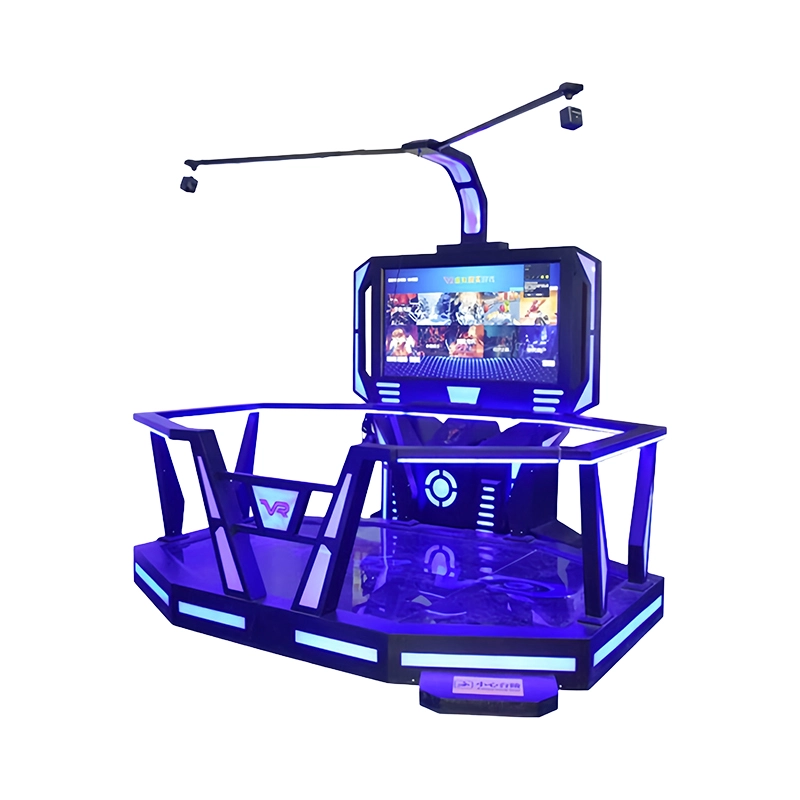
Marwey 9d Octave Space Vr Simulator Walking and Shooting Virtual Reality Game Platform for Sale
Marwey 9d Octave Space Vr Simulator Walking and Shooting Virtual Reality Game Platform for Sale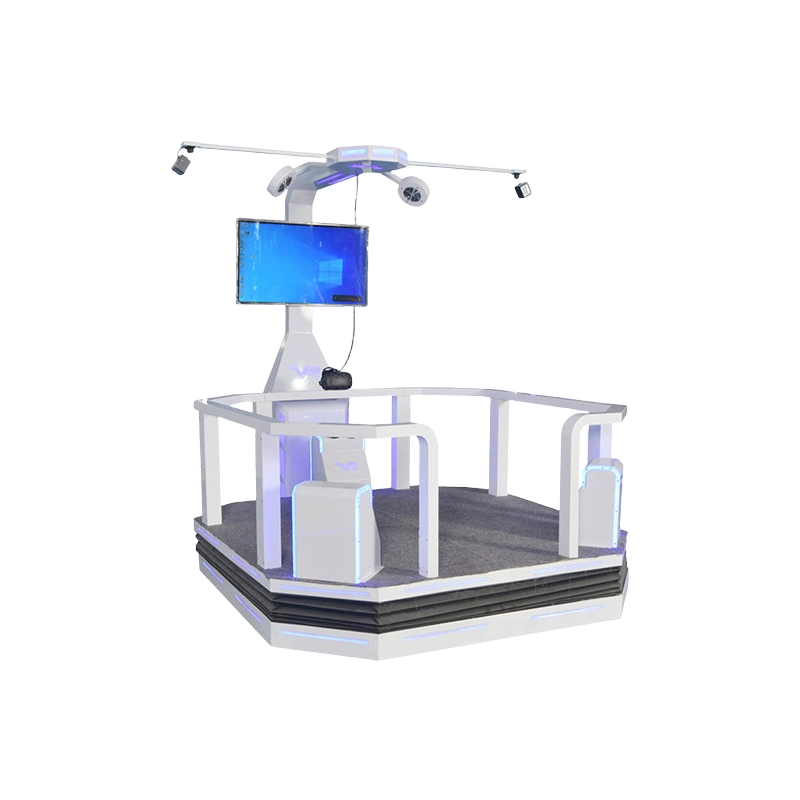
Marwey VR Dynamic Science Popularization Platform Commercial Virtual Reality Game Rides Simulator
Marwey VR Dynamic Science Popularization Platform Commercial Virtual Reality Game Rides Simulator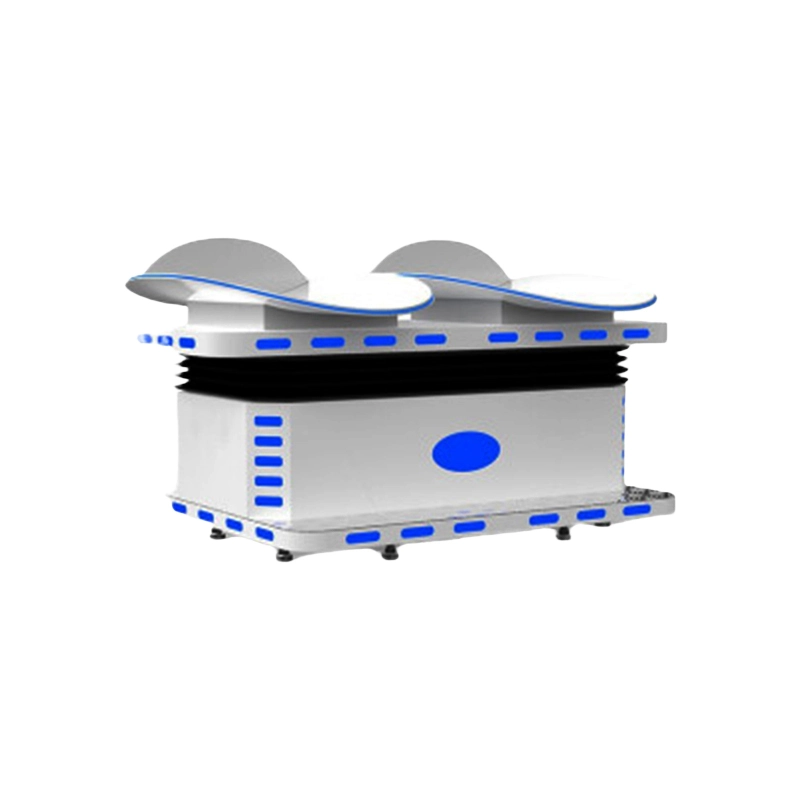
Marwey High Quality VR Skiing Simulator Double Seat Arcade Cinema Virtual Reality Slide Game Machine
Marwey High Quality VR Skiing Simulator Double Seat Arcade Cinema Virtual Reality Slide Game Machine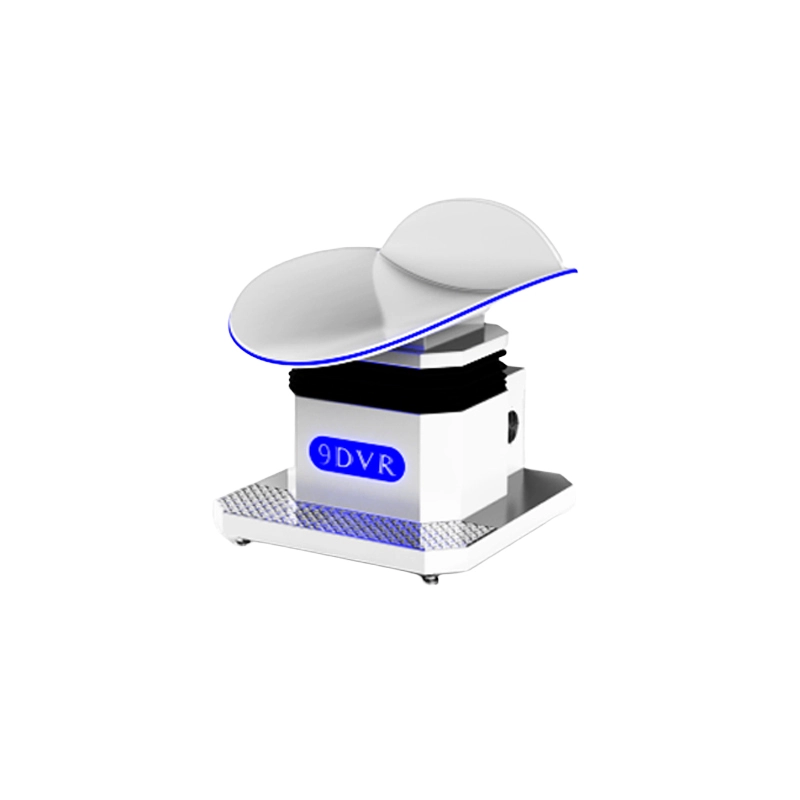
Marwey High Quality VR Skiing Simulator Single Seat Arcade Cinema Virtual Reality Slide Game Machine
Marwey High Quality VR Skiing Simulator Single Seat Arcade Cinema Virtual Reality Slide Game Machine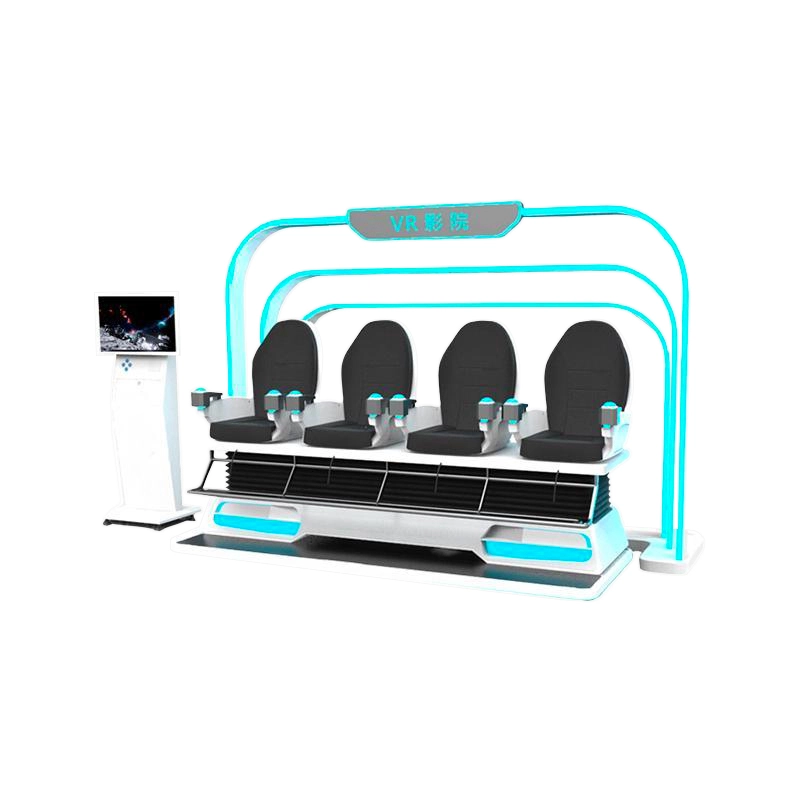
Marwey Hot Sale 4 Seats VR Amusement Equipment Virtual Reality Cinema Simulator Games Rides for VR
Marwey Hot Sale 4 Seats VR Amusement Equipment Virtual Reality Cinema Simulator Games Rides for VRWant to know more industry information?
If you have any comments or good suggestions, please leave us a message; later our professional staff will contact you as soon as possible.
◼ Contact MARWEY
WhatsApp: +86 189 2218 4260
Floor 2, Building E, Hengran Creative Park, Shixin Road, Panyu District, Guangzhou, Guangdong, China.
© 2025 MARWEY. All Rights Reserved.
MARWEY
MARWEY
MARWEY
MARWEY
MARWEY
MARWEY