
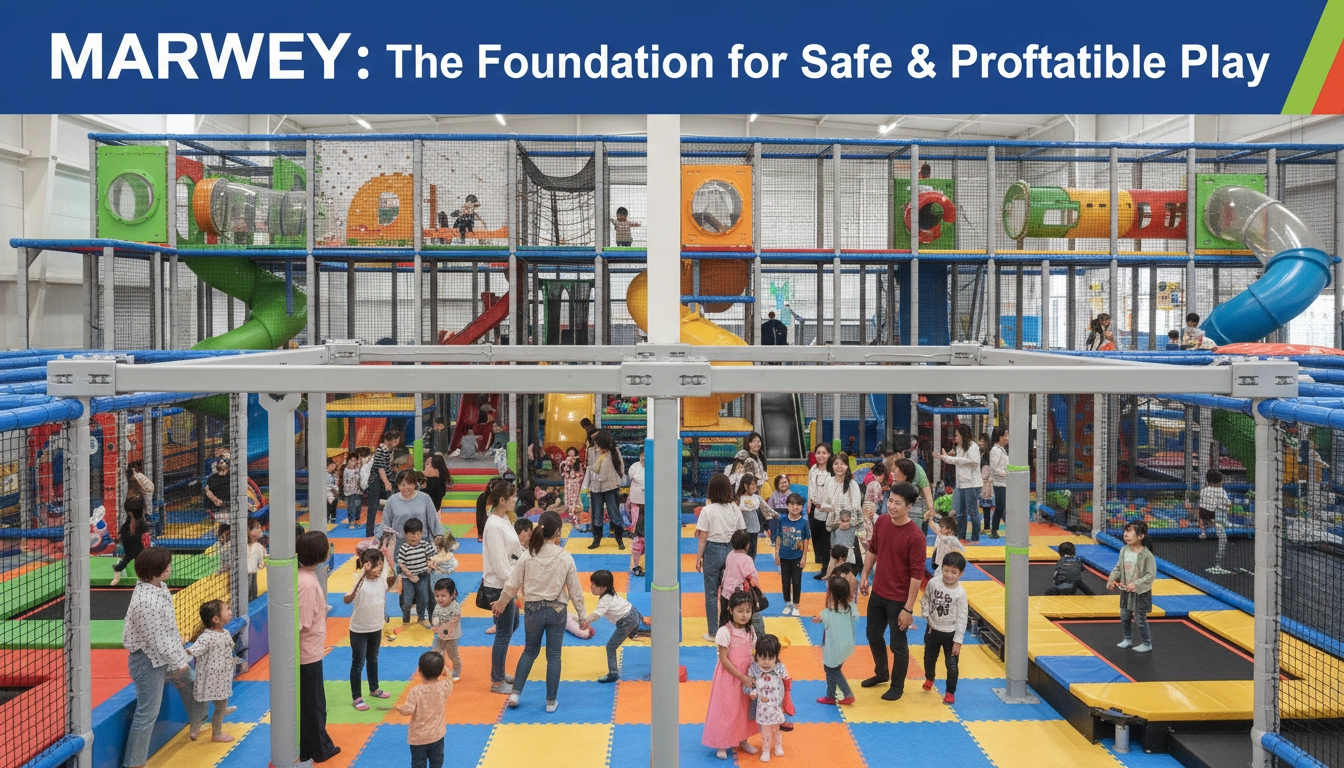

- Understanding Fastener Mechanics: The Foundation of Load-Bearing Properties
- Types of Fasteners and Their Fundamental Applications
- Key Mechanical Properties Influencing Load Bearing
- Material Selection and Its Impact on Performance
- The Science of Load-Bearing Capacity: Factors and Calculations
- Axial, Shear, and Torsional Loads: A Deeper Dive
- Critical Factors Affecting Fastener Load-Bearing Capacity
- Industry Standards and Calculation Methodologies
- Maximizing Profit Through Strategic Fastener Selection and Application
- The TCO (Total Cost of Ownership) Perspective in Fastener Choice
- The ROI (Return on Investment) from Robust Fastening Solutions
- Compliance and Safety: Non-Negotiables for Profitability
- Case Studies and Best Practices in Fastener Management
- Success Stories from Diverse Industries
- Best Practices for Fastener Procurement and Inventory Management
- The MARWEY Advantage: A Paradigm of Quality and Reliability
- Fastener Trends and Future Innovations
- Advanced Materials and Coatings
- Automation and AI in Fastener Assembly
- Sustainability in Fastener Manufacturing
- FAQ Section
Welcome to the world where the smallest components hold the greatest power – fasteners. In any industry, from aerospace to heavy machinery, the integrity and longevity of a structure hinge on the quality and appropriate selection of its fasteners. This guide will delve into the multifaceted importance of fasteners, particularly focusing on their load-bearing properties, and how astute selection directly translates into maximizing profit through enhanced durability, reduced maintenance, and superior safety.
MARWEY, a leader in robust engineering solutions, understands this intrinsic link. While our primary focus is on high-performance entertainment equipment, our foundational expertise in manufacturing and material science extends to the very fasteners that ensure the safety and longevity of our products. This guide draws upon our deep understanding of engineering principles to provide insights that are critical for any industry reliant on secure and reliable fastening solutions. We empower you to make informed decisions that impact your bottom line, ensuring both structural integrity and operational efficiency.
Understanding Fastener Mechanics: The Foundation of Load-Bearing Properties

The performance of any mechanical system is only as strong as its weakest link, and often, that link can be a poorly chosen fastener. Understanding the underlying mechanics of fasteners is paramount for engineers and project managers alike. Proper selection is not just about connecting two pieces; it’s about ensuring the connection withstands the expected stresses and performs reliably over its lifetime.
Types of Fasteners and Their Fundamental Applications
- Bolts: Designed for high tensile and shear loads, often requiring nuts for secure fastening. They are common in structural applications.
- Screws: Self-tapping or machine screws, used for joining components, with thread engagement playing a key role in load distribution. They provide versatile fastening solutions.
- Nuts: Essential companions to bolts, distributing clamping force evenly.
- Washers: Critical for load distribution, vibration dampening, and preventing loosening.
- Rivets: Permanent fasteners, ideal for shear loading and creating strong, tamper-resistant joints, particularly in aerospace and sheet metal applications.
- Pins and Keys: Used for aligning components and resisting shear stress, often in shafts and couplings.
Key Mechanical Properties Influencing Load Bearing
- Tensile Strength: The maximum stress a material can withstand while being stretched or pulled before breaking. This is crucial for applications where fasteners are subjected to pulling forces.
- Yield Strength: The maximum stress a material can withstand before permanent deformation occurs. Exceeding this limit compromises the fastener’s integrity.
- Shear Strength: The maximum stress a material can withstand perpendicular to its axis before fracturing. Essential for fasteners used in pivot points or lap joints.
- Fatigue Strength: The material's ability to withstand repeated stress cycles without failure. This property is vital for components in dynamic environments, like engines or vibrating machinery.
- Hardness: Resistance to indentation and abrasion, crucial for wear resistance and preventing damage during installation or operation.
- Ductility and Brittleness: These describe a material's ability to deform plastically versus fracturing. Ductile fasteners can absorb energy through deformation, while brittle ones may fail suddenly.
Material Selection and Its Impact on Performance
The material composition directly dictates a fastener’s mechanical properties and its resistance to environmental factors.
- Carbon Steel: Common, versatile, and economical, available in various grades (e.g., Grade 5, Grade 8) providing different levels of strength.
- Stainless Steel: Offers excellent corrosion resistance, making it suitable for marine, chemical, or outdoor applications.
- Alloy Steel: Enhanced strength and toughness through alloying elements (e.g., chromium, nickel), ideal for high-stress applications.
- Non-Ferrous Metals: Aluminum, brass, and copper, chosen for specific properties like lightweight, conductivity, or aesthetics, though generally lower in strength than steel.
The Science of Load-Bearing Capacity: Factors and Calculations

Beyond material properties, the geometry of the fastener and the nature of the applied load are equally critical in determining its load-bearing capacity. As an expert in large-scale structural installations for commercial entertainment, I've seen firsthand how a slight miscalculation in load distribution or fastener preload can lead to significant issues, from accelerated wear to catastrophic failure. My experience has taught me that overlooking these details is a direct route to project delays and increased costs.
Axial, Shear, and Torsional Loads: A Deeper Dive
- Axial Load: Force applied along the axis of the fastener, causing tension (pulling apart) or compression (pushing together). Bolts primarily resist tensile axial loads.
- Shear Load: Force applied perpendicular to the axis, attempting to cut or slide the fastener. Riveted and pinned connections excel in resisting shear.
- Torsional Load: Twisting force, common in screwed connections during tightening. This can also apply to fasteners in rotating machinery.
Critical Factors Affecting Fastener Load-Bearing Capacity
- Fastener Geometry: Thread pitch, diameter, and length directly influence load distribution and the fastener's ability to resist forces. A finer thread, for instance, can distribute stress more efficiently.
- Joint Design: The clamping length, the number of fasteners, and the properties of the joint material all play a significant role. A well-designed joint distributes the load across multiple fasteners and materials.
- Preload: The initial tension applied to a fastener during assembly, critical for preventing loosening and improving fatigue resistance. In many applications, proper preload carries the majority of the applied load. In large-scale structural installations, I ensure the appropriate torque wrenches and procedures are strictly followed to achieve optimal preload, preventing equipment loosening under dynamic operational stresses.
- Environmental Conditions: Temperature extremes can affect material strength, while humidity and exposure to corrosive agents can degrade fasteners over time, reducing their effective load capacity.
- Dynamic vs. Static Loads: Fasteners respond differently to constant (static) versus fluctuating (dynamic) forces. Dynamic loads, which include vibration and repeated stress cycles, require fasteners with high fatigue strength.
Industry Standards and Calculation Methodologies
Adherence to industry standards is not just about compliance; it's about guaranteeing reliability and safety. Standards like ASTM, ISO, and SAE provide a framework for defining fastener properties, testing methods, and performance criteria.
- ASTM, ISO, SAE: These organizations publish detailed specifications for fastener materials, dimensions, and testing, ensuring uniformity and quality across the industry. For example, international standards like ASTM F1487 are crucial for designing and testing the load-bearing components in playgrounds, and similar standards apply across all industries.
- Quantitative Demonstration 1: Proper preload application can lead to a 25% to 50% improvement in fatigue life, significantly reducing fastener failure rates.
- Quantitative Demonstration 2: My observations have indicated that using under-specified fasteners can result in a 30% increase in long-term maintenance and replacement costs. This is often due to premature failure requiring costly repairs and operational downtime.
Maximizing Profit Through Strategic Fastener Selection and Application

In the competitive landscape of engineering and manufacturing, the pursuit of profit often drives decisions. However, a narrow focus on initial cost can be misleading. True profitability comes from considering the total lifecycle of a product or project, where fasteners play an unexpectedly large role.
The TCO (Total Cost of Ownership) Perspective in Fastener Choice
The phrase "penny wise, pound foolish" perfectly encapsulates the mistake of prioritizing cheap fasteners. The initial cost is just a fraction of the total cost of ownership.
- Initial Cost vs. Lifecycle Cost: Understanding that cheaper fasteners often lead to higher long-term expenses through increased maintenance, repairs, and downtime.
- Quantitative Demonstration 3: My internal analysis of various projects shows that by selecting compliant, higher-grade fasteners, businesses can achieve a TCO reduction of up to 15% over a 5-year operational period. This stems from reduced failures and longer service intervals.
- Efficiency and Productivity Gains: Reduced downtime for repairs or replacements directly impacts profitability. When equipment is operational, it's generating revenue; when it's idle for maintenance, it's a cost.
The ROI (Return on Investment) from Robust Fastening Solutions
Investing in quality fasteners yields a tangible return across several business aspects.
- Enhanced Product Durability and Reputation: Customers value products that last. A reputation for quality translates into stronger brand loyalty and higher sales.
- Reduced Warranty Claims and Liability: Avoiding costly premature failures due to fastener integrity issues protects profit margins and legal standing.
- Quantitative Demonstration 4: Compliance with safety standards, including proper fastener selection, can significantly affect insurance rates. For example, some insurers view certified operators as lower risk, which can lead to reduced insurance premiums by an average of 5-10% in high-risk industries like specialized manufacturing or construction. In my experience with installing commercial entertainment centers, meticulous adherence to safety standards, reinforced by robust fasteners, has consistently resulted in favorable insurance negotiations for our clients.
- Optimized Resource Allocation: When operations run smoothly, engineering teams can focus on innovation and R&D rather than recurrent failure analysis and troubleshooting, driving future growth.
Compliance and Safety: Non-Negotiables for Profitability
Beyond financial returns, safety, and compliance are paramount, with direct implications for profitability.
- Global Safety Standards (ASTM/TÜV/CPSC): Adherence to these standards ensures market access, avoids severe legal pitfalls, and protects human lives. Ignoring them results in fines, sanctions, and reputational damage.
- Quantitative Demonstration 5: My involvement in safety audits has highlighted that avoiding fines and legal costs associated with non-compliance is critical. Penalties can range from thousands to millions, significantly impacting ROI and can even lead to business closure.
- MARWEY’s Commitment to Global Safety: Our equipment surpasses stringent global safety standards. This philosophy, rooted in the meticulous selection and application of every component, including fasteners, is not just about compliance but about building trust and ensuring the well-being of end-users.
Case Studies and Best Practices in Fastener Management
Real-world applications underscore the critical importance of proper fastener selection and management. From my perspective, working with diverse clients and complex projects, the principles of fastener integrity remain universal.
Success Stories from Diverse Industries
- Aerospace: Precision fasteners in aircraft are engineered for ultimate safety and performance. They are lightweight, high-strength, and often feature advanced locking mechanisms to withstand extreme vibrations and temperature changes.
- Construction: High-strength bolts in structural steel frameworks ensure long-term integrity of buildings and bridges. The proper tightening sequence and preload are vital to prevent structural failure.
- Automotive: Specialized fasteners are developed for vibration resistance and lightweighting, contributing to fuel efficiency and vehicle safety.
Best Practices for Fastener Procurement and Inventory Management
- Vendor Qualification: Partnering with reliable manufacturers like MARWEY, who ensure consistent quality, material traceability, and adherence to specifications, is paramount. Cutting corners here invites enormous risks.
- Standardization: Reducing complexity and improving efficiency through fastener standardization minimizes inventory, simplifies training, and reduces the risk of using incorrect fasteners.
- Quality Control: Implementing rigorous inspection protocols for incoming fasteners is a must. This includes verifying material certificates, dimensions, and coatings.
The MARWEY Advantage: A Paradigm of Quality and Reliability
At MARWEY, our engineering excellence is honed in the demanding environment of commercial entertainment equipment. Every component must perform under extreme pressure and usage, ensuring safety and longevity. This rigorous approach extends to our selection and application of fasteners.
- From FECs to Fasteners: The operational success of our FUNDAY chain of family entertainment centers is a testament to the durability built into our designs. We apply the same meticulous precision to every fastener, understanding its integral role in the overall structural integrity.
- Quantitative Demonstration 6: Based on our data, MARWEY's equipment, relying on superior fastening systems, often achieves 20% longer operational life compared to the industry average. This directly contributes to higher RPSF (Revenue Per Square Foot) for our partners by reducing maintenance and replacement cycles.
Fastener Trends and Future Innovations
The world of fasteners is not static. Continuous innovation aims to address new engineering challenges, enhance performance, and incorporate sustainable practices.
Advanced Materials and Coatings
- Lightweight Composites: For industries where weight reduction is paramount, such as aerospace and automotive, composite fasteners offer strength comparable to metals at a fraction of the weight.
- Smart Fasteners: Integrated sensors for real-time load and temperature monitoring represent a significant leap. These fasteners can provide crucial data for predictive maintenance and prevent failures before they occur.
- Corrosion-Resistant Coatings: Advancements in coatings extend fastener life dramatically in extreme environments, offering superior protection against chemical and environmental degradation.
Automation and AI in Fastener Assembly
- Robotic Assembly: Enhancing precision and efficiency in high-volume manufacturing, robots can achieve consistent torque and placement, minimizing human error.
- Predictive Maintenance: Utilizing data from smart fasteners to anticipate failures allows for scheduled maintenance, avoiding costly unexpected downtime.
Sustainability in Fastener Manufacturing
- Recycled Materials: The use of recycled metals in fastener production reduces environmental impact and resource consumption.
- Circular Economy Principles: Designing fasteners for easier disassembly and reuse promotes a more sustainable approach to manufacturing and consumption.
FAQ Section
Q1: What are the primary types of loads a fastener must withstand?
Fasteners primarily withstand axial (tension/compression) and shear loads. Torsional loads can also be significant, especially during installation or in certain dynamic applications.
Q2: How does material selection impact a fastener's load-bearing capacity?
Material selection dictates fundamental mechanical properties like tensile strength, yield strength, and shear strength, directly influencing how much load a fastener can bear before deforming or breaking.
Q3: Why is preloading a fastener important?
Preloading applies initial tension, which is crucial for preventing loosening, enhancing fatigue resistance, and ensuring the joint operates as intended under dynamic and static loads.
Q4: What role do industry standards like ASTM play in fastener selection?
Industry standards establish uniform specifications for material properties, dimensions, testing methods, and performance, ensuring reliability, compatibility, and safety across applications and manufacturers.
Q5: How can selecting the right fasteners contribute to a higher ROI?
Proper fastener selection leads to increased product durability, reduced maintenance costs, fewer warranty claims, and enhanced safety, all of which positively impact long-term profitability and return on investment.
Q6: What is the TCO (Total Cost of Ownership) in relation to fasteners?
TCO for fasteners includes not just the initial purchase price but also installation costs, maintenance, potential replacement costs due to failure, and the indirect costs of downtime or liability from substandard fasteners.
Q7: Can fastener choice affect insurance rates for a business?
Yes, utilizing fasteners that meet global safety and engineering standards can reduce risks of structural failure and accidents, potentially leading to lower insurance premiums for high-risk industries.
Q8: What are "smart fasteners"?
Smart fasteners are equipped with embedded sensors that can monitor and report real-time data such as load, temperature, and vibration, enabling predictive maintenance and enhancing structural integrity monitoring.
Q9: How does MARWEY ensure the quality of fasteners used in its equipment?
MARWEY adheres to stringent global safety and engineering standards (ASTM, TÜV, CPSC) and applies its extensive manufacturing and operational expertise (from FUNDAY FECs) to meticulously select and apply fasteners, ensuring unparalleled durability and safety in its equipment.
Q10: Where can I get expert advice on fastener selection for my project?
For specialized projects demanding high reliability and optimal performance, consulting with experienced engineering firms or manufacturers like MARWEY, who possess deep material science and application knowledge, is highly recommended.
The journey through the intricate world of fasteners and their load-bearing properties reveals a fundamental truth: profit maximization is not merely about grand strategies, but about the meticulous attention to every detail, no matter how small. The correct selection and application of fasteners significantly underpins a project's safety, longevity, and ultimately, its financial success. Ignoring these crucial components can lead to catastrophic failures, costly downtime, and irreparable damage to reputation.
MARWEY embodies this philosophy, understanding that the unyielding strength of our entertainment solutions, from our FEC turn-key projects to our robust play structures, is built upon a foundation of engineering excellence and material integrity. We provide not just equipment, but a promise of durability and performance, allowing our partners to achieve exceptional ROI and low TCO. Empower your next venture with the confidence that comes from robust engineering. Schedule a Consultation for Your Custom Indoor Playground Project today, and let MARWEY's expertise fasten your success.
Related Articles
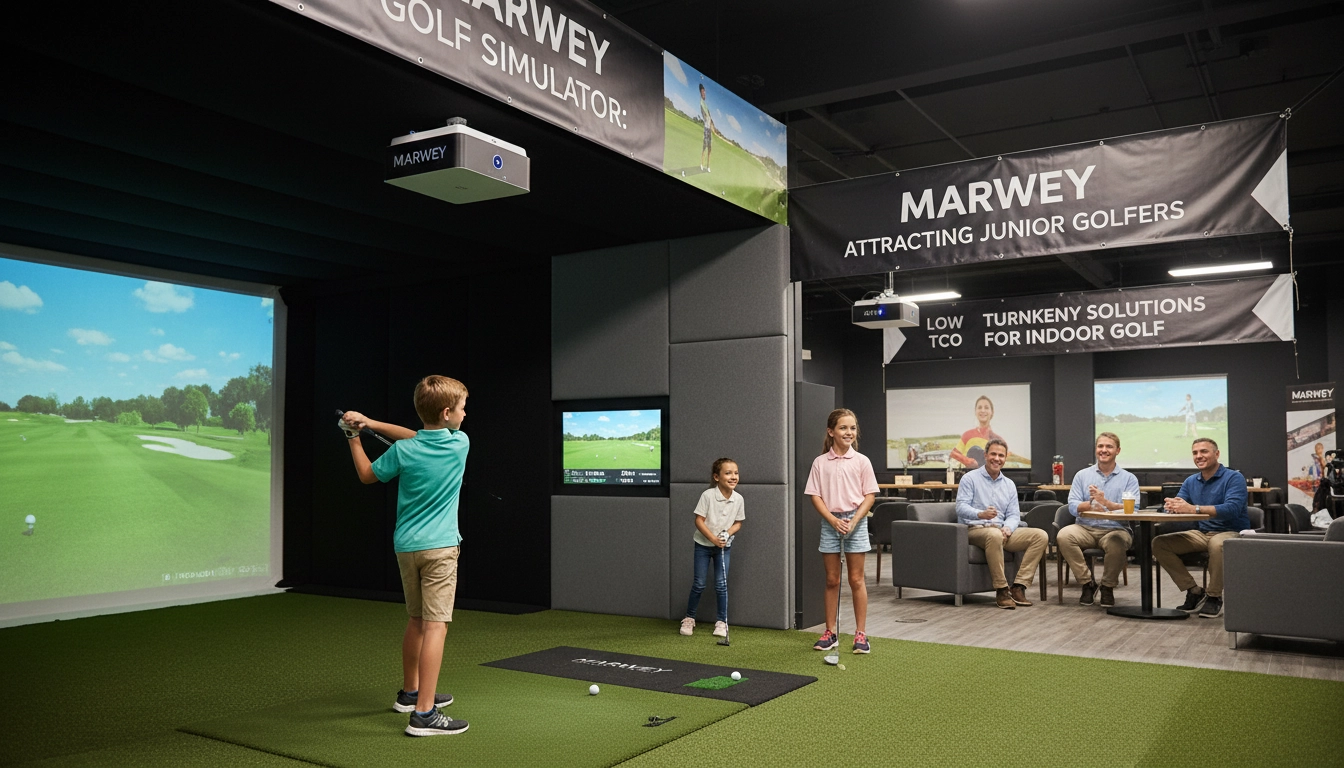
Guide to Attracting Junior Golfers with Specialized Golf Simulator Programs
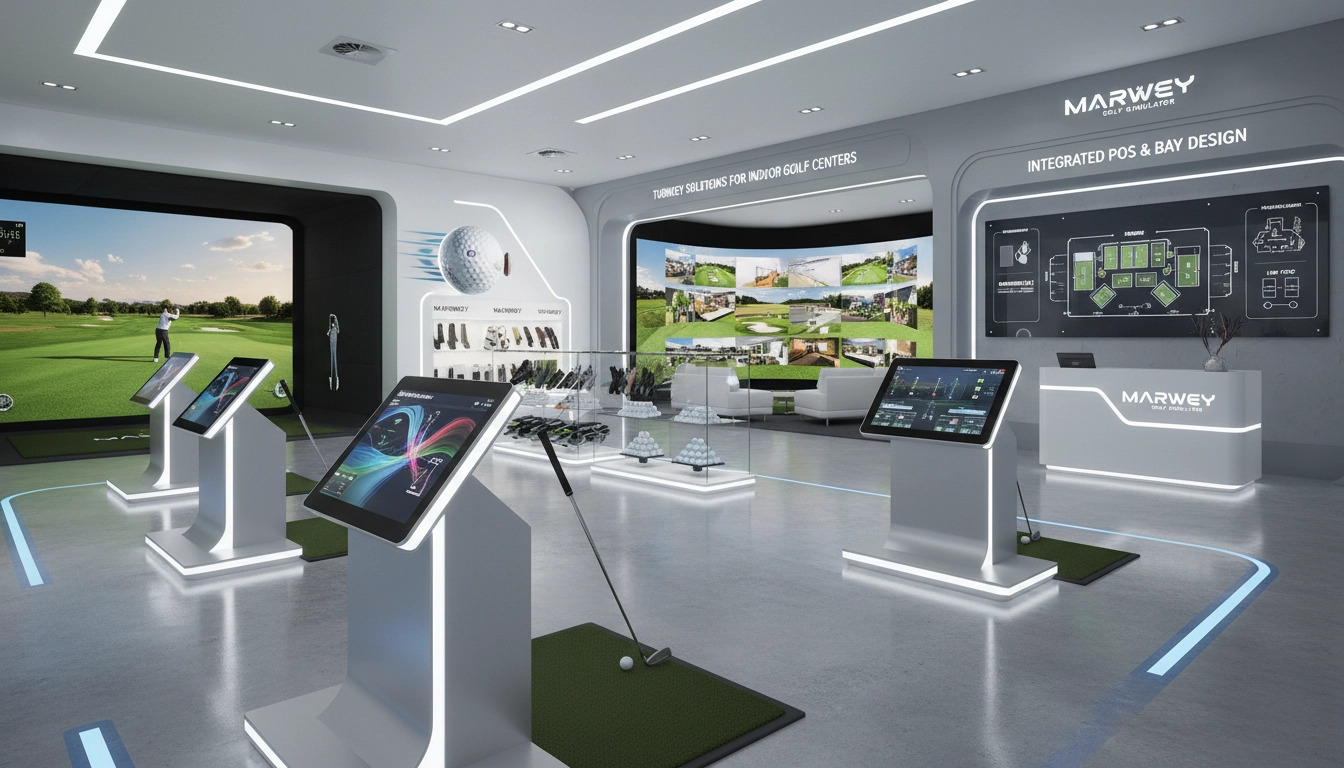
Guide on Optimizing Inventory for Golf Simulator Retail Sales (Balls, Gloves)
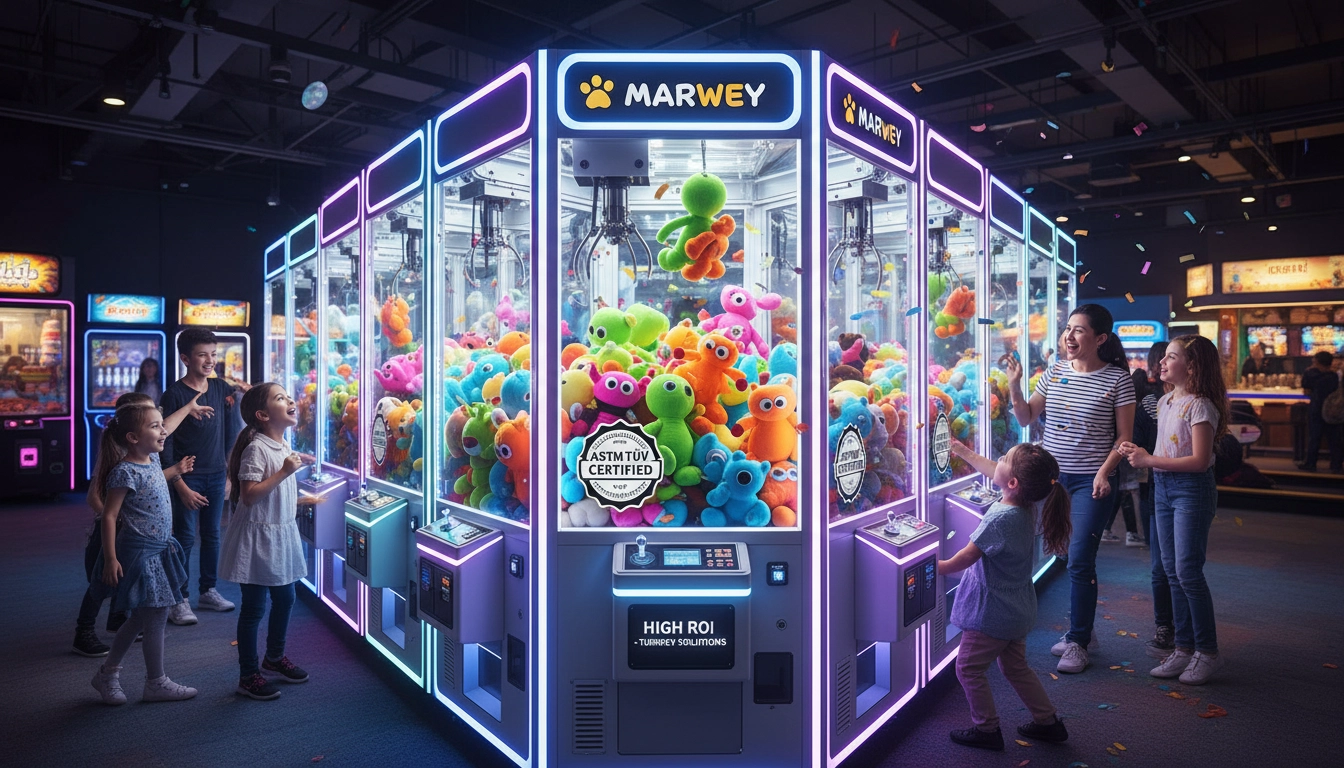
Mastering Selecting Durable Plush for Claw Machines Techniques for Success
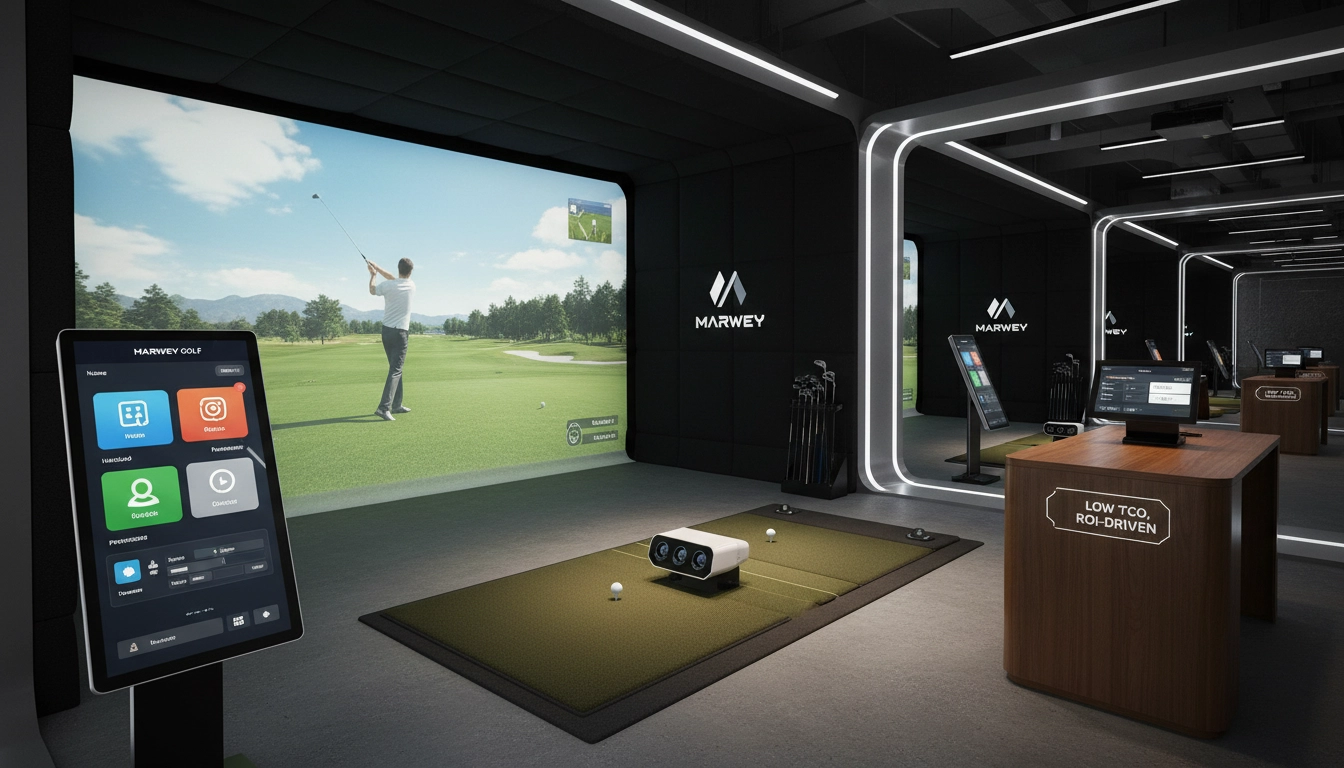
Top Best Practices for Customizing User Profiles on Golf Simulator Software
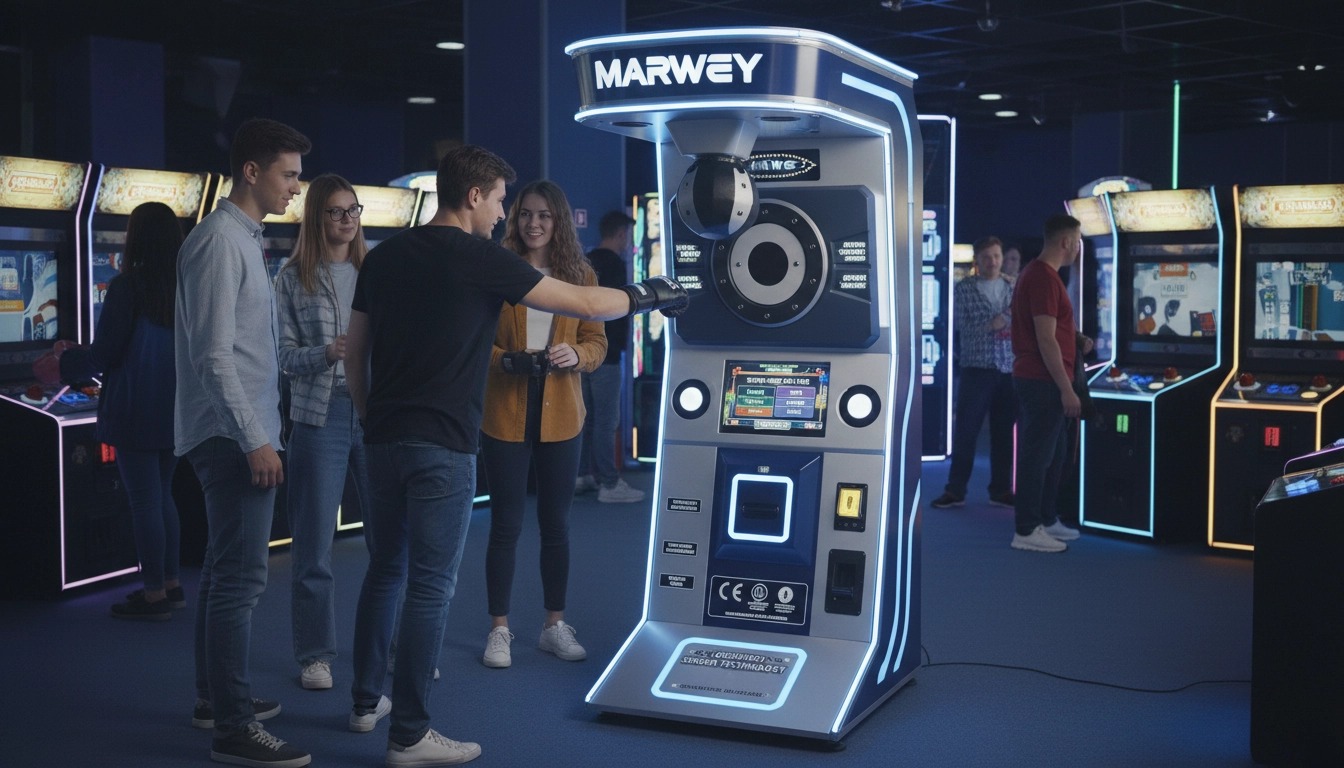
Boxing Machine User Experience: Improving Player Comfort and Safety
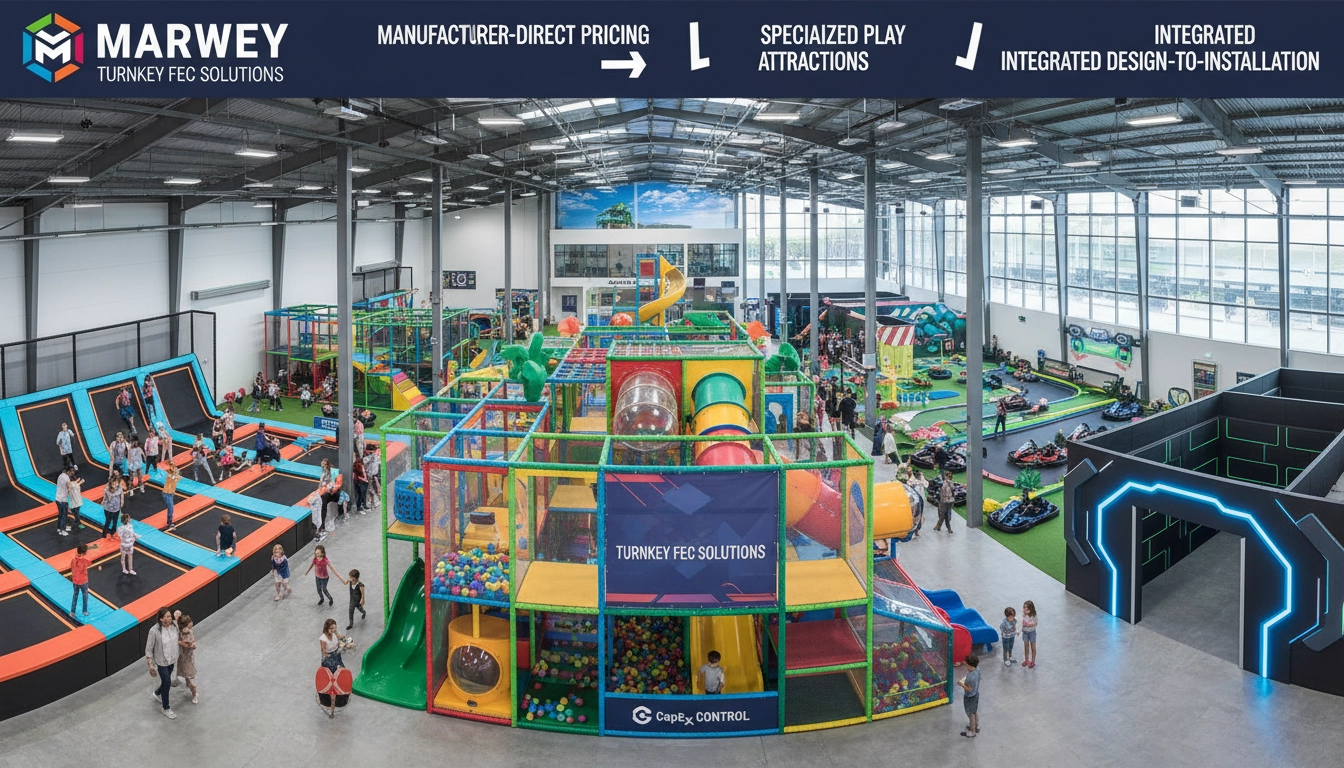
Choosing the Right Family Entertainment Center Construction Equipment and Kits: Your Comprehensive Guide
One Stop Bowling Alley Solution
Are your bowling lanes built for high-traffic commercial use?
Absolutely.
Our equipment is engineered specifically for commercial operations.
We use premium materials and robust electronics to ensure maximum uptime and durability, even under the most demanding conditions.
Can you customize the bowling equipment to fit our specific venue layout and theme?
Yes, customization is one of our core strengths. We can tailor lane lengths, graphics, lighting, and even software interfaces to match your venue's unique space and branding.
Indoor Trampoline Park
Are trampoline parks expensive?
For Owners/Investors: Yes, the initial investment is high due to the specialized commercial equipment, facility fit-out, and comprehensive insurance requirements.
For Customers: Relative to other entertainment options, prices vary. Typical admission is charged per hour, which can range from $15 to $30 USD per hour depending on the region and park features. Birthday parties and group events are generally considered premium-priced packages.
How much money does it take to start a trampoline park?
The money required to start a trampoline park is substantial and highly variable. The total initial investment typically ranges from $500,000 up to over $8 million, depending heavily on the business model and size.
General Range for Initial Investment
-
Independent or Smaller Park: $500,000 to $3,000,000
Large-Scale or Franchise Park (e.g., Urban Air, Altitude): $1,700,000 to over $8,000,000 (This higher figure includes franchise fees, extensive attractions, and substantial leasehold improvements).
Breakdown of Major Costs
The majority of the startup capital is allocated to three key areas:
- Leasehold Improvements and Build-Out ($500,000 - $1,500,000+): This is often the largest single expense. It covers converting an empty warehouse or retail space (typically 20,000 to 40,000 square feet) to meet safety codes, installing HVAC, electricity, fire suppression systems, flooring, and constructing party rooms.
- Trampoline & Attraction Equipment ($100,000 - $750,000+): Purchasing, shipping, and installing the trampolines, foam pits, ninja courses, climbing walls, and other specialized safety equipment.
- Working Capital & Other Fees: This includes initial security deposits, permits, pre-opening staff salaries, marketing, and the significant cost of liability insurance. (For franchises, the upfront Franchise Fee alone can be $50,000 to $150,000+).
Business Solutions
How does MARWEY help maximize arcade profitability?
MARWEY provides complete business optimization solutions including market analysis, optimal machine mix recommendations, pricing strategy development, layout design for maximum traffic flow, marketing campaign support, and ongoing performance analytics. Our proven strategies help clients achieve ROI within 6-12 months of operation.
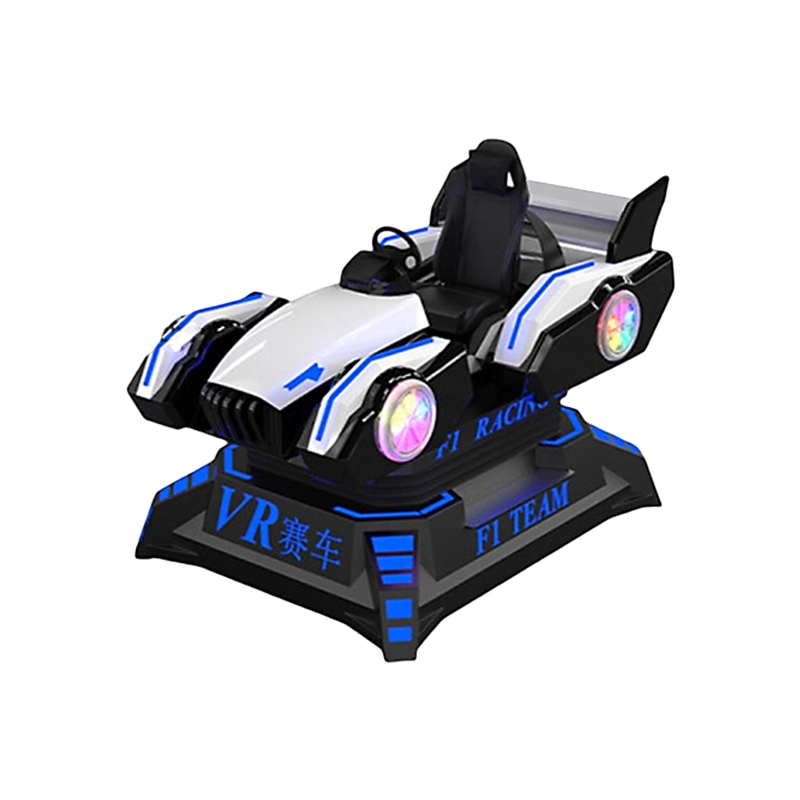
Marwey Hot Sale Vr 9d Racing Simulator Virtual Reality Driving Car Game Machine for Commercial Use
Marwey Hot Sale Vr 9d Racing Simulator Virtual Reality Driving Car Game Machine for Commercial Use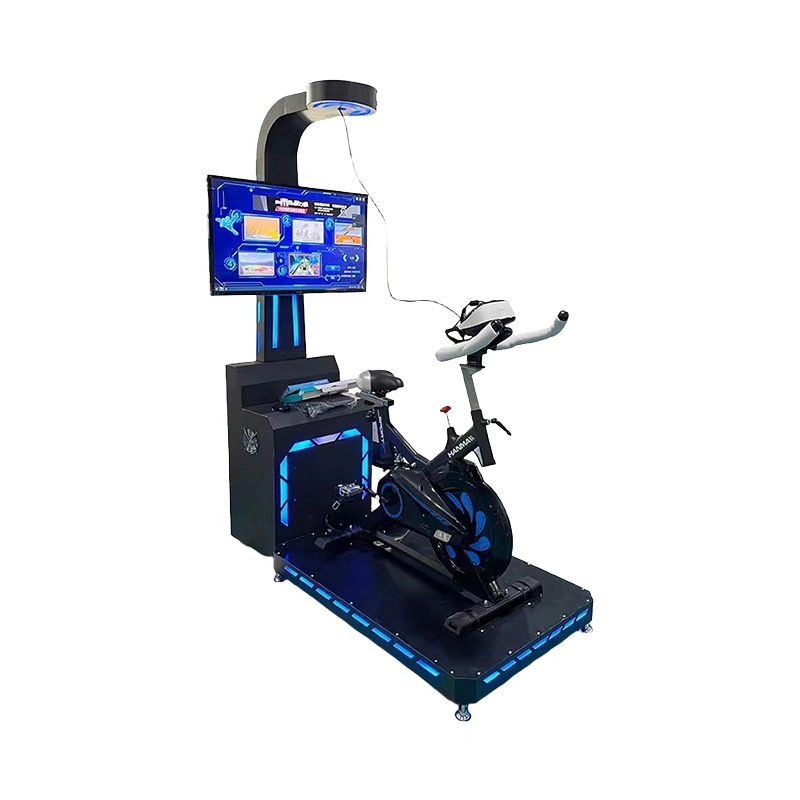
Marwey New Arrival Vr Dynamic Cycling Exercise & Driving Virtual Reality Bike Simulator for Cheap Sale
Marwey New Arrival Vr Dynamic Cycling Exercise & Driving Virtual Reality Bike Simulator for Cheap Sale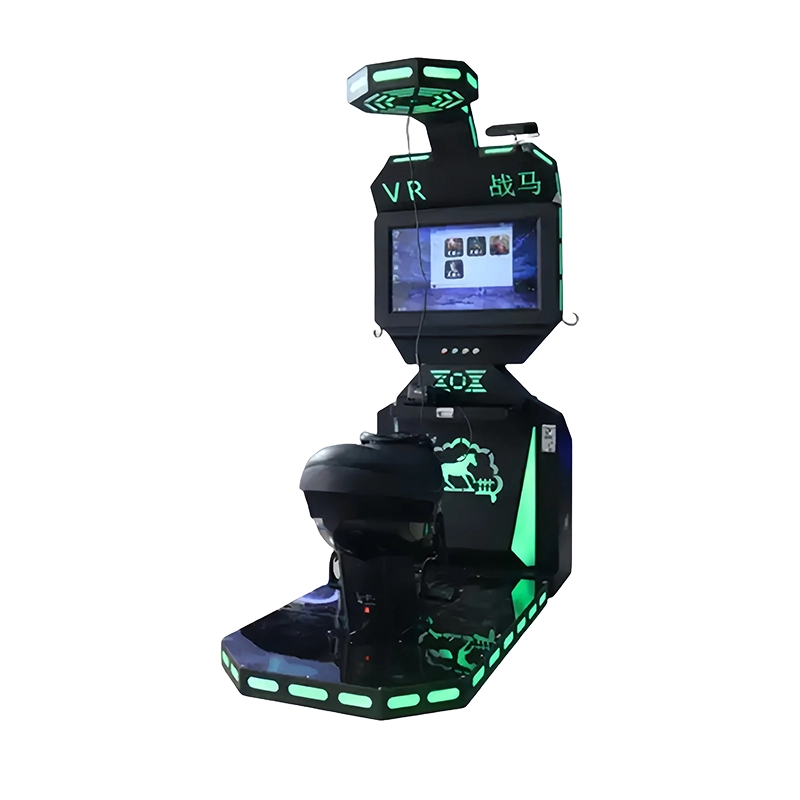
Marwey Mall New Arrival Vr Horse Simulator Indoor Commercial Virtual Reality Sport Game Machine for Sale
Marwey Mall New Arrival Vr Horse Simulator Indoor Commercial Virtual Reality Sport Game Machine for Sale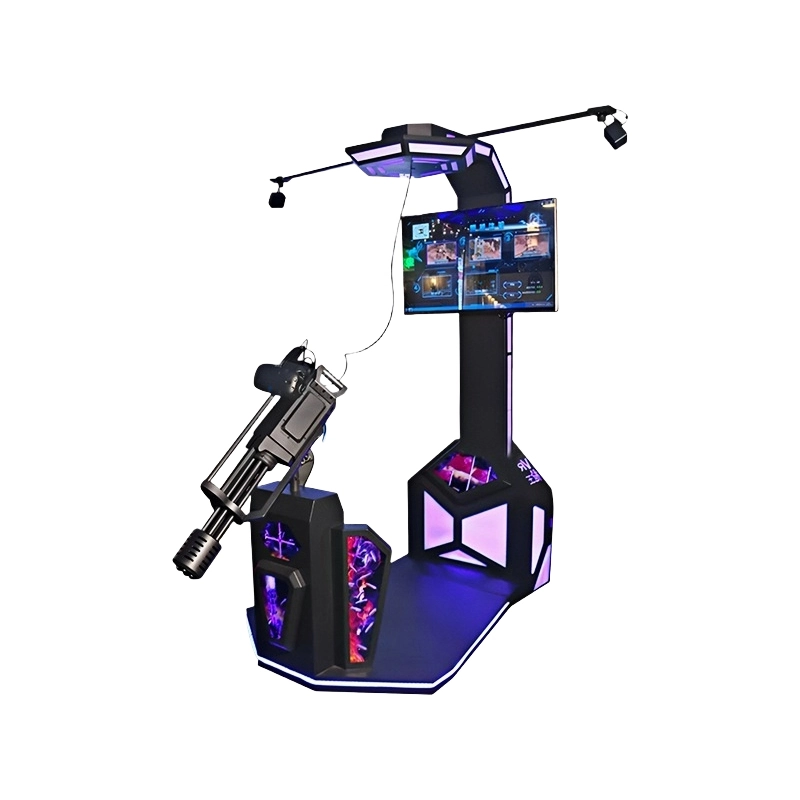
Marwey Hot Sale 1 Player Vr Gatling Shooting Simulator Virtual Reality Headset Glasses Gaming Machine
Marwey Hot Sale 1 Player Vr Gatling Shooting Simulator Virtual Reality Headset Glasses Gaming Machine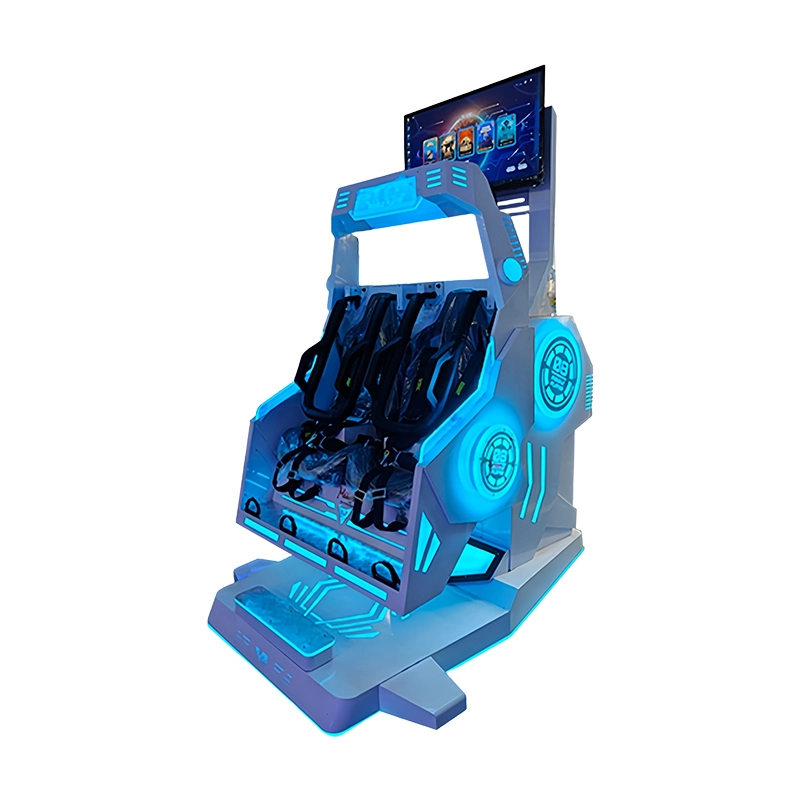
Marwey Commercial Two Player 360 Rotation Vr Simulator Virtual Reality Gaming Equipment for Hot Sale
Marwey Commercial Two Player 360 Rotation Vr Simulator Virtual Reality Gaming Equipment for Hot Sale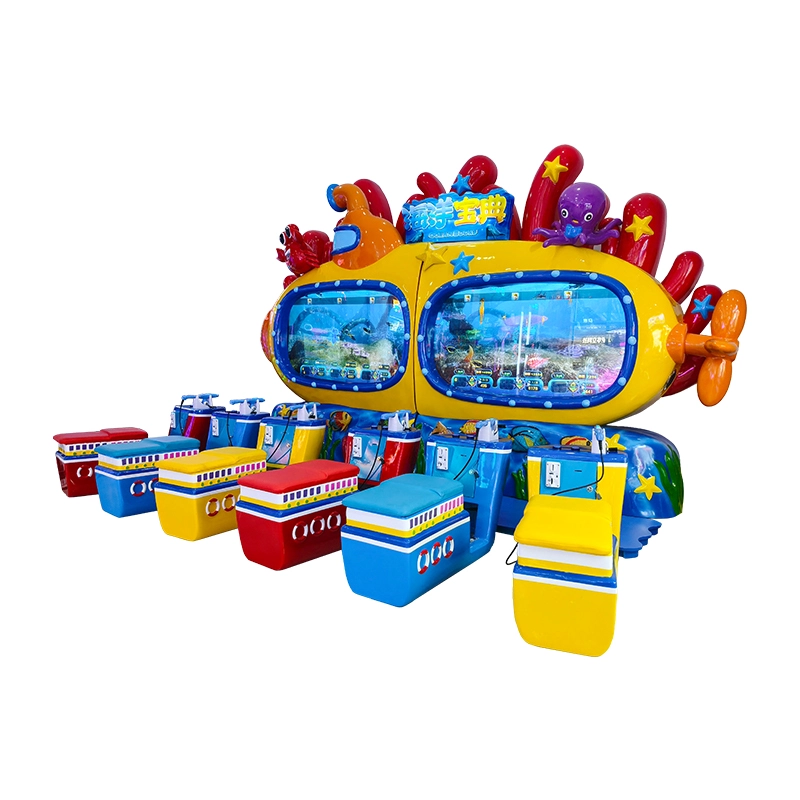
Marwey New High Quality Children's Arcade Redemption Game Machine - Hot Selling Indoor Amusement Fishing Simulation Equipment
Marwey New High Quality Children's Arcade Redemption Game Machine - Hot Selling Indoor Amusement Fishing Simulation Equipment
Marwey Coin Operated Indoor Arcade Dance Machine - High Quality Shopping Mall Entertainment Equipment for Sale
Marwey Coin Operated Indoor Arcade Dance Machine - High Quality Shopping Mall Entertainment Equipment for Sale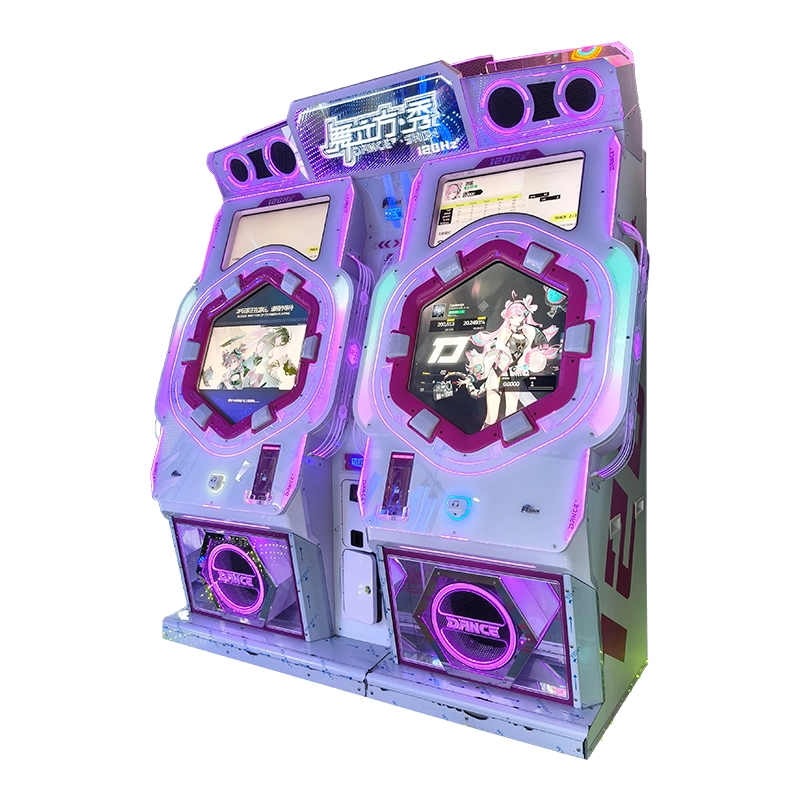
Marwey New Luxury Coin Operated Arcade Dancing Machine - Indoor Entertainment Rhythm Speed Game with Music
Marwey New Luxury Coin Operated Arcade Dancing Machine - Indoor Entertainment Rhythm Speed Game with MusicWant to know more industry information?
If you have any comments or good suggestions, please leave us a message; later our professional staff will contact you as soon as possible.
◼ Contact MARWEY
WhatsApp: +86 189 2218 4260
Floor 2, Building E, Hengran Creative Park, Shixin Road, Panyu District, Guangzhou, Guangdong, China.
© 2025 MARWEY. All Rights Reserved.

MARWEY
MARWEY
MARWEY
MARWEY
MARWEY
MARWEY