

- Understanding the Landscape of Indoor Playground Risks
- Identifying Common Hazards in Indoor Play Environments
- The Cost of Negligence: Legal and Financial Repercussions
- Building a Foundation: Core Components of a Robust Risk Management Protocol
- Design and Equipment: Safety from the Ground Up
- Operational Excellence: Daily Maintenance and Oversight
- Staff Training and Supervision: Your First Line of Defense
- Financial Prudence: Risk Management for ROI and Profitability
- The Impact of Safety Compliance on Insurance Premiums and TCO
- Mitigating Revenue Loss: Emergency Preparedness and Business Continuity
- Optimizing Revenue Per Square Foot (RPSF) through Safe and Engaging Design
- Comparative Analysis: Proactive vs. Reactive Risk Management
- Advanced Safeguards: Beyond the Basics
- Advanced Technology in Play Area Monitoring and Hygiene
- Party Room Contributions and Marketing Risk Management
- Continuous Improvement: Audits and Regulatory Updates
- MARWEY's Holistic Turn-Key Approach to Risk Mitigation
- Conclusion
- Essential FAQs on Risk Management Protocols for Indoor Playground Operators
The exhilaration of an indoor playground is unmistakable – children laughing, climbing, and exploring in a vibrant, engaging environment. Yet, beneath the surface of fun lies a critical responsibility: ensuring the utmost safety for every child. Without a robust risk management protocol, operators face a spectrum of inherent risks, from physical accidents and hygiene concerns to significant financial liabilities and reputational damage. It's a landscape fraught with potential pitfalls, where a single oversight can lead to severe consequences. This article introduces The Risk Management Protocol Every Indoor Playground Operator Needs – a comprehensive framework designed not just to mitigate risks, but to transform safety into a strategic asset.
As a leading manufacturer, MARWEY brings a unique dual advantage to this challenge. While many focus solely on equipment, we combine global safety compliance expertise (meeting rigorous standards like ASTM F1918/F2970, TÜV, and CPSC) with invaluable operational insights gained from running our own successful FUNDAY Family Entertainment Centers (FECs). This hands-on experience allows us to engineer solutions that are not only compliant and safe but also field-tested to reduce Total Cost of Ownership (TCO) and maximize Return on Investment (ROI). This article will guide you through the critical components of risk management, focusing on design, operations, financial prudence, and advanced safeguards, all underpinned by MARWEY's proven methodologies.
Understanding the Landscape of Indoor Playground Risks
The dynamic nature of indoor playgrounds, while captivating for children, inherently presents a variety of challenges that demand stringent risk management. Operators must be acutely aware of these potential hazards to proactively safeguard their patrons and their business.
Identifying Common Hazards in Indoor Play Environments
Physical injuries: These are perhaps the most common, stemming from falls, collisions, entrapment in equipment, or impacts from jumping. According to TÜV Süd, approximately 45% of playground-related injuries are due to falls, underscoring the need for robust impact-absorbing surfaces and meticulously designed equipment.
Hygiene and sanitation issues: High-traffic areas, shared equipment, and ball pits can become breeding grounds for germs if not rigorously cleaned and sanitized.
Equipment failure or wear and tear: Components can break, loosen, or degrade over time, creating unforeseen hazards if not regularly inspected and maintained.
Staff negligence or inadequate training: Unprepared or poorly trained staff can inadvertently contribute to accidents through improper supervision, emergency response, or maintenance practices.
Emergency response failures: Inadequate fire safety plans, unclear evacuation routes, or insufficient first-aid provisions can escalate incidents into crises.
The Cost of Negligence: Legal and Financial Repercussions
Beyond the moral imperative of child safety, there's a stark financial reality. Neglecting risk management can trigger a cascade of detrimental outcomes. A single significant accident can lead to legal fees and settlements ranging from $50,000 to over $1,000,000, severely impacting a business's bottom line. Additionally, operators face increased insurance premiums, potential policy cancellations, and irreversible damage to their brand reputation. In today's interconnected world, negative publicity and social media backlash can cripple a business faster than ever before. For an operator, the costs associated with negligence far outweigh the investment in proactive risk prevention.
Building a Foundation: Core Components of a Robust Risk Management Protocol

A truly effective risk management protocol begins at the foundation: with the design, equipment, and daily operational practices that underpin every indoor playground.
Design and Equipment: Safety from the Ground Up
The journey to a safe indoor playground starts long before the first child enters. It begins with sourcing equipment that meets and exceeds global safety standards. At MARWEY, our commitment to safety is embedded in our DNA. We relentlessly adhere to critical international benchmarks such as ASTM F1918/F2970 for impact attenuation and structural integrity, TÜV certification for European safety standards, and CPSC guidelines from the U.S. Consumer Product Safety Commission. This multi-layered compliance ensures that every piece of equipment is designed and manufactured to the highest possible safety specifications.
Beyond certifications, the science of materials plays a pivotal role. Our soft play components, for instance, are crafted from non-toxic, durable, and extensively tested impact-absorbing materials. This thoughtful material science minimizes the risk of injury from falls and collisions. Furthermore, the structural engineering of our play equipment utilizes heavy-duty galvanized steel framing and precision welding, designed to endure years of vigorous play without compromise. This robust construction safeguards against structural fatigue and ensures system integrity, directly contributing to a lower Total Cost of Ownership (TCO) by reducing the need for premature repairs or replacements.
Operational Excellence: Daily Maintenance and Oversight

Even the safest equipment requires diligent maintenance. Implementing a strict daily maintenance protocol can reduce equipment-related incidents by up to 30%, directly impacting insurance claims and operational costs. Here's how to build an effective routine:
Step 1: Conduct a daily visual inspection of all equipment. Look for loose parts, tears in netting, worn padding, or any signs of damage.
Step 2: Implement scheduled deep cleaning procedures, especially for high-touch surfaces, restrooms, and food service areas. Use hospital-grade disinfectants.
Step 3: Leverage Ball Pit Sanitization Technology. Innovative methods like automated ball washing machines and UV-C sterilization systems are essential for maintaining hygiene in these popular, yet challenging, areas.
Step 4: Establish a swift protocol for reporting and repairing damaged equipment. Out-of-order equipment should be immediately isolated and repaired by qualified personnel.
Staff Training and Supervision: Your First Line of Defense
No protocol is complete without a well-trained and vigilant staff. They are your eyes and ears on the ground, and their preparedness is paramount. Proper training can reduce the risk of incidents by 20-25% by actively monitoring play areas and enforcing rules. Comprehensive training programs must cover:
Emergency procedures, including fire safety, medical emergencies, and evacuation protocols.
First aid and CPR certification.
Customer interaction and conflict resolution, particularly when addressing safety concerns or enforcing rules.
Detailed knowledge of equipment supervision, including age and height restrictions, proper usage, and identifying potential misuse.
Financial Prudence: Risk Management for ROI and Profitability

Risk management is not merely a cost center; it's a strategic investment that directly impacts your indoor playground's bottom line and long-term financial health.
The Impact of Safety Compliance on Insurance Premiums and TCO
Operating an indoor playground comes with inherent insurance costs. However, adherence to global safety compliance standards, such as those upheld by ASTM, TÜV, and CPSC, is a powerful lever for reducing these expenses. Insurers view compliant facilities as significantly lower risk, often translating into lower annual premiums. In my experience managing FUNDAY FECs, we've observed that facilities rigorously adhering to international safety standards benefit from an average reduction of 15-20% in annual insurance premiums. Furthermore, the selection of high-quality, durable equipment, like that manufactured by MARWEY, reduces maintenance frequency and the need for early replacement, thereby driving down your Total Cost of Ownership over the equipment's lifecycle.
Mitigating Revenue Loss: Emergency Preparedness and Business Continuity
Unforeseen events can quickly halt operations, leading to significant revenue loss. For every hour of unplanned closure, a medium-sized indoor playground can lose an average of $300-$500 in revenue, highlighting the importance of robust emergency protocols. Effective risk management includes developing clear, actionable emergency response plans for scenarios like fire, medical emergencies, severe weather, or security threats. Beyond response, it’s about business continuity: having backup systems, securing critical components, and planning for swift recovery to minimize operational downtime. This foresight ensures that an incident, while regrettable, does not become catastrophic for your business.
Optimizing Revenue Per Square Foot (RPSF) through Safe and Engaging Design
Safety and design work hand-in-hand to optimize your Revenue Per Square Foot (RPSF). Our FUNDAY FECs provide a concrete example of how strategically designed play areas maximize patron flow and engagement while never compromising on safety. Unlike generic, off-the-shelf setups, MARWEY's custom design capabilities allow for unique, innovative, and inherently safe experiences that attract and retain more visitors. Well-designed indoor playgrounds, optimized for both safety and appeal, can achieve a 10-15% higher RPSF. This thoughtful design leads to better space utilization, increased play capacity, longer dwell times, and ultimately, enhanced profitability for operators, directly reducing TCO.
Comparative Analysis: Proactive vs. Reactive Risk Management
The choice between proactive and reactive risk management strategies has profound implications for an indoor playground's success and longevity. The table below illustrates the stark differences:
| Feature | Proactive Risk Management (MARWEY Approach) | Reactive Risk Management (Standard Approach) |
|---|---|---|
| Initial Investment | Higher (Quality equipment, comprehensive training) | Lower (Cheaper equipment, minimal training) |
| Safety Incidents | Significantly Lower | Higher |
| Insurance Costs | Lower Premiums | Higher Premiums, potential cancellations |
| Operational Efficiency | High (Less downtime) | Low (Frequent closures for repairs) |
| Brand Reputation | Excellent, Trusted | Damaged, Negative Reviews |
| ROI / Profitability | Higher, Sustainable | Lower, Unpredictable |
| TCO | Lower (fewer repairs, longer lifespan) | Higher (frequent repairs, early replacement) |
In essence, a proactive approach, though requiring a greater initial commitment, yields superior long-term financial results and a more secure, reputable business.
Advanced Safeguards: Beyond the Basics
To truly excel in risk management, operators must look beyond the fundamentals and embrace cutting-edge solutions that offer enhanced layers of protection and operational efficiency.
Advanced Technology in Play Area Monitoring and Hygiene
The integration of smart technology is revolutionizing indoor playground safety. Modern facilities are increasingly deploying CCTV systems equipped with Artificial Intelligence (AI) for anomaly detection. These systems can identify unusual movements, potential hazards, or even situations requiring staff intervention, significantly reducing unobserved safety incidents by up to 40% and providing an additional layer of protection. Furthermore, automated cleaning protocols and advanced germ-killing technologies, such as UV-C sterilization within ball pits and air purification systems, are becoming standard to maintain the highest levels of hygiene and public health.
Party Room Contributions and Marketing Risk Management
Party rooms represent a significant revenue stream for indoor playgrounds, often contributing 25-35% of total revenue. However, their management requires careful planning to prevent overcrowding and associated risks. Effective scheduling, clear capacity limits, and dedicated staff for party sections are crucial. Beyond day-to-day operations, marketing strategies must also incorporate risk management. Campaigns should be designed to attract consistent foot traffic without creating unmanageable surges that compromise safety. This involves balancing promotional efforts with operational capacity to maintain a safe and enjoyable environment for all guests, a lesson we’ve well-learned through our FUNDAY operations.
Continuous Improvement: Audits and Regulatory Updates
The landscape of safety standards is ever-evolving. Therefore, a risk management protocol is not a static document but a living framework that requires continuous review and adaptation. Regular third-party safety audits are indispensable. These external evaluations can identify potential hazards typically missed by internal checks, improving overall safety compliance by 10-15%. Staying updated with evolving global safety regulations ensures ongoing compliance and prevents lapses that could lead to incidents or penalties. MARWEY provides advisory roles, helping operators navigate complex global compliance standards, thereby fostering a culture of continuous improvement in safety.
MARWEY's Holistic Turn-Key Approach to Risk Mitigation
At MARWEY, we don't just supply equipment; we offer a comprehensive turn-key solution designed to deeply embed risk mitigation into every facet of your indoor playground business. Our unique position as both an equipment manufacturer and an operator (through our FUNDAY FECs) provides unparalleled insights that directly benefit our clients.
Our factory-direct model is central to our value proposition. By integrating manufacturing directly with distribution, we ensure higher quality control, competitive pricing, and efficient project execution. This direct cost-effectiveness significantly influences your Total Cost of Ownership (TCO) and maximizes your Return on Investment (ROI). Imagine equipment engineered from the ground up with global safety compliance in mind (ASTM, TÜV, CPSC), married with the practical operational insights garnered from running successful playgrounds. This seamless integration ensures that you receive not just hardware, but a fully vetted system that is designed to perform safely and profitably in real-world scenarios.
From initial concept and design planning to manufacturing, installation, and ongoing operational guidance, MARWEY provides full lifecycle support. This means we actively partner with you to minimize risks at every stage, offering proven strategies to enhance safety while simultaneously boosting profitability. Our FUNDAY operational experience continually feeds back into our product design and risk management best practices, offering unparalleled insights that directly translate into safer, more efficient, and more enjoyable indoor playgrounds for our clients. The result? High-quality, safe, and durable equipment, reduced operational headaches, and a clear path to high ROI.
Conclusion
In the vibrant world of indoor playgrounds, a well-defined risk management protocol is not a mere compliance hurdle, but the cornerstone of sustainable success. It's the essential framework that protects children, safeguards your business from legal and financial pitfalls, and ultimately enhances your brand's reputation and profitability. As we've explored, implementing this protocol involves not only meticulous attention to equipment safety and operational excellence but also leveraging advanced technology and committing to continuous improvement.
Proactive risk management is fundamentally an investment, not an expense. It's an investment in the safety of your patrons, the longevity of your equipment, the stability of your finances, and the integrity of your brand. By prioritizing safety and integrating it into every aspect of your business, you secure both the present enjoyment and the future prosperity of your indoor playground. Ready to secure your indoor playground's future with a comprehensive, compliance-driven risk management protocol? Schedule a Consultation for Your Custom Indoor Playground Project with MARWEY and leverage our manufacturing, safety, and operational expertise to build a thriving, safe, and profitable business.
Essential FAQs on Risk Management Protocols for Indoor Playground Operators
Q1: What is a risk management protocol for indoor playground operators?
A risk management protocol is a comprehensive framework designed to identify, assess, and mitigate safety hazards in indoor playgrounds, ensuring child safety, legal compliance, and operational efficiency.
Q2: What common hazards should indoor playground operators be aware of?
Operators should watch for physical injuries from falls and collisions, hygiene and sanitation issues, equipment wear and failure, staff negligence, and potential emergency response failures.
Q3: What are the core components of an effective risk management protocol for indoor playgrounds?
Key components include safe design and equipment compliant with global standards, rigorous daily maintenance, thorough staff training, financial prudence, and incorporation of advanced technology for monitoring and hygiene.
Q4: How can indoor playground operators implement daily maintenance to reduce risks?
They should conduct daily equipment inspections for damage, perform scheduled deep cleanings with hospital-grade disinfectants, utilize advanced ball pit sanitization like UV-C sterilization, and promptly repair or isolate faulty equipment.
Q5: How does staff training contribute to risk management in indoor playgrounds?
Proper staff training equips employees with emergency procedures knowledge, first aid and CPR skills, conflict resolution abilities, and expertise in supervising equipment use, thereby reducing incidents by 20-25%.
Q6: Why is proactive risk management preferred over reactive approaches in indoor playground operations?
Proactive management involves higher initial investment but leads to fewer safety incidents, lower insurance premiums, higher operational efficiency, better brand reputation, and greater long-term profitability than reactive methods.
Q7: How does complying with safety standards impact insurance premiums and costs for indoor playground operators?
Adhering to standards like ASTM, TÜV, and CPSC lowers perceived risk, resulting in 15-20% reduced insurance premiums and decreased total cost of ownership due to durable equipment and fewer repairs.
Q8: How can advanced technology enhance safety and hygiene in indoor playgrounds?
Technologies such as AI-powered CCTV systems for anomaly detection and UV-C sterilization for ball pits increase monitoring efficiency, reduce unnoticed incidents by up to 40%, and maintain high hygiene standards.
Q9: What financial benefits can operators expect from integrating risk management protocols?
Effective risk management reduces legal liabilities, minimizes downtime and revenue loss during emergencies, lowers insurance costs, and optimizes revenue per square foot through safe, engaging designs.
Q10: How often should indoor playground operators conduct safety audits and update protocols?
Operators should perform regular third-party safety audits and continuously update risk management protocols to stay aligned with evolving global safety regulations and enhance overall compliance by 10-15%.
Related Articles
The Impact of Prize Redemption on Punching Machine Earnings
The Art of Upselling: Maximizing Spend Per Guest (SPG) at Your Family Entertainment Center
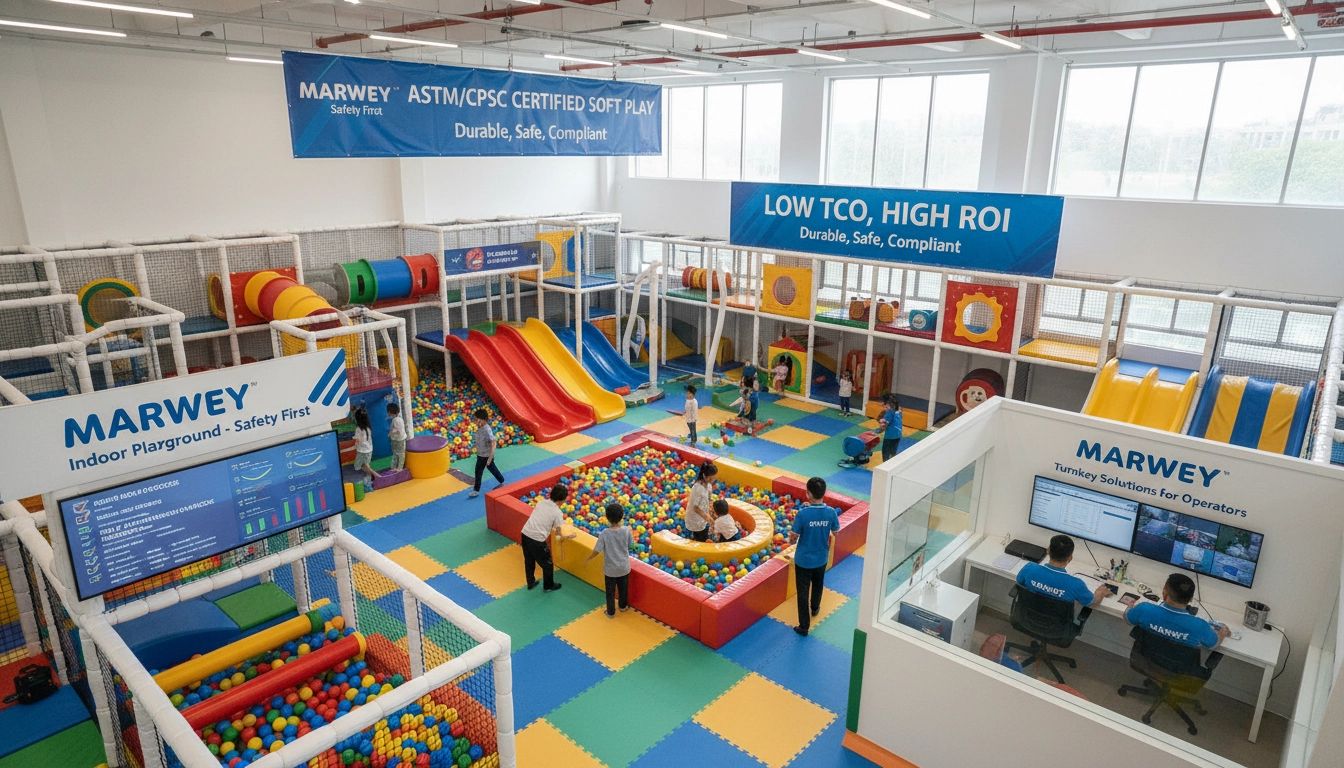
Why The Risk Management Protocol Every Indoor Playground Operator Needs
Top Tips: Developing Corporate Team-Building Packages using Golf Simulator Games
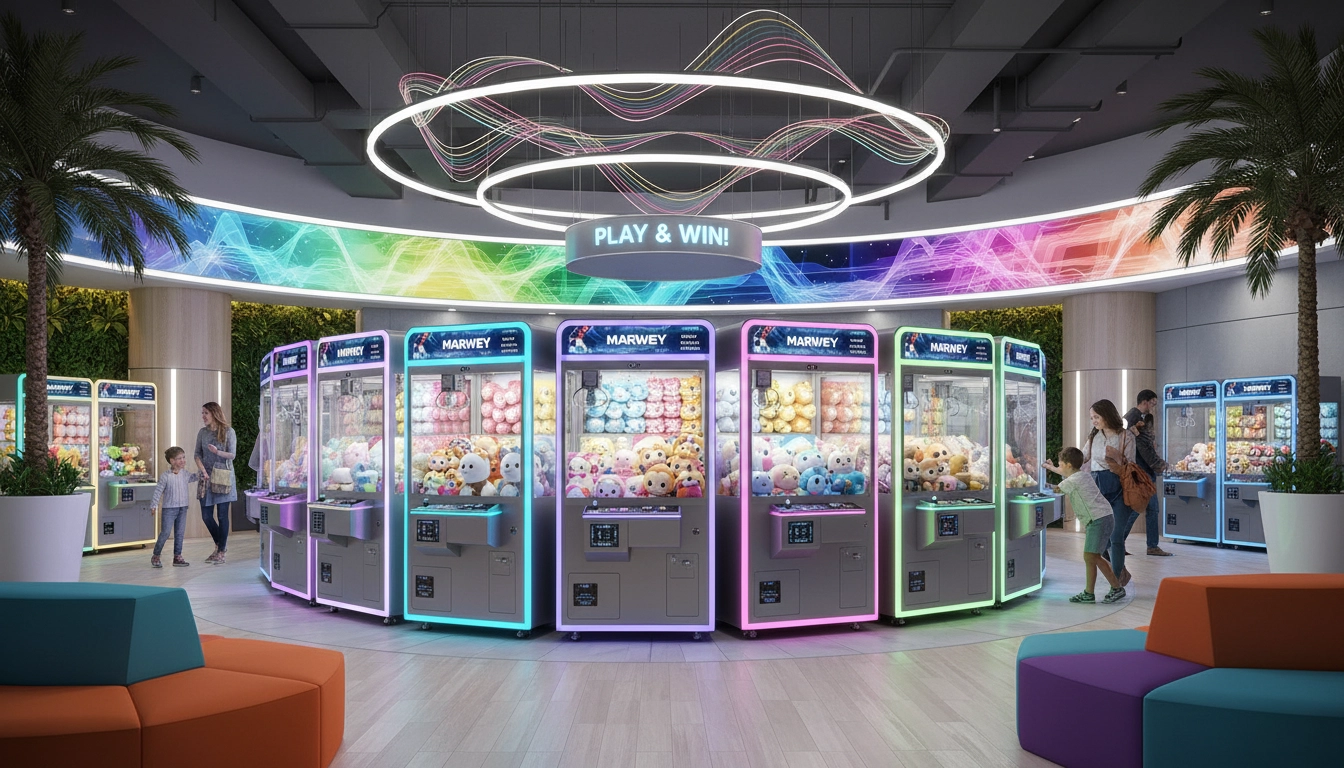
The Impact of Surrounding Decor on the Perceived Value of a Claw Machine!
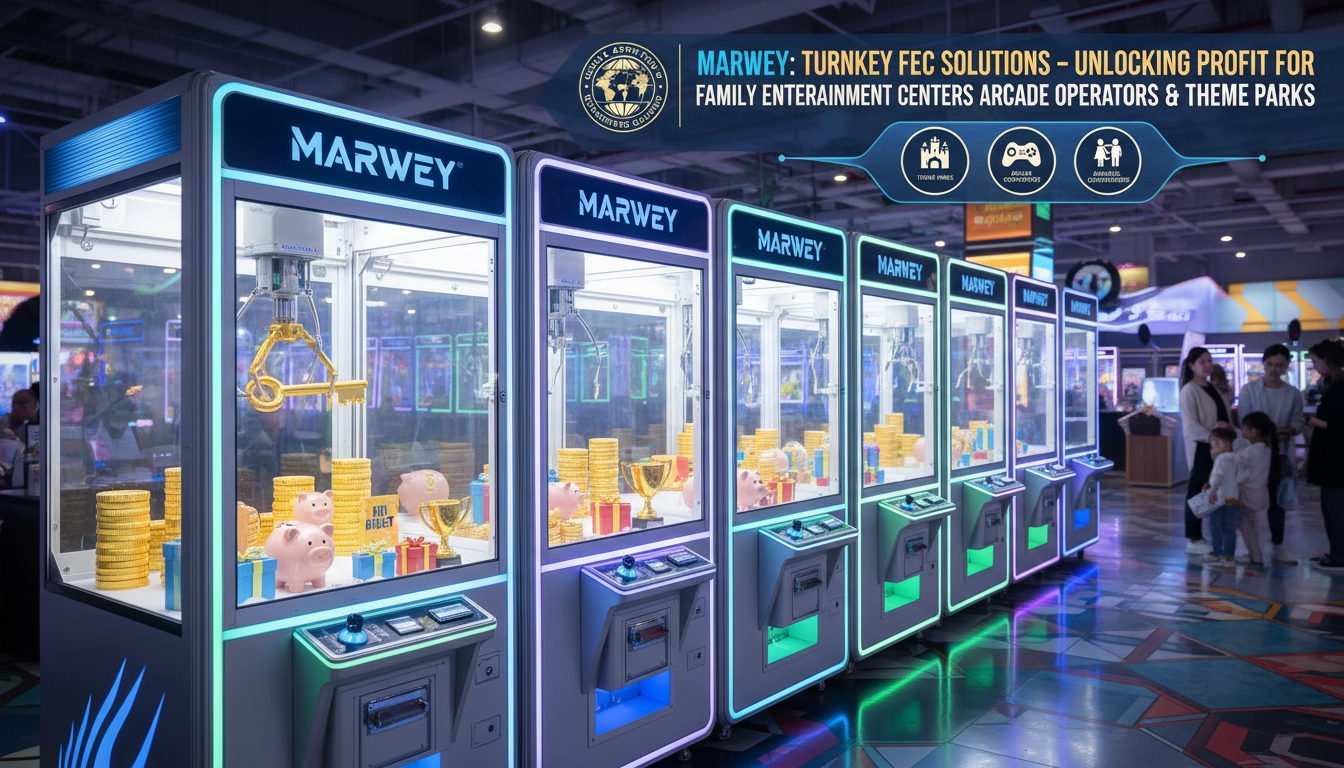
Insights: The Economic Advantages of Standardizing Your Claw Machine Fleet Model
Photo Booth Machine
Do Photo Booths Require an Attendant?
No, modern MARWEY photo booth machines are specifically engineered for self-service and typically do not require a dedicated attendant for operation.
Our commitment at MARWEY is to provide seamless, intuitive experiences, making our machines highly profitable for operators through unattended use.
-
Self-Service Focus: Booths like our AI Photo Booth Machine, NEWSPAPER Photo Booth Machine, and Mirror Photo Booth feature user-friendly touchscreens with clear, step-by-step instructions. Guests can start sessions, select features, and receive prints or digital copies on their own, making them ideal for long-term placements in malls, theaters, or entertainment venues.
-
Minimal Supervision: Once set up, the machine essentially runs itself. This eliminates the cost and hassle of hiring staff, dramatically increasing your profit margin and operational flexibility.
-
The Exception (360 Booth): Our 360 Photo Booth Machine is the primary exception. Because it involves guests standing on a rotating platform, we generally recommend an attendant to manage crowd flow, ensure safety, and manually start and stop the rotating arm to optimize the video capture.
-
For most of your rental and permanent installation needs, a MARWEY machine is a true "set it and forget it" business solution.
What equipment is needed to start a photo booth business?
Starting a photo booth business today is centered on selecting the right all-in-one commercial photo booth machine and supporting business infrastructure. The core equipment list includes:
-
The Photo Booth Machine: This is the primary investment. Modern commercial units are typically all-in-one systems that integrate a high-quality camera, professional lighting, a touchscreen interface, and software into a single, robust package. Your choice will be between enclosed booths, open-air kits, or specialized models like 360 booths.
-
Printing or Digital Sharing Solution: Most machines have an integrated printer for instant souvenirs. Crucially, they also include cloud-based software for instant digital sharing via email, text, or social media, and for adding custom branding.
-
Accessories & Branding Materials: This includes a branded backdrop, props to enhance the fun, and physical guides for queues.
-
Business Operations Essentials: Beyond hardware, you need a business license, liability insurance, a professional website, and a marketing plan to attract clients.
The key is to partner with a reliable supplier who provides a complete, commercial-grade package designed for durability and ease of use in a business setting. Marwey is your best choice for that.
Read more:
Zest for Success: What equipment is needed to start a photo booth business!
Is a photo booth a good side hustle?
Yes, a photo booth business is an excellent side hustle due to its flexibility, low time commitment, and strong profit potential. MARWEY's commercial-grade machines are specifically designed for side hustlers, featuring:
-
Easy Operation: Minimal setup time allows you to manage events around a full-time schedule.
-
Unique Features: Stand out with built-in AI photography and viral templates like the newspaper style, allowing you to charge premium rates.
-
Reliability: Durable, all-in-one design means less maintenance and more time earning.
It's a low-overhead business perfect for generating significant supplemental income on weekends and evenings.
Read more:
Claw Machine
Where to buy refurbished claw machines?
-
-
MARWEY provides certified refurbished claw machines with upgraded components and full warranties at competitive wholesale pricing.
-
Indoor Playground
What industry is an indoor playground in?
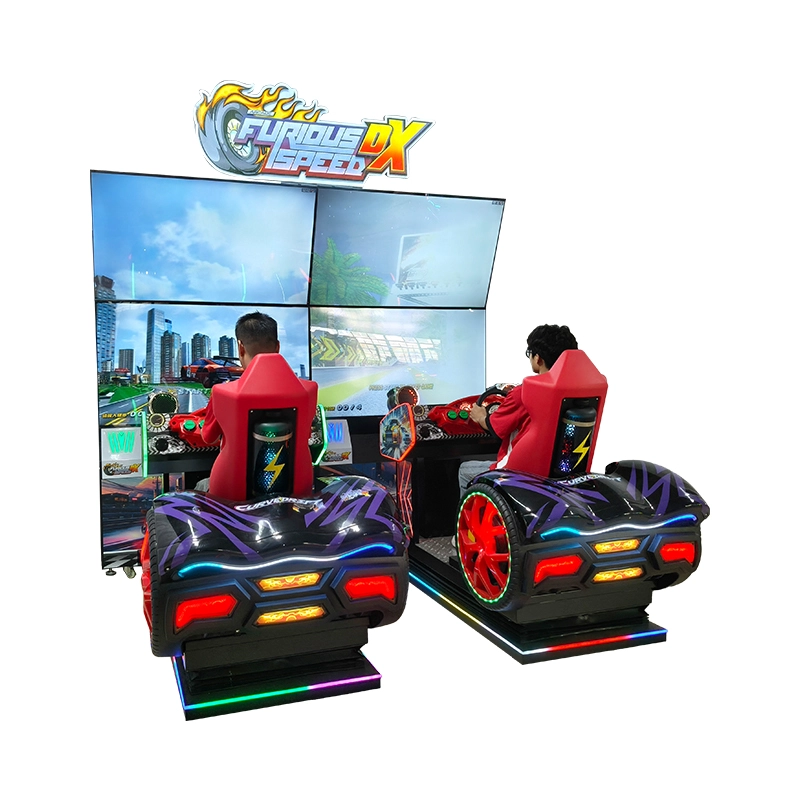
Marwey Hot Sale Four 55 Inch Screens 2 Players Racing Simulator Coin Operated Driving Car Game Machine
Marwey Hot Sale Four 55 Inch Screens 2 Players Racing Simulator Coin Operated Driving Car Game Machine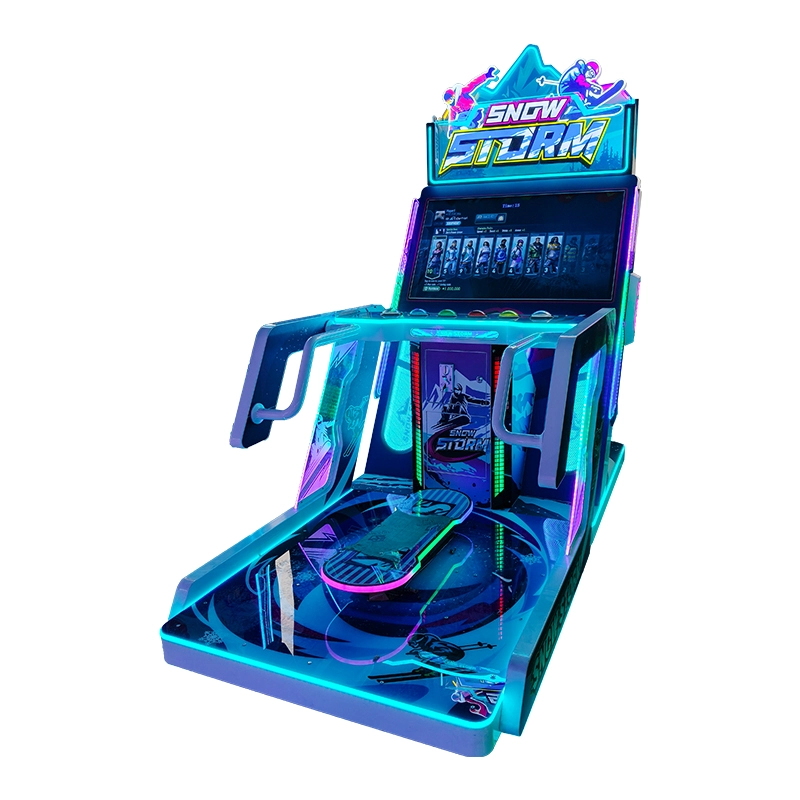
Marwey Coin Operated Indoor Skiing Simulator 47 Inches Snowstorm Ski Track Arcade Sports Machine
Marwey Coin Operated Indoor Skiing Simulator 47 Inches Snowstorm Ski Track Arcade Sports Machine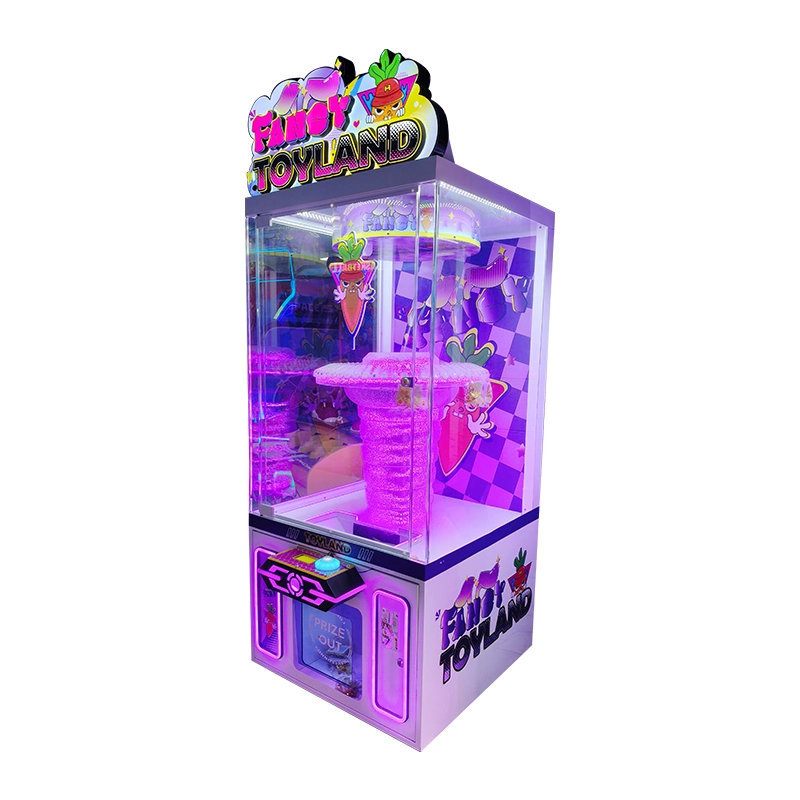
Marwey Customizable Personalized Clip Prize Machine Coin Operated Gift Amusement Vending Game Machine
Marwey Customizable Personalized Clip Prize Machine Coin Operated Gift Amusement Vending Game Machine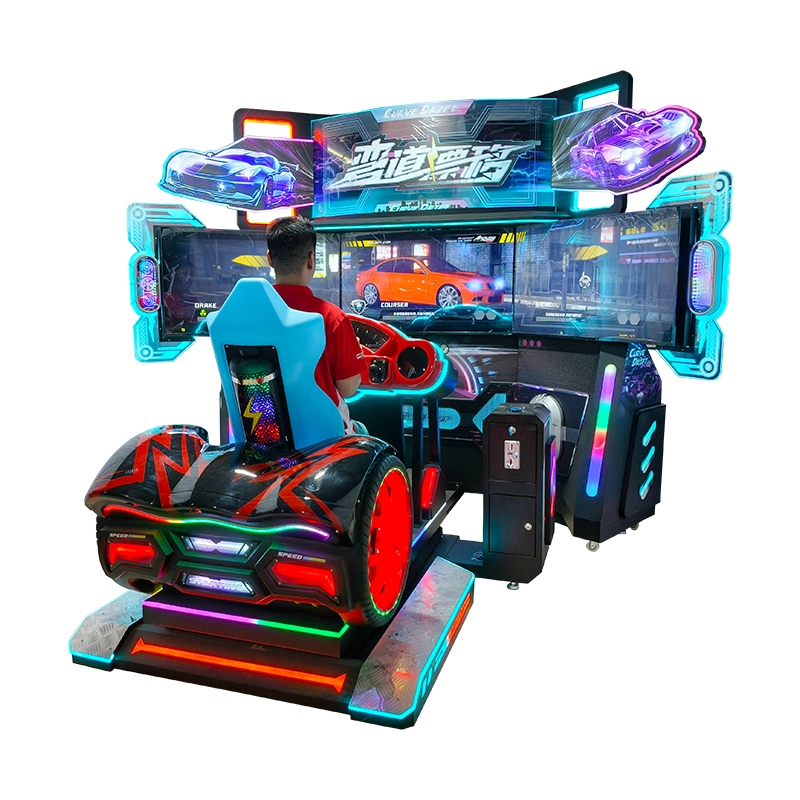
Marwey Coin Operated 49 Inch 3 Screens Motion Racing Simulator Cheap Sale Gaming Video Game Machine
Marwey Coin Operated 49 Inch 3 Screens Motion Racing Simulator Cheap Sale Gaming Video Game Machine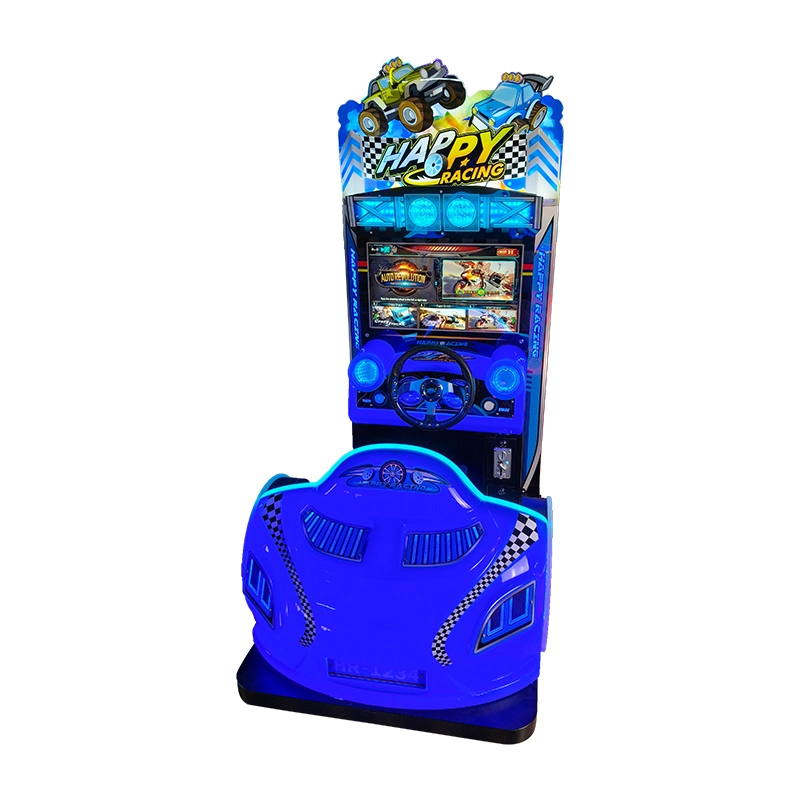
Marwey 27 Inch Screen Kids Racing Car Games Simulator High Quality Coin Operated Children's Racing Machine
Marwey 27 Inch Screen Kids Racing Car Games Simulator High Quality Coin Operated Children's Racing Machine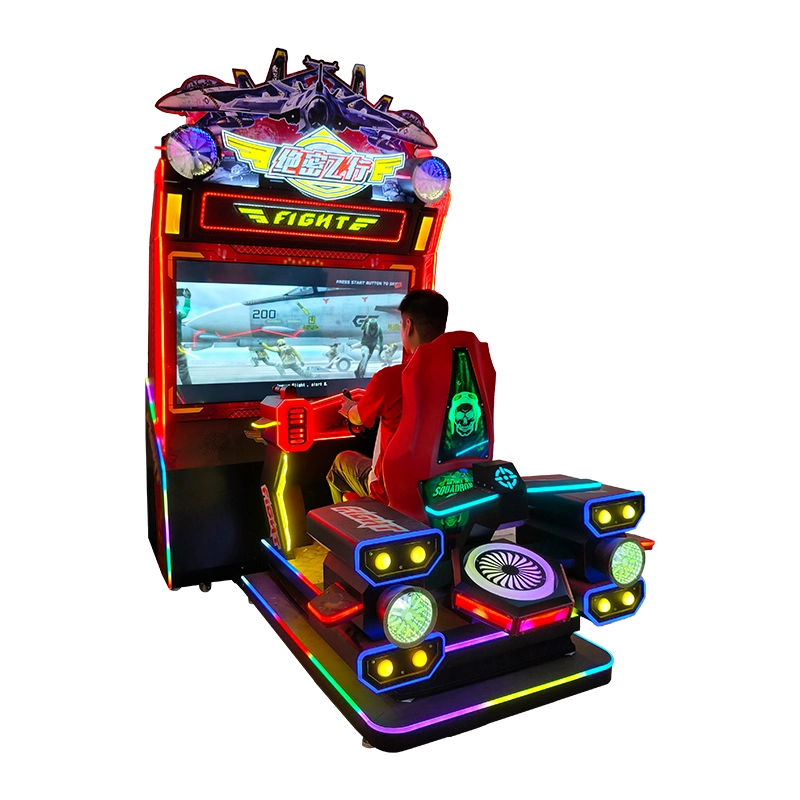
Marwey Coin Operated Driving Shooting Simulator Commercial Indoor Arcade Shooting Games for Cheap Price
Marwey Coin Operated Driving Shooting Simulator Commercial Indoor Arcade Shooting Games for Cheap Price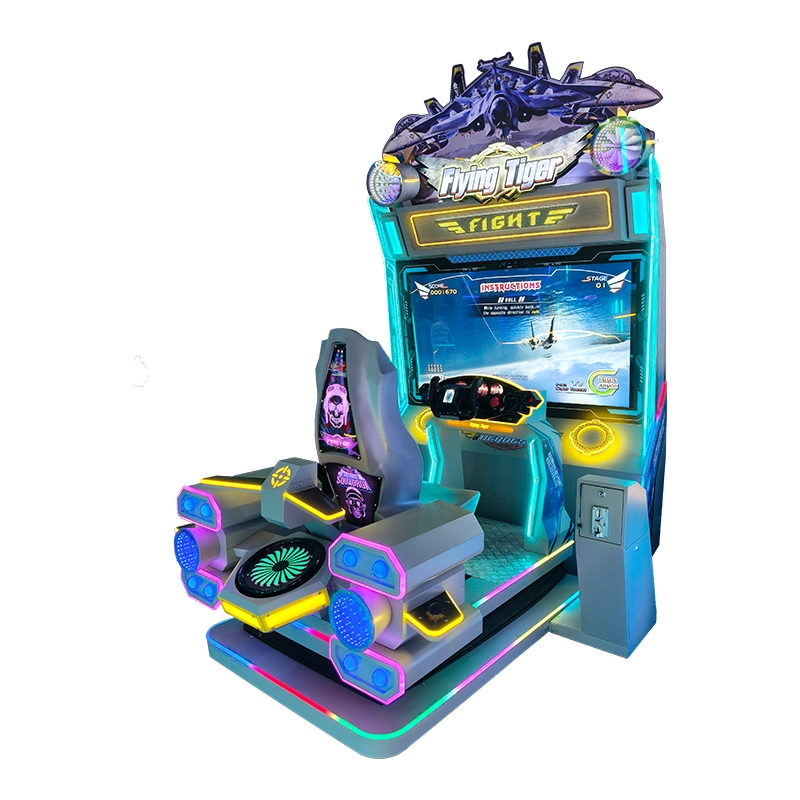
Marwey 65 Inch Screen Shooting Driving Arcade Machine Commercial Indoor Coin Operated for Cheap Sale
Marwey 65 Inch Screen Shooting Driving Arcade Machine Commercial Indoor Coin Operated for Cheap Sale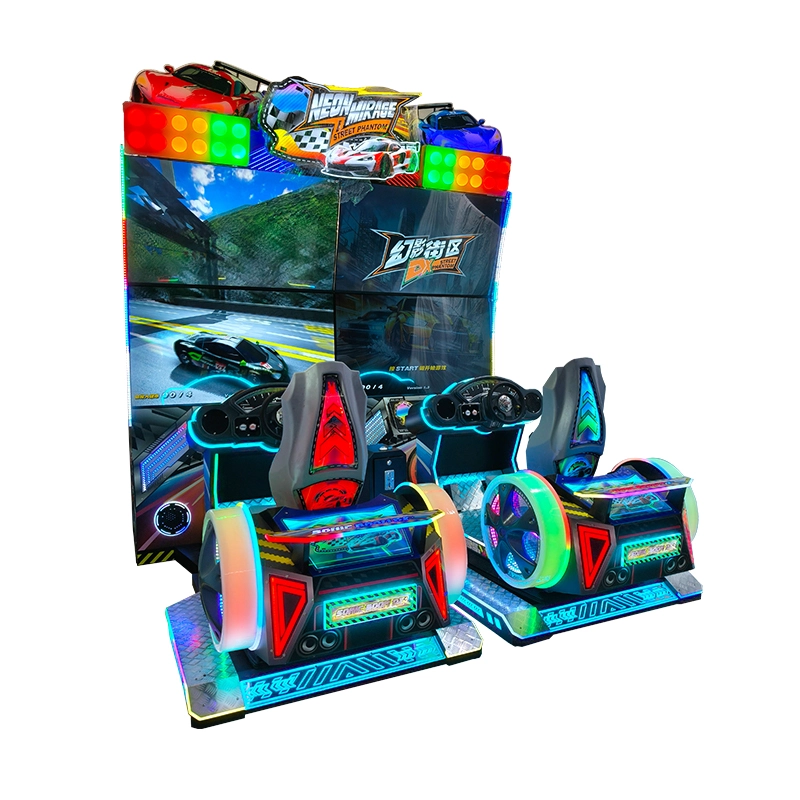
Marwey Hot Sale Coin Operated High Quality Racing Game Machine 2 Players 4 Screens Driving Simulator
Marwey Hot Sale Coin Operated High Quality Racing Game Machine 2 Players 4 Screens Driving SimulatorWant to know more industry information?
If you have any comments or good suggestions, please leave us a message; later our professional staff will contact you as soon as possible.
◼ Contact MARWEY
WhatsApp: +86 189 2218 4260
Floor 2, Building E, Hengran Creative Park, Shixin Road, Panyu District, Guangzhou, Guangdong, China.
© 2025 MARWEY. All Rights Reserved.

MARWEY
MARWEY
MARWEY
MARWEY
MARWEY
MARWEY