
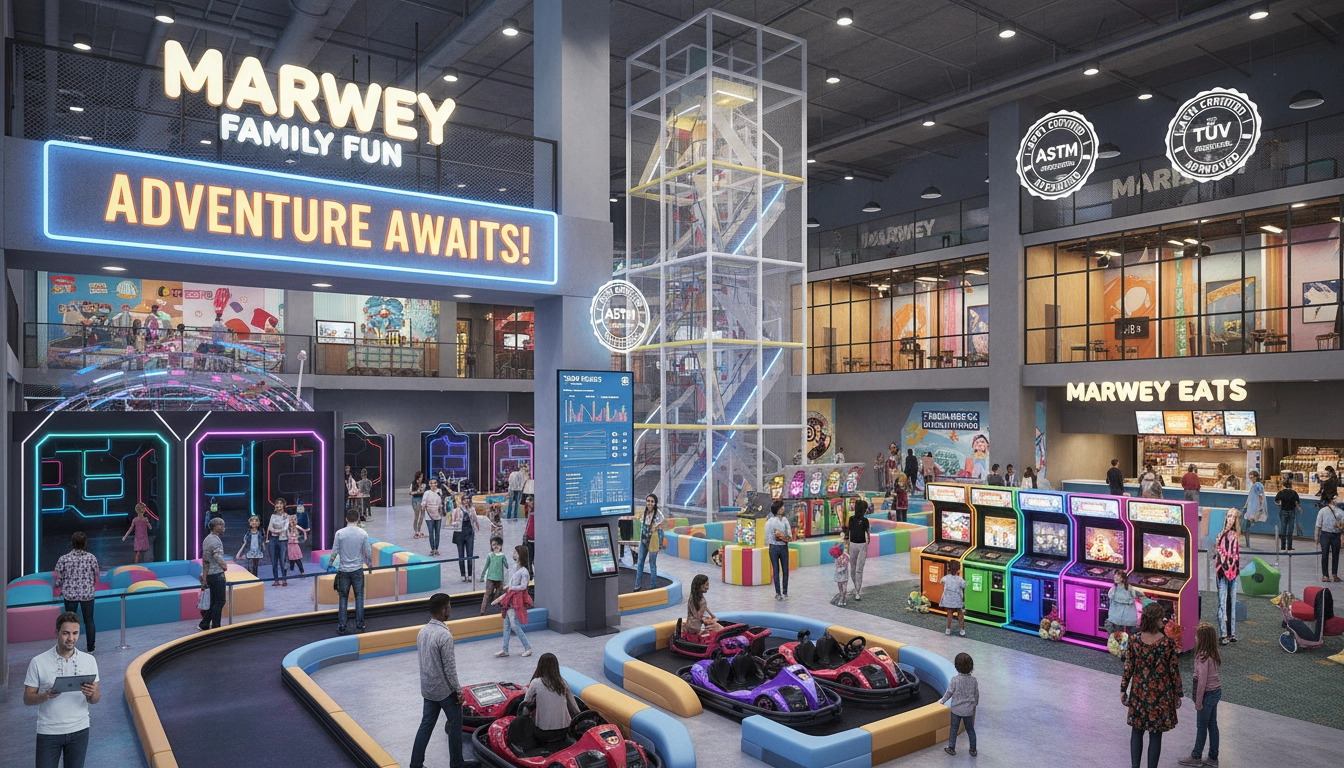
- Understanding the Importance of Benchmarking Salaries in a Family Entertainment Center
- Key Management Roles and Their Salary Benchmarks in FECs
- Factors Influencing Salary Benchmarks in FEC Management
- Best Practices for Benchmarking Salaries: A Step-by-Step Guide
- Case Study: MARWEY’s Impact on Salary Benchmarking and Operational Efficiency
- Integrating Industry Standards to Support Salary Justifications
- Frequently Asked Questions (FAQs)
When operating a successful Family Entertainment Center (FEC), one critical factor often overlooked is the benchmarking of salaries for key management roles. Understanding how compensation aligns with industry standards not only supports retaining top talent but also influences operational efficiency and profitability. In this analysis, we dive deep into effective strategies for benchmarking salaries tailored to FEC environments, integrating operational insights, compliance standards, and real-world examples from MARWEY’s extensive 15-year experience in FEC turnkey solutions.
Understanding the Importance of Benchmarking Salaries in a Family Entertainment Center

Benchmarking salaries for key management roles such as General Manager, Operations Manager, and Marketing Manager in a family entertainment center directly ties into attracting qualified professionals who can drive customer experience and operational success. These roles handle complex tasks including compliance with safety regulations such as ASTM F2970 guidelines for trampoline courts and other amusement facilities, ensuring visitor safety while boosting spending per guest (SPG).
From my experience working closely with several FEC chains, I have observed that competitive salary packages, aligned with industry benchmarks, reduce turnover rates by up to 20%. For instance, during a recent MARWEY consultancy project, adjusting salary bands in line with regional benchmarks boosted managerial retention and streamlined operational workflows within six months.
This investment in human capital is crucial, especially considering the global FEC market’s rapid growth, projected to reach $108.4 billion by 2033 (family/indoor entertainment centers market). Adequately compensated managers empowered with clear roles improve customer satisfaction and indirectly enhance key performance indicators such as average revenue per customer.
Key Management Roles and Their Salary Benchmarks in FECs

When benchmarking salaries, it's essential to differentiate among the primary management roles responsible for FEC success. Below is a comparative table summarizing typical salary ranges based on facility size, location, and complexity:
| Management Role | Average Annual Salary (USD) | Key Responsibilities |
|---|---|---|
| General Manager | $70,000 - $110,000 | Overall operations, financial targets, staffing, compliance |
| Operations Manager | $50,000 - $80,000 | Day-to-day management, equipment maintenance, safety standards |
| Marketing Manager | $45,000 - $75,000 | Promotions, sponsorships, guest engagement, party bookings |
| Safety & Compliance Officer | $40,000 - $65,000 | ASTM/TÜV compliance, risk assessment, staff training |
These salary ranges reflect the high responsibility levels tied to maintaining safety, operational performance, and guest satisfaction. For example, managers who enforce ASTM F2970 safety standards reduce insurance premiums by an average of 12-15%, which can positively impact the center's bottom line.
Factors Influencing Salary Benchmarks in FEC Management
Several key factors influence salary benchmarking for FEC management roles. Understanding these will help tailor compensation packages that fit your business context perfectly.
- Geographic Location: Salaries differ significantly between urban and rural settings, often reflecting cost of living and labor market competitiveness.
- Facility Size and Complexity: Larger centers with multiple attractions and party rooms command higher management remuneration.
- Experience and Skillsets: Managers with proven compliance knowledge and operational expertise typically earn at the higher end.
- Performance Metrics: Compensation may be linked to KPIs such as average spend per guest (FEC performance KPIs) and revenue per square foot.
- Safety Compliance Impact: Centers adhering rigorously to ASTM and TÜV standards can reduce operational risks, warranting competitive pay for safety officers.
These factors also influence how Turnover Cost of Ownership (TCO) and Return on Investment (ROI) in labor closely align—higher initial salary investments can significantly reduce operational disruptions and enhance guest satisfaction indices.
Best Practices for Benchmarking Salaries: A Step-by-Step Guide
To achieve an optimal balance between labor costs and performance outcomes, I recommend the following stepwise approach to salary benchmarking within FECs:
- Step 1: Conduct Market Research – Gather salary data from similar-sized centers within your region leveraging industry reports and HR surveys.
- Step 2: Evaluate Role Complexity – Define roles clearly by responsibilities, required skill levels, and compliance duties, referencing industry safety standards compliance complexity.
- Step 3: Analyze Performance KPIs – Link compensation with measurable outcomes like guest spend, safety incident reduction, and operational uptime.
- Step 4: Incorporate Competitive Benefits – Benchmark not only salary but also bonuses, health benefits, and training opportunities.
- Step 5: Review Annually – The dynamic entertainment marketplace requires ongoing salary adjustments aligned with market trends and regulatory changes.
Implementing this methodical framework boosts operational stability and builds a motivated management team capable of elevating guest experience and safety simultaneously.
Case Study: MARWEY’s Impact on Salary Benchmarking and Operational Efficiency

At MARWEY, we combine manufacturing excellence with practical operational experience. Recently, in partnership with a mid-sized FEC in North America (15,000 sq. ft.), we restructured the management salary framework. Using data-driven benchmarks combined with our know-how in ASTM safety compliance, we:
- Raised general manager salaries 10% to match top quartile market data ensuring talent retention.
- Introduced safety and compliance bonuses tied to zero-incident quarterly targets.
- Optimized ROI by 8% through reduced operational disruptions and insurance cost reductions.
This strategic salary benchmarking fostered a culture of accountability and performance, resulting in a 15% YoY increase in average spend per guest and improved employee satisfaction scores.
Integrating Industry Standards to Support Salary Justifications
Benchmarking salary should also be rooted in compliance frameworks that define role expectations and risk mitigation. For example, adherence to ASTM F2970 safety practices for trampoline courts that highlight risk reduction directly impacts managerial roles focused on safety and facility maintenance.
The Consumer Product Safety Commission’s 2021 report underscores the increasing necessity for specialized management to handle regulatory compliance, which justifies premium compensation relative to sectors without such mandates (CPSC voluntary standards report).
Furthermore, investors and operators must consider how these salary investments reduce overall liability and support marketing initiatives resulting in increased revenue per guest, which can reach $30 to $50 according to recent benchmarks (FEC KPIs).
Frequently Asked Questions (FAQs)
Q1: What are typical salary ranges for general managers in family entertainment centers?
General managers typically earn between $70,000 and $110,000 annually, depending on location and center size.
Q2: How does salary benchmarking improve operational performance?
Appropriately benchmarked salaries attract skilled managers, reduce turnover, and help meet compliance and performance benchmarks, resulting in higher operational efficiency.
Q3: Which industry standards should managers in FEC follow to justify salary levels?
Key standards include ASTM F2970 for trampoline court safety and TÜV certifications, which influence managerial responsibilities.
Q4: How frequently should salary benchmarking be reviewed?
At least annually, to remain competitive and responsive to market or regulatory changes.
Q5: What impact does safety compliance have on management salaries?
Centers requiring stringent safety compliance often pay more for roles responsible for risk management due to specialized knowledge requirements.
Q6: Can performance-based bonuses be integrated into salary benchmarking?
Yes, linking bonuses to KPIs such as zero incident rates or guest spend encourages accountability and aligns incentives.
Q7: How does geographic location affect management salary benchmarking?
Salaries generally scale with cost of living and local labor market conditions, often higher in metropolitan areas.
Q8: What role does MARWEY play in FEC salary benchmarking?
MARWEY offers integrative industry expertise combining turnkey FEC solutions with operational insights, helping centers optimize salary structure linked to performance and compliance.
Q9: How can salary benchmarking impact guest satisfaction?
Competitive salaries promote staff stability, better management, and adherence to safety, all enhancing guest experience.
Q10: What key performance indicators link to management compensation in FECs?
Important KPIs include average revenue per guest, revenue per square foot, safety incident rates, and party booking metrics.
Related Articles

Celebrate with Friends and Create Memories at Punch Bowl Social

Your Guide to Trendy Eatertainment at Lucky Strike for Memorable Nights
Reinventing Family Fun with Upgraded Games at Chuck E. Cheese
Exploring Two Bit Circus Innovations in Entertainment
Why Autobahn Indoor Speedway Is a Top Attraction for Go-Kart Fans
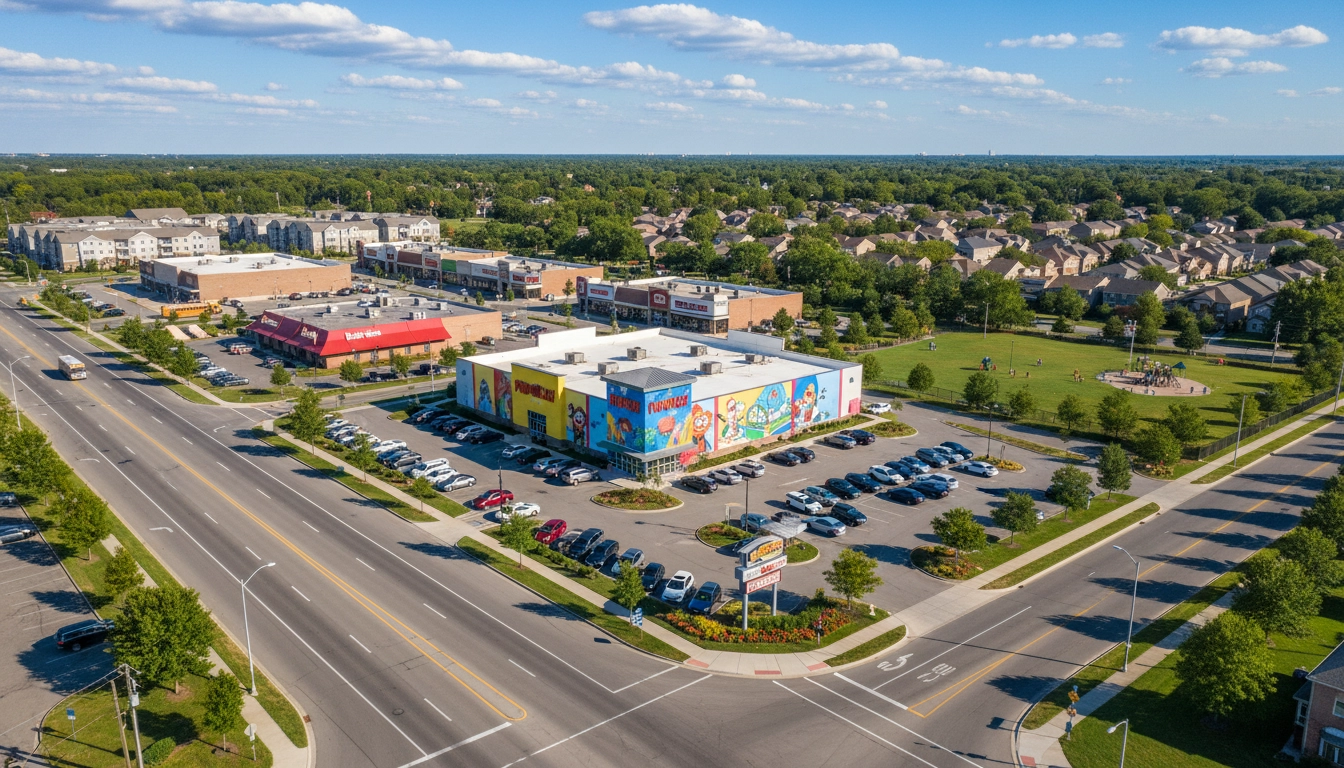
Choosing the Perfect Location for a Family Entertainment Center Business
Mini Claw Machine
How much electricity does a mini claw machine use?
Mini claw machines are relatively energy-efficient. Most standard models consume between 50 and 100 watts per hour when powered on. To put this into perspective, if a machine runs continuously for 24 hours, it would use approximately 1.2 to 2.4 kilowatt-hours (kWh) per day. For a typical business running the machine 12 hours a day, the monthly energy consumption would be around 18 to 36 kWh. Based on an average commercial electricity rate, the monthly cost to power a single mini claw machine is usually very low, often between 15, making it an inexpensive appliance to operate.
Are mini claw machines profitable?
Yes, mini claw machines can be a profitable venture, but their success is not guaranteed and depends on several factors. The primary keys to profitability are:
-
Location: This is the most critical factor. High foot traffic with your target demographic (families, teenagers, etc.) is essential.
-
Low Overhead: Minimizing initial investment and ongoing costs (like space rental) improves profit margins.
-
Attractive Prizes: Offering desirable, age-appropriate prizes encourages repeat plays.
-
Machine Maintenance: A clean, well-functioning machine with a fair but challenging claw grip keeps customers satisfied.
After accounting for the cost of prizes, location commission (if applicable), and electricity, a well-managed machine can achieve a strong return on investment over time.
Air Hockey Table
What is the price of an air hockey table?
The air hockey table price varies by model: children's models range from 2000, standard commercial models cost 2800, and advanced multi-player air hockey tables with features like multi-ball systems range from 5000, with MARWEY offering the best value.
Boxing Arcade Machine
How to get a high score on a punching machine?
Achieving a boxing arcade game high score requires technique over brute force: Plant your feet, rotate hips/shoulders in unison, and strike with quick jabs or hooks. MARWEY machines reward precision – maintain rhythm, diversify punches (uppercuts for bonus points), and stay relaxed to maximize power. Practice consistency, not just power!
Indoor Playground
What permits are needed for an indoor playground?
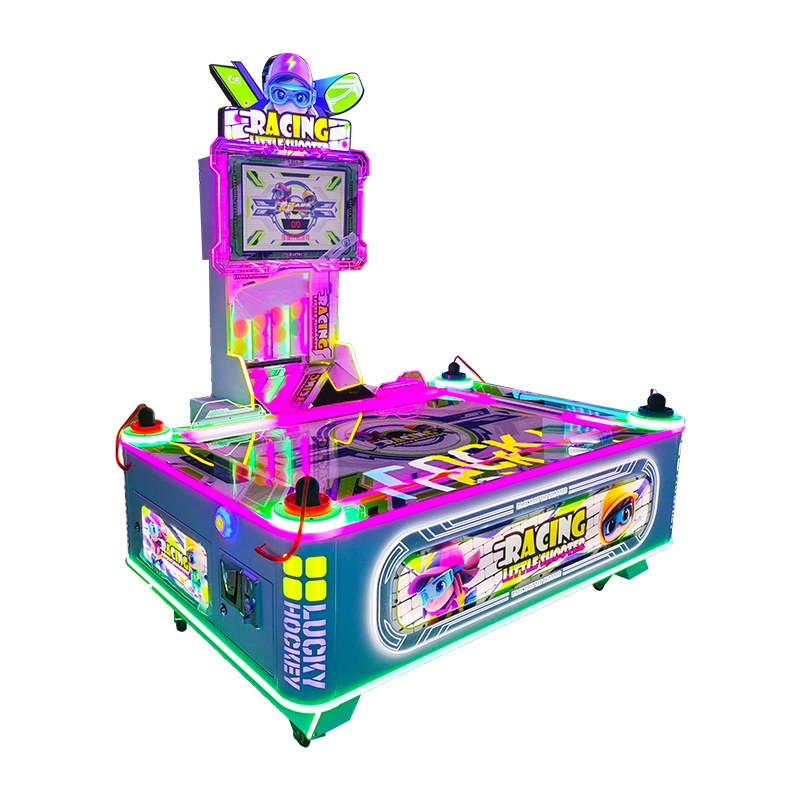
Marwey Commercial 4 Players Coin Operated Arcade Multiple Balls Air Hockey Game Table Redemption Ticket Machine
Marwey Commercial 4 Players Coin Operated Arcade Multiple Balls Air Hockey Game Table Redemption Ticket Machine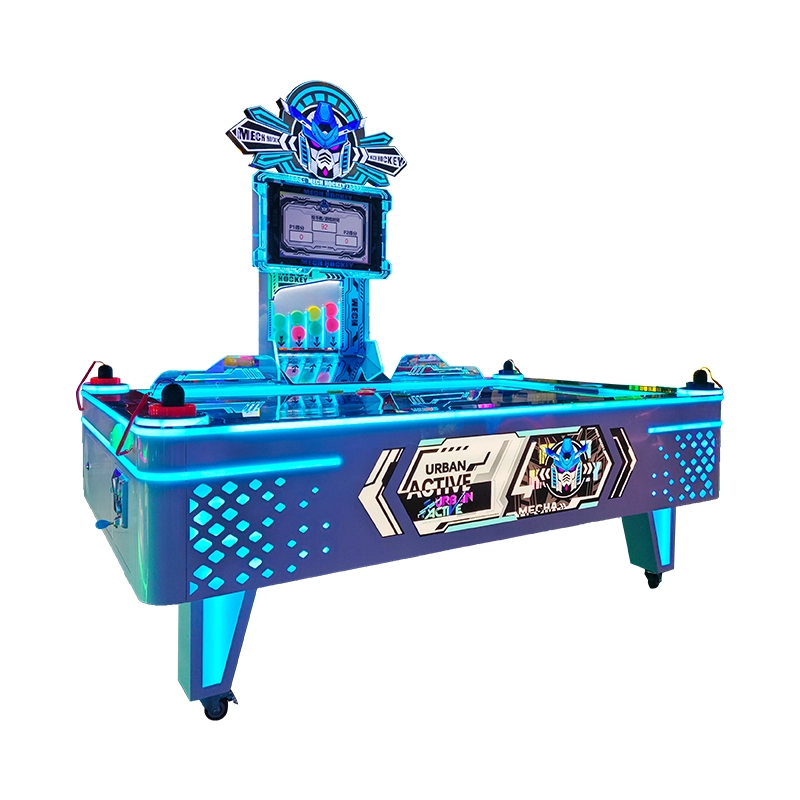
Marwey Wholesale Coin Operated 4 Players Multiple Balls Mecha Air Hockey Table Ticket Redemption Machine
Marwey Wholesale Coin Operated 4 Players Multiple Balls Mecha Air Hockey Table Ticket Redemption Machine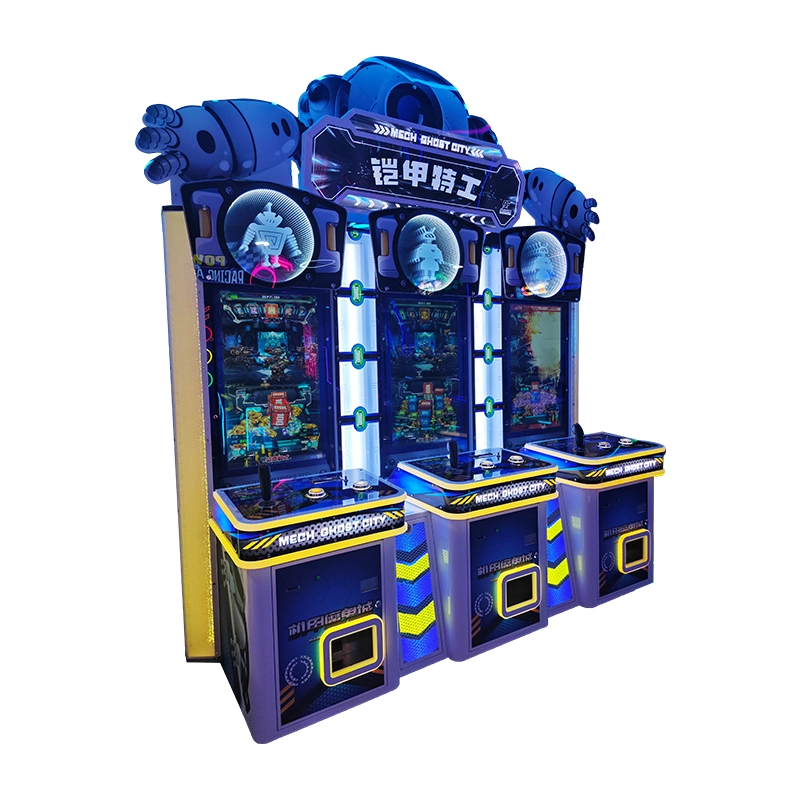
Marwey Coin Operated 3 Players Armored Agent Shooting Arcade Amusement Redemption Ticket Game Machine for Sale
Marwey Coin Operated 3 Players Armored Agent Shooting Arcade Amusement Redemption Ticket Game Machine for Sale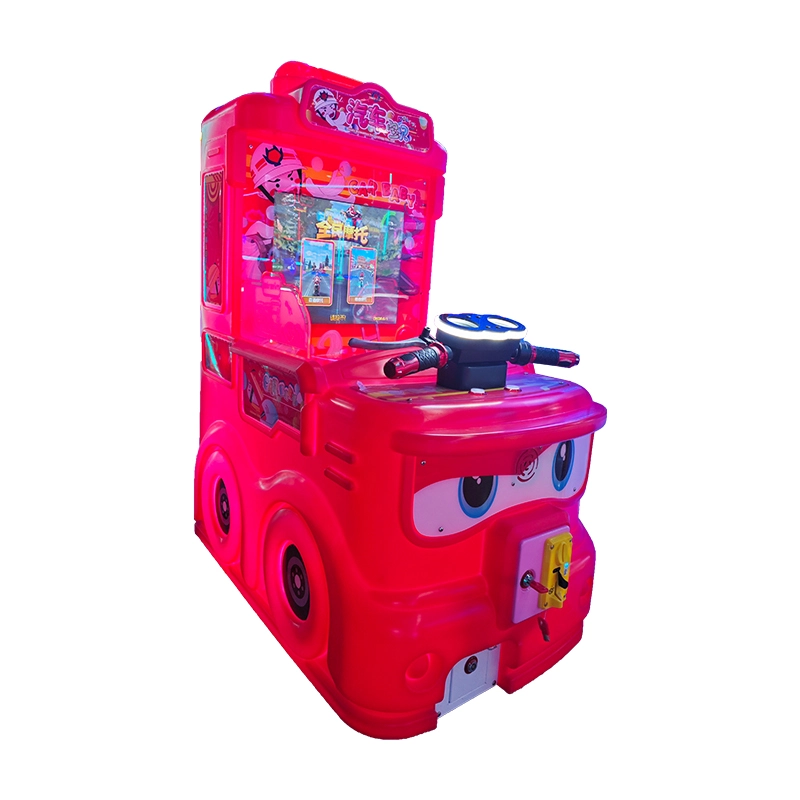
Marwey Factory High Quality Coin Operated Kids Motorcycle Racing Arcade Machine Car Baby Amusement Game Machines
Marwey Factory High Quality Coin Operated Kids Motorcycle Racing Arcade Machine Car Baby Amusement Game Machines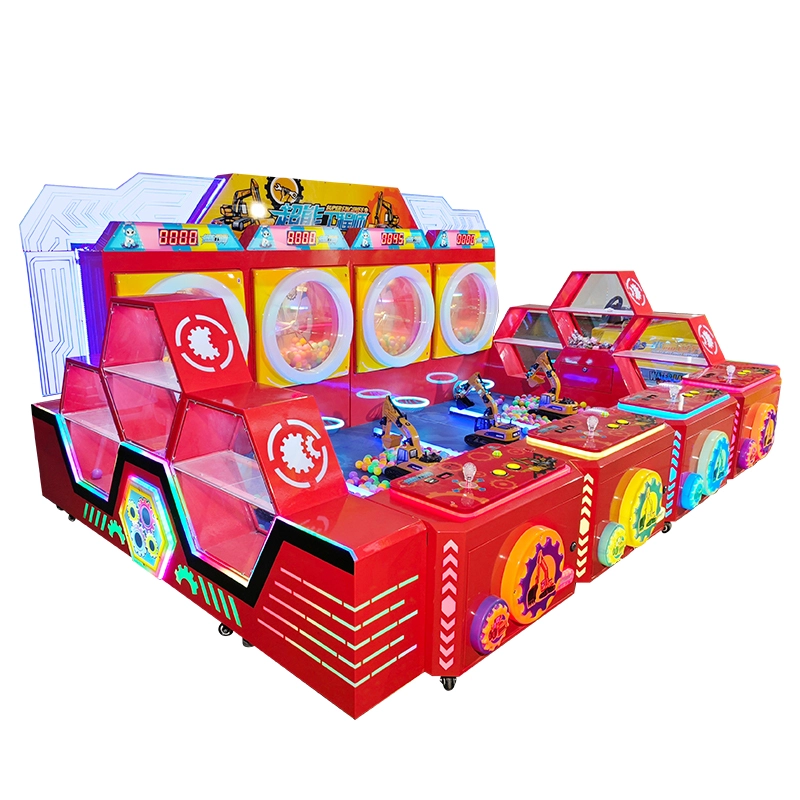
Marwey Indoor High Quality Fec Multiplayer Excavator Simulator Engineer Digging Challenge Game Equipment
Marwey Indoor High Quality Fec Multiplayer Excavator Simulator Engineer Digging Challenge Game Equipment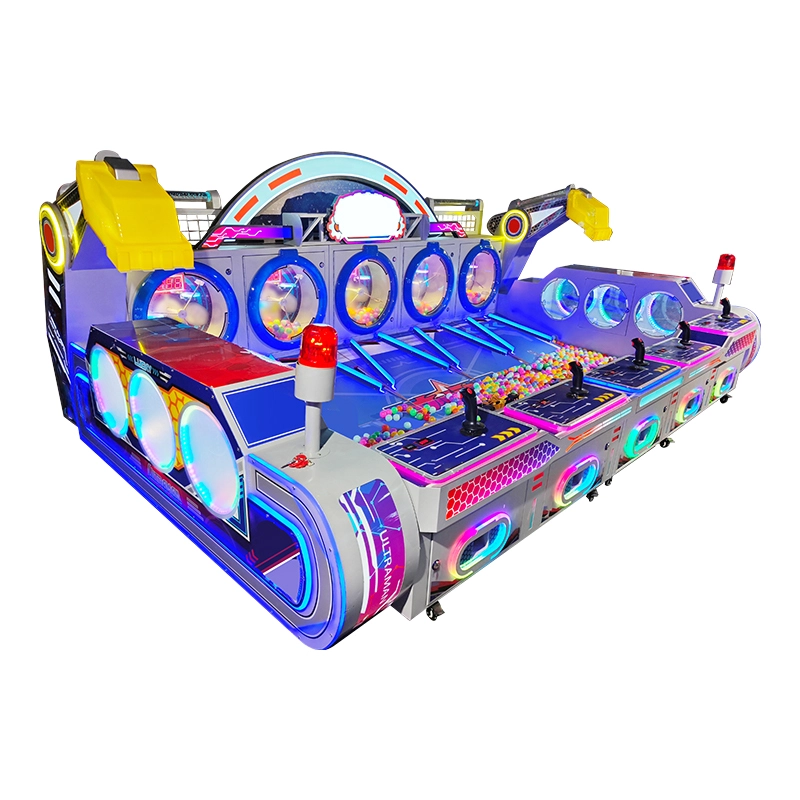
Marwey One Stop Wholesale Indoor Commercial 5 Players Excavator Digging Bulldozer Ball Pushing Game Equipment
Marwey One Stop Wholesale Indoor Commercial 5 Players Excavator Digging Bulldozer Ball Pushing Game Equipment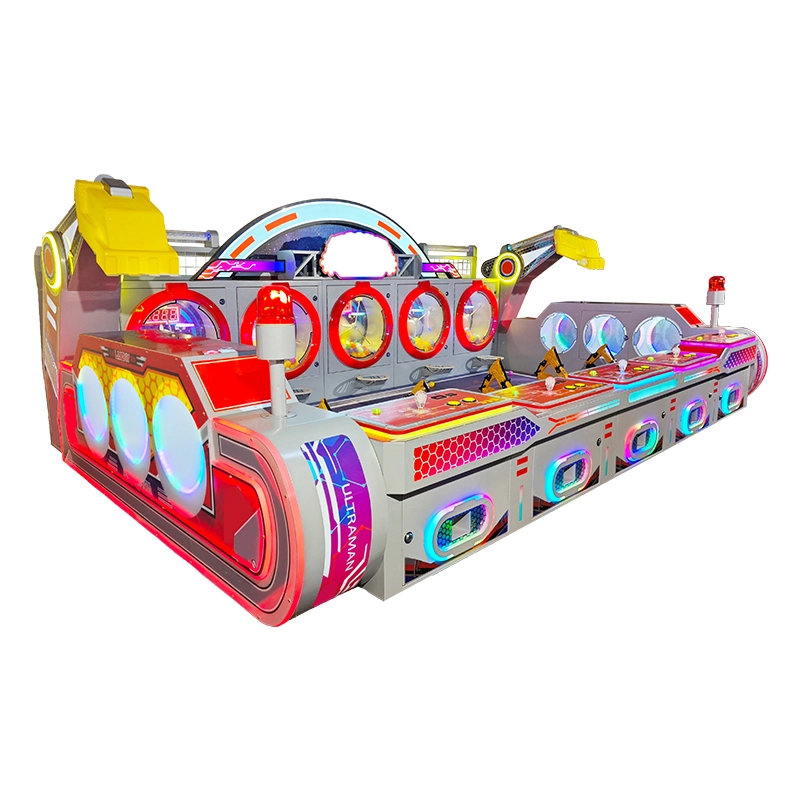
Marwey Hot Sale Indoor 5 Players Remote Excavator Game Simulator Digging Ball Pushing Carnival Machine
Marwey Hot Sale Indoor 5 Players Remote Excavator Game Simulator Digging Ball Pushing Carnival Machine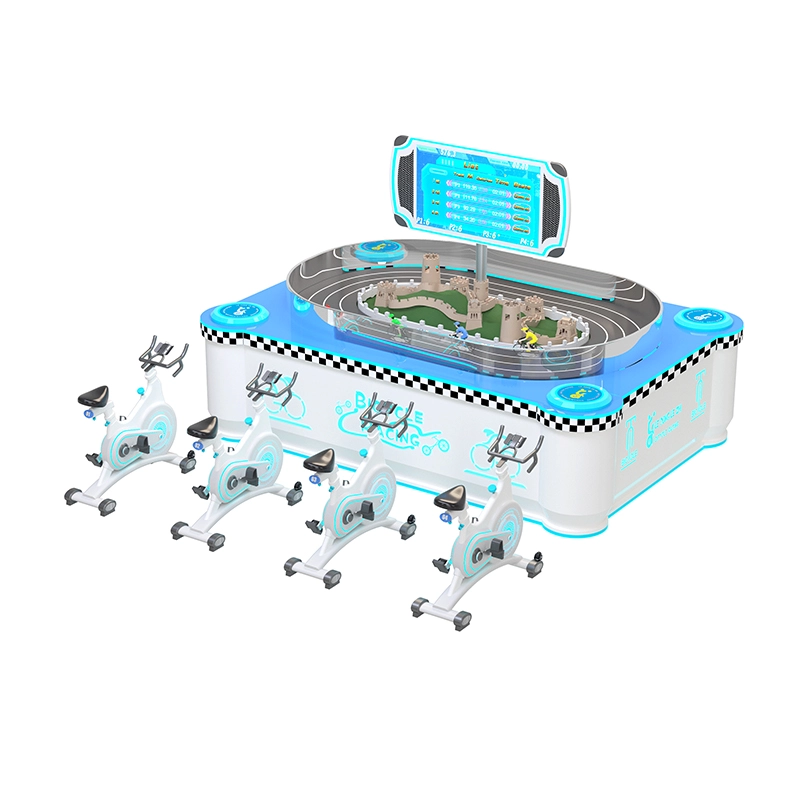
Marwey Hot Sale Commercial VR Bike Racing Gaming Simulator 4 Players Virtual Reality Sports Equipment
Marwey Hot Sale Commercial VR Bike Racing Gaming Simulator 4 Players Virtual Reality Sports EquipmentWant to know more industry information?
If you have any comments or good suggestions, please leave us a message; later our professional staff will contact you as soon as possible.
◼ Contact MARWEY
WhatsApp: +86 189 2218 4260
Floor 2, Building E, Hengran Creative Park, Shixin Road, Panyu District, Guangzhou, Guangdong, China.
© 2025 MARWEY. All Rights Reserved.

MARWEY
MARWEY
MARWEY
MARWEY
MARWEY
MARWEY