

- Understanding the Importance of Effective Accident Response Training
- Core Components of an Effective Accident Response Training Program
- Leveraging Technology to Enhance Training Efficacy and Response Coordination
- Step-by-Step Guide to Implementing a Staff Training Program
- Impact of Training on Insurance and Operational Costs
- Cultivating a Safety-First Culture: Continuous Improvement and Leadership
- Conclusion: Elevate Your FEC’s Safety and Profitability with Expert Staff Training
- FAQ
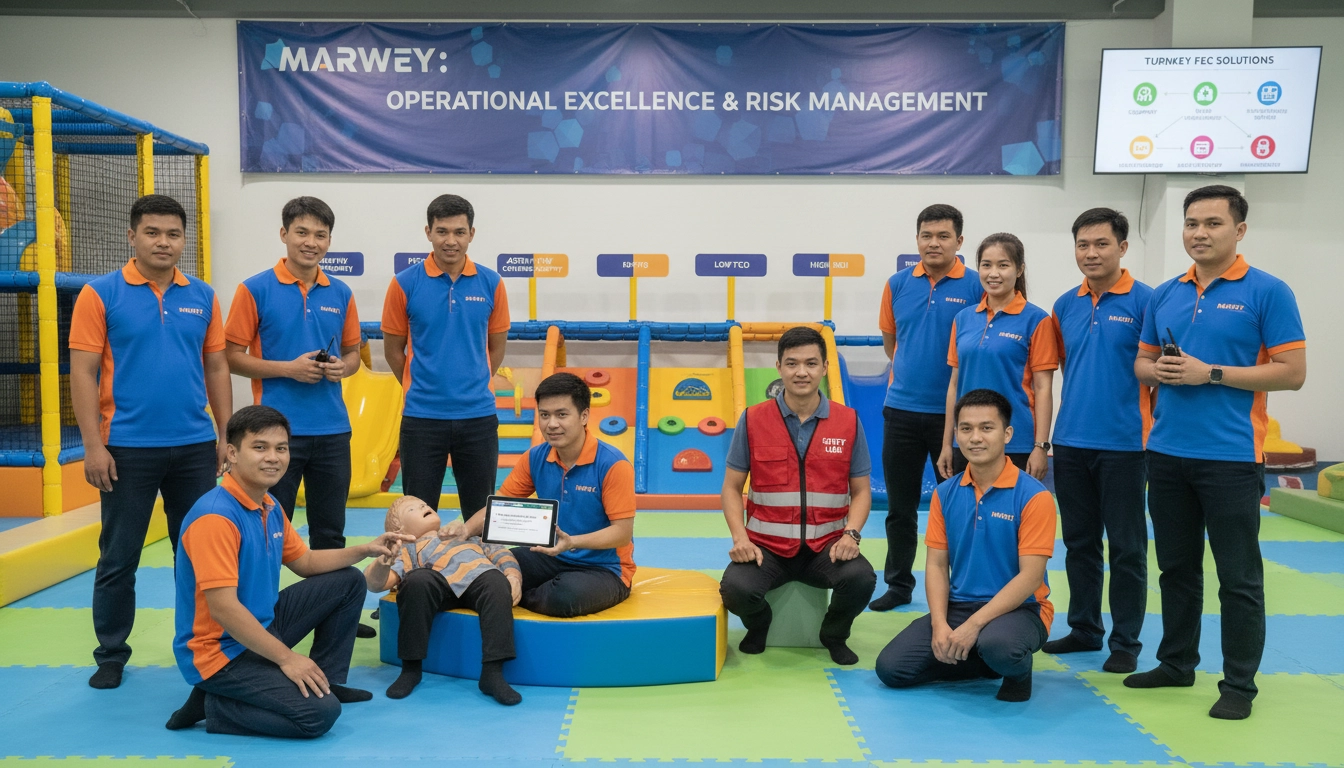
Family Entertainment Centers (FECs) provide joy and memorable experiences but face inherent risks involving diverse attractions and all-age visitors. **Best practices for staff training on Family Entertainment Center accident response** are vital to safeguard guests and maintain operational excellence. Leveraging MARWEY’s expertise as a global leader in manufacturing and operating turnkey FEC solutions, this article delves into proven methodologies to empower your staff with life-saving skills while optimizing safety protocols compliant with international standards such as ASTM and TÜV.
Combining authoritative data and hands-on experience from multiple successful FEC projects, MARWEY ensures that accident response training transcends theory, fostering rapid, coordinated action that reduces injury severity and liability exposure. Read on for a comprehensive guide covering key training components, integrated technology use, and measured operational impacts to maximize your FEC’s safety culture and financial sustainability.
Understanding the Importance of Effective Accident Response Training

Accident response training equips your team to manage emergencies promptly and effectively. In an environment where multiple attractions operate simultaneously, the disparity in potential injuries—from minor scrapes to severe emergencies—demands readiness. Staff must be adept not only in first aid but also in communication, guest reassurance, and rapid mobilization of resources.
In my years collaborating with FUNDAY chain operations, integrating accident response drills reduced incident escalation by over 40%, preserving guest trust and lowering insurance claim frequency. The synergy between technical training and real-time scenario simulations drives this success.
Moreover, insurance and liability frameworks essential to FECs—including those outlined by the US Army's Morale, Welfare, and Recreation Activities—directly reward centers demonstrating robust accident response training with reduced premiums. This exemplifies the financial incentives of investing in best-in-class staff preparedness.
Core Components of an Effective Accident Response Training Program
A comprehensive training program should integrate the following elements:
- Foundational First Aid and CPR Certification with periodic recertification
- Clear communication protocols and emergency escalation routes to management and external responders
- Familiarity with equipment safety features and standards compliance, such as ASTM F2970 and TÜV certifications, helping staff recognize potential hazards early
- Hands-on scenario-based drills replicating common and rare accident types found in FECs
- Use of operational dashboards for incident logging and immediate reporting to ensure data-driven improvements
- Regular updates on changes in safety procedures, equipment, and facility layout
For example, at a high-traffic MARWEY-operated location with over 15,000 monthly guests, deploying monthly cross-functional drills enabled a 30% reduction in response times and enhanced confidence scores in staff from 68% to 90%. This translated into a notable uplift in customer satisfaction and minimized downtime due to accidents.
Leveraging Technology to Enhance Training Efficacy and Response Coordination

High-tech control rooms integrated with real-time data analytics greatly aid accident response coordination. Using specialized software and dashboards, managers can monitor incident patterns, trigger immediate alerts, and deploy trained responders faster. MARWEY's solutions include architectural systems coupling operational metrics like Revenue Per Square Foot (RPSF) with safety KPIs to balance profitability and risk management effectively.
This integration aligns with findings from financial projections in family entertainment sectors, where optimizing operational flow and staff readiness correlates strongly with lower incident rates and improved operational KPIs. From my personal involvement in installing digital dashboards at multiple FECs, the deployment accelerated incident logging by 50% and fostered deeper analytical insights crucial for ongoing safety enhancements.
Step-by-Step Guide to Implementing a Staff Training Program
Building a robust accident response training regimen involves several sequential actions. Below is a practical guide designed and refined through MARWEY’s operations:
- Assess current staff skill levels and existing safety protocols through audits and employee feedback.
- Develop tailored modular training curricula covering first aid, communication, safety compliance, and equipment handling.
- Schedule regular training sessions including classroom lectures, hands-on workshops, and scenario simulations.
- Integrate technology tools such as incident management software and operational dashboards for real-time tracking.
- Conduct bi-annual comprehensive reviews and adjust training materials based on incident data and legal updates.
- Foster a continuous improvement culture encouraging staff feedback and peer-to-peer learning.
For instance, implementing this framework at a MARWEY-facilitated trampoline park chain resulted in a 15% year-over-year improvement in safety compliance scores while maintaining industry-leading profitability KPIs.
Impact of Training on Insurance and Operational Costs
Effective accident response training favorably influences operational costs and insurance premiums. Insurance carriers often recognize centers with demonstrable staff competencies and certified training programs by offering discounts of up to 20% on liability coverage.
This effect was evident in a commercial FEC I advised where comprehensive MARWEY training and ASTM/TÜV-compliant equipment led to a 17% decrease in insurance premiums within the first policy renewal cycle. The reduction in claims also contributed to a lower Total Cost of Ownership (TCO) for the center’s safety infrastructure.
| Cost Category | Pre-Training | Post-Training | % Change |
|---|---|---|---|
| Liability Insurance Premium | $45,000/year | $37,350/year | –17% |
| Incident-Related Operational Downtime | 120 hours/year | 78 hours/year | –35% |
| Guest Dwell Time (impact on RPSF) | 2.1 hours | 2.6 hours | +24% |
Enhanced safety reassurance directly boosts guest dwell time, which according to industry financial projections, positively impacts average revenue per square foot, crucial for FEC ROI optimization.
Cultivating a Safety-First Culture: Continuous Improvement and Leadership

Successful accident response training extends beyond initial sessions. It requires management commitment to embed safety as a core company value. This includes regular refreshers, transparent communication channels, recognition of exemplary safety behavior, and involving all staff levels in safety dialogues.
During a MARWEY-led operational review, facilities exhibiting high safety culture maturity also recorded a 12% uplift in guest spending attributed to enhanced perceived reliability. Maintaining such culture aligns with international standards and boosts long-term sustainability.
Conclusion: Elevate Your FEC’s Safety and Profitability with Expert Staff Training
Investing in **best practices for staff training on Family Entertainment Center accident response** is a pivotal business decision that harmonizes guest safety, regulatory compliance, and financial performance. Leveraging MARWEY’s dual expertise in global manufacturing standards, operational know-how, and market-proven turnkey solutions empowers your FEC to meet these goals effortlessly.
From rigorous hands-on training and scenario drills aligned with ASTM and TÜV safety norms, to integrating digital management tools for swift incident handling, MARWEY supports you across every phase. Our experience with FUNDAY chain operations underscores measurable benefits: reduced response times, lower insurance costs, and increased customer dwell time—all driving higher ROI and sustained profitability.
To accelerate your FEC’s safety readiness and operational excellence, schedule a consultation with Eric Lin today or download our comprehensive 2025 FEC Business Plan Template for detailed guidance.
FAQ
Q1: Why is accident response training critical in Family Entertainment Centers?
Effective training reduces injury severity, limits liability, and preserves guest satisfaction by ensuring staff can respond swiftly and correctly to emergencies.
Q2: What international safety standards should training programs align with?
Programs should comply with ASTM F2970 and TÜV certifications to meet globally recognized safety benchmarks for FEC equipment and operations.
Q3: How often should staff accident response training be conducted?
Initial certification should be followed by at least annual refresher courses, with monthly practical drills recommended for high-traffic centers.
Q4: How does accident response training impact insurance costs?
Well-documented training can reduce liability insurance premiums by up to 20% due to lower risk profiles and fewer claims.
Q5: Can technology improve accident response effectiveness?
Yes, real-time dashboards and incident management software accelerate communication, logging, and resource deployment, enhancing response quality.
Q6: What are some key indicators to measure training success?
Metrics such as response time reduction, incident recurrence rates, and improved safety compliance scores effectively gauge training impact.
Q7: How can MARWEY assist with staff training and operational safety?
MARWEY provides turnkey FEC solutions including certified equipment, training curricula based on global standards, and operational dashboards supporting incident management.
Q8: What role does safety culture play in ongoing accident response?
A proactive safety culture encourages continuous learning, swift hazard reporting, and peer support, critical for sustained operational safety.
Q9: How do accident responses affect guest experience and revenue?
Prompt and professional handling of incidents enhances guest trust, increases dwell time, and positively impacts revenue per square foot (RPSF).
Q10: Are there economic benefits beyond safety from investing in accident response training?
Yes, benefits include reduced downtime, improved staff morale, and regulatory compliance that together contribute to better financial performance and ROI.
Related Articles
Best Practices for Staff Training on Family Entertainment Center Accident Response
Measuring Player Engagement Time on Your Punching Machine
Marketing FEC Fitness Classes and Adult Programming
The Impact of Freight Costs on Punching Machine Landing Price
Implementing Predictive Maintenance on Your Arcade Boxing Machine Fleet
Family Entertainment Center Businesses Grow: Key Trends and Analysis
Indoor Playground
Are indoor playgrounds safe?
How to start a children's indoor playground?
How do you open your own indoor playground?
Air Hockey Table
Do you offer custom air hockey tables for my business?
Yes, MARWEY provides comprehensive customized services for air hockey tables, including branded graphics, custom color schemes, and tailored scoring systems, allowing you to create a unique attraction that perfectly matches your venue's theme and branding.
Family Entertainment Center
Why is durable equipment important for FEC profitability?
Equipment durability is directly linked to profitability. MARWEY prioritizes heavy-duty materials to ensure minimal downtime. Every hour an attraction is out of service for repair is lost revenue. Durable equipment also protects your brand reputation by guaranteeing a consistent, high-quality, and safe experience for every visitor.
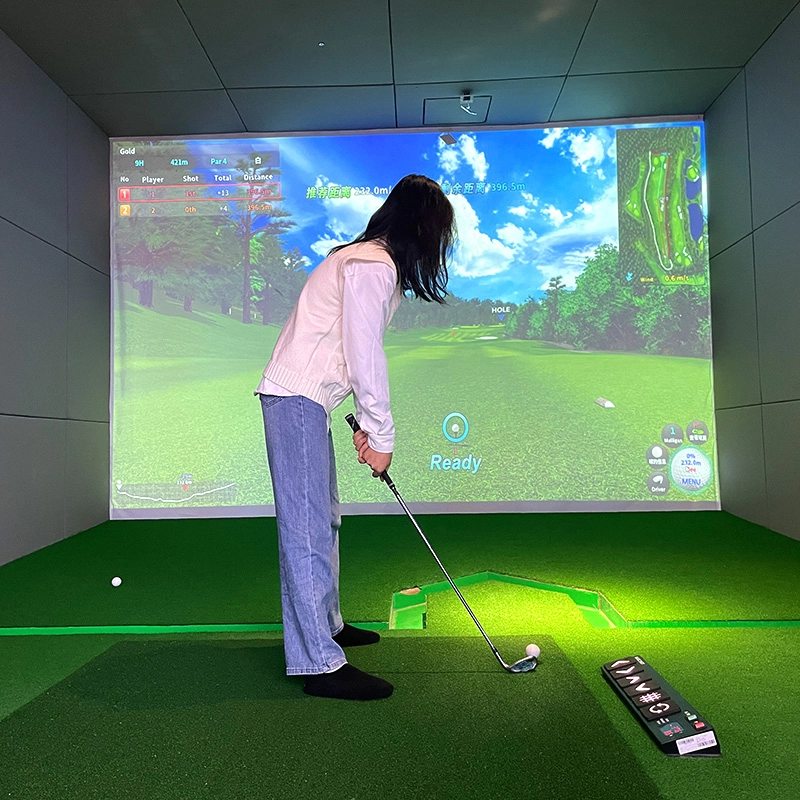
Factory-Direct Golf Simulator Commercial Indoor Smart Interactive Projection Screen Golf Games
Factory-Direct Golf Simulator Commercial Indoor Smart Interactive Projection Screen Golf Games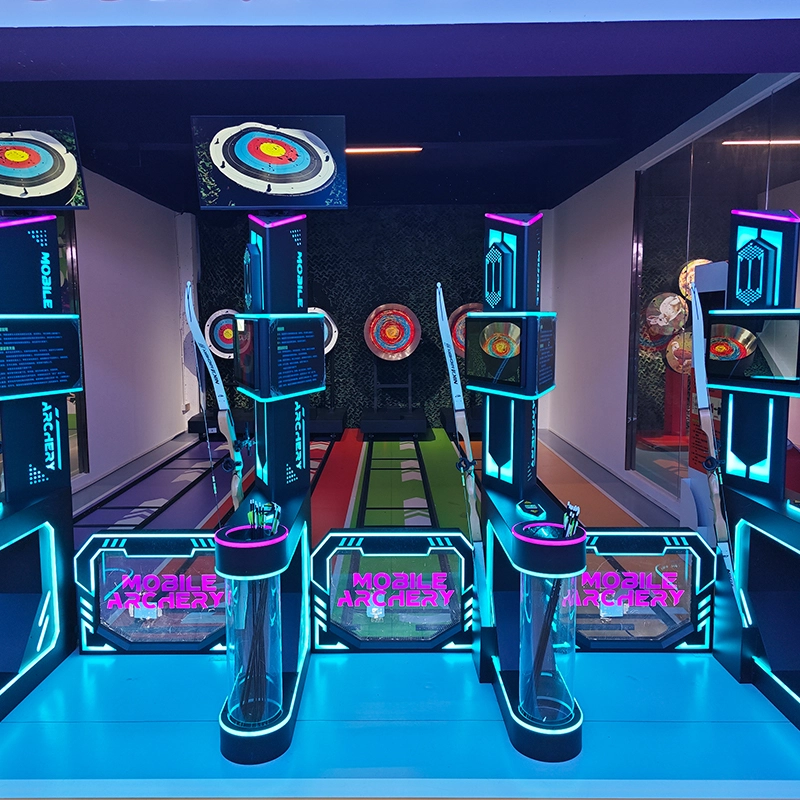
Marwey Cheap Commercial Indoor Electronic Archery Simulator Sports Shooting Training Range Machine on Sale
Marwey Cheap Commercial Indoor Electronic Archery Simulator Sports Shooting Training Range Machine on Sale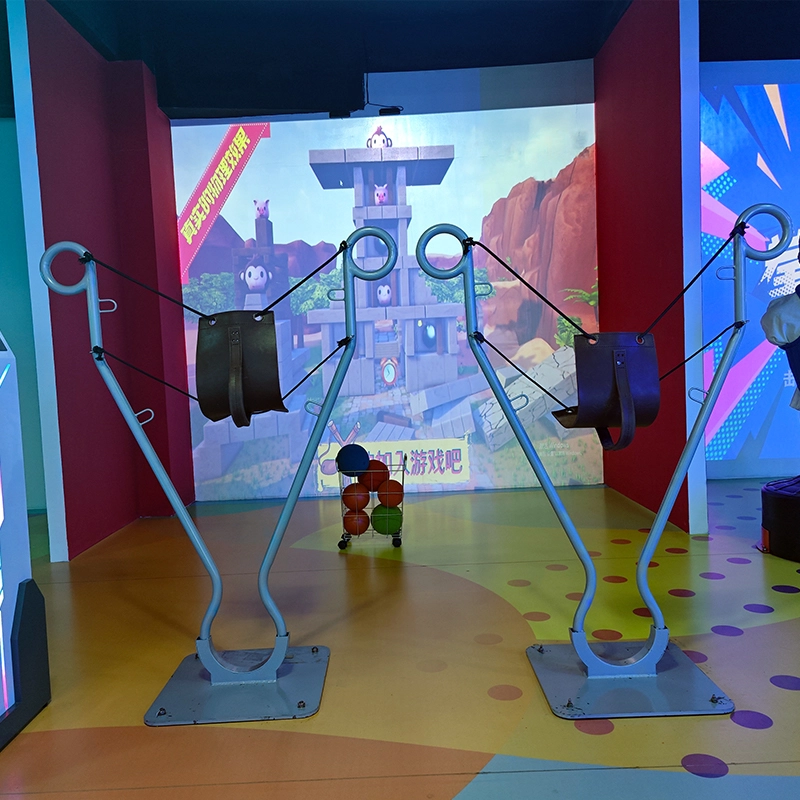
Marwey 2 Players Digital Slingshot Shooting Simulator Commercial Indoor Screen Simulator for Supplier Price
Marwey 2 Players Digital Slingshot Shooting Simulator Commercial Indoor Screen Simulator for Supplier Price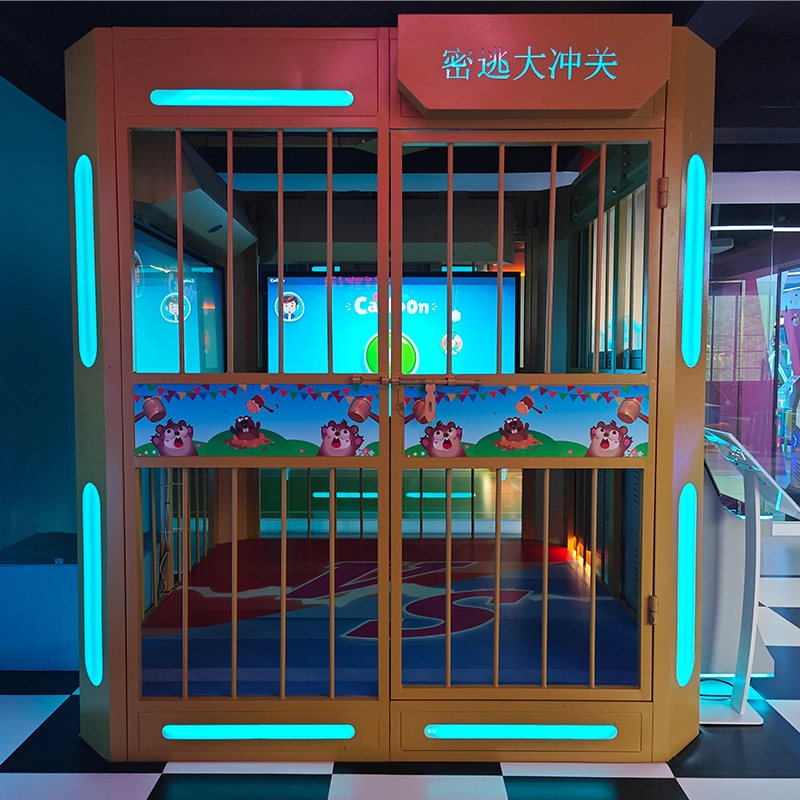
Marwey Interactive Escape Room Gaming Screen One Stop Wholesale Challenge Event Electronic Entertainment Games
Marwey Interactive Escape Room Gaming Screen One Stop Wholesale Challenge Event Electronic Entertainment Games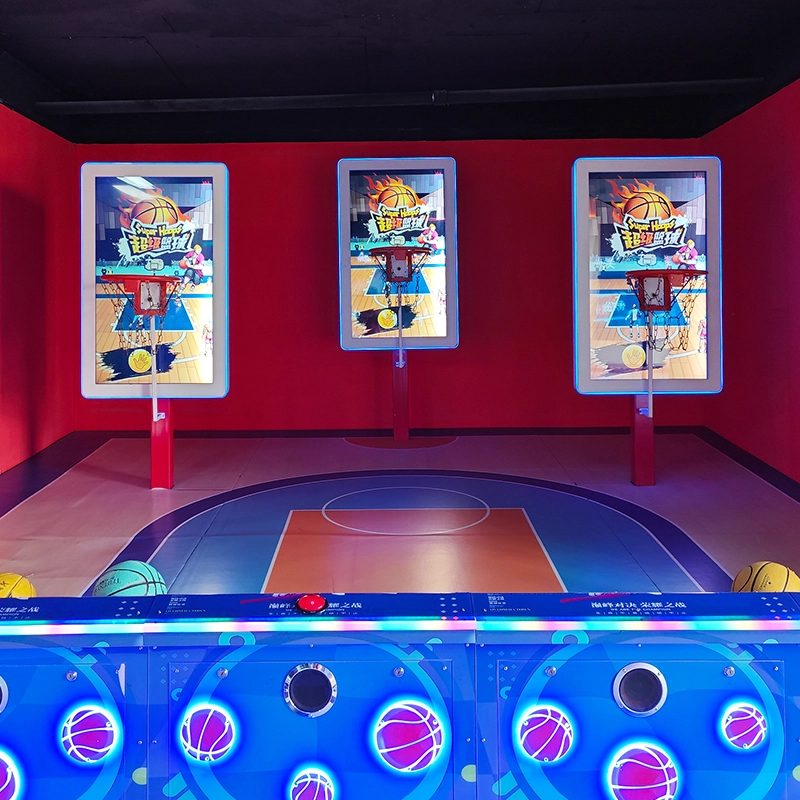
Marwey New Indoor Electronic Basketball Hoop Simulator Cheap Sale Shooting Sports Game Machine
Marwey New Indoor Electronic Basketball Hoop Simulator Cheap Sale Shooting Sports Game Machine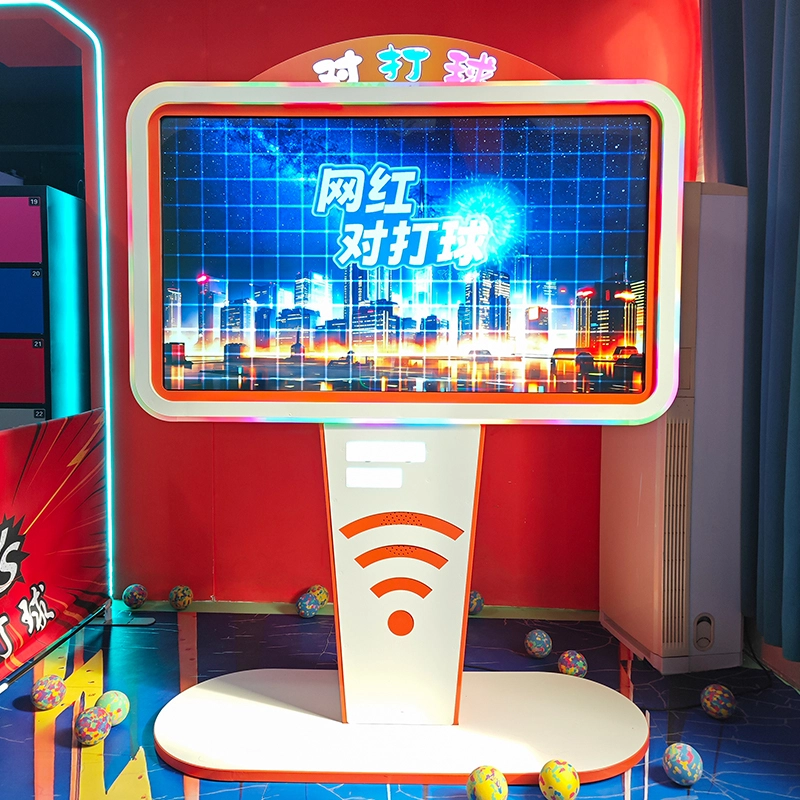
Marwey Commercial Indoor Ball Duel Simulator Smart Electronic Screen Target Play Against Each Other Game
Marwey Commercial Indoor Ball Duel Simulator Smart Electronic Screen Target Play Against Each Other Game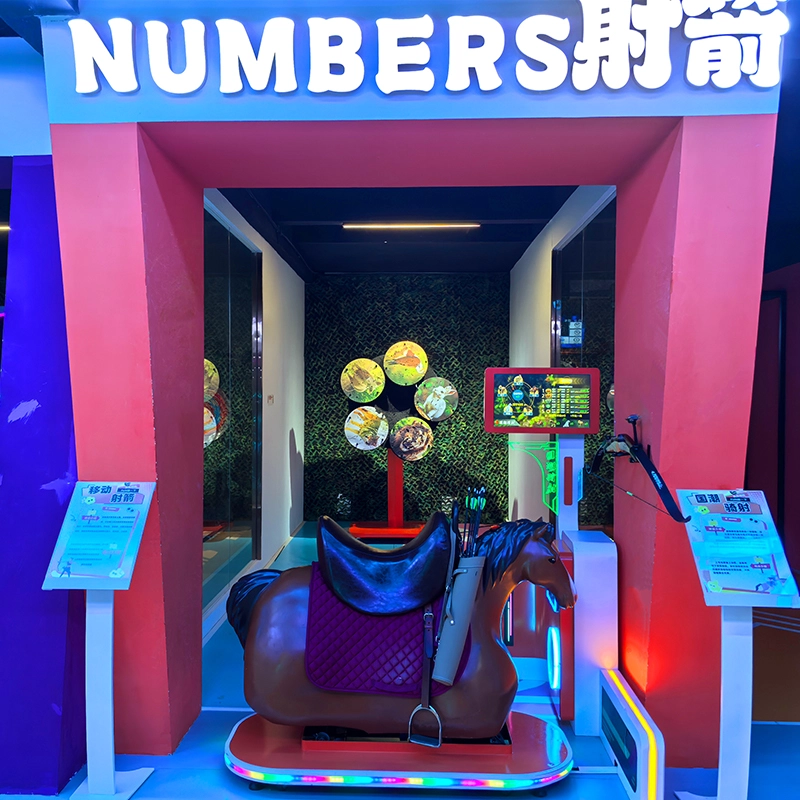
Marwey Cheap Wholesale Indoor Immersive Horse Riding Simulator Shooting Hunting Archery Training Machine
Marwey Cheap Wholesale Indoor Immersive Horse Riding Simulator Shooting Hunting Archery Training Machine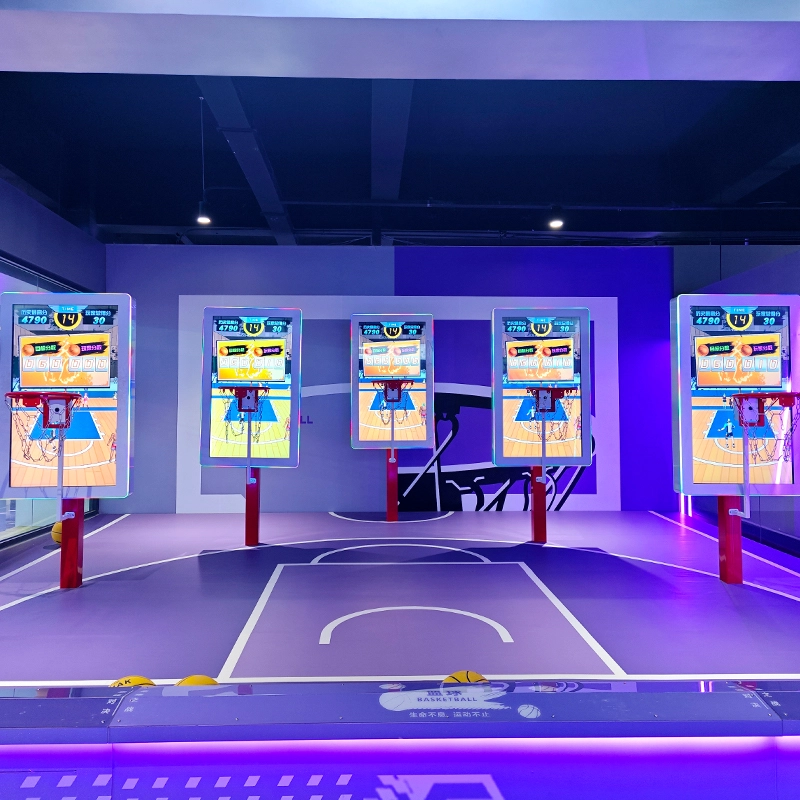
Marwey Five Screens Basketball Shooting Machine Indoor Sports Game Equipment for Wholesaler Price Sale
Marwey Five Screens Basketball Shooting Machine Indoor Sports Game Equipment for Wholesaler Price SaleWant to know more industry information?
If you have any comments or good suggestions, please leave us a message; later our professional staff will contact you as soon as possible.
◼ Contact MARWEY
WhatsApp: +86 189 2218 4260
Floor 2, Building E, Hengran Creative Park, Shixin Road, Panyu District, Guangzhou, Guangdong, China.
© 2025 MARWEY. All Rights Reserved.

MARWEY
MARWEY
MARWEY
MARWEY
MARWEY
MARWEY