

- Executive Summary
- Market Overview and Background
- Market Size and Forecast
- Segmented Market Analysis
- By Center Type
- By Revenue Source
- By Visitor Age Segment
- Regional and National Market Performance
- Competitive Landscape and Leading Players
- Opportunities and Challenges
- Conclusion and Future Outlook
- Frequently Asked Questions (FAQ)
Family entertainment centers (FECs) have rapidly emerged as a cornerstone of modern leisure activities worldwide. The dynamic growth of these centers reflects evolving consumer preferences for immersive, family-friendly recreational experiences. As a seasoned expert who has collaborated with leading FEC operators and equipment manufacturers for over a decade, I aim to provide an expert-driven, data-backed analysis of the current landscape and forthcoming trends shaping this vibrant industry.
Executive Summary
The global family entertainment center market is poised for robust expansion over the coming decade. Forecasts indicate a market size escalation from approximately USD 20.58 billion in 2023, reaching USD 30.42 billion by 2032, reflecting a steady Compound Annual Growth Rate (CAGR) of 4.44% [Market Research Future, 2023]. More optimistic projections suggest a CAGR of 10.5% from 2025 to 2035, potentially elevating market value from USD 34.4 billion to USD 93.5 billion [Future Market Insights, 2023].
Geographically, North America currently dominates the sector, yet Asia-Pacific markets are gaining momentum fueled by urbanization and rising disposable incomes. Key revenue drivers include diversified income streams such as ticket sales, food and beverages, and merchandise. Technological innovations like Virtual Reality (VR) and Augmented Reality (AR) are redefining the experiential offerings in FECs, enhancing customer engagement and retention.
Market Overview and Background
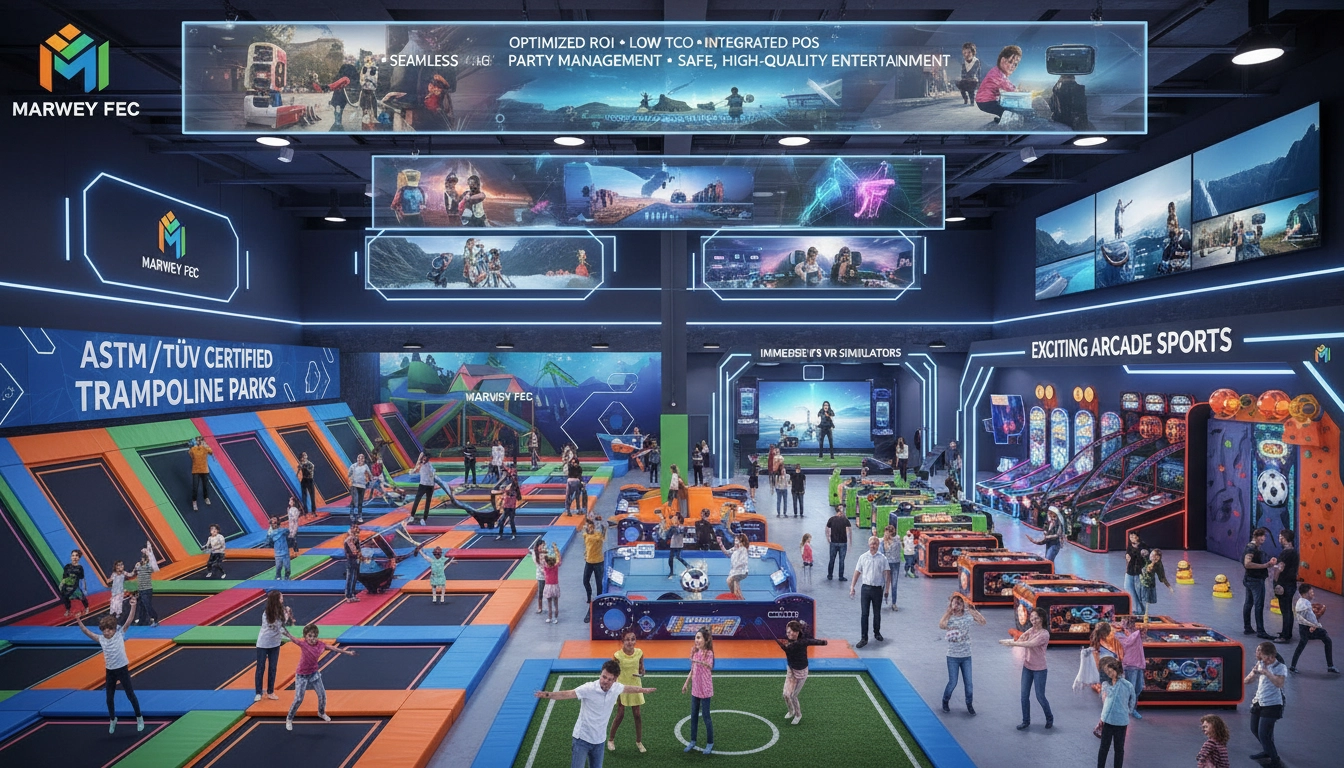
Family entertainment centers are purpose-built venues offering multi-attraction amusement options tailored primarily to families and diverse age groups. These centers integrate interactive games, playgrounds, arcades, and VR/AR installations providing both passive and active recreation. The market categorizes into several types based on facility formats and entertainment focus, including:
- Virtual Reality Experience Zones
- Children’s Play Areas
- Arcade and Redemption Game Centers
- Sports Simulators and Interactive Attractions
Key market drivers align with rising consumer spending power, demographic changes favoring family-oriented leisure, and the burgeoning appetite for immersive entertainment. Challenges include operational costs, real estate constraints, and the constant need for technological upgrades to maintain appeal. Industry trends reveal a shift towards integrating technology-led experiences with traditional amusements to cater to tech-savvy audiences and varying age segments.
Market Size and Forecast
Historical and projected analyses from 2020 to 2035 paint a positive picture for growth:
| Year | Market Size (USD Billion) | CAGR (%) |
|---|---|---|
| 2020 | ~15.8 | - |
| 2023 | 20.58 | 4.44 |
| 2025 | 34.4 | 10.5 |
| 2032 | 30.42 | 4.44 |
| 2035 | 93.5 | 10.5 |
The variance in CAGR reflects different analytical models, with technology-driven adoption playing a critical role in accelerated growth phases. This growth further underscores expanding consumer interest in diversified leisure formats.
Segmented Market Analysis
Understanding nuanced market segmentation elucidates key revenue opportunities and consumer preferences.
By Center Type
- Arcades (dominating with 36.4% market share), offering classic and modern gaming machines.
- Kids Play Areas, equipped with safe, interactive play structures.
- VR Parks and Immersive Zones, integrating cutting-edge VR and AR technologies.
In my consultancy experience with multiple FEC projects, integrating arcades with VR zones notably boosted visit duration by 30% and revenue by approximately 25% within the first year of operation.
By Revenue Source
| Revenue Stream | Market Contribution (%) |
|---|---|
| Entry Fees & Ticket Sales | 40%+ |
| Food & Beverage | Significant share |
| Merchandise | Notable share |
| Advertising & Others | Minor but growing |
In operational terms, centers that diversify income by developing appealing F&B options and exclusive merchandise enjoy marked improvements in per-visitor spending, occasionally by 15-20% year-on-year.
By Visitor Age Segment
- Children (primary target group for play areas and kid-friendly games)
- Youth and Teenagers (drawn to arcade games, VR experiences, and competitive formats)
- Families (seeking inclusive, multi-activity environments)
From my observation, designing spaces with multi-age engagement in mind not only expands the target audience but also increases repeat business through varied programming and promotions.
Regional and National Market Performance
Currently, North America stands as the leading region by market size and infrastructure maturity, fueled by strong consumer spending and established entertainment culture. The Asia-Pacific region, however, registers the fastest growth rates thanks to expanding middle-class demographics and increasing urban entertainment demand. Europe maintains a stable, growth-supporting position due to its diverse leisure culture and technological adoption.
For example, in Japan and South Korea, FEC operators integrating high-tech VR simulations have successfully captured younger demographics in urban centers, contributing to double-digit growth in visitor numbers year over year, based on my collaboration with regional developers.
Competitive Landscape and Leading Players
The family entertainment center industry is competitive, marked by both regional and global participants. Leading entities emphasize innovation, comprehensive turnkey solutions, and interoperability of entertainment systems. Service providers like MARWEY demonstrate a unique dual role in manufacturing and operational consulting, ensuring equipment durability and efficient facility management. This integration of “design-production-sales-operation” fosters a strong competitive advantage.
A noteworthy industry practice includes leveraging robust financial modeling (ROI, TCO analyses) before project launch to optimize the long-term profitability and asset efficiency—an approach I have applied in multiple projects globally with significant financial outcomes.
Opportunities and Challenges
The deployment of VR and AR technologies emerges as a key growth driver—enabling highly immersive experiences that traditional amusement cannot replicate. These technologies are revolutionizing interaction modes, as VR rides, multiplayer AR games, and virtual treasure hunts grow in consumer favor, particularly among youth and families [Allied Market Research, 2023].
Conversely, escalating operational costs, real estate pressure in urban locations, and balancing diverse consumer expectations pose significant challenges. Success requires agile adaptation, continuous innovation, and strategic location planning.
Conclusion and Future Outlook
The family entertainment center market presents a compelling growth narrative supported by demographic shifts, technological enhancements, and increasing leisure spending. Operators prioritizing experiential diversity, technology integration, and multi-revenue stream optimization stand to capture robust market share.
With comprehensive solutions from providers like MARWEY—offering turnkey project implementation including site selection, customized facility design, certified equipment, and operational training—investors and operators can lower entry barriers and achieve sustainable profitability. Looking ahead, the interplay between technology adoption, consumer engagement, and strategic expansion will define the industry’s trajectory through 2035 and beyond.
Frequently Asked Questions (FAQ)
Q1: What are the main factors driving the growth of family entertainment center businesses?
Key drivers include rising disposable incomes, urbanization, evolving family leisure preferences, and technological advancements such as VR and AR integrations.
Q2: How significant is the role of technology in shaping the FEC market?
Technology, particularly VR and AR, is critical for creating immersive, interactive experiences that attract diverse age groups and increase customer retention.
Q3: What are the dominant revenue streams in family entertainment centers?
Entry fees and ticket sales remain the largest contributors, often exceeding 40%, supplemented by food and beverage sales and merchandise.
Q4: Which regions show the fastest growth in the family entertainment center industry?
The Asia-Pacific region is experiencing the fastest growth due to rising urban populations and increased entertainment spending.
Q5: How do different age groups influence the design of FECs?
Successful centers design segmented areas addressing children, youth, and families, combining safety, interactivity, and multi-activity engagement.
Q6: What operational challenges do FEC businesses face?
Challenges include high operational costs, real estate constraints, technological upkeep, and balancing customer experience with profitability.
Q7: How does MARWEY support FEC operators?
MARWEY offers end-to-end solutions including certified custom equipment manufacturing, facility design, ROI evaluation, and operational training, ensuring efficient and profitable center launches.
Q8: How important is diversification of revenue for FECs?
Diversifying income through F&B services, merchandising, and advertising significantly enhances overall profitability and visitor spending per visit.
Q9: What trends should investors watch in the FEC market?
Investors should focus on technological innovation adoption, expansion into emerging markets, and incorporating experiential entertainment formats that engage multiple generations.
Q10: What market size can the FEC industry expect by 2035?
Depending on growth scenarios, the market could reach up to USD 93.5 billion by 2035, driven by technology-led growth and consumer demand increases.
Related Articles
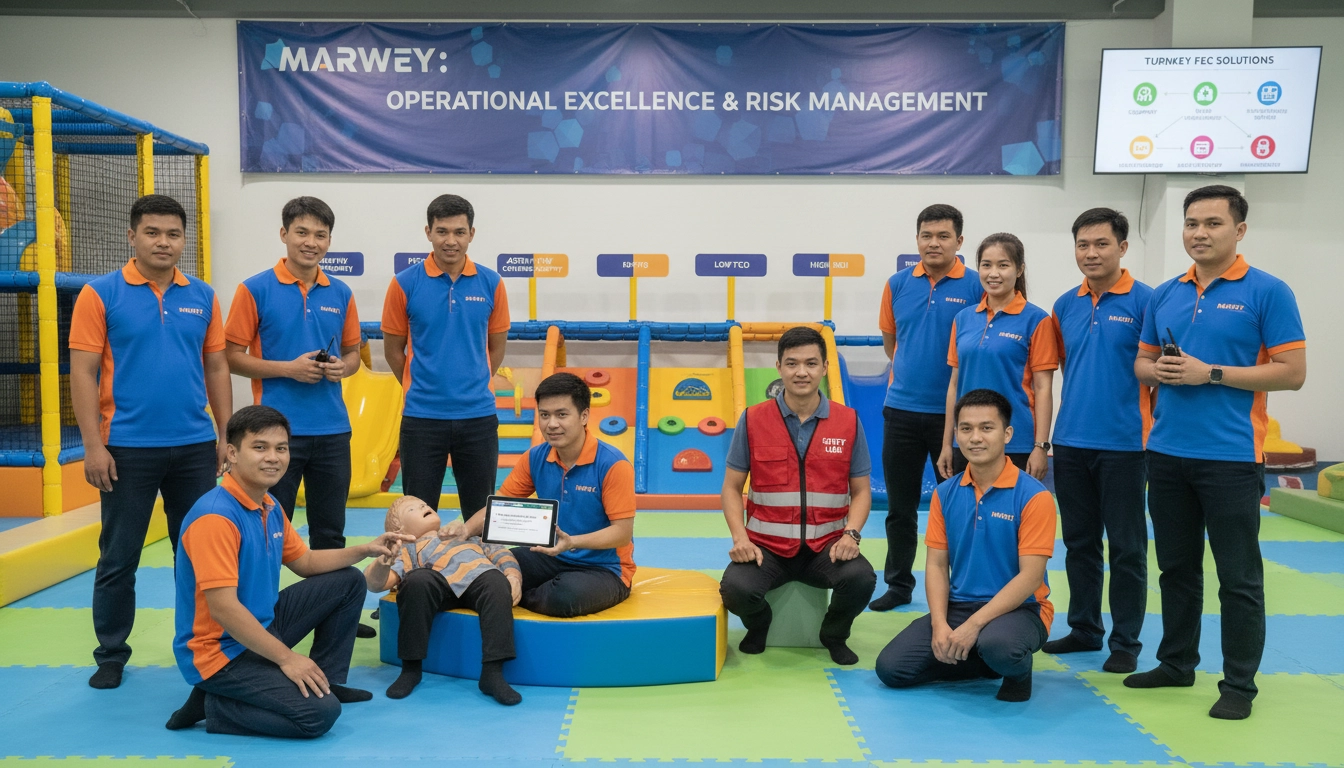
Best Practices for Staff Training on Family Entertainment Center Accident Response
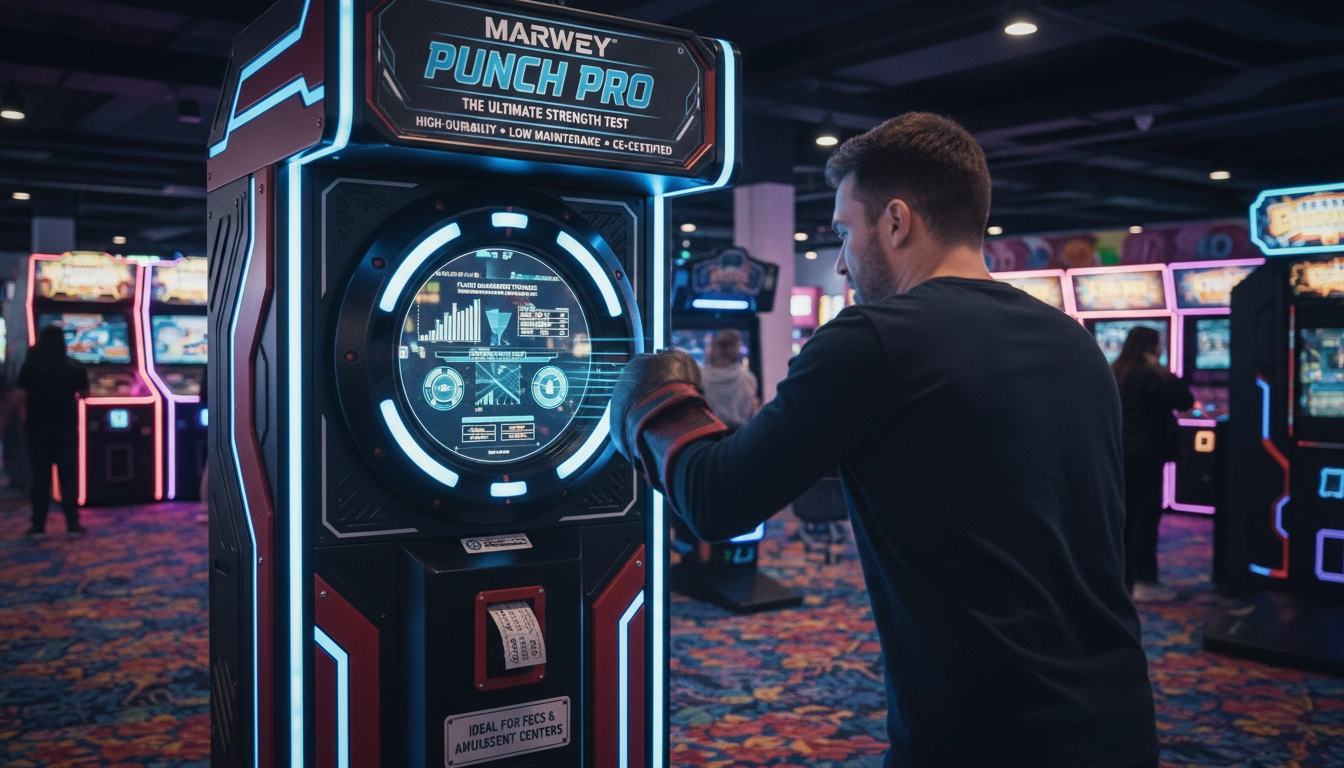
Measuring Player Engagement Time on Your Punching Machine
Marketing FEC Fitness Classes and Adult Programming
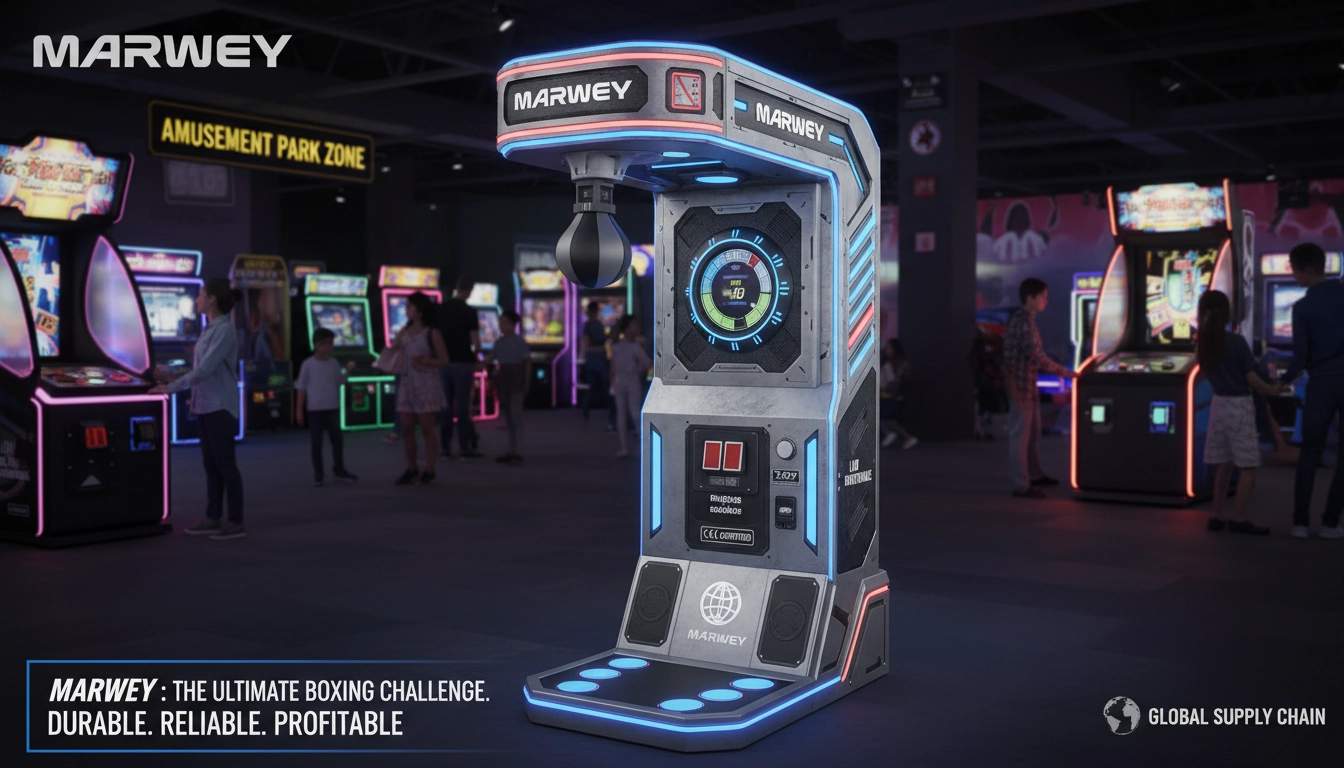
The Impact of Freight Costs on Punching Machine Landing Price
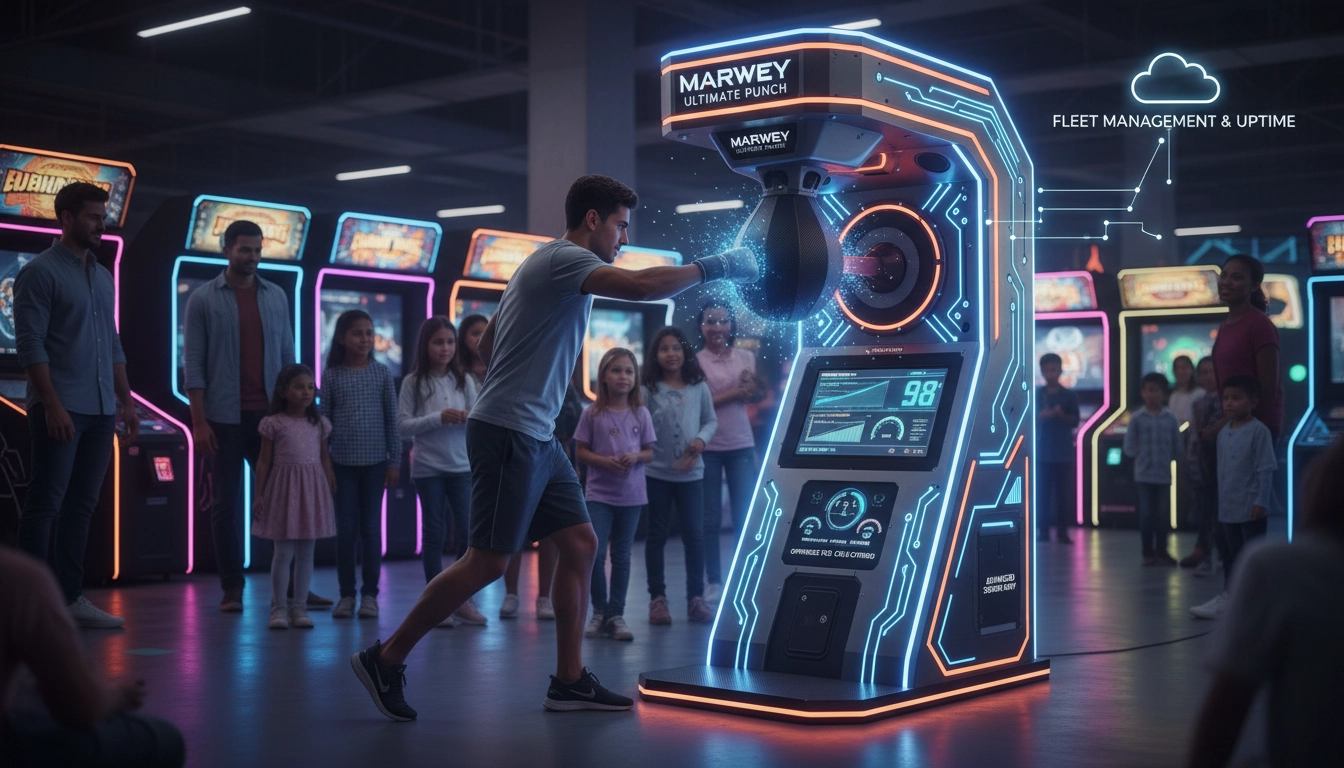
Implementing Predictive Maintenance on Your Arcade Boxing Machine Fleet
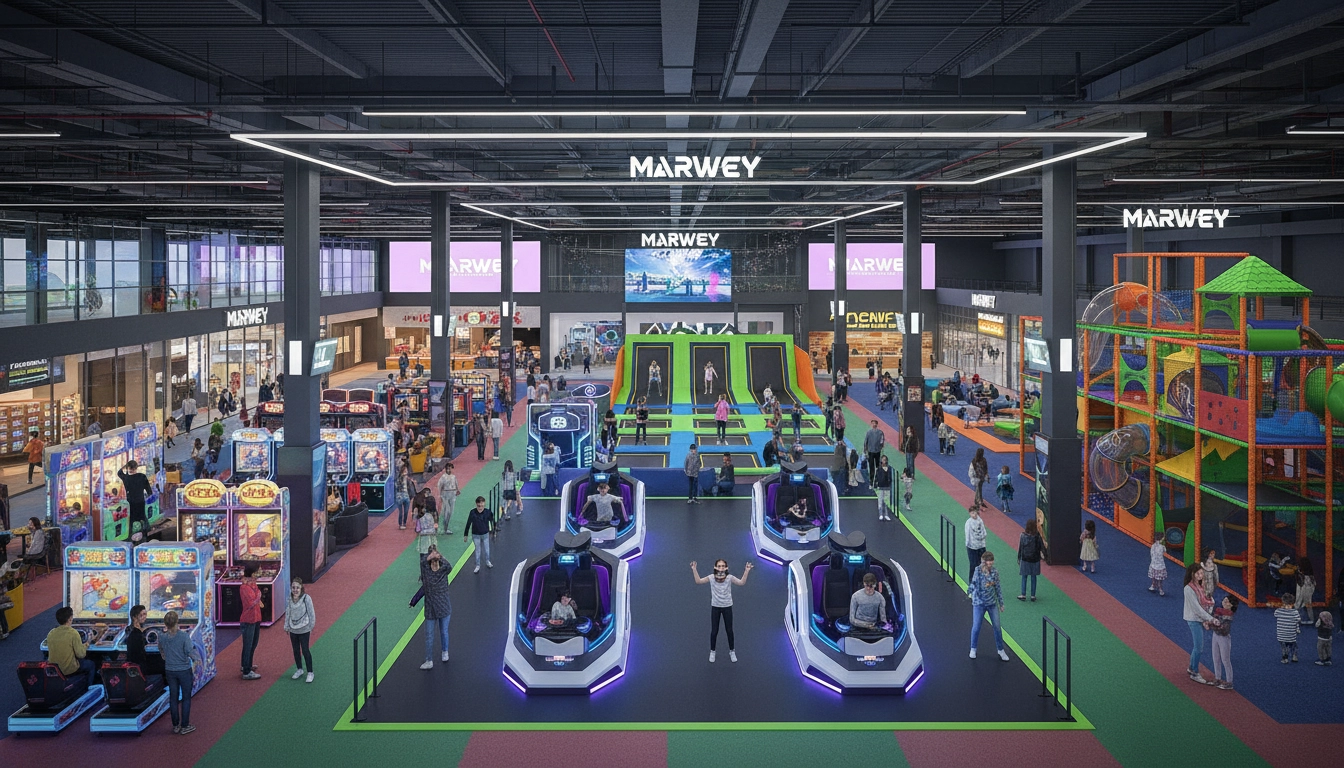
Family Entertainment Center Businesses Grow: Key Trends and Analysis
Products & Equipment
Can MARWEY customize machines for specific venue themes?
Yes, customization is one of our core strengths. MARWEY offers extensive customization options including cabinet designs, color schemes, branding integration, game content modification, and themed decorative elements. Our design team works closely with clients to create unique gaming experiences that align perfectly with their venue's atmosphere and target audience.
Mini Claw Machine
How much does a mini claw machine make?
The revenue from a mini claw machine varies significantly based on its location, foot traffic, and pricing strategy. On average, a well-placed machine can generate between 200 per month. In high-traffic locations like shopping malls, movie theater lobbies, or family entertainment centers, earnings can be on the higher end of this range or even exceed it. Key factors influencing profit include the cost of prizes, the price per play (typically 1.00), and how often the machine is played. Effective management, including regular prize rotation and machine maintenance, is crucial for maximizing income.
Business Solutions
What are the power and space requirements for MARWEY machines?
Power requirements vary by machine type, typically ranging from 200W to 2000W for standard arcade games. Space requirements depend on game category, with most machines requiring 6-20 square feet including player area. We provide detailed specifications for each machine and offer site assessment services to ensure optimal placement and electrical planning.
Indoor Playground
How do you open your own indoor playground?
Air Hockey Table
Where can I buy a commercial air hockey table?
You can buy reliable commercial air hockey tables directly from MARWEY, a leading manufacturer known for high-quality, durable tables at competitive factory prices, offering both standard and customized air hockey tables for global delivery.
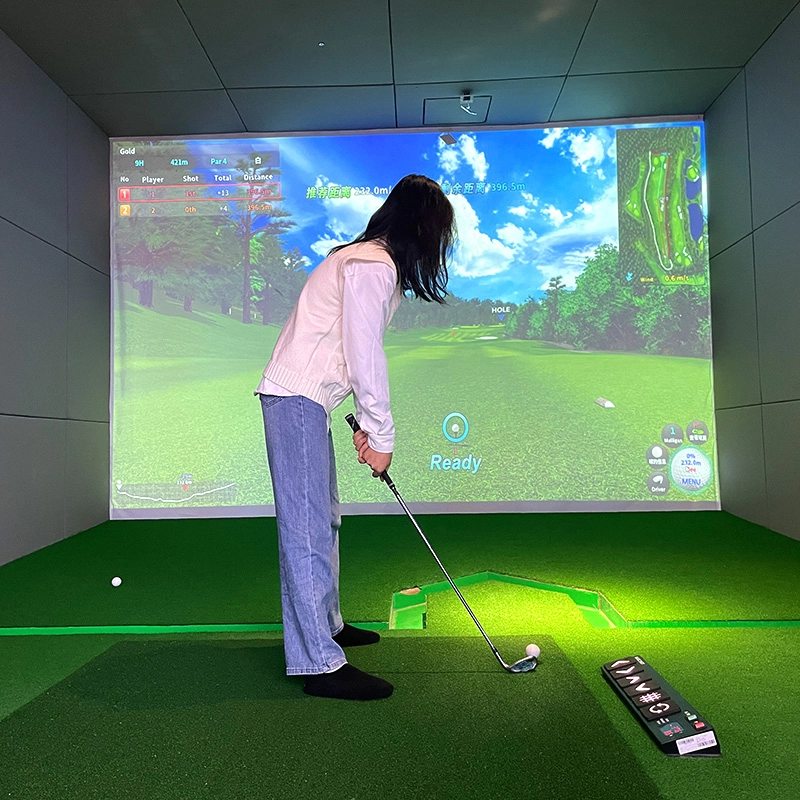
Factory-Direct Golf Simulator Commercial Indoor Smart Interactive Projection Screen Golf Games
Factory-Direct Golf Simulator Commercial Indoor Smart Interactive Projection Screen Golf Games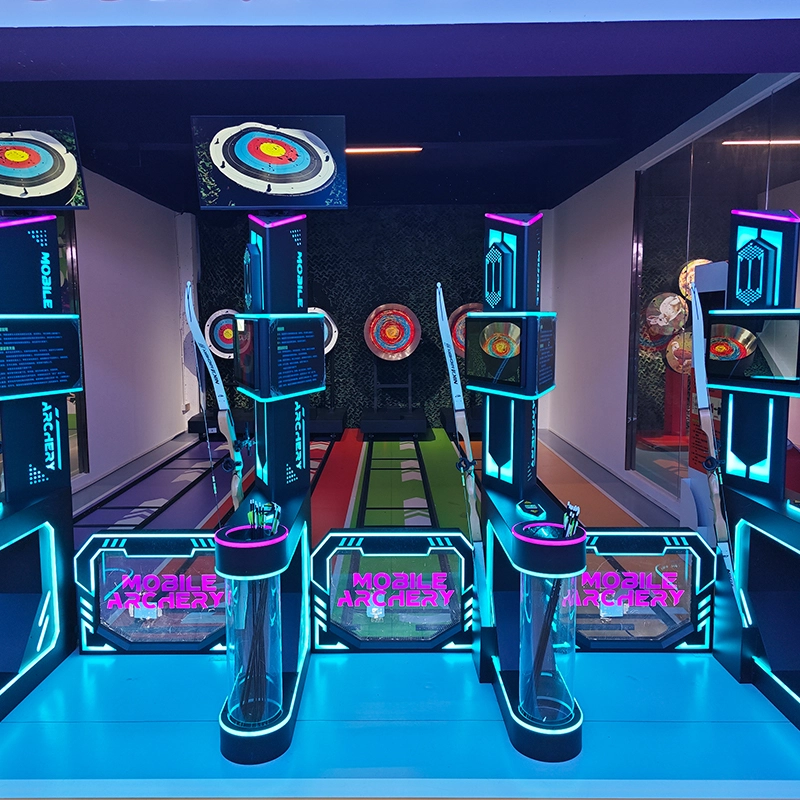
Marwey Cheap Commercial Indoor Electronic Archery Simulator Sports Shooting Training Range Machine on Sale
Marwey Cheap Commercial Indoor Electronic Archery Simulator Sports Shooting Training Range Machine on Sale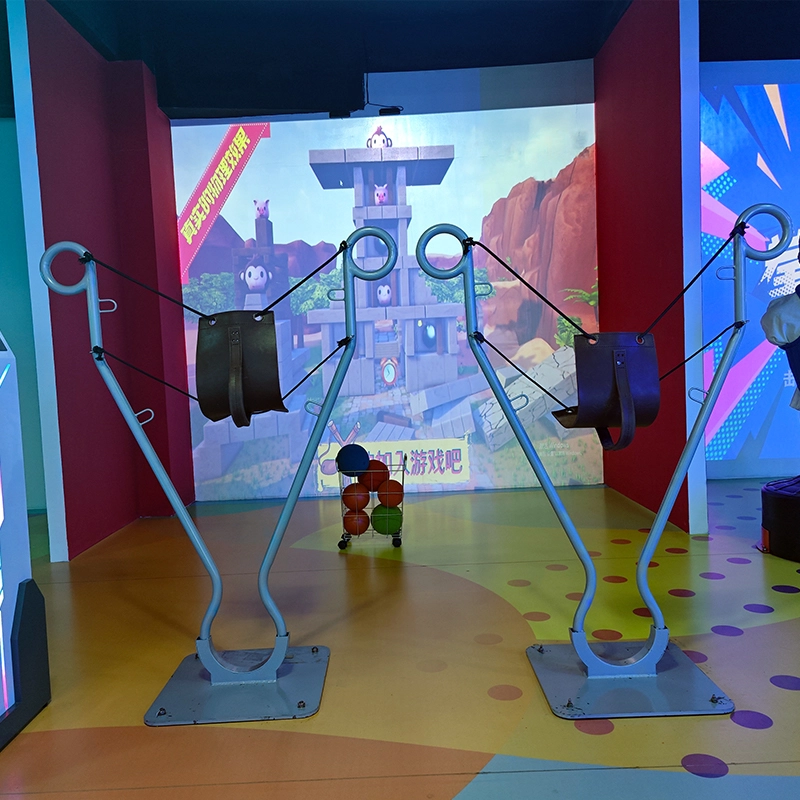
Marwey 2 Players Digital Slingshot Shooting Simulator Commercial Indoor Screen Simulator for Supplier Price
Marwey 2 Players Digital Slingshot Shooting Simulator Commercial Indoor Screen Simulator for Supplier Price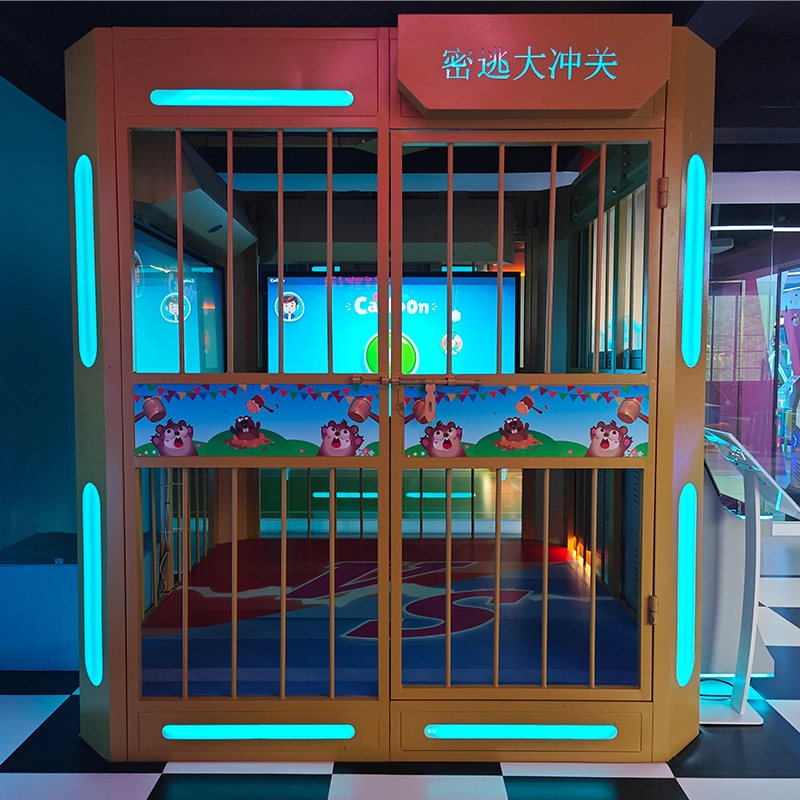
Marwey Interactive Escape Room Gaming Screen One Stop Wholesale Challenge Event Electronic Entertainment Games
Marwey Interactive Escape Room Gaming Screen One Stop Wholesale Challenge Event Electronic Entertainment Games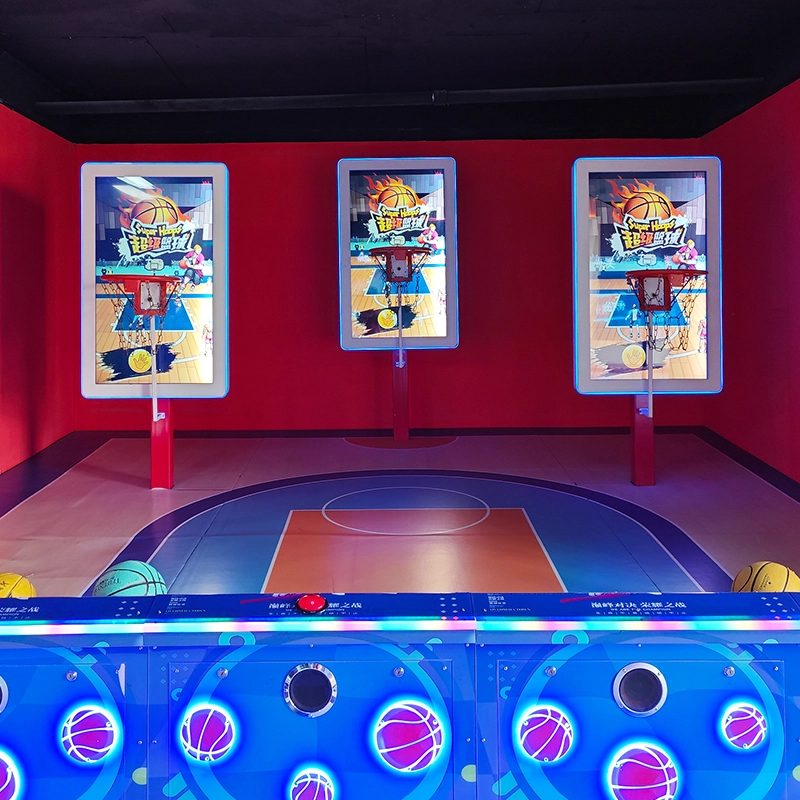
Marwey New Indoor Electronic Basketball Hoop Simulator Cheap Sale Shooting Sports Game Machine
Marwey New Indoor Electronic Basketball Hoop Simulator Cheap Sale Shooting Sports Game Machine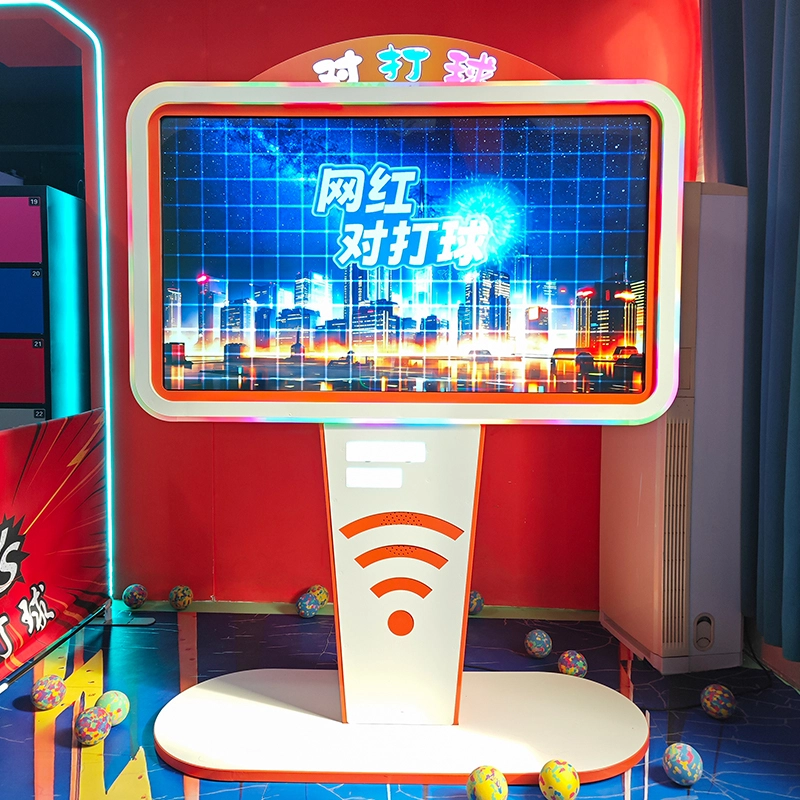
Marwey Commercial Indoor Ball Duel Simulator Smart Electronic Screen Target Play Against Each Other Game
Marwey Commercial Indoor Ball Duel Simulator Smart Electronic Screen Target Play Against Each Other Game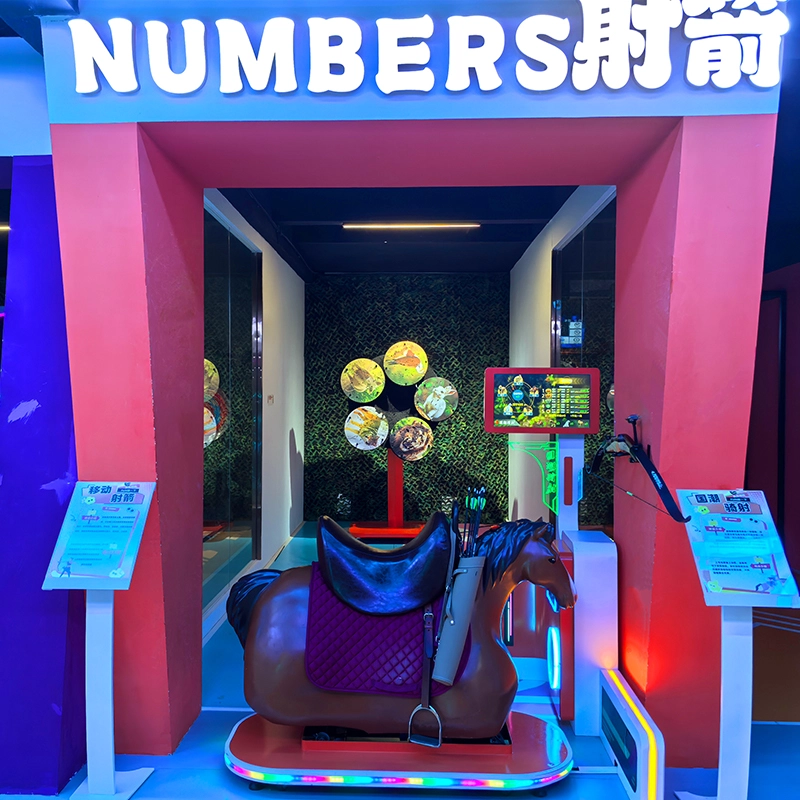
Marwey Cheap Wholesale Indoor Immersive Horse Riding Simulator Shooting Hunting Archery Training Machine
Marwey Cheap Wholesale Indoor Immersive Horse Riding Simulator Shooting Hunting Archery Training Machine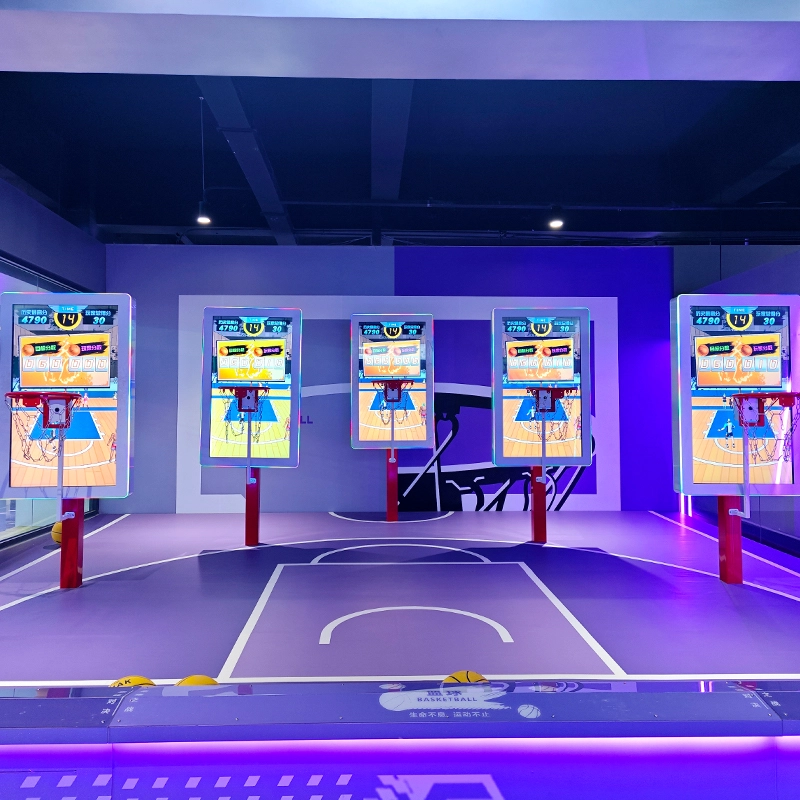
Marwey Five Screens Basketball Shooting Machine Indoor Sports Game Equipment for Wholesaler Price Sale
Marwey Five Screens Basketball Shooting Machine Indoor Sports Game Equipment for Wholesaler Price SaleWant to know more industry information?
If you have any comments or good suggestions, please leave us a message; later our professional staff will contact you as soon as possible.
◼ Contact MARWEY
WhatsApp: +86 189 2218 4260
Floor 2, Building E, Hengran Creative Park, Shixin Road, Panyu District, Guangzhou, Guangdong, China.
© 2025 MARWEY. All Rights Reserved.

MARWEY
MARWEY
MARWEY
MARWEY
MARWEY
MARWEY