


- Understanding Space Requirements: What Does the Data Say?
- Strategic Layout Planning: Tips from MARWEY's Field Experience
- Optimizing Profitability: Space Utilization and Revenue Metrics
- How to Calculate Your Ideal Arcade Space: A Step-by-Step Guide
- Frequently Asked Questions About Arcade Space Planning
Setting up an arcade requires careful planning, especially when it comes to space allocation. So, how much space do you need for an arcade setup? As a leader in commercial arcade gaming, MARWEY advises that the optimal space depends on your business goals, machine types, and visitor experience. In this article, we’ll reveal data-backed standards and practical cases to help you design an arcade that balances capacity, comfort, and profitability.
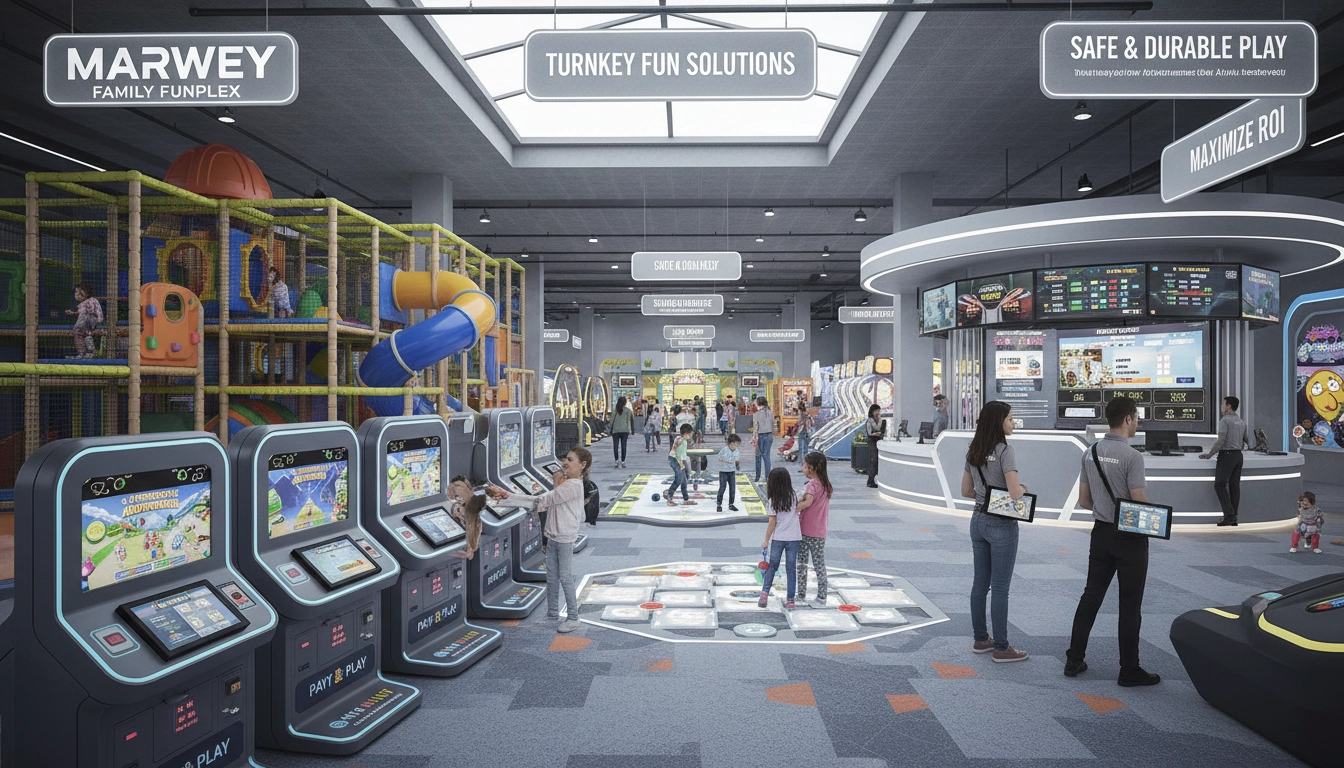
Through 15 years of expertise serving over 100 countries, MARWEY has developed holistic arcade solutions ranging from compact family-friendly venues to large-scale entertainment centers. We’ll also share specific operational insights to guide your layout decisions.
- Typically, an arcade game requires between 15 to 30 square feet, including player movement space.
- Smaller arcades (500 to 2,000 sq ft) can operate efficiently with space-saving layouts focused on popular machines.
- Larger entertainment centers (>5,000 sq ft) benefit from diversified zones like VR, claw machines, and competitive games to boost foot traffic.
- Efficient space utilization and equipment selection directly impact revenue per square foot—a critical profitability metric.
- Working with a specialized manufacturer like MARWEY ensures tailored arcade design aligned with your space and business model.
Understanding Space Requirements: What Does the Data Say?
When planning your arcade layout, the starting point is understanding the space each machine demands, including player clearance. Industry standards indicate that:
| Arcade Machine Type | Average Space per Machine (sq ft) | Recommended Clearance & Player Area |
|---|---|---|
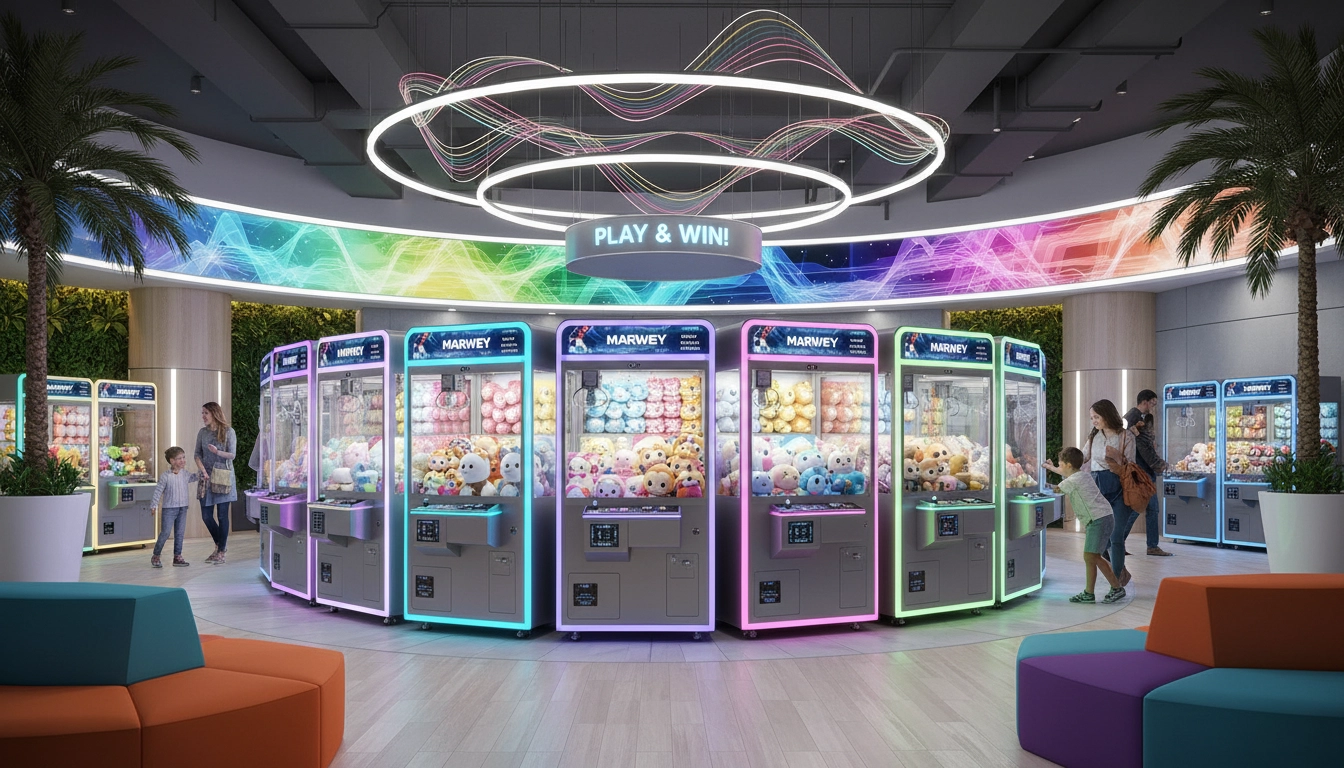
| Claw Machines & Prize Vendors | 15 - 20 sq ft | 3 - 4 feet in front for player access |
| Classic Upright Cabinets | 20 - 25 sq ft | 4 feet clearance around |
| Multiplayer and Racing Simulators | 30 - 40 sq ft | 6 feet for ingress/egress and player movement |
According to market research by Grand View Research, the amusement machine market has grown steadily, driven by demand for innovative arcade formats including claw machines and immersive simulators. Allocating precise space per machine aids operational flow and enhances user engagement (Grand View Research, 2024).
Strategic Layout Planning: Tips from MARWEY's Field Experience
From our 15+ years’ involvement in arcade solutions, here are three practical examples I’ve witnessed or participated in that illustrate how space directly affects success.
- Case 1: Compact Urban Arcade, 950 sq ft
In a downtown mall, MARWEY configured a family-friendly arcade focusing on claw machines and casual games. By allotting 18 square feet per claw machine and smartly zoning prize redemption areas, the client achieved a revenue of $1,200 per machine/month, outperforming downtown benchmarks. - Case 2: Medium-sized FEC, 3200 sq ft
Here, a diverse array of MARWEY products including basketball shooters, racing simulators, and interactive VR zones were integrated. Allocating 30-40 sq ft to racing and multiplayer units ensured minimal congestion. This resulted in a 25% higher player dwell time and a 15% increase in average ticket spends compared to projections. - Case 3: Large-scale Entertainment Center, 10,000+ sq ft
A theme park arcade incorporated MARWEY’s full product suite, from claw machines to immersive shooting galleries. The large footprint enabled segmented experience zones. By careful footprint analysis and flow design, operators maximized revenue per square foot at $260, surpassing industry averages quoted by IBISWorld.
These experiences confirm space isn’t just about square footage but tailored design that matches customer expectations and traffic patterns.
Optimizing Profitability: Space Utilization and Revenue Metrics
Maximizing profit per square foot is vital. The profitability of arcade machines correlates strongly with their placement and accessible space. Data from YPFuns indicates claw machines generate 60% to 80% gross margins with monthly revenues ranging from $1,000 to $2,000 each in high-traffic venues (YPFuns, 2025).
Here's an illustration of how space allocation affects finances:
| Metric | Small Arcade (1,000 sq ft) | Medium Arcade (3,000 sq ft) | Large Arcade (10,000 sq ft) |
|---|---|---|---|
| Number of Machines | 40 | 120 | 400 |
| Revenue per Machine / Month | $1,200 | $1,500 | $1,800 |
| Estimated Monthly Revenue | $48,000 | $180,000 | $720,000 |
Selecting the right MARWEY machines fitted to your allocated space maximizes engagement and ROI, as supported by our clients’ consistent performance across markets.
How to Calculate Your Ideal Arcade Space: A Step-by-Step Guide
- Step 1: List the arcade machines you want and note their minimum footprint plus clearance needs.
- Step 2: Add space for player circulation, queuing, and prize redemption zones (at least 20-30% extra space).
- Step 3: Consider ancillary spaces: cashier points, restrooms, staff areas, and maintenance access.
- Step 4: Map out your floor plan using software or professional layout services like MARWEY offers to optimize flow.
- Step 5: Test designs with customer flow simulations or pilot runs before finalizing.
Following these steps mitigates overcrowding, decreases dwell-time frustration, and enhances overall profitability.
Frequently Asked Questions About Arcade Space Planning
Q1: How much space should I allocate per arcade machine?
Generally, 15-30 square feet depending on the machine type and player movement requirements.
Q2: Can a small arcade be profitable with limited space?
Yes, with smart layout, focused game selection, and high foot traffic, even 500-1000 sq ft setups can generate attractive revenues.
Q3: What types of machines require the most floor space?
Racing simulators, VR setups, and multiplayer cabinets usually need the largest space allocations.
Q4: How does MARWEY support arcade space planning?
MARWEY offers tailored consultation, custom machine designs, and layout planning tools to optimize your arcade footprint.
Q5: Should I reserve space for prize redemption counters?
Yes, prize zones encourage longer visits and should be included as part of your total space calculations.
Q6: How much clearance space is recommended around machines?
At least 3 to 6 feet around machines depending on the type and multiplayer interactions.
Q7: Is it better to have more machines in a smaller space or fewer machines with room?
Balanced layouts with adequate clearance usually result in better customer satisfaction and revenue.
Q8: How quickly can I expect ROI based on space efficiency?
With optimized space and equipment, ROI can be achieved within 3 to 12 months, according to industry data.
Q9: How do I factor in customer flow patterns when planning space?
Use flow simulations and observe similar venues; MARWEY can assist with layout optimization based on usage data.
Q10: Can MARWEY machines be customized to fit unique spatial constraints?
Yes, MARWEY offers custom machine sizing and layout consultation services tailored to your space and operational needs.
Sources:
- Grand View Research - Amusement Machine Market Size | Industry Report, 2030
- YPFuns - Is Owning a Claw Machine Profitable? Profit Guide 2025
- IBISWorld - Arcade, Food & Entertainment Complexes in the US Industry Analysis, 2025
- MARWEY - Official Website and Industry Case Studies
Related Articles
Choosing the Perfect Location for a Family Entertainment Center Business
Why DEFY (Umbrella Brand) Leads the Way in Active Entertainment
Sourcing High-Quality PU Leather for Punching Machine Pad Replacement
Effective Risk Management to Lower Your Trampoline Park Insurance Premiums
The Art of Upselling: Maximizing Spend Per Guest (SPG) at Your Family Entertainment Center
The Impact of Surrounding Decor on the Perceived Value of a Claw Machine!
Family Entertainment Center
What should be included in an FEC Feasibility Study?
A robust feasibility study is non-negotiable. It must contain a demographic analysis of your primary market, a detailed competitor review, realistic projected attendance figures, a five-year financial forecast (including a break-even analysis), and site-specific recommendations for an optimal attraction mix. This study validates the entire business concept.
Indoor Playground
How much do indoor playgrounds make per year?
Mini Claw Machine
How to fix a mini claw machine?
Many common issues with mini claw machines can be fixed with some basic troubleshooting. Always unplug the machine before attempting any repairs.
-
Machine Won't Turn On: Check that the power cord is securely plugged into both the machine and the wall outlet. Verify the outlet is working by testing it with another device.
-
Claw is Not Moving or is Stuck: The most common cause is a jammed prize. Carefully open the front glass or door and remove any prizes blocking the claw's path. Also, check for any obvious obstructions in the gears or rails.
-
Claw is Weak and Won't Grab: The grip strength may need adjustment. Many machines have a screw or a setting in the internal menu to adjust the claw's power. Consult your user manual for specific instructions. The claw pads might also be worn out and need replacement.
-
Buttons or Joystick Not Working: This could be due to a loose internal connection. If you are comfortable, you can open the control panel to check for disconnected wires. Otherwise, contact the supplier for technical support or professional repair.
For complex electrical issues, it's always best to consult the manufacturer or a qualified technician.
What are mini claw machine prizes for adults?
To attract an adult audience, consider prizes that are useful, humorous, or offer immediate gratification. Excellent options include:
-
Practical Items: Phone accessories (cables, pop sockets), small tools, bottle openers, and flash drives.
-
Novelty Items: Funny keychains, high-quality stickers, or trendy fidget toys.
-
Premium Items: Discount coupons for your establishment, lottery scratch-off tickets, or mini bottles of perfume/cologne.
-
Humor-Based: Small items with witty slogans or related to pop culture can be very effective. The goal is to offer something that feels like a worthwhile "win" for an adult.
Air Hockey Table
Why should I choose MARWEY air hockey tables for my business?
MARWEY builds commercial air hockey tables with superior components like imported acrylic surfaces, aluminum alloy edges, and ABS mold luminous legs, ensuring unmatched durability, eye-catching aesthetics, and reliable performance in high-volume settings like FECs and bars to maximize your ROI.
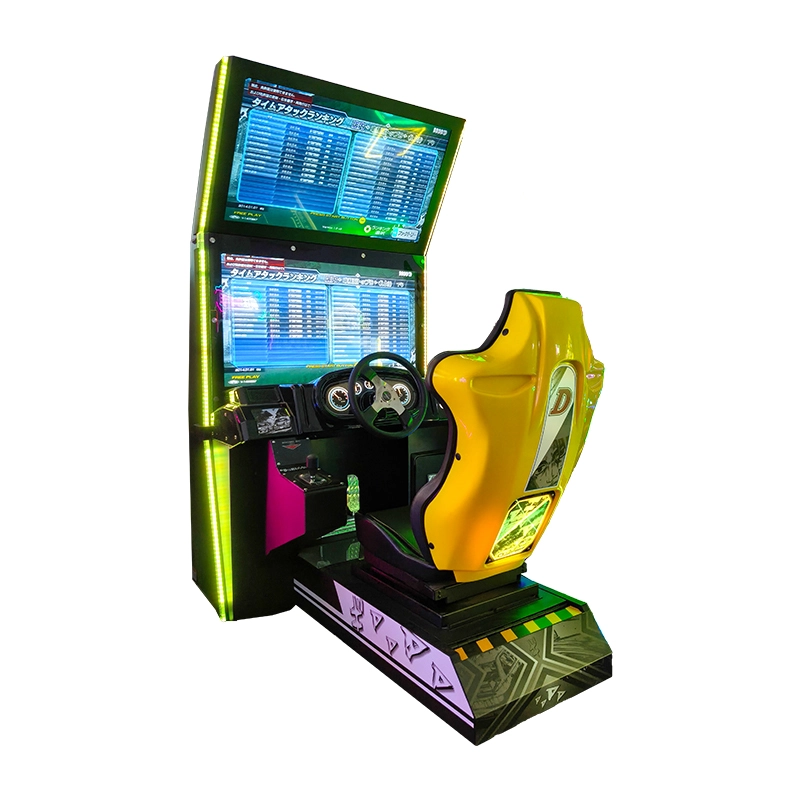
Marwey New Arrival Dual Screens 3D Racing Simulator Factory One Stop Wholesale Car Arcade Machine
Marwey New Arrival Dual Screens 3D Racing Simulator Factory One Stop Wholesale Car Arcade Machine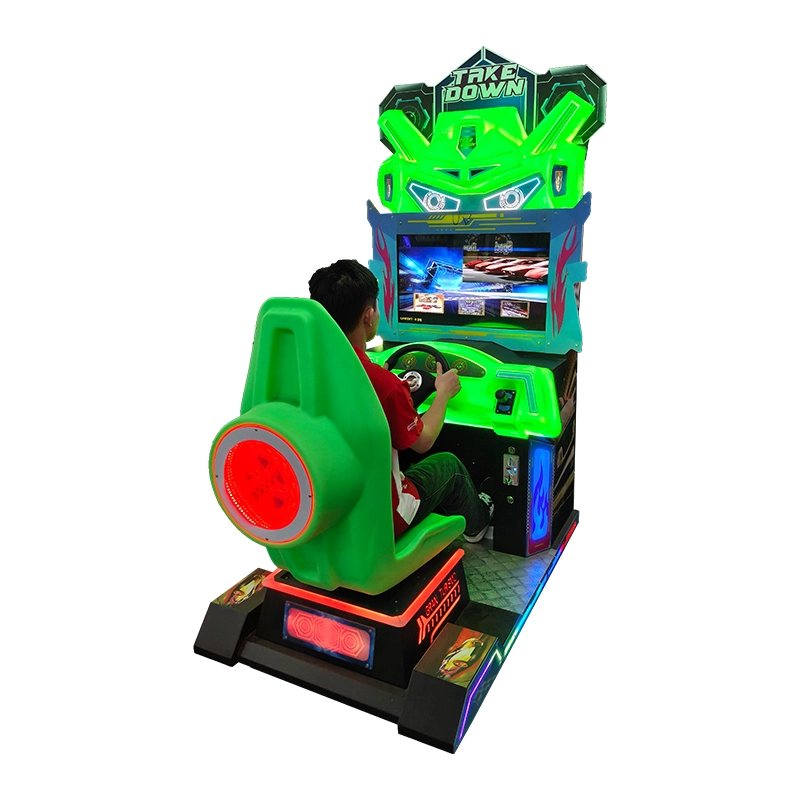
Marwey Wholesale New Design Dynamic Driving Racing Simulator Wholesale Coin Operated Car Arcade Machine
Marwey Wholesale New Design Dynamic Driving Racing Simulator Wholesale Coin Operated Car Arcade Machine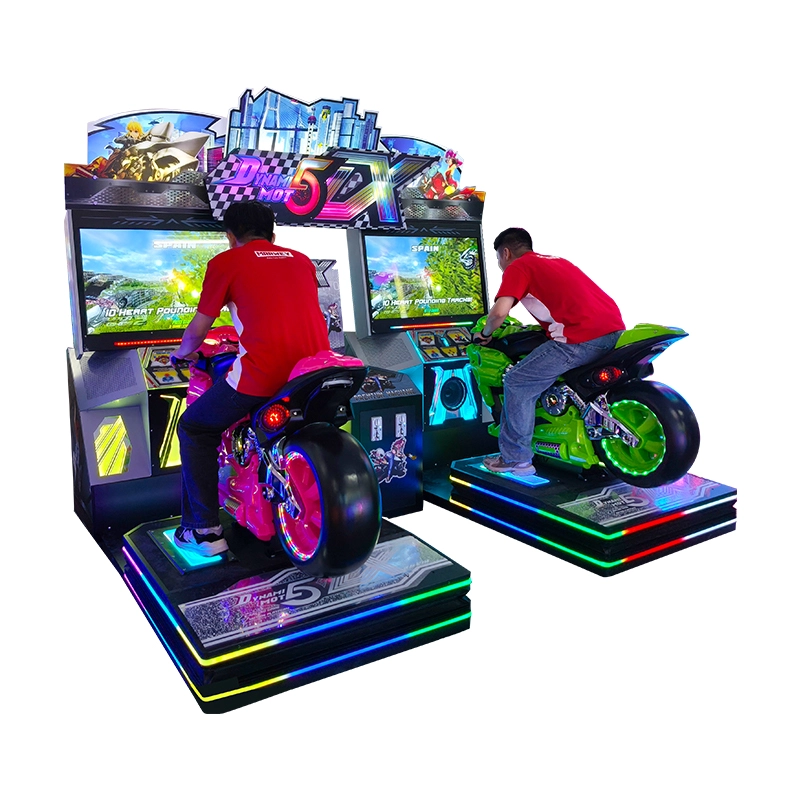
Marwey 2 Players Motorcycle Racing Simulator Manufacturer Coin Operated Arcade Machine Wholesale Price
Marwey 2 Players Motorcycle Racing Simulator Manufacturer Coin Operated Arcade Machine Wholesale Price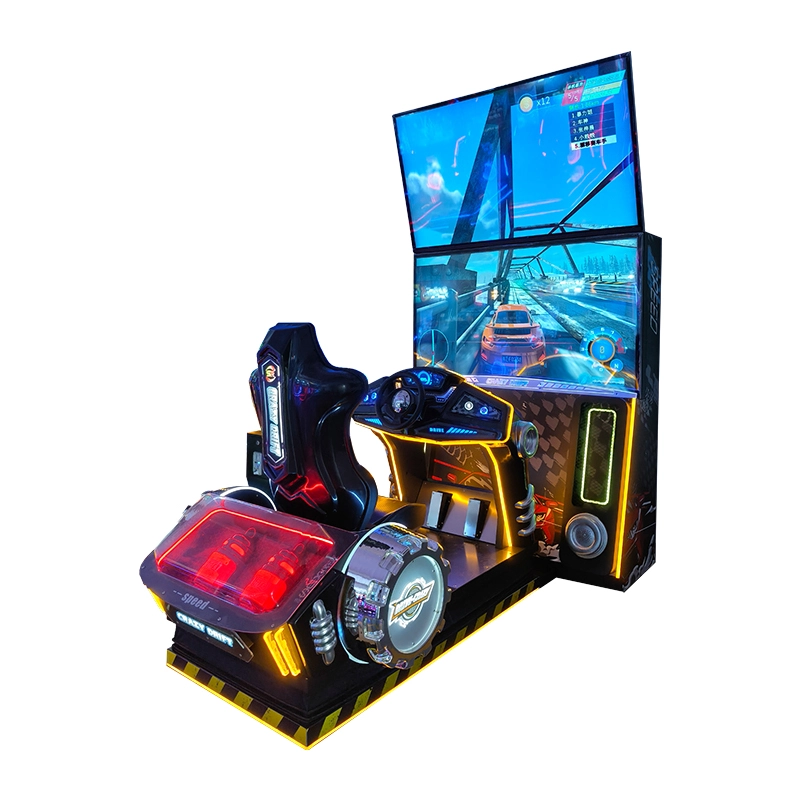
Marwey New Arrival Racing Gaming Simulator 65 Inchs 2 Screens Coin Operated Simulated Driving Machine
Marwey New Arrival Racing Gaming Simulator 65 Inchs 2 Screens Coin Operated Simulated Driving Machine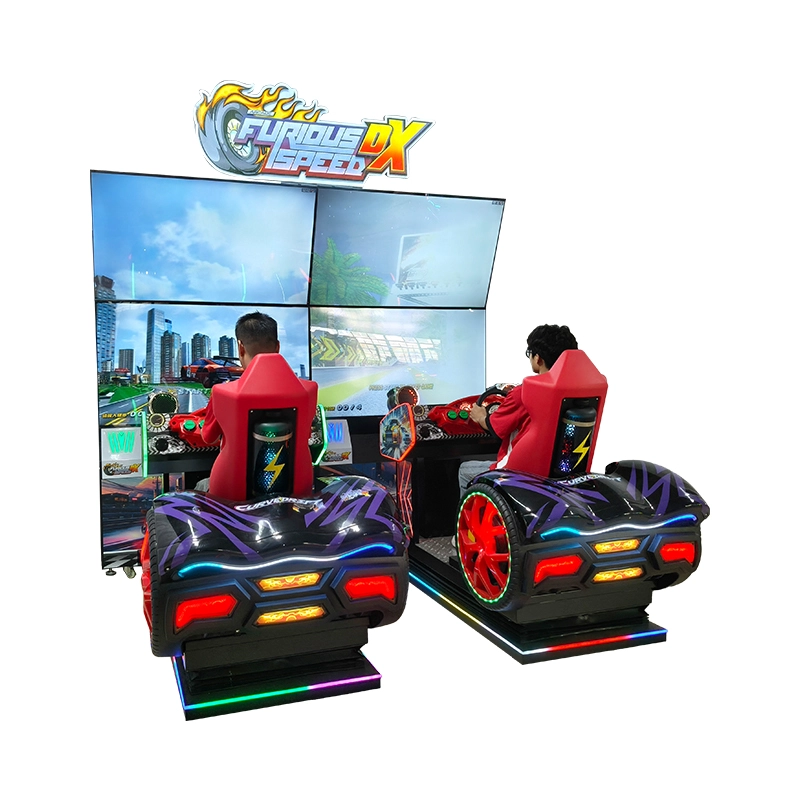
Marwey Hot Sale Four 55 Inch Screens 2 Players Racing Simulator Coin Operated Driving Car Game Machine
Marwey Hot Sale Four 55 Inch Screens 2 Players Racing Simulator Coin Operated Driving Car Game Machine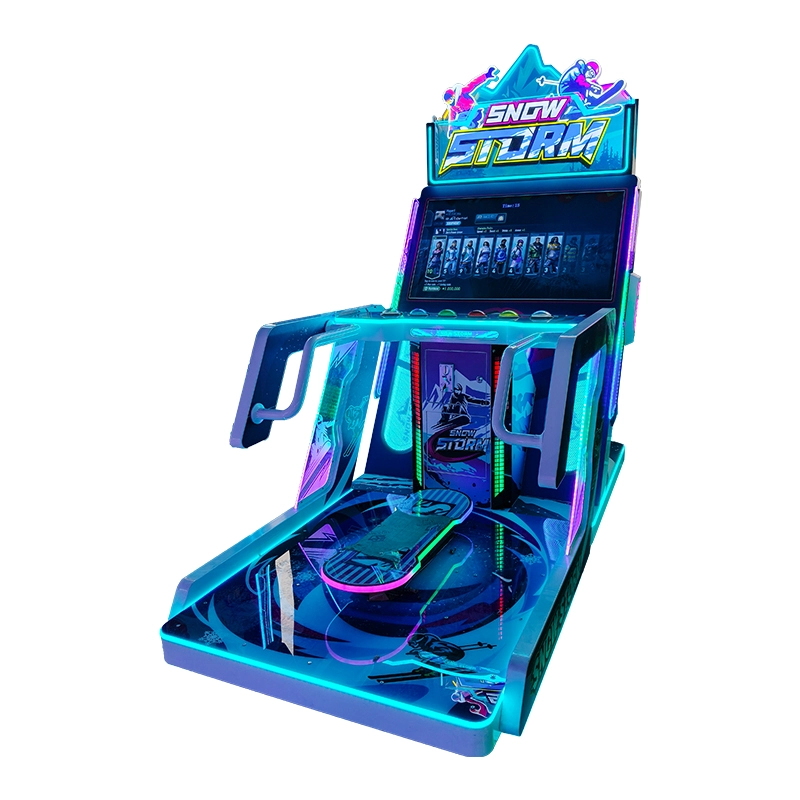
Marwey Coin Operated Indoor Skiing Simulator 47 Inches Snowstorm Ski Track Arcade Sports Machine
Marwey Coin Operated Indoor Skiing Simulator 47 Inches Snowstorm Ski Track Arcade Sports Machine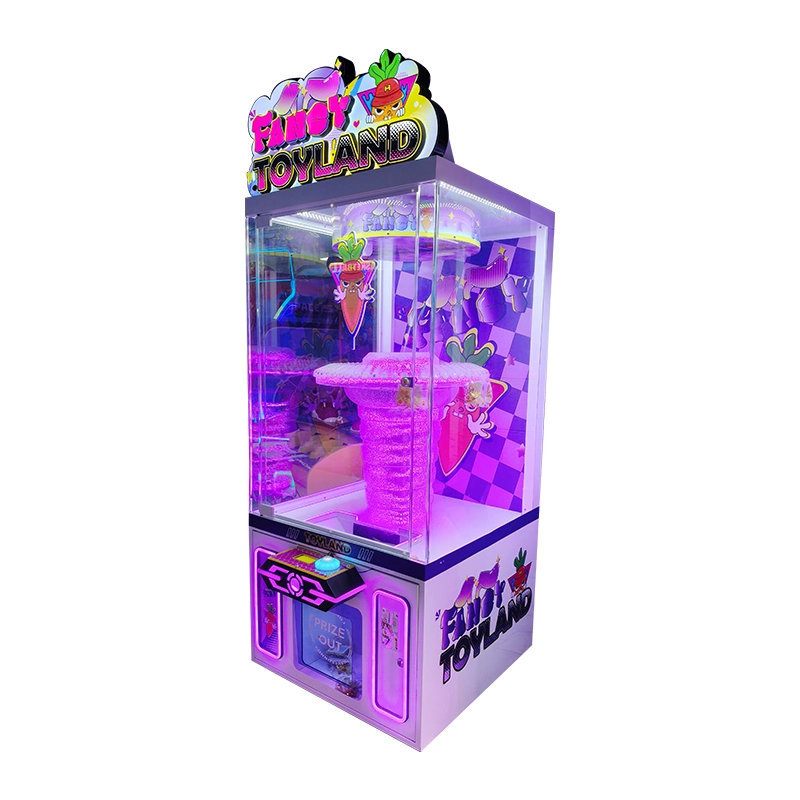
Marwey Customizable Personalized Clip Prize Machine Coin Operated Gift Amusement Vending Game Machine
Marwey Customizable Personalized Clip Prize Machine Coin Operated Gift Amusement Vending Game Machine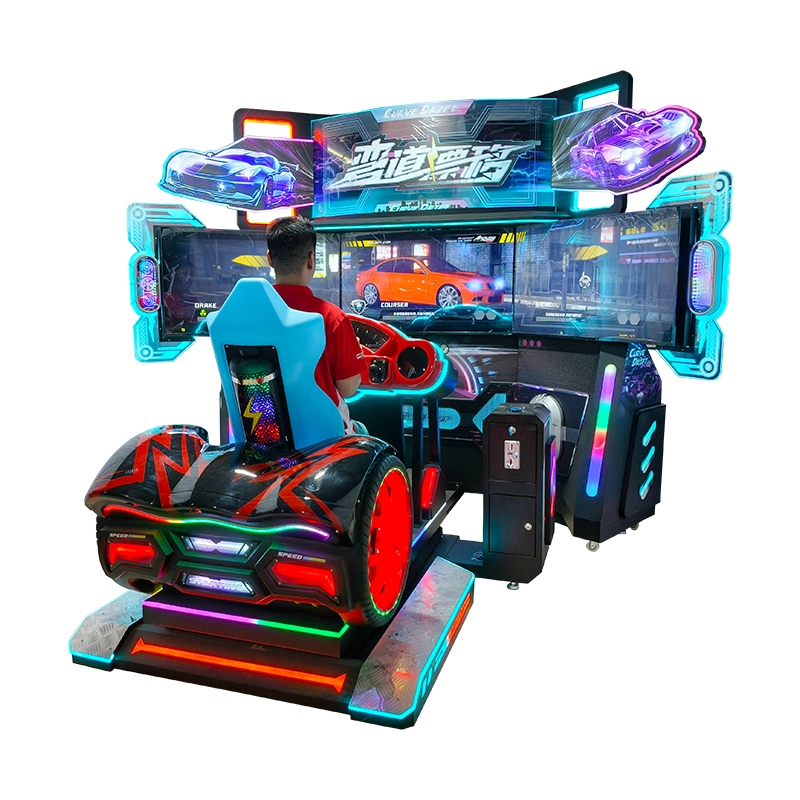
Marwey Coin Operated 49 Inch 3 Screens Motion Racing Simulator Cheap Sale Gaming Video Game Machine
Marwey Coin Operated 49 Inch 3 Screens Motion Racing Simulator Cheap Sale Gaming Video Game MachineWant to know more industry information?
If you have any comments or good suggestions, please leave us a message; later our professional staff will contact you as soon as possible.
◼ Contact MARWEY
WhatsApp: +86 189 2218 4260
Floor 2, Building E, Hengran Creative Park, Shixin Road, Panyu District, Guangzhou, Guangdong, China.
© 2025 MARWEY. All Rights Reserved.


























































































MARWEY
MARWEY
MARWEY
MARWEY
MARWEY
MARWEY