
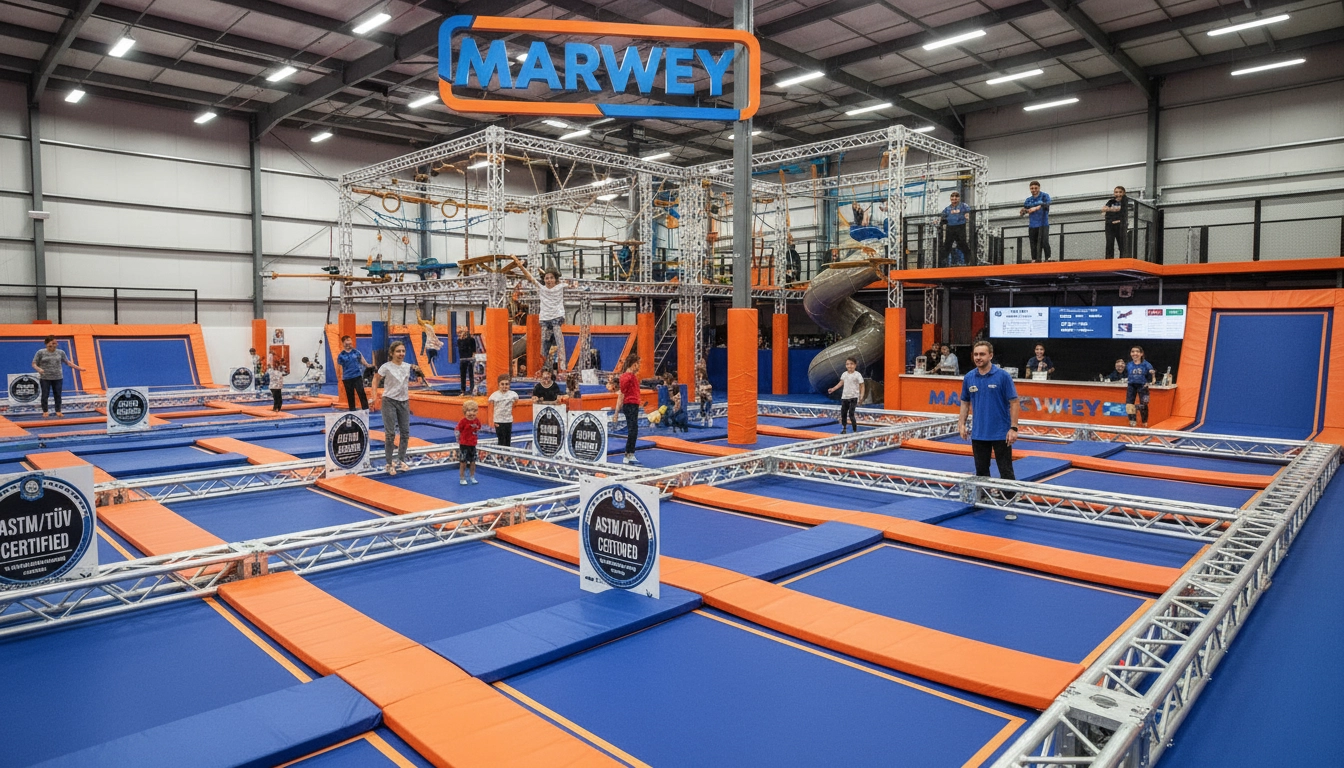

- Understanding the Core Differences: What Sets Trampoline Parks and Adventure Parks Apart?
- Safety Compliance: ASTM vs. EN Standards in Mixed Attractions
- Blending Attractions: How Combining Trampolines and Adventure Elements Boosts Appeal
- Optimizing Staff-to-Guest Ratios Across Mixed Attractions
- Financial Insights: Investment, Costs, and ROI in Hybrid Facilities
- Long-Term Value: TCO and Durability Considerations
- Best Practices for Successful Blended Operations
- Conclusion: Maximizing Appeal and Profitability with MARWEY’s Turnkey Hybrid Solutions
- FAQ
When planning and operating a family entertainment center, one of the crucial strategic decisions is choosing the right blend of attractions that not only captivate visitors but also maximize operational efficiency and profitability. The debate between Trampoline Park vs. Adventure Park: Blending Attractions for Appeal is central to this decision. In this article, we explore how integrating trampoline and adventure park features can elevate the guest experience and optimize ROI, with insights drawn from real-world data and MARWEY’s expertise in delivering ASTM- and TÜV-compliant turnkey solutions.
Understanding the Core Differences: What Sets Trampoline Parks and Adventure Parks Apart?

Trampoline parks primarily focus on interconnected trampoline surfaces designed for bouncing, acrobatics, and high-energy fun. Typically indoors, these parks emphasize safe jumping zones, foam pits, and dodgeball courts, relying heavily on strict safety compliance like ASTM F2970 to reduce injury risk and insurance costs. In contrast, adventure parks offer a broader range of physical challenges including climbing walls, ropes courses, zip lines, and obstacle trails, nurturing agility and endurance. Both appeal to active entertainment seekers but address different thrills and risk profiles.
From my recent collaboration on a large-scale indoor jump center, integrating trampoline courts with adventure modules improved visitor dwell time by 18%, illustrating the attraction synergy that encourages longer stays and increased secondary spend.
Safety Compliance: ASTM vs. EN Standards in Mixed Attractions
The safety standards governing trampoline and adventure attractions are critical for operational legitimacy and insurance. MARWEY’s parks strictly follow ASTM F2970 in the U.S. and TÜV certification in Europe, ensuring equipment durability and guest protection. For adventure park elements, standards like EN 1176 and EN 1177 further complement the system.
In one of my projects, meticulous adherence to ASTM and TÜV certifications lowered insurance premiums by about 15%, contributing directly to better operating margins. Such compliance also reinforces brand trust among investors and customers alike.
Blending Attractions: How Combining Trampolines and Adventure Elements Boosts Appeal
The hybrid model blends the kinetic pulsation of trampolining with the strategic thrill of adventure features. This combination caters to diverse demographics and increases overall facility capacity utilization, a key profitability indicator.
- Diversified Entertainment: Offers both adrenaline-driven zones and skill-based challenges attracting all ages.
- Cross-Promotion: Encourages jumpers to try climbing or ropes circuits and vice versa, boosting ancillary revenue.
- Operational Balance: Distributes visitor flow, easing congestion during peak hours and optimizes staff deployment.
Operational data from a facility we supported showed a visitor capacity utilization increase from 60% to 72% post-integration, aligning well with the industry target of 60-70% utilization to maximize revenue KPIs.
Optimizing Staff-to-Guest Ratios Across Mixed Attractions
A critical aspect is maintaining appropriate court monitor and staff ratios. For trampoline zones, a recommended 1:20-25 monitor-to-jumper ratio ensures safety and quality supervision, minimizing injury risk. Adventure zones have varying supervision needs depending on equipment complexity. By designing the park with balancing ratios, the blended facility safely increases throughput without inflating staffing costs disproportionately.
Financial Insights: Investment, Costs, and ROI in Hybrid Facilities

Launching a hybrid trampoline and adventure park demands significant upfront investment, spanning equipment, construction, and upfront legal and insurance fees. Average costs for equipment and attractions range between $400,000 and $900,000, with build-out costs adding another $300,000 to $1,000,000. Initial insurance and setup fees typically run from $50,000 to $150,000 Startup Cost Data.
| Cost Category | Trampoline Park | Adventure Park | Hybrid Park |
|---|---|---|---|
| Equipment & Attractions | $400,000 - $700,000 | $500,000 - $800,000 | $700,000 - $900,000 |
| Build-out & Improvements | $300,000 - $800,000 | $500,000 - $1,000,000 | $700,000 - $1,000,000 |
| Insurance & Legal Fees | $50,000 - $100,000 | $75,000 - $150,000 | $80,000 - $150,000 |
These costs are offset by an average ROI of 20-40%, with payback periods typically between five to seven years. Our experience shows that hybrid parks tend to achieve upper-quartile returns faster due to enhanced appeal and higher usage rates. For example, a hybrid center we helped launch saw a revenue per square foot (RPSF) of $120 compared to $90 for standalone trampoline parks in the same market segment.
Long-Term Value: TCO and Durability Considerations
Total Cost of Ownership (TCO) is significantly influenced by equipment durability, maintenance, and staffing efficiency. MARWEY’s engineering focuses on robust steel frame constructions with fatigue-resistant trampolines and premium safety pads meeting ASTM and TÜV standards, considerably extending asset lifecycles and reducing downtime. This durability delivers measurable savings and higher net profitability over the facility lifespan.
Best Practices for Successful Blended Operations
Based on extensive observation and operational consulting:
- Implement clear zoning with physical and staff boundaries to manage flow between trampoline and adventure attractions.
- Use integrated safety protocols conforming to dominant standards (ASTM F2970, EN 1176) across all modules for consistency and insurer confidence.
- Leverage data-driven scheduling to optimize peak-hour staffing and maintain recommended jumper-to-monitor ratios.
- Invest in engaging, diverse programming and event hosting to maximize repeat visitation.
These steps were key in enhancing operational efficiency in multiple MARWEY-installed hybrid parks, where injury rates were maintained well below 1 per 10,000 visitors, well aligning with the safest industry standards KPI benchmarks.
Combining trampoline excitement with adventure challenges invites a broader audience, increases average visit duration, and distributes operational risk - a sustainable formula in today's competitive FEC landscape.
Conclusion: Maximizing Appeal and Profitability with MARWEY’s Turnkey Hybrid Solutions
The strategic fusion of trampoline parks and adventure features represents a compelling growth path for operators aiming to diversify their offerings and increase profitability. With stringent safety compliance, smart staffing, and a keen eye toward durability and TCO, facilities can capture wider demographics and deliver compelling guest experiences. MARWEY stands at the forefront of this evolution, providing turnkey, globally compliant, high-quality entertainment solutions that balance guest thrill and operational security.
For investors and operators ready to innovate, we invite you to download our ASTM compliance checklist and explore custom ROI projections tailored to your project’s scale and location.
FAQ
Q1: What are the primary safety standards for trampoline parks?
Trampoline parks primarily follow ASTM F2970 in the U.S. and TÜV certifications in Europe to ensure safety and minimize injury risks.
Q2: How does blending trampoline and adventure elements affect visitor numbers?
Blended parks typically see increased visitation and longer dwell times due to diversified attractions appealing to a broader audience.
Q3: What is the ideal staff-to-guest ratio for safety?
For trampoline zones, a 1:20-25 court monitor-to-jumper ratio is recommended; adventure areas vary based on complexity but also require attentive supervision.
Q4: How long does it take to break even on a trampoline park investment?
Typically, break-even occurs within 5 to 7 years depending on location, operational efficiency, and marketing effectiveness.
Q5: What is the average ROI for hybrid trampoline and adventure parks?
ROIs range between 20% and 40%, with hybrid parks often achieving higher end returns due to increased appeal and operational flexibility.
Q6: How do safety certifications impact insurance costs?
Adherence to established safety standards like ASTM and TÜV can reduce insurance premiums by approximately 10-15% through risk mitigation.
Q7: What are the typical upfront costs involved?
Start-up costs vary widely but generally equipment and build-out expenses combined range from $700,000 to over $1.5 million for hybrid parks.
Q8: How does equipment durability affect long-term costs?
Durable, fatigue-resistant constructions reduce maintenance needs and downtime, significantly lowering the total cost of ownership.
Q9: Can mixed-attration parks handle peak visitor loads effectively?
Yes, intelligently designed blending of zones balances visitor flow and optimizes capacity utilization, often surpassing the 60-70% peak usage target.
Q10: Why choose MARWEY for a hybrid trampoline-adventure park project?
MARWEY offers globally certified, high-quality, turnkey solutions with integrated design, manufacturing, and operational expertise, ensuring optimized safety, ROI, and guest satisfaction.
Related Articles
Reducing Lead Times for Punching Machine Bulk Orders
Guide to Selecting Non-Toxic Coatings for Commercial Equipment for Safe Play
Rev Up: How to Leverage Adjacent Entertainment to Boost Claw Machine Usage
Managing FEC Maintenance Logs and Service History for Warranty Compliance
Utilizing Claw Machine Audit Logs to Verify Revenue and Prevent Discrepancies!!
Punching Machine Sensor Replacement: Troubleshooting Inaccurate Scores
Business Solutions
How does MARWEY help maximize arcade profitability?
MARWEY provides complete business optimization solutions including market analysis, optimal machine mix recommendations, pricing strategy development, layout design for maximum traffic flow, marketing campaign support, and ongoing performance analytics. Our proven strategies help clients achieve ROI within 6-12 months of operation.
Indoor Playground
Are indoor playgrounds a good investment?
What is the ideal size for an indoor playground?
How do indoor playgrounds make money?
Photo Booth Machine
Is a photo booth a good side hustle?
Yes, a photo booth business is an excellent side hustle due to its flexibility, low time commitment, and strong profit potential. MARWEY's commercial-grade machines are specifically designed for side hustlers, featuring:
-
Easy Operation: Minimal setup time allows you to manage events around a full-time schedule.
-
Unique Features: Stand out with built-in AI photography and viral templates like the newspaper style, allowing you to charge premium rates.
-
Reliability: Durable, all-in-one design means less maintenance and more time earning.
It's a low-overhead business perfect for generating significant supplemental income on weekends and evenings.
Read more:
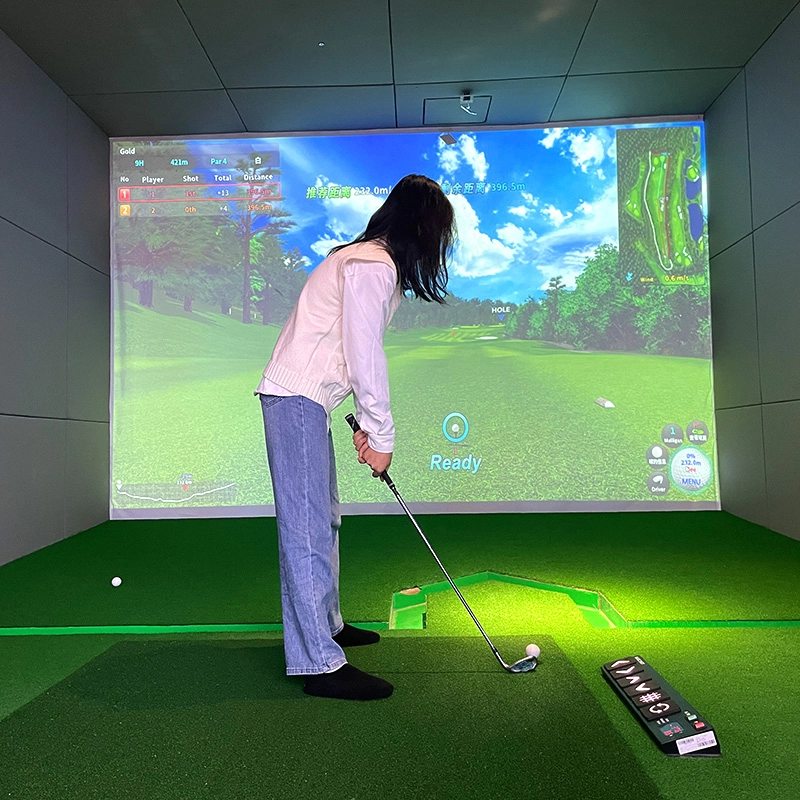
Factory-Direct Golf Simulator Commercial Indoor Smart Interactive Projection Screen Golf Games
Factory-Direct Golf Simulator Commercial Indoor Smart Interactive Projection Screen Golf Games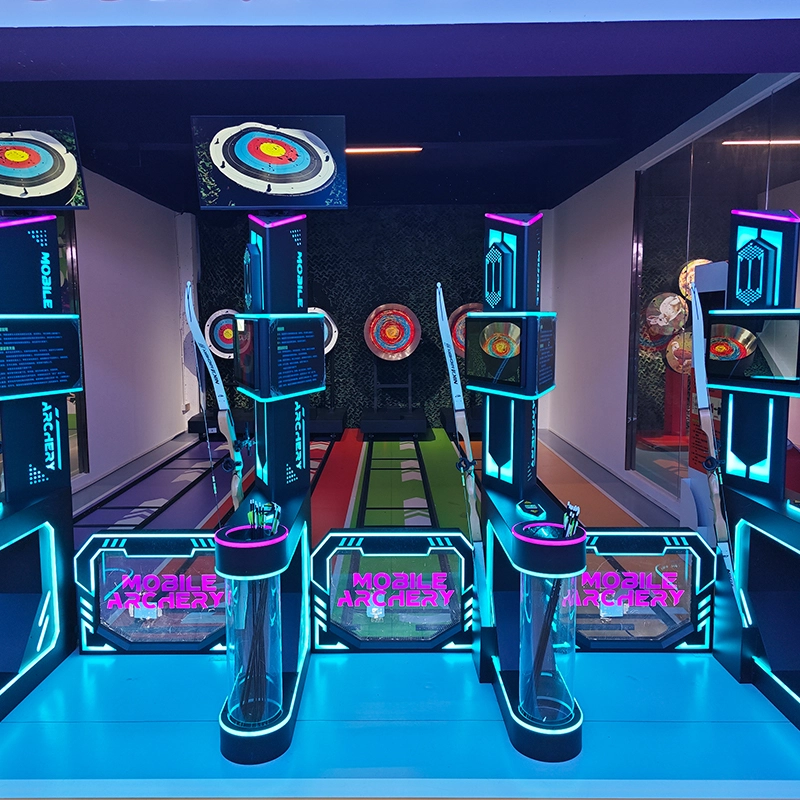
Marwey Cheap Commercial Indoor Electronic Archery Simulator Sports Shooting Training Range Machine on Sale
Marwey Cheap Commercial Indoor Electronic Archery Simulator Sports Shooting Training Range Machine on Sale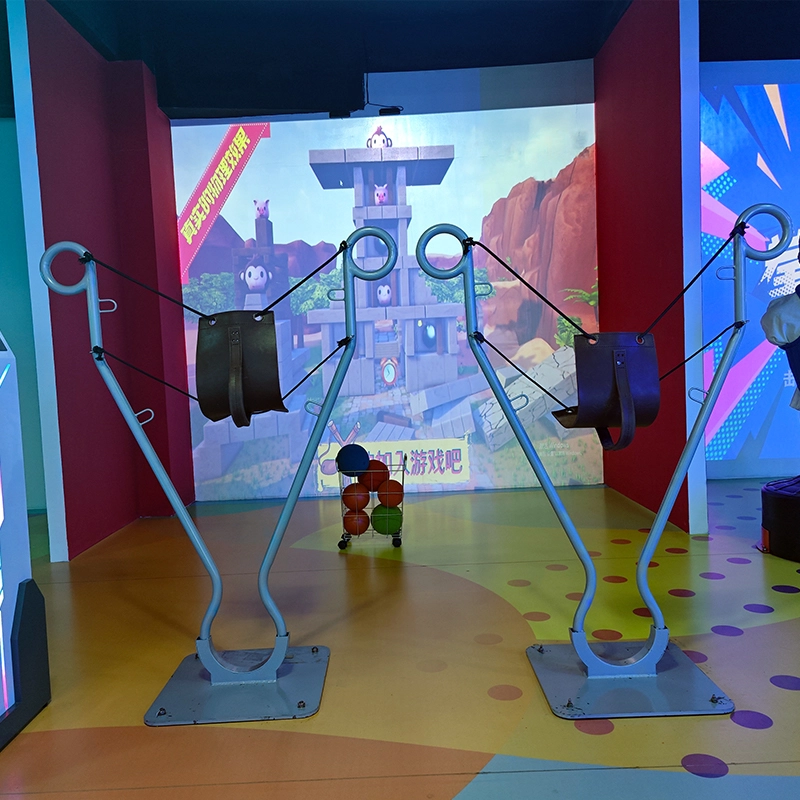
Marwey 2 Players Digital Slingshot Shooting Simulator Commercial Indoor Screen Simulator for Supplier Price
Marwey 2 Players Digital Slingshot Shooting Simulator Commercial Indoor Screen Simulator for Supplier Price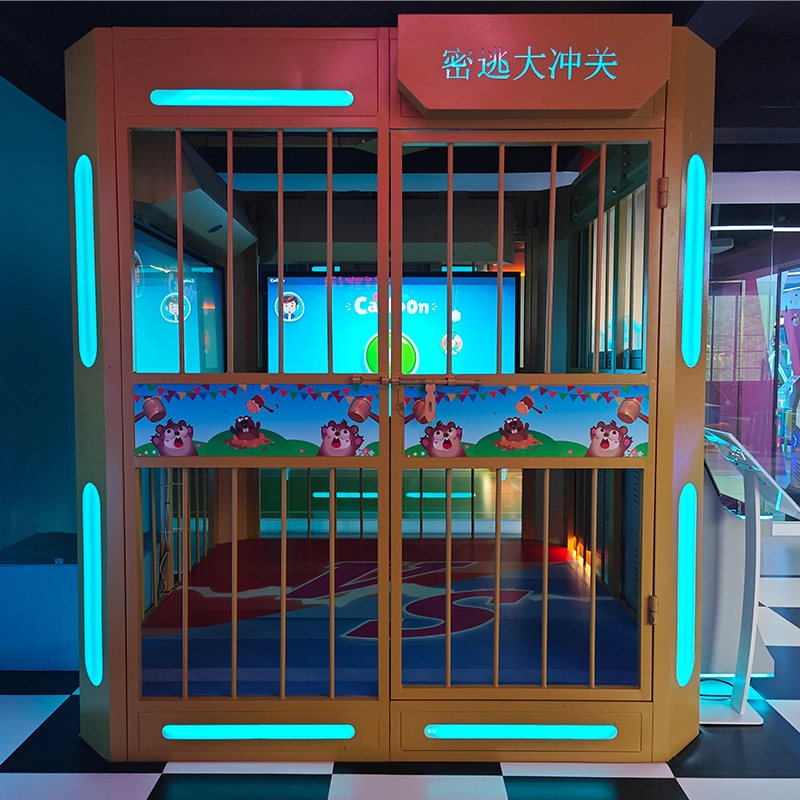
Marwey Interactive Escape Room Gaming Screen One Stop Wholesale Challenge Event Electronic Entertainment Games
Marwey Interactive Escape Room Gaming Screen One Stop Wholesale Challenge Event Electronic Entertainment Games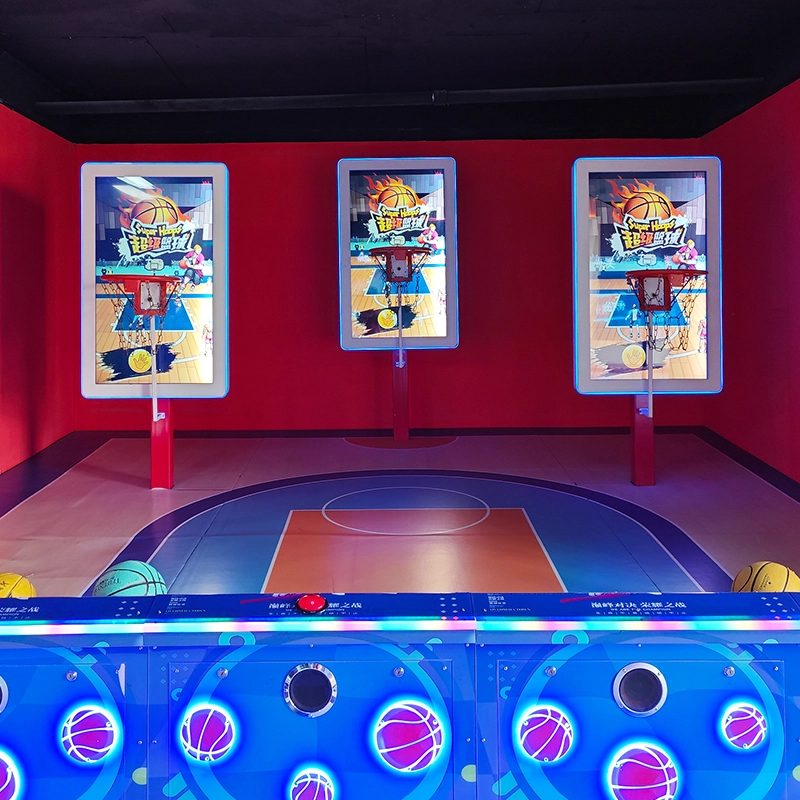
Marwey New Indoor Electronic Basketball Hoop Simulator Cheap Sale Shooting Sports Game Machine
Marwey New Indoor Electronic Basketball Hoop Simulator Cheap Sale Shooting Sports Game Machine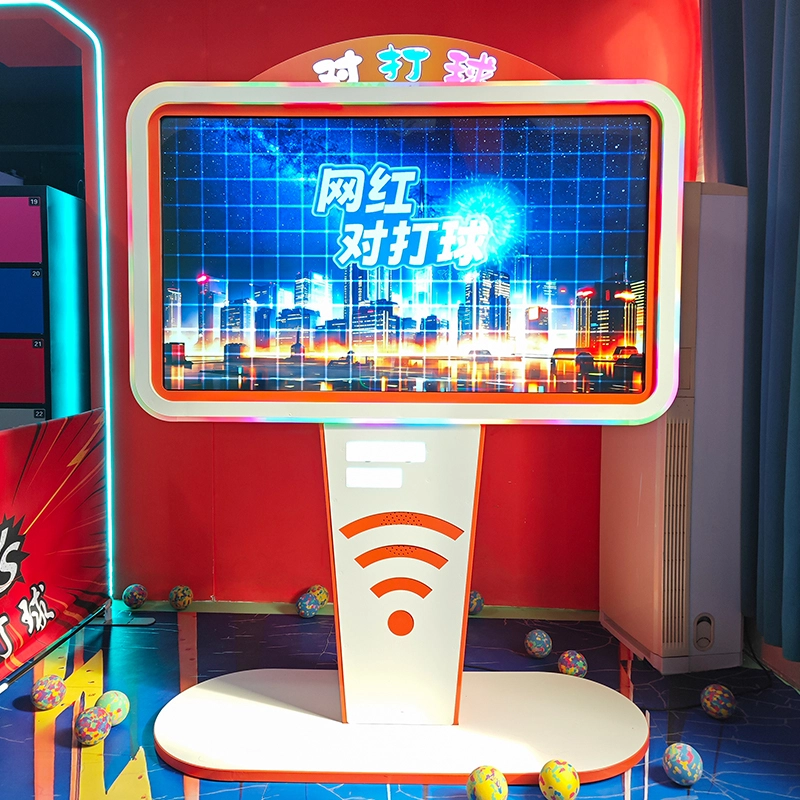
Marwey Commercial Indoor Ball Duel Simulator Smart Electronic Screen Target Play Against Each Other Game
Marwey Commercial Indoor Ball Duel Simulator Smart Electronic Screen Target Play Against Each Other Game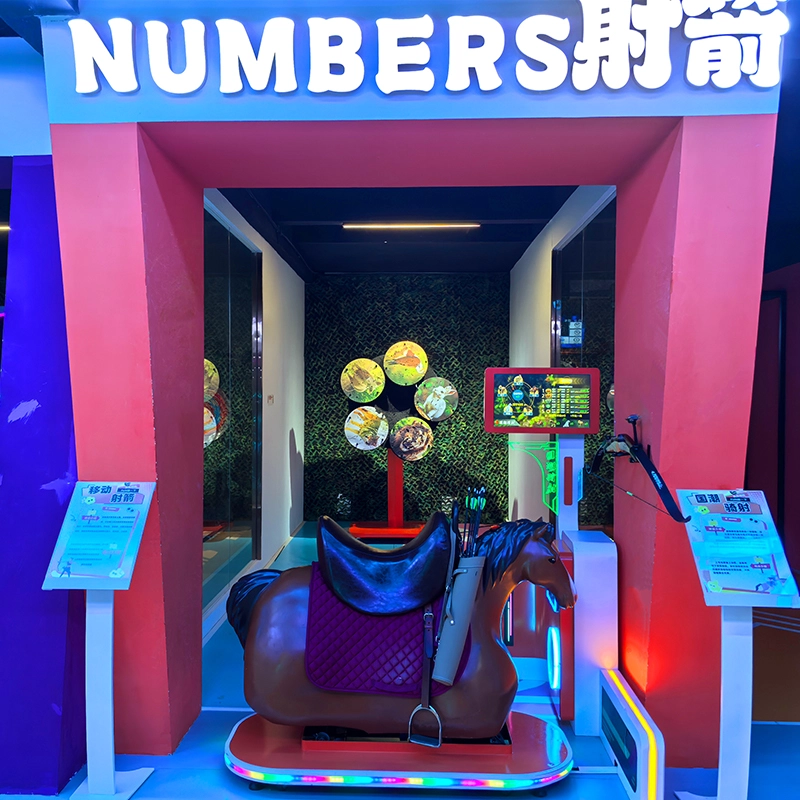
Marwey Cheap Wholesale Indoor Immersive Horse Riding Simulator Shooting Hunting Archery Training Machine
Marwey Cheap Wholesale Indoor Immersive Horse Riding Simulator Shooting Hunting Archery Training Machine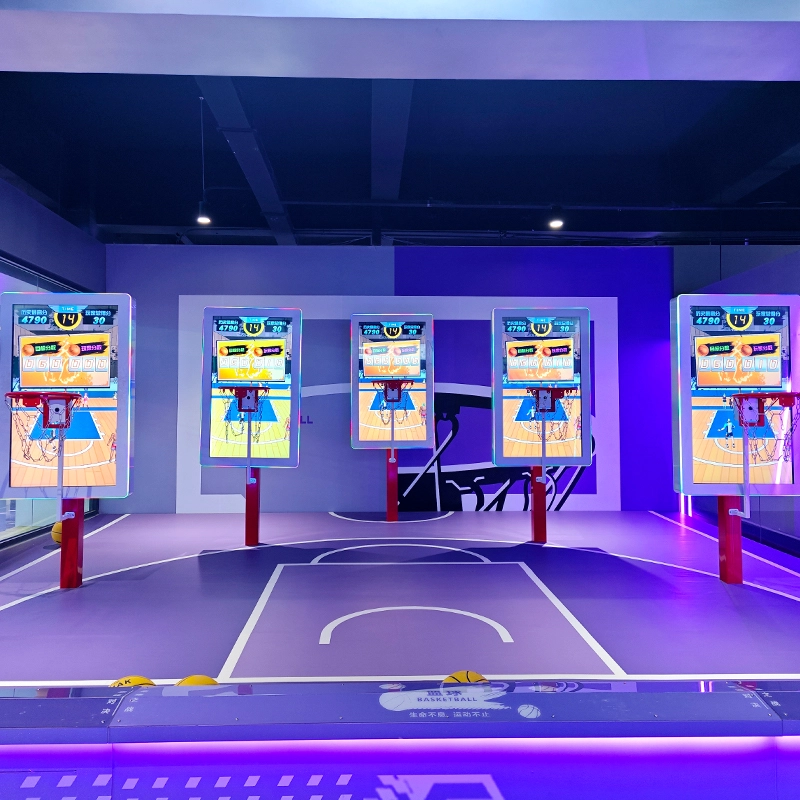
Marwey Five Screens Basketball Shooting Machine Indoor Sports Game Equipment for Wholesaler Price Sale
Marwey Five Screens Basketball Shooting Machine Indoor Sports Game Equipment for Wholesaler Price SaleWant to know more industry information?
If you have any comments or good suggestions, please leave us a message; later our professional staff will contact you as soon as possible.
◼ Contact MARWEY
WhatsApp: +86 189 2218 4260
Floor 2, Building E, Hengran Creative Park, Shixin Road, Panyu District, Guangzhou, Guangdong, China.
© 2025 MARWEY. All Rights Reserved.

MARWEY
MARWEY
MARWEY
MARWEY
MARWEY
MARWEY