
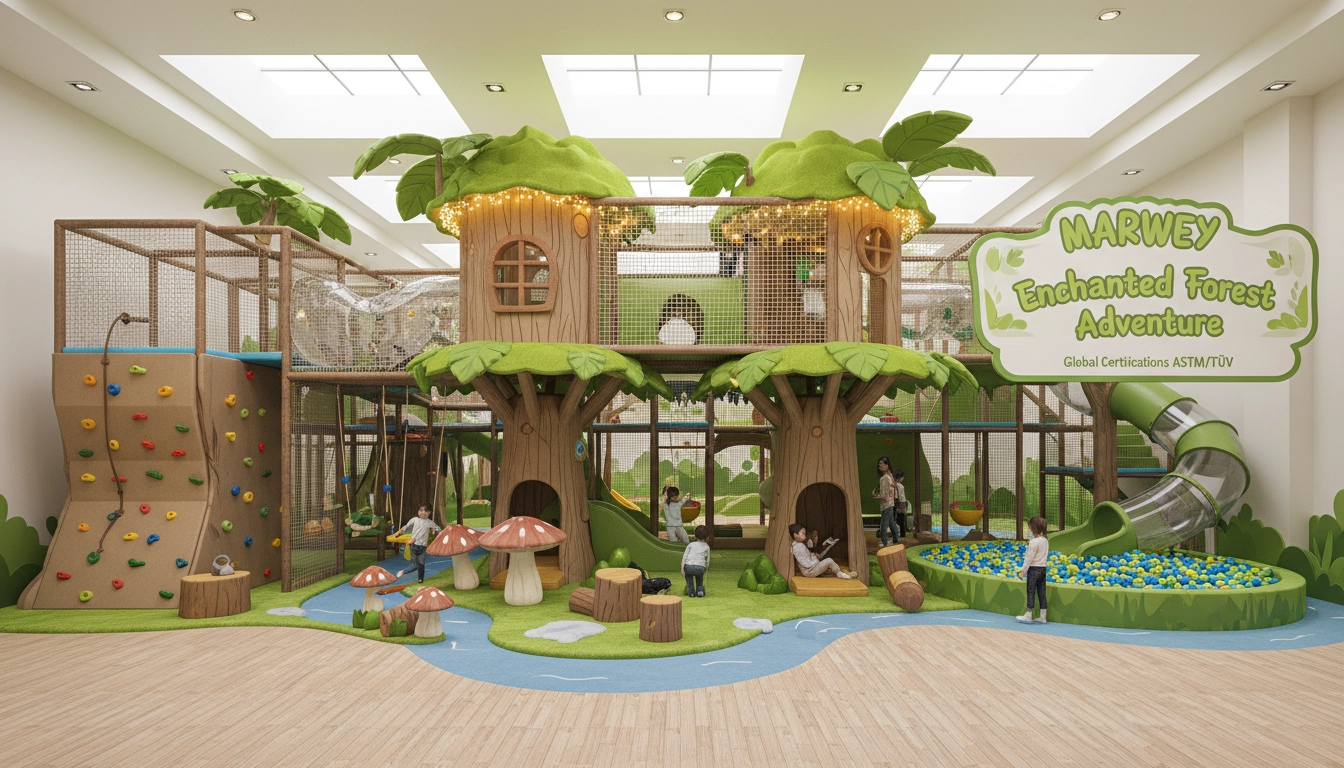

- Understanding Regulatory Requirements for Indoor Playgrounds in Daycares
- Key Safety Aspects to Consider
- Designing an Indoor Playground for a Daycare: Practical Tips
- Design Impact: A MARWEY Case Study
- Comparing Options: Build vs. Buy vs. Turnkey Solutions
- Maximizing Safety and Compliance in Daycare Indoor Playgrounds
- Summary: Creating a Safe, Engaging Indoor Playground in Your Daycare
- FAQ About Indoor Playgrounds in Daycare Settings
Can a daycare have an indoor playground? The short answer is yes, but it requires strict adherence to safety regulations and thoughtful design to ensure the space is both fun and secure for children. In my 15 years serving clients in the indoor playground industry with MARWEY, I have seen significant success by integrating certified, well-designed indoor playgrounds within daycare centers. This combination boosts children’s development while giving caregivers peace of mind.
To help you get started or improve your facility, I’ll share key regulations you must meet, expert design tips, and real-world examples from MARWEY’s global projects. Incorporating these insights will help you build a safe, engaging, and standards-compliant indoor playground within your daycare.
Understanding Regulatory Requirements for Indoor Playgrounds in Daycares

Safety is paramount when integrating an indoor playground into a daycare environment. In North America and many parts of the world, playground equipment must comply with recognized safety standards. The foremost among these are ASTM F1487 in the U.S. and Canadian Standards Association’s CAN/CSAZ614 in Canada. These standards ensure the equipment’s design, materials, and installation reduce risk of injury.
Additionally, global standards like EN1176 in Europe and certifications from TUV reinforce the requirements for construction quality, impact absorption, and operational safety.
In my consultancy work, I emphasize using equipment that carries ASTM or TUV certifications. This guarantees compliance while reducing liability concerns for daycare operators. It’s also crucial to maintain a regular inspection and maintenance schedule to uphold these safety standards throughout the playground’s lifecycle.
Key Safety Aspects to Consider
- Age-appropriate design ensuring the equipment suits the developmental stages of children.
- Soft-impact flooring materials that minimize injury from falls.
- Adequate spacing between play structures to prevent crowding and collisions.
- Safe material selection avoiding toxic substances and sharp edges.
- Emergency access routes and clear supervision sightlines.
Designing an Indoor Playground for a Daycare: Practical Tips

To maximize both safety and engagement, the design process must consider the unique needs of children and daycare staff. In projects where I guided MARWEY customers, blending play with educational elements has proven highly effective. The playground should encourage physical activity, creativity, and social interaction.
Here’s a step-by-step guide to designing a daycare indoor playground:
- Assess available space and budget: Understanding spatial constraints and financial limitations guides feasible design solutions.
- Choose certified equipment: Opt for playground items compliant with ASTM or TUV to ensure safety and longevity.
- Include varied activity zones: Incorporate climbing, sliding, sensory play, and quiet areas to cater to diverse interests and developmental goals.
- Ensure accessibility: Design paths and equipment accessible to children with disabilities to promote inclusivity.
- Plan sightlines: Arrange equipment to allow caregivers clear visibility throughout the space for effective supervision.
- Incorporate durable, easy-to-clean materials: This reduces maintenance workload and supports hygienic conditions.
Design Impact: A MARWEY Case Study
In a recent MARWEY project with a daycare center in Northern Europe, we implemented a turnkey solution covering 450 square meters. The playground was designed with separated zones for toddlers and older preschoolers, equipped with interactive panels, climbing nets, and cushioned flooring certified to ASTM F1918. Within six months of launch, the facility reported a 35% increase in enrollment and positive feedback from parents about enhanced child engagement and physical activity.
This project underscores the financial and developmental benefits of an appropriately designed indoor playground within daycare settings.
Comparing Options: Build vs. Buy vs. Turnkey Solutions
| Approach | Advantages | Challenges | Typical Cost Range |
|---|---|---|---|
| Build Yourself | Full control over design, lower material costs | High risk of non-compliance, time consuming, safety concerns | $10k - $30k |
| Buy Equipment Off-the-Shelf | Faster delivery, certified products available | Limited customization, installation complexity | $25k - $70k |
| Turnkey Solutions (e.g., MARWEY) | Full project management, optimized safety, custom design | Higher upfront investment but better ROI | $50k - $150k+ |
For daycare operators aiming to ensure compliance, safety, and a cohesive design, turnkey solutions offered by companies like MARWEY provide a compelling value proposition. With expert support from initial concept to installation, you minimize risks and maximize the playground's appeal and longevity.
Maximizing Safety and Compliance in Daycare Indoor Playgrounds

Achieving compliance goes beyond choosing certified equipment. It requires holistic safety planning, incorporating staff training, routine maintenance, and clear operational policies. In my experience advising daycare clients, three pillars ensure long-term safety:
- Regular Inspections: Conduct weekly visual checks and annual professional safety audits aligned with ASTM F1487 and ASTM F1918 standards.
- Staff Education: Train employees on supervising children during play and recognizing hazards early.
- Accident Documentation and Response: Establish transparent reporting protocols and rapid remediation measures to continuously improve safety.
These practices, coupled with the use of equipment certified under stringent standards like EN1176 and ASTM, provide a strong safety net and build trust with parents.
Summary: Creating a Safe, Engaging Indoor Playground in Your Daycare
Incorporating an indoor playground inside a daycare is not only possible but highly beneficial when done right. Following international safety certifications such as ASTM and TUV is essential to protect children and operators alike. A well-designed indoor playground from a trusted turnkey provider like MARWEY ensures compliance, enhances child development, and drives positive business outcomes.
From my direct engagements, using certified equipment and smart design tailored to age and accessibility has consistently resulted in increased enrollment and satisfaction rates. Investing in professional project management and maintenance guarantees the longevity and safety of your playground facility.
Discover how MARWEY’s 15 years of expertise and global footprint can help you seamlessly integrate an indoor playground that meets regulations and delights children everywhere.
FAQ About Indoor Playgrounds in Daycare Settings
Q1: Can all daycares install an indoor playground?
Most daycares can install indoor playgrounds if they comply with local safety codes and space requirements.
Q2: What certifications should playground equipment have?
Look for ASTM F1487, ASTM F1918, TUV, and CSA certifications to ensure safety and quality.
Q3: How much space is needed for a daycare indoor playground?
A minimum of 300 to 500 square feet is recommended, depending on the number of children and design complexity.
Q4: How often should playground equipment be inspected?
Weekly visual checks and annual professional safety audits are best practices.
Q5: Are there specific flooring requirements?
Yes, impact-absorbing flooring is required to reduce injury risks, commonly rubber or foam mats certified to ASTM standards.
Q6: What age groups should playground zones accommodate?
Separate zones for infants, toddlers, and preschoolers optimize safety and engagement.
Q7: Can playgrounds be customized to educational themes?
Absolutely, integrating educational and sensory elements fosters cognitive and social development.
Q8: Is staff training important for playground safety?
Yes, properly trained staff can prevent accidents and respond effectively to incidents.
Q9: What does a turnkey playground solution include?
Turnkey solutions encompass design, equipment supply, installation, and often maintenance support.
Q10: How does integrating an indoor playground affect daycare enrollment?
Daycares with safe, engaging indoor playgrounds often see enrollment increases of 20-40%, as parents value enriched play environments.
Related Articles

Celebrate with Friends and Create Memories at Punch Bowl Social

Your Guide to Trendy Eatertainment at Lucky Strike for Memorable Nights
Reinventing Family Fun with Upgraded Games at Chuck E. Cheese
Exploring Two Bit Circus Innovations in Entertainment
Why Autobahn Indoor Speedway Is a Top Attraction for Go-Kart Fans
Choosing the Perfect Location for a Family Entertainment Center Business
Indoor Trampoline Park
How much money do I need to start an indoor playground?
For a comprehensive indoor playground that may or may not include trampolines, the investment is similar to a small-to-medium trampoline park.
Startup Cost Estimate: Typically between $250,000 and $400,000 USD for a medium-sized indoor play facility (2,000 to 9,000 square feet).
Equipment Costs: Non-trampoline soft play equipment can range from $20,000 to $150,000 USD depending on the size and complexity of the structure, climbing walls, or ninja courses.
What is a trampoline park?
A Trampoline Park is a large, specialized indoor (and sometimes outdoor) recreational facility primarily composed of interconnected, commercial-grade trampolines. It is a commercial business that offers the recreational use of these trampoline courts for a fee.
Modern trampoline parks have evolved from simple jumping centers into comprehensive Family Entertainment Centers (FECs) that offer a wide variety of activities designed for all ages and fitness levels.
Key Characteristics:
-
Wall-to-Wall Trampolines: The defining feature is the main jump arena, where trampolines cover the floor and often extend up the surrounding walls, creating a seamless, interconnected bouncing surface.
-
Safety Focus: Unlike a single backyard trampoline, commercial parks are designed with safety in mind, featuring extensive padding over the steel frames and springs, dedicated jump areas, and a requirement for a high ceiling height (typically feet/ meters minimum).
Diverse Attractions: To keep customers engaged for longer periods, modern parks incorporate various zones, which MARWEY specializes in manufacturing:
- Open Jump Area: The main zone for free bouncing.
- Dodgeball Courts: Dedicated areas with trampoline floors and walls for playing dodgeball.
- Slam Dunk Zones: Trampoline runways leading to basketball hoops set at various heights.
- Foam Pits or Airbags: Large pits filled with soft foam cubes or giant airbags for safe landing after flips, tricks, or from a jump tower.
- Adventure Elements: Ninja Warrior Courses, Climbing Walls, Ropes Courses, Battle Beams, and specialized toddler/soft play zones.
- Ancillary Facilities: Parks include non-jumping facilities to support the business, such as reception/check-in areas, birthday party rooms, parent lounges, locker rooms, and food & beverage/café areas.
-
-
In essence, a trampoline park provides a supervised, high-energy environment for fun, fitness, and hosting group events like birthday parties and corporate team-building.
Is a trampoline park a good business?
A trampoline park is generally considered a good business investment, particularly when operating as a modern Family Entertainment Center (FEC).
The global trampoline park market shows strong growth, projected to grow at a healthy Compound Annual Growth Rate (CAGR) of over 17% through 2030. Success depends on a strong business plan, a good location, diversified attractions (beyond just trampolines), and excellent safety/management practices.
Family Entertainment Center
Why should I partner with MARWEY for my FEC project?
MARWEY is your partner for a high-ROI center. We offer more than just equipment; we provide turnkey design consultation, helping you select the optimum attraction mix for your market, and supply certified, durable, and innovative attractions that will stand the test of time, maximizing your revenue and minimizing long-term maintenance costs.
Business Solutions
What is the typical ROI timeline for MARWEY arcade installations?
Based on our extensive client data, most MARWEY arcade installations achieve positive ROI within 8-14 months, with many reaching full investment recovery within 18-24 months. Factors affecting ROI include location demographics, machine selection, operational efficiency, and marketing effectiveness. We provide detailed ROI projections during the planning phase.
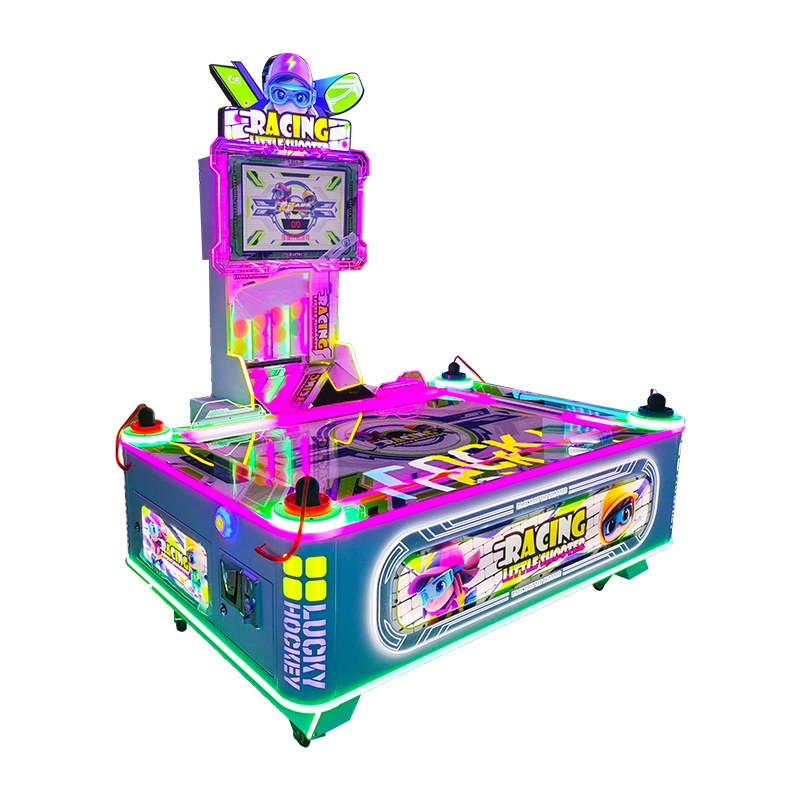
Marwey Commercial 4 Players Coin Operated Arcade Multiple Balls Air Hockey Game Table Redemption Ticket Machine
Marwey Commercial 4 Players Coin Operated Arcade Multiple Balls Air Hockey Game Table Redemption Ticket Machine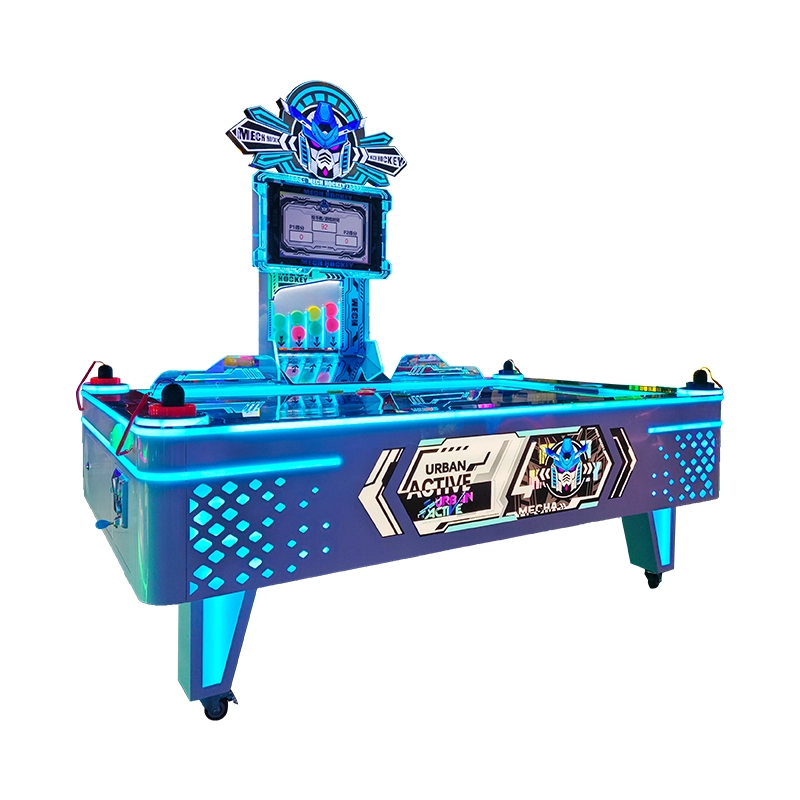
Marwey Wholesale Coin Operated 4 Players Multiple Balls Mecha Air Hockey Table Ticket Redemption Machine
Marwey Wholesale Coin Operated 4 Players Multiple Balls Mecha Air Hockey Table Ticket Redemption Machine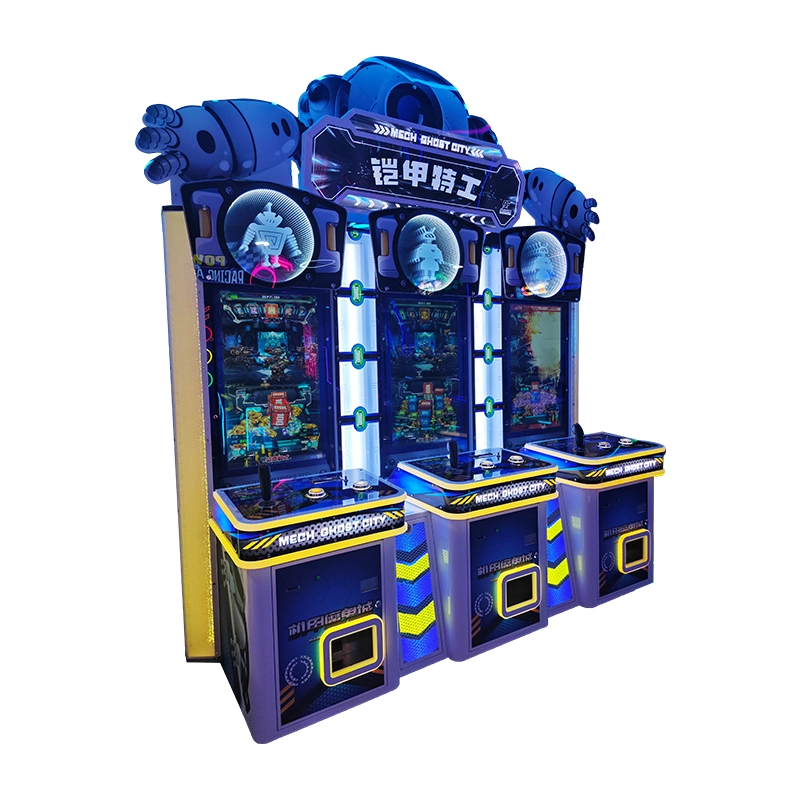
Marwey Coin Operated 3 Players Armored Agent Shooting Arcade Amusement Redemption Ticket Game Machine for Sale
Marwey Coin Operated 3 Players Armored Agent Shooting Arcade Amusement Redemption Ticket Game Machine for Sale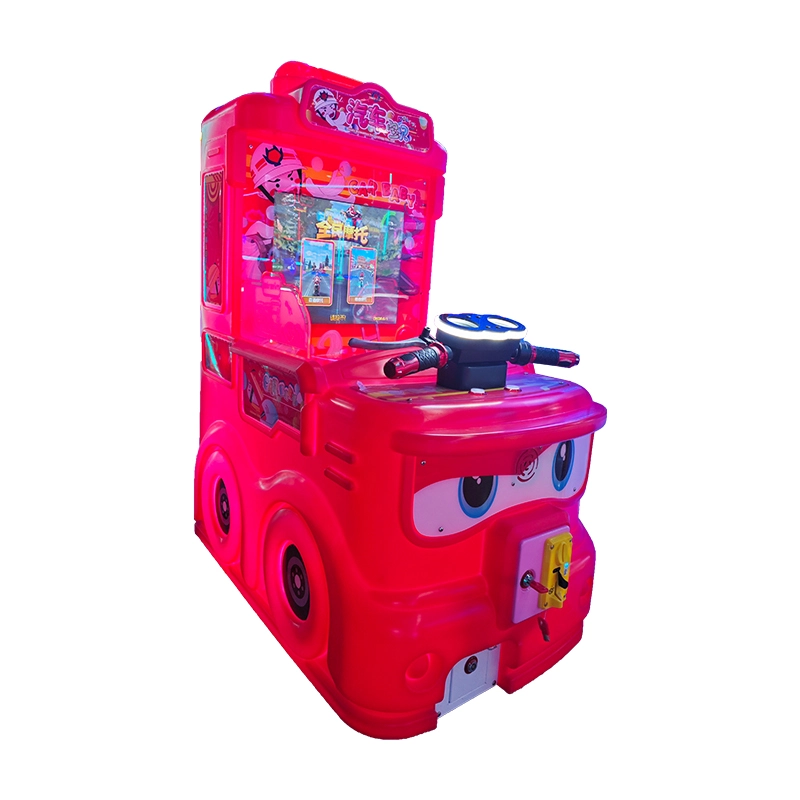
Marwey Factory High Quality Coin Operated Kids Motorcycle Racing Arcade Machine Car Baby Amusement Game Machines
Marwey Factory High Quality Coin Operated Kids Motorcycle Racing Arcade Machine Car Baby Amusement Game Machines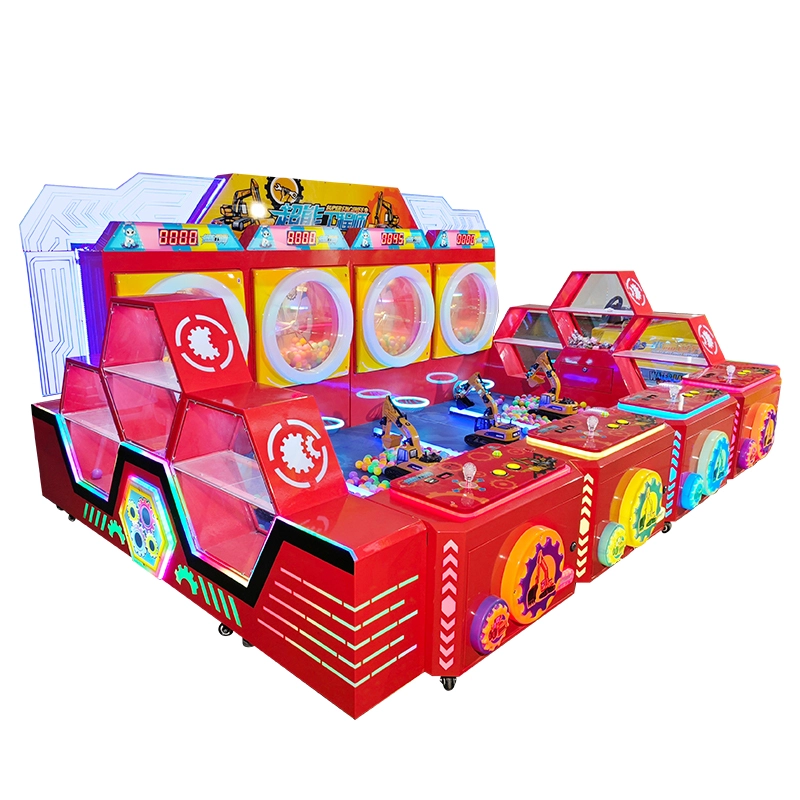
Marwey Indoor High Quality Fec Multiplayer Excavator Simulator Engineer Digging Challenge Game Equipment
Marwey Indoor High Quality Fec Multiplayer Excavator Simulator Engineer Digging Challenge Game Equipment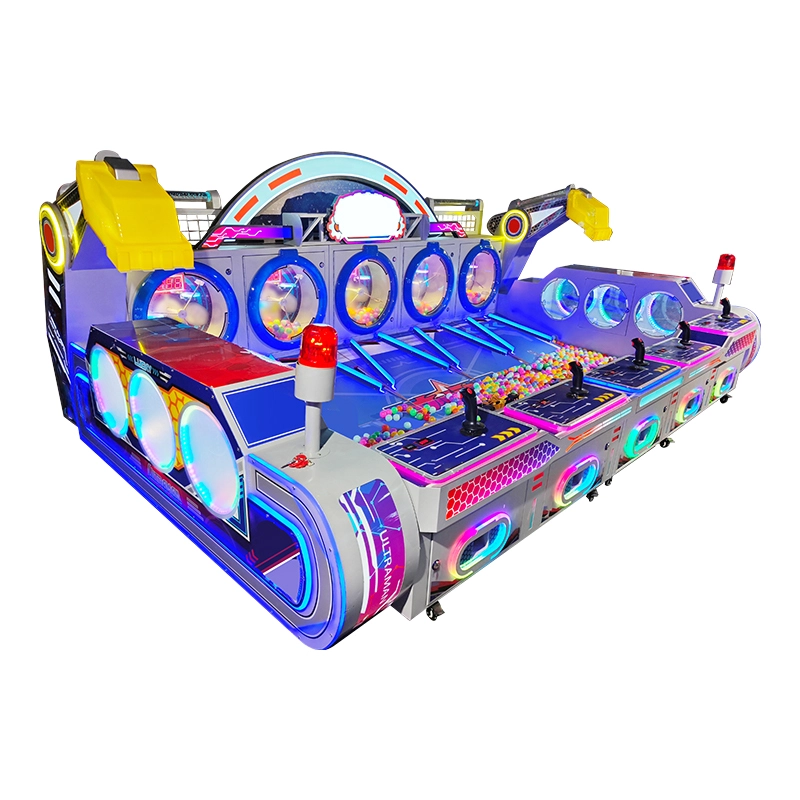
Marwey One Stop Wholesale Indoor Commercial 5 Players Excavator Digging Bulldozer Ball Pushing Game Equipment
Marwey One Stop Wholesale Indoor Commercial 5 Players Excavator Digging Bulldozer Ball Pushing Game Equipment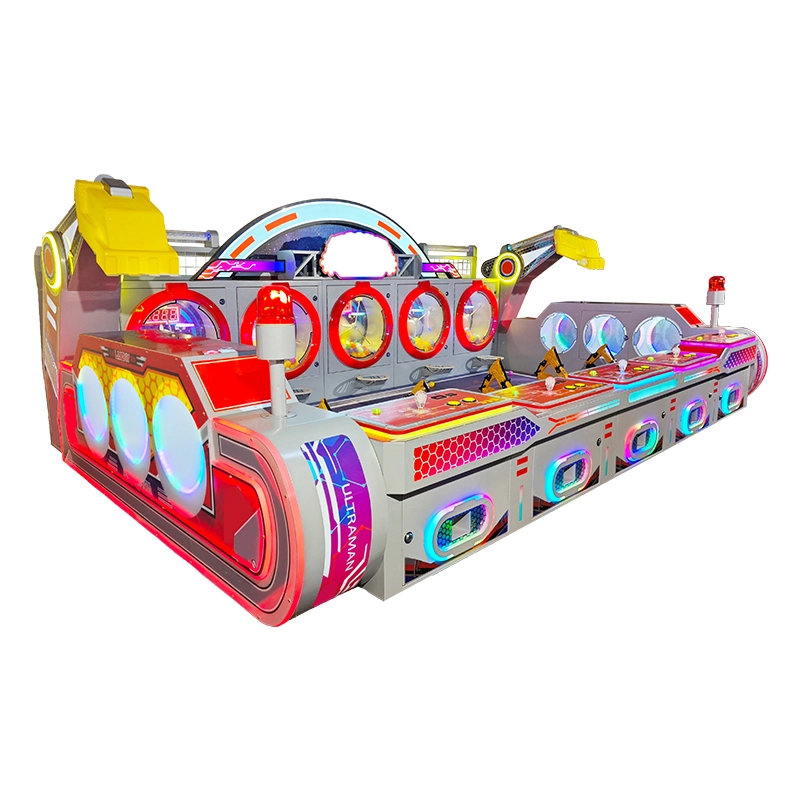
Marwey Hot Sale Indoor 5 Players Remote Excavator Game Simulator Digging Ball Pushing Carnival Machine
Marwey Hot Sale Indoor 5 Players Remote Excavator Game Simulator Digging Ball Pushing Carnival Machine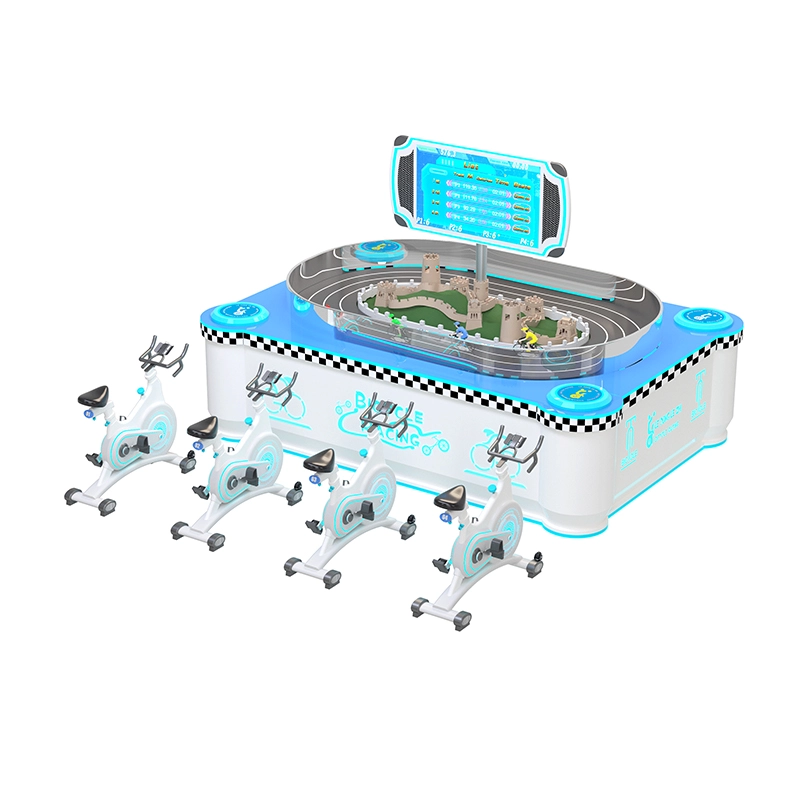
Marwey Hot Sale Commercial VR Bike Racing Gaming Simulator 4 Players Virtual Reality Sports Equipment
Marwey Hot Sale Commercial VR Bike Racing Gaming Simulator 4 Players Virtual Reality Sports EquipmentWant to know more industry information?
If you have any comments or good suggestions, please leave us a message; later our professional staff will contact you as soon as possible.
◼ Contact MARWEY
WhatsApp: +86 189 2218 4260
Floor 2, Building E, Hengran Creative Park, Shixin Road, Panyu District, Guangzhou, Guangdong, China.
© 2025 MARWEY. All Rights Reserved.

MARWEY
MARWEY
MARWEY
MARWEY
MARWEY
MARWEY