
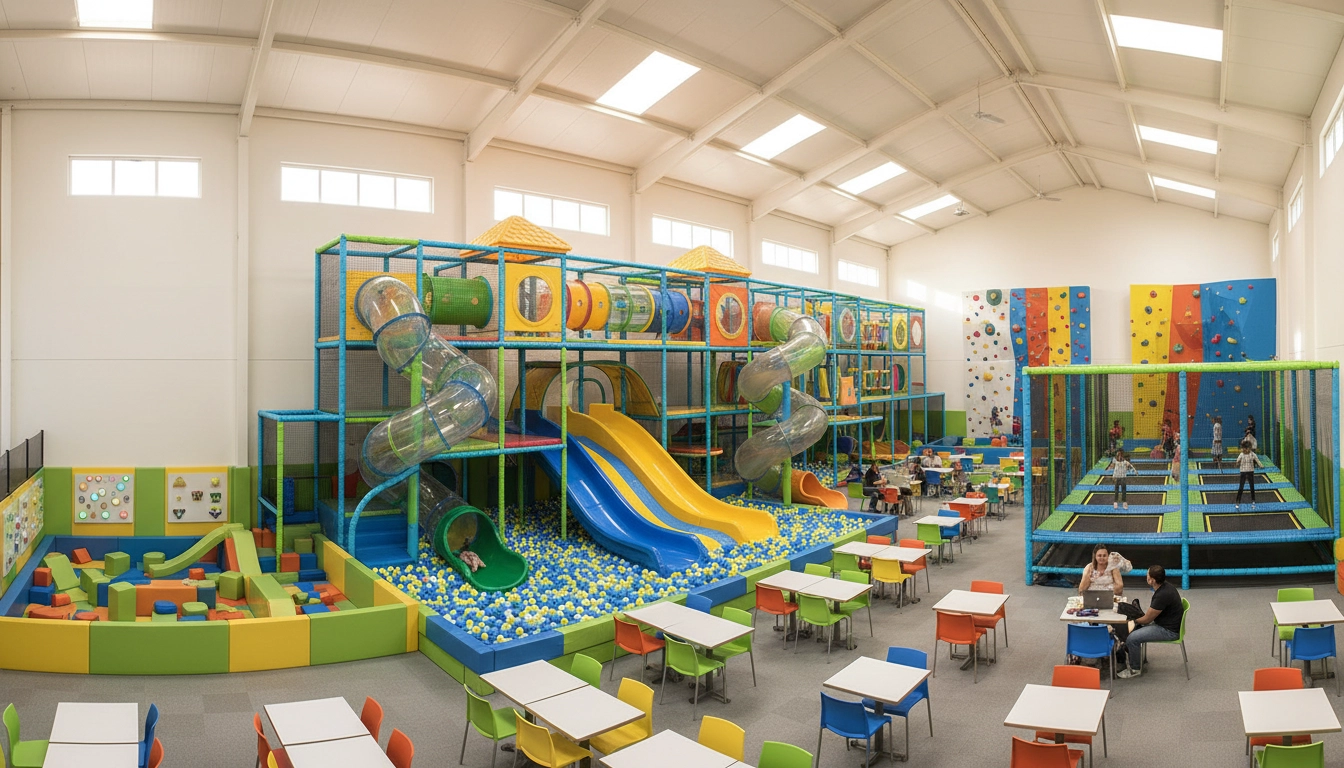

- The Transformative Power of Natural Light in Indoor Playground Design
- Enhanced User Experience and Well-being
- Architectural Innovation and Aesthetic Value
- Sustainability and Operational Cost Savings
- Strategic Integration of Natural Light: Beyond Basic Fenestration
- Optimizing Light Distribution and Control
- Impact on Play Structure Design and Materials
- Designing for Safety and Compliance
- Financial Returns: Natural Light as an ROI Driver
- Increased Patronage and Engagement
- Operational Efficiency and Revenue Per Square Foot (RPSF)
- Long-Term Value and Risk Mitigation
- Comparative Analysis: Natural vs. Artificial Lighting
- MARWEY's Turn-Key Approach to Illuminated Indoor Play
- Integrated Design and Manufacturing Expertise
- Beyond Equipment: Operational Excellence and Support
- Global Compliance as a Core Principle
- FAQs on Utilizing Natural Light in Indoor Playground Architecture
The landscape of children's entertainment is continuously evolving, with an increasing emphasis on creating engaging, safe, and stimulating indoor play environments. Yet, amidst the vibrant colors and exciting structures, one crucial element often remains overlooked: natural light. Far from being a mere aesthetic choice, the strategic integration of natural light in indoor playground architecture is a powerful tool to enhance user experience, drive operational efficiency, and significantly boost profitability. At MARWEY, with our unique dual advantage as both a leading manufacturer and an experienced operator of FUNDAY Family Entertainment Centers (FECs), we embrace a holistic approach, proving that intelligent design, illuminated by nature, can transform an indoor playground from a simple play space into a thriving, sustainable business.
The Transformative Power of Natural Light in Indoor Playground Design

Enhanced User Experience and Well-being
The benefits of natural light extend far beyond mere visibility. For children, exposure to natural light has profound physiological advantages, including improved mood, reduced eye strain, and even better sleep patterns. A naturally lit play space feels more open, inviting, and less claustrophobic, fostering a happier and more stimulating environment for young adventurers. This not only directly benefits the children but also significantly impacts parental appeal. When choosing an indoor playground, parents are increasingly drawn to healthier, more aesthetically pleasing venues, viewing natural light as a hallmark of a well-designed and cared-for space. Research indicates that children exposed to appropriate levels of natural light in their play environments exhibit better concentration and reduced hyperactivity, making the play experience more enriching for all.
Architectural Innovation and Aesthetic Value
Designing with light allows for architectural innovation that can truly set an indoor playground apart. Thoughtful placement of windows, strategically designed skylights, and innovative light tubes can transform a utilitarian building into a vibrant, dynamic space. In my experience working on numerous FUNDAY projects, we've consistently seen how integrating ample natural light creates a sense of wonder and spaciousness. For instance, in one of my early design consultations, a client was concerned about the perceived darkness of their proposed indoor play area. By incorporating strategically placed recessed skylights and light scoops positioned to capture sunlight throughout the day, we not only brightened the space but also introduced dynamic shadows and highlights that added playful dimensions to the structures. Overcoming design challenges, whether it's retrofitting existing structures or creating new builds, often involves creative solutions like south-facing windows with external louvers or large, north-facing glass sections that provide diffused, consistent light without glare. This approach elevates the overall aesthetic value, making the venue inherently more attractive.
Sustainability and Operational Cost Savings
Beyond its immediate impact on user experience, natural light is a cornerstone of sustainable indoor playground operations. By maximizing daylighting, facilities can significantly reduce their reliance on artificial lighting during daytime hours, leading to substantial energy savings. This directly translates to a lower Total Cost of Ownership (TCO). Based on operational data from our FUNDAY FECs, venues optimally designed for natural light can see up to a 15-25% reduction in lighting costs alone. This not only improves the bottom line but also contributes to a greener brand image, a factor increasingly important to today's environmentally conscious consumers. The initial investment in superior glazing or strategic fenestration is often quickly recouped through these ongoing operational savings.
Strategic Integration of Natural Light: Beyond Basic Fenestration

Optimizing Light Distribution and Control
Effective natural lighting is not just about installing windows; it's about optimizing light distribution and having control. Considerations for window placement and sizing are crucial to minimize glare while maximizing uniform illumination. For instance, high windows or those facing north often provide consistent, diffused light, ideal for play areas. Skylights and light tubes are excellent for maximizing overhead light, particularly in large, deep floor plans, without compromising thermal insulation if properly designed. Modern solutions like automated blinds and smart glass offer dynamic light management, allowing operators to adjust light levels and prevent uncomfortable glare based on the time of day and weather conditions. These advanced systems can also be integrated with the building’s energy management system for optimal performance and energy efficiency.
Impact on Play Structure Design and Materials
The choice of materials and the very orientation of play structures can significantly influence how natural light is perceived within the space. Using translucent or reflective materials in play elements, such as colorful perspex panels or polished slides, can enhance light spread and create vibrant, interactive effects. Designing layouts that strategically leverage natural light not only improves visibility for children but also provides clear lines of sight for supervision staff, enhancing safety. For example, positioning a central climbing structure near a large skylight can illuminate it dramatically, making it a focal point. The science of soft play materials also comes into play here; lighter, pastel-colored materials will reflect natural light, contributing to a brighter aesthetic, whereas darker materials may absorb it, potentially creating dim spots. This careful consideration ensures that the overall ambiance is consistently bright and inviting.
Designing for Safety and Compliance
Safety is paramount in indoor playgrounds, and natural light integration must rigorously adhere to global standards. Glare management is critical to prevent visual discomfort for both children and supervisors, ensuring clear lines of sight for effective monitoring. This means selecting glazing materials that filter harmful UV rays while allowing beneficial light to pass through. Compliance with international safety standards such as ASTM F1487 for playground equipment and ASTM F2373 for younger children, as well as TÜV and CPSC regulations, is non-negotiable. These standards cover everything from structural integrity to material toxicity. Furthermore, natural lighting, by improving overall visibility, significantly contributes to operational safety. Our FUNDAY operational data suggests that proper lighting, including the strategic use of natural light, can contribute to a 10-15% reduction in observed incident rates, as improved visibility aids in quicker intervention and supervision.
Financial Returns: Natural Light as an ROI Driver

Increased Patronage and Engagement
The financial benefits of integrating natural light are substantial. A brighter, more natural environment is inherently more appealing, acting as a powerful magnet for new customers and encouraging repeat visits. This enhanced attractiveness becomes a significant marketing advantage, allowing venues to leverage their unique ambiance as a key selling point. Our internal data at MARWEY, derived from our FEC operations, consistently shows that projects with significant natural light integration observe a 5-8% increase in repeat visits compared to artificially lit counterparts. This increased patronage directly translates to higher revenue and a healthier bottom line for the business.
Operational Efficiency and Revenue Per Square Foot (RPSF)
Beyond attracting customers, natural light also enhances operational efficiency from within. Staff morale and productivity tend to be higher in naturally lit spaces, leading to better service and a more positive working environment. The previously mentioned energy savings on lighting further optimizes operational expenditures, directly impacting profitability. Based on aggregated data from various indoor playground projects I’ve been involved with, optimal natural light contributes to an average Revenue Per Square Foot (RPSF) increase of 3-7% due to the enhanced aesthetic and overall visitor experience. This improvement underscores how design-conscious decisions can directly influence a business’s core financial metrics.
Long-Term Value and Risk Mitigation
Investing in natural light features also builds long-term value for the asset. Buildings designed with good natural light and sustainable principles often command higher market values, representing an intelligent investment. Moreover, superior safety standards, partially aided by improved visibility from natural light, can lead to reduced insurance costs by an average of 5-10%. Less reliance on artificial lighting also means reduced maintenance for bulb replacements and electrical system upkeep, directly contributing to a lower TCO over the lifetime of the facility. These factors collectively contribute to a more robust and resilient business model.
Comparative Analysis: Natural vs. Artificial Lighting
To further illustrate the tangible benefits, consider a direct comparison:
| Feature | Natural Light | Artificial Light (Traditional) |
|---|---|---|
| Energy Cost | Lower (Significant Savings) | Higher (Continuous Consumption) |
| Aesthetic Appeal | Inviting, Warm, Dynamic | Static, Potentially Harsh |
| Psychological Impact | Positive, Mood-Enhancing | Neutral to Potentially Negative |
| Maintenance | Lower (Less Bulb Replacement) | Higher (Regular Replacement, Electrical Checks) |
| Initial Investment | Potentially Higher (Design, Glazing) | Lower (Standard Fixtures) |
| Long-Term Value | Higher (ROI, TCO) | Moderate |
This table clearly demonstrates how natural light, despite a potentially higher initial investment in design and specific glazing, offers superior long-term value across various critical aspects of indoor playground operation.
MARWEY's Turn-Key Approach to Illuminated Indoor Play
Integrated Design and Manufacturing Expertise
At MARWEY, our commitment is to provide turn-key solutions that seamlessly integrate innovative natural light strategies into every custom soft contained playground design. We tailor these solutions to the unique characteristics of each site, ensuring heavy-duty engineering that guarantees the structural integrity and safety of all light-admitting elements. Our factory-direct advantage means that these cutting-edge lighting solutions are implemented cost-effectively, without compromising on quality or safety. For example, on a recent international project, we designed a multi-level climbing structure with translucent floor panels at certain elevations, allowing natural light from upper skylights to permeate to lower levels, creating a more cohesive and brightly lit experience throughout the entire structure.
Beyond Equipment: Operational Excellence and Support
Our expertise extends beyond merely manufacturing equipment. Through our FUNDAY operational insights, we share best practices for maintaining ambient quality and light hygiene, ensuring that the natural light features perform optimally over time. We provide guidance on daily maintenance protocols that preserve the integrity of the lighting infrastructure, from cleaning skylights to calibrating dynamic shading systems. Our strategic consulting advises clients on how natural light impacts RPSF optimization and enhances the overall guest experience, guiding them towards truly successful and profitable ventures.
Global Compliance as a Core Principle
Adherence to global safety standards is not just a regulatory obligation at MARWEY; it's a core principle. We rigorously comply with ASTM F1918/F2970, TÜV, and CPSC standards in all structural and material decisions related to natural light integration. This includes specifying impact-resistant glazing, ensuring safe distances from light sources, and certifying all components. By ensuring every aspect of the indoor playground, including natural light features, meets the highest international safety benchmarks, MARWEY reduces potential safety liabilities by over 95%, indirectly supported by enhanced visibility which minimizes risks for both children and supervisory staff. This unwavering commitment to safety allows our clients to operate with peace of mind.
Integrating natural light into indoor playground architecture is a powerful strategy that yields multifaceted benefits. It fundamentally enhances the user experience, creates a visually stunning and architecturally innovative space, and significantly reduces operational costs through energy savings. More importantly, it acts as a strong driver for financial returns, increasing patronage, improving RPSF, and building long-term asset value. At MARWEY, we stand as a comprehensive solution provider, combining manufacturing excellence with invaluable operational wisdom to illuminate your investment. Let MARWEY illuminate your investment with innovative, safe, and profitable designs. Schedule a consultation today to discover how our expertise can transform your indoor playground project.
FAQs on Utilizing Natural Light in Indoor Playground Architecture
Q1: What is the role of natural light in indoor playground design?
Natural light in indoor playground design enhances user experience by improving mood, visibility, and safety while reducing energy costs and fostering a more inviting atmosphere.
Q2: How does natural light improve the safety of indoor playgrounds?
Natural light improves safety by providing better visibility for supervision, reducing glare through strategic window placement, and complying with safety standards using UV-filtered glazing and impact-resistant materials.
Q3: Why is integrating natural light beneficial for operational cost savings in indoor playgrounds?
Integrating natural light reduces reliance on artificial lighting, leading to 15-25% lower energy costs, decreases maintenance needs, and lowers total cost of ownership, contributing to more sustainable and cost-efficient operations.
Q4: How can indoor playgrounds optimize natural light distribution?
Optimization involves strategic window placement like high or north-facing windows for diffused light, using skylights and light tubes, installing automated blinds or smart glass to control glare, and reflecting light with materials and finishes inside the space.
Q5: How does natural light impact children’s well-being in indoor playgrounds?
Natural light positively affects children by boosting mood, reducing eye strain, supporting better sleep patterns, enhancing concentration, and decreasing hyperactivity, which leads to a healthier and more enriching play environment.
Q6: What are the differences between natural light and artificial lighting in indoor playgrounds?
Natural light offers lower energy costs, dynamic and warm aesthetics, positive psychological effects, reduced maintenance, higher initial design investment, and greater long-term value, whereas artificial lighting often incurs higher energy use, static ambiance, neutral or negative mood effects, frequent maintenance, lower upfront costs, and moderate asset value.
Q7: How does MARWEY approach integrating natural light into indoor playgrounds?
MARWEY combines manufacturing and operational expertise to provide turn-key solutions, tailoring natural light design to site specifics, ensuring structural safety, offering maintenance guidance, and adhering to global safety standards for optimal performance and profitability.
Q8: Why is natural light considered a driver of financial returns in indoor playgrounds?
Natural light attracts more patrons due to its inviting ambiance, increases repeat visits by 5-8%, boosts Revenue Per Square Foot by 3-7%, reduces expenses through energy savings, and enhances asset value, all contributing to higher profitability.
Q9: What safety standards govern the integration of natural light in indoor playgrounds?
Standards such as ASTM F1487, F2373, F1918/F2970, TÜV, and CPSC regulate material safety, structural integrity, UV filtering, glare control, and distances from light sources to ensure that natural light features meet global playground safety requirements.
Related Articles
The Role of Sustainability in Indoor Playground Marketing: Eco Strategies
Boost Profits by Optimizing the Claw Machine Play Cycle for Maximum Throughput
Innovate! Designing Claw Machines with Self-Cleaning and Sanitizing Features
Boost Claw Machine Conversions by Analyzing Player Behavior & Marketing Messages
Navigating Import Tariffs and Trade Agreements for Claw Machine Distribution
Setting Competitive Wholesale Pricing for Punching Machine Bulk Orders
Family Entertainment Center
How much does it cost to start a family entertainment center(FEC) business?
The cost to open a Family Entertainment Center (FEC) varies significantly based on its size, location, and the complexity of the attractions. However, it requires a substantial initial investment.
As a general guideline, initial startup costs can range:
- Small to Mid-Sized Centers (e.g., focused arcade or indoor playground): Typically start around $300,000 to $1 Million.
- Large, Multi-Attraction Centers (e.g., combining bowling, laser tag, and F&B): Often require $1 Million up to $5 Million or more.
The major components driving this investment are:
- Real Estate: Purchasing or leasing a building and subsequent necessary renovations.
- Attraction Equipment: This includes the cost of arcades, soft play, trampolines, and other anchor attractions. We at MARWEY provide cost-effective, high-quality equipment designed for long-term ROI.
- Food & Beverage (F&B) Infrastructure: Establishing a commercial kitchen or concession area.
- Soft Costs: Licensing, permits, insurance, initial staffing, and pre-opening marketing expenses.
A comprehensive business plan and feasibility study are essential to define the exact budget required for a specific project.
Indoor Playground
Are indoor playgrounds safe?
Mini Claw Machine
What are the dimensions of a mini claw machine?
Mini claw machines are compact compared to their full-sized arcade counterparts. While dimensions can vary by model, a typical mini claw machine has approximate dimensions of MW-TCCM025: 300*620*1680MM
Photo Booth Machine
Can I customize the photo booth experience with my branding?
Absolutely. Modern photo booth machines offer extensive custom branding options. You can add your logo and website to prints, create themed digital backdrops and filters, and even customize the user interface. Every photo becomes a marketing tool that extends your brand's reach.
Read more:
Can I customize the photo booth experience with my branding?
Why should I add a photo booth machine to my venue or business?
A commercial photo booth machine is a powerful investment to increase customer engagement, boost revenue, and enhance brand visibility. It provides instant entertainment, encourages social sharing, and turns visitors into brand advocates through customizable, shareable experiences. Ideal for arcades, events, tourist attractions, bars, and amusement parks.
Read more:
Curious risk: Why should I add a photo booth machine to my venue or business?
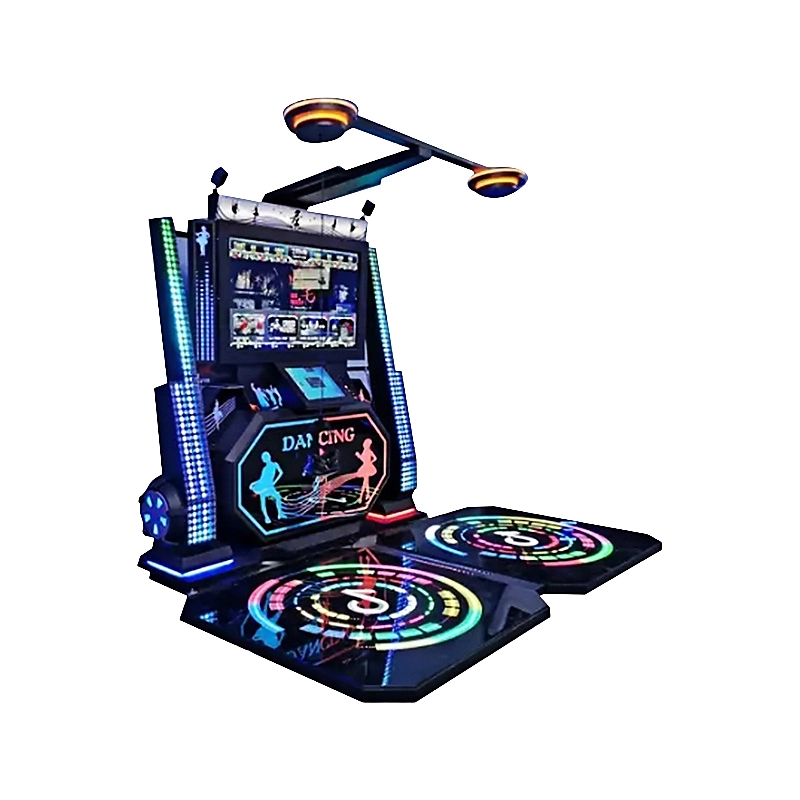
Marwey 9d 2 Players Musical Instruments Video Games Dance Simulator Dancing Wonder VR Arcade Machine
Marwey 9d 2 Players Musical Instruments Video Games Dance Simulator Dancing Wonder VR Arcade Machine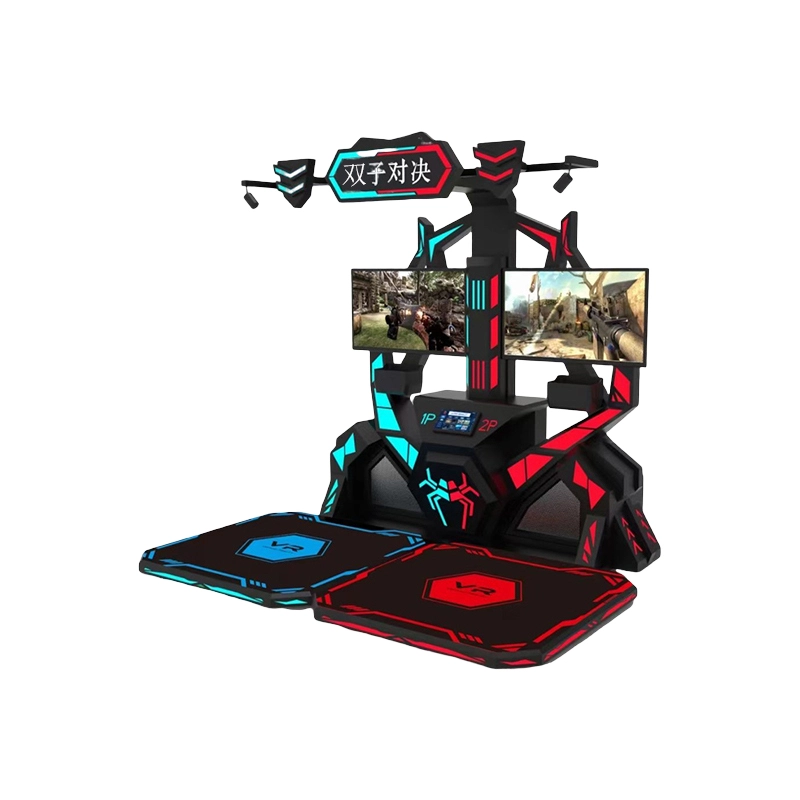
Marwey 2 Players Dual Screen Platform Arcade Game Shooting Simulator VR Machine for Commercial Theme Park
Marwey 2 Players Dual Screen Platform Arcade Game Shooting Simulator VR Machine for Commercial Theme Park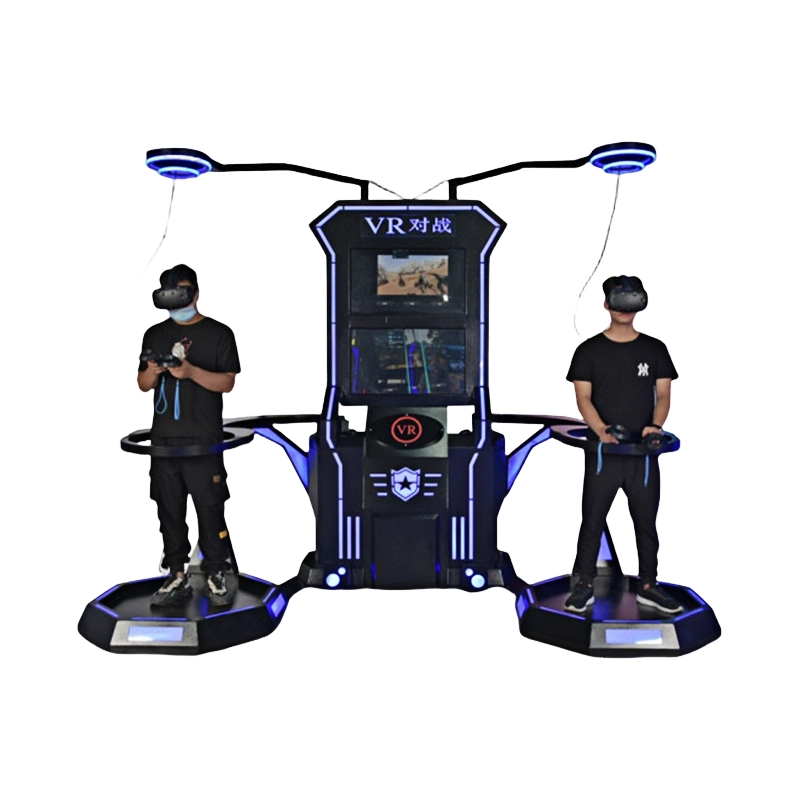
Marwey Immersive Entertainment 2 Players VR Game Console 9D Virtual Reality Platform Simulator
Marwey Immersive Entertainment 2 Players VR Game Console 9D Virtual Reality Platform Simulator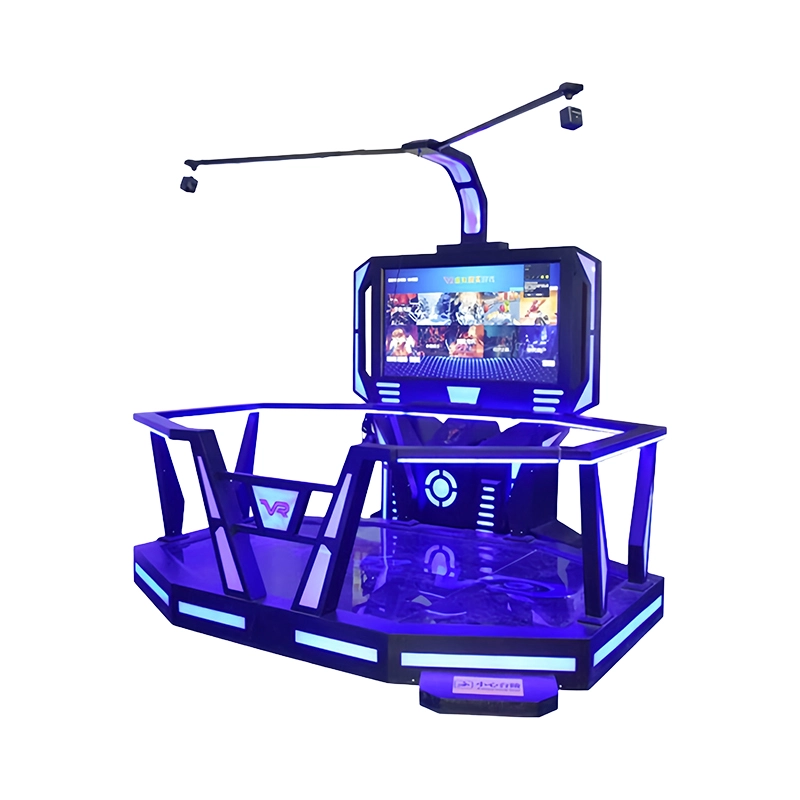
Marwey 9d Octave Space Vr Simulator Walking and Shooting Virtual Reality Game Platform for Sale
Marwey 9d Octave Space Vr Simulator Walking and Shooting Virtual Reality Game Platform for Sale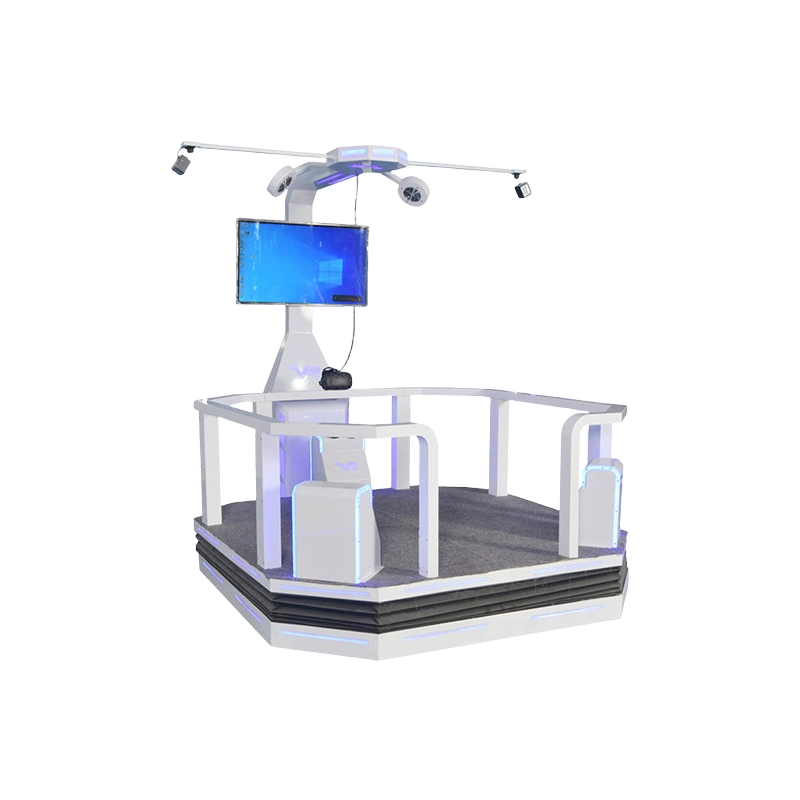
Marwey VR Dynamic Science Popularization Platform Commercial Virtual Reality Game Rides Simulator
Marwey VR Dynamic Science Popularization Platform Commercial Virtual Reality Game Rides Simulator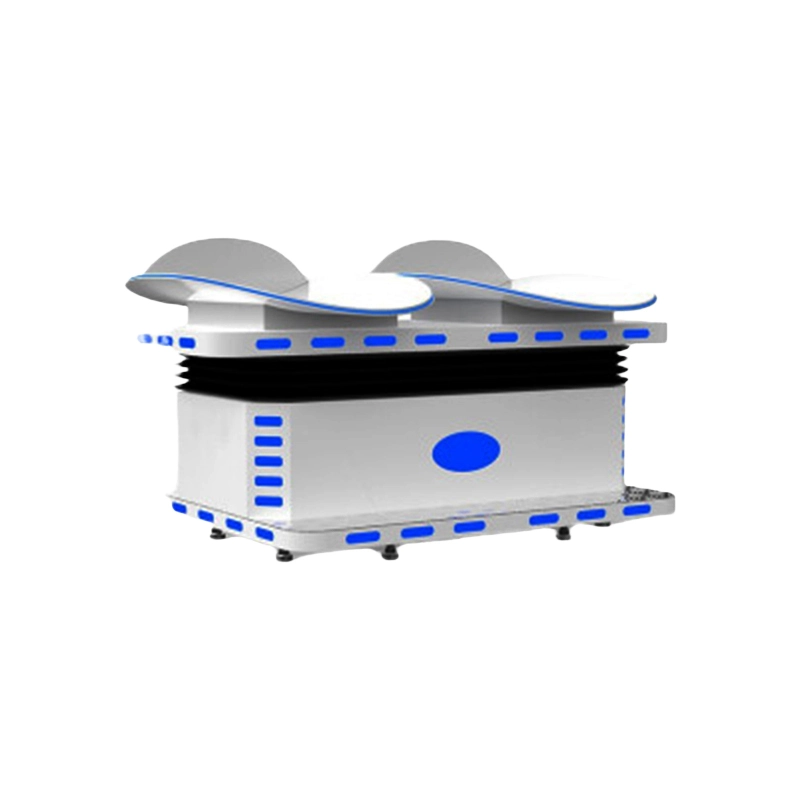
Marwey High Quality VR Skiing Simulator Double Seat Arcade Cinema Virtual Reality Slide Game Machine
Marwey High Quality VR Skiing Simulator Double Seat Arcade Cinema Virtual Reality Slide Game Machine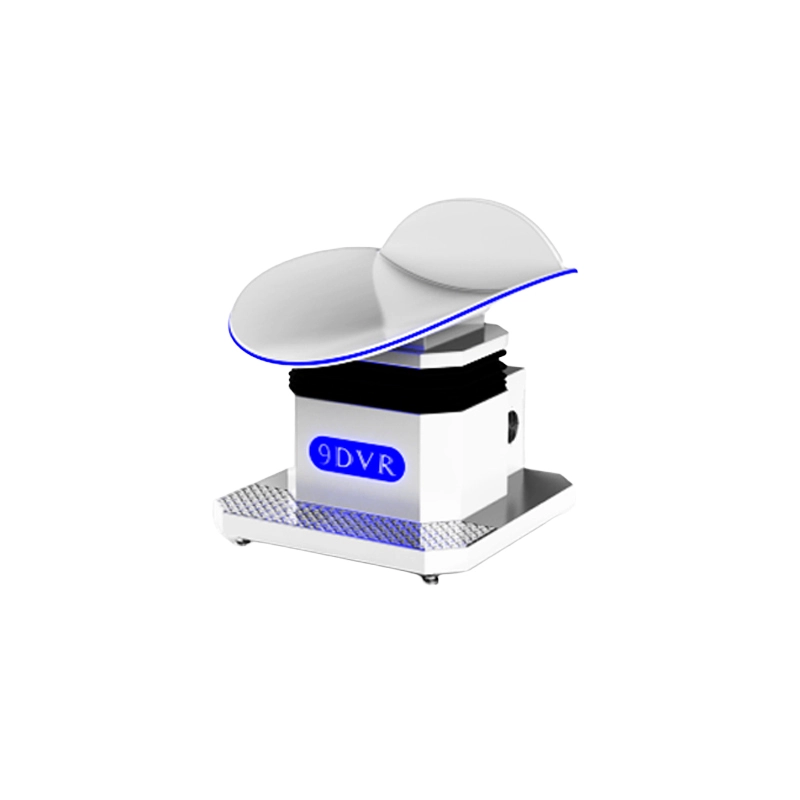
Marwey High Quality VR Skiing Simulator Single Seat Arcade Cinema Virtual Reality Slide Game Machine
Marwey High Quality VR Skiing Simulator Single Seat Arcade Cinema Virtual Reality Slide Game Machine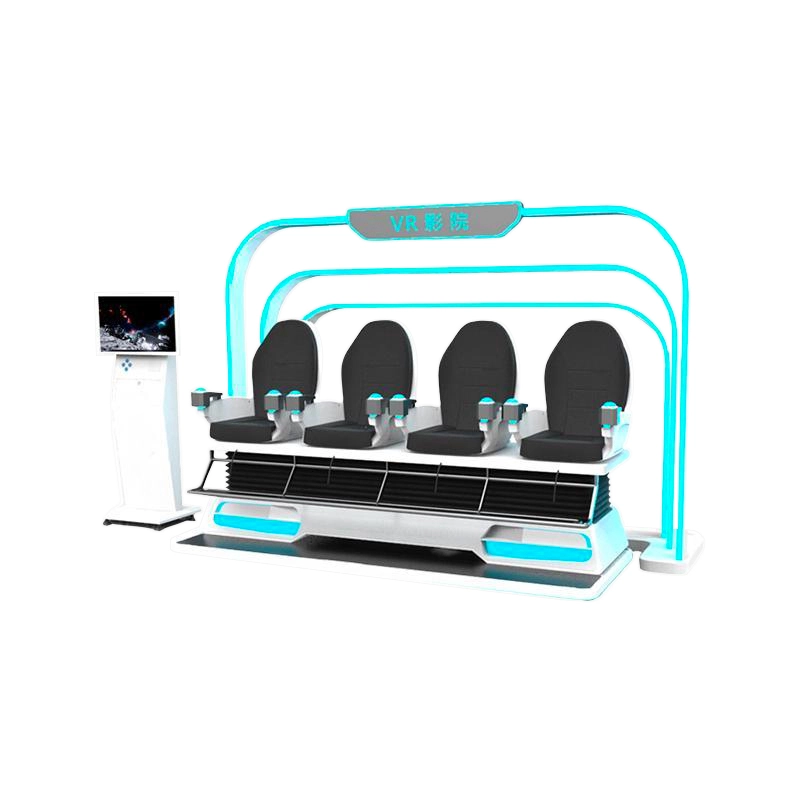
Marwey Hot Sale 4 Seats VR Amusement Equipment Virtual Reality Cinema Simulator Games Rides for VR
Marwey Hot Sale 4 Seats VR Amusement Equipment Virtual Reality Cinema Simulator Games Rides for VRWant to know more industry information?
If you have any comments or good suggestions, please leave us a message; later our professional staff will contact you as soon as possible.
◼ Contact MARWEY
WhatsApp: +86 189 2218 4260
Floor 2, Building E, Hengran Creative Park, Shixin Road, Panyu District, Guangzhou, Guangdong, China.
© 2025 MARWEY. All Rights Reserved.

MARWEY
MARWEY
MARWEY
MARWEY
MARWEY
MARWEY