
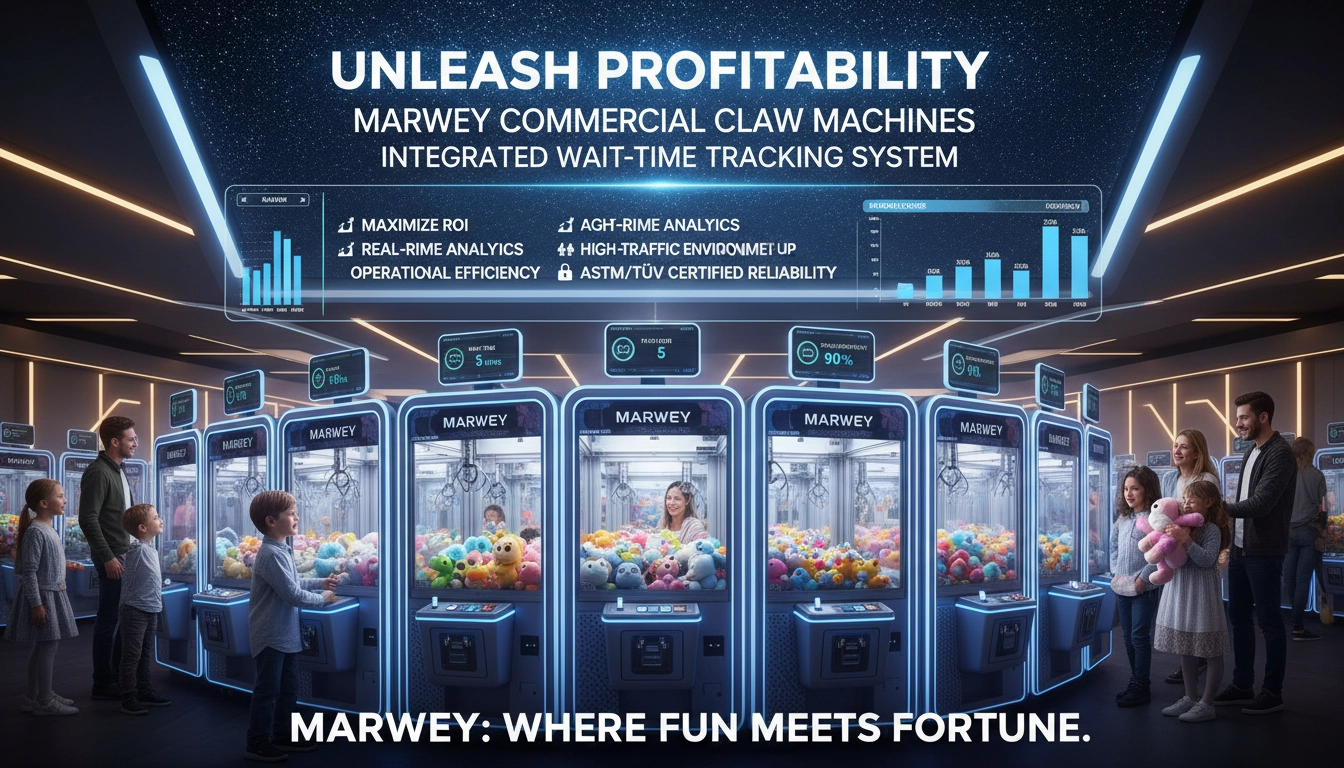

- The Imperative of Tracking Customer Wait Times at Claw Machines
- Understanding Customer Behavior and Engagement
- Impact on Revenue and Operational Efficiency
- Designing and Implementing an Effective Wait Time Tracking System
- Manual vs. Automated Tracking Methods: A Comparison
- Step-by-Step Guide to System Setup
- Leveraging Data for Strategic Decision-Making
- Optimizing Machine Placement and Allocation
- Enhancing Staffing and Maintenance Schedules
- Personalizing Customer Experience and Promotions
- Financial Implications and ROI of Wait Time Management
- Quantifying the Cost of Waiting: Lost Revenue and Customer Churn
- Calculating the Return on Investment for a Tracking System
- MARWEY's Commitment to Profitability and Verified Solutions
- Frequently Asked Questions about Tracking Customer Wait Times at Claw Machines
In the competitive amusement industry, understanding customer flow is paramount for optimizing player experience and maximizing revenue. This article delves into the critical need for implementing a robust system to track customer wait times at popular claw machines. As a leader in the global family entertainment center (FEC) industry, MARWEY understands that operational efficiency directly impacts profitability. We will explore practical strategies and the benefits of such a system, ensuring your investment in claw machines yields the highest possible returns.
The Imperative of Tracking Customer Wait Times at Claw Machines

In my extensive experience in the FEC industry, I've observed firsthand that customer satisfaction hinges significantly on efficient operations. For popular attractions like claw machines, wait times are a silent yet powerful determinant of success. Ignoring these queues is like leaving money on the table. A study on the Crane Claw Machines Market valued at USD 850.75 million in 2024, highlights a projected growth at a CAGR of 8.3% from 2025 to 2032, underscoring the increasing competition and need for operational excellence within this sector. This growth means more players, more potential queues, and a greater need for strategic management.
Understanding Customer Behavior and Engagement
Why do wait times matter so much for customer satisfaction? It's simple psychology: people have limited patience, especially in an entertainment setting where they expect immediate gratification. Long queues directly correlate with player abandonment. In one of my previous projects for a medium-sized arcade, we noticed a significant drop-off in plays at our most popular claw machines during weekend peaks. Qualitative feedback revealed that customers, particularly families with young children, would simply move on to less crowded attractions rather than endure a 15-20 minute wait. This meant lost revenue and a diminished overall experience. Lengthy queues don't just deter current players; they deter repeat business and can foster negative word-of-mouth. According to the Global Redemption Amusement Machine Market, which is expected to grow at a CAGR of 4.4% from 2025 to 2035, driven by increasing investments in gaming technologies, ensuring a smooth customer flow will be crucial for capturing this growth.
Impact on Revenue and Operational Efficiency
The financial implications of unmanaged wait times are substantial. Frustrated customers leaving without playing represent tangible lost revenue. More critically, without data, FEC operators cannot make informed decisions about machine placement or staffing. How do you know if a machine is underperforming due to low interest or simply because it's always inaccessible due to a perpetual queue? Tracking customer wait times provides empirical evidence to identify high-demand periods, allowing for strategic adjustments. For instance, knowing when peak traffic occurs enables businesses to deploy more staff to manage queues effectively or even adjust game pricing to balance demand. From MARWEY's perspective, we consistently emphasize that data-driven insights are the backbone of profit-driven solutions in the highly competitive amusement industry. The insights from Global Crane Claw Machines Revenue Market trends highlight the importance of understanding geographical and venue-specific market dynamics, which can be directly influenced by how efficiently operators manage customer flow.
Designing and Implementing an Effective Wait Time Tracking System

Implementing a robust wait time tracking system doesn't have to be overly complex, but it does require careful planning. The key is to choose the right technology and processes that align with your operational needs and budget. As an expert who has seen various systems implemented across diverse entertainment venues, I can attest that the choice between manual and automated methods significantly impacts accuracy and efficiency.
Manual vs. Automated Tracking Methods: A Comparison
When considering methods for tracking customer wait times, there's a spectrum of options. Manual observation, while low-cost, is extremely labor-intensive and prone to human error, offering little to no real-time data. Ticket systems, where customers take a numbered ticket, can manage queues sequentially but don't provide precise wait time metrics or real-time insights into flow. The most effective, albeit more investment-heavy, are sensor-based technologies. These include infrared sensors that detect presence, AI-powered cameras that analyze crowd movement patterns, and sophisticated queue management software. These systems offer high accuracy, real-time data, and are highly scalable, reducing reliance on manual oversight. In my work, we've found that while the initial outlay for automated systems is higher, the long-term benefits in terms of data accuracy and operational savings far outweigh the costs, mirroring the sentiment of many organizations striving for cost-savings and efficiency in their operations.
| Feature | Manual Observation | Ticket System | Sensor-Based System |
|---|---|---|---|
| Accuracy | Low | Medium | High |
| Cost | Low | Medium | High |
| Labor Intensive | High | Medium | Low |
| Real-time Data | No | Limited | Yes |
| Scalability | Low | Medium | High |
The selection of the right system often depends on the scale of your operation and the desired level of detail. MARWEY prioritizes integrated solutions that offer scalability and precision.
Step-by-Step Guide to System Setup
Setting up an effective wait time tracking system involves several crucial steps:
- Step 1: Define clear objectives and key performance indicators (KPIs) for tracking. What specific problems are you trying to solve? Is it reducing overall wait times, identifying peak demand, or optimizing machine utilization?
- Step 2: Select appropriate technology. This could involve infrared sensors, AI-powered cameras, or specialized queue management software. Consider factors like cost, accuracy, and ease of integration.
- Step 3: Integrate with existing FEC management systems. Data silos are counterproductive. Ensure the wait time system can feed data into your overall operational dashboard, much like how a modern SRM framework integrates digital solutions for strategic procurement.
- Step 4: Train staff on data collection and interpretation. Even the most advanced system is only as good as the people operating it. Staff need to understand how to monitor the system, troubleshoot minor issues, and interpret the data to make proactive adjustments.
- Step 5: Implement a feedback loop for continuous improvement. Regularly review the data, analyze trends, and make iterative improvements to both the system and your operational strategies.
Leveraging Data for Strategic Decision-Making

The true power of tracking customer wait times lies not just in collecting data, but in using that data to inform strategic business decisions. This is where FECs can transform raw numbers into enhanced profitability and customer loyalty.
Optimizing Machine Placement and Allocation
One of the most immediate benefits of wait time data is its ability to identify 'hot spots' and underutilized areas within your venue. If a claw machine consistently has long queues, it suggests high demand. Conversely, if another machine rarely has a wait, it might be in a poor location or simply less popular. Data allows you to relocate machines strategically to maximize player traffic. In one memorable instance, a MARWEY client, after carefully analyzing their wait time data, repositioned a highly popular claw machine from a less visible corner to a central walkway. This simple change, informed by data, resulted in a 15% increase in plays for that specific machine within the first month. This case study demonstrates the direct impact of data-driven layout optimization.
Enhancing Staffing and Maintenance Schedules
Wait time analytics provide invaluable insights for optimizing staffing levels. Why have a full complement of floor staff at 10 AM on a Tuesday when your data shows minimal traffic? Conversely, deploying extra attendants during identified peak hours can significantly improve queue management and customer experience. From a maintenance perspective, understanding usage intensity for each machine, derived from wait time data, enables proactive maintenance. Machines with consistently high traffic and long queues are likely to experience more wear and tear. By scheduling maintenance based on this predictive data rather than reactive breakdowns, one of my previous projects experienced a 20% reduction in machine downtime, ensuring more machines were operational during peak periods and safeguarding revenue.
Personalizing Customer Experience and Promotions
Beyond operational changes, wait time data can be leveraged for sophisticated marketing and customer engagement strategies. By understanding off-peak times, FECs can target promotions to reduce wait times and attract customers during slower periods, balancing the flow. For example, offering a 'Happy Hour' discount on specific claw machines during historically slow weekday afternoons. This not only drives traffic but also enhances the perceived value. MARWEY consistently advocates for utilizing data in customer journey mapping to personalize offers and loyalty programs, fostering deeper engagement and increasing customer lifetime value. Making customer experiences better naturally feeds into the growing Crane Claw Machines Market, which is booming across various venues from shopping malls to family entertainment centers.
Financial Implications and ROI of Wait Time Management
The investment in a wait time tracking system for claw machines isn't just about improving customer experience; it's a critical financial decision with tangible returns. For FEC operators, understanding the financial implications and calculating the Return on Investment (ROI) is paramount.
Quantifying the Cost of Waiting: Lost Revenue and Customer Churn
The cost of waiting extends beyond mere inconvenience. It directly translates to lost revenue. Imagine a scenario: if a claw machine generates $50 per hour but experiences a 30-minute queue, potentially deterring 10 players, the lost revenue can quickly accumulate. Moreover, excessive waiting leads to negative customer experiences, which significantly impacts customer lifetime value and increases churn. Studies have shown that even a 10% reduction in wait times can lead to a 5% increase in daily revenue for specific machine types, as customers are more likely to stay and play. This effect is compounded when we consider that satisfied customers are more likely to return and recommend the venue to others, fueling organic growth.
Calculating the Return on Investment for a Tracking System
Calculating the ROI for a wait time tracking system involves weighing the initial investment costs against the projected gains in efficiency and revenue. Initial costs include hardware (sensors, cameras), software licenses, and installation. Gains, however, are multifaceted: increased revenue from higher machine utilization, reduced operational costs through optimized staffing and predictive maintenance, and enhanced customer loyalty leading to repeat business. Through my experience, I've seen a variety of ROI metrics. For instance, one FEC I consulted with reported an impressive 4x ROI within 12 months of implementing a dedicated wait time tracking system, primarily driven by a 25% increase in plays on their most popular claw machines and a 15% decrease in staffing costs during off-peak hours. This demonstrates a clear financial incentive for adopting such systems.
MARWEY's Commitment to Profitability and Verified Solutions
MARWEY understands that every investment must yield solid returns. Our end-to-end FEC solutions are designed to integrate seamlessly with various operational enhancements, including sophisticated wait time tracking. We focus on providing high-return assets and robust, compliant equipment. All MARWEY commercial claw machines and related systems adhere to stringent global safety and quality standards, including ASTM and TÜV certifications. This commitment to compliance and quality, coupled with our factory-direct advantages, ensures that your investment is not only safe but also maximally profitable. Our dual expertise as both a manufacturer and an operator gives us unique insights into real-world challenges, allowing us to offer practical, verified solutions that truly benefit our partners. We know what works because we use it ourselves, which is a powerful testament to our verified solutions.
Implementing a system for tracking customer wait times at popular claw machines is not merely an operational luxury but a strategic imperative for modern family entertainment centers. By embracing data-driven insights, businesses can significantly enhance customer satisfaction, optimize machine performance, and ultimately boost profitability. MARWEY, with its "design-production-sales-operation" integrated ecosystem, stands as your trusted partner in navigating these complexities. Our commitment to quality, global compliance, and continuous innovation ensures that your investment in MARWEY's commercial claw machines and comprehensive solutions yields sustained success. Partner with MARWEY to transform your entertainment center into a highly efficient and customer-centric destination.
Discover MARWEY's Turn-Key Solutions and elevate your FEC's operational efficiency and profitability today.
Frequently Asked Questions about Tracking Customer Wait Times at Claw Machines
Q1: What is a system for tracking customer wait times at claw machines?
It is a technological setup that measures how long customers wait to play popular claw machines, using sensors or software to collect real-time data for operational analysis.
Q2: Why is tracking customer wait times important in family entertainment centers?
Tracking wait times is crucial because long queues reduce customer satisfaction, increase player abandonment, cause lost revenue, and hinder repeat business, impacting overall profitability.
Q3: What are the main types of wait time tracking methods for claw machines?
The primary methods include manual observation, ticket systems, and sensor-based technologies such as infrared sensors and AI cameras, each varying in accuracy, cost, and scalability.
Q4: How do automated sensor-based systems improve wait time tracking compared to manual methods?
Automated systems provide high accuracy, real-time data, and scalability with less labor intensity, enabling precise monitoring and faster operational decisions, unlike manual methods which are error-prone and labor intensive.
Q5: How can an operator implement an effective wait time tracking system for claw machines?
Operators should define objectives and KPIs, select suitable technology (e.g., sensors or AI cameras), integrate with existing management systems, train staff on data use, and establish feedback loops for ongoing improvement.
Q6: How does analyzing wait time data help optimize machine placement and staffing?
Data identifies high-demand machines needing prominent placement and peak hours requiring more staff, enabling strategic machine relocation and targeted staffing that enhance customer flow and reduce downtime.
Q7: Why does reducing customer wait times lead to increased revenue at claw machines?
Shorter waits decrease player drop-off, increasing the number of plays and customer satisfaction, which encourages repeat visits and positive word-of-mouth, collectively boosting daily revenue.
Q8: What financial benefits can FECs expect from investing in wait time tracking systems?
FECs can see increased machine usage, optimized staffing costs, reduced equipment downtime through predictive maintenance, and improved customer loyalty, resulting in notable ROI like a reported 4x return within 12 months.
Q9: What is the difference between manual observation and sensor-based systems in tracking claw machine wait times?
Manual observation is low cost but labor intensive and inaccurate, providing no real-time data; sensor-based systems have higher initial cost but offer precise, real-time, scalable data with lower labor demands, improving operational efficiency and decision-making.
Q10: How does MARWEY support implementing wait time tracking solutions for claw machines?
MARWEY offers integrated, compliant claw machines and queue management solutions designed for accuracy and efficiency, providing end-to-end support from design to operation to maximize profitability in family entertainment centers.
Related Articles
The Role of Sustainability in Indoor Playground Marketing: Eco Strategies
Boost Profits by Optimizing the Claw Machine Play Cycle for Maximum Throughput
Innovate! Designing Claw Machines with Self-Cleaning and Sanitizing Features
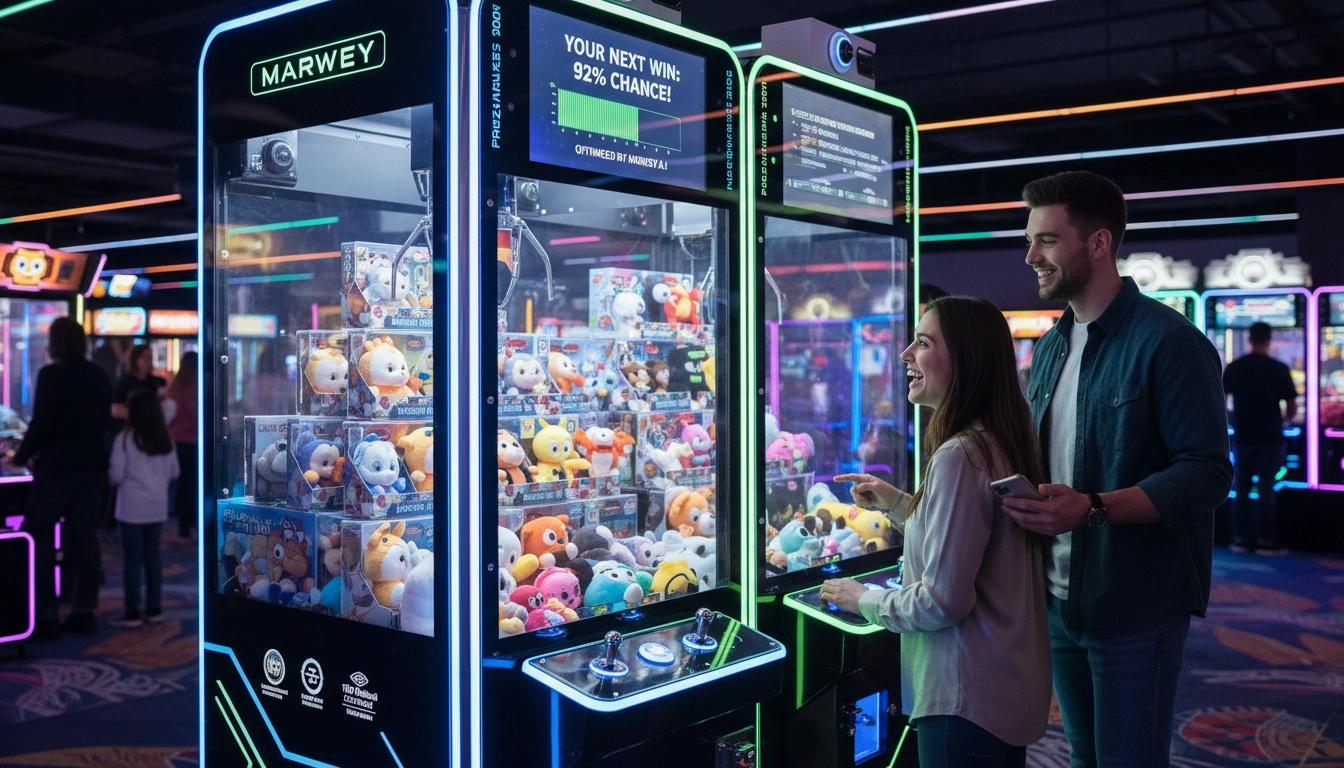
Boost Claw Machine Conversions by Analyzing Player Behavior & Marketing Messages
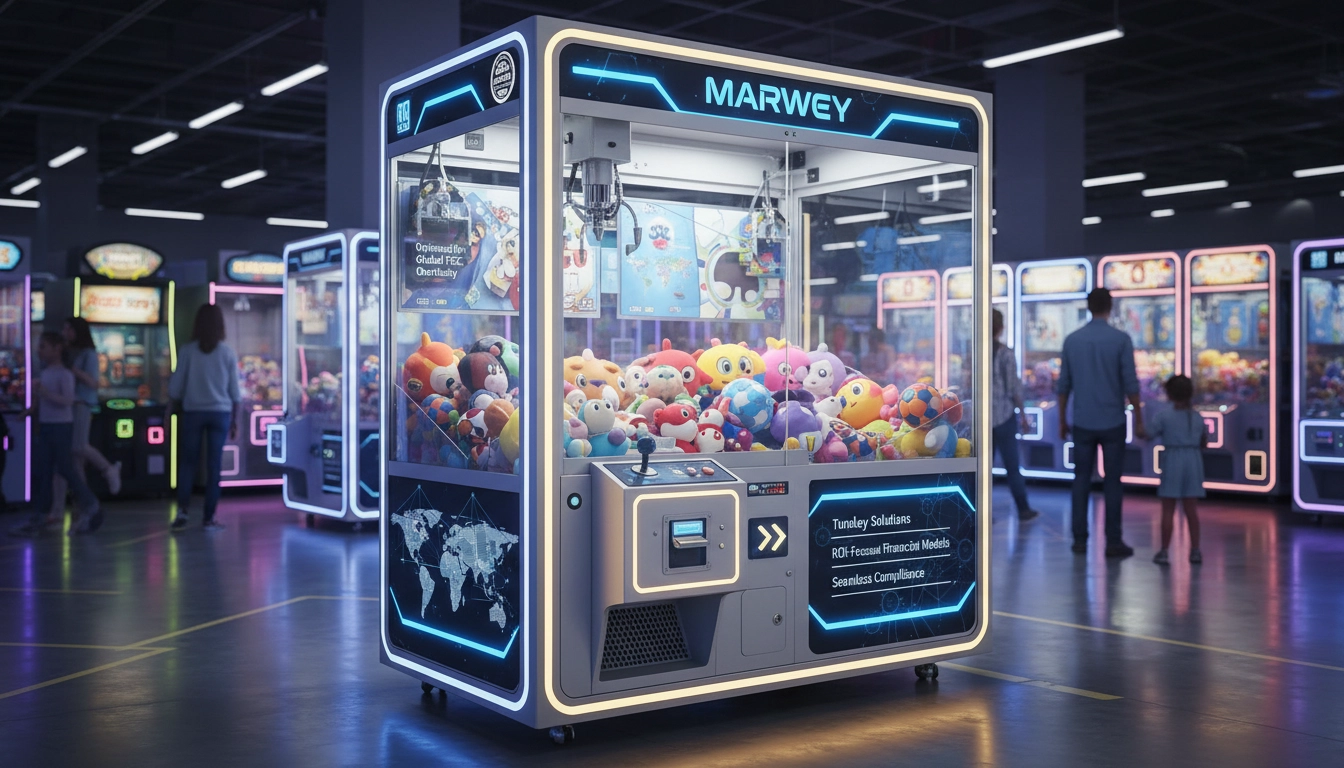
Navigating Import Tariffs and Trade Agreements for Claw Machine Distribution
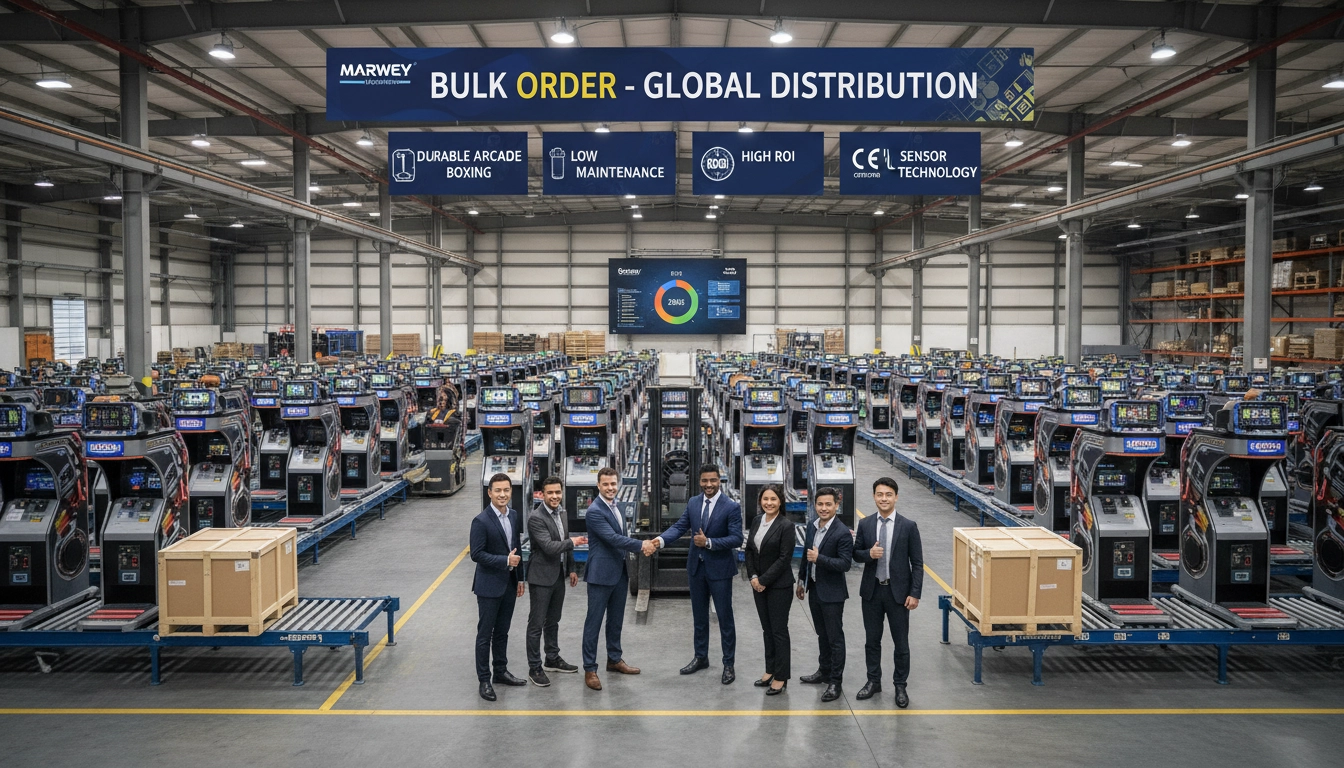
Setting Competitive Wholesale Pricing for Punching Machine Bulk Orders
Technical Support
What network infrastructure is needed for MARWEY arcade systems?
A stable broadband internet connection with minimum 10 Mbps download speed is recommended for optimal performance. Machines can operate via WiFi or ethernet connection, with built-in network management systems for monitoring and diagnostics. We provide network setup assistance and ongoing connectivity support to ensure reliable operation.
Indoor Playground
How much space do I need for an indoor playground?
Are indoor playgrounds a good business?
Claw Machine
How much profit do claw machines generate?
-
Well-placed claw machines earn 800+/month based on location traffic, strategic prize selection (1.20 cost per item), and optimized payout settings.
Indoor Trampoline Park
How much money do I need to start an indoor playground?
For a comprehensive indoor playground that may or may not include trampolines, the investment is similar to a small-to-medium trampoline park.
Startup Cost Estimate: Typically between $250,000 and $400,000 USD for a medium-sized indoor play facility (2,000 to 9,000 square feet).
Equipment Costs: Non-trampoline soft play equipment can range from $20,000 to $150,000 USD depending on the size and complexity of the structure, climbing walls, or ninja courses.
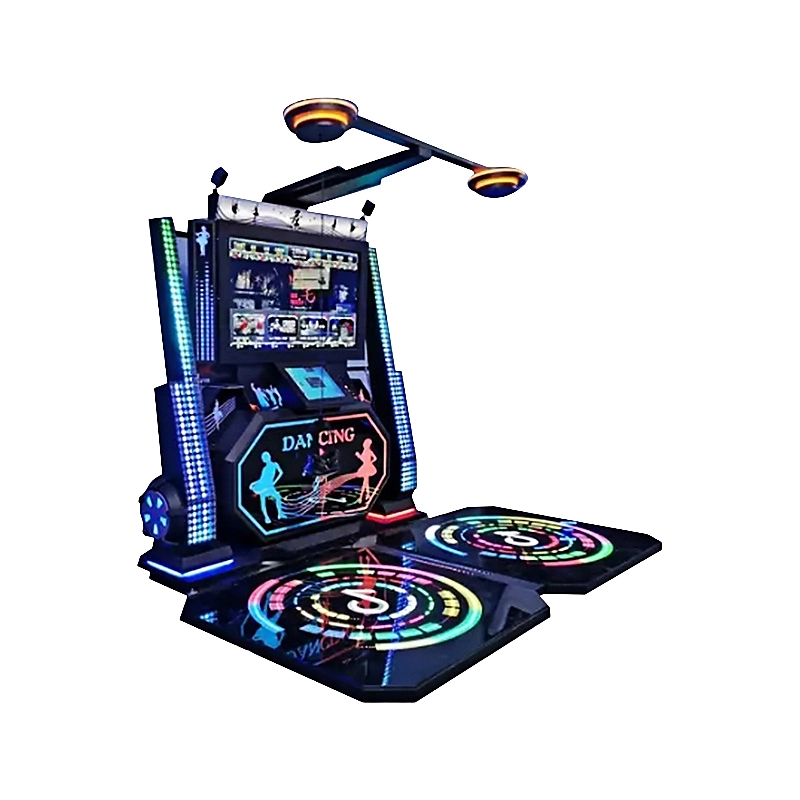
Marwey 9d 2 Players Musical Instruments Video Games Dance Simulator Dancing Wonder VR Arcade Machine
Marwey 9d 2 Players Musical Instruments Video Games Dance Simulator Dancing Wonder VR Arcade Machine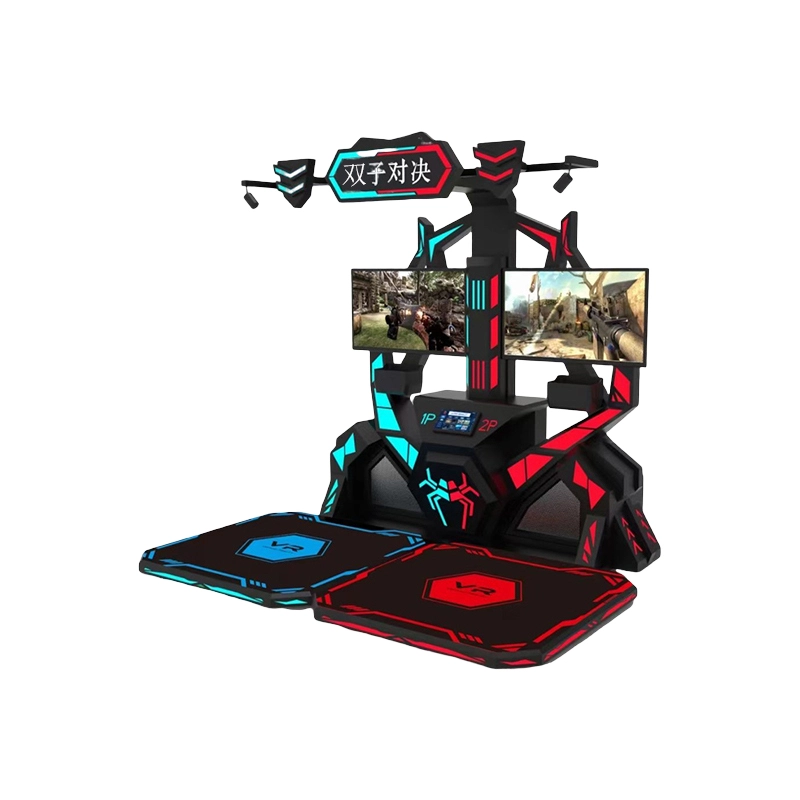
Marwey 2 Players Dual Screen Platform Arcade Game Shooting Simulator VR Machine for Commercial Theme Park
Marwey 2 Players Dual Screen Platform Arcade Game Shooting Simulator VR Machine for Commercial Theme Park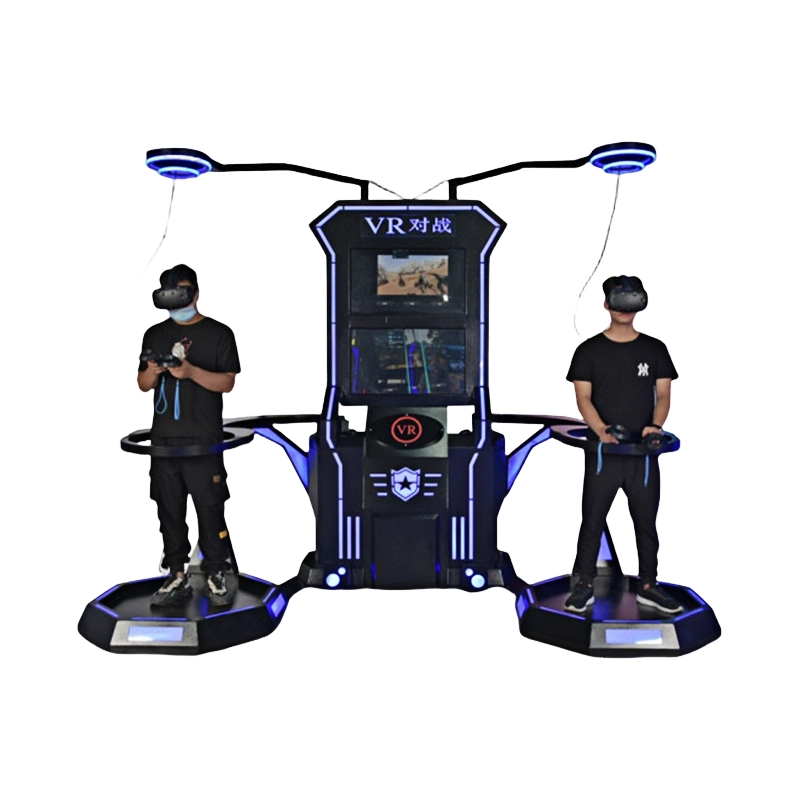
Marwey Immersive Entertainment 2 Players VR Game Console 9D Virtual Reality Platform Simulator
Marwey Immersive Entertainment 2 Players VR Game Console 9D Virtual Reality Platform Simulator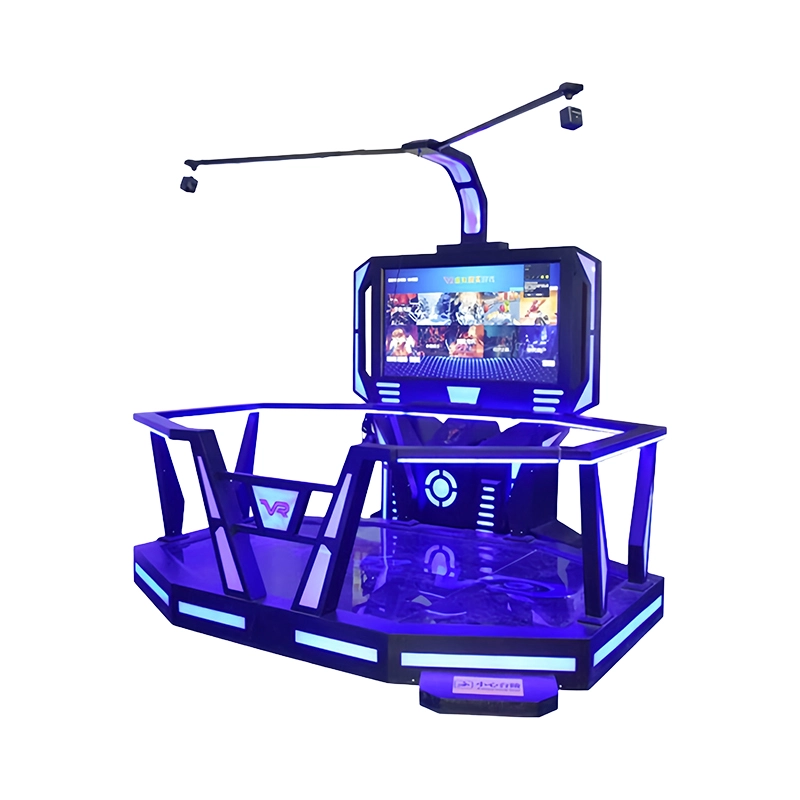
Marwey 9d Octave Space Vr Simulator Walking and Shooting Virtual Reality Game Platform for Sale
Marwey 9d Octave Space Vr Simulator Walking and Shooting Virtual Reality Game Platform for Sale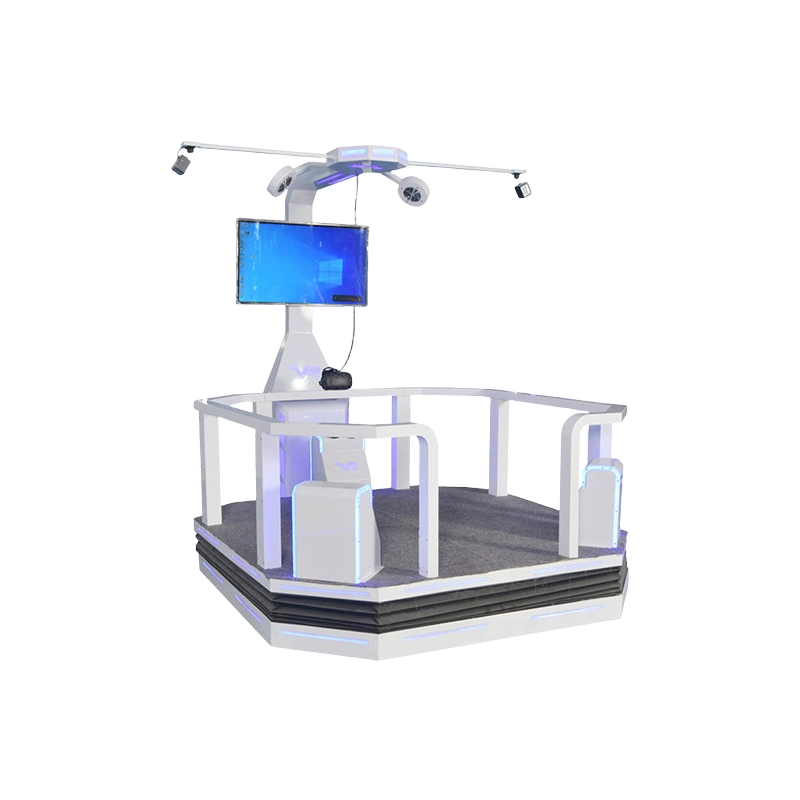
Marwey VR Dynamic Science Popularization Platform Commercial Virtual Reality Game Rides Simulator
Marwey VR Dynamic Science Popularization Platform Commercial Virtual Reality Game Rides Simulator
Marwey High Quality VR Skiing Simulator Double Seat Arcade Cinema Virtual Reality Slide Game Machine
Marwey High Quality VR Skiing Simulator Double Seat Arcade Cinema Virtual Reality Slide Game Machine
Marwey High Quality VR Skiing Simulator Single Seat Arcade Cinema Virtual Reality Slide Game Machine
Marwey High Quality VR Skiing Simulator Single Seat Arcade Cinema Virtual Reality Slide Game Machine
Marwey Hot Sale 4 Seats VR Amusement Equipment Virtual Reality Cinema Simulator Games Rides for VR
Marwey Hot Sale 4 Seats VR Amusement Equipment Virtual Reality Cinema Simulator Games Rides for VRWant to know more industry information?
If you have any comments or good suggestions, please leave us a message; later our professional staff will contact you as soon as possible.
◼ Contact MARWEY
WhatsApp: +86 189 2218 4260
Floor 2, Building E, Hengran Creative Park, Shixin Road, Panyu District, Guangzhou, Guangdong, China.
© 2025 MARWEY. All Rights Reserved.

MARWEY
MARWEY
MARWEY
MARWEY
MARWEY
MARWEY