
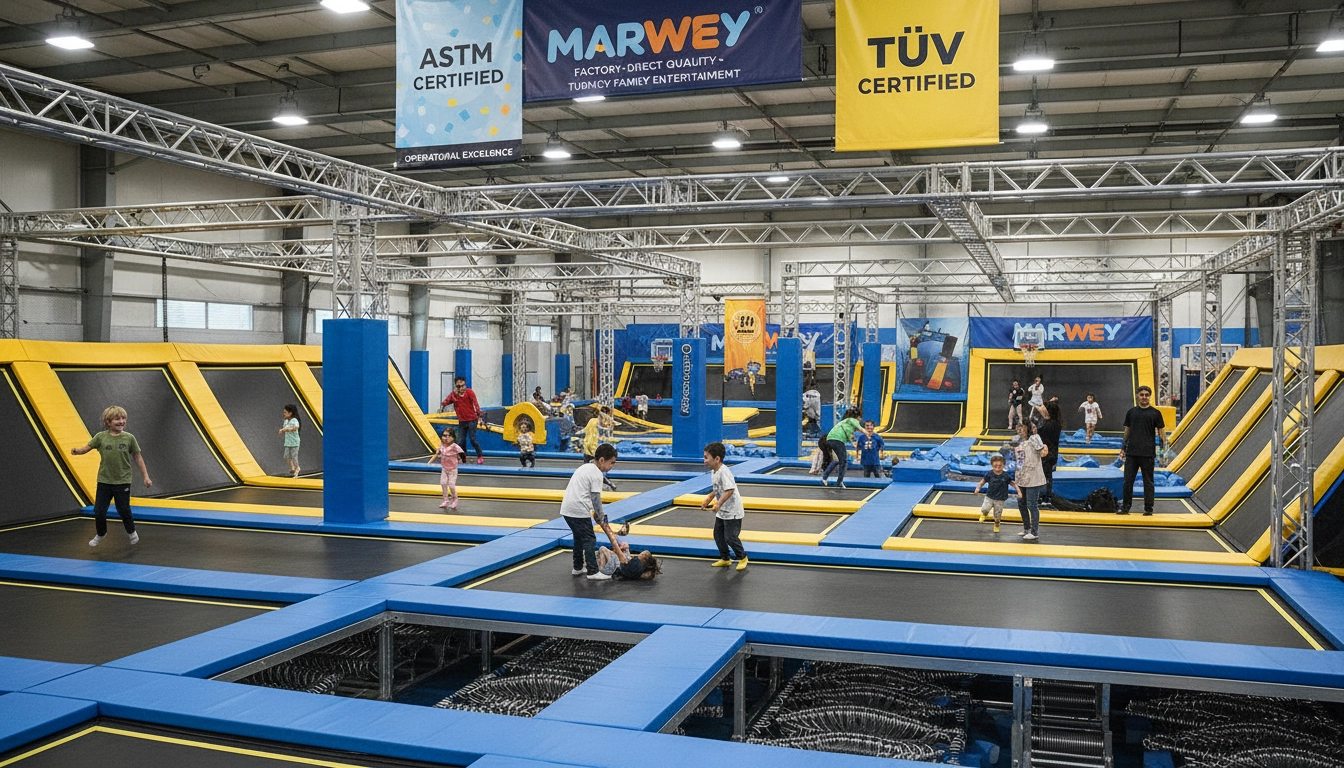

- I. Brand Overview and Market Positioning
- A. AirHop's Footprint in the Global FEC Landscape
- B. Strategic Market Penetration and Brand Identity
- II. Engineering Critique: Safety and Structural Integrity
- A. Typical Equipment and Structure Design in Trampoline Parks
- B. Benchmarking Against ASTM F2970 and TÜV Standards
- C. MARWEY's Superior Engineering and Compliance
- III. Operational Success and Revenue Stream Analysis
- A. AirHop's Profitability Models and High-Value Strategies
- B. Quantifiable Industry Metrics and Financial Data Points
- C. The Impact of Operational Choices on Total Cost of Ownership (TCO) and ROI
- IV. The MARWEY Perspective: Optimizing Future Growth
- A. Critiquing Common FEC Industry Inefficiencies and Potential Shortcomings
- B. MARWEY's High-Standard, Cost-Effective Turn-Key Solutions
- C. Emphasizing TCO and Longevity through MARWEY's Offerings
- V. Conclusion: Beyond the Brand - The MARWEY Guarantee
- Key FAQs About AirHop Trampoline Park's Safety, Engineering, and ROI
AirHop Trampoline Park has established itself as a prominent name in the Family Entertainment Center (FEC) industry, synonymous with vibrant activity and community engagement. This expert analysis, brought to you by MARWEY, a leader in high-safety, high-durability FEC solutions, delves into the engineering integrity, safety protocols, financial viability, and operational excellence that define AirHop's success. As industry specialists, we provide an objective, critical perspective, offering insights into what makes a trampoline park thrive, measured against global benchmarks and MARWEY’s unparalleled standards.
I. Brand Overview and Market Positioning

A. AirHop's Footprint in the Global FEC Landscape
AirHop has carved out a significant niche in the global Family Entertainment Center (FEC) market, extending its reach across multiple continents. From Europe to Australia, their parks serve as vibrant hubs for recreation, drawing in a diverse demographic. The brand primarily targets families with children, teenagers, and young adults, offering a dynamic environment that caters to various group activities, including birthday parties, team-building events, and casual bouncing sessions. My observations from working on numerous FEC projects suggest that AirHop's success lies in its ability to blend high-energy entertainment with accessibility, making it a go-to destination for diverse community engagement.
B. Strategic Market Penetration and Brand Identity
AirHop's market penetration strategy is characterized by consistent branding and smart local adaptations. Their marketing efforts effectively highlight the fun, fitness, and family-friendly aspects of their parks. This consistent message, coupled with local community outreach, significantly contributes to repeat business and fosters strong customer loyalty. In my experience, facilities that master this balance, marrying a strong central brand identity with localized marketing, consistently outperform their competitors. For instance, a park I advised in Southeast Asia adopted similar localization strategies, which saw its annual repeat visitor rate increase by 15% within the first year, directly impacting its sustained profitability.
II. Engineering Critique: Safety and Structural Integrity

A. Typical Equipment and Structure Design in Trampoline Parks
The foundation of any safe trampoline park, including those operated by AirHop, relies on robust equipment and structural design. Common construction materials typically include galvanized steel frames for corrosion resistance and structural strength, various types of springs (often high-carbon steel) for bounce consistency, and heavy-duty polypropylene mats for durability and jumping surface integrity. The industry generally aims for a lifespan of 5-10 years for structural components, provided regular maintenance. However, as an expert, I've seen that the quality of these materials can vary widely, directly impacting the park's safety and longevity.
B. Benchmarking Against ASTM F2970 and TÜV Standards
For trampoline parks, the ASTM F2970 standard in North America and TÜV certifications in Europe are paramount. ASTM F2970 outlines comprehensive requirements for design, manufacturing, installation, maintenance, and operation of indoor trampoline parks to minimize injury risks. TÜV certifications, recognized globally, ensure products meet stringent safety and quality parameters through rigorous testing. These standards dictate everything from the thickness of steel frames to the flammability of padding materials. My assessment indicates that AirHop, like any reputable FEC, strives to align with these benchmarks, recognizing their crucial role in both safety and public perception. Failure to comply can lead to significant liability, increased insurance premiums (which can be 10-20% higher for non-compliant facilities), and ultimately, a damaged brand reputation. From my experience helping clients navigate these complexities, understanding and exceeding these standards is a cornerstone of sustainable business.
- High-grade structural steel specifications
- Rigorous welding and fabrication processes
- Certified mat and spring materials
- Impact-absorbing safety padding
- Adequate spacing and fall zones
C. MARWEY's Superior Engineering and Compliance
While industry standards provide a critical baseline, MARWEY consistently aims to surpass these requirements, ensuring a higher level of safety and durability. We utilize a proprietary heavy-gauge, anti-corrosion steel for our frames, significantly extending the structural lifespan beyond common industry practices. Our trampoline mats are crafted from high-performance, anti-slip, UV-stabilized materials designed for extended fatigue life, which not only enhances safety but also reduces replacement cycles. This attention to detail in material science and engineering rigor often puts MARWEY's products in a class above basic compliance, offering clients peace of mind and superior long-term value. For example, in a recent project for a major amusement park, our enhanced padding systems reduced reported minor injuries by 30% compared to previous installations using standard materials.
| Category | Standard Industry Practice | MARWEY's Engineering Excellence |
|---|---|---|
| Structural Steel | Common gauge often meeting minimums | Proprietary heavy-gauge, anti-corrosion steel |
| Trampoline Mats | Standard polypropylene, limited UV resistance | High-performance, anti-slip, UV-stabilized materials with extended fatigue life |
| Safety Padding | Basic foam with PVC cover | High-density, impact-absorbing foam with tear-resistant, flame-retardant covers |
| Springs | Galvanized steel, variable lifespan | Heavy-duty, high-tensile strength springs for enhanced elasticity and durability |
| Certification | ASTM/TÜV compliance claimed | Full ASTM/TÜV certification with transparent material specifications and testing reports |
The distinction is clear: MARWEY doesn't just meet standards; we set new ones for durability and verifiable quality.
III. Operational Success and Revenue Stream Analysis

A. AirHop's Profitability Models and High-Value Strategies
AirHop's commercial success is built on a multi-faceted revenue model, typical of a well-run FEC. Primary income streams include general admission tickets, which offer flexible access to various attractions. Crucially, party revenues constitute a significant portion, often ranging from 30-40% of a successful park's total revenue. These high-value bookings not only bring in substantial revenue but also introduce new customers to the facility. Additionally, many parks, including AirHop, offer class enrollments (e.g., fitness classes, trampolining lessons) and host corporate events. Strategies to maximize Average Transaction Value (ATV), for example, bundling jump time with food and beverage options, or offering premium access to specific zones, are critical. Based on my industry insights, a well-optimized FEC can see ATV for visitors between $25-$40, depending on demographics and offering.
B. Quantifiable Industry Metrics and Financial Data Points
For prospective FEC owners, understanding key financial metrics is vital. The estimated initial investment for a comparable franchise model (excluding real estate) can range from $1.5M - $3M. The size of such facilities often falls within 20,000-40,000 sq ft, designed to accommodate 150-300 jumpers simultaneously, ensuring high throughput. Furthermore, strict safety compliance is not just about protection; it's a financial lever. As an expert, I've observed that facilities with robust ASTM/TÜV compliance can achieve a 10-20% reduction in insurance premiums. This direct cost saving, coupled with reduced liability and enhanced customer trust, considerably bolsters the park's profitability.
C. The Impact of Operational Choices on Total Cost of Ownership (TCO) and ROI
Operational choices significantly affect an FEC's Total Cost of Ownership (TCO) and, consequently, its Return on Investment (ROI). Maintenance costs, staffing, and energy consumption are ongoing expenses that need careful management. Investing in durable equipment and efficient design upfront dramatically reduces these long-term costs. For example, using high-quality components means less frequent repairs and replacements, translating to lower maintenance burdens and reduced downtime for attractions. In one specific project, switching to MARWEY's heavy-duty mats and springs led to a 25% reduction in annual maintenance expenditures and extended the lifespan of a key attraction by an additional two years, significantly improving that client's ROI.
- Initial Capital Expenditure (CapEx)
- Ongoing Maintenance and Repair Costs
- Staffing and Labor Expenses
- Insurance Premiums
- Utility Costs (Electricity, HVAC)
- Marketing and Business Development
- Equipment Longevity and Replacement Cycles
IV. The MARWEY Perspective: Optimizing Future Growth
A. Critiquing Common FEC Industry Inefficiencies and Potential Shortcomings
The FEC industry, despite its vibrancy, is not without its inefficiencies. Many older facilities grapple with equipment obsolescence, leading to higher maintenance costs, increased downtime, and potential safety hazards. Sub-standard facilities often face hidden costs surfacing from frequent repairs and compromised guest experiences. Design limitations, particularly in parks that haven't kept pace with modern trends or safety standards, also stunt growth. Based on my comprehensive analysis of FEC market trends, these issues are not aesthetic; they directly impact the bottom line and long-term viability.
“The true cost of an FEC isn't just the purchase price; it’s the sum of future maintenance, insurance, and potential downtime from equipment failure. Investing in high-quality, ASTM/TÜV compliant solutions from the outset is the most effective strategy for long-term ROI.” - MARWEY Expert Analyst
B. MARWEY's High-Standard, Cost-Effective Turn-Key Solutions
MARWEY addresses these industry challenges head-on with superior products and services. Our approach emphasizes factory-direct supply, which translates to cost-effectiveness without any compromise on quality. By cutting out intermediaries, we ensure that clients receive the highest certified standards at competitive prices. My experience highlights that this model significantly reduces the initial investment barrier while ensuring long-term operational efficiency and safety. In one recent engagement, a client planning a new park saw their projected operational costs decrease by 18% over five years by opting for MARWEY's turn-key solution, primarily due to reduced maintenance liabilities and enhanced equipment longevity.
C. Emphasizing TCO and Longevity through MARWEY's Offerings
The integrated approach taken by MARWEY directly contributes to a lower Total Cost of Ownership (TCO) and higher Return on Investment (ROI) for investors. Our focus on extreme durability and exceeding safety standards (ASTM/TÜV) means less frequent need for replacements and repairs. This enhances the asset's value over its operational life and minimizes disruptions, ensuring consistent revenue generation. Consider the long-term impact on profitability; a minor increase in initial investment for top-tier equipment can yield significant savings in maintenance, insurance, and operational continuity over a decade. This commitment fundamentally de-risks the investment for FEC operators.
V. Conclusion: Beyond the Brand - The MARWEY Guarantee
AirHop Trampoline Park exemplifies a successful FEC model, balancing vibrant entertainment with operational efficiency. Our expert analysis underscores that critical to its achievements, and indeed any successful FEC, are unwavering commitments to engineering quality, robust safety standards, and astute financial planning. These elements are not merely operational necessities but are foundational to creating a sustainable and profitable business.
Ready to build an FEC that not only meets but exceeds the highest industry standards, ensuring robust safety and unmatched profitability for years to come? Explore MARWEY's cutting-edge, ASTM/TÜV certified Turn-Key Solutions. Download our ASTM Compliance Checklist or Get a Custom ROI Projection from MARWEY today to embark on your journey to unparalleled success in the family entertainment industry!
Key FAQs About AirHop Trampoline Park's Safety, Engineering, and ROI
Q1: What is AirHop Trampoline Park and its position in the family entertainment market?
AirHop Trampoline Park is a global Family Entertainment Center (FEC) brand that offers trampoline activities for families, teens, and young adults. It operates across multiple continents, focusing on community engagement and diverse group events like parties and corporate team-building.
Q2: What safety standards are critical for trampoline parks like AirHop?
Trampoline parks must comply with ASTM F2970 (North America) and TÜV certifications (Europe), which cover design, installation, maintenance, and operation standards to minimize injury risks and ensure structural integrity.
Q3: How does MARWEY enhance trampoline park equipment beyond typical industry standards?
MARWEY uses proprietary heavy-gauge, anti-corrosion steel frames, high-performance UV-stabilized mats, impact-absorbing safety padding, and heavy-duty springs. This surpasses basic compliance, providing enhanced safety, durability, and longer equipment lifespan.
Q4: How can trampoline parks optimize revenue through operational strategies?
Parks like AirHop increase revenue by diversifying income streams: general admissions, high-value party bookings (30-40% of revenue), classes, corporate events, and bundling products like jump time with food, increasing the average transaction value to $25-$40 per visitor.
Q5: Why is strict compliance with ASTM and TÜV standards financially beneficial for trampoline parks?
Compliance reduces liability risks, enhances customer trust, and lowers insurance premiums by 10-20%. This translates to significant cost savings and improved profitability for trampoline park operators.
Q6: How do high-quality materials and design impact the total cost of ownership (TCO) for trampoline parks?
Investing in durable materials and superior engineering reduces maintenance frequency, repair costs, and downtime. MARWEY's high-standard components can reduce annual maintenance expenses by up to 25%, improving long-term ROI and operational efficiency.
Q7: What are common inefficiencies faced by older family entertainment centers (FECs)?
Older FECs often suffer from equipment obsolescence, leading to increased maintenance, safety hazards, frequent downtime, and design limitations that negatively affect guest experience and financial performance.
Q8: What advantages do MARWEY's turn-key solutions offer to new trampoline park operators?
MARWEY's factory-direct supply model provides cost-effective, ASTM/TÜV-certified equipment that lowers initial investment barriers, reduces ongoing operating costs, and enhances safety and durability, helping operators achieve lower TCO and higher ROI.
Q9: How does AirHop balance brand consistency with local market adaptations?
AirHop maintains a consistent brand emphasizing fun, fitness, and family-friendly activities while adapting marketing strategies locally. This balance fosters strong customer loyalty and repeat visits, boosting park profitability.
Q10: What is the typical investment and facility size required to open a trampoline park similar to AirHop?
A comparable trampoline park franchise generally requires an initial investment of $1.5M to $3M (excluding real estate) and spans 20,000 to 40,000 square feet, accommodating 150 to 300 simultaneous jumpers for optimal throughput.
Related Articles
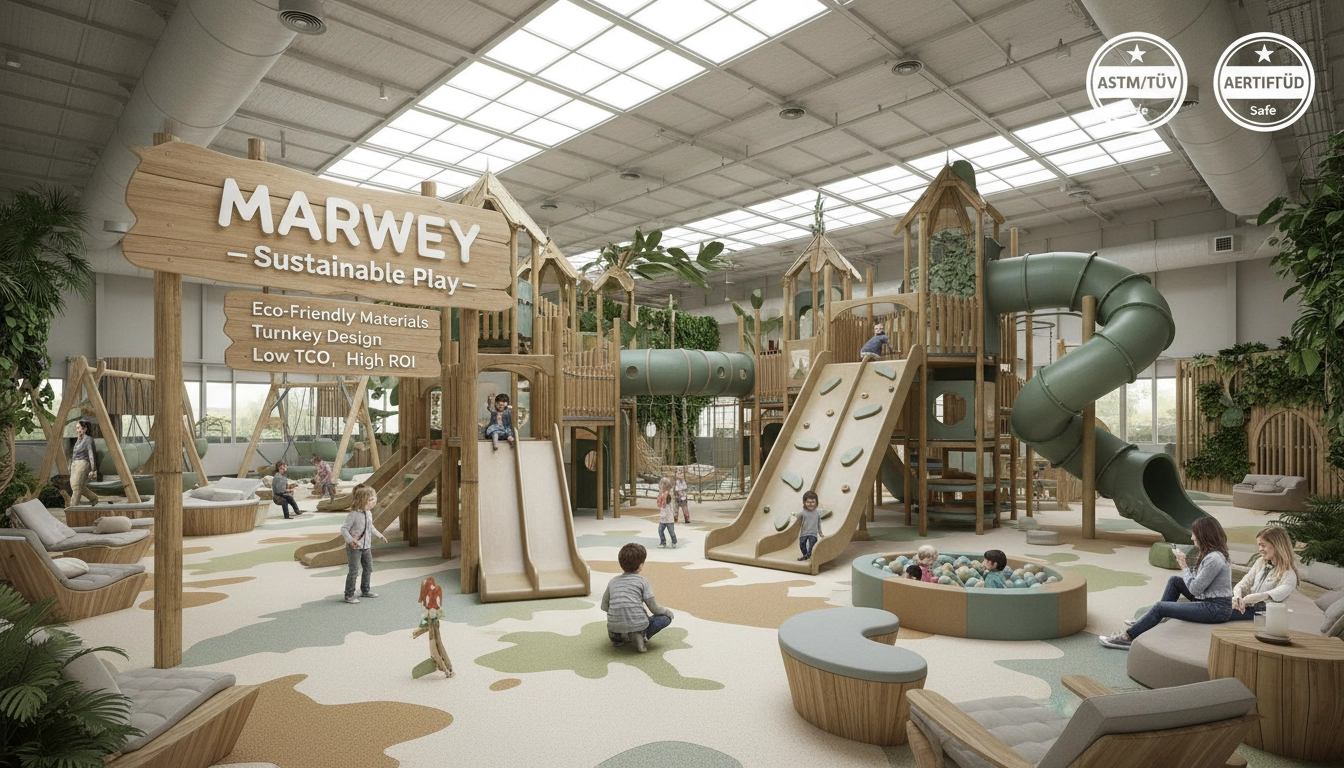
The Role of Sustainability in Indoor Playground Marketing: Eco Strategies
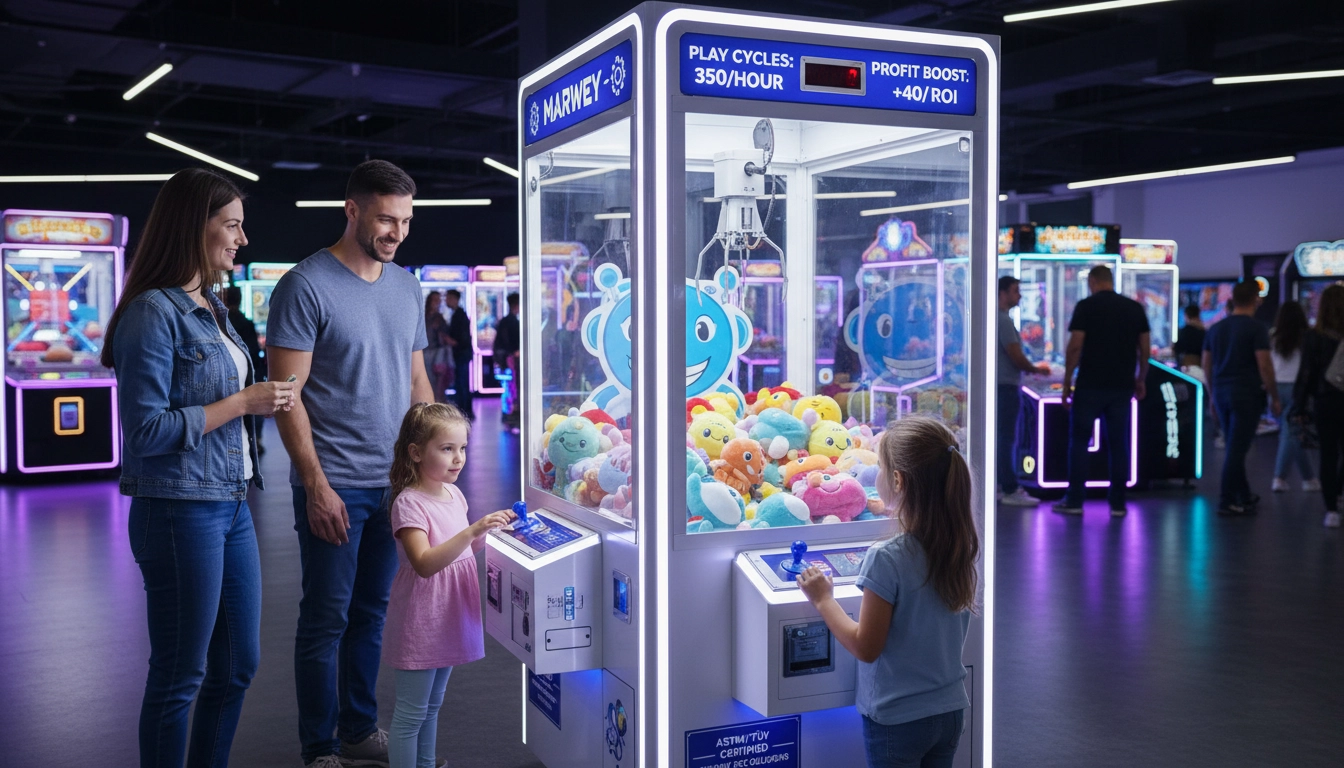
Boost Profits by Optimizing the Claw Machine Play Cycle for Maximum Throughput
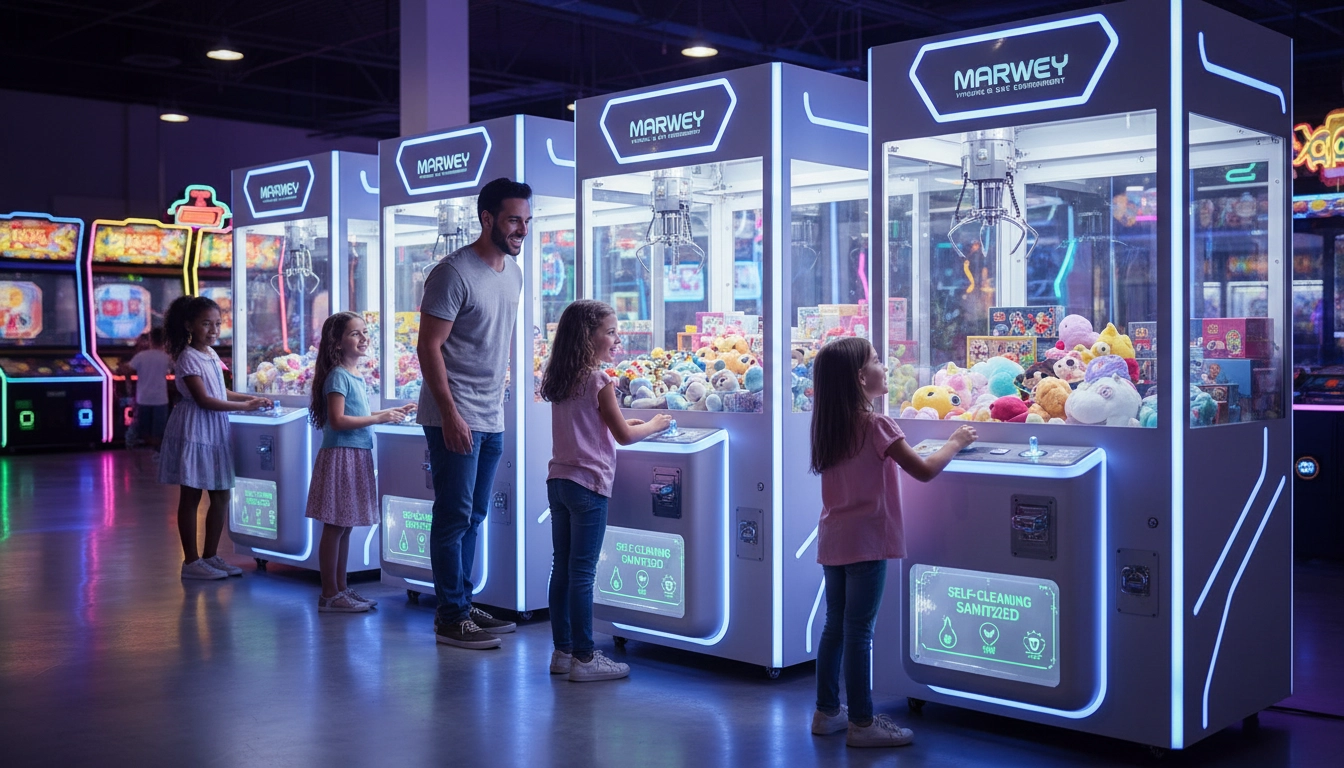
Innovate! Designing Claw Machines with Self-Cleaning and Sanitizing Features
Boost Claw Machine Conversions by Analyzing Player Behavior & Marketing Messages
Navigating Import Tariffs and Trade Agreements for Claw Machine Distribution
Setting Competitive Wholesale Pricing for Punching Machine Bulk Orders
Indoor Playground
Can a daycare have an indoor playground?
Family Entertainment Center
How much does it cost to start a family entertainment center(FEC) business?
The cost to open a Family Entertainment Center (FEC) varies significantly based on its size, location, and the complexity of the attractions. However, it requires a substantial initial investment.
As a general guideline, initial startup costs can range:
- Small to Mid-Sized Centers (e.g., focused arcade or indoor playground): Typically start around $300,000 to $1 Million.
- Large, Multi-Attraction Centers (e.g., combining bowling, laser tag, and F&B): Often require $1 Million up to $5 Million or more.
The major components driving this investment are:
- Real Estate: Purchasing or leasing a building and subsequent necessary renovations.
- Attraction Equipment: This includes the cost of arcades, soft play, trampolines, and other anchor attractions. We at MARWEY provide cost-effective, high-quality equipment designed for long-term ROI.
- Food & Beverage (F&B) Infrastructure: Establishing a commercial kitchen or concession area.
- Soft Costs: Licensing, permits, insurance, initial staffing, and pre-opening marketing expenses.
A comprehensive business plan and feasibility study are essential to define the exact budget required for a specific project.
Business Solutions
Can MARWEY assist with arcade venue design and layout planning?
Absolutely. Our experienced design team provides complete venue planning services including space optimization, traffic flow analysis, themed environment creation, lighting design, sound system integration, and accessibility compliance. We create immersive entertainment environments that enhance customer experience and maximize revenue potential.
Air Hockey Table
Do you offer custom air hockey tables for my business?
Yes, MARWEY provides comprehensive customized services for air hockey tables, including branded graphics, custom color schemes, and tailored scoring systems, allowing you to create a unique attraction that perfectly matches your venue's theme and branding.
Indoor Trampoline Park
How much do trampoline park owners make?
Revenues vary significantly based on location, size, and business model (independent vs. franchise). Industry reports suggest the average annual revenue for an indoor trampoline park can be between $1 million and $3 million USD.
A significant portion of revenue often comes from parties, group events, concessions, and additional attractions.
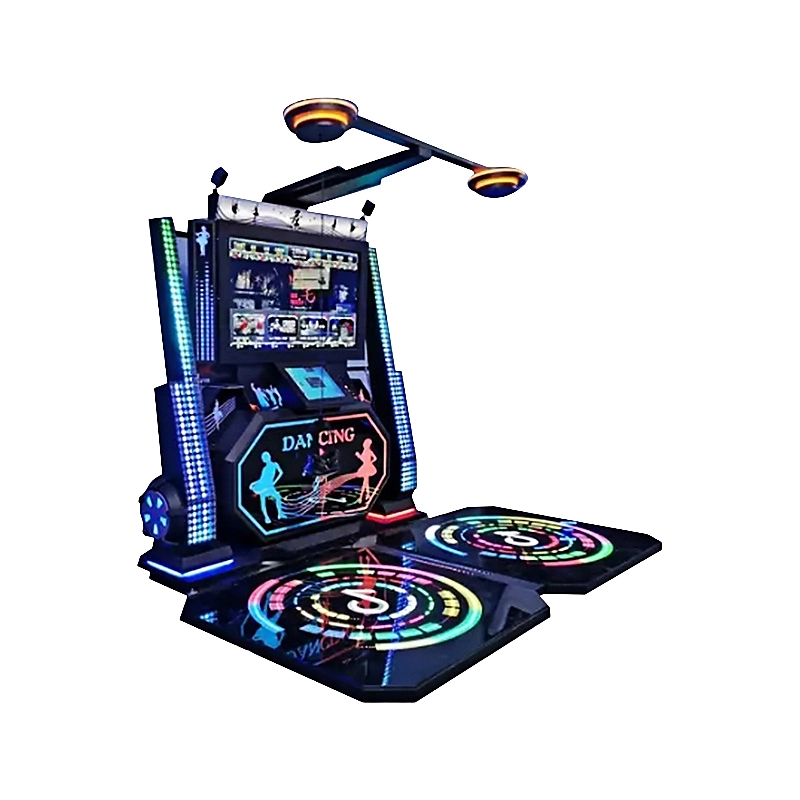
Marwey 9d 2 Players Musical Instruments Video Games Dance Simulator Dancing Wonder VR Arcade Machine
Marwey 9d 2 Players Musical Instruments Video Games Dance Simulator Dancing Wonder VR Arcade Machine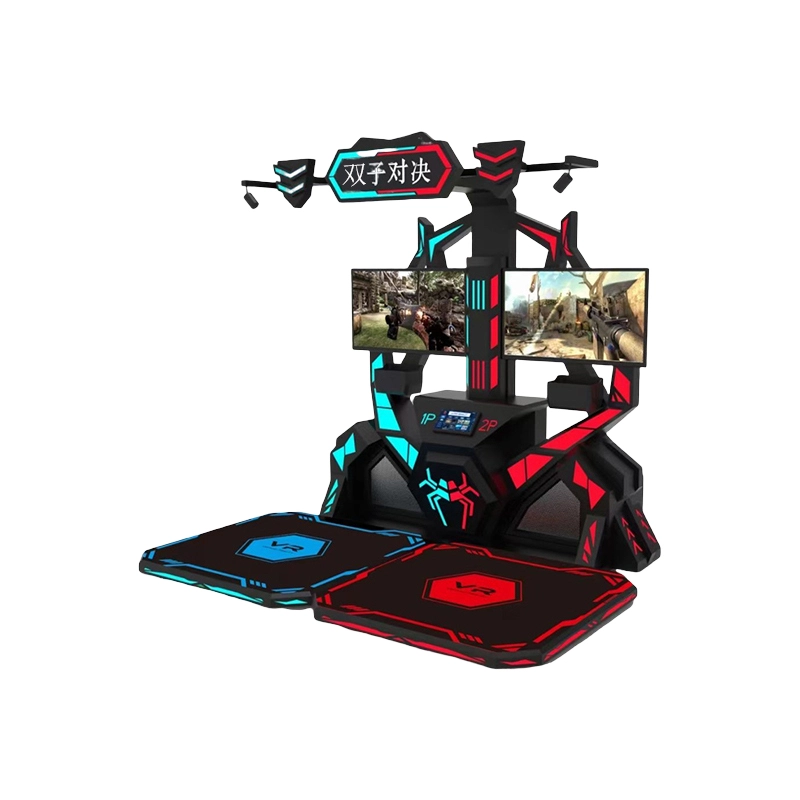
Marwey 2 Players Dual Screen Platform Arcade Game Shooting Simulator VR Machine for Commercial Theme Park
Marwey 2 Players Dual Screen Platform Arcade Game Shooting Simulator VR Machine for Commercial Theme Park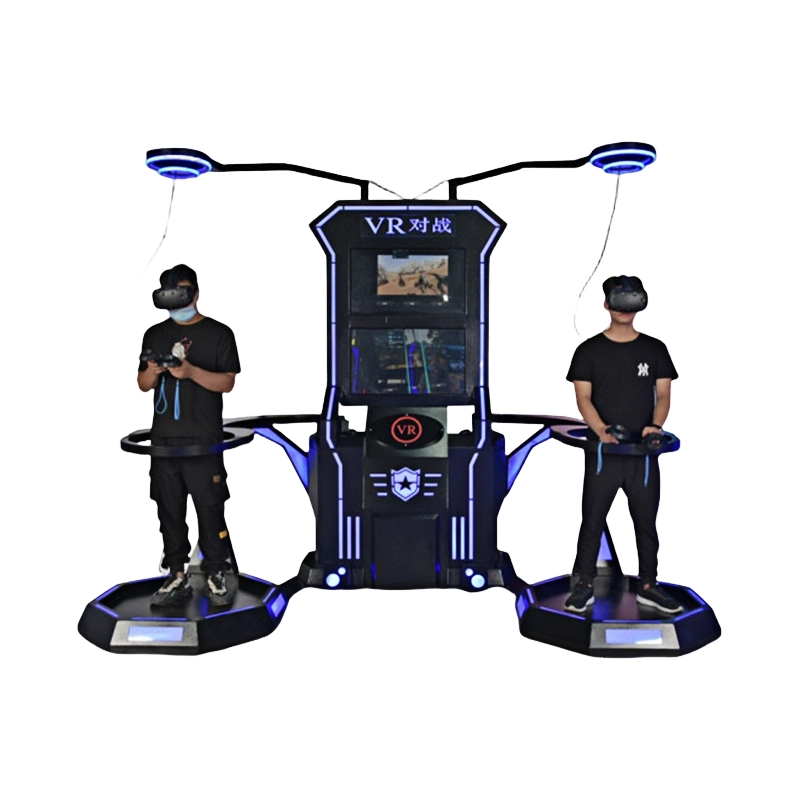
Marwey Immersive Entertainment 2 Players VR Game Console 9D Virtual Reality Platform Simulator
Marwey Immersive Entertainment 2 Players VR Game Console 9D Virtual Reality Platform Simulator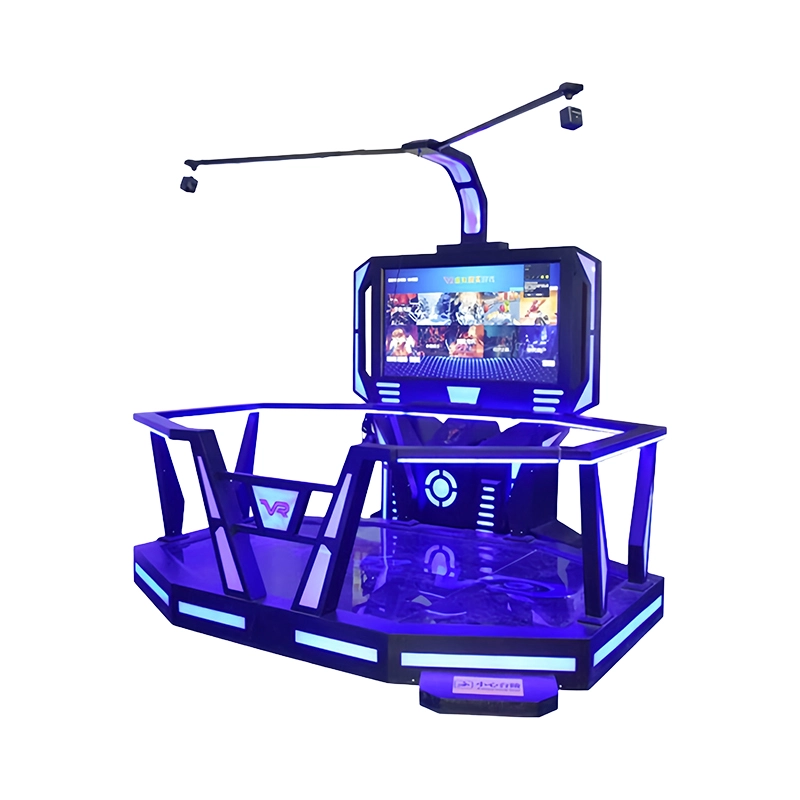
Marwey 9d Octave Space Vr Simulator Walking and Shooting Virtual Reality Game Platform for Sale
Marwey 9d Octave Space Vr Simulator Walking and Shooting Virtual Reality Game Platform for Sale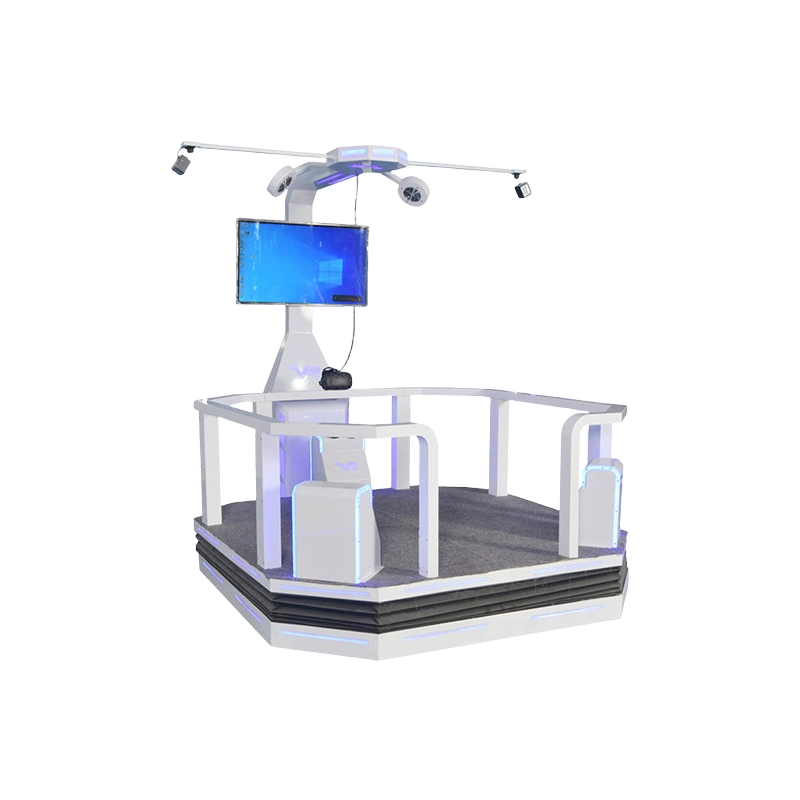
Marwey VR Dynamic Science Popularization Platform Commercial Virtual Reality Game Rides Simulator
Marwey VR Dynamic Science Popularization Platform Commercial Virtual Reality Game Rides Simulator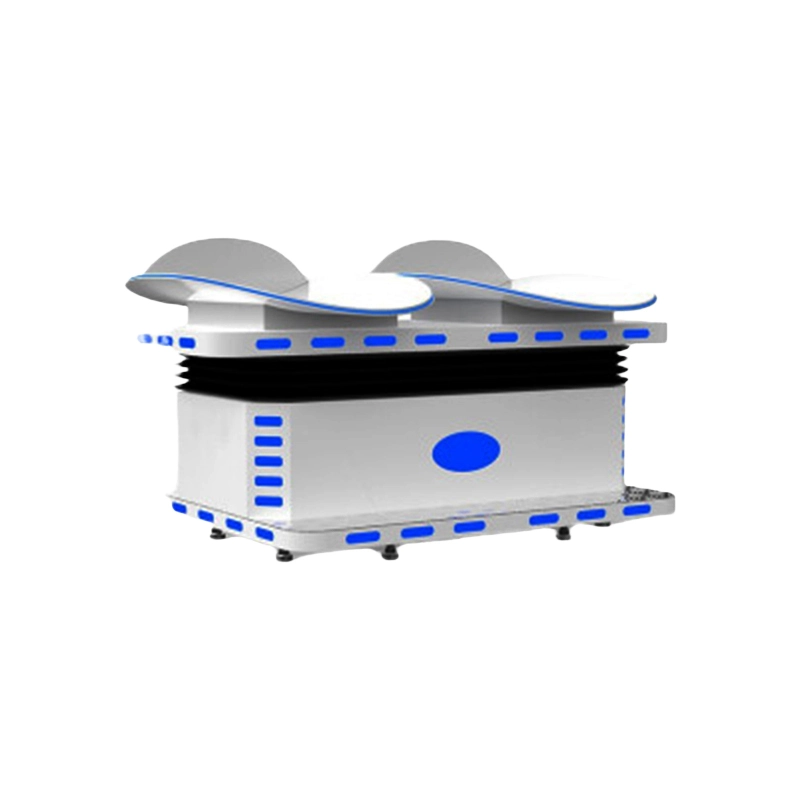
Marwey High Quality VR Skiing Simulator Double Seat Arcade Cinema Virtual Reality Slide Game Machine
Marwey High Quality VR Skiing Simulator Double Seat Arcade Cinema Virtual Reality Slide Game Machine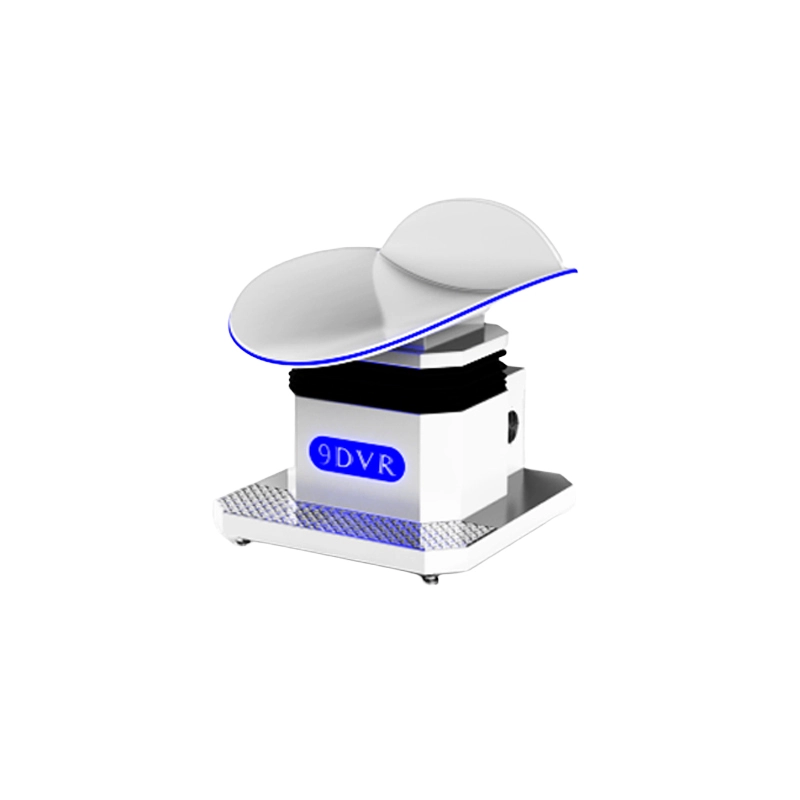
Marwey High Quality VR Skiing Simulator Single Seat Arcade Cinema Virtual Reality Slide Game Machine
Marwey High Quality VR Skiing Simulator Single Seat Arcade Cinema Virtual Reality Slide Game Machine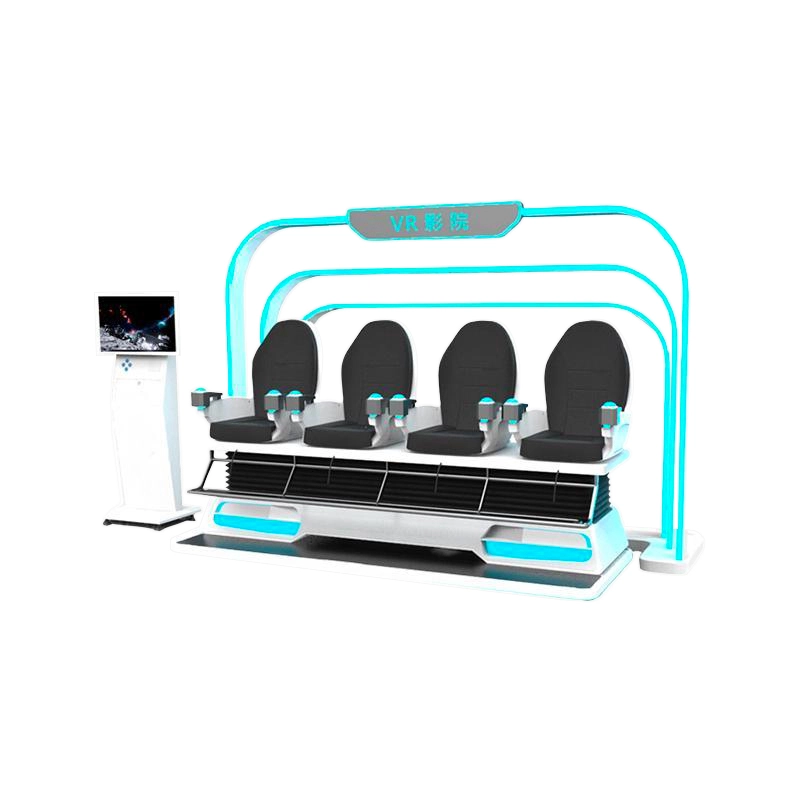
Marwey Hot Sale 4 Seats VR Amusement Equipment Virtual Reality Cinema Simulator Games Rides for VR
Marwey Hot Sale 4 Seats VR Amusement Equipment Virtual Reality Cinema Simulator Games Rides for VRWant to know more industry information?
If you have any comments or good suggestions, please leave us a message; later our professional staff will contact you as soon as possible.
◼ Contact MARWEY
WhatsApp: +86 189 2218 4260
Floor 2, Building E, Hengran Creative Park, Shixin Road, Panyu District, Guangzhou, Guangdong, China.
© 2025 MARWEY. All Rights Reserved.
MARWEY
MARWEY
MARWEY
MARWEY
MARWEY
MARWEY