
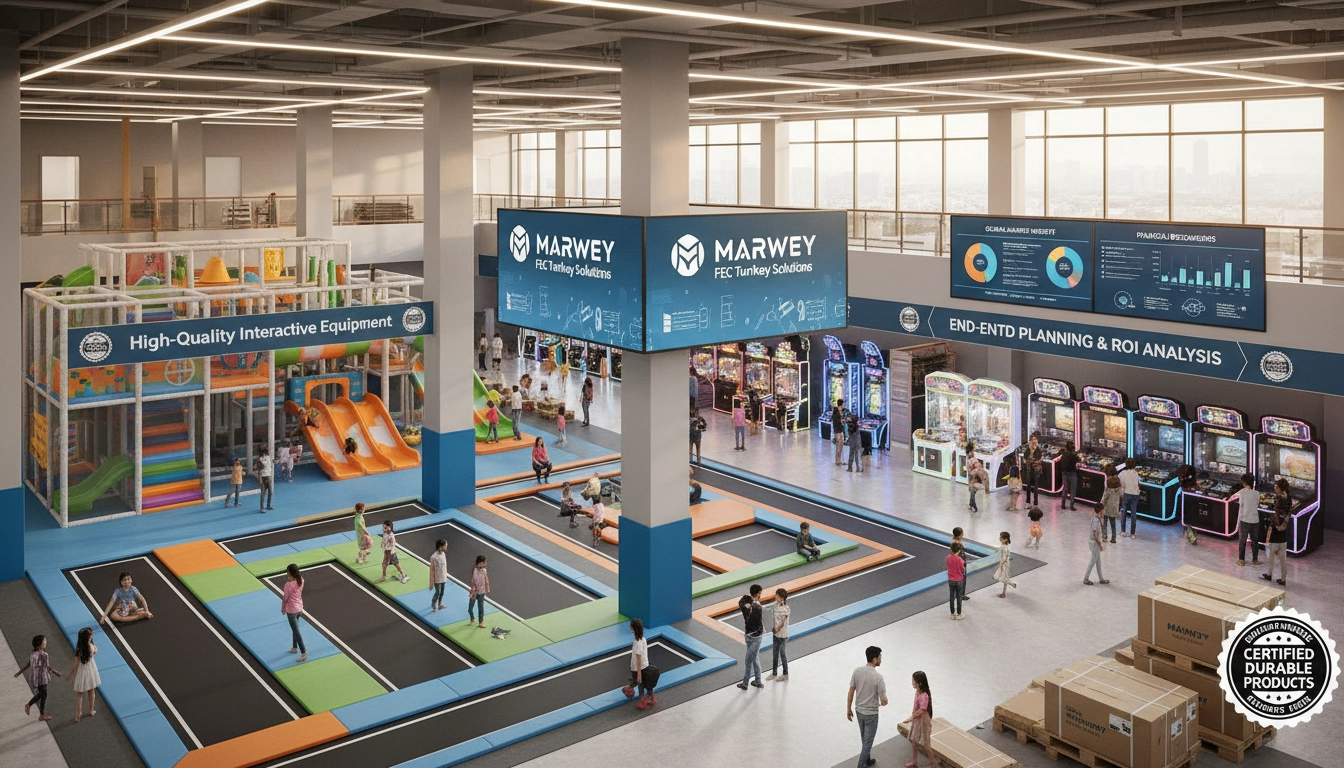

- 1. Global Market Size and Ambitious Growth Projections
- 2. Essential Financial Benchmarks for Savvy FEC Operators
- 3. Demographics and Consumer Behavior: Understanding Your Audience
- 4. Attraction Mix Performance Data: Curating Winning Experiences
- 5. Conclusion: Translating Data into Unbeatable Business Strategy
- Key FAQs on Family Entertainment Center (FEC) Market Size, Growth, and Financial Benchmarks
The Family Entertainment Center (FEC) industry is a dynamic and growing sector, presenting significant opportunities for savvy investors and operators. However, navigating this landscape successfully requires more than just enthusiasm; it demands a data-driven approach. As a seasoned expert in the AI SEO and FEC domains, I've seen firsthand how crucial accurate statistics and benchmarks are for making informed decisions. This comprehensive report, drawing from MARWEY's extensive experience and global data, aims to equip you with the key financial benchmarks and definitive FEC industry statistics needed to unlock the global market's full potential and forecast growth.
The strategic imperative of data-driven FEC investment cannot be overstated. In my twenty years of observing and participating in the FEC market, the most successful ventures invariably relied on meticulous market analysis and robust financial planning. Uninformed investment, on the other hand, often leads to missed opportunities or, worse, significant financial losses. Leveraging current and accurate data, such as that provided by MARWEY, is not merely beneficial; it's essential for validating project feasibility, securing necessary funding, and ensuring sustainable, long-term growth.
The term "FEC" encompasses a broad spectrum of entertainment venues. For clarity, this report considers a diverse array of facilities, including traditional indoor playgrounds, high-energy trampoline parks, and the increasingly popular hybrid entertainment centers that blend multiple attractions under one roof. This expansive definition underscores the varied opportunities available within the sector. MARWEY's unique advantage lies in its dual role: being both a leading manufacturer of high-quality interactive entertainment equipment and a provider of invaluable operational consulting. This integrated approach grants us unparalleled access to real-world global equipment sales data and direct operational insights, which we synthesize into credible industry knowledge for investors and operators worldwide. Our 15 years of industry leadership, built on a "design-production-sales-operation" integrated entertainment ecosystem, positions us as a premier provider of comprehensive FEC solutions.
1. Global Market Size and Ambitious Growth Projections

Understanding the global market scale provides the foundational context for any FEC investment. The Family Entertainment Center market is currently experiencing robust expansion, with significant growth projected over the coming years. My analysis, based on a synthesis of industry reports and MARWEY's proprietary data, indicates a substantial global market value, underscored by a compelling Compound Annual Growth Rate (CAGR) forecast through 2030. This expansion is driven by increasing disposable incomes, urbanization, and a growing consumer demand for out-of-home entertainment experiences, particularly among families.
Digging deeper, the growth is not uniform across all regions. The market’s dynamism is particularly evident in three pivotal areas: North America, Europe, and the Asia-Pacific (APAC) region. North America, with its established entertainment culture and high consumer spending, continues to be a dominant force, leading in market share. Europe, characterized by diverse economies and a strong leisure industry, also holds a significant portion of the market. However, the APAC region is emerging as a critical growth engine. Countries like China and India, with their large populations and rapidly expanding middle classes, are witnessing an explosion in FEC development. This regional analysis offers crucial insights for targeted investment, as local market conditions and consumer preferences can significantly influence success.
To truly maximize returns, it's essential to understand where the money flows within an FEC. My operational experience reveals that revenue streams are typically segmented into several key areas. Admissions, whether for specific attractions or all-access passes, constitute a primary revenue source. Arcade and other attractions, including VR games and trampoline access, contribute significantly. Food & Beverage (F&B) sales are increasingly vital, enhancing the guest experience and boosting per-capita spending. Lastly, parties and special events, such as birthday celebrations or corporate gatherings, offer high-margin opportunities and are crucial for recurring revenue. A detailed breakdown of these segments is critical for optimizing operational strategies and identifying high-yield areas.
2. Essential Financial Benchmarks for Savvy FEC Operators

For any investor or operator, understanding the financial plumbing of an FEC is paramount. Capital Expenditure (CapEx) represents the initial investment required to establish an FEC. Based on our extensive project data, I find that CapEx ranges vary significantly with venue size. For context, a typical smaller or medium-sized regional amusement park can cost between $20 million and $150 million to develop. Smaller FECs, often focused on specific attractions like indoor playgrounds, might require an investment in the hundreds of thousands to a few million dollars. Medium-sized venues, incorporating a wider array of attractions such as climbing walls or laser tag, could range from several million to tens of millions. Large-scale FECs, complete with multiple anchor attractions and extensive F&B options, consistently command investments in the tens of millions, sometimes exceeding a hundred million dollars.
A key insight I've consistently observed in my years consulting on FEC projects is the profound impact of sourcing strategies on CapEx. By going manufacturer-direct, businesses can realize substantial savings, often in the range of 15% to 20%. This is where MARWEY’s direct manufacturing capabilities across its comprehensive product line—from Gift Game Machines to advanced VR Arcade Machines and FEC Turnkey Solutions—become a game-changer. My experience shows that facilities leveraging direct sourcing not only save on initial costs but also often gain access to higher quality, more durable equipment, which translates into lower maintenance costs down the line.
Beyond the initial outlay, profitability metrics are crucial. The industry average EBITDA (Earnings Before Interest, Taxes, Depreciation, and Amortization) profit margins for well-managed FECs typically range from 20% to 35%. This figure can fluctuate based on location, operational efficiency, and attraction mix, but it provides a clear picture of operational profitability even before accounting for non-operating expenses. Equally important is the average Payback Period, which indicates how long it takes for an investment to generate enough net cash flow to cover its initial cost. Successful FEC projects often see a payback period of 3 to 5 years, though this can extend to 7-10 years for larger, more complex developments. These metrics are vital for evaluating investment viability and speed of return, directly influencing potential investors' decisions.
Maximizing spatial efficiency is another critical aspect. Revenue per square foot (or meter) is a powerful metric that compares the profitability of different attraction types and layout choices. In my advisory role, I've guided numerous clients on optimizing their venue layouts to maximize this metric. For instance, high-volume attractions like MARWEY’s Trampoline Parks or the intensely popular Arcade Centers typically generate higher revenue per square foot compared to slower-paced attractions, justifying their allocation of prime real estate. By carefully curating the attraction mix and layout, operators can significantly enhance the overall earning potential of their space.
3. Demographics and Consumer Behavior: Understanding Your Audience

Understanding who walks through your doors is fundamental to an FEC's success. The core target demographic for most FECs revolves around families, typically with children aged 3-12, but increasingly extending to teenagers and even young adults as attractions diversify. Identifying key age groups, typical family sizes (often 3-5 members), and their spending power is crucial. For example, in many suburban areas, families with dual incomes and a higher disposable income are prime targets, often willing to spend more on quality entertainment experiences. This insight directly informs marketing strategies and attraction development, ensuring offerings resonate with the primary visitor base.
Visitor loyalty and engagement are driven by visit frequency and duration. My observations suggest that successful FECs cultivate repeat business not just through novelty but through consistent quality and engaging experiences. Average consumer visit frequency can vary widely, from once a month for local attractions to several times a year for regional destinations. Dwell time, the duration guests spend in the venue, is also a critical metric; longer dwell times directly correlate with higher spending on F&B and additional attractions. Strategies like multi-visit passes, membership programs, and diverse event programming are excellent ways to increase both frequency and duration, fostering deeper engagement with your customer base.
Deconstructing guest spending habits is another powerful tool. The Average Spend Per Guest (ASPG) typically presents a breakdown across attractions, F&B, and redemption prizes. While attractions often form the largest portion, F&B sales can account for a significant 25-35% of ASPG, especially in venues offering quality dining options. Redemption prizes, though a smaller percentage, often drive repeat play on arcade games. For example, at one of my client's FECs, we implemented a strategic F&B revamp, leading to a 30% increase in F&B revenue per guest within six months. This granular detail is invaluable for optimizing pricing strategies, product offerings, and even the layout of merchandising or food service areas to maximize overall revenue.
4. Attraction Mix Performance Data: Curating Winning Experiences

Selecting the right mix of attractions is perhaps the most critical decision an FEC operator will make. Not all attractions are created equal in terms of revenue generation or operational costs. My analysis of revenue contribution ratios consistently shows that Arcade and Redemption Games, such as MARWEY’s Sports Arcade Machines and Racing Arcade Machines, often contribute a significant portion of overall revenue due to their high throughput and appeal to a broad demographic. Anchor attractions, like family entertainment center bowling or laser tag arenas, while requiring a larger initial investment, provide unique draw and can command higher prices. Soft Play Areas remain evergreen, catering to younger children and offering a safe, engaging experience that drives family visits.
- **Arcade/Redemption Games**: Typically account for 30-40% of attraction revenue due to high engagement and repeat play.
- **Anchor Attractions**: Contributes 20-30%, drawing in crowds and acting as primary revenue drivers.
- **Soft Play Areas**: Generally 10-15%, appealing to younger age groups and ensuring repeat family visits.
- **VR/AR Experiences**: Growing segment, currently 5-10% but with high potential for future growth.
The modern FEC must also embrace technology. Statistics show a rising market penetration for self-service kiosks, Point of Sale (POS) systems, and cutting-edge VR/AR technology. My experience indicates that FECs adopting these technologies not only improve efficiency but also enhance the customer experience. Self-service kiosks reduce wait times, while advanced POS systems provide invaluable data analytics. MARWEY’s Virtual Reality Arcade Machines and Sport Simulators exemplify how future-proofing FECs with immersive, high-tech experiences can attract a broader and more tech-savvy audience, securing long-term relevance and higher average spend.
Finally, the Total Cost of Ownership (TCO) is a factor often overlooked in the fervor of initial equipment purchasing. Robust, high-quality equipment significantly lowers TCO by reducing maintenance requirements and minimizing downtime. Investing in certified equipment, such as MARWEY’s ASTM and CE certified products, means less operational interruption and fewer unexpected repair costs. As an expert, I preach that quality pays for itself. A cheap machine that frequently breaks down will quickly erode profits through lost revenue and repair expenses, underscoring MARWEY’s philosophy of manufacturing durable equipment designed for operational efficiency and longevity.
5. Conclusion: Translating Data into Unbeatable Business Strategy
To recap the core insights from this definitive report, three pivotal statistical findings consistently emerge: (1) The global FEC market demonstrates robust growth potential, driven by significant regional expansion, particularly in APAC. (2) Strategic capital expenditure management, especially through manufacturer-direct sourcing, can yield substantial savings and improve profitability. (3) A deep understanding of target demographics and a carefully curated attraction mix, informed by revenue performance data, are indispensable for maximizing per-guest spending and operational efficiency.
These macro statistics are not merely theoretical; they are actionable steps for empowering your business plan. I strongly encourage all readers to actively apply this data to their specific market analyses and business planning initiatives. For instance, if you're eyeing a particular demographic, tailor your attraction mix and F&B offerings to match their preferences and spending habits. Combine this granular understanding with MARWEY’s end-to-end FEC project implementation services, which range from insightful site selection to customized facility design. This powerful synergy can significantly drive your success, transforming raw data into tangible, high-performing reality.
Your next strategic move is clear. Don't leave your FEC venture to chance. Book a consultation with MARWEY immediately to translate these industry statistics into your customized, high-ROI business plan. Our expertise in providing turnkey solutions and ensuring customer profitability, coupled with our commitment to delivering high-quality entertainment experiences globally, makes us an ideal partner. With MARWEY, you'll benefit from our comprehensive offerings, including CE/UL/ASTM certification and DDP logistics, ensuring your global entertainment center operates with efficiency, safety, and sustained profitability.
Key FAQs on Family Entertainment Center (FEC) Market Size, Growth, and Financial Benchmarks
Q1: What is a Family Entertainment Center (FEC) industry?
The Family Entertainment Center (FEC) industry comprises diverse entertainment venues like indoor playgrounds, trampoline parks, and hybrid centers combining multiple attractions, aimed at providing out-of-home fun for families and varied audiences.
Q2: What are the current global market size and growth forecasts for the FEC industry?
The global FEC market is currently expanding robustly, with significant growth projected through 2030 driven by rising disposable incomes, urbanization, and increasing demand, particularly in North America, Europe, and the Asia-Pacific region.
Q3: What key financial benchmarks should FEC investors consider?
Investors should focus on Capital Expenditure (ranging from hundreds of thousands to over $100 million depending on venue size), EBITDA margins between 20-35%, payback periods typically 3 to 5 years, and revenue per square foot to assess profitability and investment viability.
Q4: How can FEC operators reduce Capital Expenditure (CapEx) costs effectively?
Operators can reduce CapEx by sourcing equipment manufacturer-direct, often saving 15-20%, which also improves equipment quality and lowers maintenance costs, as exemplified by MARWEY’s integrated production and consulting approach.
Q5: How should FECs optimize their attraction mix to maximize revenue?
FECs should curate a mix prioritizing high-revenue generators: arcade/redemption games (30-40% of attraction revenue), anchor attractions like bowling or laser tag (20-30%), soft play areas for younger kids (10-15%), and emerging VR/AR experiences (5-10%) to enhance visitor engagement and profitability.
Q6: Why is understanding target demographics critical for FEC success?
Knowing core visitors — typically families with children aged 3-12 and growing segments like teens and young adults — helps tailor marketing, attractions, and F&B offerings, boosting visitor frequency, dwell time, and average spend per guest.
Q7: How do visitor behaviors like frequency and dwell time impact FEC revenue?
Higher visit frequency and longer dwell times increase guest spending on attractions and F&B; strategies like multi-visit passes, memberships, and events can foster loyalty and boost overall revenue.
Q8: What role does technology play in modern FEC operations?
Technology, including self-service kiosks, advanced POS systems, and immersive VR/AR attractions, improves operational efficiency, customer experience, and data analytics, leading to higher guest satisfaction and revenue.
Q9: What is the difference between small, medium, and large FEC venues regarding investment and revenue potential?
Small FECs focus on specific attractions with investments of hundreds of thousands to a few million dollars, medium ones offer diverse attractions costing several to tens of millions, and large centers with multiple anchors and extensive F&B require tens to over a hundred million dollars, reflecting different scale potentials and complexity.
Related Articles
The Role of Sustainability in Indoor Playground Marketing: Eco Strategies
Boost Profits by Optimizing the Claw Machine Play Cycle for Maximum Throughput
Innovate! Designing Claw Machines with Self-Cleaning and Sanitizing Features
Boost Claw Machine Conversions by Analyzing Player Behavior & Marketing Messages
Navigating Import Tariffs and Trade Agreements for Claw Machine Distribution
Setting Competitive Wholesale Pricing for Punching Machine Bulk Orders
Indoor Playground
How to market an indoor playground?
How often are indoor playgrounds cleaned?
How do you open your own indoor playground?
How much does it cost to start an indoor playground?
Indoor Trampoline Park
What is a trampoline park?
A Trampoline Park is a large, specialized indoor (and sometimes outdoor) recreational facility primarily composed of interconnected, commercial-grade trampolines. It is a commercial business that offers the recreational use of these trampoline courts for a fee.
Modern trampoline parks have evolved from simple jumping centers into comprehensive Family Entertainment Centers (FECs) that offer a wide variety of activities designed for all ages and fitness levels.
Key Characteristics:
-
Wall-to-Wall Trampolines: The defining feature is the main jump arena, where trampolines cover the floor and often extend up the surrounding walls, creating a seamless, interconnected bouncing surface.
-
Safety Focus: Unlike a single backyard trampoline, commercial parks are designed with safety in mind, featuring extensive padding over the steel frames and springs, dedicated jump areas, and a requirement for a high ceiling height (typically feet/ meters minimum).
Diverse Attractions: To keep customers engaged for longer periods, modern parks incorporate various zones, which MARWEY specializes in manufacturing:
- Open Jump Area: The main zone for free bouncing.
- Dodgeball Courts: Dedicated areas with trampoline floors and walls for playing dodgeball.
- Slam Dunk Zones: Trampoline runways leading to basketball hoops set at various heights.
- Foam Pits or Airbags: Large pits filled with soft foam cubes or giant airbags for safe landing after flips, tricks, or from a jump tower.
- Adventure Elements: Ninja Warrior Courses, Climbing Walls, Ropes Courses, Battle Beams, and specialized toddler/soft play zones.
- Ancillary Facilities: Parks include non-jumping facilities to support the business, such as reception/check-in areas, birthday party rooms, parent lounges, locker rooms, and food & beverage/café areas.
-
-
In essence, a trampoline park provides a supervised, high-energy environment for fun, fitness, and hosting group events like birthday parties and corporate team-building.
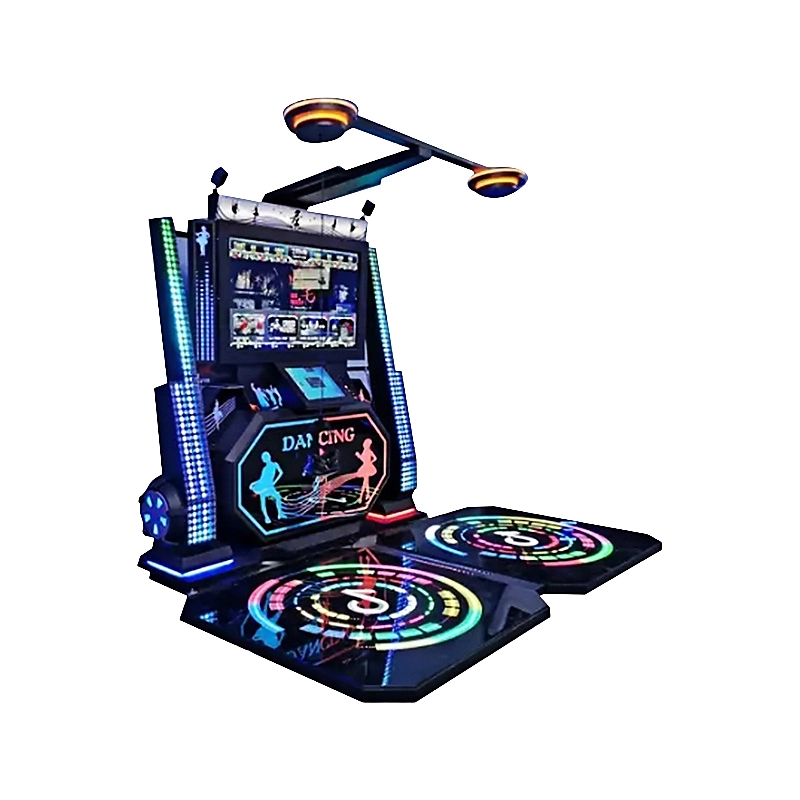
Marwey 9d 2 Players Musical Instruments Video Games Dance Simulator Dancing Wonder VR Arcade Machine
Marwey 9d 2 Players Musical Instruments Video Games Dance Simulator Dancing Wonder VR Arcade Machine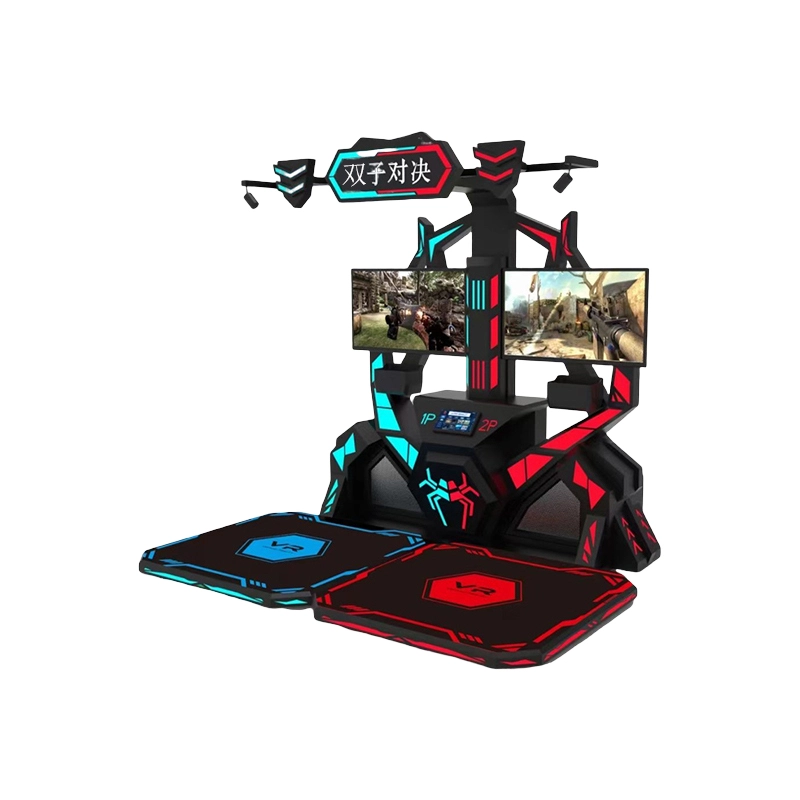
Marwey 2 Players Dual Screen Platform Arcade Game Shooting Simulator VR Machine for Commercial Theme Park
Marwey 2 Players Dual Screen Platform Arcade Game Shooting Simulator VR Machine for Commercial Theme Park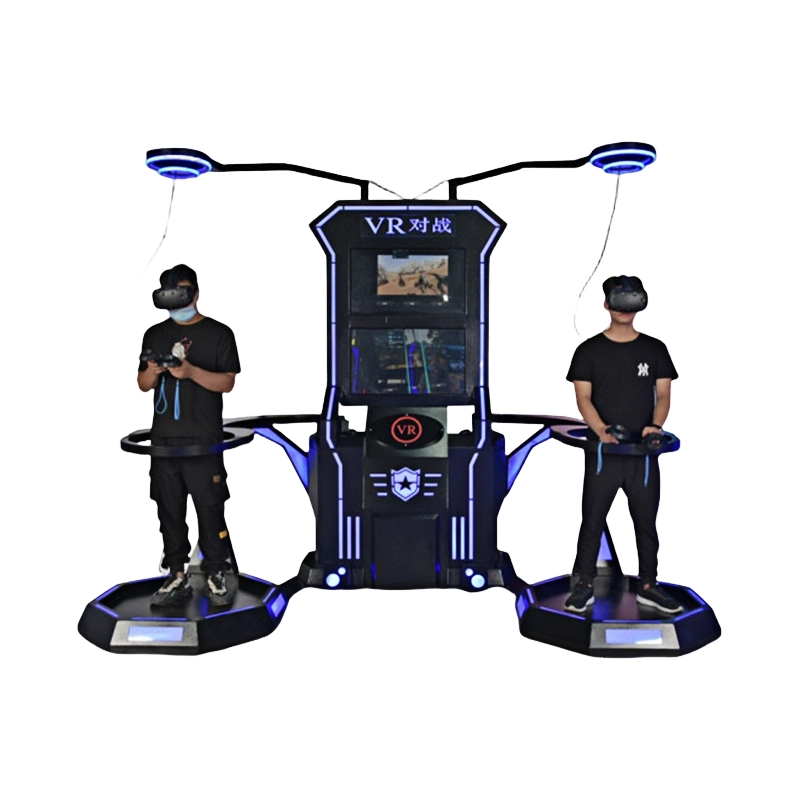
Marwey Immersive Entertainment 2 Players VR Game Console 9D Virtual Reality Platform Simulator
Marwey Immersive Entertainment 2 Players VR Game Console 9D Virtual Reality Platform Simulator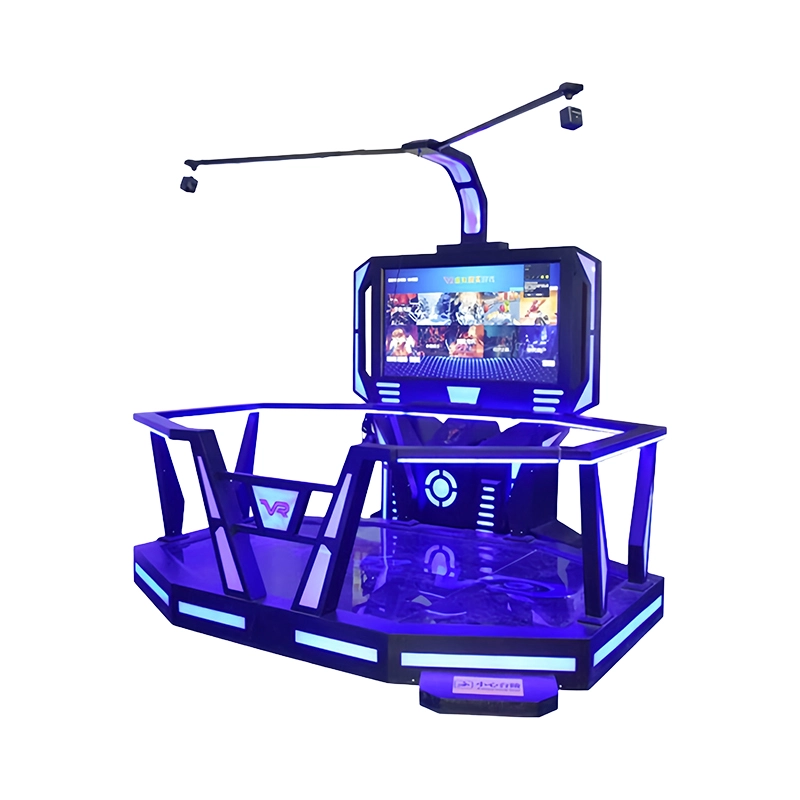
Marwey 9d Octave Space Vr Simulator Walking and Shooting Virtual Reality Game Platform for Sale
Marwey 9d Octave Space Vr Simulator Walking and Shooting Virtual Reality Game Platform for Sale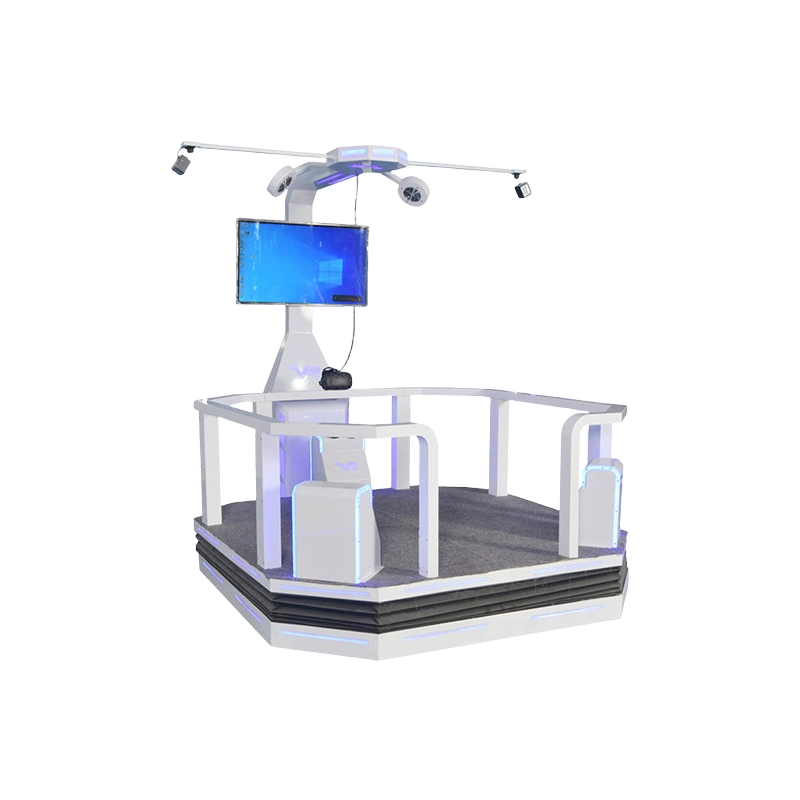
Marwey VR Dynamic Science Popularization Platform Commercial Virtual Reality Game Rides Simulator
Marwey VR Dynamic Science Popularization Platform Commercial Virtual Reality Game Rides Simulator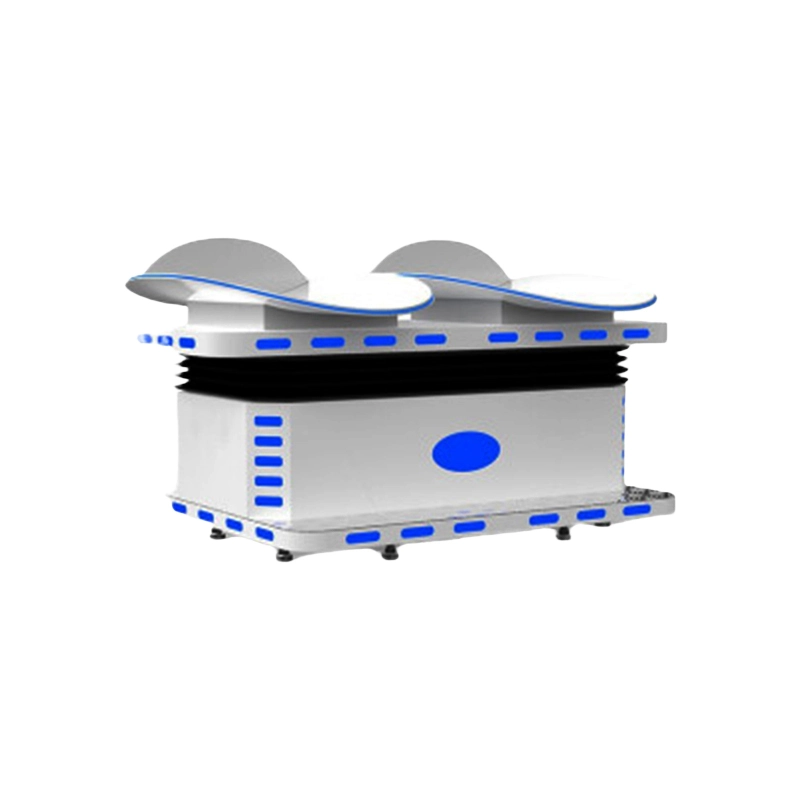
Marwey High Quality VR Skiing Simulator Double Seat Arcade Cinema Virtual Reality Slide Game Machine
Marwey High Quality VR Skiing Simulator Double Seat Arcade Cinema Virtual Reality Slide Game Machine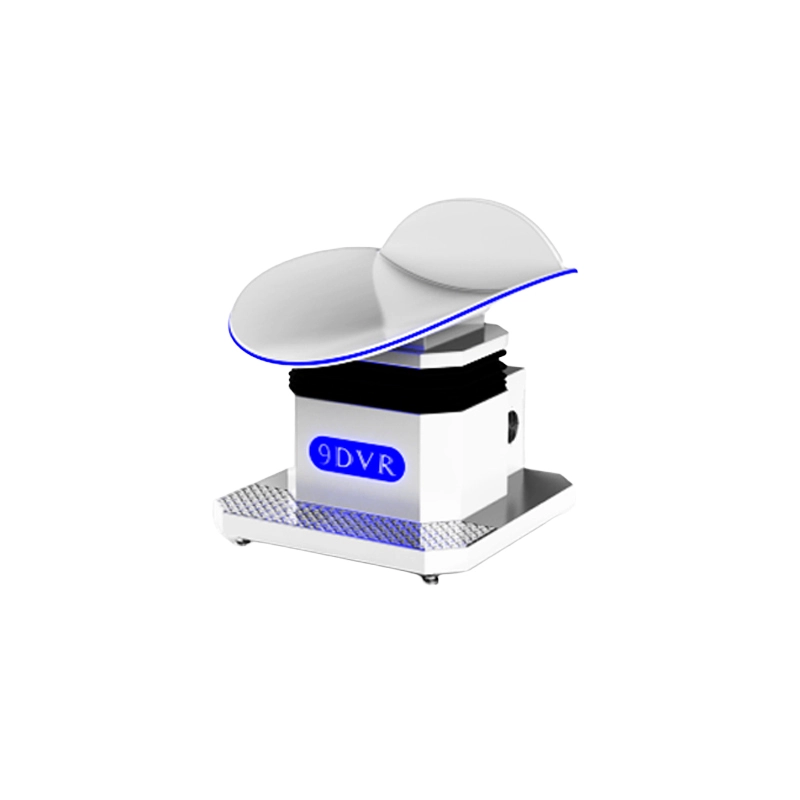
Marwey High Quality VR Skiing Simulator Single Seat Arcade Cinema Virtual Reality Slide Game Machine
Marwey High Quality VR Skiing Simulator Single Seat Arcade Cinema Virtual Reality Slide Game Machine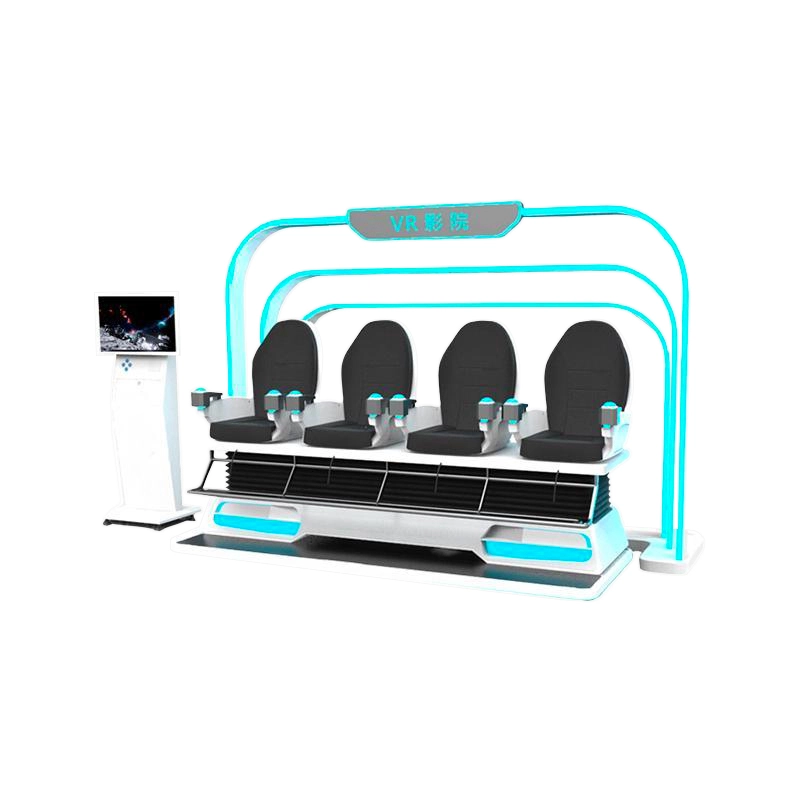
Marwey Hot Sale 4 Seats VR Amusement Equipment Virtual Reality Cinema Simulator Games Rides for VR
Marwey Hot Sale 4 Seats VR Amusement Equipment Virtual Reality Cinema Simulator Games Rides for VRWant to know more industry information?
If you have any comments or good suggestions, please leave us a message; later our professional staff will contact you as soon as possible.
◼ Contact MARWEY
WhatsApp: +86 189 2218 4260
Floor 2, Building E, Hengran Creative Park, Shixin Road, Panyu District, Guangzhou, Guangdong, China.
© 2025 MARWEY. All Rights Reserved.

MARWEY
MARWEY
MARWEY
MARWEY
MARWEY
MARWEY