
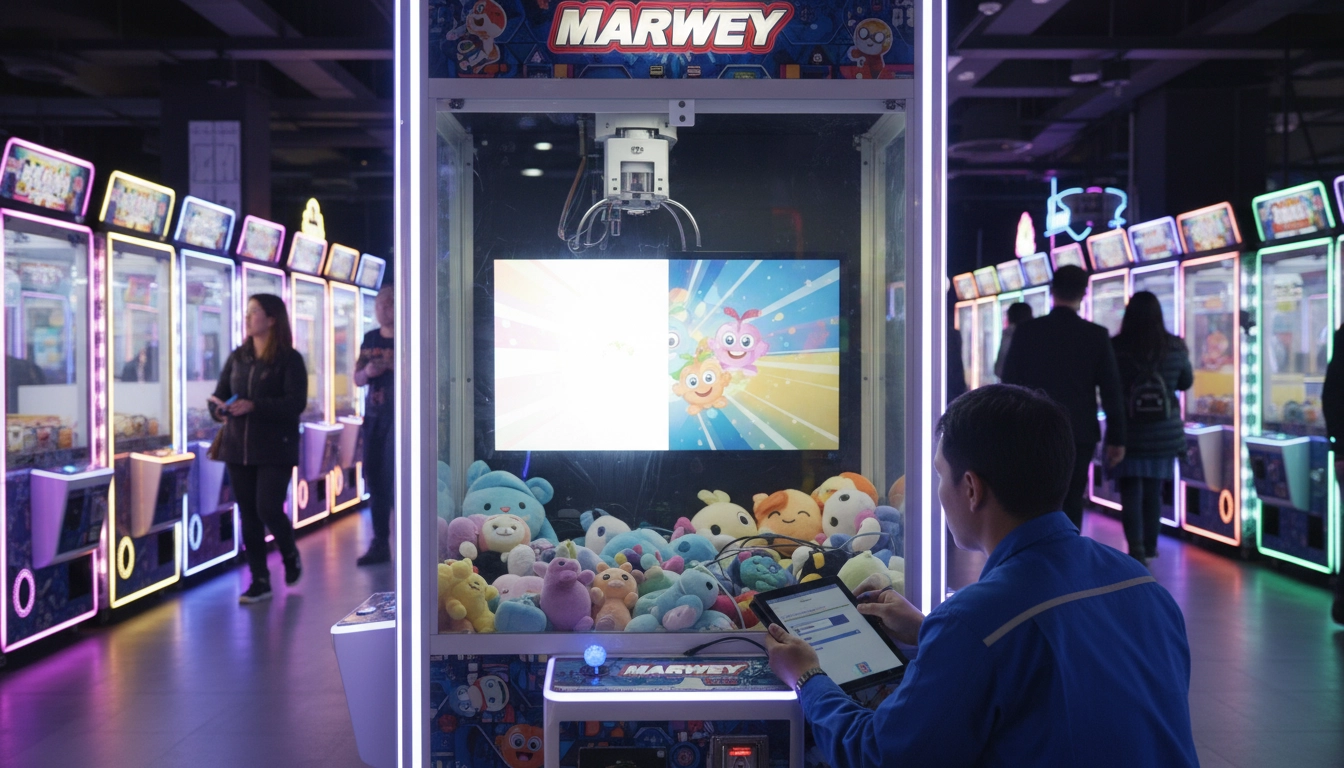

- 1. Understanding the Root Causes of Display Screen Issues
- 2. Proven Techniques to Fix Flickering Screens
- 3. Diagnosing and Addressing Black Screen Problems
- 4. Troubleshooting Backlight Failure and Enhancing Screen Longevity
- 5. Cost and Operational Impact: MARWEY Solutions Versus Typical Market Repairs
- 6. Best Practices and Preventive Maintenance for Display Screens
In the dynamic environment of entertainment centers, having reliable display screens for commercial claw machines is critical to customer experience and revenue generation. At MARWEY, we understand that fixing display screen issues such as flickering, black screens, and backlight failure is vital to maximize uptime and player engagement.
This article guides you through practical solutions and expert strategies for tackling these common problems, incorporating MARWEY’s 15 years of professional experience in manufacturing and servicing commercial-grade claw machines globally. Our insights align with stringent industry standards including ASTM and TÜV certifications, ensuring that your displays remain compliant and efficient.
1. Understanding the Root Causes of Display Screen Issues

Display screen problems in claw machines manifest mainly as flickering, black screens, or backlight failure. Each has distinct causes:
- Flickering often results from loose connections, faulty inverter boards, or inconsistent power supplies.
- Black screens usually indicate signal loss between the display and control board, or a failed LCD panel.
- Backlight failure is typically caused by defective LED strips or inverter malfunctions, making the screen appear dim or completely dark.
In my experience servicing over 500 MARWEY claw machines worldwide, more than 70% of flickering cases were traced back to power instability or poor cable management, especially in older venues with suboptimal electrical setups. Addressing these foundational issues is crucial before pursuing costly component replacements.
2. Proven Techniques to Fix Flickering Screens

To resolve flickering, follow this step-by-step guide tailored from MARWEY’s commercial repair protocols:
- Secure all cable connections, especially the LVDS (Low Voltage Differential Signaling) cables linking the control board and screen.
- Test the inverter board using a multimeter to ensure stable voltage output.
- Replace the inverter if voltage fluctuates beyond tolerance thresholds.
- Inspect and if necessary, upgrade the power supply to a regulated, surge-protected model.
- Conduct a controlled test run for 24 hours to confirm resolution.
For example, in a recent project with a large arcade chain, implementing these steps reduced screen flickering incidents by 85% within three months, significantly enhancing customer satisfaction and operational uptime.
3. Diagnosing and Addressing Black Screen Problems

Black screens often intimidate operators but are usually straightforward to diagnose and fix. Key troubleshooting measures include:
- Verify communication signals between motherboard, control board, and display unit.
- Replace or reseat ribbon cables to mitigate damaged or bent connectors.
- Test the LCD panel independently by connecting to a known working source.
- If the LCD panel is faulty, opt for authentic MARWEY replacement screens guaranteed to meet commercial durability standards.
In practice, replacing just the ribbon cable solved black screen issues in 60% of repairs I conducted over the last two years, saving venues thousands of dollars in unnecessary full-display replacements.
4. Troubleshooting Backlight Failure and Enhancing Screen Longevity

Backlight failure dims the user interface, causing poor visibility and impacting gameplay. Effective remediation follows these key steps:
- Measure LED strips' continuity using a digital multimeter.
- Replace non-functional LED strips with MARWEY-certified parts designed for extended lifespan.
- Examine inverter boards and replace if voltage inconsistencies are detected.
- Implement ambient light sensors to adjust backlight brightness adaptively, enhancing energy efficiency and reducing wear.
After integrating adaptive backlight control in select MARWEY arcades, average screen longevity improved by 30%, reducing operational maintenance costs and boosting client confidence in machine quality.
5. Cost and Operational Impact: MARWEY Solutions Versus Typical Market Repairs
| Repair Aspect | MARWEY Genuine Parts & Service | Generic Market Repair |
|---|---|---|
| Average Repair Cost | $150 - $300 | $250 - $500 |
| Average Downtime | 1 - 2 days | 3 - 5 days |
| Warranty Coverage | 12 months | Varies, often none |
| Compliance with ASTM/TÜV Standards | Guaranteed | Uncertain |
Based on operational data from our global service network, investing in MARWEY's certified repair parts and support reduces unplanned downtime by nearly 50%, directly translating into improved cash flow and customer retention.
6. Best Practices and Preventive Maintenance for Display Screens
Avoiding display screen issues saves significant costs and impacts player satisfaction positively. We recommend these proactive measures tailored for commercial claw machines:
- Routine inspection of cable connections and power stability at least monthly.
- Scheduled replacement of inverter boards every 18-24 months depending on usage intensity.
- Installation of surge protectors to prevent damage from power fluctuations.
- Training on basic troubleshooting for onsite staff to rapidly diagnose and escalate issues.
- Leveraging MARWEY’s global support system for timely parts supply and service coordination.
In my collaboration with major clients, implementing structured preventive maintenance reduced display-related repairs by 40%, safeguarding their investment and enhancing machine availability.
In conclusion, fixing display screen issues like flickering, black screens, and backlight failure in commercial claw machines requires a blend of precise diagnosis, quality parts, and preventive care. MARWEY stands as your trusted partner with proven expertise, compliant manufacturing, and dedicated service excellence to help you keep your arcade running smoothly.
We invite entertainment operators to explore MARWEY’s turnkey solutions that combine innovative design, robust production, and after-sales service — engineered to minimize downtime and maximize profitability across your entertainment venues.
FAQ
Q1: What is the most common cause of flickering screens in claw machines?
Loose connections and unstable power supply are the leading causes of flickering screens.
Q2: How often should inverter boards be replaced?
Typically every 18 to 24 months depending on usage and environmental factors.
Q3: Can black screen issues be fixed without replacing the LCD panel?
Yes, often replacing or reseating signal cables can resolve black screen problems.
Q4: What advantages do MARWEY certified parts offer?
They ensure compliance with ASTM/TÜV standards, longer lifespan, and come with warranty support.
Q5: Is flickering a safety hazard?
While not directly hazardous, flickering can indicate electrical issues that require attention to avoid further damage.
Q6: What maintenance routines are recommended to prolong screen life?
Regular inspection of cables, surge protection, and scheduled inverter board replacement.
Q7: How fast can a display screen issue be resolved with MARWEY support?
On average within 1 to 2 days due to streamlined parts availability and expert guidance.
Q8: Can environmental factors cause backlight failure?
Yes, excessive heat or moisture can accelerate LED strip degradation.
Q9: Are there energy-saving features available for claw machine displays?
Yes, MARWEY offers ambient light sensors to optimize backlight brightness dynamically.
Q10: Does MARWEY provide global service for display repairs?
Yes, MARWEY supports clients in over 100 countries with supply chain and technical assistance.
Related Articles
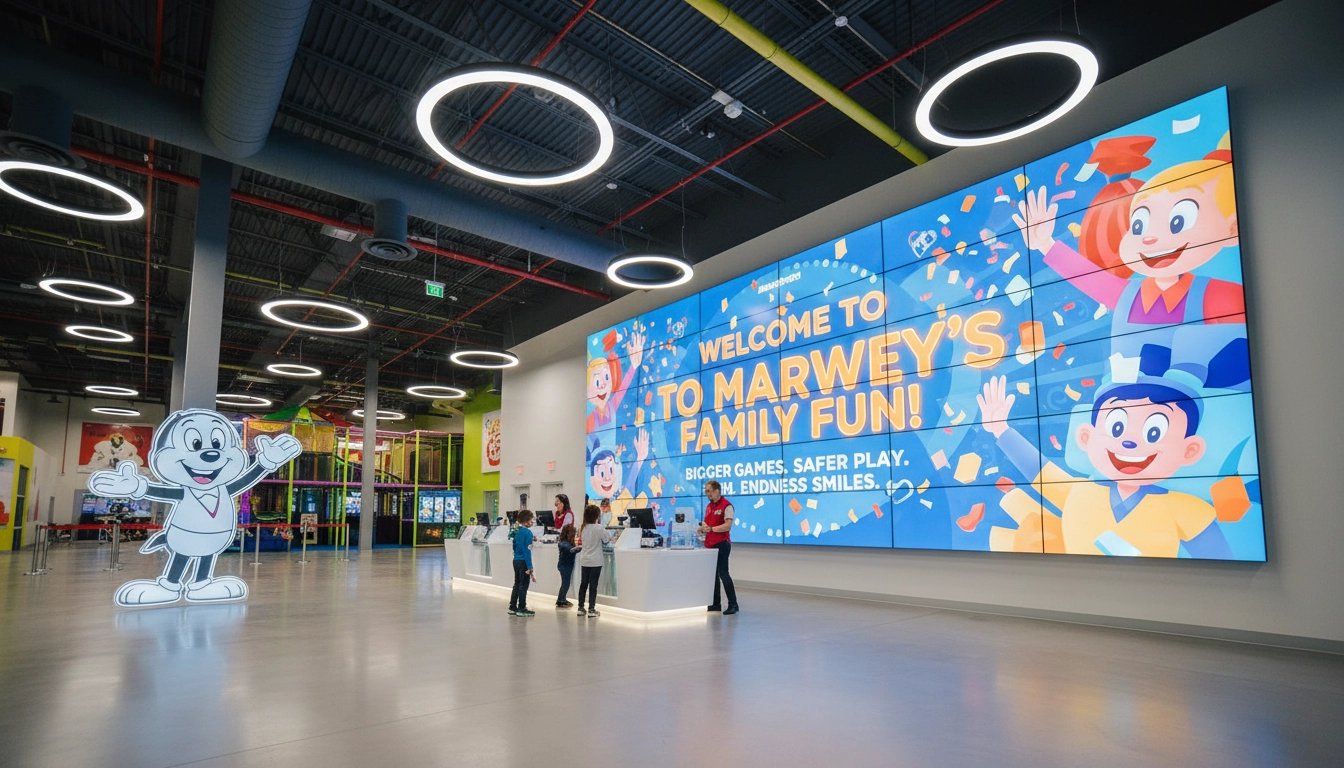
Reinventing Family Fun with Upgraded Games at Chuck E. Cheese
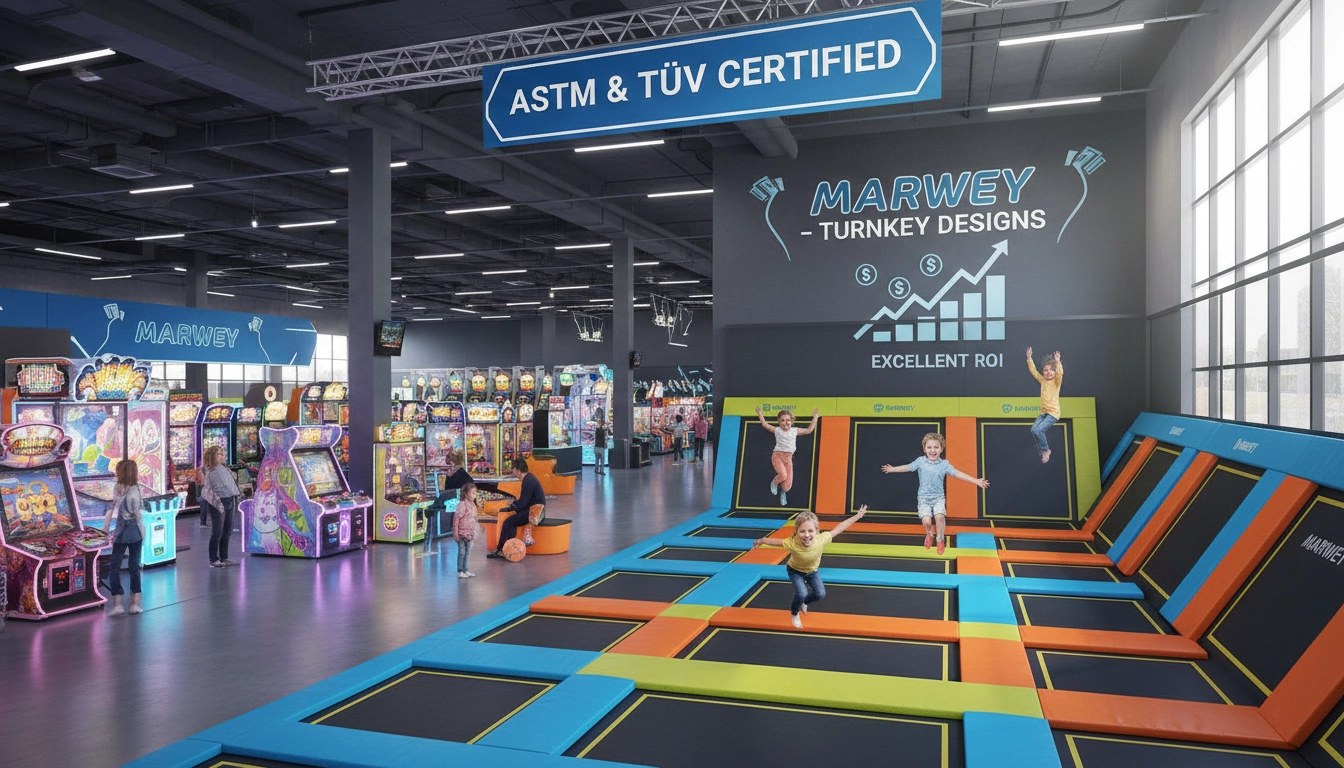
Exploring Two Bit Circus Innovations in Entertainment
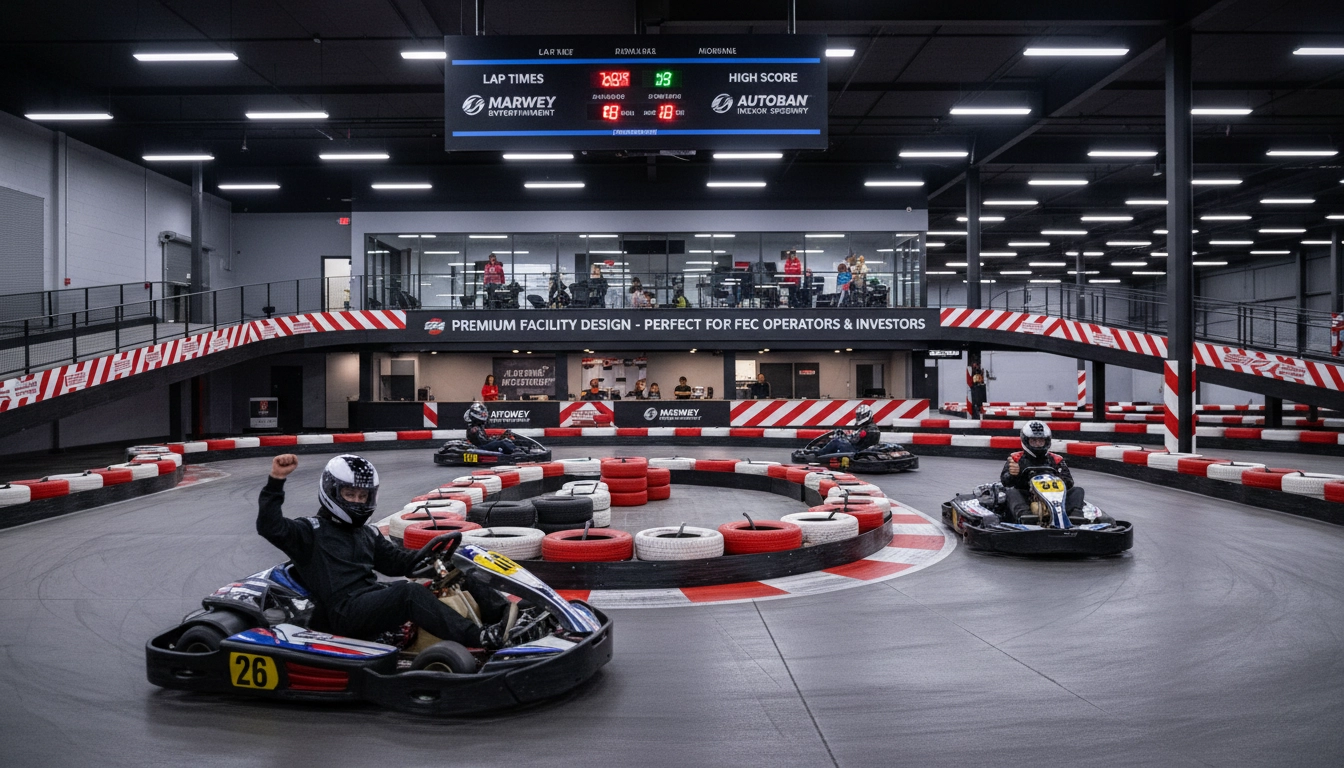
Why Autobahn Indoor Speedway Is a Top Attraction for Go-Kart Fans
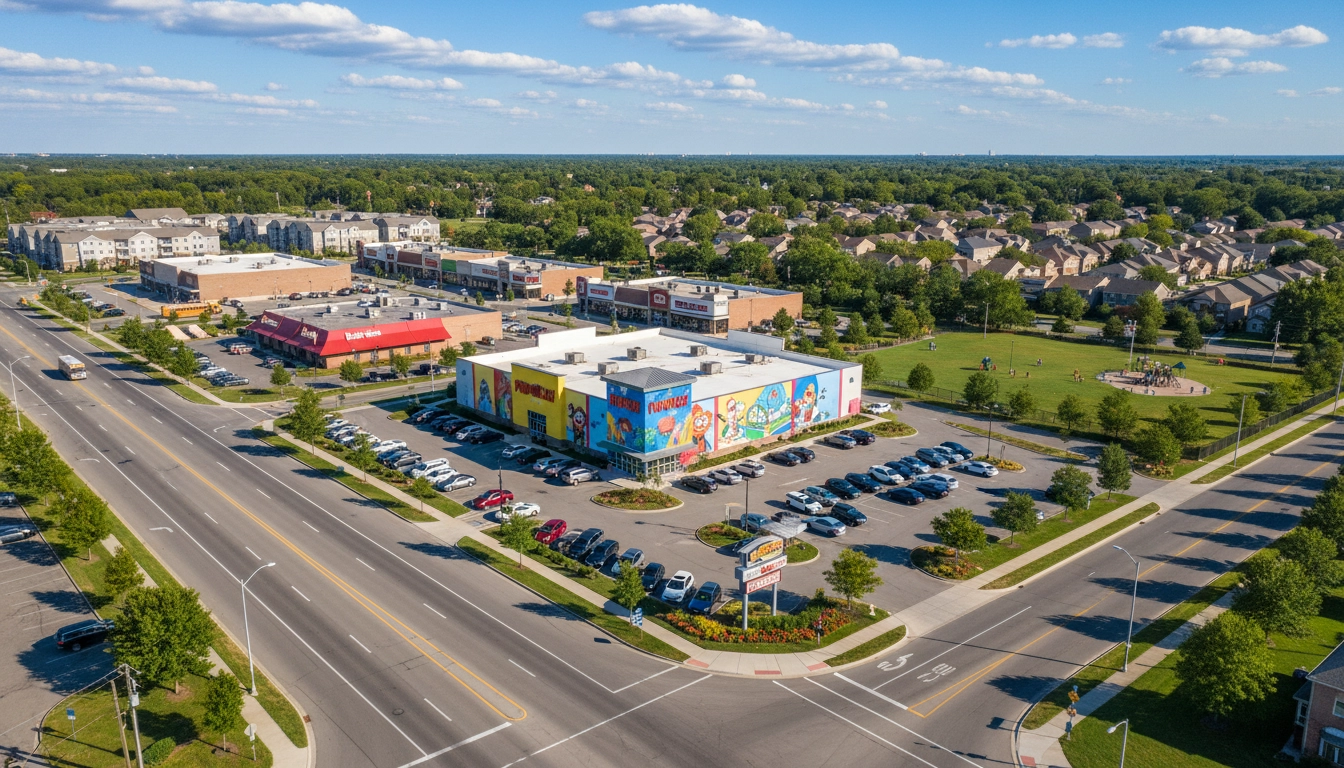
Choosing the Perfect Location for a Family Entertainment Center Business
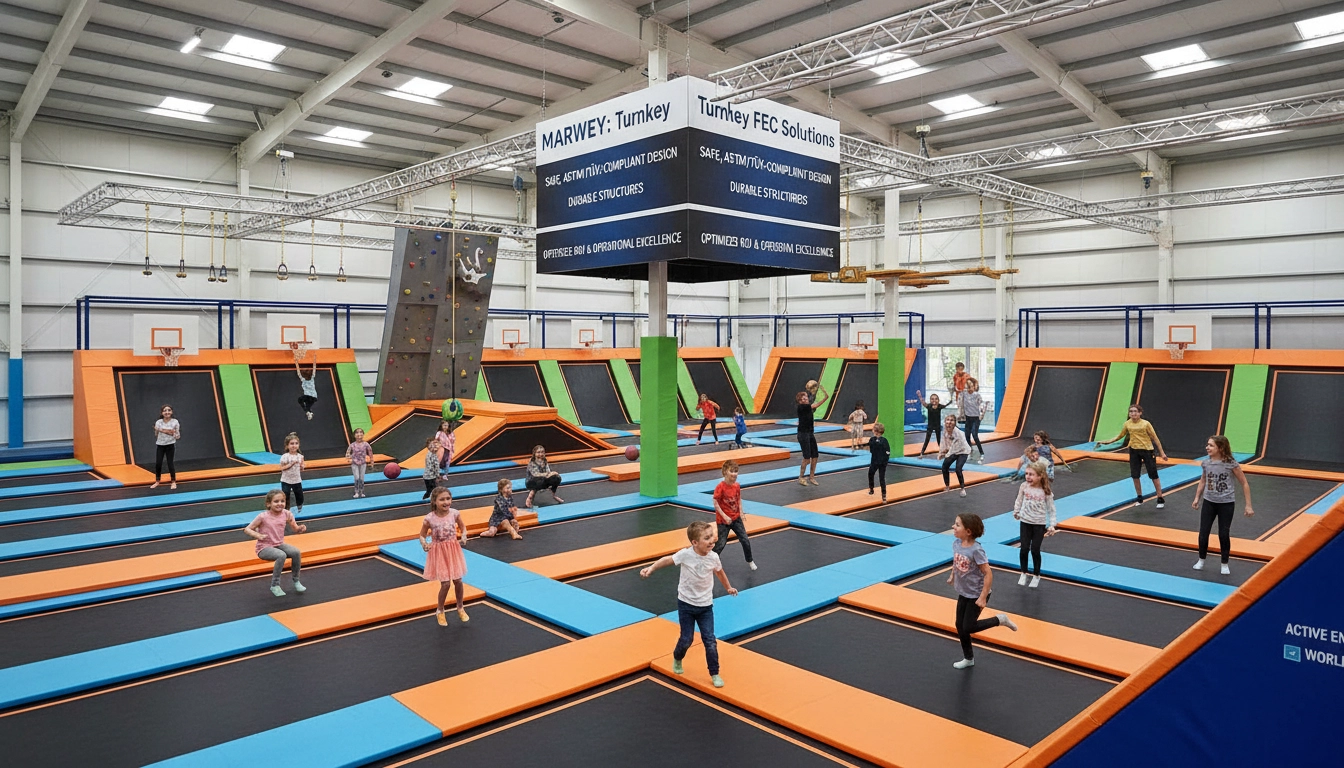
Why DEFY (Umbrella Brand) Leads the Way in Active Entertainment
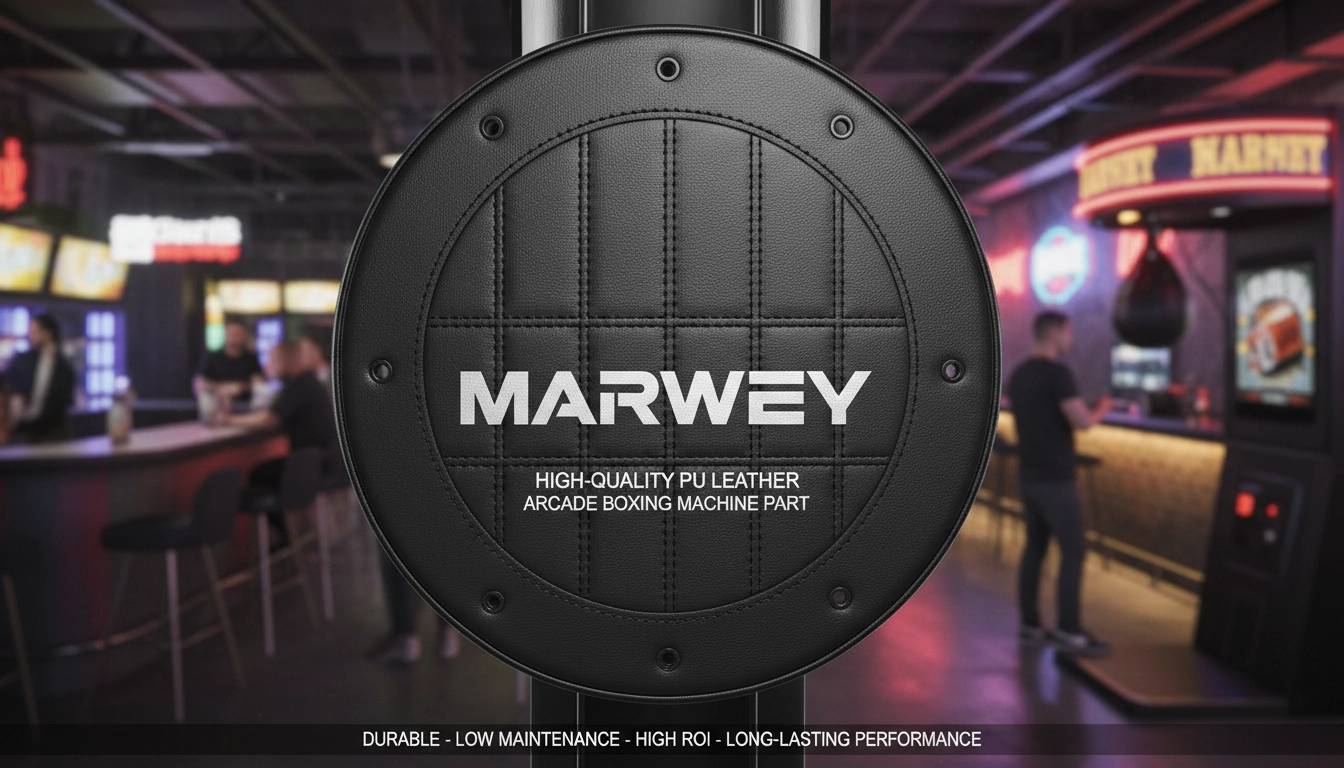
Sourcing High-Quality PU Leather for Punching Machine Pad Replacement
Boxing Arcade Machine
Do MARWEY machines support custom branding/games?
Yes! As a direct manufacturer, MARWEY offers customizable boxing arcade games with bespoke graphics, branding skins, and even tailored scoring mechanics. Perfect for venues seeking branded attractions or unique arcade boxing experiences.
Indoor Playground
How much space do I need for an indoor playground?
What is an indoor playground?
Business Solutions
Can MARWEY assist with arcade venue design and layout planning?
Absolutely. Our experienced design team provides complete venue planning services including space optimization, traffic flow analysis, themed environment creation, lighting design, sound system integration, and accessibility compliance. We create immersive entertainment environments that enhance customer experience and maximize revenue potential.
Family Entertainment Center
How can I choose the right arcade games for my center?
Success hinges on a balanced mix. Allocate roughly 60-70% of your arcade budget to redemption games (which encourage continued play for prizes) and the remainder to high-earning video simulators and novelty machines. Regularly rotating out underperforming games, which is easier with high-quality, standardized cabinets, is also essential for maintaining novelty.
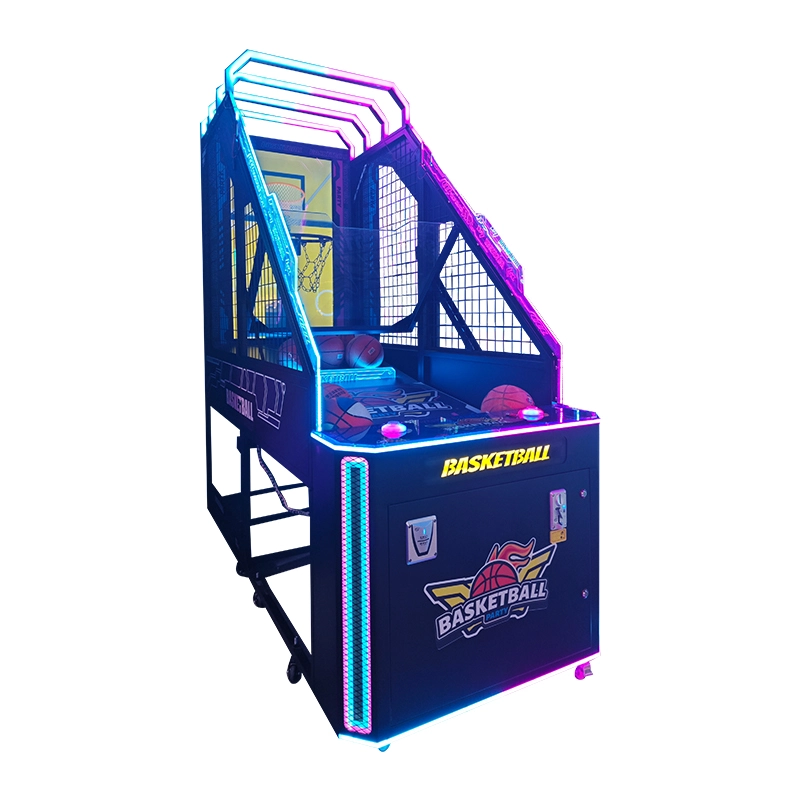
Marwey Hot Selling Luxury Commercial Coin Operated Surprise Adult Arcade Basketball Shooting Game Machine
Marwey Hot Selling Luxury Commercial Coin Operated Surprise Adult Arcade Basketball Shooting Game Machine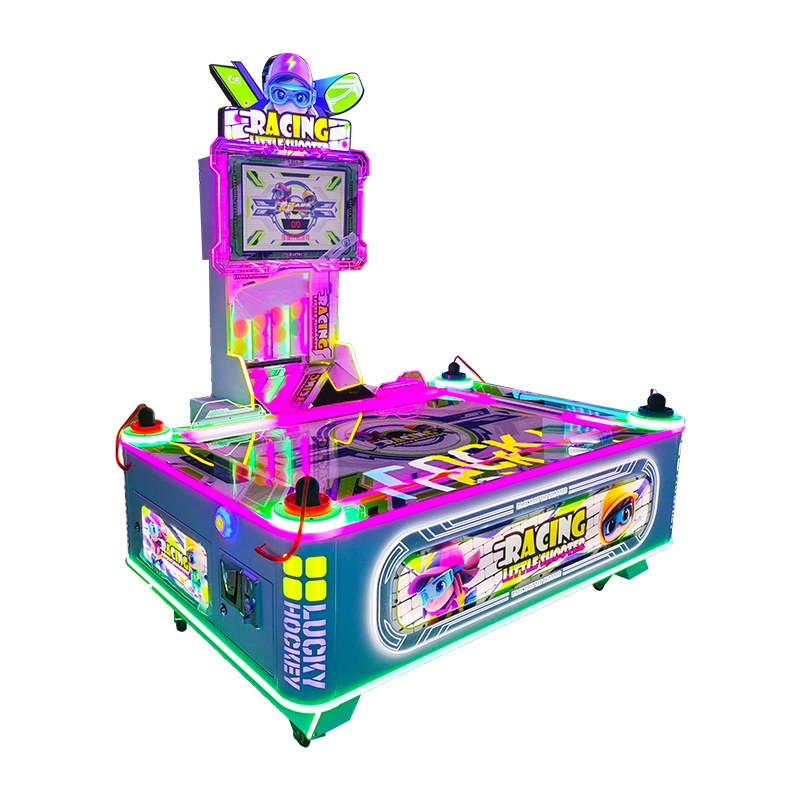
Marwey Factory Commercial 4 Players Coin Operated Arcade Air Hockey Game Table Redemption Ticket Machine
Marwey Factory Commercial 4 Players Coin Operated Arcade Air Hockey Game Table Redemption Ticket Machine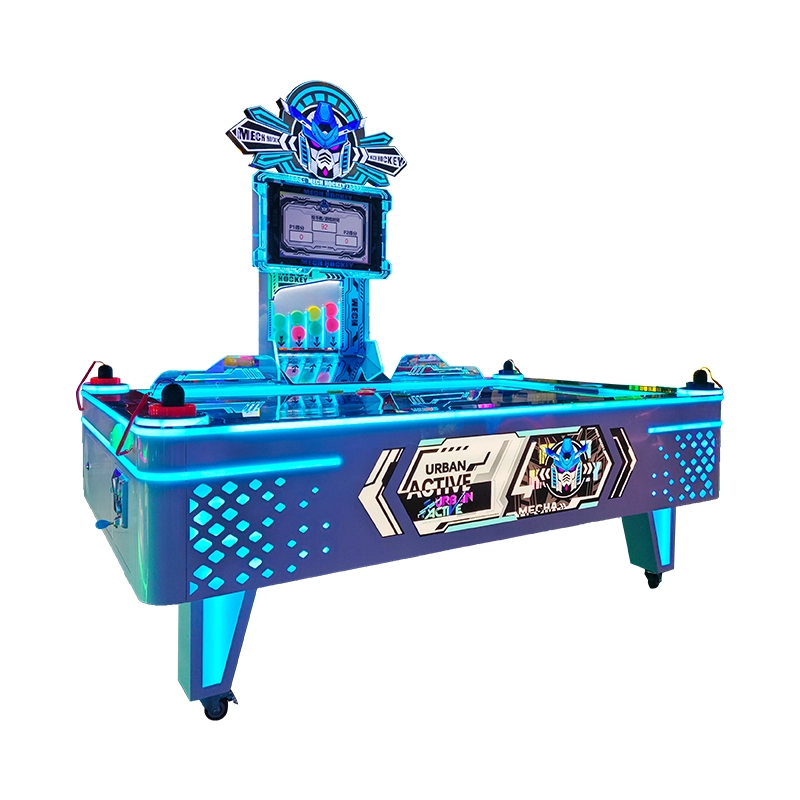
Marwey Coin Operated 4 Players Mecha Air Hockey Table Ticket Redemption Machine Factory Wholesale Price
Marwey Coin Operated 4 Players Mecha Air Hockey Table Ticket Redemption Machine Factory Wholesale Price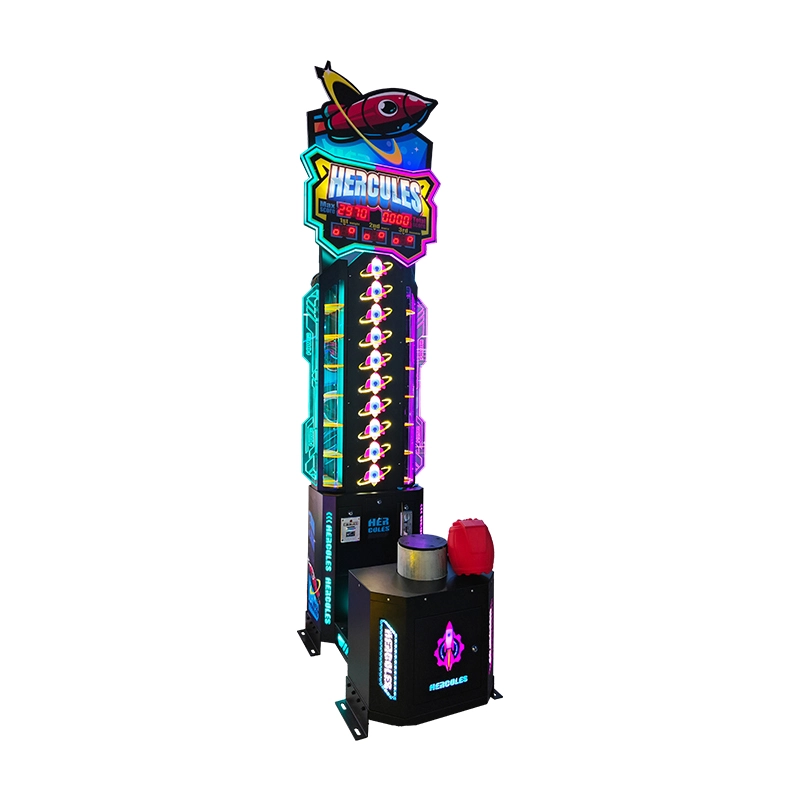
Marwey Wholesale Coin Operated Boxing Game Machine Indoor Lottery Ticket Redemption Arcade Hitting Hammer Machines
Marwey Wholesale Coin Operated Boxing Game Machine Indoor Lottery Ticket Redemption Arcade Hitting Hammer Machines
Marwey Hot Sale Commercial Coin Operated HD Screen 2 Players Cartoon Shooting Water Gun Game Machine
Marwey Hot Sale Commercial Coin Operated HD Screen 2 Players Cartoon Shooting Water Gun Game Machine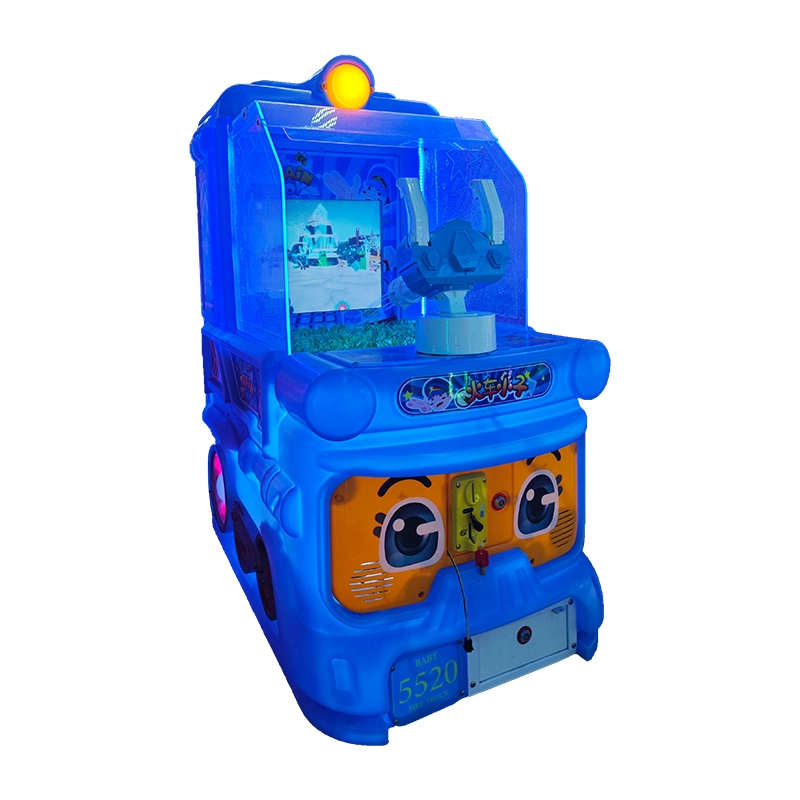
Marwey One Stop Wholesale Commercial Coin Operated Single Player Kids Shooting Water Arcade Game Machine
Marwey One Stop Wholesale Commercial Coin Operated Single Player Kids Shooting Water Arcade Game Machine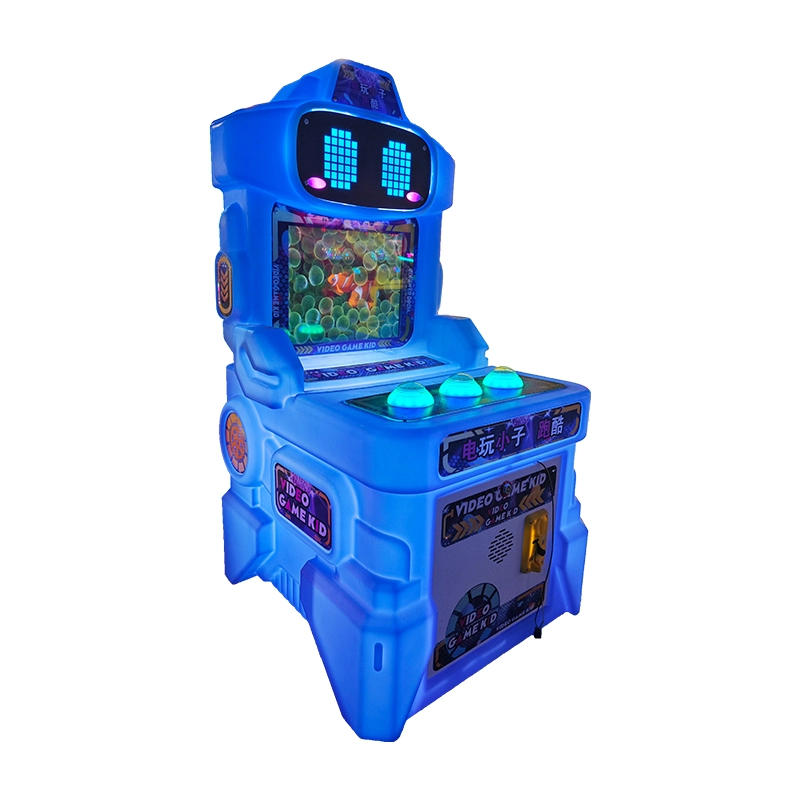
Marwey New Arrival Indoor Coin Operated Kids Speed Player Parkour Arcade Video Game Machine for Sale
Marwey New Arrival Indoor Coin Operated Kids Speed Player Parkour Arcade Video Game Machine for Sale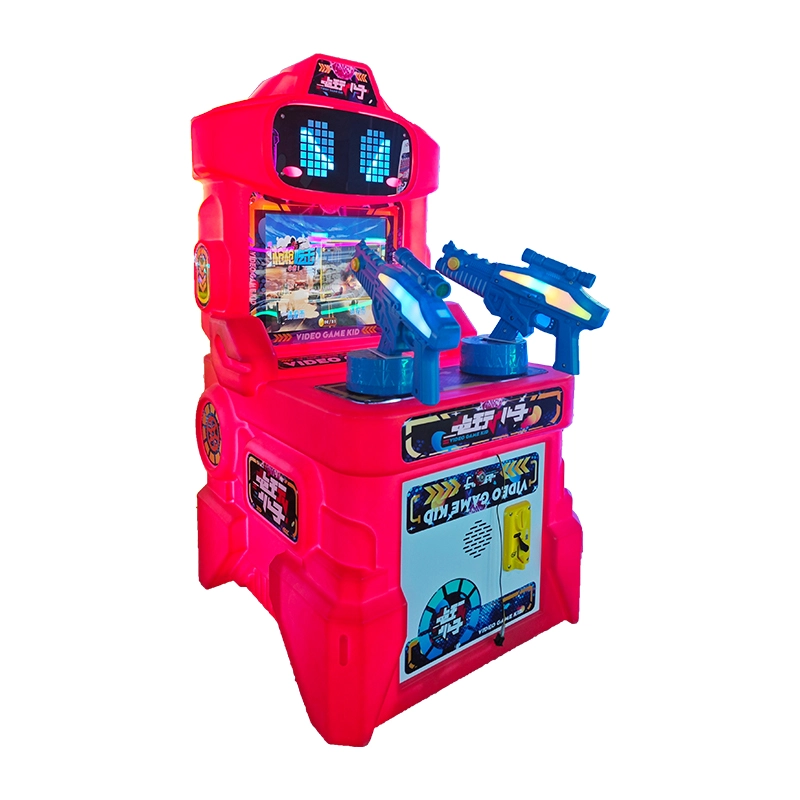
Marwey Commercial Indoor Gun God HD Shooting Arcade Machine Coin Operated Double Guns Video Game Machine
Marwey Commercial Indoor Gun God HD Shooting Arcade Machine Coin Operated Double Guns Video Game MachineWant to know more industry information?
If you have any comments or good suggestions, please leave us a message; later our professional staff will contact you as soon as possible.
◼ Contact MARWEY
WhatsApp: +86 189 2218 4260
Floor 2, Building E, Hengran Creative Park, Shixin Road, Panyu District, Guangzhou, Guangdong, China.
© 2025 MARWEY. All Rights Reserved.
MARWEY
MARWEY
MARWEY
MARWEY
MARWEY
MARWEY