
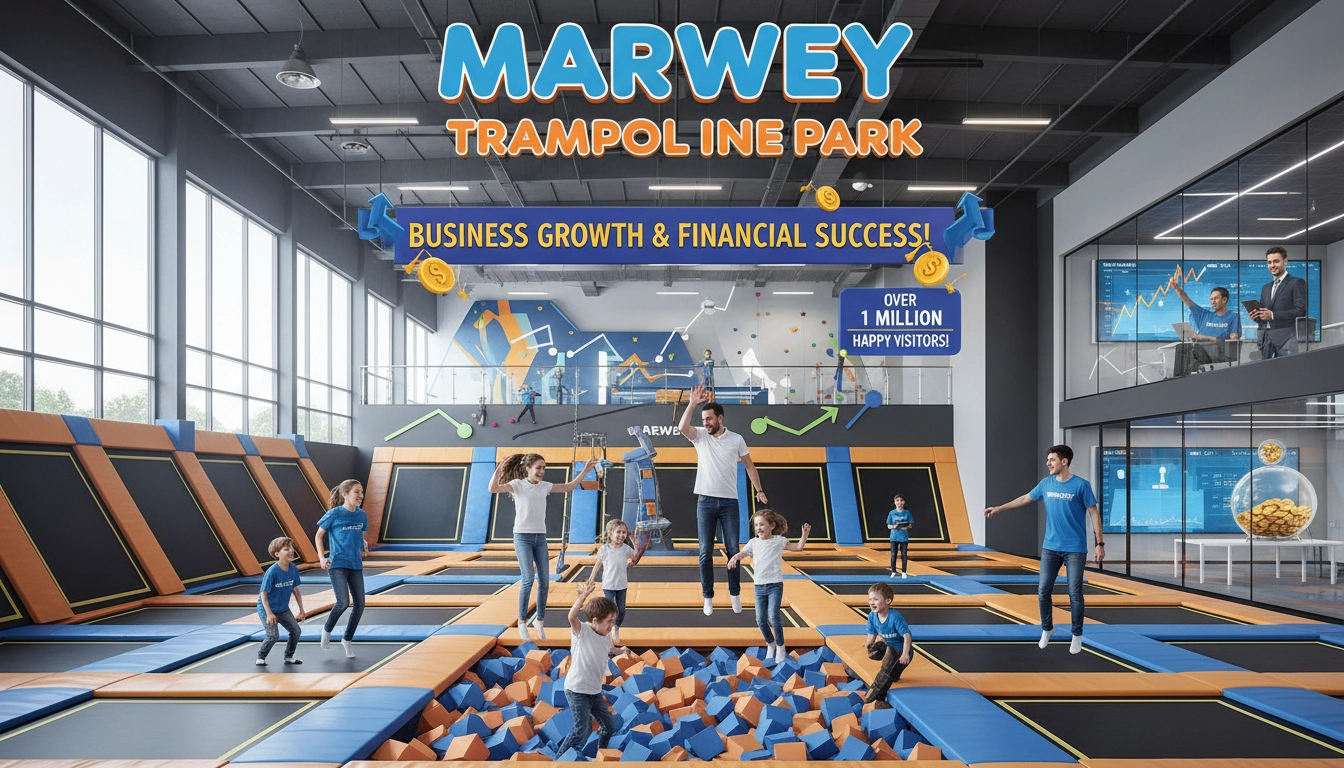

- How Much Do Trampoline Park Owners Actually Make Compared to Other Entertainment Venues?
- Major Cost Components and Return on Investment for Trampoline Parks
- Strategies to Maximize Revenue and Profitability in Trampoline Parks
- Comparing Investment and Returns: Trampoline Parks vs Other Entertainment Ventures
- Conclusion and MARWEY’s Role in Your Trampoline Park Success
- Frequently Asked Questions
If you've ever wondered how much do trampoline park owners make compared to other entertainment venues, you're in the right place. Trampoline parks have surged in popularity worldwide, offering families and thrill-seekers a unique indoor entertainment option. But beyond the fun factor, the financial viability of running such parks provides a compelling investment story. As a provider of commercial-grade trampoline park equipment with over 15 years experience, MARWEY brings you an expert overview integrating authoritative industry data and firsthand operational insights.
In this article, we’ll break down trampoline park earnings, compare them with other family entertainment centers (FECs), examine key cost drivers, and share strategic tips to maximize profitability. Whether you're an investor, operator, or supplier, understanding these financials and market trends will sharpen your edge.
How Much Do Trampoline Park Owners Actually Make Compared to Other Entertainment Venues?
Trampoline park owners typically enjoy higher revenue potential and faster growth rates than many traditional entertainment venues such as bowling alleys, arcades, or small theme parks. Industry data reveals:
| Venue Type | Average Annual Revenue | Typical Net Profit Margin | Market Growth Rate (CAGR) |
|---|---|---|---|
| Trampoline Parks | $1M - $3M (varies by size/location) | 15-25% | 13.9% - 17.6% 1 |
| Family Entertainment Centers (FECs) | $800K - $2M | 10-20% | 9.79% - 11.5% 1 |
| Bowling Alleys | $500K - $1.5M | 5-12% | Stable or slight decline |
This data highlights trampoline parks’ strong position in terms of revenue potential and profit margins. Their dynamic appeal and innovative attractions attract a broad demographic, and the market is growing substantially faster than many other family entertainment options.
In my experience working with operators, those who diversify attractions beyond trampoline zones—such as adding ninja courses, climbing walls, and VR zones—see improved guest retention and higher spending per visitor. These additional revenue streams often translate to net profits exceeding 20%, especially when coupled with an optimized food and beverage offering.
Major Cost Components and Return on Investment for Trampoline Parks
Investing in a trampoline park requires significant capital outlay, but understanding the cost breakdown and managing these expenses can drive strong ROI. Based on data for a typical 20,000 square feet trampoline facility:
- Startup Costs: Typically range from $350,000 to $1,000,000.
- Equipment Costs: Represent 30-45% of total startup expenses, including trampolines, foam pits, and safety gear.
- Construction and Renovation: Can vary between $500,000 and $4,000,000 depending on location and customization.
- Real Estate Costs: Rent or purchase typically $150,000 to $300,000 annually or more.
- Operating Expenses: Staff, insurance, marketing, and maintenance form ongoing costs.
One critical factor we emphasize at MARWEY is compliance with international safety standards such as ASTM F2970. This compliance not only reduces liability but also significantly lowers insurance premiums and claim frequencies. The insurance savings and risk reduction positively affect net profits and long-term sustainability.

In my observation working with trampoline park clients globally, those who invest early in quality equipment and certified safety measures (like MARWEY’s ASTM/TÜV-compliant gear) see fewer insurance disputes and roughly 20% lower annual premium costs. This translates to a healthier bottom line and less downtime due to claims or regulatory inspections.
Strategies to Maximize Revenue and Profitability in Trampoline Parks
Maximizing the earnings of a trampoline park requires deliberate strategies across attraction diversity, customer experience, and operational efficiency.
- Diversify Attractions: Incorporate ninja courses, climbing walls, VR zones, and arcades to increase dwell time and ticket sales.
- Upsell Premium Experiences: VIP birthday packages, party hosting, and membership programs foster repeat business and higher spend.
- Optimize F&B Offerings: Introducing a well-curated café or snack bar can increase per-visit revenue significantly.
- Leverage Safety Certifications: Demonstrate compliance to reduce liability concerns and build consumer trust, which can increase visitation.
- Effective Staff Training: Skilled employees improve customer satisfaction and operational safety, reducing risks and cost leaks.
From my work with several large trampoline venues, I’ve noted that integrating immersive VR experiences—a segment growing at 17.8% CAGR—particularly attracts the lucrative teen and young adult demographics. These additions often boost monthly revenues by up to 12% within the first year of introduction.
Comparing Investment and Returns: Trampoline Parks vs Other Entertainment Ventures
While startup costs for trampoline parks are notable, their relatively high revenue potential and expanding market justify the investment. Below is a comparative snapshot to illustrate this:
| Investment Attribute | Trampoline Park | Bowling Alley | Small Arcade |
|---|---|---|---|
| Initial Investment | $350K - $1M+ | $500K - $2M+ | $150K - $400K |
| Average Annual Revenue | $1M - $3M | $500K - $1.5M | $300K - $700K |
| Typical Net Profit Margin | 15-25% | 5-12% | 8-15% |
As the table shows, trampoline parks offer compelling returns relative to their size and investment risk. This is largely driven by their ability to scale attractions and dynamically monetize visit length and guest engagement.
Conclusion and MARWEY’s Role in Your Trampoline Park Success
Understanding how much trampoline park owners make compared to other venues reveals a dynamic, profitable industry with strong growth ahead. By carefully managing costs, adhering to safety standards, and leveraging diverse attractions, trampoline parks can achieve outstanding revenue and profit margins.
MARWEY, with over 15 years’ experience and a comprehensive turnkey solution, supports operators worldwide by delivering ASTM and TÜV compliant equipment, customized engineering, and global supply chain logistics. Our expertise ensures your trampoline park not only opens smoothly but operates profitably and safely at scale.
Are you ready to invest in a high-growth entertainment business backed by quality and compliance? Contact MARWEY today for a tailored consultation and let us help you jump-start your trampoline park success.
Frequently Asked Questions
Q1: How much can a typical trampoline park owner expect to earn annually?
Owners typically see annual revenues between $1 million and $3 million, with net profits ranging from 15% to 25%, depending on size and management.
Q2: What are the biggest expenses when opening a trampoline park?
Major expenses include equipment costs (30-45% of startup), construction/renovation, real estate, insurance, and staffing.
Q3: How does ASTM F2970 compliance affect trampoline park costs?
ASTM compliance reduces insurance premiums and liability claims, lowering operating risks and saving costs long-term.
Q4: How fast is the trampoline park market growing?
The market is growing at an estimated CAGR of 13.9% to 17.6%, outpacing many other family entertainment sectors.
Q5: Can additional attractions improve trampoline park profitability?
Yes, adding ninja courses, VR zones, climbing walls, and food services boosts guest spending and dwell time significantly.
Q6: What profit margins are realistic for a well-managed trampoline park?
Margins between 15% and 25% are achievable, especially when operational efficiency and diversified revenue streams are optimized.
Q7: How does location impact trampoline park earnings?
High-footfall urban or suburban areas with family-centric demographics often generate higher revenues.
Q8: What are common risks trampoline park owners face?
Risks include injury liability, equipment maintenance costs, and competition. Safety standards and quality equipment mitigate many risks.
Q9: Is owning a trampoline park a good long-term investment?
Given the strong growth rates and family entertainment demand, trampoline parks offer promising long-term investment returns.
Q10: How can MARWEY assist trampoline park owners?
MARWEY provides compliant equipment, design, and global supply chain solutions, supporting the entire project from planning to operations.
Sources:
1. MARWEY, Sadler Sports & Recreation Insurance, "Maximizing ROI for Trampoline Park Equipment Costs," 2025
Related Articles
Exploring Two Bit Circus Innovations in Entertainment
Why Autobahn Indoor Speedway Is a Top Attraction for Go-Kart Fans
Choosing the Perfect Location for a Family Entertainment Center Business
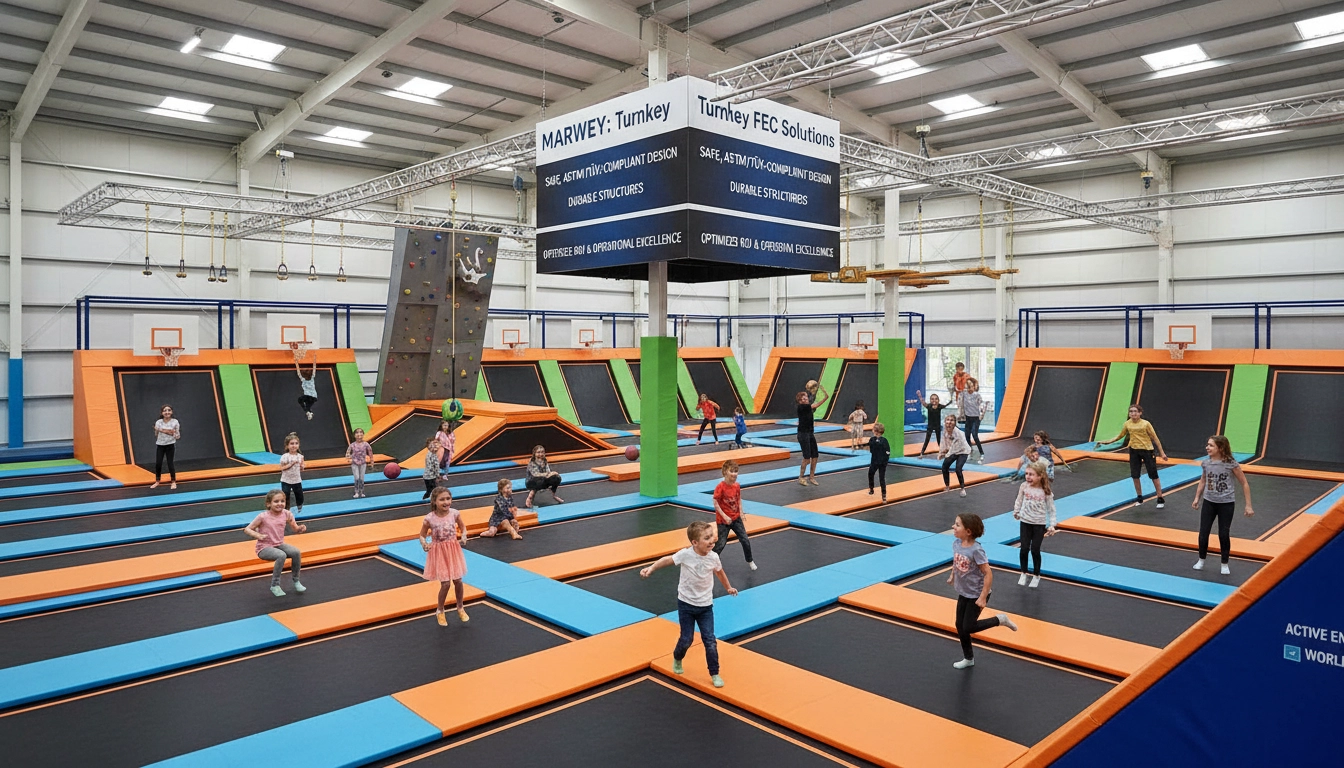
Why DEFY (Umbrella Brand) Leads the Way in Active Entertainment
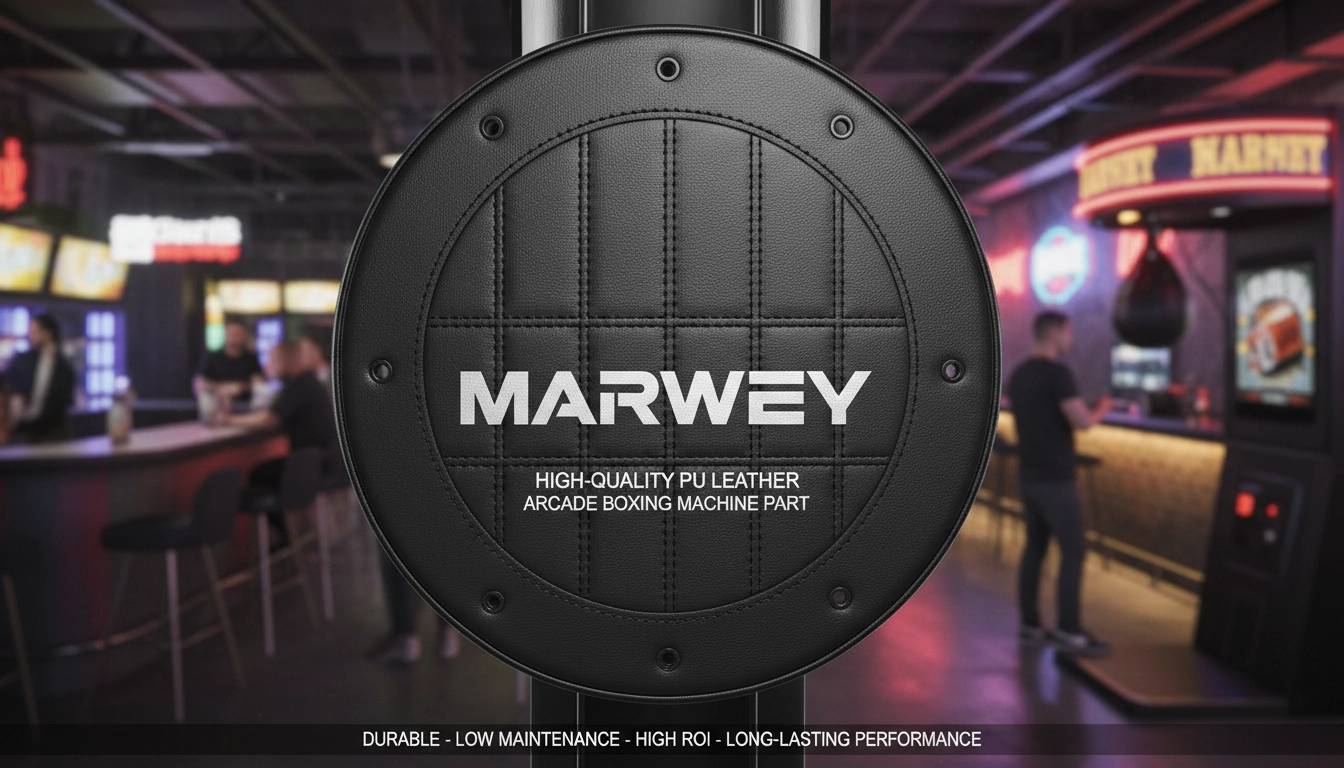
Sourcing High-Quality PU Leather for Punching Machine Pad Replacement
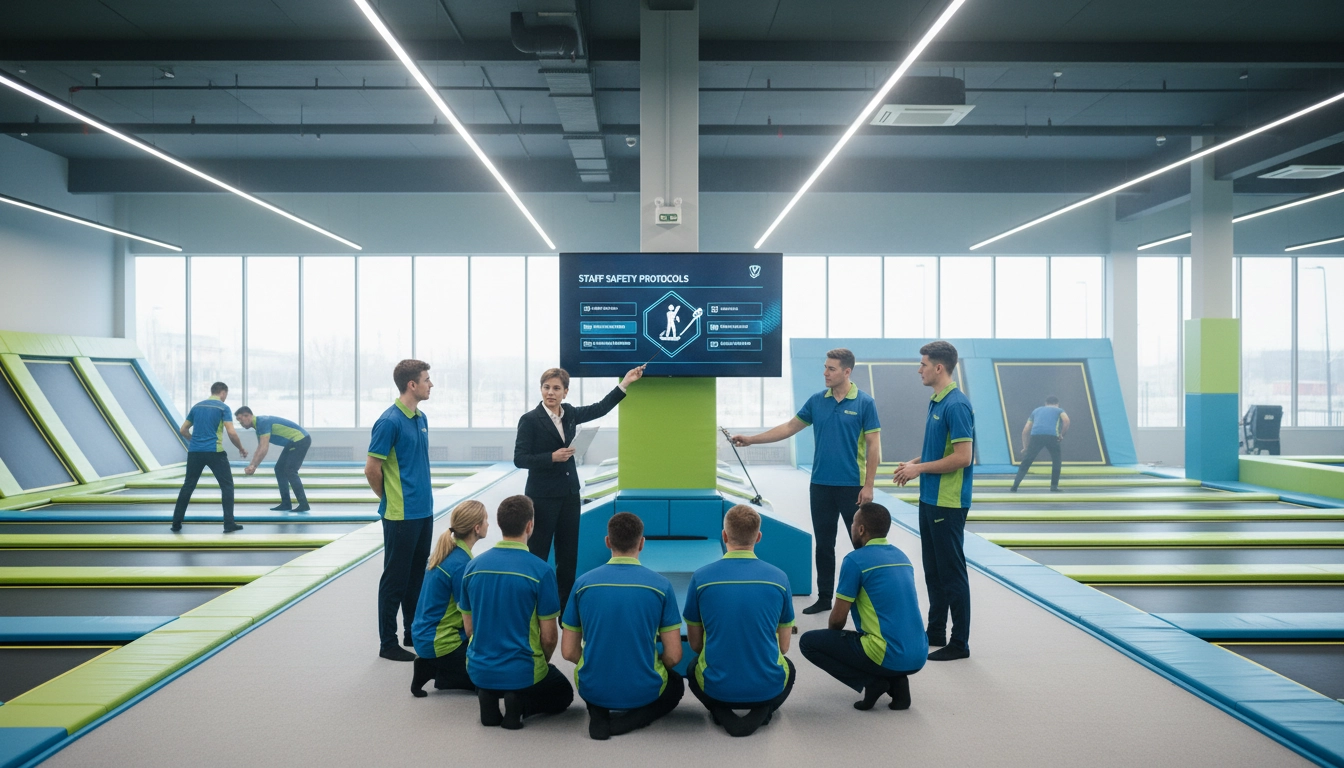
Effective Risk Management to Lower Your Trampoline Park Insurance Premiums
Family Entertainment Center
What is the average spend per guest at an FEC?
Average spend is a key performance indicator (KPI). While it varies, successful FECs aim for an average spend between $18 and $35 per person. This target is achieved by strategic pricing of timed play, upselling high-value F&B items, and cross-promoting different attractions.
Photo Booth Machine
How big is the photo booth industry?
The Global Photo Booth Industry is Experiencing Rapid Growth
The photo booth market is a dynamic and expanding global sector, with its value already reaching hundreds of millions of dollars and projected to grow significantly over the next decade.
-
Current Market Value: In 2024, the global photo booth market was estimated to be valued around $624.09 million.
-
Strong Growth Trajectory: The industry is expected to continue its robust expansion, with Compound Annual Growth Rates (CAGR) generally forecasted to be between 9.6% and 14.62% through 2034. At this rate, the market value is projected to climb to nearly $2.5 billion.
This growth is being driven by several key factors:
-
High Demand for Entertainment: The largest segment of the market, accounting for approximately 68% of utilization, is for entertainment occasions like weddings, parties, festivals, and promotional events. Consumers are increasingly seeking interactive and personalized experiences.
-
Social Media Integration: Modern photo booths—especially open-air and mirror models—offer instant sharing features, allowing users to quickly upload photos to platforms like Instagram and TikTok. This caters directly to younger, social media-savvy consumers.
-
Technological Innovation: Growth is heavily fueled by new technology, including 360-degree photo booths, Augmented Reality (AR) filters, and AI features, which provide unique and engaging photo sessions.
-
Corporate Market: There is a significant rise in demand from the corporate sector, as businesses utilize photo booths for experiential marketing, brand activation, and employee/client engagement.
In essence, the photo booth has evolved from a simple coin-operated machine to a versatile, high-tech entertainment and marketing tool with substantial global economic impact.
Indoor Playground
Are indoor playgrounds safe?
Are indoor playgrounds a good investment?
Mini Claw Machine
What are the dimensions of a mini claw machine?
Mini claw machines are compact compared to their full-sized arcade counterparts. While dimensions can vary by model, a typical mini claw machine has approximate dimensions of MW-TCCM025: 300*620*1680MM

Marwey Wholesale Cheap Luxury Ticket Redemption Arcade Machine - Shopping Mall Arcade Game Machine for Sale
Marwey Wholesale Cheap Luxury Ticket Redemption Arcade Machine - Shopping Mall Arcade Game Machine for Sale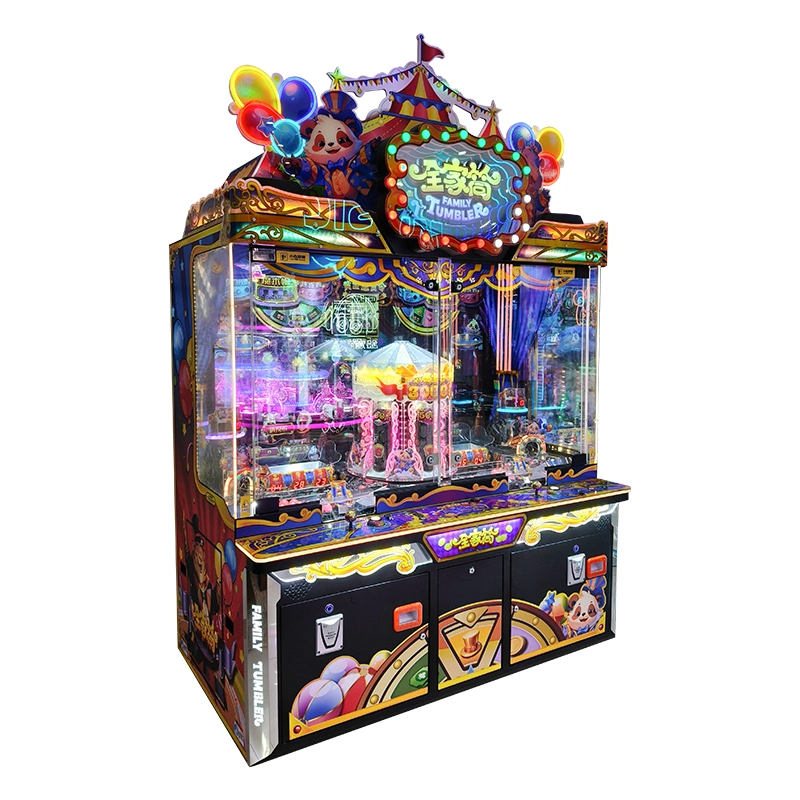
Marwey New Arrival High Quality Coin Operated Coin Pusher Customizable Prize Redemption Arcade Equipment
Marwey New Arrival High Quality Coin Operated Coin Pusher Customizable Prize Redemption Arcade Equipment
Marwey Hot Sale High Quality Indoor Coin Pusher Coin Operated Prize Redemption Arcade Game Machine
Marwey Hot Sale High Quality Indoor Coin Pusher Coin Operated Prize Redemption Arcade Game Machine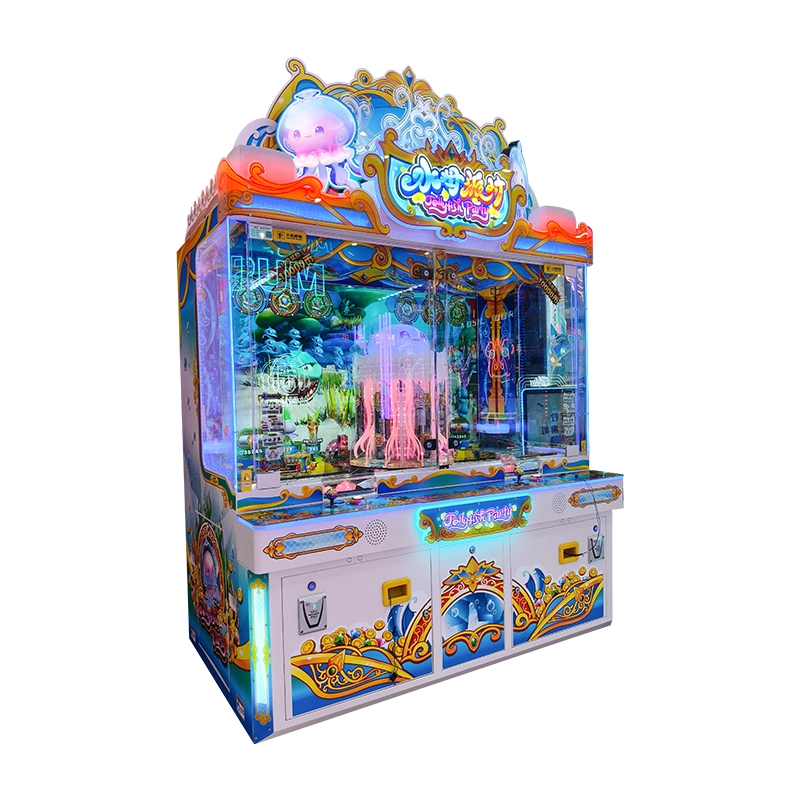
Marwey High Quality Luxury Customizable Coin Pusher Indoor Shopping Mall Arcade Ticket Redemption Game Machine
Marwey High Quality Luxury Customizable Coin Pusher Indoor Shopping Mall Arcade Ticket Redemption Game Machine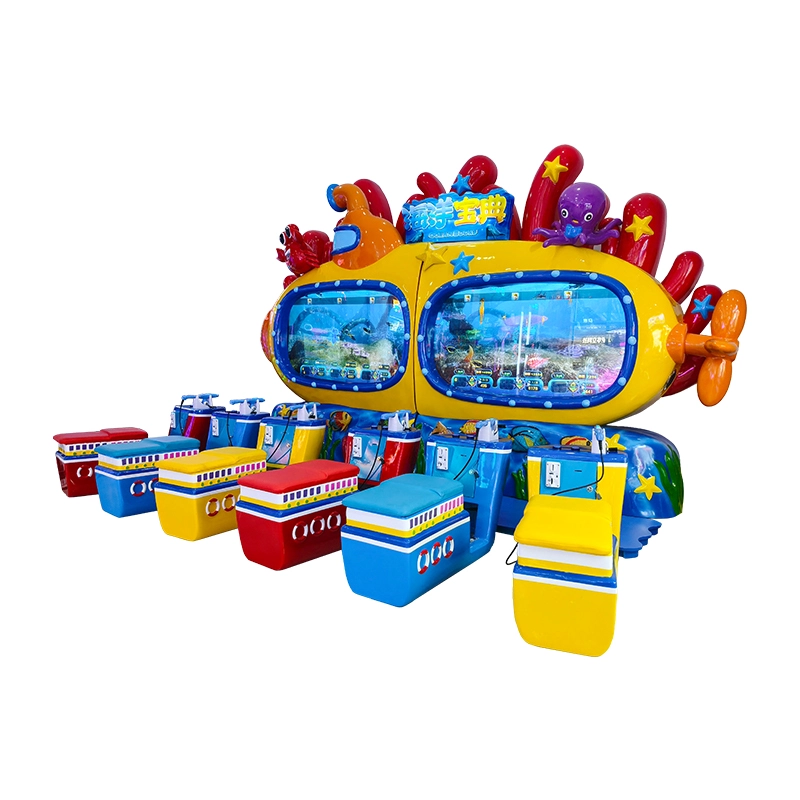
Marwey Hot Sale Indoor 6 Players Fishing Simulator Children's Coin Operated Arcade Redemption Equipment
Marwey Hot Sale Indoor 6 Players Fishing Simulator Children's Coin Operated Arcade Redemption Equipment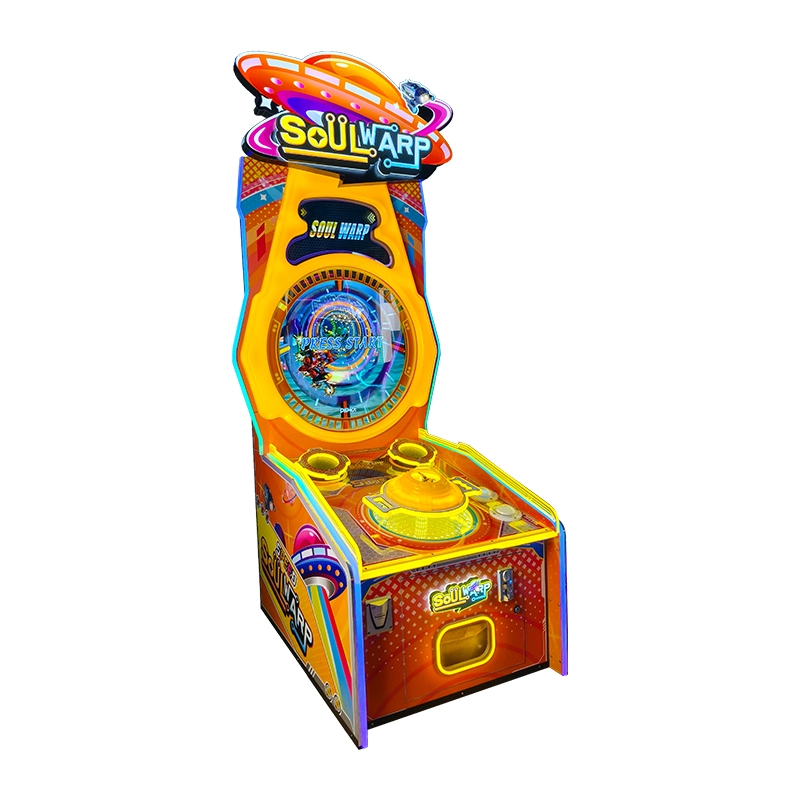
Marwey Coin Operated Parkour Lottery Ticket Redemption Machine Amusement Center Video Game Machines for Sale
Marwey Coin Operated Parkour Lottery Ticket Redemption Machine Amusement Center Video Game Machines for Sale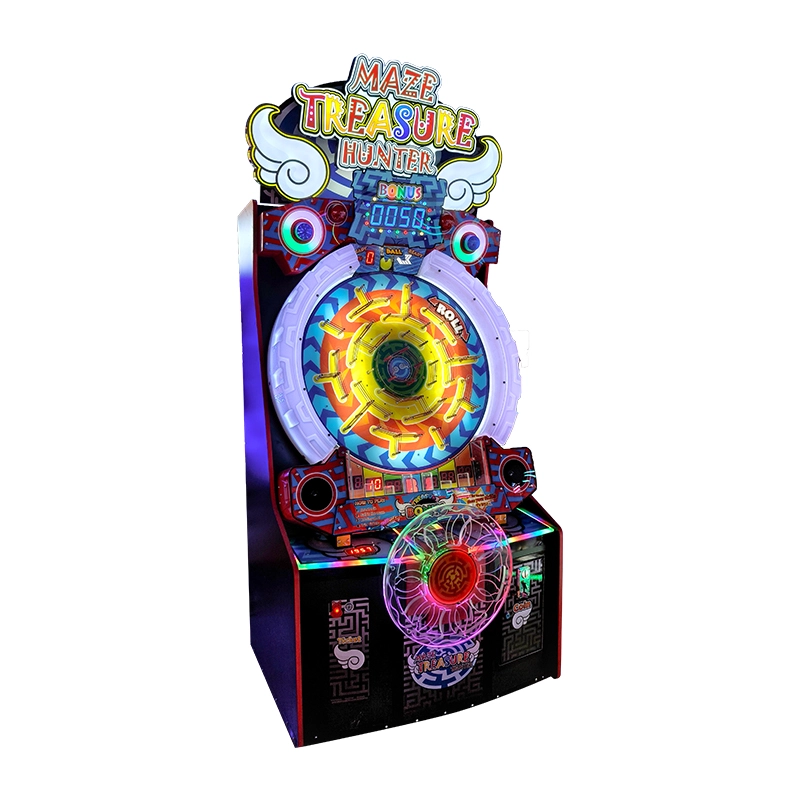
Marwey Amusement Center Maze Adventure Game Coin Operated Lottery Ticket Redemption Arcade Machine
Marwey Amusement Center Maze Adventure Game Coin Operated Lottery Ticket Redemption Arcade Machine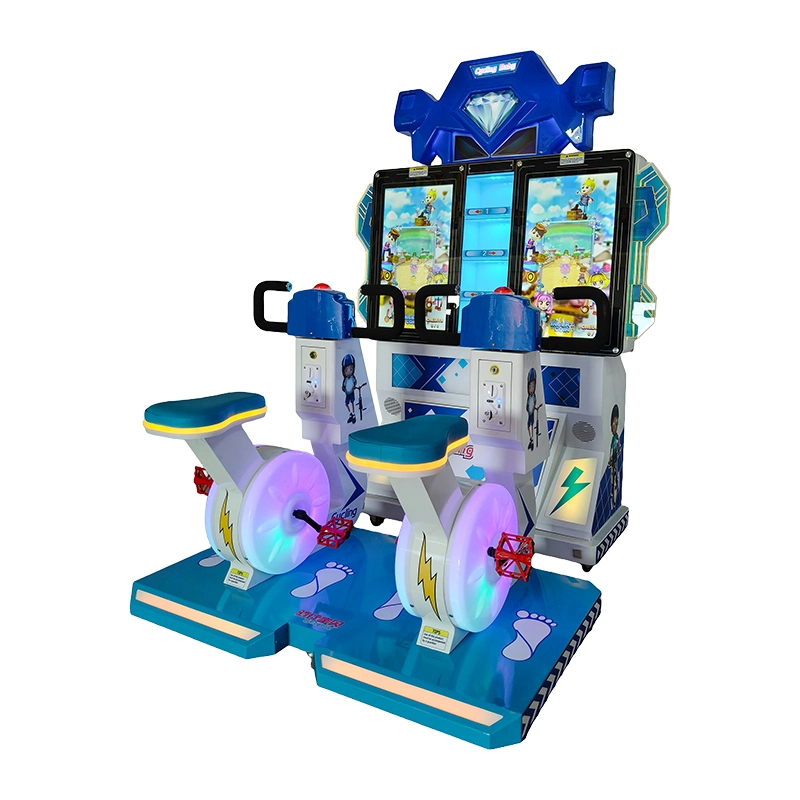
Marwey Commercial Coin Operated Sports Arcade Machine Supplier Indoor 2 Players Bike Racing Simulator
Marwey Commercial Coin Operated Sports Arcade Machine Supplier Indoor 2 Players Bike Racing SimulatorWant to know more industry information?
If you have any comments or good suggestions, please leave us a message; later our professional staff will contact you as soon as possible.
◼ Contact MARWEY
WhatsApp: +86 189 2218 4260
Floor 2, Building E, Hengran Creative Park, Shixin Road, Panyu District, Guangzhou, Guangdong, China.
© 2025 MARWEY. All Rights Reserved.



































































































MARWEY
MARWEY
MARWEY
MARWEY
MARWEY
MARWEY