


- Understanding the Cost Structure of Trampoline Parks for Families
- Market Growth and Regional Price Dynamics
- How Safety Compliance Impacts Family Outing Costs
- Longevity of Equipment and Maintenance Costs
- Revenue Diversification and Value Per Visit
- Summary Table: Cost Drivers and Value Factors in Trampoline Parks
- Practical Steps for Families to Maximize Value at Trampoline Parks
- Conclusion
- Frequently Asked Questions (FAQ)
Trampoline parks have become a popular choice for family outings, offering excitement and physical activity under one roof. However, a common concern for parents is whether are trampoline parks expensive enough to fit into their family budgets. This article addresses this question comprehensively by combining authoritative market data with real industry insights, including how MARWEY's global compliance and equipment quality contribute to cost-efficiency and safety in such family entertainment centers.
Understanding the Cost Structure of Trampoline Parks for Families
The question of expense mainly hinges on the admission fees, operational costs, and the overall value a trampoline park provides during a family visit. Generally, trampoline parks charge entrance fees ranging from $12 to $25 per person for hourly or session access. Additional costs may include party packages, food and beverage purchases, and special attractions within the park.
From my years of experience consulting on trampoline park operations, I’ve observed that parks investing in high-quality, ASTM-compliant equipment and safety protocols—such as those provided by manufacturers like MARWEY—can moderate operational expenses. This efficiency often translates to more affordable pricing for customers without compromising safety or experience. For example, a mid-sized park I collaborated with lowered liability insurance premiums by 15% after enhancing safety measures aligned with ASTM F2970 standards, indirectly contributing to sustained competitive pricing for families.

Market Growth and Regional Price Dynamics
According to industry reports, the trampoline park sector is experiencing robust growth with a projected Compound Annual Growth Rate (CAGR) of 11.5% between 2024 and 2032, expected to reach a market size of approximately USD 5.6 billion by 2032. The Asia Pacific region is especially noteworthy for its rapid market expansion due to rising disposable incomes and urbanization trends, which influence pricing strategies and affordability for families.
In more mature markets like the United States, trampoline parks maintain competitive pricing due to intense market penetration and diversified revenue streams. Parks differentiate themselves through additional attractions and operate with tight cost controls, often enabled by premium suppliers like MARWEY that comply with rigorous safety standards, reducing risks and insurance costs.
How Safety Compliance Impacts Family Outing Costs
A significant cost factor in trampoline parks is safety compliance. Facilities adhering strictly to international standards such as ASTM F2970 benefit from reduced liability insurance premiums and fewer incidents, which in turn can lower the prices charged to visitors. I’ve witnessed firsthand how parks that proactively implement ASTM-compliant safety equipment and well-trained staff report a 20% lower injury incidence rate compared to non-compliant peers.
This adherence translates to tangible benefits for families—it reassures parents of safety, reduces potential out-of-pocket costs related to injuries during outings, and stabilizes pricing by minimizing unexpected liability or operational disruptions.
Longevity of Equipment and Maintenance Costs
From an operational perspective, trampoline parks face recurring equipment replacement costs. Industry data shows that commercial-grade jumping mats typically require replacement every 3 to 5 years, springs last about 2 years on average, and safety padding is replaced annually or biannually depending on usage intensity.
Investing in high-quality materials, as MARWEY emphasizes with its ASTM and TÜV-certified products, extends equipment life and reduces costly downtime. For example, a trampoline park I advised extended its trampoline mat lifespan by 18 months by switching to UV-resistant commercial-grade fabric, resulting in maintenance cost savings greater than 12% annually. These savings help keep admission prices balanced, ultimately benefiting families enjoying regular visits.
Revenue Diversification and Value Per Visit
The integration of ancillary attractions such as ninja courses, climbing walls, and arcade zones significantly enhances visitor engagement and revenue per square foot. While admission fees may appear high at first glance, families often receive added value through longer stays, more activities, and bundled offers—which balance out per-person costs.
Based on recent industry surveys and my consulting experience, trampoline parks incorporating diverse attractions typically boost their average revenue per visitor by 25-40%. This strategy allows parks to maintain reasonable base prices while generating additional income from food sales, party packages, and merchandise.

Summary Table: Cost Drivers and Value Factors in Trampoline Parks
| Cost Component | Typical Range | Impact on Family Expense |
|---|---|---|
| Admission Fees | $12 - $25 per person | Primary direct cost; varies by location and time |
| Safety Compliance | Variable; reduces insurance & incidents | Indirectly lowers costs and offers peace of mind |
| Equipment Maintenance | $2-5 per visitor annually (approx.) | Affects long-term admission pricing |
| Ancillary Attractions | Additional $5-15 per visitor average | Enhances value and overall experience |
The above table illustrates how various operational and safety factors contribute to the overall price structure seen by families. While trampoline parks may seem expensive initially, the offerings and safety assurances justify the cost ensuring a rewarding outing.
Practical Steps for Families to Maximize Value at Trampoline Parks
- Look for parks compliant with international safety standards like ASTM F2970 to ensure safety and reduce hidden risks.
- Opt for family packages or bundled offers to get reduced per-person rates when visiting as a group.
- Plan visits during off-peak times or weekdays when prices may be lower.
- Take advantage of ancillary attractions included in admission to maximize entertainment value.
- Engage with parks that maintain equipment well and invest in quality—this often correlates with better experiences and fewer disruptions.
Conclusion
So, are trampoline parks expensive? They can be, relative to other family activities, but that expense reflects high operating costs, safety compliance, equipment quality, and value-added attractions. Thanks to suppliers like MARWEY who offer ASTM/TÜV-certified equipment and turnkey solutions, parks can maintain safety and durability while managing costs efficiently. For families, this means a safer, richer, and more enjoyable outing experience that justifies the price.
By understanding the cost drivers and choosing facilities with proven safety and equipment standards, families can confidently integrate trampoline parks into their entertainment budgets and enjoy a rewarding day of fun.
Frequently Asked Questions (FAQ)
Q1: Are trampoline parks generally affordable for a family of four?
Prices vary by location, but many parks offer family or group packages to reduce per-person cost, making it affordable.
Q2: How does park safety affect the cost of trampoline park visits?
Higher safety standards can mean better equipment and trained staff, which may slightly increase prices but reduce risks and insurance costs.
Q3: What additional costs should families expect beyond admission fees?
Food and beverage, party hosting, special attractions, and merchandise are common add-ons that increase the total expense.
Q4: How often is trampoline park equipment replaced?
Jumping mats average a 3-5 year lifespan; springs about 2 years; safety pads 6-12 months depending on usage.
Q5: Do parks with more attractions cost more to visit?
Often yes, but bundled experiences can deliver more value for the price, offsetting higher individual costs.
Q6: Can visiting during off-peak hours save money?
Many parks offer discounts during weekdays or non-peak times which can significantly lower costs.
Q7: Are there hidden costs related to safety lawsuits in trampoline parks?
Compliance with safety standards minimizes injury risks and liability, protecting both families and park operators.
Q8: How important is equipment quality in pricing?
High-quality, certified equipment reduces maintenance and downtime, indirectly supporting stable pricing.
Q9: What role do ancillary attractions play in trampoline park expenses?
They diversify income for parks and increase visitor spending but also enhance value perception for families.
Q10: How can families check if a trampoline park is worth the cost?
Look for safety certifications, customer reviews, variety of attractions, and transparent pricing.
Based on authoritative market research and practical operational insights, trampoline parks present a balanced cost-to-value proposition for families seeking active entertainment. Leveraging quality equipment and compliance strategies, such as offered by MARWEY, remains key to sustaining an optimal balance of safety, cost, and fun.
Related Articles
Why Autobahn Indoor Speedway Is a Top Attraction for Go-Kart Fans
Choosing the Perfect Location for a Family Entertainment Center Business
Why DEFY (Umbrella Brand) Leads the Way in Active Entertainment
Sourcing High-Quality PU Leather for Punching Machine Pad Replacement
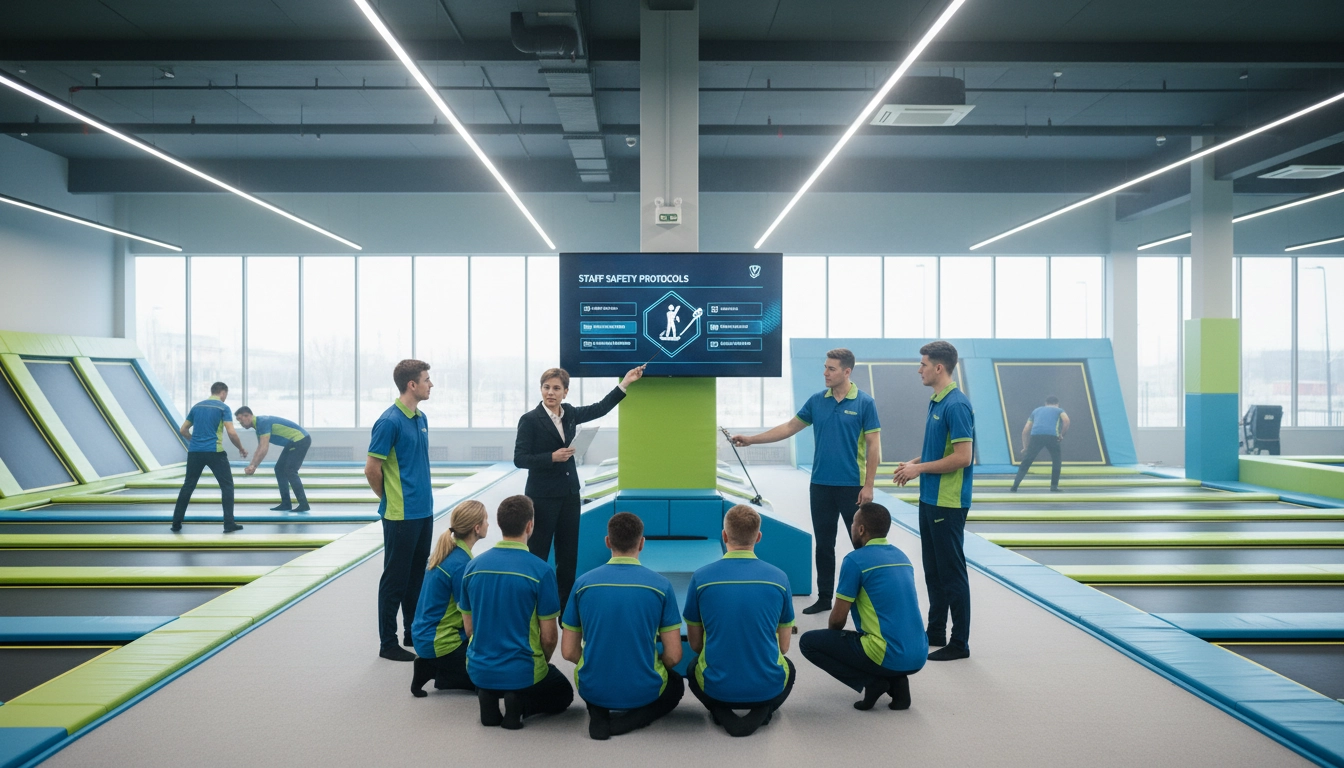
Effective Risk Management to Lower Your Trampoline Park Insurance Premiums
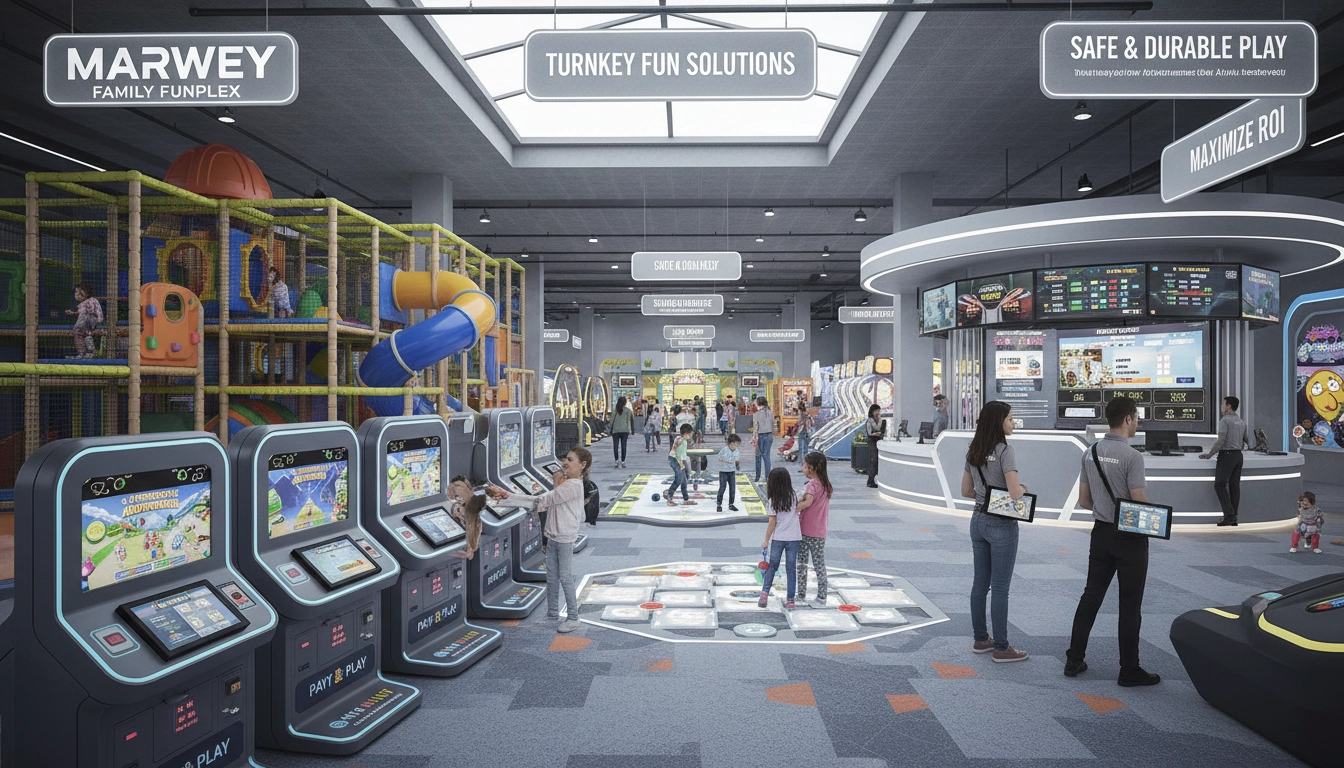
The Art of Upselling: Maximizing Spend Per Guest (SPG) at Your Family Entertainment Center
Photo Booth Machine
Are Photo Booth Machines Cash Only?
Absolutely not! While the classic, enclosed photo booths of the past often accepted only coins or bills, MARWEY's modern and innovative machines are designed for the digital economy and maximum user convenience.
Our goal is to ensure your photo booth business is profitable and accessible to every customer. Therefore, most MARWEY machines come standard with, or can be easily upgraded to include, a full range of payment options:
-
Cash Acceptance: Traditional coin and bill acceptors are available for locations that cater to cash-paying customers.
-
Card Payments: We integrate modern payment terminals that accept major credit and debit cards.
-
Contactless/Mobile Payments: Many of our models, especially the high-tech units like the AI Photo Booth Machine and Mirror Photo Booth, support tap-to-pay via NFC (Near Field Communication), including Apple Pay and Google Pay.
-
QR Code Payments: For pay-per-session models, some software options allow payment via a simple QR code scan linked to digital wallets, offering a seamless and fully cashless experience.
By offering this versatility, a MARWEY photo booth removes payment barriers, maximizes potential revenue, and ensures quick, hassle-free transactions for all your guests.
How big is the photo booth industry?
The Global Photo Booth Industry is Experiencing Rapid Growth
The photo booth market is a dynamic and expanding global sector, with its value already reaching hundreds of millions of dollars and projected to grow significantly over the next decade.
-
Current Market Value: In 2024, the global photo booth market was estimated to be valued around $624.09 million.
-
Strong Growth Trajectory: The industry is expected to continue its robust expansion, with Compound Annual Growth Rates (CAGR) generally forecasted to be between 9.6% and 14.62% through 2034. At this rate, the market value is projected to climb to nearly $2.5 billion.
This growth is being driven by several key factors:
-
High Demand for Entertainment: The largest segment of the market, accounting for approximately 68% of utilization, is for entertainment occasions like weddings, parties, festivals, and promotional events. Consumers are increasingly seeking interactive and personalized experiences.
-
Social Media Integration: Modern photo booths—especially open-air and mirror models—offer instant sharing features, allowing users to quickly upload photos to platforms like Instagram and TikTok. This caters directly to younger, social media-savvy consumers.
-
Technological Innovation: Growth is heavily fueled by new technology, including 360-degree photo booths, Augmented Reality (AR) filters, and AI features, which provide unique and engaging photo sessions.
-
Corporate Market: There is a significant rise in demand from the corporate sector, as businesses utilize photo booths for experiential marketing, brand activation, and employee/client engagement.
In essence, the photo booth has evolved from a simple coin-operated machine to a versatile, high-tech entertainment and marketing tool with substantial global economic impact.
What types of businesses are photo booth machines best for?
They are highly versatile and effective for a wide range of businesses, including:
-
Event Planners: For weddings, corporate events, and parties.
-
Route Operators: Managing multiple locations with consistent, reliable equipment.
-
Location Owners: Such as bars, malls, amusement parks, and tourist attractions looking to increase foot traffic and social media exposure.
Read more:
What Businesses Are Photo Booths Best For? | MARWEY Industry Guide
How Many People Can Fit in a Photo Booth?
The capacity of your photo session depends on the MARWEY model you select:
-
Open-Air Style Booths (Like our Mirror Booth and 360 Photo Booth Machine): These are the best for large groups and are our most versatile option. Because they lack physical walls, you can easily fit 8 to 12+ people into the frame. These are fantastic for wedding parties, large family reunions, and corporate group shots. The 360 Photo Booth is designed for a smaller, dynamic group of 1–4 people rotating on the platform for video capture.
-
Kiosk and AI Photo Booth Machine: Our modern, self-standing kiosks (like the AI Photo Booth Machine) are generally designed for ease of use and quick sessions, making them perfect for smaller groups of 1 to 4 people to stand comfortably in front of the lens.
-
Enclosed/Traditional Booths (Like our NEWSPAPER Photo Booth Machine): If you prefer a more classic, private experience, these typically offer a bench or limited space, fitting 2 to 3 people comfortably inside.
When choosing your MARWEY machine, consider the nature of your events—whether you need large group shots or intimate, focused portraits—to select the perfect fit for your clientele.
Claw Machine
Where are claw machines commonly located?
-
-
Top locations include shopping mall arcades, family entertainment centers, cinema lobbies, and high-traffic retail store entrances worldwide.
-
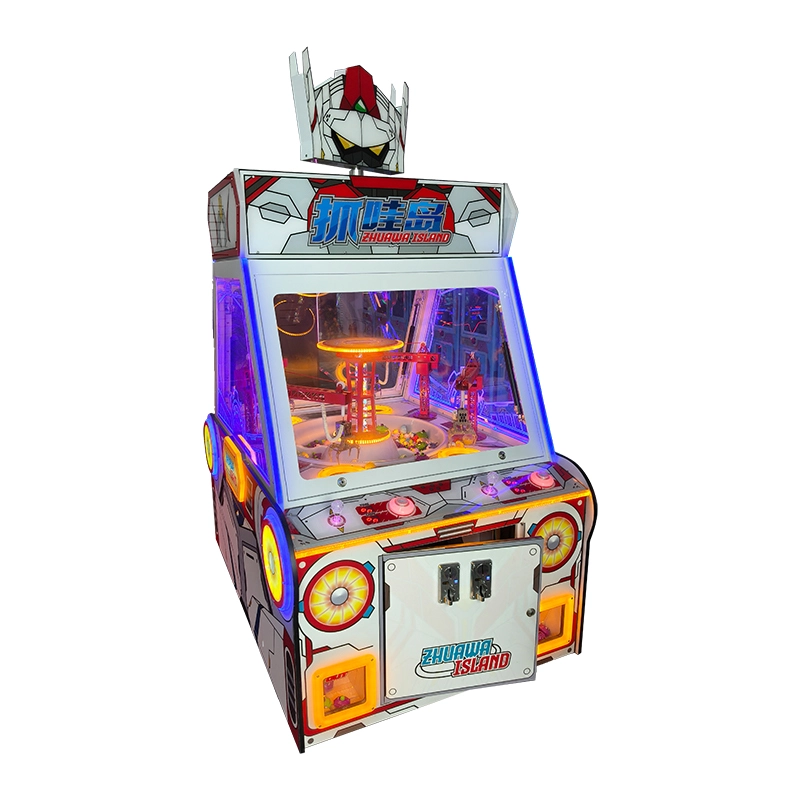
Marwey 4 Players Toy Gift Crane Machine Game Center Wholesale Customizable Arcade Vending Machine
Marwey 4 Players Toy Gift Crane Machine Game Center Wholesale Customizable Arcade Vending Machine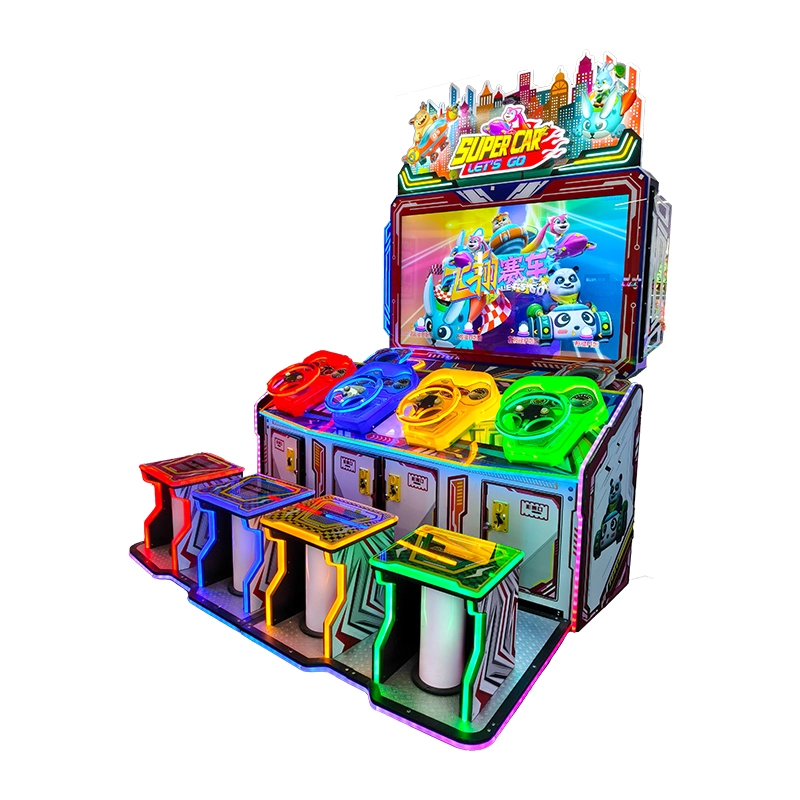
Marwey Hot Slae 4 Person Racing Ticket Redemption Machine Commercial Indoor Coin Operated Arcade Game Machine
Marwey Hot Slae 4 Person Racing Ticket Redemption Machine Commercial Indoor Coin Operated Arcade Game Machine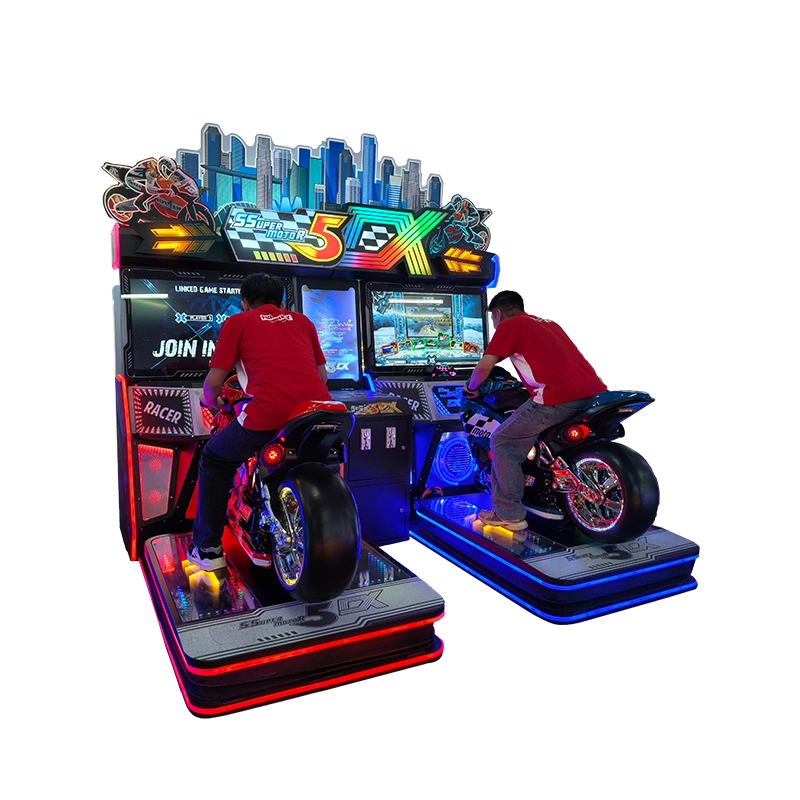
Marwey Motorcycle Driving Arcade Game Machine 2 Players Coin Operated Racing Simulator Factory Price
Marwey Motorcycle Driving Arcade Game Machine 2 Players Coin Operated Racing Simulator Factory Price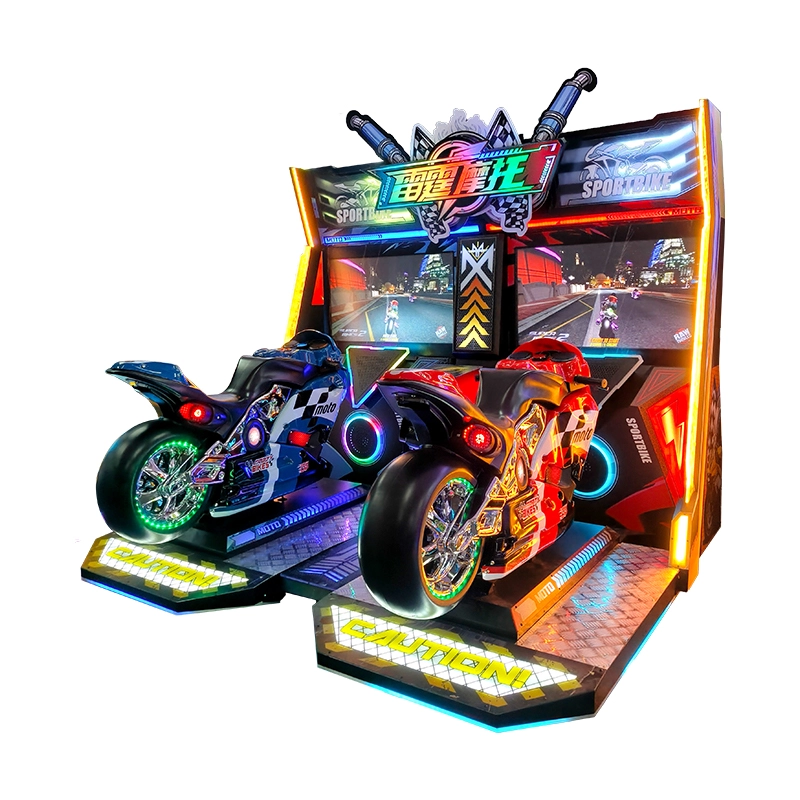
Marwey Coin Operated Motorcycle Driving Simulator 2 Players Factory Cheap Wholesale Arcade Machine
Marwey Coin Operated Motorcycle Driving Simulator 2 Players Factory Cheap Wholesale Arcade Machine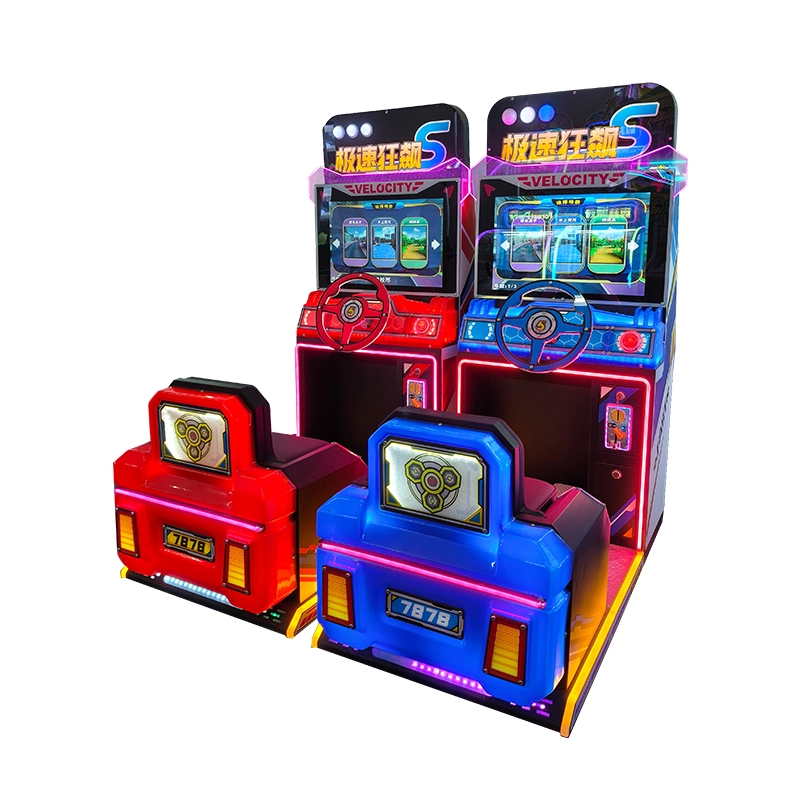
Marwey Wholesale Kids Mini Racing Simulator Equipment 2 Players Factory Price Arcade Driving Game Machine
Marwey Wholesale Kids Mini Racing Simulator Equipment 2 Players Factory Price Arcade Driving Game Machine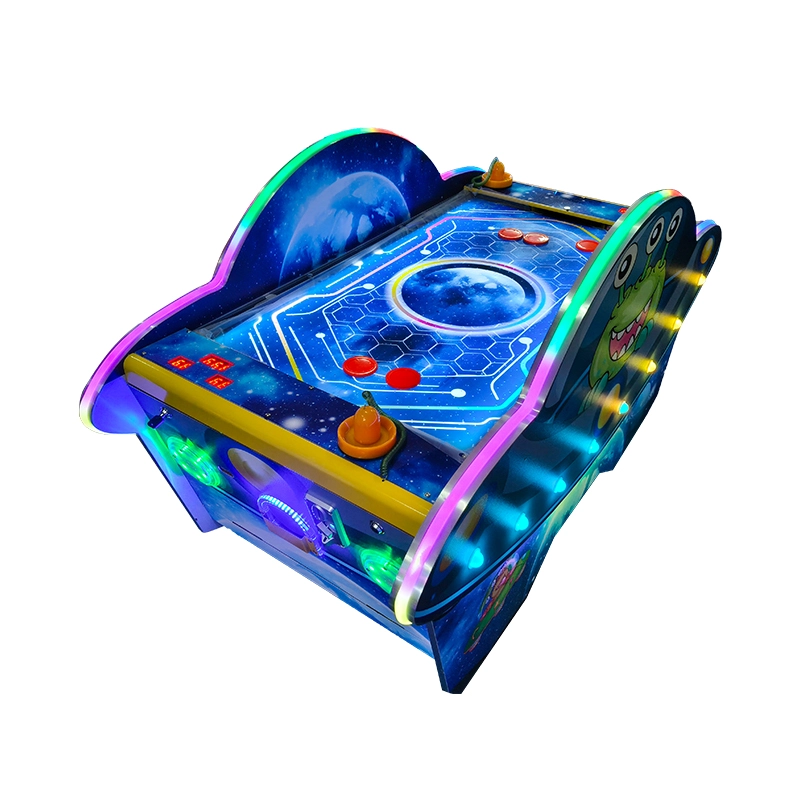
Marwey Kids Electronic Air Hockey Table Children Commercial Indoor Coin Operated Arcade Machine
Marwey Kids Electronic Air Hockey Table Children Commercial Indoor Coin Operated Arcade Machine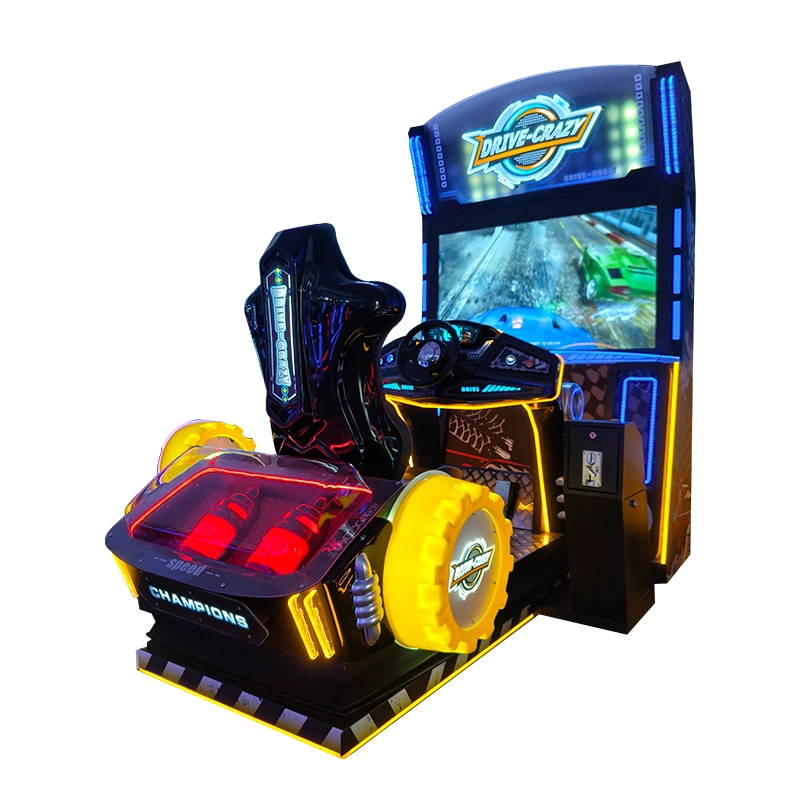
Marwey 55 Inchs Screen Dynamic Seat Racing Simulator Coin Operated Amusement Arcade Machine for Factory Price
Marwey 55 Inchs Screen Dynamic Seat Racing Simulator Coin Operated Amusement Arcade Machine for Factory Price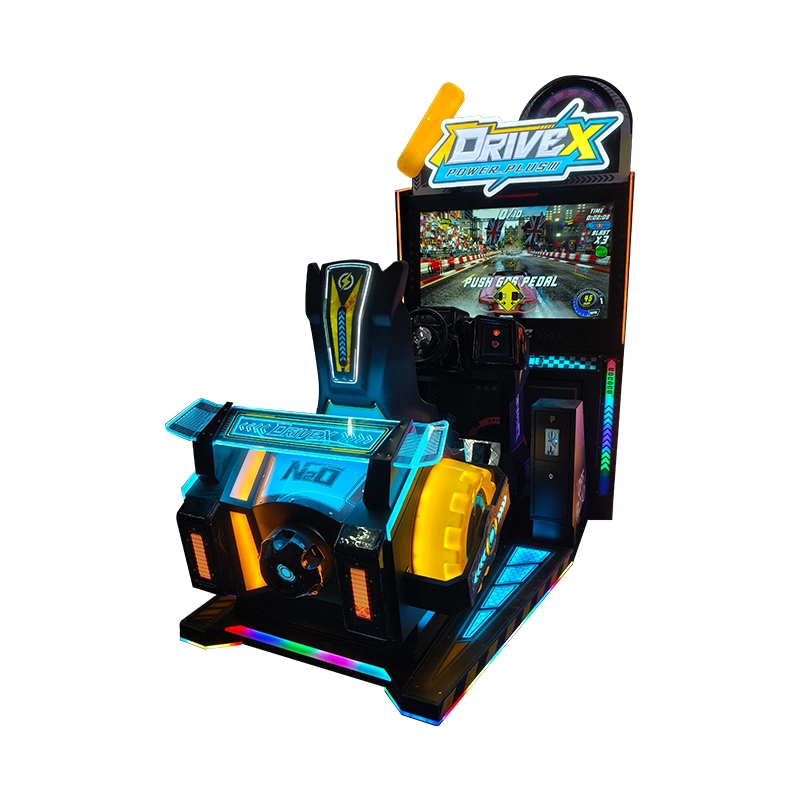
Marwey 55 Inchs Screen Dynamic Racing Simulator Wholesale Coin Operated Car Driving Arcade Machine
Marwey 55 Inchs Screen Dynamic Racing Simulator Wholesale Coin Operated Car Driving Arcade MachineWant to know more industry information?
If you have any comments or good suggestions, please leave us a message; later our professional staff will contact you as soon as possible.
◼ Contact MARWEY
WhatsApp: +86 189 2218 4260
Floor 2, Building E, Hengran Creative Park, Shixin Road, Panyu District, Guangzhou, Guangdong, China.
© 2025 MARWEY. All Rights Reserved.

































































































MARWEY
MARWEY
MARWEY
MARWEY
MARWEY
MARWEY