
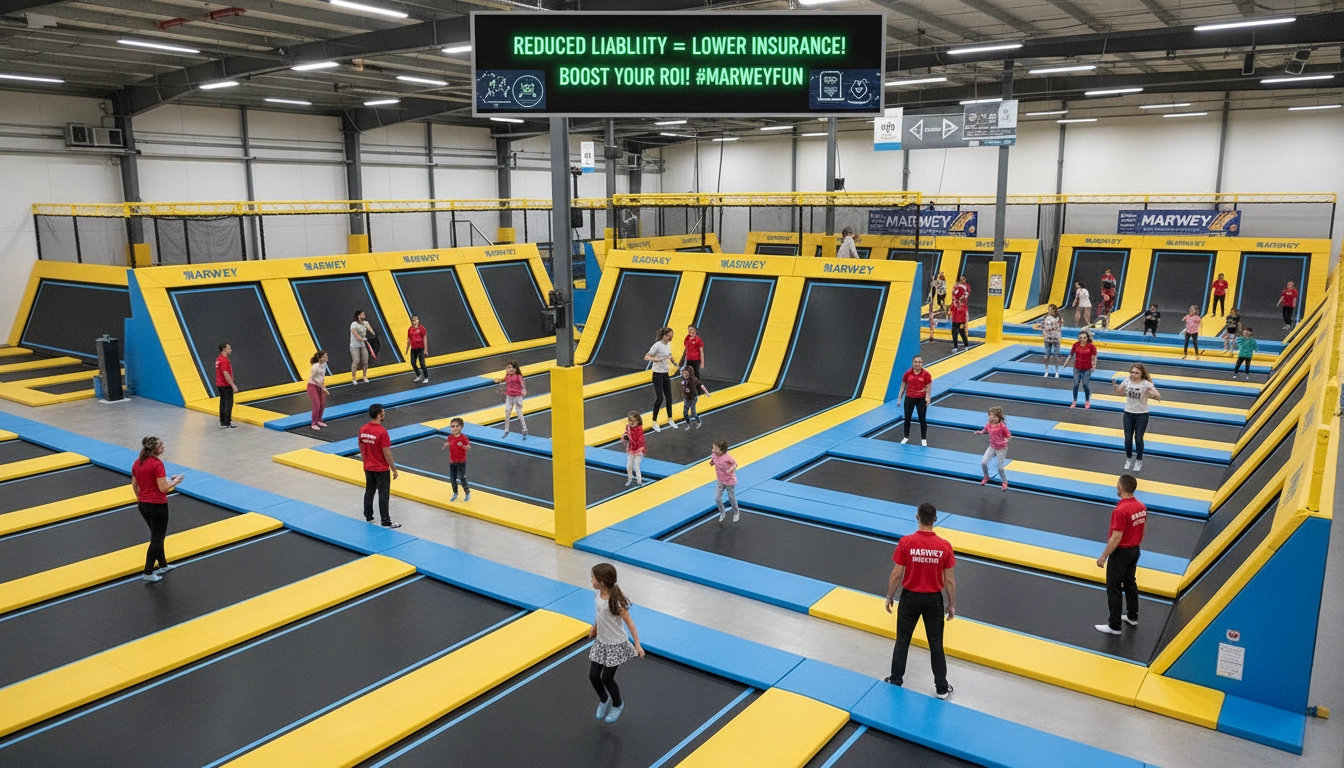

- Understanding Trampoline Park Liability and its Impact on Insurance
- The Direct Correlation Between Risk Reduction and Premium Costs
- Key Strategies for Mitigating Liability Risk
- Adherence to Global Safety Standards (ASTM F2970, TÜV)
- Robust Operational Protocols and Staff Training
- The Financial Advantage: Lower Premiums and Higher ROI
- Quantifiable Benefits of Risk Reduction
- MARWEY's Role in Driving Down TCO (Total Cost of Ownership)
- Comparison: Compliant vs. Non-Compliant Trampoline Parks
- Practical Steps for Existing and New Parks
- A Step-by-Step Guide to Enhancing Safety and Reducing Insurance Costs
- FAQ
The dynamic world of commercial trampoline parks offers exciting opportunities for investors and operators. However, navigating the landscape of liability and insurance premiums is crucial for long-term profitability. This article, brought to you by MARWEY, a leader in high-safety and high-ROI active entertainment solutions, delves into how strategically reducing liability risk to lower trampoline park insurance premiums can directly translate to lower insurance costs, protecting your investment and ensuring operational stability. We will explore key safety protocols, engineering standards, and operational best practices that not only enhance jumper safety but also drive down your insurance burden, ultimately boosting your park's financial health.
Understanding Trampoline Park Liability and its Impact on Insurance

Commercial trampoline parks, by their very nature, involve activities with inherent risks. Accidents, though rare in well-managed facilities, can lead to significant liability claims, directly impacting insurance premiums. Insurance providers assess numerous factors when calculating premiums, including a park's safety record, equipment quality, operational protocols, and adherence to industry standards. A proactive approach to risk management is not merely a legal or ethical obligation; it's a fundamental financial strategy. MARWEY's expertise in designing and manufacturing high-security trampoline park equipment directly addresses these concerns, providing foundational safety that insurance companies recognize and reward.
The Direct Correlation Between Risk Reduction and Premium Costs
Every step taken to mitigate potential harm in a trampoline park directly reduces the perceived risk by insurers. This reduction in risk translates into a lower likelihood of claims, which in turn leads to more favorable insurance rates. For instance, parks that consistently demonstrate superior safety practices through regular equipment inspections, comprehensive staff training, and rigorous adherence to international safety standards often receive significantly lower quotes. This isn't just about avoiding lawsuits; it's about building a robust operational framework that prioritizes safety from the ground up, a philosophy deeply embedded in MARWEY's turnkey solutions.
Key Strategies for Mitigating Liability Risk

Reducing liability risk to lower trampoline park insurance premiums requires a multi-faceted approach, integrating superior equipment, diligent operations, and comprehensive safety protocols. This section outlines actionable strategies that parks can implement to achieve substantial reductions in liability.
Adherence to Global Safety Standards (ASTM F2970, TÜV)
Compliance with globally recognized safety standards such as ASTM F2970 for trampoline park safety and TÜV certification is paramount. These standards dictate everything from structural integrity and material specifications to operational guidelines and signage requirements. For example, ASTM F2970 mandates specific safety padding thicknesses, net enclosure heights, and jumper-to-bed ratios.
- Structural Durability: MARWEY's heavy-duty engineering ensures steel frame structures exceed industry durability requirements, minimizing the risk of failure.
- Material Fatigue Life: We use premium springs and jump mats designed for extended fatigue life, reducing the need for frequent replacements and preventing material-related incidents.
- Safety Padding: Specifications for safety soft padding are rigorously enforced, providing maximum impact absorption.
- Jumper-to-Monitor Ratio: Implementing and strictly adhering to recommended Jumper-to-Monitor ratios (e.g., 1 monitor per 10-15 jumpers) ensures adequate supervision and rapid response to incidents.
- ASTM Compliance Impact: Achieving ASTM compliance can lead to an average 15-25% reduction in insurance premiums as insurers view compliant parks as significantly lower risk.
Robust Operational Protocols and Staff Training
Well-trained staff and clearly defined operational procedures form crucial layers of defense against liability. This includes:
- Comprehensive Jumper Briefings: Ensuring all participants understand and sign waivers, and receive clear safety instructions pre-jump.
- Regular Equipment Inspections: Daily, weekly, and monthly inspection checklists for all park attractions, covering everything from netting integrity to spring tension.
- Emergency Response Training: All staff should be trained in first aid, CPR, and swift emergency protocols.
- Incident Reporting: A meticulous and transparent system for recording all incidents, no matter how minor, is essential for identifying patterns and preventing future occurrences.
- MARWEY's Training Support: MARWEY offers operational training as part of its turnkey solution, ensuring park staff are fully equipped to manage safety.
The Financial Advantage: Lower Premiums and Higher ROI

Investing in safety and compliance is not an expense; it's an investment that yields significant financial returns, primarily through reduced insurance costs and enhanced operational efficiency. As I've observed in numerous projects, the initial investment in high-quality, compliant equipment rapidly pays for itself through these savings.
Quantifiable Benefits of Risk Reduction
- Direct Insurance Savings: As established, lower risk profiles directly translate to lower annual premiums. For a typical park, these savings can amount to thousands of dollars annually, significantly impacting net profits.
- Reduced Claim Payouts: Fewer incidents mean fewer claims, avoiding costly legal fees, settlements, and reputational damage.
- Enhanced Brand Reputation: A park known for its commitment to safety attracts more customers and fosters greater trust, leading to increased revenue.
- Quicker Payback Period: For a well-managed trampoline park with robust safety, the average payback period can be as short as 2-3 years, significantly boosted by lower operational costs like insurance.
- Optimizing Revenue Per Square Foot (RPSF): While not directly tied to liability reduction, a safe environment encourages repeat visits and longer dwell times, optimizing your park's RPSF, which ideally ranges from $50-$100 or more annually for well-performing FECs.
MARWEY's Role in Driving Down TCO (Total Cost of Ownership)
MARWEY's commitment to high-quality, durable equipment plays a pivotal role in reducing liability risk to lower trampoline park insurance premiums and driving down a park's Total Cost of Ownership (TCO). Our factory-direct model and robust engineering mean:
- Reduced Maintenance Costs: Our equipment is designed for longevity, minimizing repair needs and associated labor costs.
- Longer Equipment Lifespan: High-grade materials and construction prevent premature wear and tear, extending the operational life of assets.
- Compliance Assurance: Built-in adherence to ASTM/TÜV standards from the manufacturing stage ensures ease of certification and compliance audits.
- Impact of Equipment Quality on TCO: High-quality, compliant equipment can reduce long-term operational and insurance-related TCO by 10-20% compared to non-compliant or lower-grade alternatives. This includes savings on parts, labor, and reduced insurance premiums.
Comparison: Compliant vs. Non-Compliant Trampoline Parks
| Compliance Aspect | Compliant Park (MARWEY Standard) | Non-Compliant Park |
|---|---|---|
| Initial Equipment Cost | Higher due to superior materials/engineering | Lower, often due to substandard materials |
| Safety Certifications | ASTM F2970, TÜV certified | Lacking or partial |
| Insurance Premiums | Significantly lower (e.g., 15-25% reduction) | Higher, potentially prohibitive |
| Customer Trust | High, leads to repeat business | Low, negative reviews common |
| Operational Efficiency | Smooth, fewer incidents, lower downtime | Frequent incidents, higher downtime |
| Legal Risks | Minimized, robust defense | High, vulnerable to lawsuits |
| Long-Term Profitability | Sustainable, high ROI | Volatile, at risk of closure |
| TCO | Lower overall due to durability & reduced claims | Higher due to repairs, claims, premium increases |
This table highlights the tangible differences and financial implications between a trampoline park that prioritizes safety and compliance versus one that cuts corners. In my experience, facilities that compromise on safety standards almost always face higher long-term costs and significant reputational damage.
Practical Steps for Existing and New Parks
Whether you are planning a new trampoline park or seeking to optimize an existing one, taking proactive steps towards reducing liability risk to lower trampoline park insurance premiums is paramount.
A Step-by-Step Guide to Enhancing Safety and Reducing Insurance Costs
- Conduct a Comprehensive Risk Assessment: Identify all potential hazards within your park, from equipment wear to crowd management.
- Ensure Equipment Compliance: Verify all equipment meets and ideally exceeds, international safety standards like ASTM F2970. For new builds, partner with suppliers like MARWEY whose products are certified.
- Implement Robust Staff Training Programs: Regularly train staff on safety protocols, emergency procedures, and customer interaction.
- Establish Strict Monitoring Protocols: Ensure adequate supervision ratios and active monitoring of all jumping areas. Implementing a Jumper-to-Monitor Ratio of 1:15 is standard, but local regulations may require stricter ratios, for instance, 1:10 in some European countries.
- Maintain Meticulous Records: Document all inspections, maintenance, training, and incident reports. This data is invaluable for defending against claims and demonstrating due diligence to insurers.
- Review Insurance Policies Annually: Work with your broker to ensure your policy accurately reflects your risk mitigation efforts and to explore potential premium reductions.
- Consider Technology Solutions: Utilize safety gates, sensor systems, and digital waiver solutions to further enhance safety and streamline operations.
In conclusion, effectively reducing liability risk to lower trampoline park insurance premiums is the cornerstone of sustainable success for any commercial trampoline park. It's not just about compliance; it's a strategic financial decision that directly impacts your bottom line through lower insurance premiums, reduced operational costs, and enhanced customer trust. By partnering with leading providers like MARWEY, who prioritize global safety standards, engineering excellence, and comprehensive turnkey solutions, investors and operators can build parks that are not only thrilling but also inherently safe and highly profitable. Secure your investment and future-proof your park's success.
Discover how MARWEY's ASTM/TÜV compliant trampoline park solutions can reduce your liability and boost your ROI. Download Our ASTM Compliance Checklist or Get a Custom ROI Projection today!
FAQ
Q1: What is the primary benefit of reducing liability risk in a trampoline park?
A1: The primary benefit is significantly lower insurance premiums, which directly impacts the park's profitability and long-term financial stability. It also enhances customer trust and reduces the likelihood of costly lawsuits.
Q2: Which global safety standards are most important for trampoline parks?
A2: ASTM F2970 (Standard Practice for Design, Manufacture, Installation, Operation, Maintenance, Inspection, and Major Modification of Trampoline Courts and Trampoline Parks) and TÜV certification are critical international safety standards.
Q3: How does MARWEY ensure the safety of its trampoline park equipment?
A3: MARWEY ensures safety through heavy-duty engineering, use of premium materials (e.g., high fatigue-life springs), strict adherence to ASTM/TÜV global safety standards, and comprehensive quality control during manufacturing and installation.
Q4: Can equipment quality truly lower insurance costs?
A4: Yes, insurance providers recognize the inherent safety benefits of high-quality, certified equipment. This reduces the perceived risk of accidents, leading to more favorable premium rates compared to parks using substandard equipment.
Q5: What is a recommended Jumper-to-Monitor ratio?
A5: While local regulations may vary, a generally recommended Jumper-to-Monitor ratio is between 1:10 and 1:15, ensuring adequate supervision and quick response to any incidents.
Q6: What financial data points should I track to assess my park's performance and safety impact?
A6: Key financial data points include average payback period, Revenue Per Square Foot (RPSF), Total Cost of Ownership (TCO), and the percentage reduction in insurance premiums due to safety improvements.
Q7: Besides equipment, what are key operational strategies to reduce liability?
A7: Key operational strategies include robust staff training, clear safety briefings for jumpers, regular equipment inspections, rigorous incident reporting, and maintaining meticulous records of all safety procedures.
Q8: How often should trampoline park equipment be inspected?
A8: Equipment should undergo daily visual checks, weekly detailed inspections, and monthly or quarterly comprehensive inspections by trained personnel, depending on usage intensity and manufacturer guidelines.
Q9: What role does waivers play in reducing liability?
A9: While waivers don't absolve a park of all responsibility, they are vital legal documents that inform participants of inherent risks and secure acknowledgment, providing a layer of protection in case of claims.
Q10: How does MARWEY's turnkey solution assist in reducing liability?
A10: MARWEY's turnkey solutions encompass ASTM/TÜV certified equipment, expert park design that optimizes safety flow, and operational training, all contributing to a facility that inherently has a lower liability risk profile from inception.
Related Articles
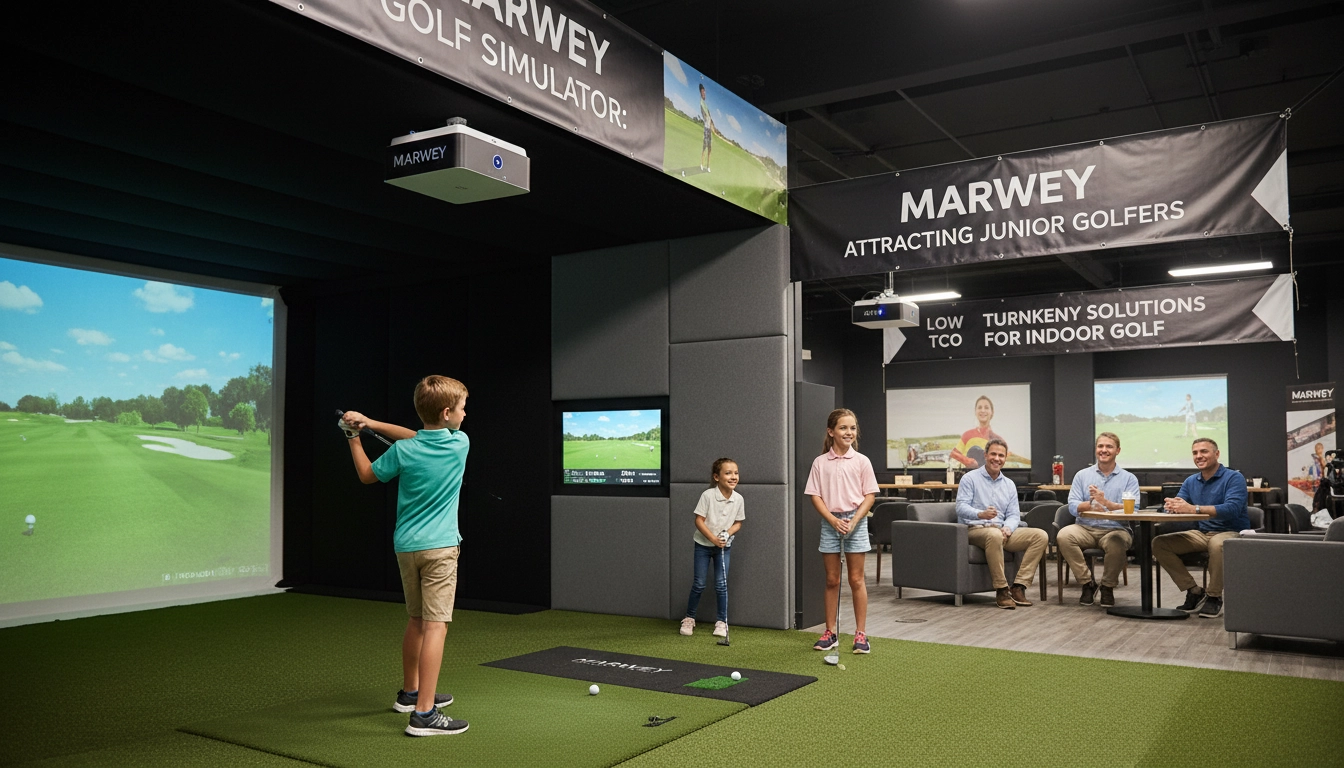
Guide to Attracting Junior Golfers with Specialized Golf Simulator Programs
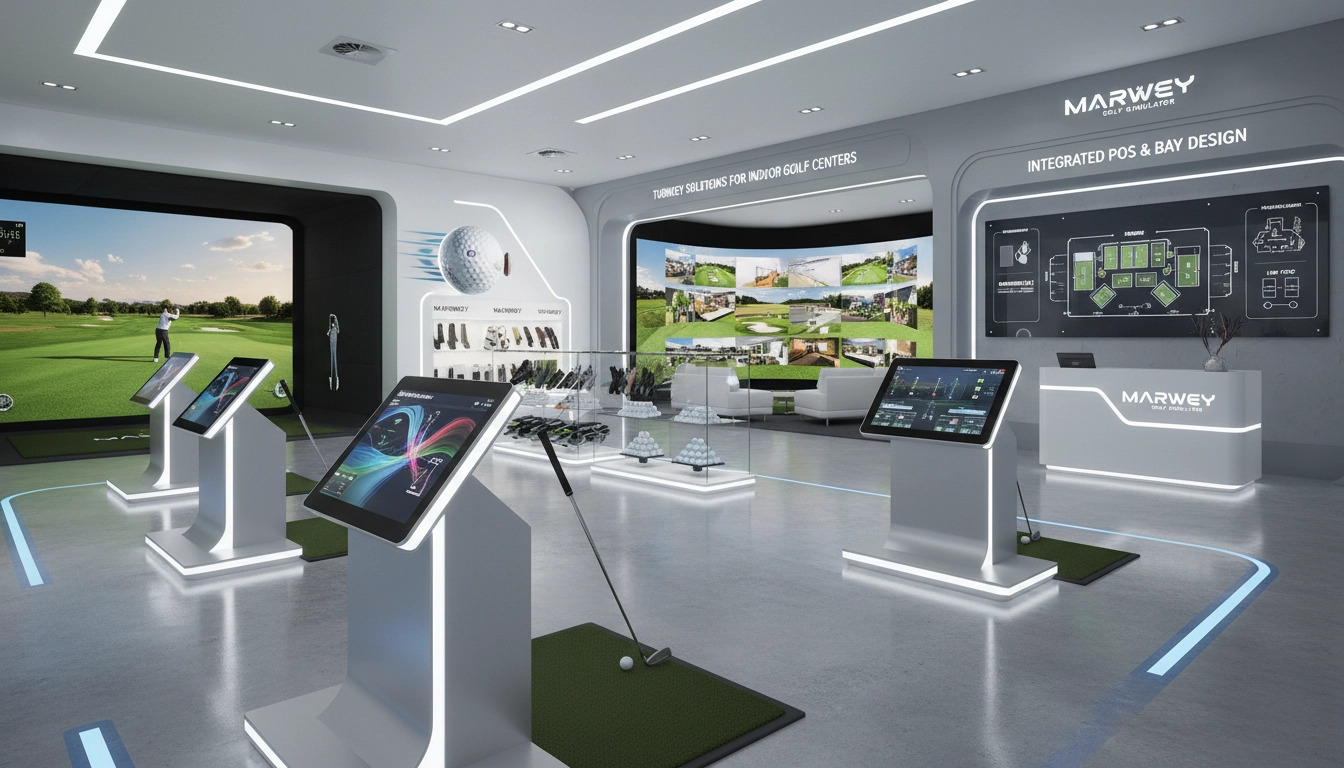
Guide on Optimizing Inventory for Golf Simulator Retail Sales (Balls, Gloves)
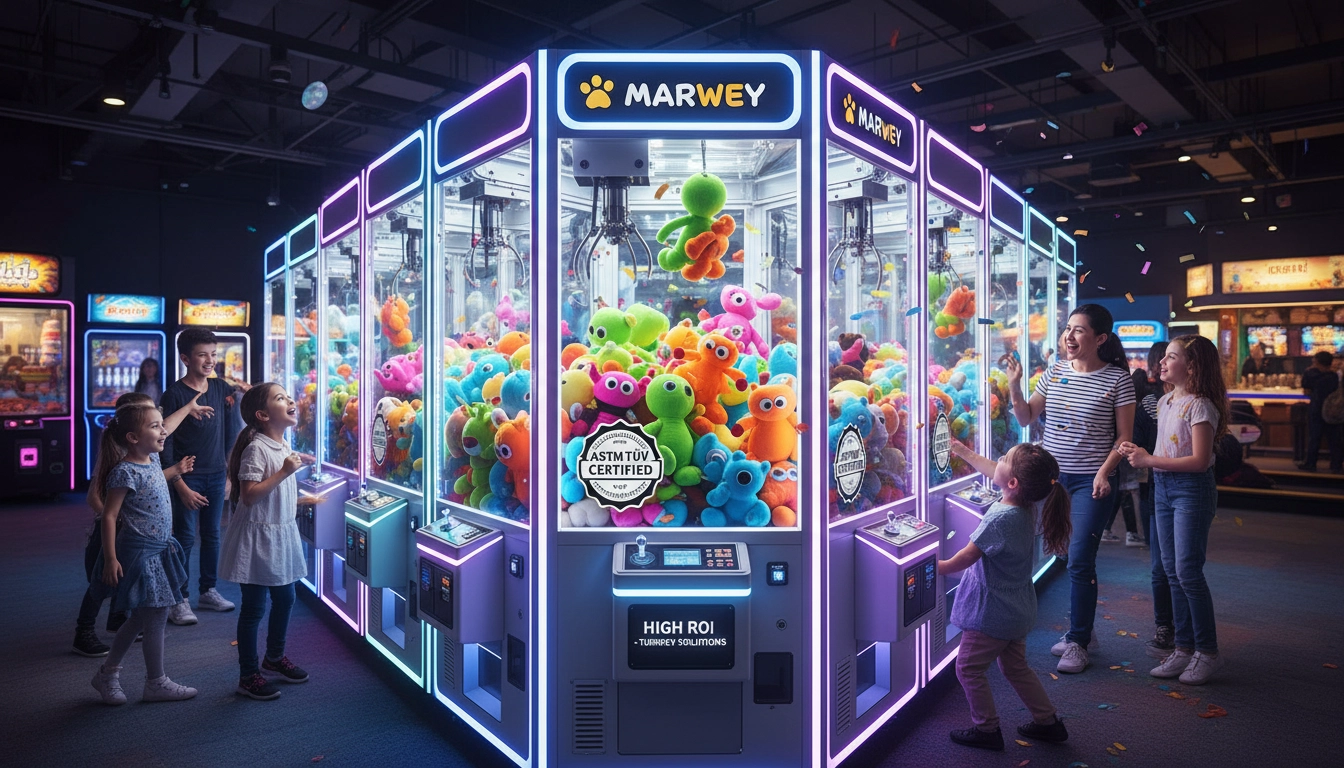
Mastering Selecting Durable Plush for Claw Machines Techniques for Success
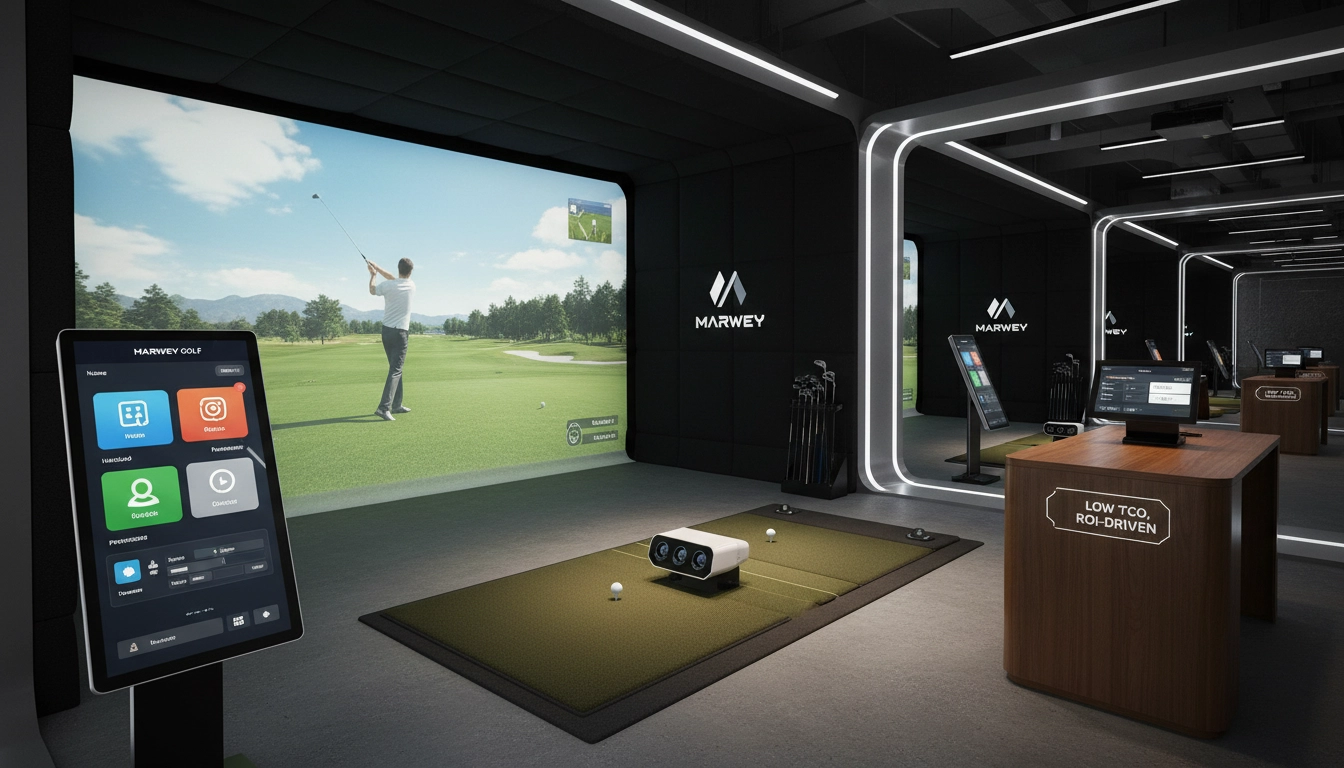
Top Best Practices for Customizing User Profiles on Golf Simulator Software
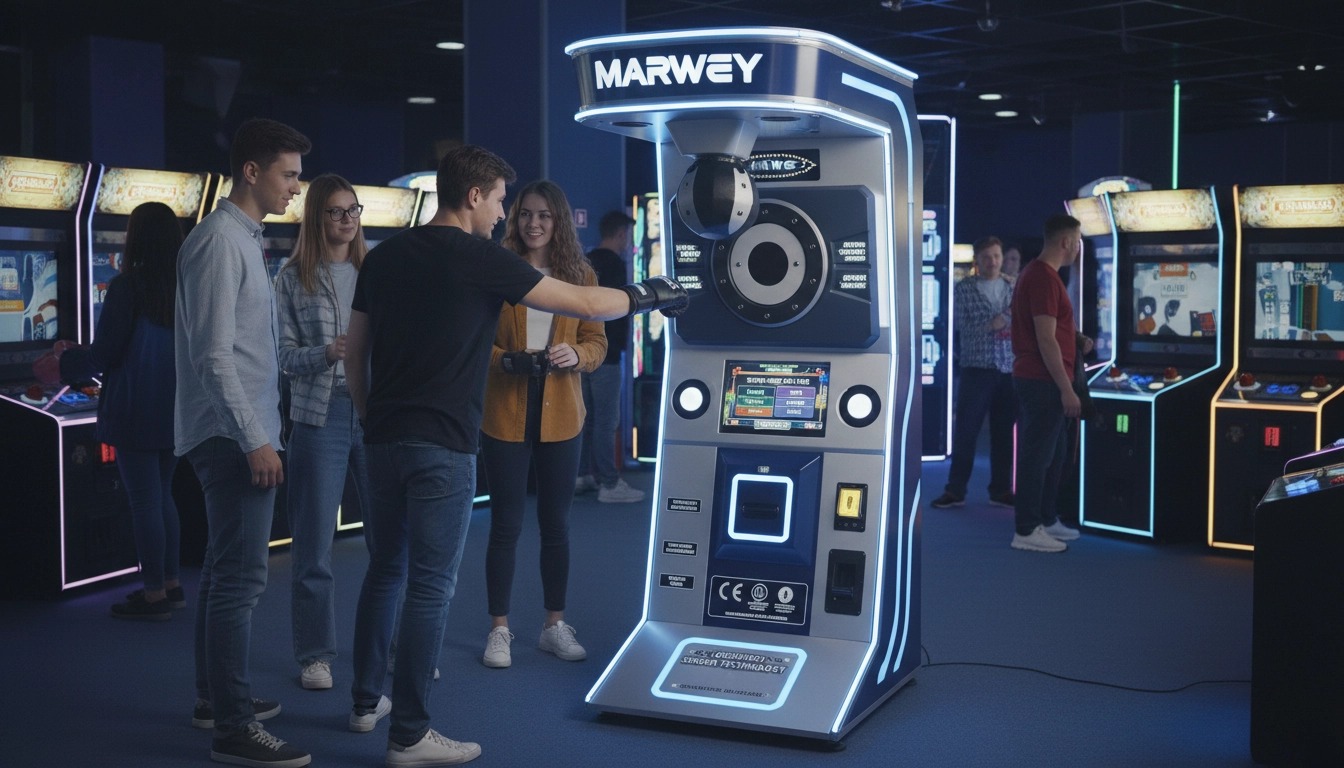
Boxing Machine User Experience: Improving Player Comfort and Safety
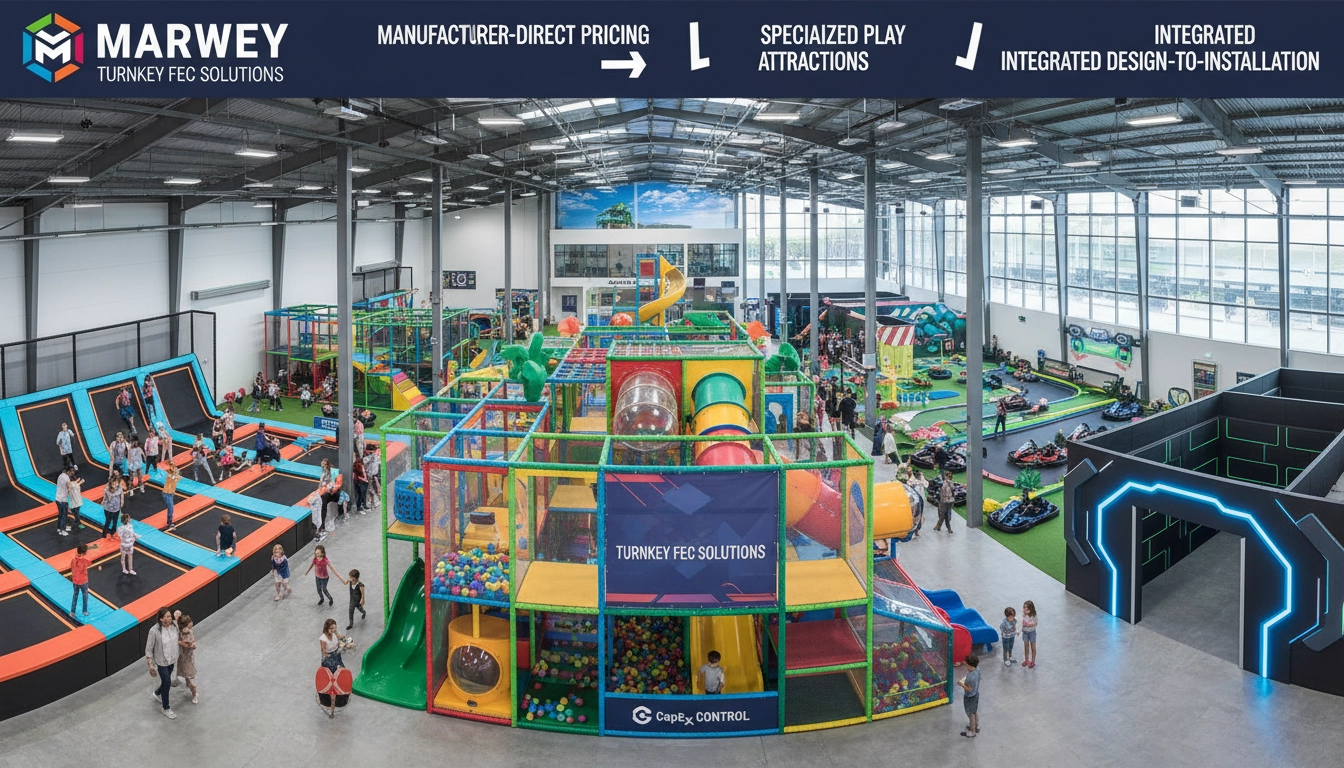
Choosing the Right Family Entertainment Center Construction Equipment and Kits: Your Comprehensive Guide
Indoor Trampoline Park
How much space do you need for a trampoline park?
A commercial trampoline park requires a significant facility size and high ceiling height for safe operation.
- Minimum Size Recommendation: The International Adventure & Trampoline Association (IATP) suggests business owners secure a building with a minimum of 18,000 square feet (approx. 1,672 square meters).
- Optimal Size for FECs: Many modern parks and franchises prefer larger spaces, often starting from 25,000 to 35,000+ square feet.
- Ceiling Height: A critical factor is the ceiling height, which should be at least 17 to 18 feet (approx. 5.2 to 5.5 meters) from the floor to the lowest obstruction for safe jumping.
- Trampoline Area: The actual trampoline area typically accounts for about 45% to 50% of the total venue space.
Indoor Playground
Can a daycare have an indoor playground?
Family Entertainment Center
What should be included in an FEC Feasibility Study?
A robust feasibility study is non-negotiable. It must contain a demographic analysis of your primary market, a detailed competitor review, realistic projected attendance figures, a five-year financial forecast (including a break-even analysis), and site-specific recommendations for an optimal attraction mix. This study validates the entire business concept.
Mini Claw Machine
How does a mini claw machine work?
A mini claw machine operates through a simple electromechanical process:
-
Insert Coin/Token: The customer inserts money to activate the machine, which grants a set amount of play time (usually 10-30 seconds).
-
Movement: The player uses a joystick or buttons to move the claw over a desired prize.
-
Descent: The player presses a button to lower the claw. A motor drives the claw down into the prize chamber.
-
Gripping: When the claw reaches the bottom, it automatically closes. The grip strength is often pre-set and can be adjusted by the owner to control the difficulty.
-
Retrieval: The claw then rises, and if it has successfully grabbed a prize, it carries it to the chute (the prize drop area).
-
Release: The claw opens over the chute, dropping the prize for the customer to retrieve. The success of the grab is never guaranteed, which is a core part of the game's appeal and challenge.
How to win a mini claw machine?
Winning at a mini claw machine is a combination of strategy and skill. Here are some effective tips:
-
Observe First: Watch others play to gauge the claw's strength and how it releases prizes.
-
Choose Easy Targets: Aim for prizes that are loose, not tangled, and located close to the chute. The best targets are often light, small items that are easy to grip.
-
Master the Controls: Use smooth, deliberate movements with the joystick. Avoid jerky motions.
-
Position the Claw Perfectly: Center the claw directly over your target before dropping. The goal is to get the claws around the prize evenly for a better grip.
-
Aim for Specific Parts: Instead of trying to grab a large prize in the center, target a specific, grippable part, like a limb on a stuffed animal or the edge of a box.
-
Understand the Mechanics: Remember that most machines are set to have a "strong" grip only occasionally. Your goal is to set up the perfect grab for when that strong grip cycle occurs.
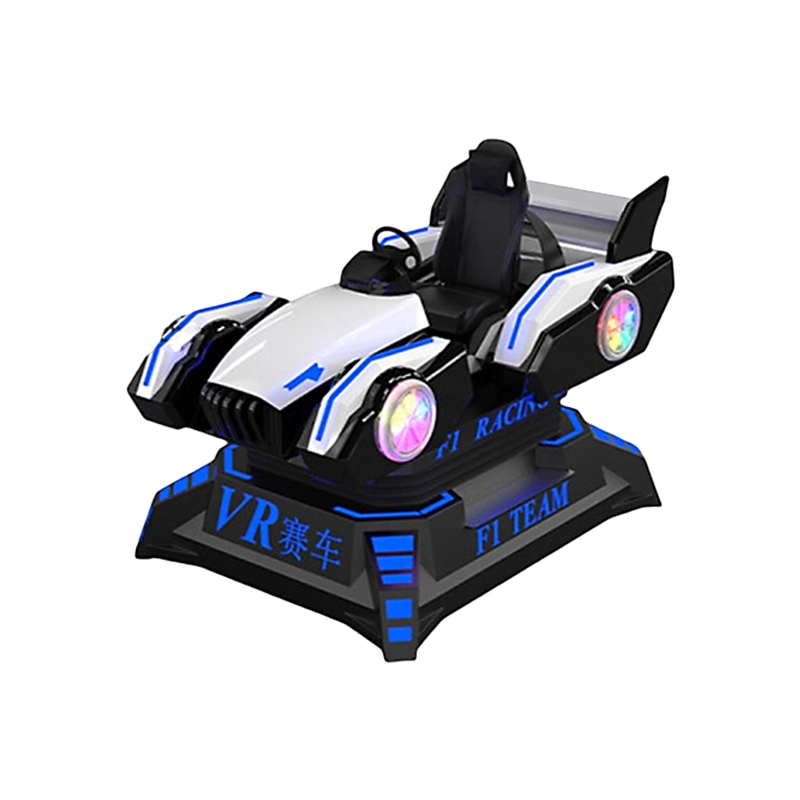
Marwey Hot Sale Vr 9d Racing Simulator Virtual Reality Driving Car Game Machine for Commercial Use
Marwey Hot Sale Vr 9d Racing Simulator Virtual Reality Driving Car Game Machine for Commercial Use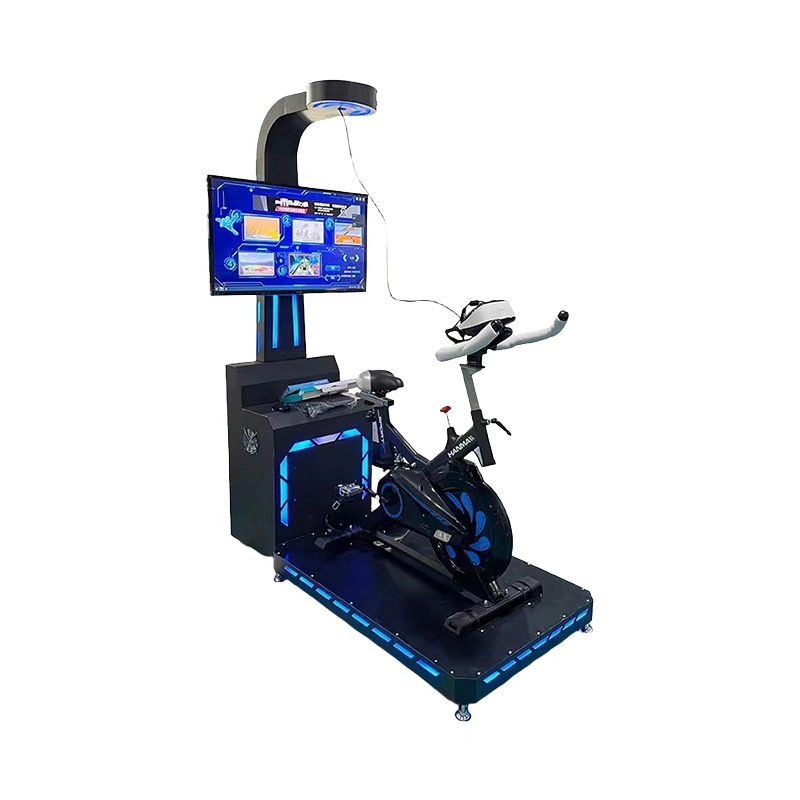
Marwey New Arrival Vr Dynamic Cycling Exercise & Driving Virtual Reality Bike Simulator for Cheap Sale
Marwey New Arrival Vr Dynamic Cycling Exercise & Driving Virtual Reality Bike Simulator for Cheap Sale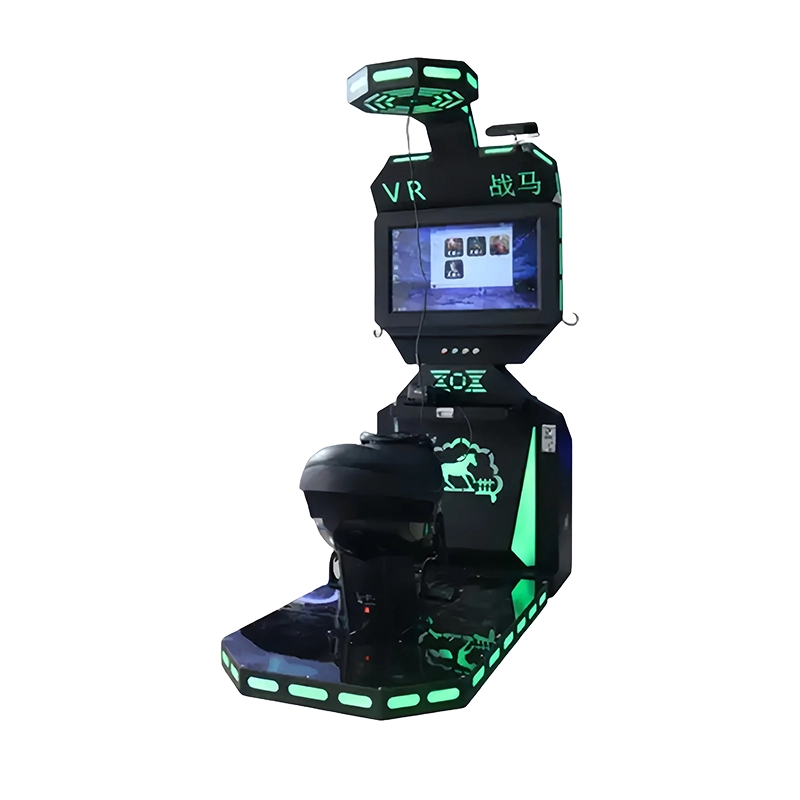
Marwey Mall New Arrival Vr Horse Simulator Indoor Commercial Virtual Reality Sport Game Machine for Sale
Marwey Mall New Arrival Vr Horse Simulator Indoor Commercial Virtual Reality Sport Game Machine for Sale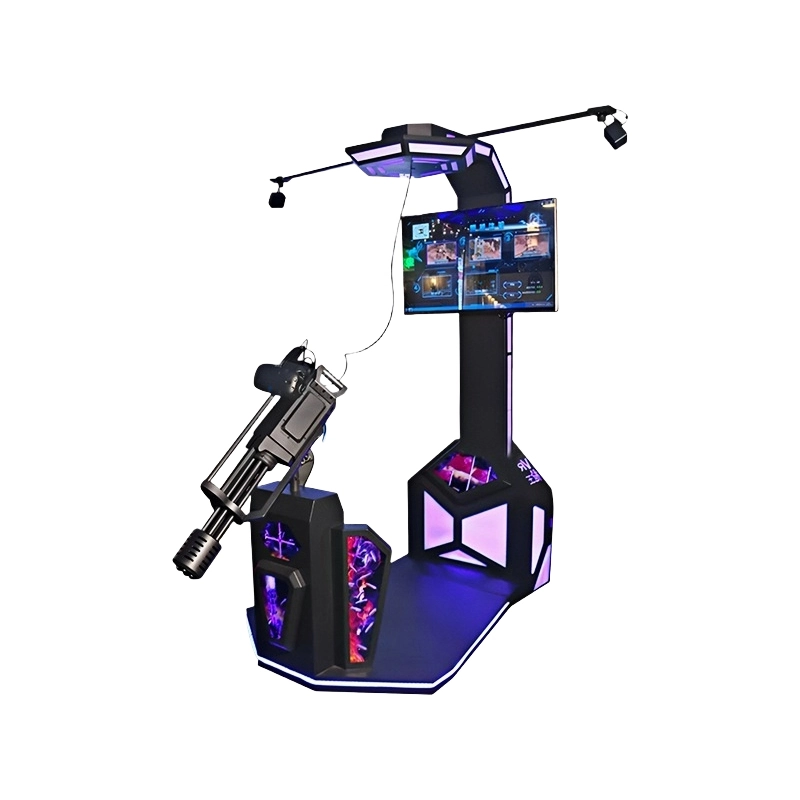
Marwey Hot Sale 1 Player Vr Gatling Shooting Simulator Virtual Reality Headset Glasses Gaming Machine
Marwey Hot Sale 1 Player Vr Gatling Shooting Simulator Virtual Reality Headset Glasses Gaming Machine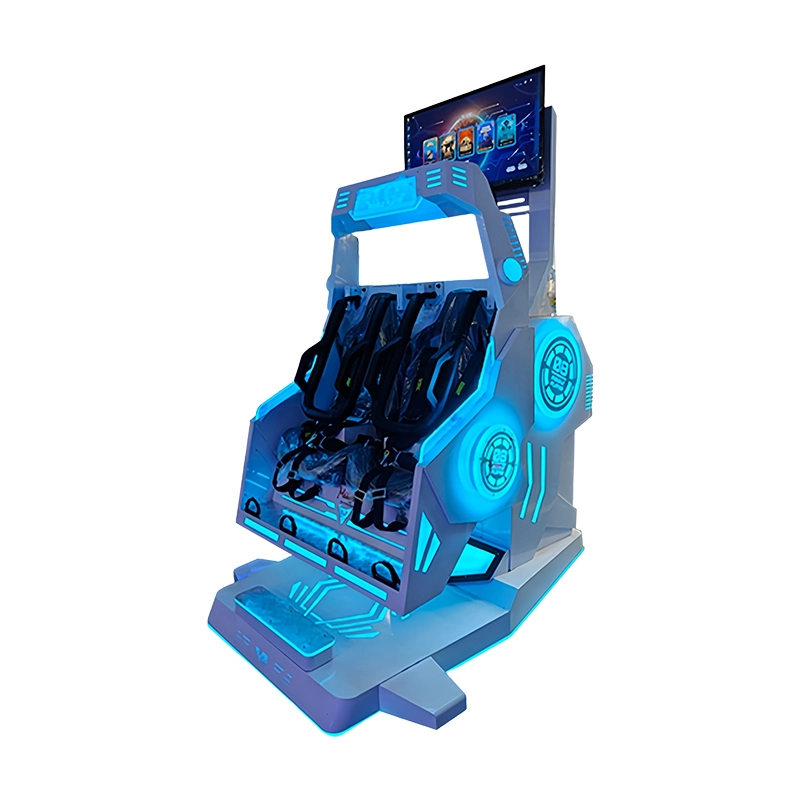
Marwey Commercial Two Player 360 Rotation Vr Simulator Virtual Reality Gaming Equipment for Hot Sale
Marwey Commercial Two Player 360 Rotation Vr Simulator Virtual Reality Gaming Equipment for Hot Sale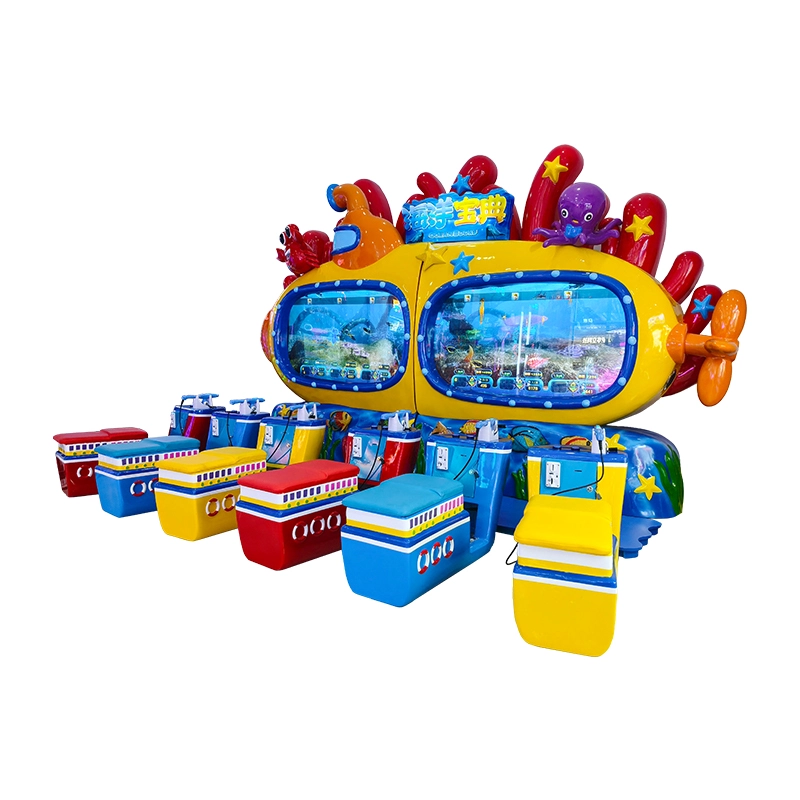
Marwey New High Quality Children's Arcade Redemption Game Machine - Hot Selling Indoor Amusement Fishing Simulation Equipment
Marwey New High Quality Children's Arcade Redemption Game Machine - Hot Selling Indoor Amusement Fishing Simulation Equipment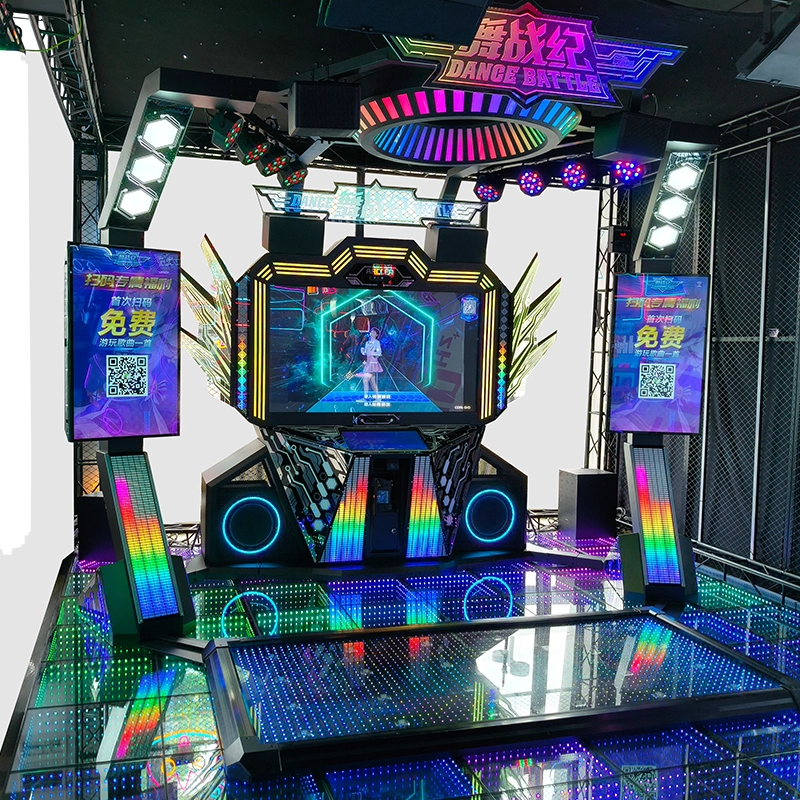
Marwey Coin Operated Indoor Arcade Dance Machine - High Quality Shopping Mall Entertainment Equipment for Sale
Marwey Coin Operated Indoor Arcade Dance Machine - High Quality Shopping Mall Entertainment Equipment for Sale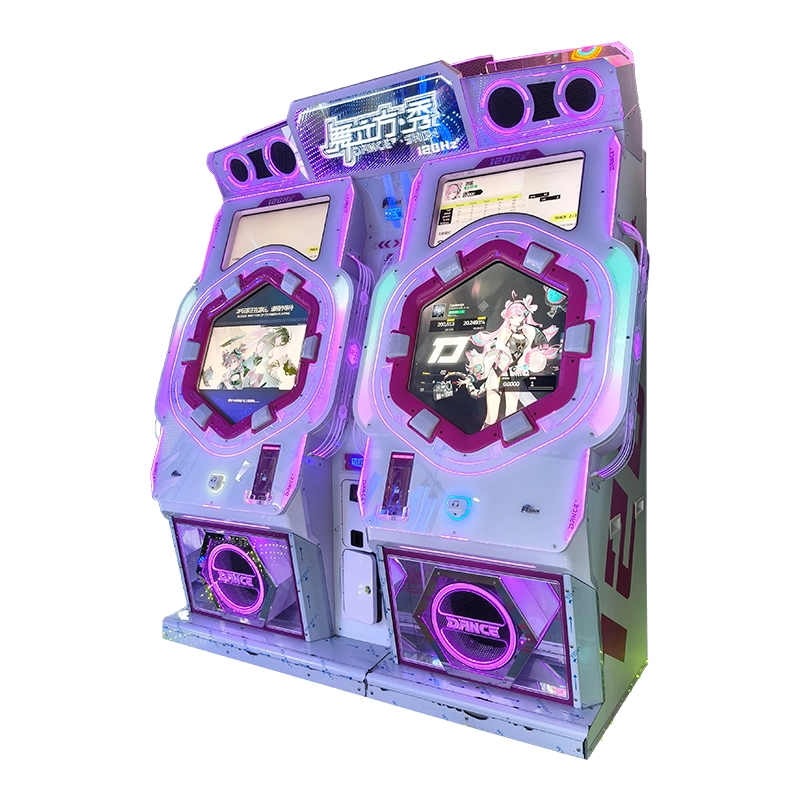
Marwey New Luxury Coin Operated Arcade Dancing Machine - Indoor Entertainment Rhythm Speed Game with Music
Marwey New Luxury Coin Operated Arcade Dancing Machine - Indoor Entertainment Rhythm Speed Game with MusicWant to know more industry information?
If you have any comments or good suggestions, please leave us a message; later our professional staff will contact you as soon as possible.
◼ Contact MARWEY
WhatsApp: +86 189 2218 4260
Floor 2, Building E, Hengran Creative Park, Shixin Road, Panyu District, Guangzhou, Guangdong, China.
© 2025 MARWEY. All Rights Reserved.
MARWEY
MARWEY
MARWEY
MARWEY
MARWEY
MARWEY