
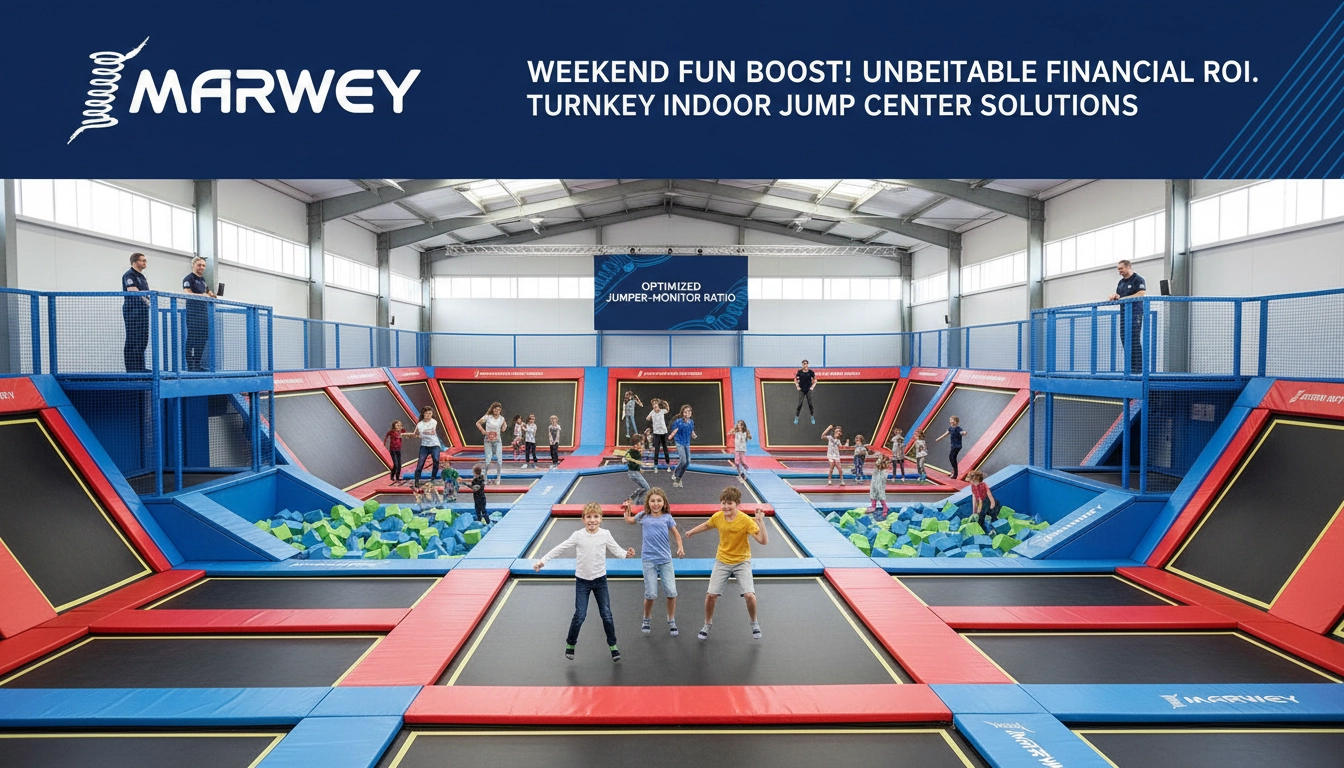

- Understanding Dynamic Pricing in the Trampoline Park Context
- The Core Concept of Dynamic Pricing
- Factors Influencing Weekend Demand
- Why Weekends are Crucial for Revenue Optimization
- Implementing Effective Dynamic Pricing Models
- Tiered Pricing Based on Demand
- Advance Booking Incentives
- Variable Duration Pricing
- Membership and Loyalty Programs for Weekends
- Bundling Strategies
- Comparison Table: Static Pricing vs. Dynamic Pricing Revenue Potential
- Data-Driven Decision Making and Technology
- Leveraging Analytics for Pricing Adjustments
- How-To Guide: Steps to Analyze Your Weekend Revenue Data
- The Role of Online Booking Systems and POS
- Predictive Analytics and AI
- Safety, Compliance, and Equipment Quality as a Foundation for Profitability
- The Unwavering Importance of ASTM/TÜV Compliance
- MARWEY’s Commitment to Engineering Excellence
- Low Total Cost of Ownership (TCO) with Quality Equipment
- Optimizing Staffing: Jumper-to-Monitor Ratios
- FAQ Section
The trampoline park industry is a vibrant and high-ROI sector within the family entertainment center (FEC) landscape. Weekend revenue, in particular, represents a significant portion of a park's overall profitability. However, simply offering a flat rate fails to capture the full potential of peak demand. This article explores how implementing sophisticated dynamic pricing strategies can revolutionize weekend revenue generation for trampoline parks, optimizing profitability while enhancing customer experience. We will delve into key considerations, data-driven approaches, and the role of high-quality, ASTM/TÜV compliant equipment – a cornerstone of safe and profitable operations – aligning with MARWEY’s commitment to excellence in the Indoor Jump Center space.
Understanding Dynamic Pricing in the Trampoline Park Context
When I first started consulting for Indoor Jump Centers a decade ago, many parks operated on a static pricing model. It was easy, but it left significant money on the table. Dynamic pricing changes that entirely.
The Core Concept of Dynamic Pricing
Dynamic pricing isn't just about changing prices; it's about smart adjustments based on demand. Unlike static pricing, where a jump session costs the same regardless of the day or time, dynamic pricing allows parks to charge more during high-demand periods and less during off-peak times. This is the basic principle of supply and demand in action within an FEC environment. The benefits are clear: increased revenue, improved capacity utilization by spreading demand, and enhanced customer satisfaction as visitors can choose price points that suit their budget and schedule.
Factors Influencing Weekend Demand
Understanding what drives demand is crucial. There are several key factors:
- Time-based factors: Weekends are obvious, but within a weekend, Saturday afternoons are typically different from Sunday mornings. Holidays and school breaks also see significant spikes.
- Event-based factors: Birthday parties, group bookings, and special park events naturally drive traffic and can justify premium pricing.
- External factors: Believe it or not, the weather plays a huge role. Rainy days often mean more indoor activities. Local competitor promotions can also shift demand.
Why Weekends are Crucial for Revenue Optimization
Weekends are the lifeblood of most trampoline parks. They represent periods of higher foot traffic and, crucially, a greater willingness to pay. This is your prime opportunity to maximize ticket sales and ancillary spend – think food and beverage, merchandise, and arcade games. My experience indicates that for many trampoline parks, weekend revenue can account for 60-70% of total weekly income. Ignoring dynamic pricing during these critical hours is akin to leaving money on the table.
Implementing Effective Dynamic Pricing Models

Implementing a robust dynamic pricing strategy involves more than just raising prices arbitrarily. It requires a thoughtful approach that considers various models and incentives.
Tiered Pricing Based on Demand
This is perhaps the most fundamental dynamic pricing model. It involves illustrating different price points for peak, shoulder, and off-peak times. For example, a Saturday afternoon might be your highest price tier, a Friday evening slightly lower (shoulder), and a Sunday morning the lowest (off-peak). Data shows that parks implementing tiered pricing often see a 15-20% increase in average ticket price during peak hours without deterring customers.
Advance Booking Incentives
Encouraging pre-bookings with early bird discounts is a powerful tool. Not only does it secure revenue in advance, but it also helps manage capacity and predict staffing needs more accurately. Based on my observations, parks offering advance booking discounts can reduce walk-in volatility by up to 25%, leading to more stable operations.
Variable Duration Pricing
Offering different session lengths (e.g., 60-min, 90-min, 120-min) allows customers to choose what best fits their needs and budget. During high-demand periods, you can optimize throughput by nudging customers towards shorter sessions or strategically upselling to longer sessions or multi-hour passes for families who want to stay longer.
Membership and Loyalty Programs for Weekends
For loyal customers, offer premium weekend access or exclusive discounts. This builds recurring revenue and fosters a sense of community, ensuring a steady base of visitors even when demand fluctuates.
Bundling Strategies
Packaging jump time with food, merchandise, or party room rentals is an effective way to increase per-customer spend and enhance perceived value. A "Party Package" including jump time, pizza, and a dedicated party host, for example, is far more appealing than just an hourly jump ticket.
Comparison Table: Static Pricing vs. Dynamic Pricing Revenue Potential
This table distinctly highlights the revenue generation capabilities and operational benefits under each pricing model.
| Feature | Static Pricing | Dynamic Pricing |
|---|---|---|
| Revenue Ceiling | Fixed, limited by capacity and single price point | Flexible, adapts to demand, maximizes revenue |
| Demand Response | Poor, queues during peak, empty during off-peak | Excellent, balances load, incentivizes off-peak |
| Profitability | Sub-optimal | Maximized, particularly on weekends |
| Customer Value | Consistent, but may not reflect demand | Perceived value changes with price, offers options |
| Operational Agility | Low | High, allows for real-time adjustments |
| Average Ticket | Fixed | Variable, generally higher during peak |
| Data Utilization | Minimal | Extensive, informs future pricing |
As the table clearly indicates, dynamic pricing offers a far more robust and profitable approach, especially for maximizing trampoline park weekend revenue.
Data-Driven Decision Making and Technology

The backbone of any successful dynamic pricing strategy is data. Without accurate data and the right technology, you're merely guessing.
Leveraging Analytics for Pricing Adjustments
To truly optimize, you need to track key metrics: occupancy rates, conversion rates (how many inquiries become sales), average transaction value, and even customer demographics. Identifying hourly, daily, and seasonal patterns in demand allows you to fine-tune your pricing. For instance, I once helped a client realize their peak demand shifted by an hour on Sundays during summer, allowing them to adjust pricing for an additional revenue bump.
How-To Guide: Steps to Analyze Your Weekend Revenue Data
- 1. Collect historical sales data: Gather weekly, monthly, and quarterly data from your point-of-sale (POS) system.
- 2. Identify peak and off-peak periods: Use hourly/daily visitor counts to pinpoint when your park is busiest and when it's quieter.
- 3. Track marketing promotions: See how specific campaigns impacted revenue and adjust future promotions accordingly.
- 4. Analyze customer feedback: Online reviews and direct feedback can offer valuable insights into pricing perceptions.
- 5. Use A/B testing: Experiment with different pricing strategies for similar time slots to see which performs best.
The Role of Online Booking Systems and POS
Seamless integration between your online booking system and POS is non-negotiable. This facilitates real-time pricing updates, crucial for a truly dynamic model. It also streamlines advance bookings and capacity management. Integrated POS systems, in my experience, can reduce booking errors by 30% and provide real-time sales data, giving you an immediate pulse on your business.
Predictive Analytics and AI
For the cutting edge, consider predictive analytics and AI. These tools can forecast demand based on historical data, local weather patterns, and even upcoming local events, automating pricing adjustments for optimal revenue. While an investment, smart pricing software can significantly enhance your revenue optimization efforts.
Safety, Compliance, and Equipment Quality as a Foundation for Profitability

While dynamic pricing drives revenue, the foundation of a successful trampoline park operation – especially on busy weekends – rests squarely on safety, compliance, and equipment quality. Without these, your revenue potential is constantly at risk.
The Unwavering Importance of ASTM/TÜV Compliance
I cannot stress this enough: adherence to industry standards like ASTM and TÜV is paramount. This has a direct impact on your insurance premiums and operational costs by significantly reducing liability risks. Knowing your park follows globally recognized safety guidelines such as ASTM F2970-22 is crucial, ensuring jumper safety and bolstering public trust.
IATP’s adherence to ASTM standards ensures that member parks follow globally recognized safety guidelines such as ASTM F2970-22 for design, manufacture, installation, operation, maintenance, inspection, and major modification of trampoline courts. These standards enhance safety and operational quality in trampoline parks.
Based on industry benchmarks, ASTM F2970 compliance can reduce insurance liability premiums by an average of 10-15% for new parks, a significant saving that goes straight to your bottom line.
MARWEY’s Commitment to Engineering Excellence
This is where companies like MARWEY really shine. They emphasize heavy-duty steel frame durability, superior spring and mat fatigue life, and precise safety padding specifications. MARWEY's global safety compliance (ASTM/TÜV) minimizes operational downtime – nothing impacts weekend revenue like an unexpected equipment failure – and maximizes revenue potential. They position themselves not just as equipment providers, but as partners dedicated to the highest safety standards and engineering quality for your Indoor Jump Center.
Low Total Cost of Ownership (TCO) with Quality Equipment
While a high initial investment in quality equipment might seem daunting, it leads to a significantly lower total cost of ownership (TCO) over time, thanks to reduced maintenance costs and a longer lifespan. This means fewer unexpected repair expenses and consistent, reliable operation during those critical peak weekend revenue hours. High-quality trampoline park equipment, like MARWEY’s, demonstrates a 20-30% longer fatigue life for springs and mats compared to lower-cost alternatives, significantly reducing replacement costs and downtime.
Optimizing Staffing: Jumper-to-Monitor Ratios
Even the best equipment needs proper supervision. Understanding and adhering to safety ratios for weekend staffing is essential. These can range from 1:20 to 1:30 (jumper-to-monitor) depending on local regulations and park design. Proper staffing directly impacts operational efficiency and customer experience, contributing to a smooth, safe, and profitable weekend.
FAQ Section
Q1: What is dynamic pricing and how does it benefit a trampoline park?
Dynamic pricing is a strategy where prices for services (like jump time) fluctuate based on real-time market demand, customer segment, and other factors. For trampoline parks, it helps maximize revenue during peak weekend hours and drives traffic during off-peak times by offering various price points.
Q2: How can I identify peak demand times for my trampoline park?
Analyze historical sales data, particularly hourly and daily visitor counts. Weekends, school holidays, and specific evening slots are typically high-demand. Tools like online booking system analytics can provide precise insights.
Q3: What are the key elements of a successful dynamic pricing strategy for weekend revenue?
Key elements include tiered pricing (peak vs. off-peak), advance booking incentives, variable session durations, and strategic bundling of services (e.g., jump time plus F&B).
Q4: How does ASTM/TÜV compliance impact a trampoline park's profitability?
Compliance with global safety standards like ASTM and TÜV significantly reduces liability risks, can lower insurance premiums, and enhances customer trust, preventing costly incidents and operational downtime.
Q5: Should I offer discounts to attract more customers during off-peak weekend hours?
Yes, offering targeted discounts or special promotions during traditionally slower weekend hours (e.g., early mornings, late evenings) can help drive traffic and optimize capacity utilization without devaluing peak pricing.
Q6: How can MARWEY's products contribute to optimizing my trampoline park's weekend revenue?
MARWEY provides high-quality, ASTM/TÜV compliant equipment with superior durability, ensuring minimal downtime and lower TCO. This reliability ensures your park can operate consistently during high-demand weekends, maximizing earning potential.
Q7: What is the ideal Jumper-to-Monitor Ratio for a trampoline park on a busy weekend?
While specific regulations vary by region, a common and safe Jumper-to-Monitor Ratio is typically between 1:20 and 1:30. Adhering to these ratios is crucial for safety and efficient operations during high traffic.
Q8: Can dynamic pricing negatively affect customer perception?
If implemented poorly, it can. Transparency in pricing tiers and communicating the value of different offerings (e.g., "premium weekend access") can mitigate negative perceptions. Focusing on value for money at every price point is key.
Q9: What kind of technology is recommended for implementing dynamic pricing?
An integrated online booking system with robust capacity management features, a modern Point-of-Sale (POS) system, and potentially revenue management software with predictive analytics capabilities are recommended.
Q10: Beyond dynamic pricing, what other strategies can boost weekend revenue for a trampoline park?
Focus on enhancing the customer experience, hosting special events, offering party packages, diversifying ancillary revenue streams (food, merchandise, arcade games), and effective marketing campaigns.
Optimizing weekend revenue for a trampoline park is not merely about increasing prices; it's about intelligent resource allocation, data-driven decision-making, and providing exceptional value. Dynamic pricing strategies, when combined with a robust emphasis on safety and quality equipment, like those provided by MARWEY, transform your Indoor Jump Center into a high-performing, high-ROI asset. By embracing these principles, operators can unlock significant financial potential, enhance customer satisfaction, and solidify their position as a leading entertainment destination.
Download Our ASTM Compliance Checklist or Get a Custom ROI Projection for your MARWEY Turn-Key Trampoline Park Solution today!
Related Articles
Guide to Attracting Junior Golfers with Specialized Golf Simulator Programs
Guide on Optimizing Inventory for Golf Simulator Retail Sales (Balls, Gloves)
Mastering Selecting Durable Plush for Claw Machines Techniques for Success
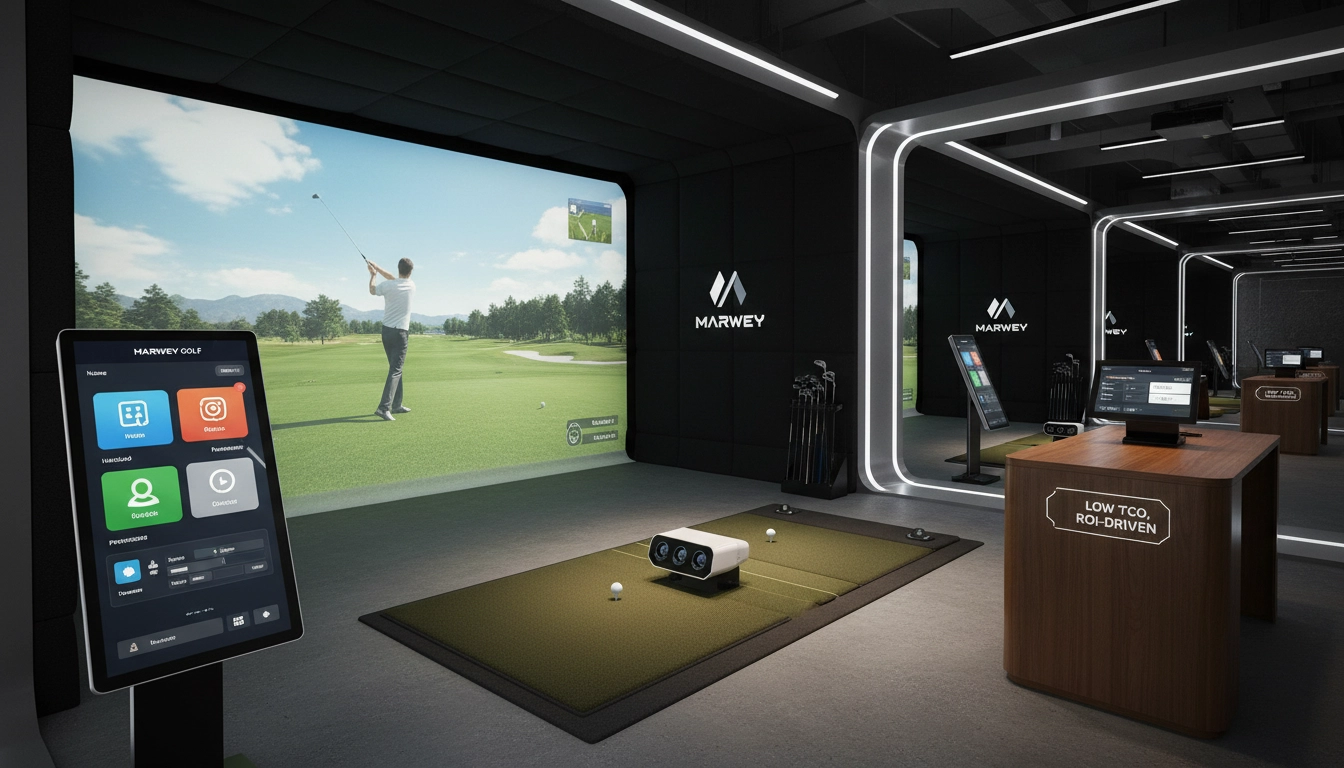
Top Best Practices for Customizing User Profiles on Golf Simulator Software
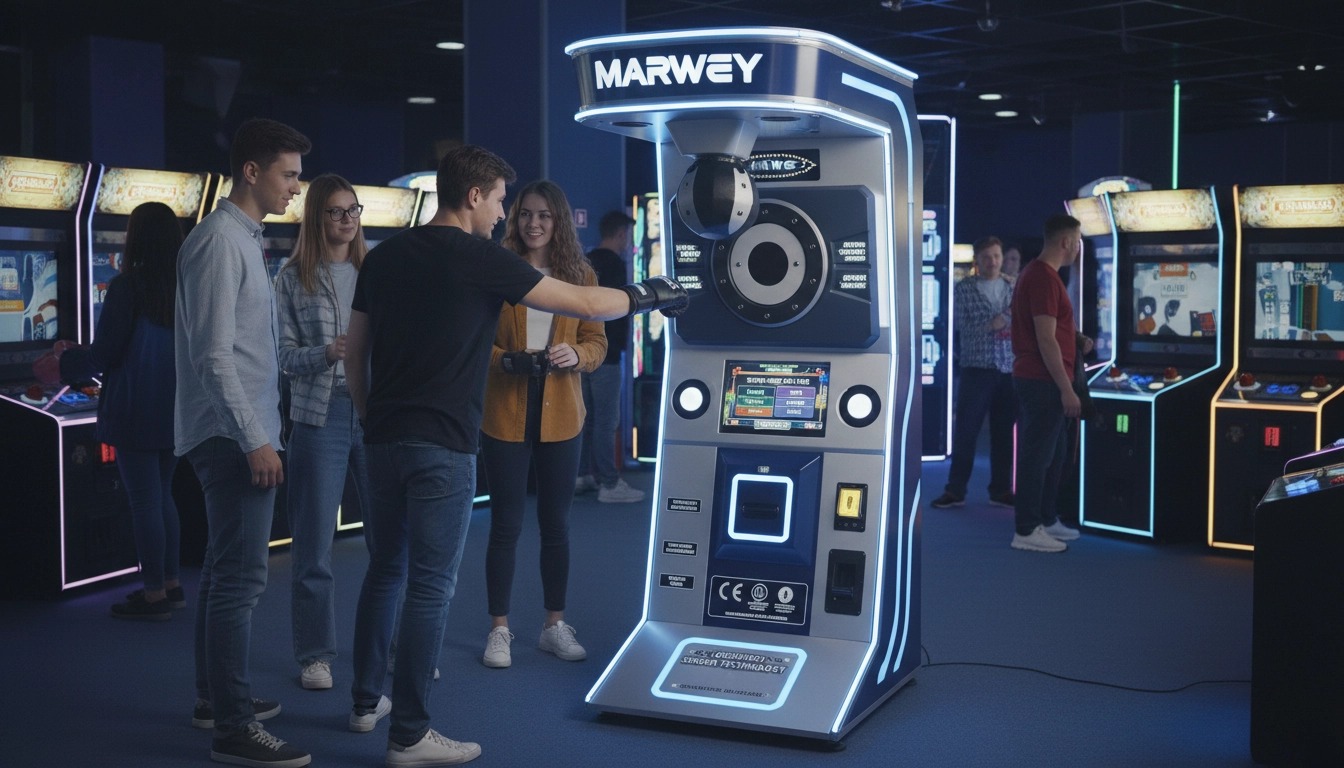
Boxing Machine User Experience: Improving Player Comfort and Safety
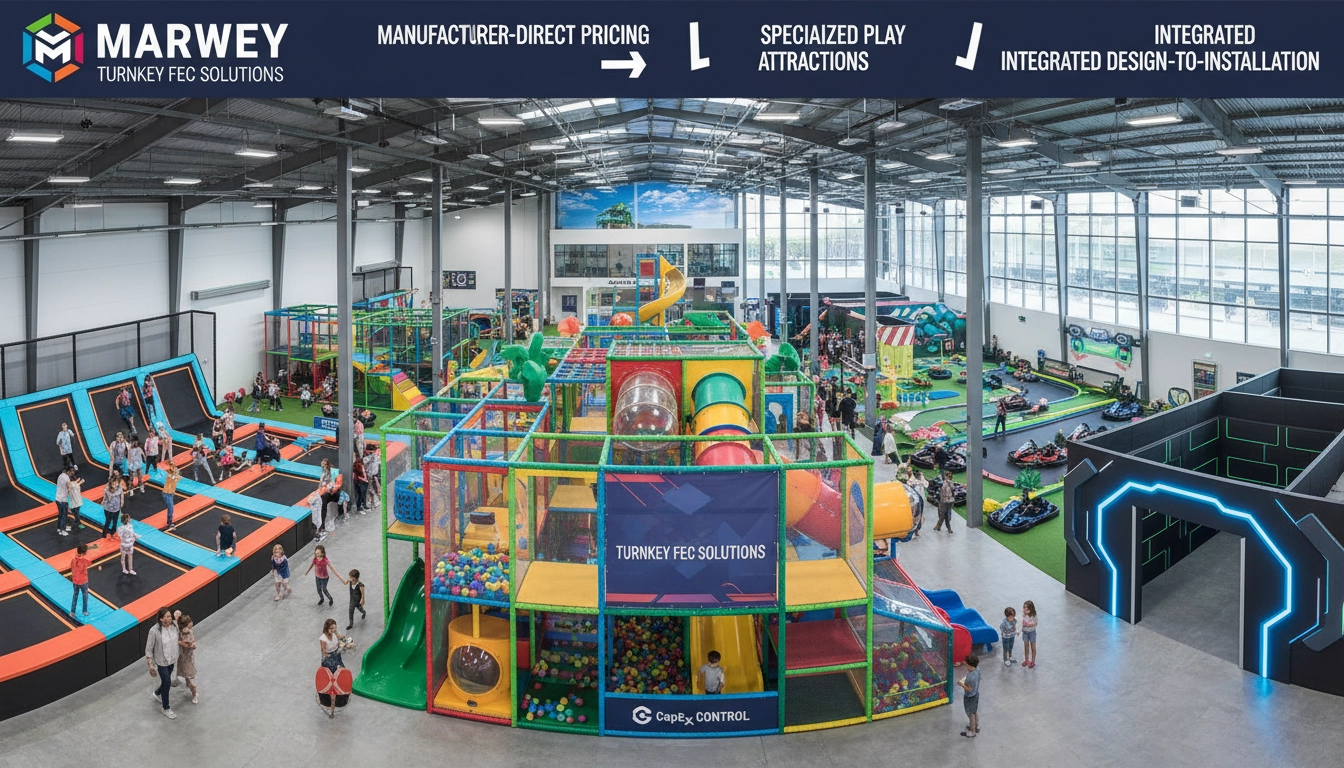
Choosing the Right Family Entertainment Center Construction Equipment and Kits: Your Comprehensive Guide
Indoor Trampoline Park
Do you need a permit for an in-ground trampoline?
- Residential Permits: In many regions, a permit is not required for a standard above-ground or in-ground trampoline. However, some homeowner associations, city ordinances, or insurance policies may have restrictions or requirements. It is best practice to always check with the local municipality (zoning/building department) before installation.
- Commercial Parks (MARWEY Customers): A wide array of permits, licenses, and safety certifications are strictly required to operate a commercial trampoline park (e.g., building permits, fire safety, zoning, and amusement/recreation licenses).
Photo Booth Machine
What is the difference between a Photo Booth Machine and a Selfie Booth?
Essentially, there is no significant difference! The terms Photo Booth Machine and Selfie Booth (or Selfie Station) are often used interchangeably to describe the same type of modern interactive photography equipment.
Both machines:
-
Capture high-quality images (and often GIFs/videos).
-
Allow for instant digital sharing (email, text, social media).
-
Include fun props, filters, and backdrops.
The term "Photo Booth Machine" is the original, traditional name, while "Selfie Booth" is a newer, more contemporary term that emphasizes the modern, digital sharing capabilities and the user's control over their own photo experience. When you're searching for one, you're almost always looking for the same product!
Indoor Playground
How do I start my own indoor playground?
How much do indoor playground owners make a year?
Claw Machine
Where to buy claw machine prizes?
Source bulk prizes like licensed plush, capsule toys, and electronics from wholesalers including Gumball.com, Costco, Alibaba, or specialized arcade suppliers.
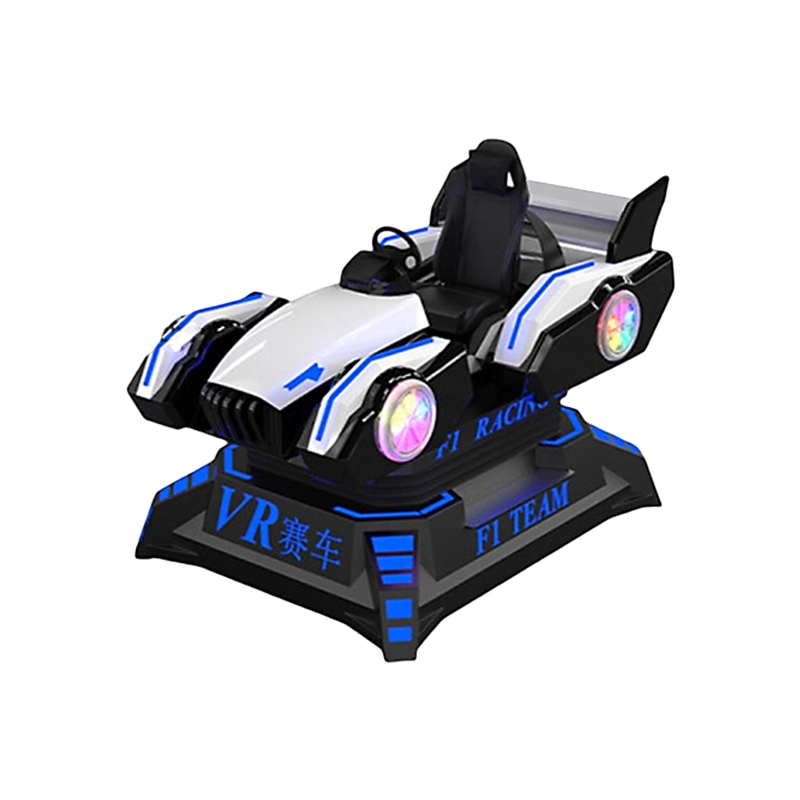
Marwey Hot Sale Vr 9d Racing Simulator Virtual Reality Driving Car Game Machine for Commercial Use
Marwey Hot Sale Vr 9d Racing Simulator Virtual Reality Driving Car Game Machine for Commercial Use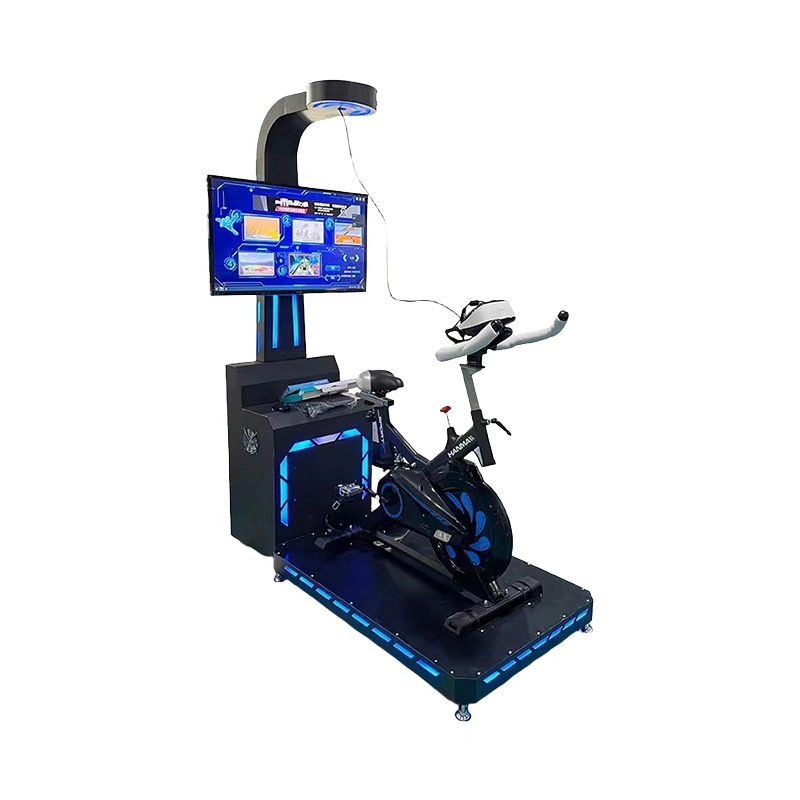
Marwey New Arrival Vr Dynamic Cycling Exercise & Driving Virtual Reality Bike Simulator for Cheap Sale
Marwey New Arrival Vr Dynamic Cycling Exercise & Driving Virtual Reality Bike Simulator for Cheap Sale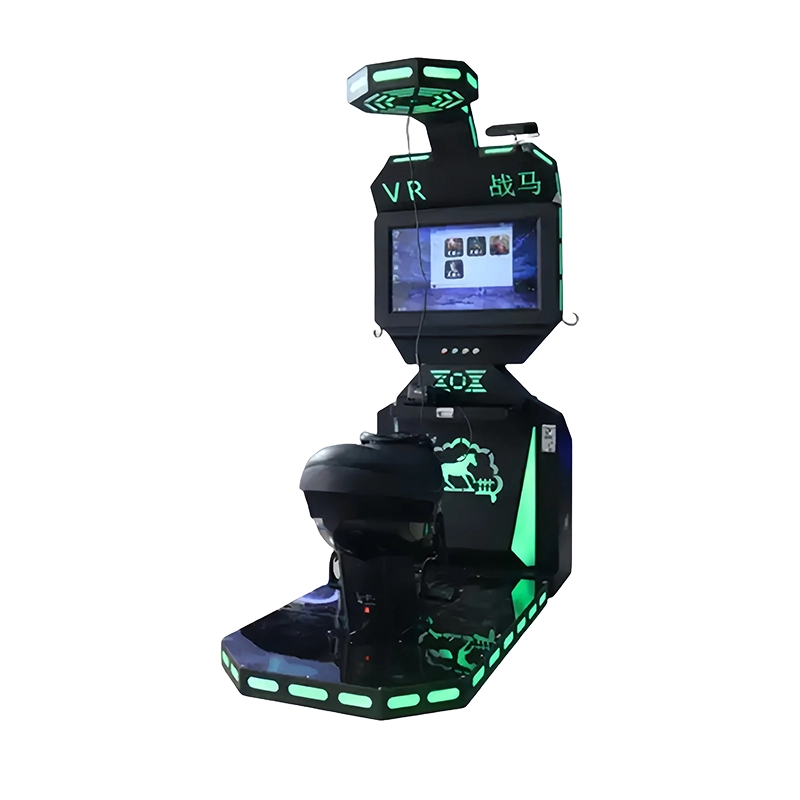
Marwey Mall New Arrival Vr Horse Simulator Indoor Commercial Virtual Reality Sport Game Machine for Sale
Marwey Mall New Arrival Vr Horse Simulator Indoor Commercial Virtual Reality Sport Game Machine for Sale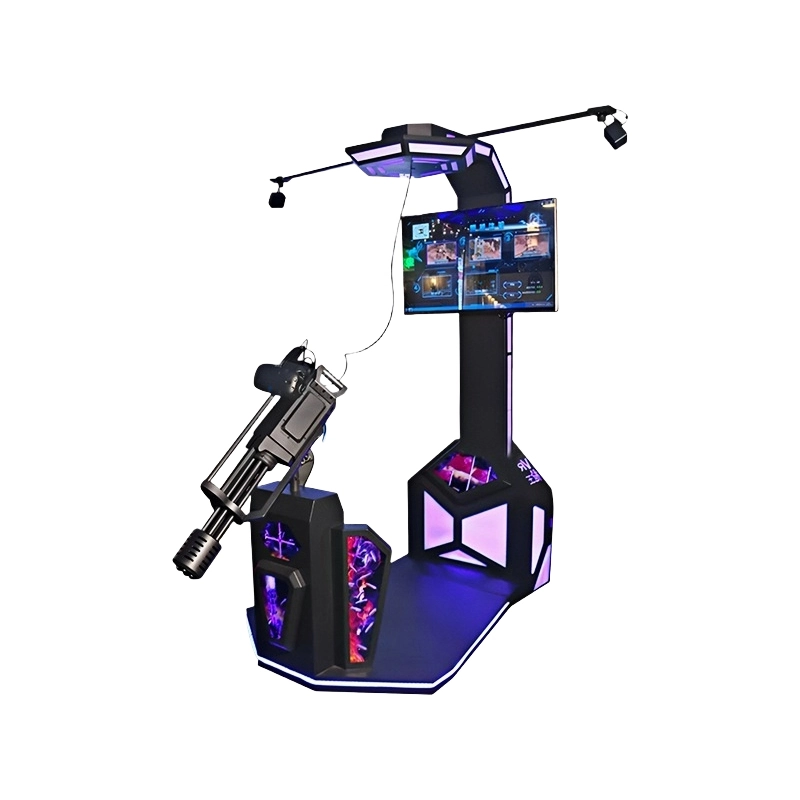
Marwey Hot Sale 1 Player Vr Gatling Shooting Simulator Virtual Reality Headset Glasses Gaming Machine
Marwey Hot Sale 1 Player Vr Gatling Shooting Simulator Virtual Reality Headset Glasses Gaming Machine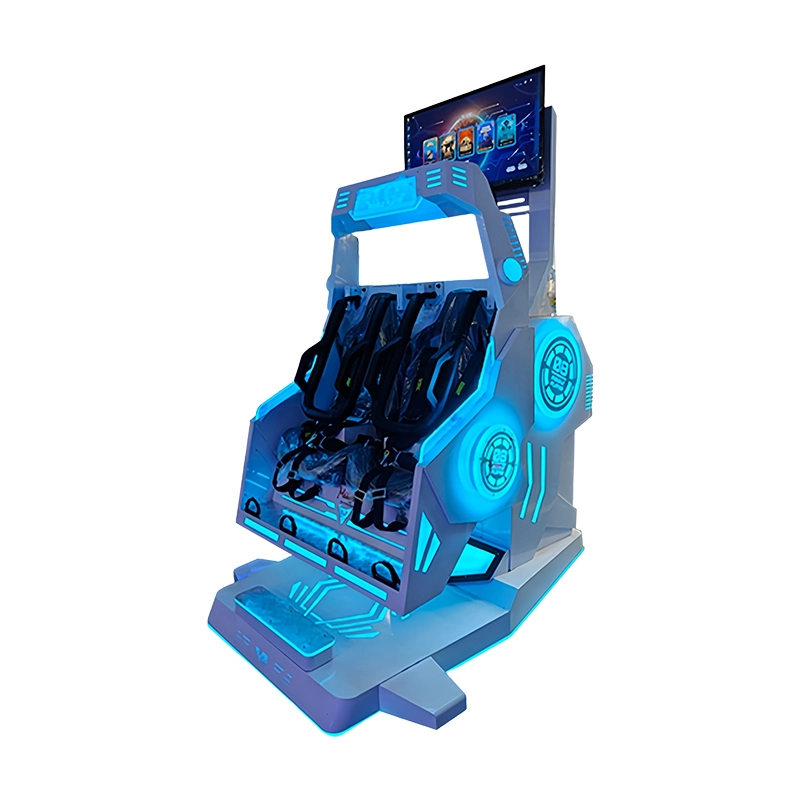
Marwey Commercial Two Player 360 Rotation Vr Simulator Virtual Reality Gaming Equipment for Hot Sale
Marwey Commercial Two Player 360 Rotation Vr Simulator Virtual Reality Gaming Equipment for Hot Sale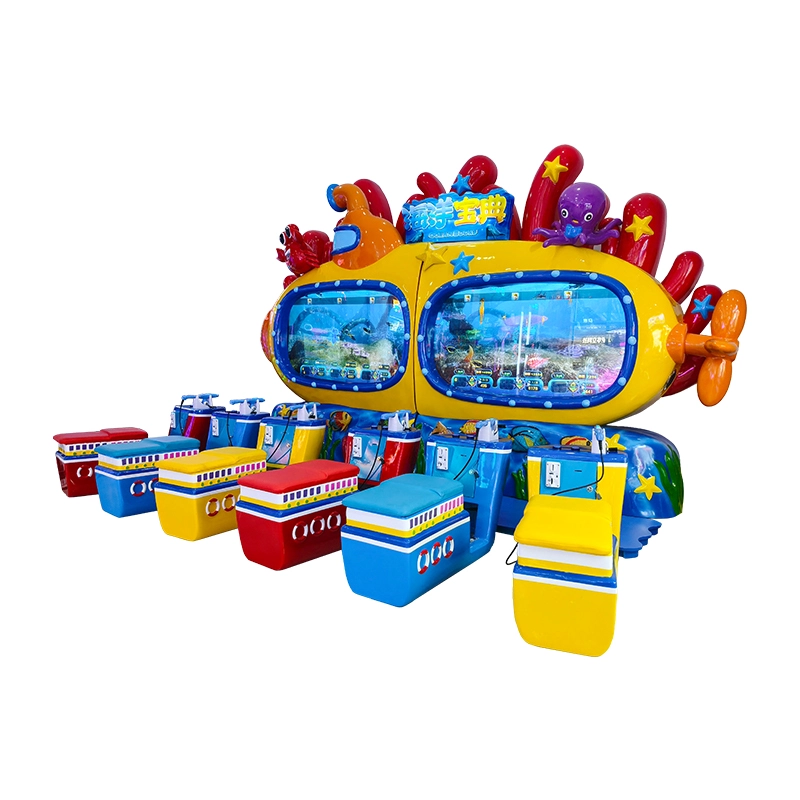
Marwey New High Quality Children's Arcade Redemption Game Machine - Hot Selling Indoor Amusement Fishing Simulation Equipment
Marwey New High Quality Children's Arcade Redemption Game Machine - Hot Selling Indoor Amusement Fishing Simulation Equipment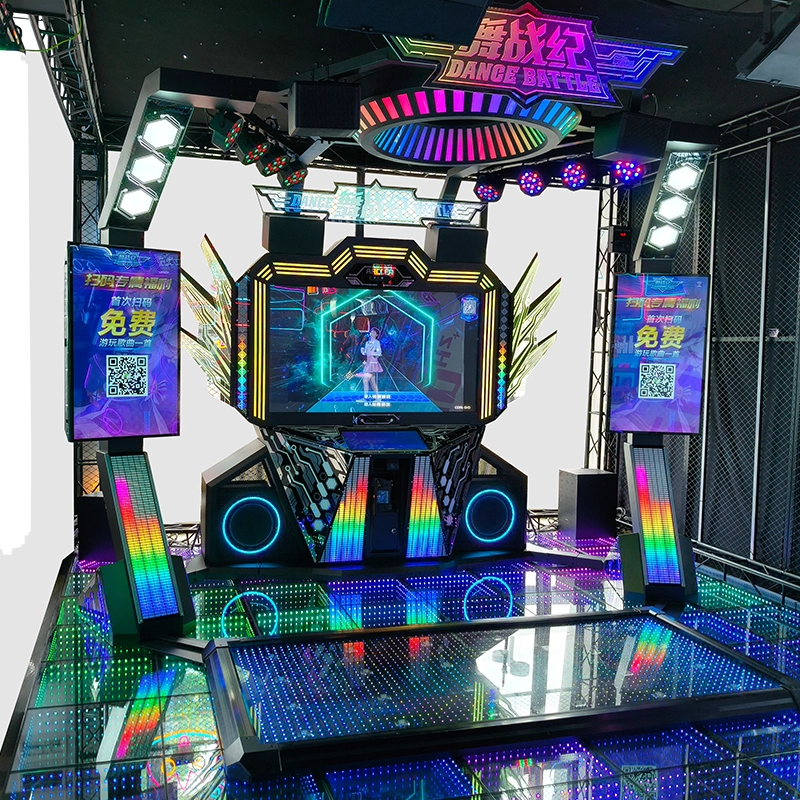
Marwey Coin Operated Indoor Arcade Dance Machine - High Quality Shopping Mall Entertainment Equipment for Sale
Marwey Coin Operated Indoor Arcade Dance Machine - High Quality Shopping Mall Entertainment Equipment for Sale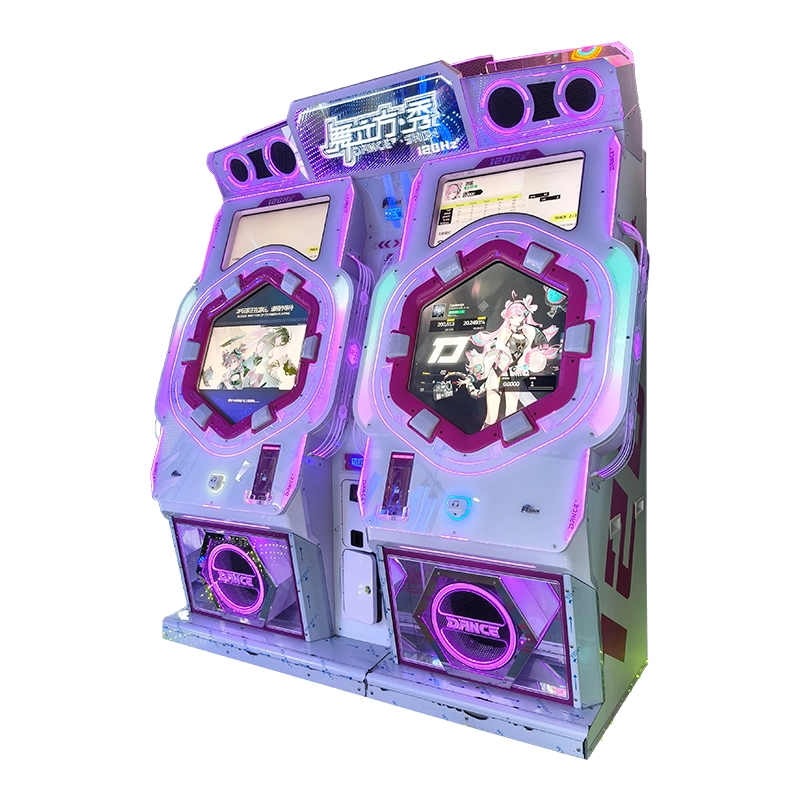
Marwey New Luxury Coin Operated Arcade Dancing Machine - Indoor Entertainment Rhythm Speed Game with Music
Marwey New Luxury Coin Operated Arcade Dancing Machine - Indoor Entertainment Rhythm Speed Game with MusicWant to know more industry information?
If you have any comments or good suggestions, please leave us a message; later our professional staff will contact you as soon as possible.
◼ Contact MARWEY
WhatsApp: +86 189 2218 4260
Floor 2, Building E, Hengran Creative Park, Shixin Road, Panyu District, Guangzhou, Guangdong, China.
© 2025 MARWEY. All Rights Reserved.

MARWEY
MARWEY
MARWEY
MARWEY
MARWEY
MARWEY