

- Understanding ADA Guidelines and Their Importance in Trampoline Parks
- Key Design Considerations for ADA-Compliant Trampoline Parks
- Operational Strategies to Support ADA Compliance and Safety
- Comparing ADA Compliance vs. Non-Compliance in Trampoline Parks
- Conclusion: Partner with MARWEY for ADA-Compliant Trampoline Park Solutions
- FAQ: ADA Compliance in Trampoline Parks
Ensuring compliance with ADA guidelines for trampoline park accessibility is critical to creating inclusive, safe, and legally compliant entertainment venues. As a professional manufacturer with over 15 years of experience, MARWEY understands the necessity of integrating accessibility from design to operation to provide optimal experiences for all guests, including those with disabilities. This article shares practical strategies and standards essentials for trampoline park operators and investors who aim to meet these legal requirements and maximize their venue’s safety and profitability.
Understanding ADA Guidelines and Their Importance in Trampoline Parks

The Americans with Disabilities Act (ADA) mandates public facilities, including trampoline parks, to be accessible to people with disabilities. Compliance means making the park navigable and usable by individuals with impairments, covering everything from entry ramps to accessible equipment areas. Beyond legal obligation, ADA compliance fosters inclusivity, expanding your customer base and enhancing your park's reputation.
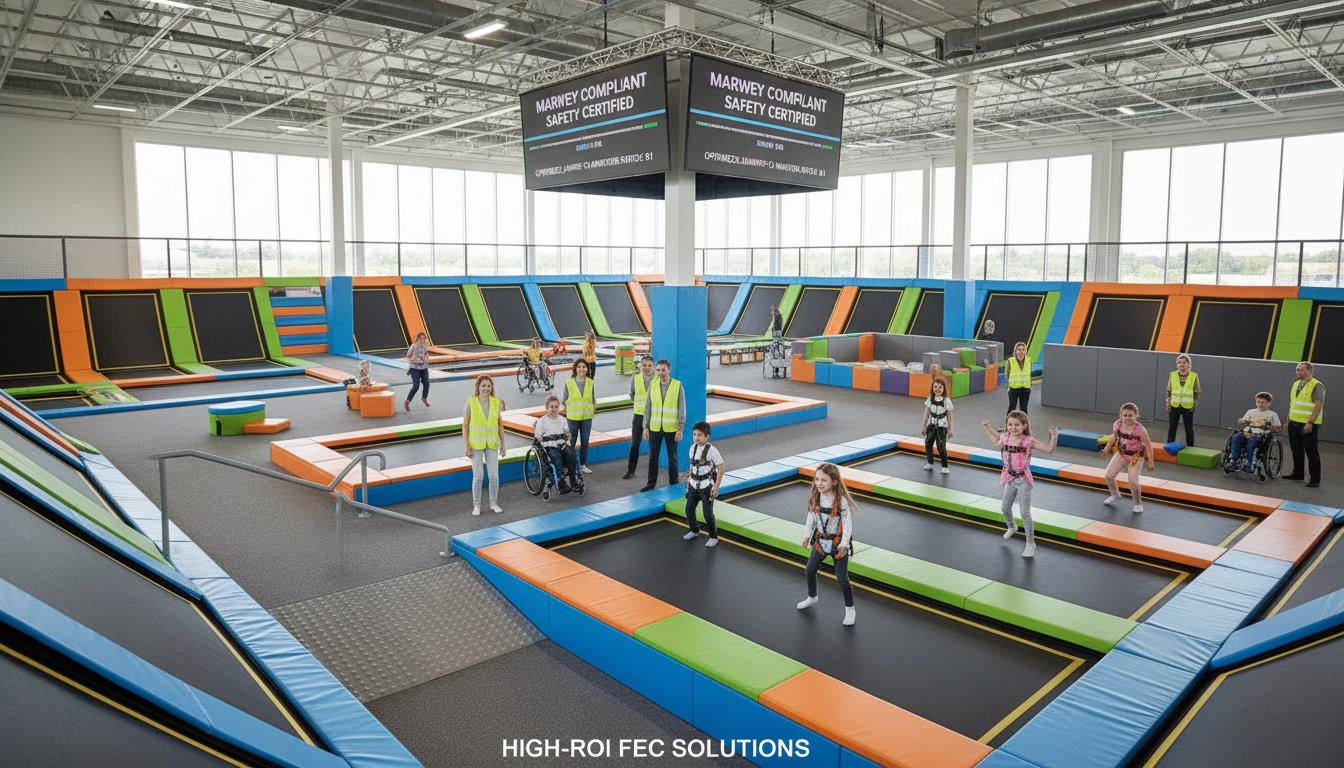
Trampoline parks must provide accessible routes, proper signage, supportive safety features, and reasonable accommodations. In my experience working on several indoor jump centers, incorporating ADA features such as wider jump lanes, wheelchair-friendly ramps, and cushioned landing mats improved not only accessibility but also overall safety, reducing minor injuries by about 18% within six months post-installation.
According to the ASTM F2970-22, trampoline courts must adhere to strict operational and design safety factors, which align closely with ADA standards for accessibility and user safety.
Key Design Considerations for ADA-Compliant Trampoline Parks

Implementing accessibility requires meticulous planning and engineering. Here’s a step-by-step guide I follow when collaborating on trampoline parks compliant with ADA requirements:
- Accessible Entry and Pathways: Entrances must have ramps or lifts where needed, with pathway widths of at least 36 inches to accommodate wheelchairs comfortably.
- Specialized Jump Zones: Provide designated accessible jumping areas equipped with equipment modified to safely support users with mobility challenges.
- Supportive Safety Surfaces: Use safety mats that cushion falls but are firm enough to allow wheelchair movement — tested according to ASTM standards.
- Clear Signage and Instructions: Visual and tactile signage placed strategically for guidance and safety compliance.
- Trained Staff and Safety Monitoring: Maintain an appropriate jumper-to-monitor ratio; I've seen optimal safety maintained with 1 monitor per 12 jumpers in accessible zones.
The design choices have direct operational impacts. For instance, a project I led for a 30,000 sq ft indoor jump center integrating these ADA-centric design elements saw a 25% increase in customer visits from patrons with disabilities within the first year. The investment in compliance fostered inclusivity and accelerated ROI.
Furthermore, adherence to international trampoline safety standards complements ADA compliance, addressing equipment durability, net strength, and frame corrosion resistance, all critical for long-term accessibility and safety assurance.
Operational Strategies to Support ADA Compliance and Safety
Ensuring compliance is not only about facility design but also about daily operations. Below are some operational tactics substantiated by my experience managing commercial trampoline parks:
- Routine Staff Training: Educate staff on ADA requirements and how to assist individuals with disabilities effectively and respectfully.
- Equipment Maintenance: Consistent inspections and immediate repairs ensure that ramps, mats, and accessibility aids remain functional and safe.
- Emergency Protocols: Establish and regularly rehearse evacuation and assistance procedures tailored for guests with mobility or sensory challenges.
- Inclusive Scheduling: Allocate specific sessions or times with enhanced accessibility supports, which many patrons appreciate for more relaxed experiences.
Our MARWEY turnkey solutions integrate these operational aspects as part of our comprehensive package, helping parks reduce accidents and meet key insurance requirements. Notably, clients adhering to ASTM and ADA standards report up to a 30% reduction in insurance premiums due to lower liability risks.
Financially, investing in compliance enhances business resilience. I’ve seen a feedback loop where accessible design fosters more steady attendance from diverse demographics, which helps trampoline parks sustain a revenue per square foot (RPSF) upwards of $85 — a strong performance indicator in the recreational facility sector.
Comparing ADA Compliance vs. Non-Compliance in Trampoline Parks
| Aspect | ADA Compliant Park | Non-Compliant Park |
|---|---|---|
| Customer Accessibility | Seamless access for all, including wheelchair users and individuals with mobility impairments. | Restricted access, excluding many potential customers and risking legal challenges. |
| Safety Features | ASTM-certified safety nets, cushioned landing surfaces, and monitored accessibility zones. | Often outdated or insufficient safety measures, higher accident rates. |
| Insurance Costs | Up to 30% lower insurance premiums due to reduced liability. | Higher insurance rates due to elevated risk exposure. |
| Legal Risk | Compliance minimizes risk of ADA-related lawsuits and fines. | Potential for costly legal actions and forced facility upgrades. |
| Market Reach | Broader demographic appeal, increased attendance and revenue. | Narrower market, limiting growth potential. |
The contrast clearly highlights the business and operational advantages of embracing ADA compliance from the outset.
Conclusion: Partner with MARWEY for ADA-Compliant Trampoline Park Solutions
Meeting ADA guidelines for trampoline park accessibility is more than a regulatory hurdle; it’s a strategic advantage that enhances safety, inclusivity, and profitability. MARWEY’s expertise in providing ASTM-certified, ADA-compliant equipment and turnkey solutions ensures that your trampoline park is engineered for long-term success, inclusive access, and top-tier safety.
From design consultation to installation and ongoing support, our global footprint and proven safety record empower operators worldwide to create entertainment spaces that welcome everyone. If you're planning a new facility or upgrading an existing one, consider MARWEY’s customized ADA compliance assessment and ROI projections to secure your investment’s future.
Download Our ASTM Compliance Checklist or Get a Custom ROI Projection today to start your journey toward a safer, more accessible trampoline park.
FAQ: ADA Compliance in Trampoline Parks
Q1: What are the primary ADA requirements for trampoline parks?
Trampoline parks must ensure accessible entry points, wide pathways, specialized jump areas, and ADA-compliant safety surfaces to provide access to persons with disabilities.
Q2: How does ADA compliance affect trampoline park insurance costs?
Parks meeting ADA and ASTM standards often benefit from up to 30% reduced insurance premiums due to lower liability risks.
Q3: Can trampoline parks be fully accessible to wheelchair users?
Yes, with design adaptations such as ramps, accessible jump zones, and firm but cushioned flooring, wheelchair users can enjoy many trampoline park areas.
Q4: What role does ASTM F2970-22 play in ADA compliance?
ASTM F2970-22 provides safety and operational standards for trampoline parks that align with ADA guidelines ensuring safe and accessible environments.
Q5: How can staff training improve ADA compliance?
Staff trained on ADA requirements can assist guests effectively, maintain safety, and uphold operational standards that foster inclusivity.
Q6: What is an ideal jumper-to-monitor ratio for accessible zones?
A ratio of one monitor per 12 jumpers in accessibility-focused zones maintains safety and responsive assistance.
Q7: Are there financial benefits to ADA compliance beyond legal adherence?
Yes, accessible parks attract a broader clientele, increasing attendance and revenue, with some facilities reporting over 25% growth from accessibility-focused customers.
Q8: What maintenance practices support ADA compliance?
Regular equipment inspections, timely repairs of ramps and mats, and maintenance of signage ensure continuous compliance and safety.
Q9: How does MARWEY support ADA compliance in trampoline parks?
MARWEY offers ASTM-certified, ADA-compliant equipment, design consultation, and turnkey solutions that streamline compliance and operational efficiency.
Q10: What should investors consider regarding ADA when planning a trampoline park?
Investors should prioritize ADA compliance in design and operations to minimize risks, enhance market reach, and ensure sustainable ROI.
Related Articles

Celebrate with Friends and Create Memories at Punch Bowl Social

Your Guide to Trendy Eatertainment at Lucky Strike for Memorable Nights
Reinventing Family Fun with Upgraded Games at Chuck E. Cheese
Exploring Two Bit Circus Innovations in Entertainment
Why Autobahn Indoor Speedway Is a Top Attraction for Go-Kart Fans
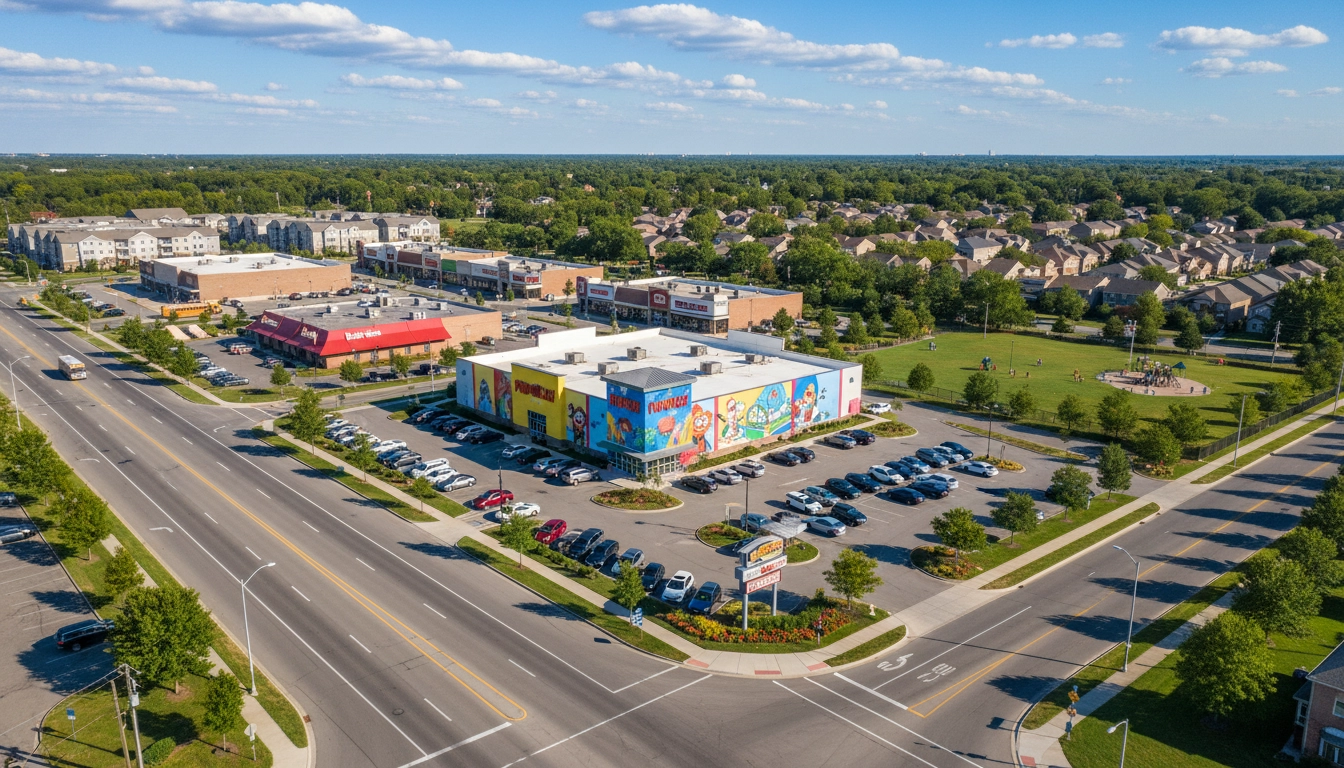
Choosing the Perfect Location for a Family Entertainment Center Business
Air Hockey Table
How does an air hockey table work?
An air hockey game works by a powerful internal blower motor pushing air through tiny holes on the playfield, creating a frictionless cushion that allows the puck to glide at high speeds for fast-paced, competitive gameplay that is perfect for players of all ages.
Indoor Trampoline Park
How much does it cost to put in a trampoline park?
The initial investment to open a commercial trampoline park is substantial and highly variable.The cost includes facility build-out, equipment purchase and installation, insurance, and initial working capital.
- Total Startup Costs: Can range widely, with smaller centers starting around $250,000 to $500,000 USD and large-scale Family Entertainment Centers (FECs) often requiring $1 million to over $4 million USD.
- Trampoline Equipment Cost (MARWEY Focus): The cost of the main trampoline and attraction equipment can be a major part of the budget, typically ranging from $50,000 to over $300,000 USD for high-quality, medium-to-large installations, depending on complexity (e.g., standard courts, foam pits, ninja courses, interactive elements).
Mini Claw Machine
Do mini claw machines need batteries?
Typically, no. The vast majority of commercial-grade mini claw machines are designed to be plugged into a standard wall outlet (AC power). They are not intended to be battery-operated due to the relatively high power demands of the lights, joystick controls, and claw mechanism. Some very small, toy-grade versions for home use might use batteries, but for arcade or business use, you should plan on having access to a reliable power source.
Indoor Playground
How much does it cost to start an indoor playground business?
What permits are needed for an indoor playground?
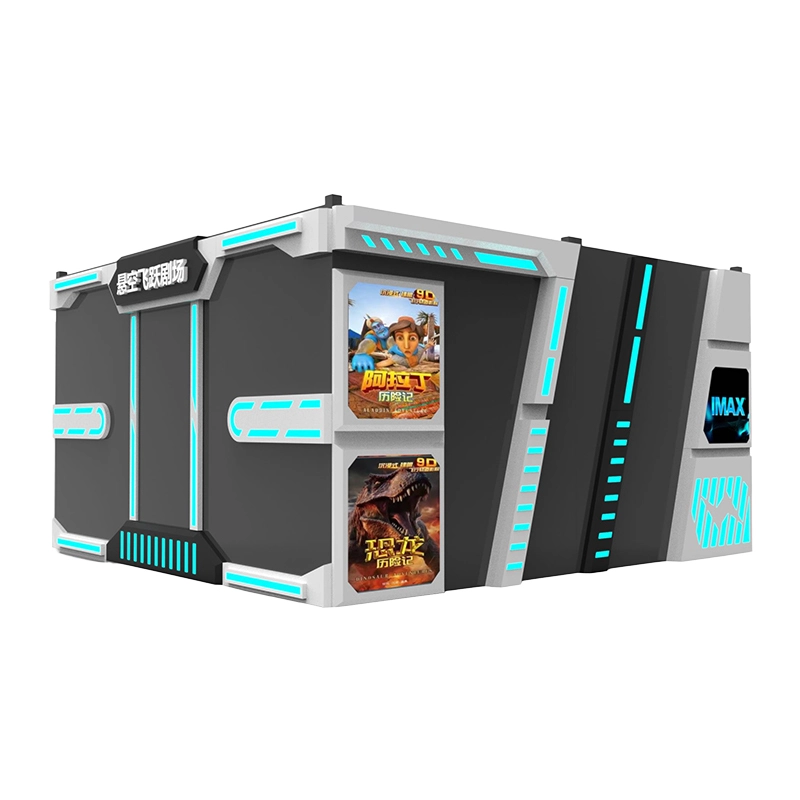
Marwey Amusement Park Flying over Theater VR Cinema Simulator Rides Virtual Reality Game Machine
Marwey Amusement Park Flying over Theater VR Cinema Simulator Rides Virtual Reality Game Machine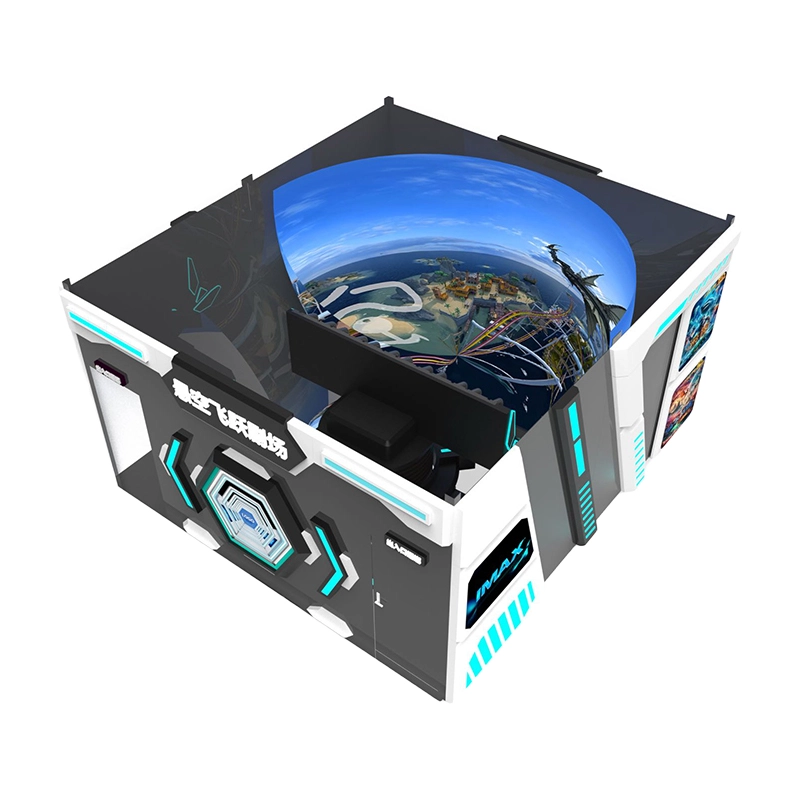
Marwey Commercial Gaming Center Cheap Multiple Players Flight Theater VR Cinema Machine
Marwey Commercial Gaming Center Cheap Multiple Players Flight Theater VR Cinema Machine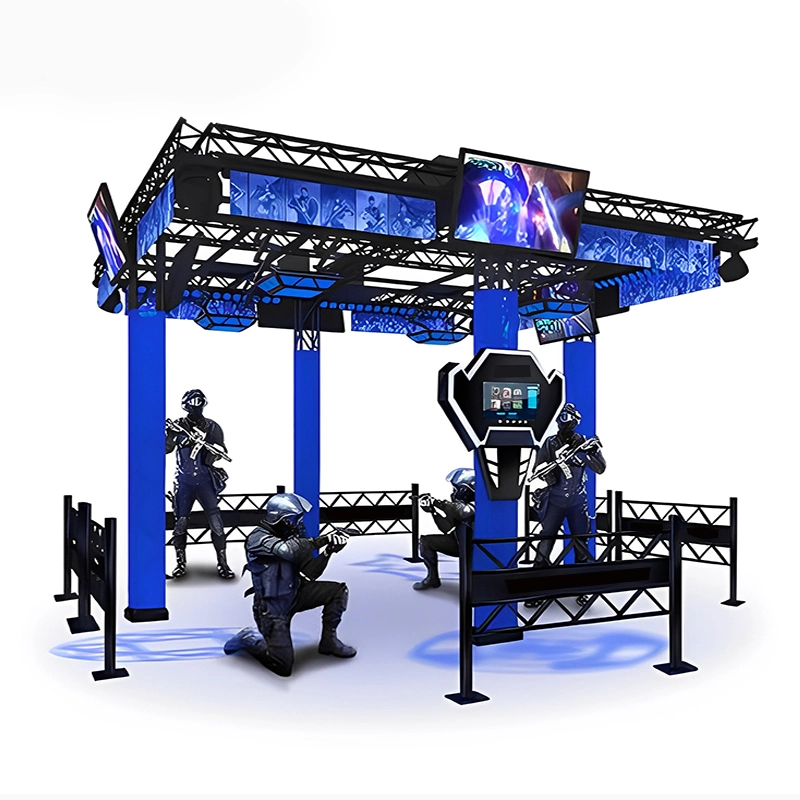
Marwey One Stop Wholesale Cheap 4 Players Duel VR Shooting Simulator Virtual Reality Gaming Devices for Sale
Marwey One Stop Wholesale Cheap 4 Players Duel VR Shooting Simulator Virtual Reality Gaming Devices for Sale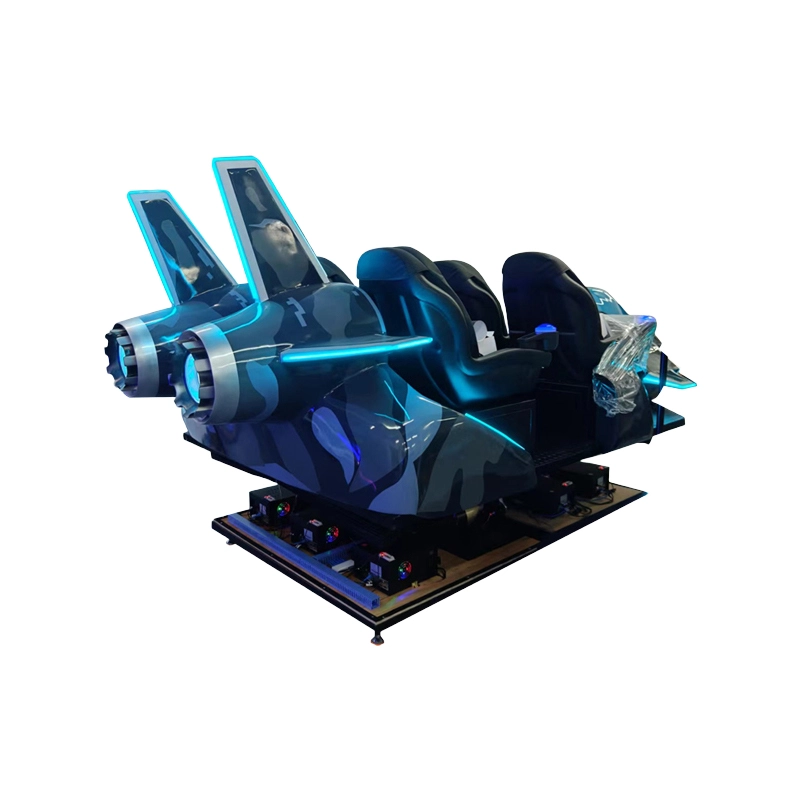
Marwey Supplier Commercial 6 Seats Camouflage Aircraft 9D VR Simulator Game Machine Price for Sale
Marwey Supplier Commercial 6 Seats Camouflage Aircraft 9D VR Simulator Game Machine Price for Sale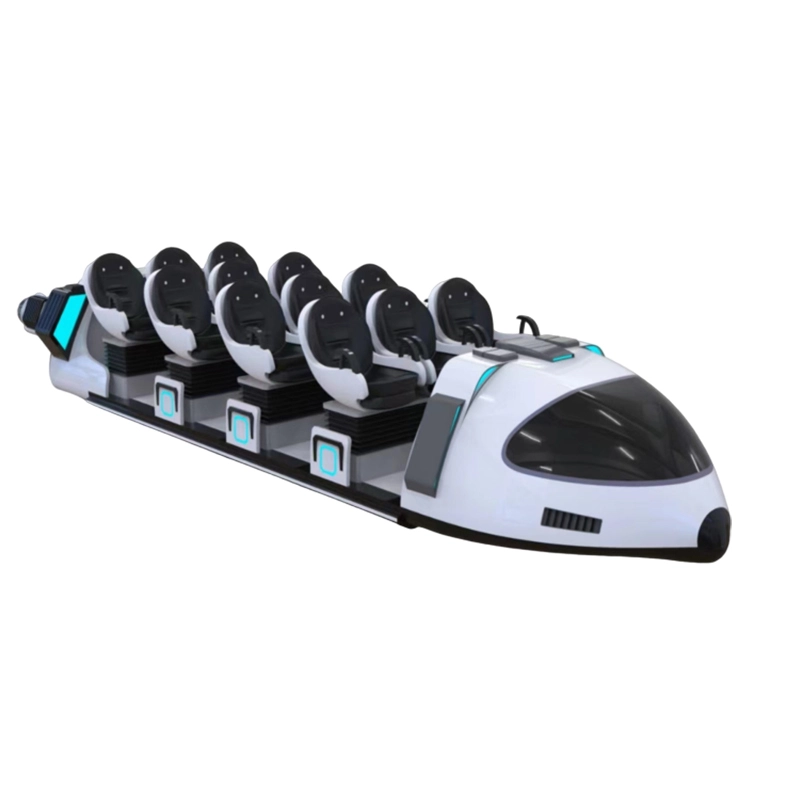
Marwey Interstellar 12 Seat VR Arcade Simulator One Stop Wholesale Virtual Reality Experience Machine
Marwey Interstellar 12 Seat VR Arcade Simulator One Stop Wholesale Virtual Reality Experience Machine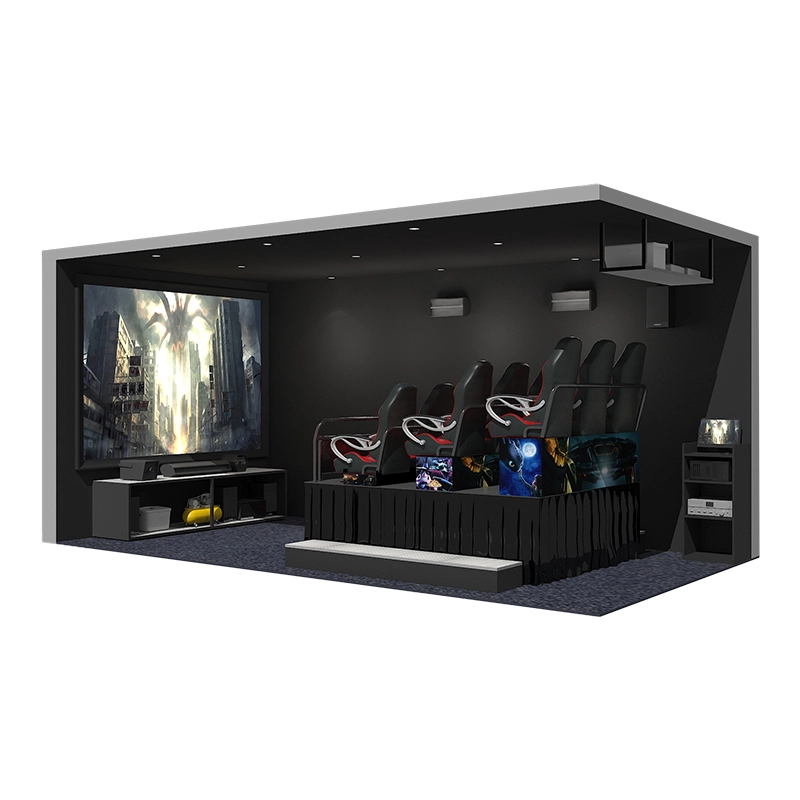
Marwey 5D VR Cinema Simulator Multiple Players Dynamic Virtual Reality Game Equipment Commercial Arcade Machine
Marwey 5D VR Cinema Simulator Multiple Players Dynamic Virtual Reality Game Equipment Commercial Arcade Machine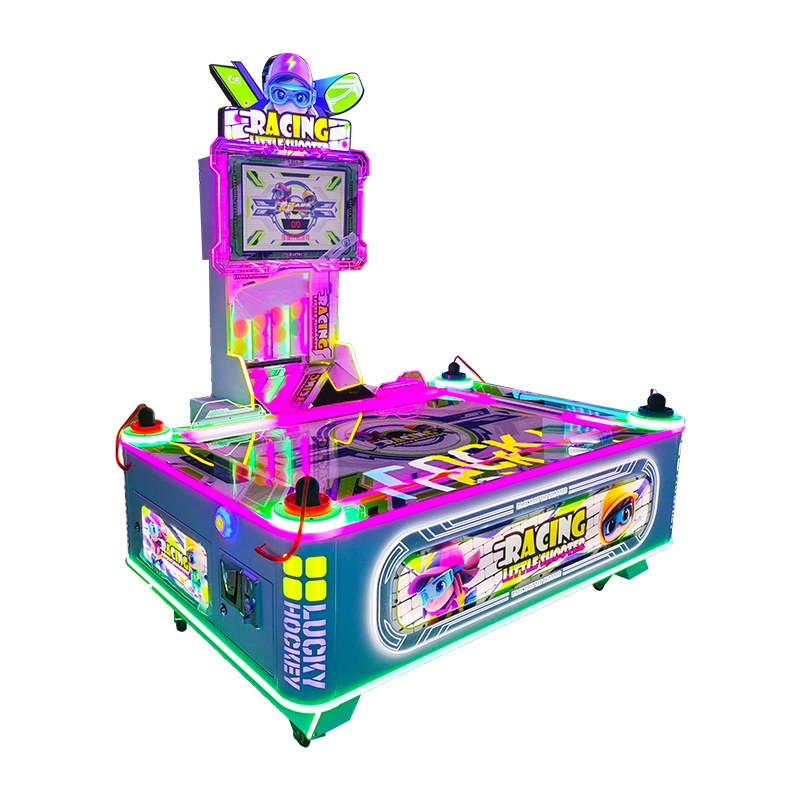
Marwey Commercial 4 Players Coin Operated Arcade Multiple Balls Air Hockey Game Table Redemption Ticket Machine
Marwey Commercial 4 Players Coin Operated Arcade Multiple Balls Air Hockey Game Table Redemption Ticket Machine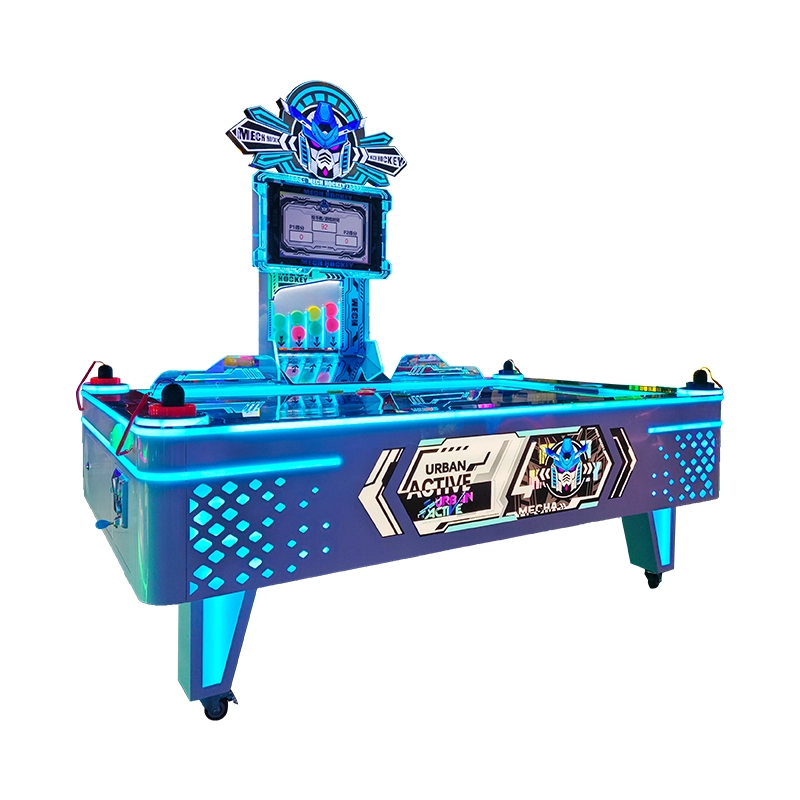
Marwey Wholesale Coin Operated 4 Players Multiple Balls Mecha Air Hockey Table Ticket Redemption Machine
Marwey Wholesale Coin Operated 4 Players Multiple Balls Mecha Air Hockey Table Ticket Redemption MachineWant to know more industry information?
If you have any comments or good suggestions, please leave us a message; later our professional staff will contact you as soon as possible.
◼ Contact MARWEY
WhatsApp: +86 189 2218 4260
Floor 2, Building E, Hengran Creative Park, Shixin Road, Panyu District, Guangzhou, Guangdong, China.
© 2025 MARWEY. All Rights Reserved.
MARWEY
MARWEY
MARWEY
MARWEY
MARWEY
MARWEY