


- Safety Concerns and Liability Risks
- High Operational and Maintenance Costs
- Market Trends and Revenue Diversification Challenges
- How to tackle these disadvantages for better ROI:
- Financial Benchmarks and Industry ROI Expectations
- Conclusion: Turning Disadvantages into Opportunities
- Frequently Asked Questions
Trampoline parks have surged in popularity, attracting millions for recreational fun. Yet, understanding what are the disadvantages of trampoline parks is crucial for operators aiming to enhance their return on investment (ROI). As a seasoned expert in the commercial amusement industry, with MARWEY’s 15 years of experience supplying high-quality, ASTM/TÜV compliant equipment globally, I will delve into the most critical drawbacks, backed by authoritative data and hands-on operational insights.
From safety risks to operational expenses and market dynamics, this article uncovers common challenges trampoline parks face and offers strategic approaches to mitigate them, maximizing profitability and sustainability.
Safety Concerns and Liability Risks
One of the most significant disadvantages trampoline parks encounter is the high risk of customer injuries and the related liability costs. According to the U.S. Consumer Product Safety Commission (CPSC) and insurance industry data, trampoline parks report approximately 7,000 to 15,000 emergency room visits annually in the United States alone. Notably, 34% of these injuries occur within trampoline parks, with over half resulting in fractures or dislocations. Serious injuries requiring hospitalization account for 9% of trampoline park cases, compared to only 5.2% in backyard trampoline incidents.
The correlation between non-compliance with ASTM/TÜV safety standards and injury incidence is stark. Parks using equipment and designs without adherence to ASTM F2970 standards — such as mixed-age jumping areas, lack of separated children's zones, allowing flips without supervision, and multiple jumpers on one trampoline — correspond with elevated injury and liability claim rates. While ASTM F2970 remains voluntary, ignoring these safety frameworks significantly elevates financial risk due to lawsuits, claim settlements, and insurance premiums.

In my experience supporting trampoline parks, operators who invested upfront in MARWEY’s ASTM/TÜV certified equipment drastically reduced their injury rates and related downtime. This investment not only improves patron confidence but lowers insurance costs by up to 15%, which directly enhances net profitability over time.
High Operational and Maintenance Costs
Another common drawback involves significant operational expenses, especially maintenance and upkeep. Industry benchmarks indicate that trampoline park maintenance consumes roughly 5-7% of annual revenue. Low-quality equipment often incurs higher repair and replacement costs, sometimes running up to 20-30% of the initial investment over a five-year cycle, eroding ROI.
In contrast, high-grade trampolines and safety installations that meet rigorous international standards typically require less frequent repairs and have a longer lifecycle. The initial outlay can be higher — MARWEY’s premium trampoline systems start from $50,000 to $150,000, with safety zones like foam pits adding $10,000 to $20,000 — but the reduction in ongoing costs balances this expense.
| Equipment Quality | Initial Investment | Annual Maintenance Cost (% of revenue) | 5-Year Replacement Cost (% of initial investment) | Impact on ROI |
|---|---|---|---|---|
| Low-Quality | $30,000 - $70,000 | 7% | 25%-30% | Lower due to frequent repairs and liability |
| High-Quality (ASTM/TÜV Certified) | $50,000 - $150,000+ | 5% | 10%-15% | Higher, with reduced downtime and extended lifespan |
From my consultations with trampoline park clients, we noticed parks shifting to premium equipment saw a 20% improvement in operational efficiency within two years. Their reduced repair cycles allowed more days of full operations, boosting average revenue per visitor (ARPV) noticeably.
Market Trends and Revenue Diversification Challenges
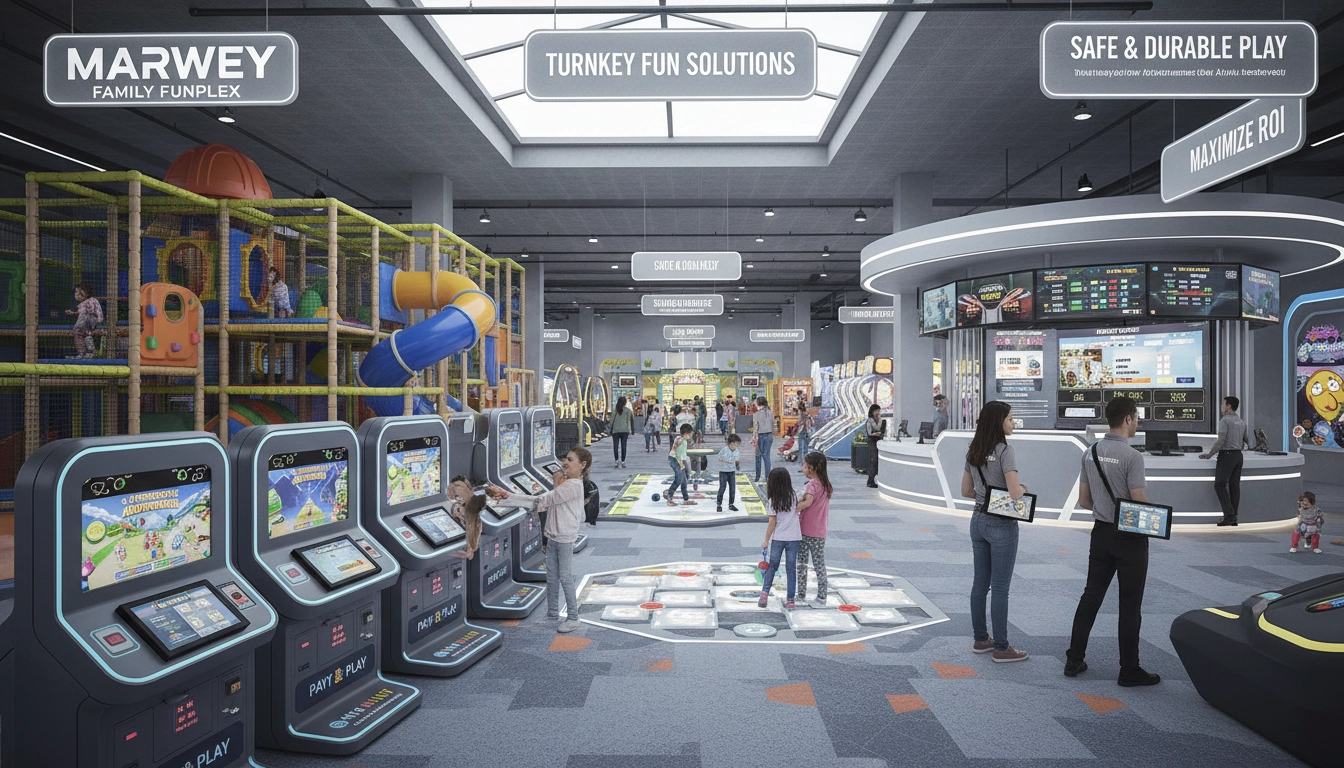
Trampoline parks often struggle with maintaining visitor engagement over time. The Family Entertainment Center (FEC) industry reports a dynamic market with a growing focus on diversified attractions like ninja courses, climbing walls, and interactive gaming. These ancillary facilities not only attract a broader audience but enable secondary spending that significantly elevates total revenue.
However, many trampoline parks fail to keep pace with these trends, resulting in lower repeat visitation and limited spending diversification. Incorporation of emerging attractions can increase visitor engagement and loyalty.

My experience implementing diversified offerings within trampoline parks shows that adding a ninja obstacle course or climbing walls can enhance secondary spend per visitor by 18-25%. MARWEY’s turn-key solutions, which combine trampoline equipment with ancillary attractions, provide operators a competitive edge and future-proof their investments.
How to tackle these disadvantages for better ROI:
- Prioritize investing in ASTM/TÜV certified high-quality equipment to minimize injuries and repairs.
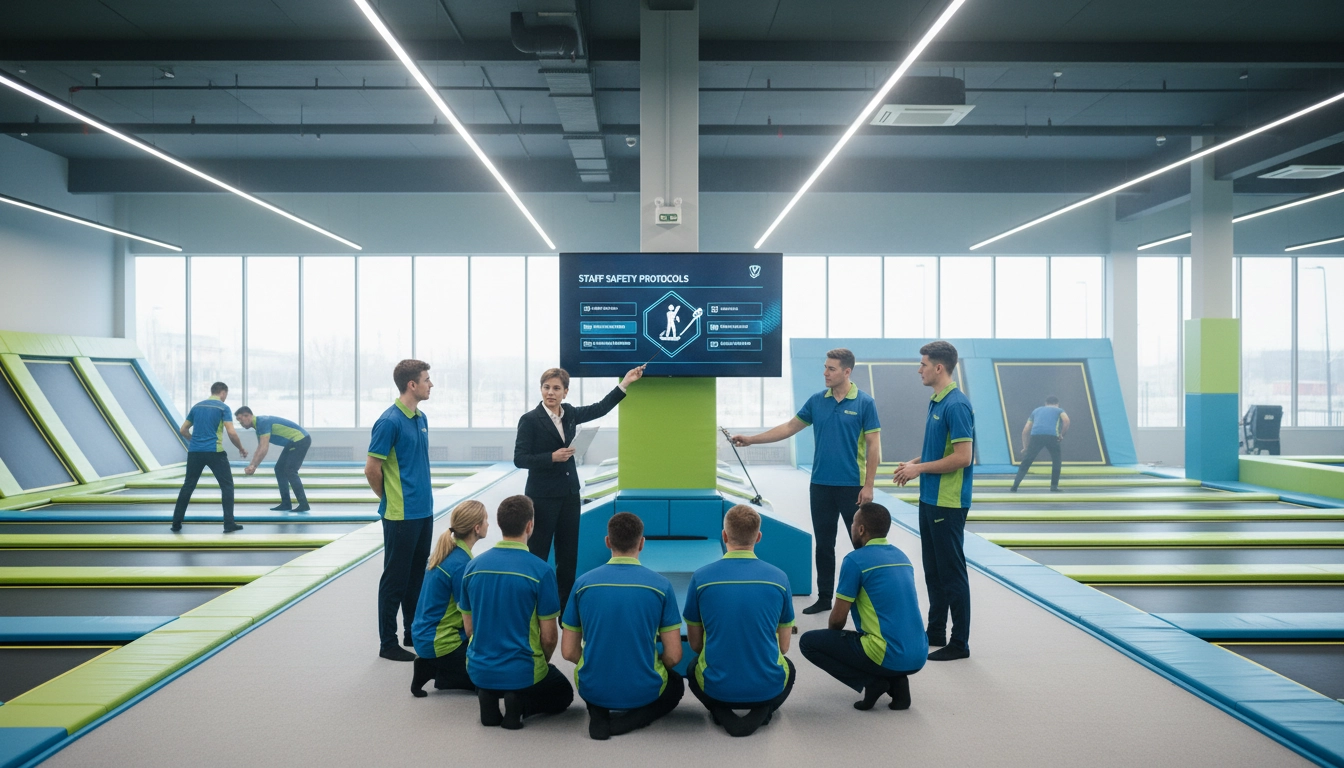
- Implement rigorous staff training and enforce strict safety protocols.
- Regularly maintain equipment and plan for lifecycle replacements to avoid unexpected downtime.
- Expand attraction mix by integrating emerging FEC trends like ninja courses or climbing walls.
- Leverage membership and party booking models to improve customer loyalty and generate recurring revenue.
Adopting these strategies, combined with MARWEY’s comprehensive facility planning and equipment supply, positions trampoline park operators for sustainable growth and optimized returns.
Financial Benchmarks and Industry ROI Expectations
Understanding financial benchmarks is key to evaluating trampoline park performance. According to recent reports from IBISWorld and the International Association of Amusement Parks and Attractions (IAPAA), typical trampoline parks generate annual revenues ranging from $1.5 million to $3 million, maintaining operating profit margins between 20% and 30%. Food and beverage sales contribute up to 25% of total revenue, emphasizing the importance of diversified income streams alongside trampoline activities.
| Financial Metric | Industry Benchmark Range | Notes |
|---|---|---|
| Average Revenue Per Visitor (ARPV) | $15 - $25 | Varies with location and services |
| Annual Revenue | $1.5M - $3M | Depends on park size and market |
| Operating Profit Margin | 20% - 30% | Indicative of well-managed parks |
| Food & Beverage Sales Contribution | ~25% of total revenue | Significant secondary revenue |
From personal case studies, parks that focus on safety, quality infrastructure, and offering multi-faceted entertainment experiences consistently meet or exceed these benchmarks. The ROI on premium equipment and diversified attractions over five years typically outpaces that of low-cost competitors by 10-15% annually.
MARWEY's integrated approach ensures operators benefit from the latest industry insights and equipment compliance certifications, enhancing profitability and operational stability.
Conclusion: Turning Disadvantages into Opportunities
While trampoline parks face several inherent disadvantages — notably safety risks, maintenance expenses, and market competition — these challenges can be strategically overcome. Prioritizing safety through certified equipment, committing to proper training, embracing diversified entertainment options, and leveraging proven financial benchmarks are essential steps toward maximizing ROI.
At MARWEY, our 15 years of expertise combine global compliance, high-quality manufacturing, and turn-key park solutions that assist operators worldwide in transforming these disadvantages into sustainable advantages. With thoughtful investment and operational excellence, trampoline parks can deliver excellent entertainment experiences and robust financial returns.
If you’re looking to build or elevate your trampoline park with best-in-class equipment and comprehensive support, MARWEY is ready to partner with you for long-term success.
Frequently Asked Questions
Q1: What are the main safety risks in trampoline parks?
Injuries such as fractures, dislocations, and sprains are common, especially with mixed-age jumping areas or lack of trained supervisors.
Q2: How does equipment quality influence trampoline park profitability?
High-quality, certified equipment reduces maintenance costs, injury risks, and insurance premiums, thereby improving overall ROI.
Q3: What is the typical operating cost structure for trampoline parks?
Maintenance accounts for 5-7% of revenue, insurance and staffing are significant expenses, and food & beverage can represent 25% of income.
Q4: Are trampoline parks growing in the entertainment market?
Yes, with the trampoline park market expected to grow to $3.49 billion by 2033, driven by rising demand for experiential entertainment.
Q5: What are effective ways to diversify revenue in trampoline parks?
Incorporating ninja courses, climbing walls, party bookings, and memberships increases visitor spending and loyalty.
Q6: How important is ASTM/TÜV certification for trampoline park equipment?
Critical for reducing injury risk, liability claims, and insurance costs; it demonstrates commitment to safety standards.
Q7: Can low-quality trampoline equipment be cost-effective initially?
While cheaper upfront, frequent repairs and higher injury rates make it less cost-effective over time.
Q8: What influence does food and beverage sales have on trampoline park profitability?
Significant, typically contributing up to 25% of total revenue, making it a key secondary income source.
Q9: How can operators improve operational efficiency in trampoline parks?
Regular maintenance schedules, staff training, investing in durable equipment, and optimizing visitor flow are effective methods.
Q10: Does MARWEY offer customization for trampoline park designs?
Yes, MARWEY provides tailored designs and turn-key solutions that integrate the latest trends and safety standards globally.
Data sources include: GlobeNewswire (Trampoline Park Market 2024), U.S. Consumer Product Safety Commission (CPSC), Thomas Law Offices on trampoline injury statistics, MARWEY's operational cost analysis, and industry insights from IBISWorld, Blooloop, and Grand View Research.
Related Articles
Why Autobahn Indoor Speedway Is a Top Attraction for Go-Kart Fans
Choosing the Perfect Location for a Family Entertainment Center Business
Why DEFY (Umbrella Brand) Leads the Way in Active Entertainment
Sourcing High-Quality PU Leather for Punching Machine Pad Replacement
Effective Risk Management to Lower Your Trampoline Park Insurance Premiums
The Art of Upselling: Maximizing Spend Per Guest (SPG) at Your Family Entertainment Center
Claw Machine
Why are Japanese claw machines fun?
Japanese UFO catchers deliver thrilling multi-sensory experiences combining vibrant lights, nostalgic music, and skill-based prize grabbing that hooks both adults and children.
Indoor Playground
How to get funding for an indoor playground?
How much do indoor playgrounds make per year?
Indoor Trampoline Park
How much does it cost to put in a trampoline park?
The initial investment to open a commercial trampoline park is substantial and highly variable.The cost includes facility build-out, equipment purchase and installation, insurance, and initial working capital.
- Total Startup Costs: Can range widely, with smaller centers starting around $250,000 to $500,000 USD and large-scale Family Entertainment Centers (FECs) often requiring $1 million to over $4 million USD.
- Trampoline Equipment Cost (MARWEY Focus): The cost of the main trampoline and attraction equipment can be a major part of the budget, typically ranging from $50,000 to over $300,000 USD for high-quality, medium-to-large installations, depending on complexity (e.g., standard courts, foam pits, ninja courses, interactive elements).
Air Hockey Table
What makes MARWEY's air hockey tables more durable?
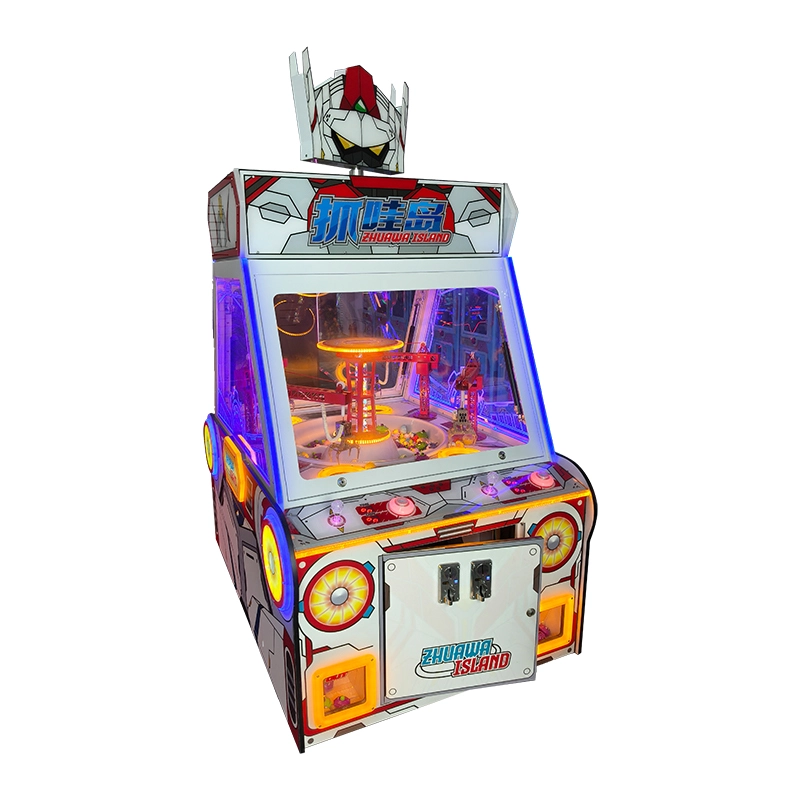
Marwey 4 Players Toy Gift Crane Machine Game Center Wholesale Customizable Arcade Vending Machine
Marwey 4 Players Toy Gift Crane Machine Game Center Wholesale Customizable Arcade Vending Machine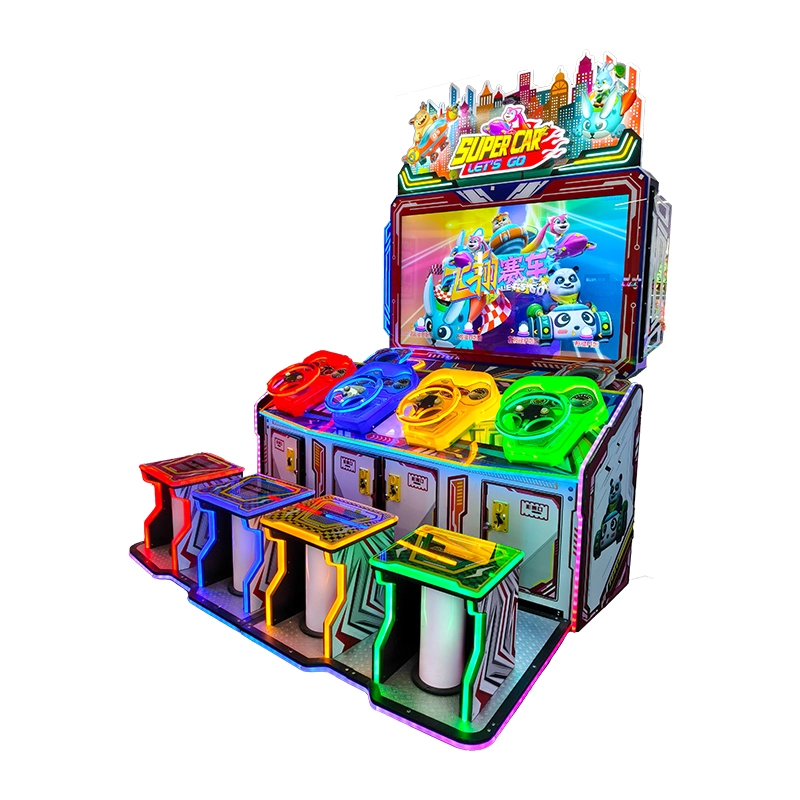
Marwey Hot Slae 4 Person Racing Ticket Redemption Machine Commercial Indoor Coin Operated Arcade Game Machine
Marwey Hot Slae 4 Person Racing Ticket Redemption Machine Commercial Indoor Coin Operated Arcade Game Machine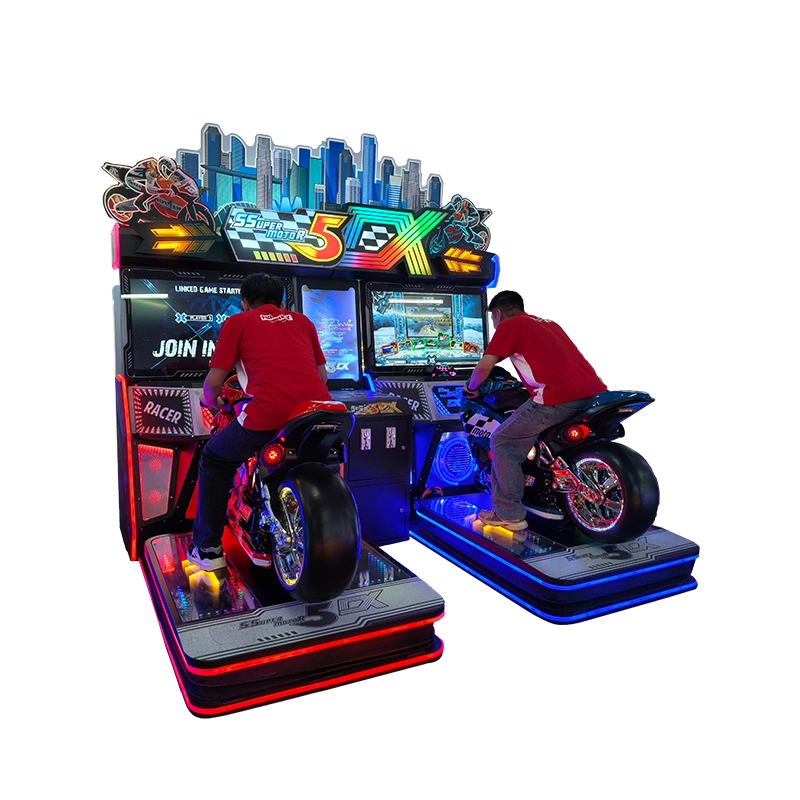
Marwey Motorcycle Driving Arcade Game Machine 2 Players Coin Operated Racing Simulator Factory Price
Marwey Motorcycle Driving Arcade Game Machine 2 Players Coin Operated Racing Simulator Factory Price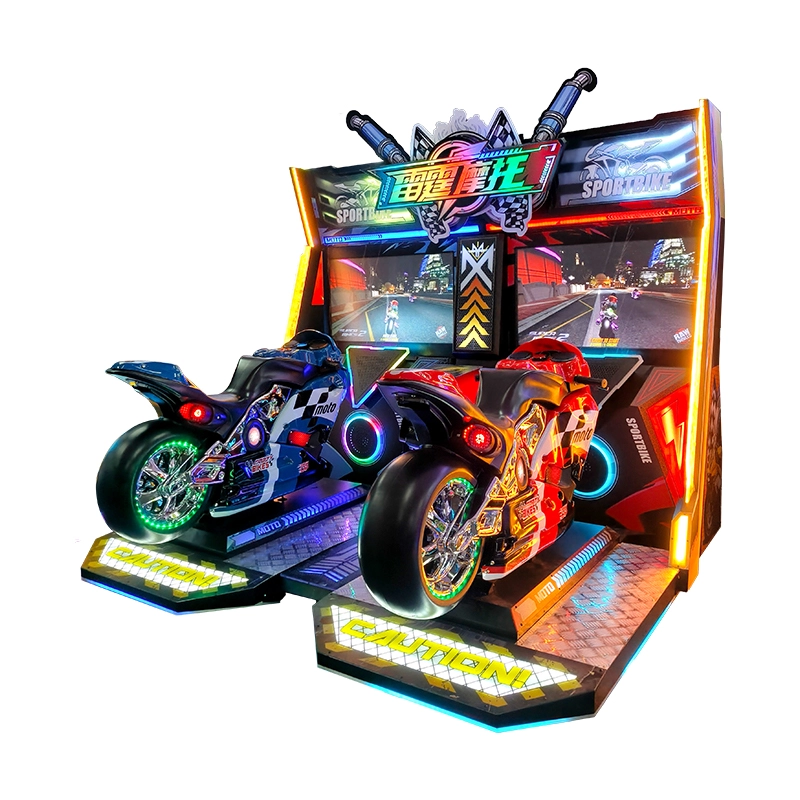
Marwey Coin Operated Motorcycle Driving Simulator 2 Players Factory Cheap Wholesale Arcade Machine
Marwey Coin Operated Motorcycle Driving Simulator 2 Players Factory Cheap Wholesale Arcade Machine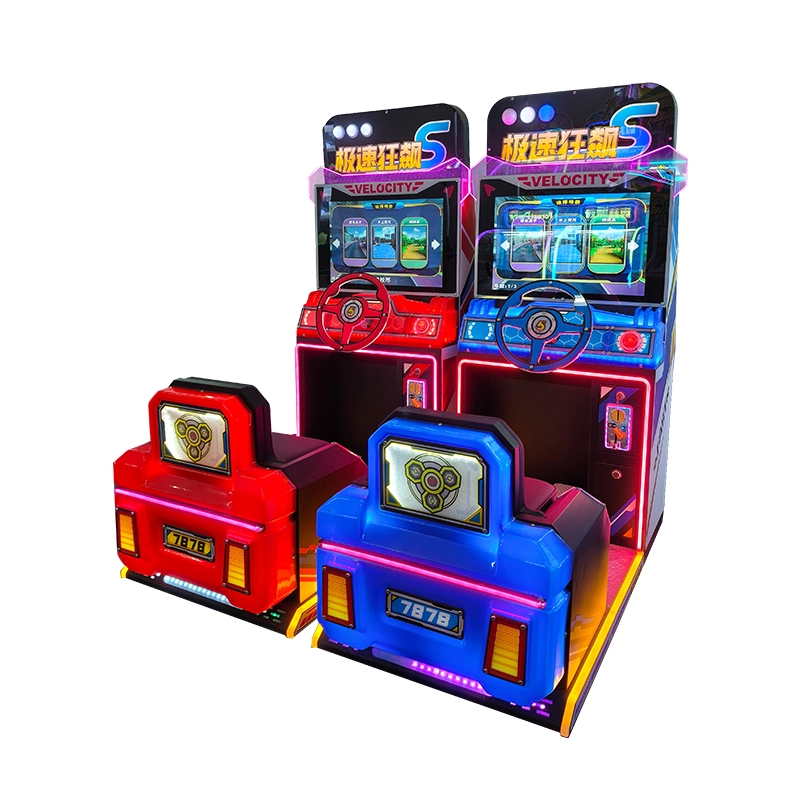
Marwey Wholesale Kids Mini Racing Simulator Equipment 2 Players Factory Price Arcade Driving Game Machine
Marwey Wholesale Kids Mini Racing Simulator Equipment 2 Players Factory Price Arcade Driving Game Machine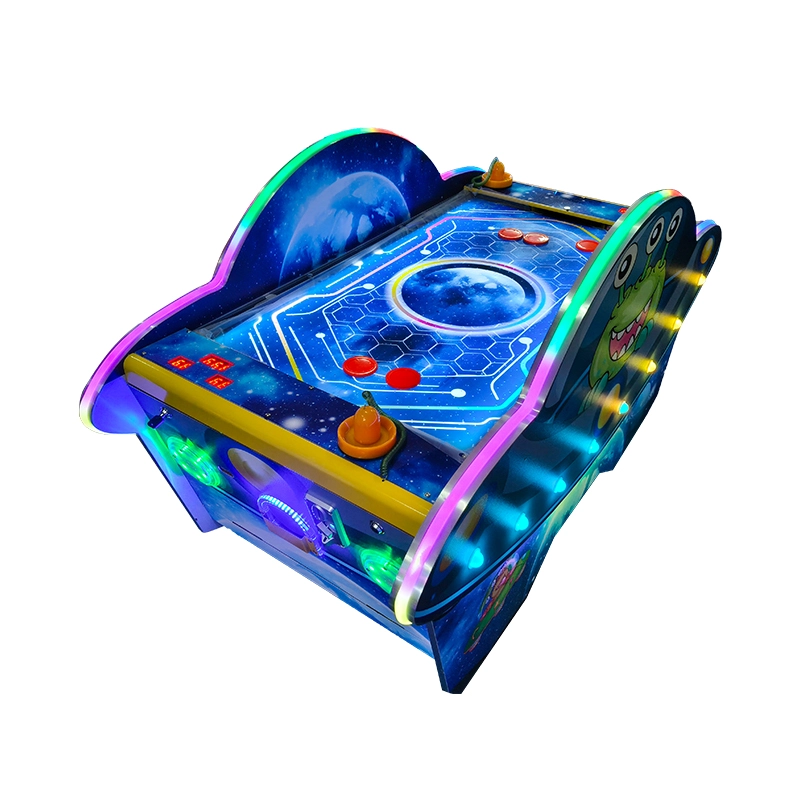
Marwey Kids Electronic Air Hockey Table Children Commercial Indoor Coin Operated Arcade Machine
Marwey Kids Electronic Air Hockey Table Children Commercial Indoor Coin Operated Arcade Machine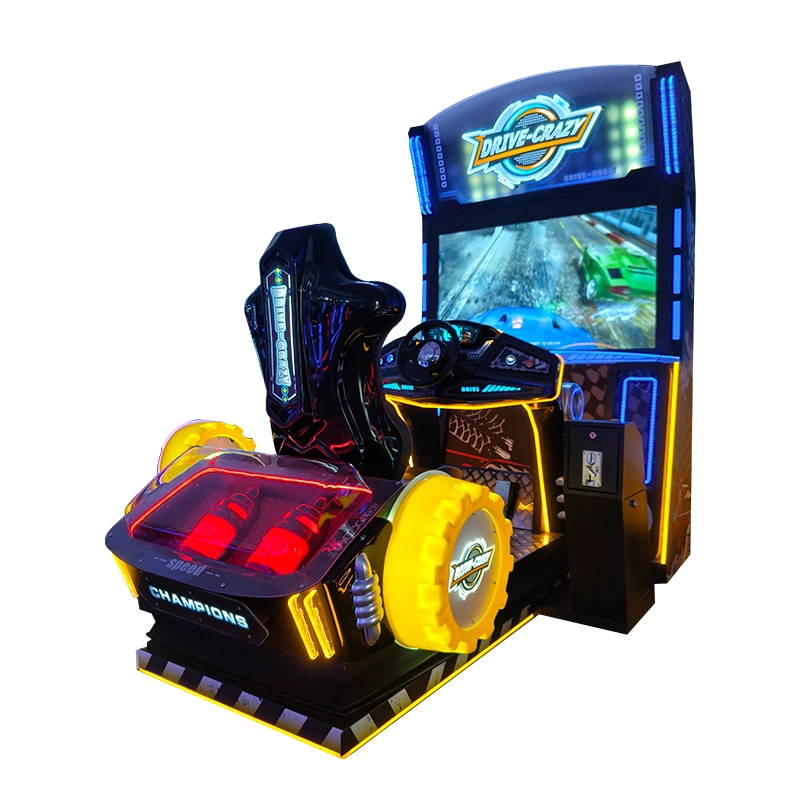
Marwey 55 Inchs Screen Dynamic Seat Racing Simulator Coin Operated Amusement Arcade Machine for Factory Price
Marwey 55 Inchs Screen Dynamic Seat Racing Simulator Coin Operated Amusement Arcade Machine for Factory Price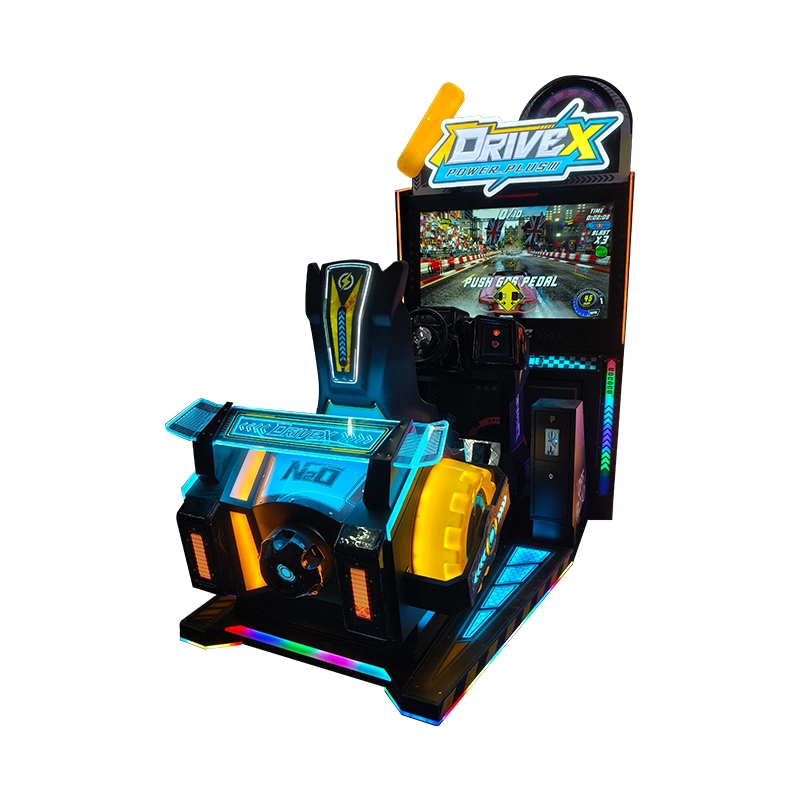
Marwey 55 Inchs Screen Dynamic Racing Simulator Wholesale Coin Operated Car Driving Arcade Machine
Marwey 55 Inchs Screen Dynamic Racing Simulator Wholesale Coin Operated Car Driving Arcade MachineWant to know more industry information?
If you have any comments or good suggestions, please leave us a message; later our professional staff will contact you as soon as possible.
◼ Contact MARWEY
WhatsApp: +86 189 2218 4260
Floor 2, Building E, Hengran Creative Park, Shixin Road, Panyu District, Guangzhou, Guangdong, China.
© 2025 MARWEY. All Rights Reserved.






















































































MARWEY
MARWEY
MARWEY
MARWEY
MARWEY
MARWEY