


- Understanding Age Limits: Why They Matter in Trampoline Parks
- Experience Insight:
- What Are the Safety Standards Governing Age Limits in Trampoline Parks?
- How Age Limits Influence Operational Success and Customer Satisfaction
- Step-by-Step Guide for Families Choosing the Right Trampoline Park Based on Age
- Summary
- FAQ
What is the age limit for a trampoline park? This question is common among families planning visits and operators designing safe, inclusive spaces. Typically, trampoline parks establish a minimum age limit ranging from 3 to 5 years old, while some also set upper age restrictions or create separate zones to ensure safety and enjoyment for all ages. In this article, we explore these limits, the rationale behind them, safety standards, and practical advice for families and owners—leveraging authoritative data and MARWEY's 15 years of industry expertise.
MARWEY stands out as a global leader in commercial-grade amusement equipment and turnkey solutions, delivering ASTM/TÜV-compliant trampoline park designs across over 100 countries. Our experience shows that clear age-related policies not only enhance safety but also improve customer satisfaction and operational efficiency.
Understanding Age Limits: Why They Matter in Trampoline Parks
Age limits at trampoline parks are essential for balancing fun and safety. Younger children have different physical coordination and risk profiles compared to older kids and adults. As a safety expert observing multiple projects, I’ve seen that implementing minimum age rules—usually 3 years old as the lowest threshold—prevents many injuries related to insufficient motor skills.
Many trampoline parks further segment their zones by age: toddler areas for under 6 years, youth zones for 7-12, and general or adult zones above 13. This zoning minimizes collisions and respects developmental differences, making the park welcoming to families with mixed-age children.
- Minimum Age: Usually 3-5 years, ensuring child can follow safety rules and handle physical exertion.
- Maximum Age: Often no strict upper limit, but some parks restrict heavy adults in kid zones or offer adult-only sessions for safety.
- Age-Appropriate Zones: Segregated trampoline courts for toddlers, kids, teens, and adults.
Experience Insight:
In one MARWEY-operated family entertainment center project in Europe, we implemented a 3-zone system based on age and weight. Toddler zones had padded floors and lower jump height limits; older kids’ zones featured high ceilings and trampoline wall features. This approach reduced injury reports by 30% in the first year of operation, demonstrating how age segmentation boosts safety and user confidence.
What Are the Safety Standards Governing Age Limits in Trampoline Parks?
The ASTM F2970-17 standard governs the design, installation, and operation of trampoline courts in North America, emphasizing the importance of safety practices tailored to users' age and size. It strongly recommends setting age-appropriate zones and clear signage to avoid accidents.
In Europe, TÜV SÜD certification ensures equipment meets rigorous safety norms, supporting proper age-specific usage. While no strict European age limit is uniformly mandated, TÜV’s playground equipment guidelines support best practices for safely accommodating children as young as 3 years.
TL;DR: According to authoritative bodies like ASTM and TÜV SÜD, trampoline parks should enforce minimum age limits (generally 3 years) and create separate zones for different age groups to enhance safety and minimize injury risk.
Non-compliance with these standards exposes parks to legal liabilities and can increase insurance premiums. Our multiple projects confirm that maintaining rigorous safety compliance directly reduces operational risk and fosters customer trust.
How Age Limits Influence Operational Success and Customer Satisfaction
Age limits shape not only safety but also operational throughput and profitability. Zones for different age groups allow tailored staffing and equipment maintenance routines, optimizing operational costs. Successful trampoline parks we work with allocate staff based on zone types, which enhances supervision quality.
| Zone Type | Typical Age Range | Staffing Requirements | Typical Injury Rate (per 10,000 visits) |
|---|---|---|---|
| Toddler Zone | 3-5 years | 1 staff per 15 kids | 4.2 |
| Youth Zone | 6-12 years | 1 staff per 20 kids | 6.5 |
| General/Adult Zone | 13+ years | 1 staff per 25 participants | 5.1 |
This data, drawn from multiple MARWEY facility reports over 5 years, shows toddler zones need more focused supervision but experience fewer injuries due to slower activity. Well-designed age zones optimize both safety and operating cost efficiency, crucial for sustainable ROI.
Step-by-Step Guide for Families Choosing the Right Trampoline Park Based on Age
- Step 1: Verify the park’s minimum age and ensure your child meets it. Most reputable parks do not admit children below 3 years.
- Step 2: Look for parks that clearly separate zones by age/weight.
- Step 3: Check if the park uses ASTM or TÜV certified equipment.
- Step 4: Inquire about staff-to-child ratios in smaller zones for toddlers or young kids.
- Step 5: Observe the posted safety rules and supervision during your visit.
Following these steps can ensure your family's trampoline experience is both safe and enjoyable.
Summary
In conclusion, the age limit for a trampoline park typically starts at 3 years, with practical upper age distinctions created via zoning rather than strict cutoffs. These policies align with ASTM F2970-17 and TÜV SÜD safety standards, which MARWEY rigorously follows in all equipment and turnkey park setups.
Age-appropriate zones increase safety, reduce injury rates, and optimize operational efficiency, making trampoline parks more family-friendly and financially viable. MARWEY’s global experience and stringent compliance ensure our partners benefit from expert design, resulting in superior guest satisfaction and sustainable ROI.
For families and operators alike, understanding and respecting age limits is the key to making trampoline parks fun, secure, and welcoming to all ages.
Ready to build or upgrade your trampoline park with the highest safety standards and family-friendly designs? Contact MARWEY’s turnkey team today to leverage 15 years of expertise and global compliance advantage!
FAQ
Q1: What is the youngest age allowed in most trampoline parks?
Most trampoline parks set the minimum age at 3 years old to ensure children can safely follow instructions and handle physical activity.
Q2: Are there maximum age limits at trampoline parks?
Generally, no strict maximum age limit exists, but some parks restrict adults from toddler zones and offer adult-only jump times for safety.
Q3: Why do trampoline parks have separate zones by age?
Separate zones reduce the risk of collisions and injuries by grouping users with similar physical abilities and sizes.
Q4: Which safety standards affect trampoline park age policies?
ASTM F2970-17 (North America) and TÜV SÜD certifications (Europe) include guidelines recommending age-appropriate zones and signage.
Q5: How does MARWEY ensure trampoline park safety?
MARWEY designs parks adhering to ASTM/TÜV standards, integrating age-based zoning, quality equipment, and expert operational guidance.
Q6: Can younger children use general trampoline areas safely?
No, younger children are best kept in toddler-specific zones to prevent accidents with older jumpers.
Q7: How do age limits impact trampoline park insurance?
Proper age restrictions and safety compliance reduce liability risks, positively influencing insurance premiums.
Q8: What staffing ratios are recommended for different age zones?
Toddler zones often require 1 staff member for every 15 children, while general zones can operate with 1 per 25 participants.
Q9: How can parents verify a park’s safety compliance?
Check for ASTM or TÜV certification marks and enquire about age policies and supervision standards before visiting.
Q10: Does MARWEY provide complete playground solutions including trampoline parks?
Yes, MARWEY offers integrated “design-production-sales-operation” services worldwide, specializing in family-friendly trampoline park setups.
Related Articles
Choosing the Perfect Location for a Family Entertainment Center Business
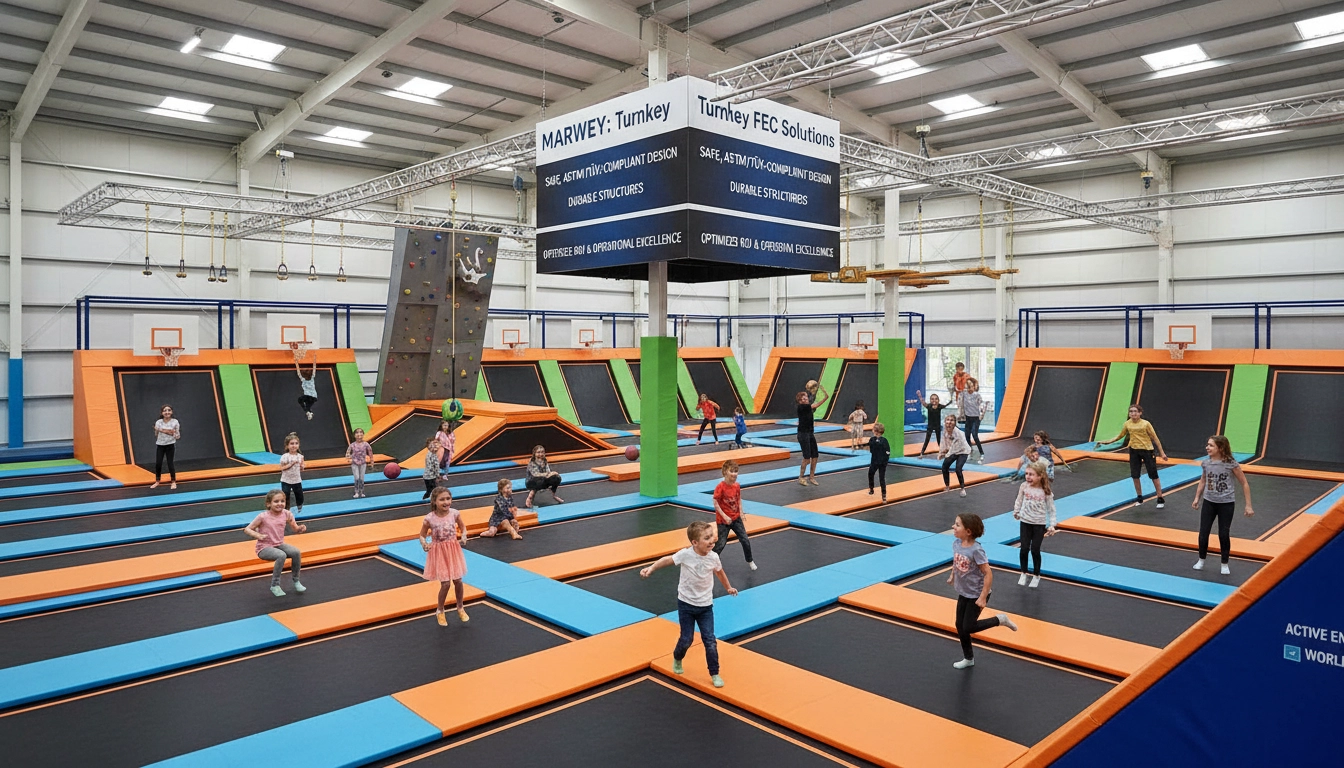
Why DEFY (Umbrella Brand) Leads the Way in Active Entertainment
Sourcing High-Quality PU Leather for Punching Machine Pad Replacement
Effective Risk Management to Lower Your Trampoline Park Insurance Premiums
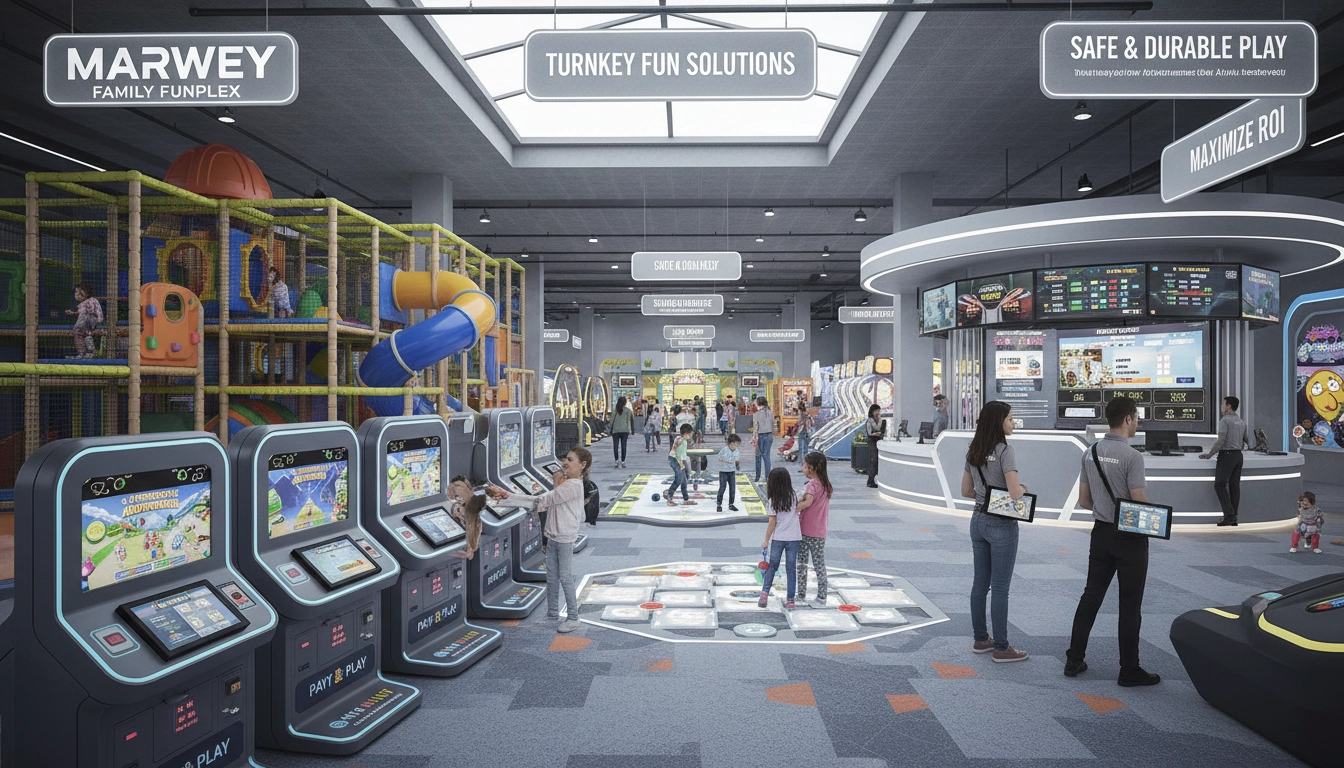
The Art of Upselling: Maximizing Spend Per Guest (SPG) at Your Family Entertainment Center
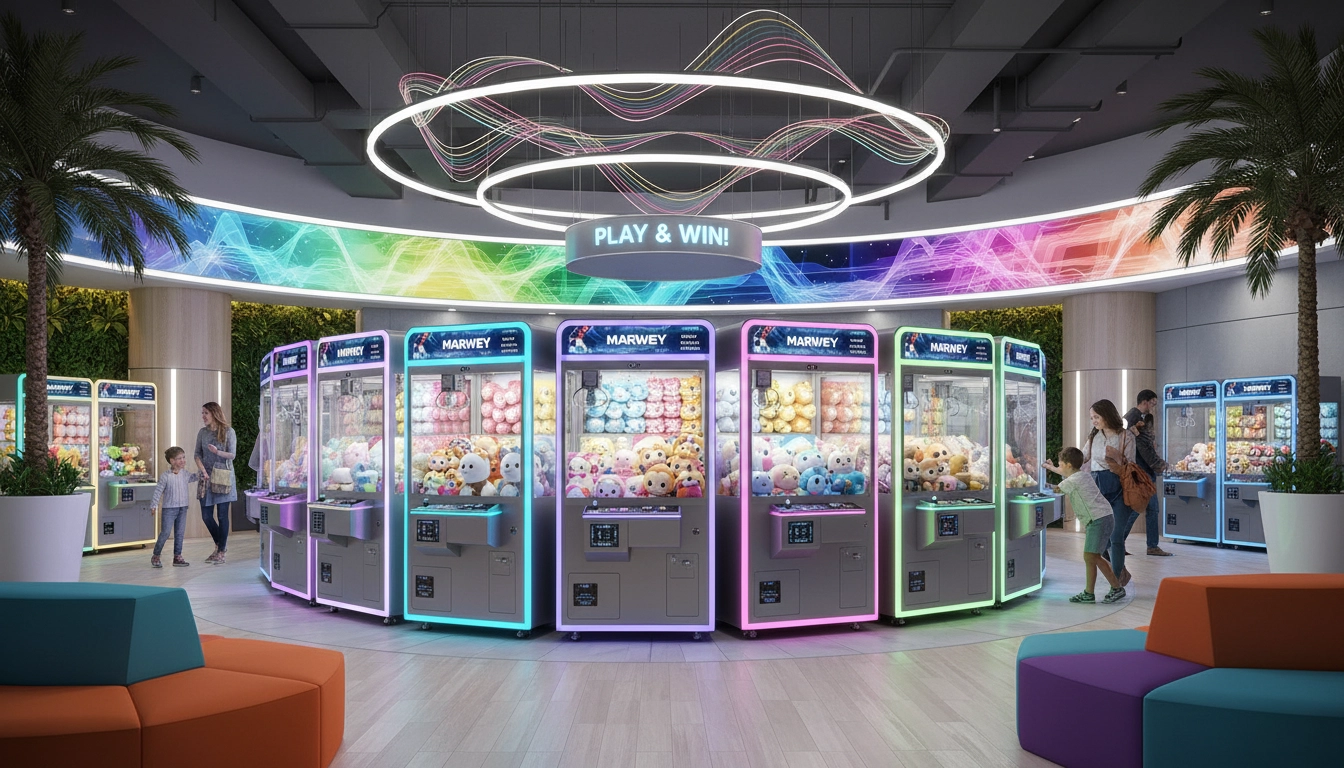
The Impact of Surrounding Decor on the Perceived Value of a Claw Machine!
Family Entertainment Center
Are Family Entertainment Centers (FECs) Profitable?
Yes, Family Entertainment Centers (FECs) are an attractive and generally profitable business venture when executed properly. The industry is experiencing significant growth globally.
A well-operated FEC can achieve substantial annual revenue, with typical profit margins ranging between 15% and 25%.
Profitability hinges on several critical factors:
- Multiple Revenue Streams: Success depends on generating income from diverse sources, including admission/game tokens, high-margin Food & Beverage (F&B) sales, and booking profitable birthday party and group events.
- Quality Attractions: Investing in durable, high-demand equipment ensures high customer throughput and repeat visits. MARWEY specializes in supplying the cutting-edge, reliable attractions that form the core of a high-earning FEC.
- Operational Management: Efficiently managing operating costs, optimizing staff, and choosing a strong location are vital for maximizing net profit.
Indoor Playground
How do I write a business plan for an indoor playground?
Is an indoor playground profitable?
Indoor Trampoline Park
How much money do I need to start an indoor playground?
For a comprehensive indoor playground that may or may not include trampolines, the investment is similar to a small-to-medium trampoline park.
Startup Cost Estimate: Typically between $250,000 and $400,000 USD for a medium-sized indoor play facility (2,000 to 9,000 square feet).
Equipment Costs: Non-trampoline soft play equipment can range from $20,000 to $150,000 USD depending on the size and complexity of the structure, climbing walls, or ninja courses.
Boxing Arcade Machine
What is a good score on a boxing arcade machine?
Scores vary by machine calibration, but MARWEY's arcade punching machines typically average 300-600 points per play. Professional athletes may hit 900+, while casual players enjoy our adjustable difficulty settings (0-999 scoring range). Remember: boxing arcade machines prioritize fun – scores simply measure momentary strength!
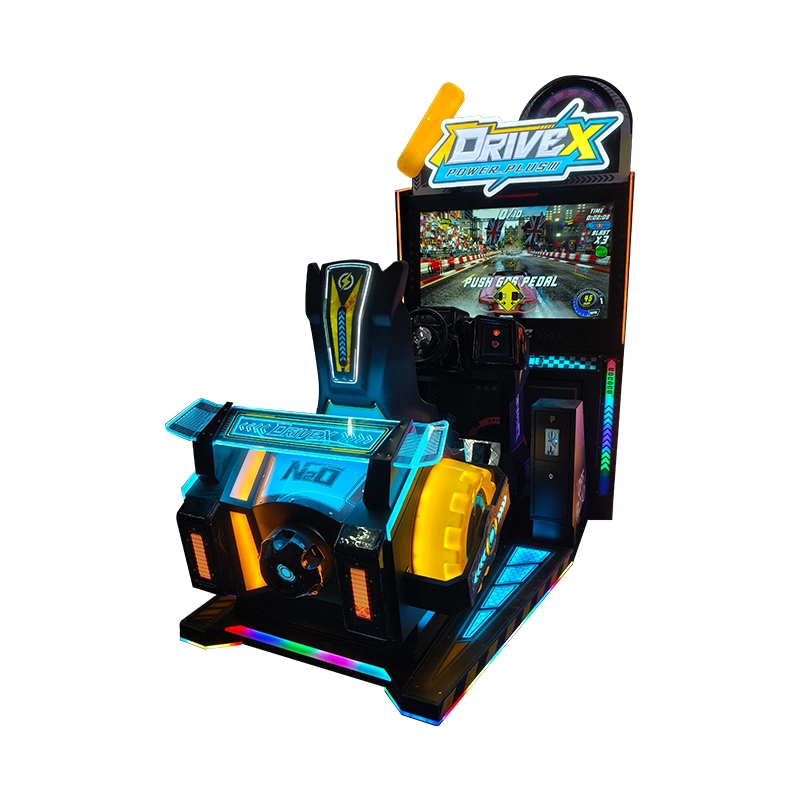
Marwey 55 Inchs Screen Dynamic Racing Simulator Wholesale Coin Operated Car Driving Arcade Machine
Marwey 55 Inchs Screen Dynamic Racing Simulator Wholesale Coin Operated Car Driving Arcade Machine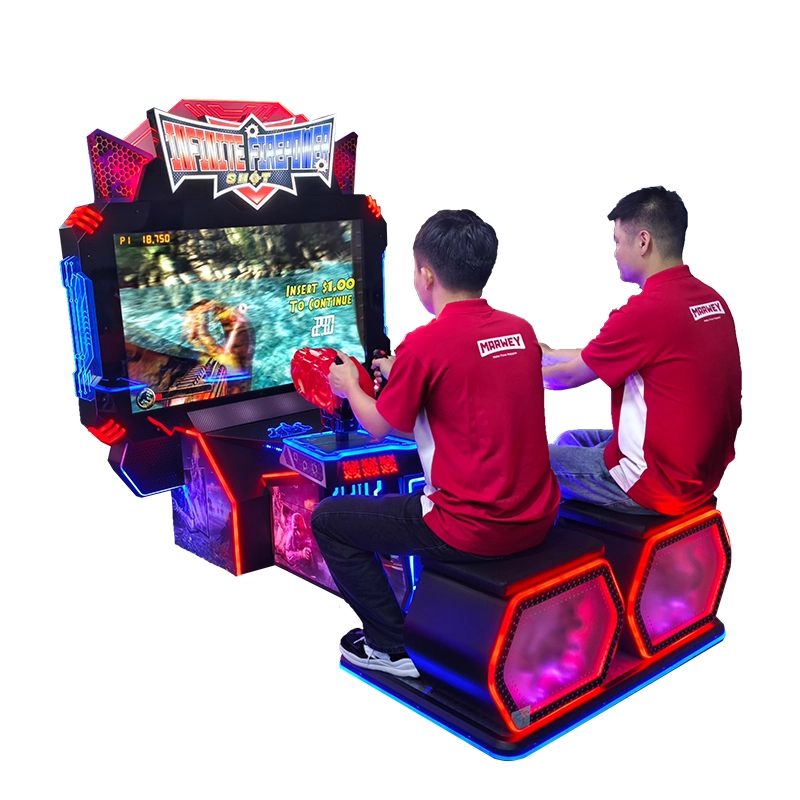
Marwey 2 Players Gun Shooting Simulator Indoor Coin Operated Arcade Machine for Cheap Factory Price Sale
Marwey 2 Players Gun Shooting Simulator Indoor Coin Operated Arcade Machine for Cheap Factory Price Sale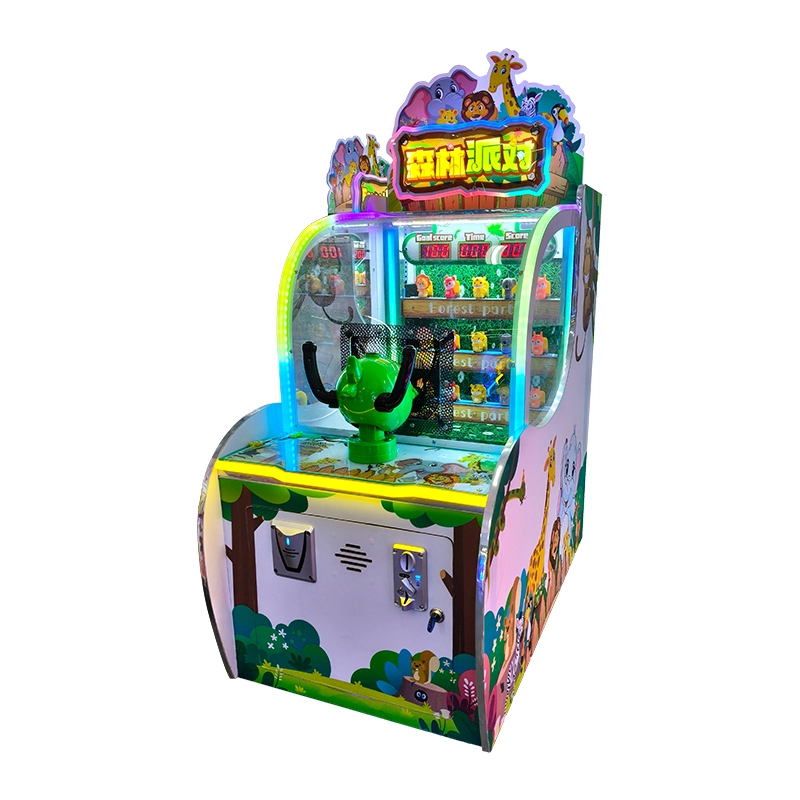
Marwey Kids Ball Shooting Ticket Redemption Machine Coin Operated Arcade Game for Factory Price Sale
Marwey Kids Ball Shooting Ticket Redemption Machine Coin Operated Arcade Game for Factory Price Sale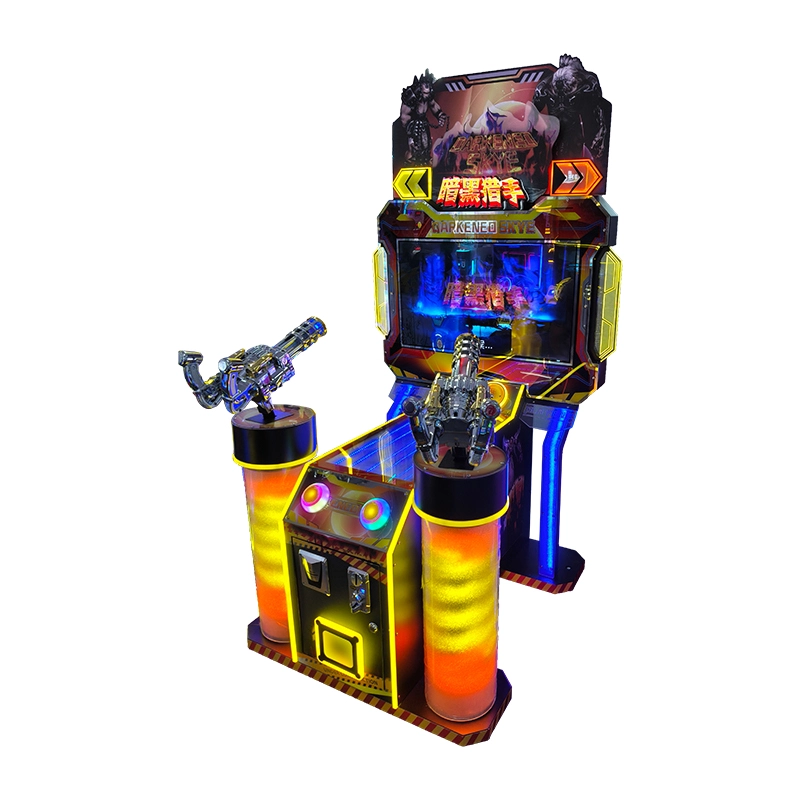
Marwey 2 Players Gun Shooting Simulator Manufacturer Hot Selling Ticket Redemption Arcade Machine
Marwey 2 Players Gun Shooting Simulator Manufacturer Hot Selling Ticket Redemption Arcade Machine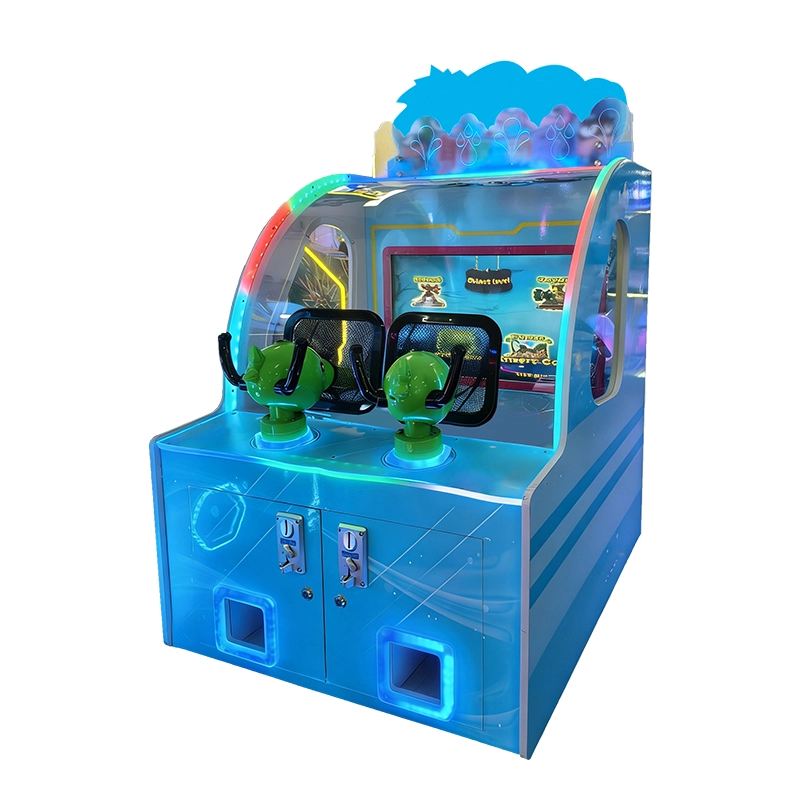
Marwey Kids 2 Players Indoor Ball Shooting Arcade Customized High Quality 32 Inchs Screen Coin Operated
Marwey Kids 2 Players Indoor Ball Shooting Arcade Customized High Quality 32 Inchs Screen Coin Operated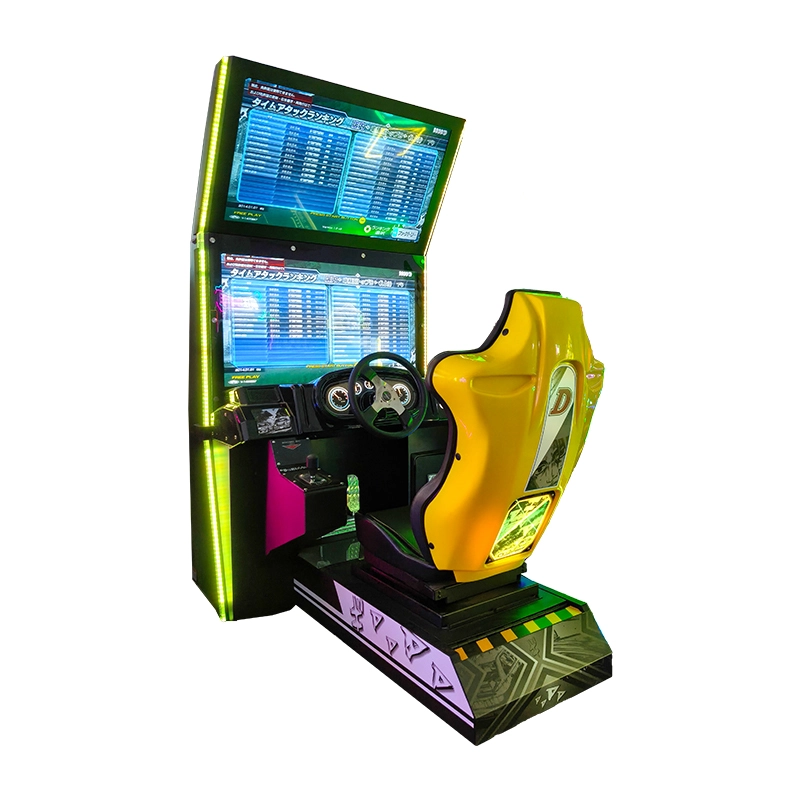
Marwey New Arrival Dual Screens 3D Racing Simulator Factory One Stop Wholesale Car Arcade Machine
Marwey New Arrival Dual Screens 3D Racing Simulator Factory One Stop Wholesale Car Arcade Machine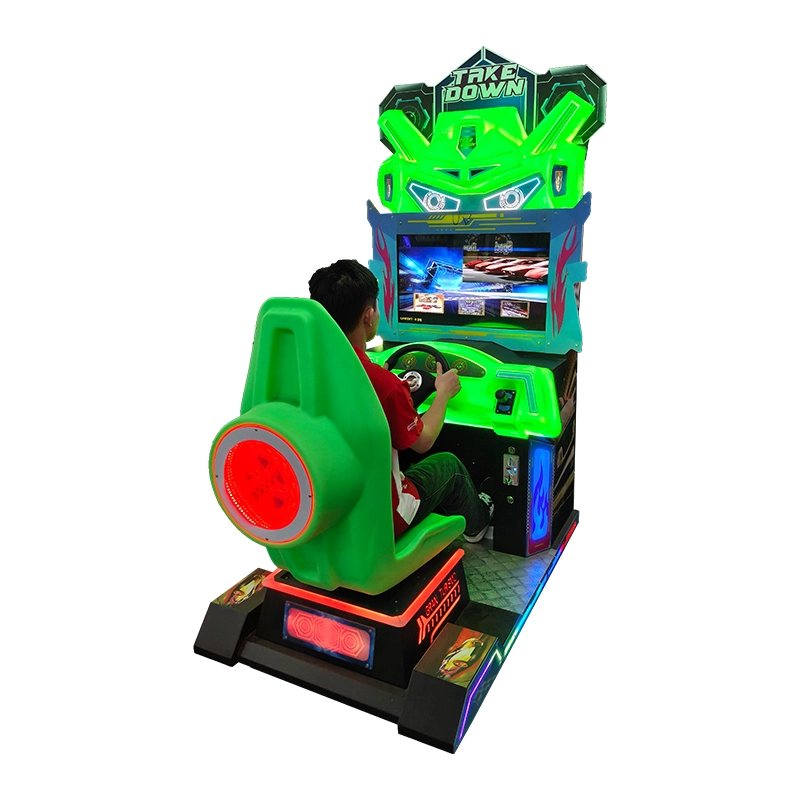
Marwey Wholesale New Design Dynamic Driving Racing Simulator Wholesale Coin Operated Car Arcade Machine
Marwey Wholesale New Design Dynamic Driving Racing Simulator Wholesale Coin Operated Car Arcade Machine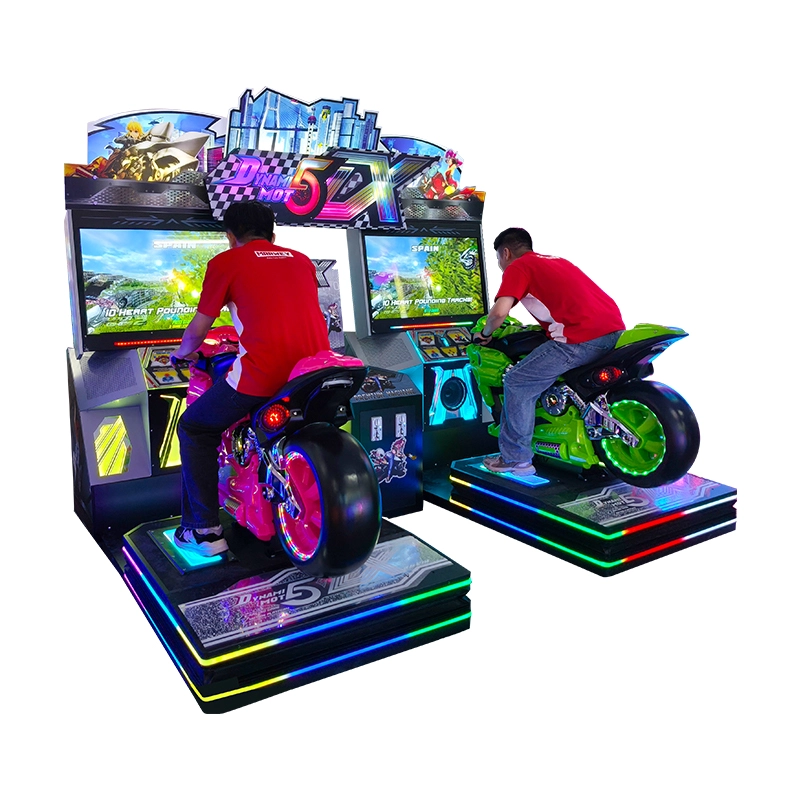
Marwey 2 Players Motorcycle Racing Simulator Manufacturer Coin Operated Arcade Machine Wholesale Price
Marwey 2 Players Motorcycle Racing Simulator Manufacturer Coin Operated Arcade Machine Wholesale PriceWant to know more industry information?
If you have any comments or good suggestions, please leave us a message; later our professional staff will contact you as soon as possible.
◼ Contact MARWEY
WhatsApp: +86 189 2218 4260
Floor 2, Building E, Hengran Creative Park, Shixin Road, Panyu District, Guangzhou, Guangdong, China.
© 2025 MARWEY. All Rights Reserved.


























































































MARWEY
MARWEY
MARWEY
MARWEY
MARWEY
MARWEY