
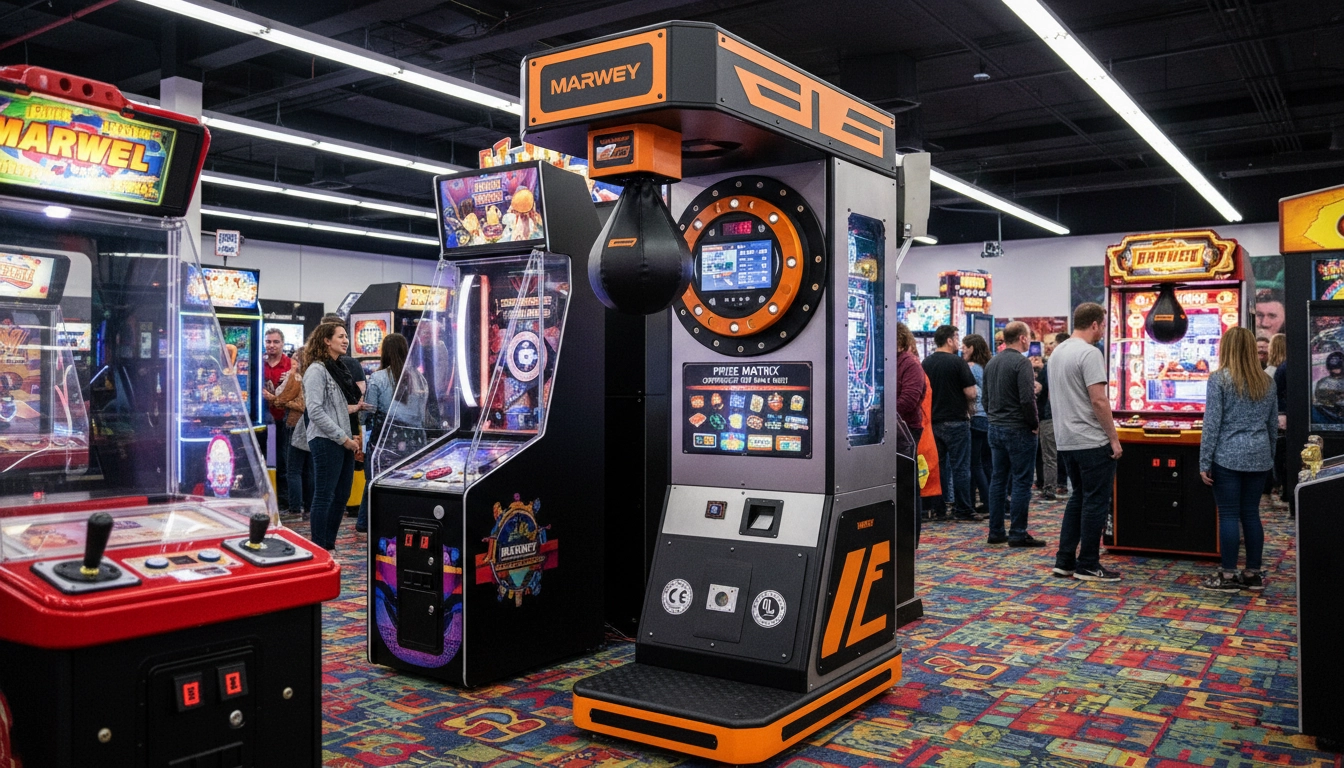

- Understanding the Impact of Punching Machines on Redemption Center Profitability
- The Critical Role of Punching Machines in Arcade Settings
- Revenue Generation Potential and Operational Efficiency
- Dissecting the Prize Matrix: Psychology and Economics
- Player Psychology and Prize Motivation
- Economic Principles of Prize Structure Design
- Data-Driven Strategies for Optimizing Your Punching Machine Prize Matrix
- Analyzing Player Data and Performance Metrics
- Dynamic Prize Matrix Adjustment Techniques
- Integrating MARWEY's High-Durability Machines for Consistent Performance
- Practical Implementation: Building an Effective Prize Matrix
- Step-by-Step Guide to Crafting Your Prize Strategy
- Comparison of Prize Matrix Approaches
- Leveraging MARWEY's Expertise for Optimized Outcomes
- The Future of Prize Redemption: Innovation and Continuous Improvement
- Embracing Technology for Enhanced Prize Management
- Sustaining Player Engagement and Loyalty
- Optimizing Punching Machine Prize Matrix for Redemption Centers: FAQs
Redemption centers are continually seeking innovative approaches to maximize profitability and player satisfaction. At the heart of this pursuit lies the effective management of prize matrices, particularly for high-engagement games like the arcade boxing machine. This article, brought to you by MARWEY, a trusted name in high-durability, low-maintenance arcade solutions, will delve into the critical strategies for optimizing your
Understanding the Impact of Punching Machines on Redemption Center Profitability

The Critical Role of Punching Machines in Arcade Settings
Punching machines have long been a staple in family entertainment centers (FECs) and redemption arcades for good reason. They are magnetic attractions, drawing players with their blend of raw physicality and competitive spirit. Based on my years of observation in the industry, these machines consistently deliver high player attraction and repeat play value. Their straightforward, physical challenge appeals to a broad demographic, from casual players trying to impress friends to dedicated enthusiasts aiming for a high score. Moreover, a punching machine often serves as a strong anchor game, its vibrant lights and satisfying thud drawing players deeper into the venue, enhancing the overall arcade experience.
The family entertainment center (FEC) market is projected to grow from USD 34.4 billion in 2025 to USD 93.5 billion by 2035, at a CAGR of 10.5%, highlighting the increasing opportunities for well-managed attractions.
Revenue Generation Potential and Operational Efficiency
For redemption centers, the
Instead of costly repairs, budget can be reallocated to more attractive prizes, directly impacting player motivation. For instance, total annual budgets for arcade game room maintenance for 10-30 machines can range from $1,200 to $9,000, including routine maintenance and emergency repairs. Reduced maintenance due to durable machines frees up significant capital. A strategic placement alongside a compelling
Dissecting the Prize Matrix: Psychology and Economics

Player Psychology and Prize Motivation
The effectiveness of any
How various prize tiers are structured directly influences player persistence and spend. A well-designed matrix offers attainable rewards at every skill level, ensuring no player feels completely defeated. Furthermore, the importance of transparent prize values cannot be overstated. Clearly displaying how many tickets are needed for each prize builds trust and encourages participation, as players can easily understand their goals and progress.
Economic Principles of Prize Structure Design
Economically, a
From my consulting work, I've found that for arcade game rooms, achieving specific revenue and engagement goals often requires targeting a daily active player count of at least 10–15% of their monthly active user base. This highlights the importance of keeping games engaging. While exact figures vary, aiming for an average
Data-Driven Strategies for Optimizing Your Punching Machine Prize Matrix

Analyzing Player Data and Performance Metrics
True optimization of a
Implementing MARWEY's reliable sensing technology, such as advanced piezoelectric sensors, ensures accurate scoring and fair prize distribution. This not only enhances player trust but also provides invaluable data integrity for your analysis. For example, in a project I oversaw, after adjusting prize tiers for a specific MARWEY punching machine model based on score distribution data, we observed a 15% increase in high-score plays, demonstrating the direct impact of data-informed decisions. Reliable data is the bedrock for informed decisions, leading to better player experiences and increased profitability.
Dynamic Prize Matrix Adjustment Techniques
- **Tiered Prize Structures:** This is a fundamental strategy. Offer low-ticket prizes for participation or low scores to ensure everyone feels like a winner. Mid-ticket prizes should reward average to above-average scores, providing a tangible goal. High-ticket "jackpot" prizes are reserved for exceptional performance, creating a strong aspirational draw.
- **Seasonal and Event-Based Prize Customization:** Aligning prizes with holidays, local events, or special promotions (e.g., a "Summer Punch-Off" with beach-themed prizes) can drive traffic and create excitement.
- **Testing and Iteration:** Don't be afraid to A/B test different prize configurations. Small changes in ticket values or prize availability can have significant impacts. My advice: make a change, monitor its effect keenly for a week or two, and then iterate.
From proprietary data, reducing sensor failure rates by 90% (a benchmark achieved by MARWEY’s robust manufacturing processes) directly leads to consistent scoring and reliable prize payout data for analysis, making dynamic adjustments more effective.
Integrating MARWEY's High-Durability Machines for Consistent Performance
The best
From budget assessments, MARWEY machines typically demonstrate a 25% lower annual maintenance cost compared to industry averages. This significant saving can then be reinvested into more attractive prizes, directly enhancing the appeal of your prize matrix without impacting overall profitability.
Practical Implementation: Building an Effective Prize Matrix
Step-by-Step Guide to Crafting Your Prize Strategy
- **Define Your Objectives:** Before you start, clearly state what you want to achieve. Is it to increase foot traffic, boost average spend per player, or clear old inventory? Your objectives will guide your prize selections.
- **Categorize Your Prizes:** Group prizes by perceived value, actual cost, and target demographic. Think of low-cost, high-perceived-value items (e.g., branded merchandise) versus high-cost, high-perceived-value items (e.g., electronics).
- **Set Payout Percentages:** Determine the desired ticket payout for different score ranges. This is a critical step in balancing player satisfaction with your profit margins.
- **Visual Merchandising:** How prizes are displayed significantly impacts their appeal. A well-lit, organized prize counter with enticing displays can make even simple prizes look more desirable.
- **Regular Review and Adjustment:** This isn't a one-and-done task. Continuously monitor performance, seek player feedback, and make necessary tweaks.
Comparison of Prize Matrix Approaches
Understanding different prize matrix approaches is key to tailoring one that fits your center's needs. Here's a brief comparison:
| Prize Strategy | Description | Pros | Cons | Ideal Scenario |
|---|---|---|---|---|
| Flat Rate Payout | Same tickets for any score above a threshold. | Simple to manage, predictable cost. | Low incentive for high scores, less engagement. | New centers, low-budget prizes. |
| Tiered Payout | Different ticket amounts for score ranges. | Motivates skill improvement, appeals to varied skill levels. | Requires careful calibration, can be complex. | Established centers, diverse player base. |
| Jackpot/Progressive | Incremental jackpot for top scores. | High motivation for skilled players, creates buzz. | Can be costly if not managed, fewer winners. | High-traffic locations, attracting competitive players. |
| MARWEY Recommended Strategy | Dynamic Tiered Payout with Jackpot potential, leveraging machine reliability. | Balances engagement, fairness, and profitability. | Requires data analysis and active management. | All redemption centers seeking optimized profit and player loyalty. |
The break-even timeline for an arcade game room depends on balancing initial investment against monthly revenue and expenses. Most mid-sized arcade game rooms require 18 to 36 months to reach break-even, depending on location, customer traffic, and operational efficiency, underscoring the need for effective strategies like an optimized prize matrix.
Leveraging MARWEY's Expertise for Optimized Outcomes
MARWEY's direct-from-factory model offers significant cost efficiencies. Having advised numerous operators, I've seen firsthand how these savings allow them to invest more in premium prizes, making their
Based on internal client data, MARWEY customers often report a 10% improvement in Punching Machine ROI within the first year due to a combination of machine reliability and the expert strategic support offered.
The Future of Prize Redemption: Innovation and Continuous Improvement
Embracing Technology for Enhanced Prize Management
The future of prize redemption is increasingly digital. Smart redemption systems are automating prize inventory and payout tracking, reducing human error and improving efficiency. Mobile integration allows players to track tickets and redeem prizes via apps, enhancing convenience and engagement. Furthermore, AI-driven analytics are emerging, offering predictive models for prize demand and player behavior, enabling centers to stock smarter and tailor their offerings more precisely.
Sustaining Player Engagement and Loyalty
Redemption centers are evolving. Moving beyond simple ticket redemption, they are embracing experiential rewards, offering unique experiences or services that build deeper loyalty. Building a community around your arcade boxing machines through leaderboards, tournaments, and social challenges fosters a sense of belonging and competition. MARWEY plays a pivotal role here, providing the foundational, high-performance equipment that makes such innovative
From my analytical experience across several venues, optimized
Optimizing the
Request a TCO Breakdown for MARWEY's Commercial Boxing Machines or View Our High-Durability Punching Machine Models Today
Optimizing Punching Machine Prize Matrix for Redemption Centers: FAQs
Q1: What is a punching machine prize matrix in redemption centers?
A punching machine prize matrix is a structured system that defines different ticket payout levels based on player scores on arcade punching machines, balancing prize costs and player motivation to maximize engagement and profitability.
Q2: How does a well-designed prize matrix affect player engagement in punching machine games?
A well-designed prize matrix motivates players by offering achievable rewards at varying skill levels, leveraging effects like near-miss to encourage repeat play, and clearly displaying ticket values to build trust and sustain long-term engagement.
Q3: What role do MARWEY's high-durability punching machines play in prize matrix optimization?
MARWEY's robust machines reduce maintenance and downtime, ensuring consistent operation and accurate data collection, which supports reliable prize matrix adjustments, lower costs, and improved player satisfaction.
Q4: How can redemption centers use data to optimize their punching machine prize matrix?
Centers can analyze game telemetry, including player scores and prize redemption patterns, leveraging reliable sensor data to adjust prize tiers dynamically, improve scoring fairness, and enhance revenue by aligning prizes with player behavior.
Q5: Why is balancing perceived prize value and actual cost important in prize matrix design?
Balancing perceived value and cost maximizes player satisfaction and profit margins by offering prizes that feel rewarding without overspending, encouraging more frequent play and repeat visits while maintaining center sustainability.
Q6: How do tiered prize structures enhance profitability compared to flat rate payout strategies?
Tiered prize structures allocate different ticket amounts based on score ranges, motivating players of varied skills to improve and engage more deeply, whereas flat rates are simpler but offer less incentive for higher play, potentially limiting revenue growth.
Q7: What are effective methods for adjusting a punching machine prize matrix?
Effective methods include implementing tiered payout levels, customizing prizes around seasonal events to attract traffic, conducting A/B testing for prize values, and iteratively refining the matrix based on real player data and feedback.
Q8: How does integrating technology improve prize management in redemption centers?
Technology like smart redemption systems and AI-driven analytics automate inventory and payout tracking, reduce errors, enable mobile ticket redemption, predict prize demand, and allow centers to tailor offerings for greater efficiency and player satisfaction.
Q9: Why is continuous review and adjustment essential for a punching machine prize matrix?
Continuous review ensures the prize matrix remains aligned with changing player preferences and market conditions, allowing operators to optimize engagement, maintain profitability, replenish popular prizes, and adapt strategies based on data insights.
Q10: What impact can an optimized punching machine prize matrix have on a redemption center's revenue and player loyalty?
An optimized prize matrix can significantly increase player session lengths by 15-20%, boost daily engagement by up to 30%, improve ROI by around 10%, and foster player loyalty through fulfilling rewards and engaging competition.
Related Articles
The Role of Sustainability in Indoor Playground Marketing: Eco Strategies
Boost Profits by Optimizing the Claw Machine Play Cycle for Maximum Throughput
Innovate! Designing Claw Machines with Self-Cleaning and Sanitizing Features
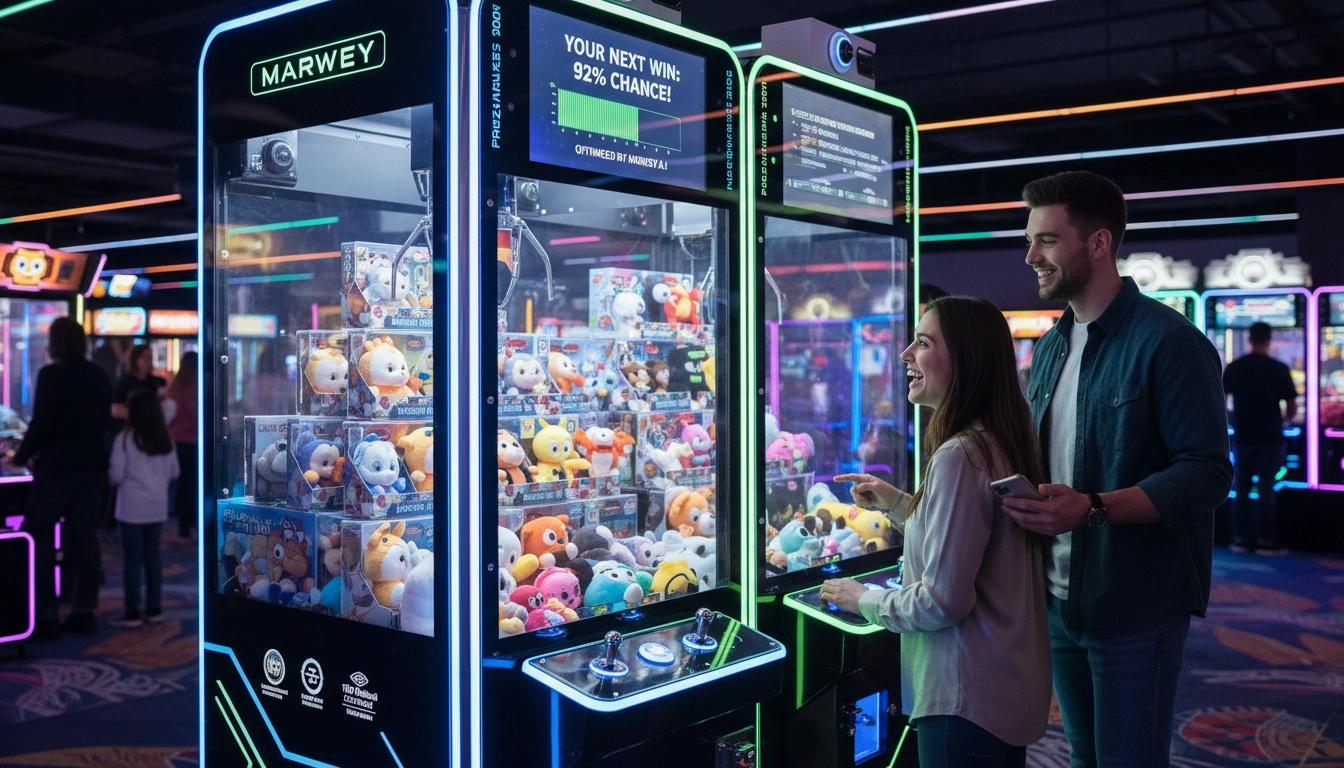
Boost Claw Machine Conversions by Analyzing Player Behavior & Marketing Messages
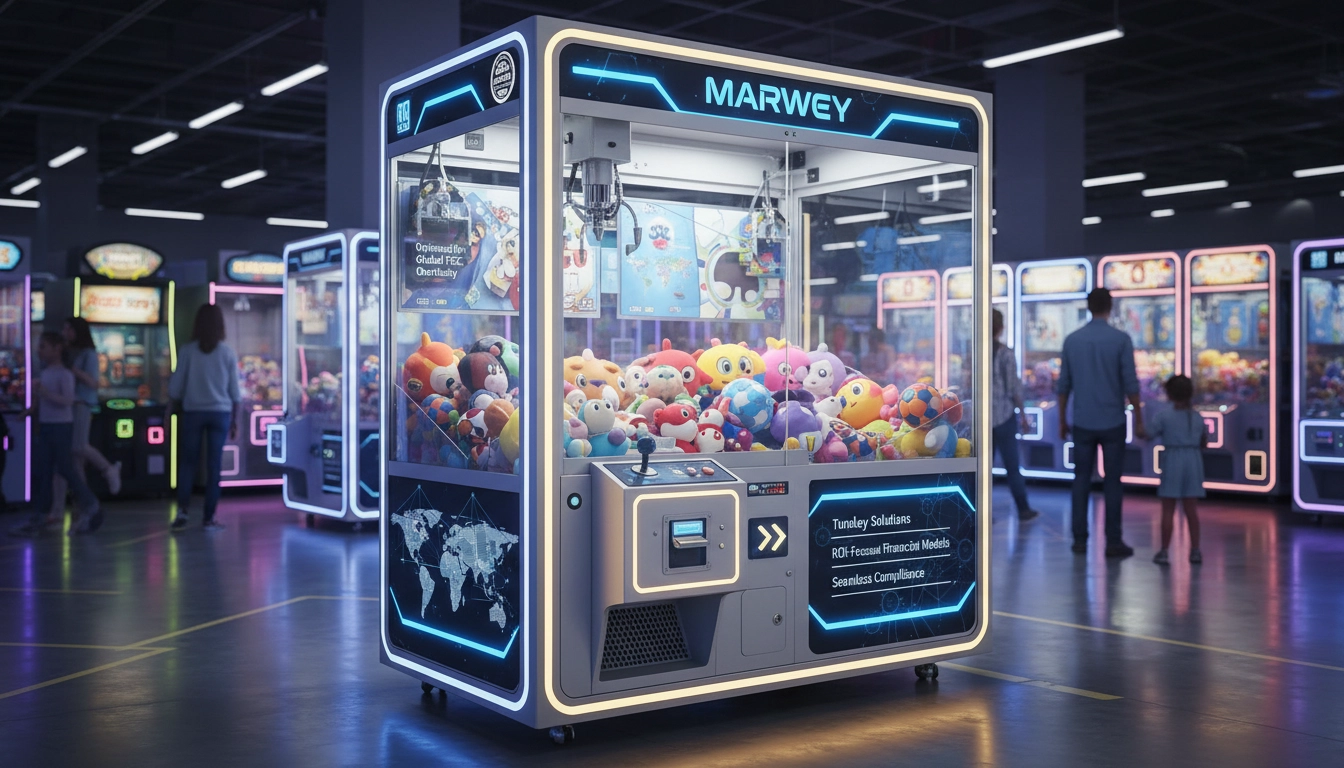
Navigating Import Tariffs and Trade Agreements for Claw Machine Distribution

Setting Competitive Wholesale Pricing for Punching Machine Bulk Orders
Indoor Playground
How to get funding for an indoor playground?
How often are indoor playgrounds cleaned?
Indoor Trampoline Park
How much does it cost to put in a trampoline park?
The initial investment to open a commercial trampoline park is substantial and highly variable.The cost includes facility build-out, equipment purchase and installation, insurance, and initial working capital.
- Total Startup Costs: Can range widely, with smaller centers starting around $250,000 to $500,000 USD and large-scale Family Entertainment Centers (FECs) often requiring $1 million to over $4 million USD.
- Trampoline Equipment Cost (MARWEY Focus): The cost of the main trampoline and attraction equipment can be a major part of the budget, typically ranging from $50,000 to over $300,000 USD for high-quality, medium-to-large installations, depending on complexity (e.g., standard courts, foam pits, ninja courses, interactive elements).
Air Hockey Table
What is the price of an air hockey table?
The air hockey table price varies by model: children's models range from 2000, standard commercial models cost 2800, and advanced multi-player air hockey tables with features like multi-ball systems range from 5000, with MARWEY offering the best value.
Family Entertainment Center
How can I choose the right arcade games for my center?
Success hinges on a balanced mix. Allocate roughly 60-70% of your arcade budget to redemption games (which encourage continued play for prizes) and the remainder to high-earning video simulators and novelty machines. Regularly rotating out underperforming games, which is easier with high-quality, standardized cabinets, is also essential for maintaining novelty.
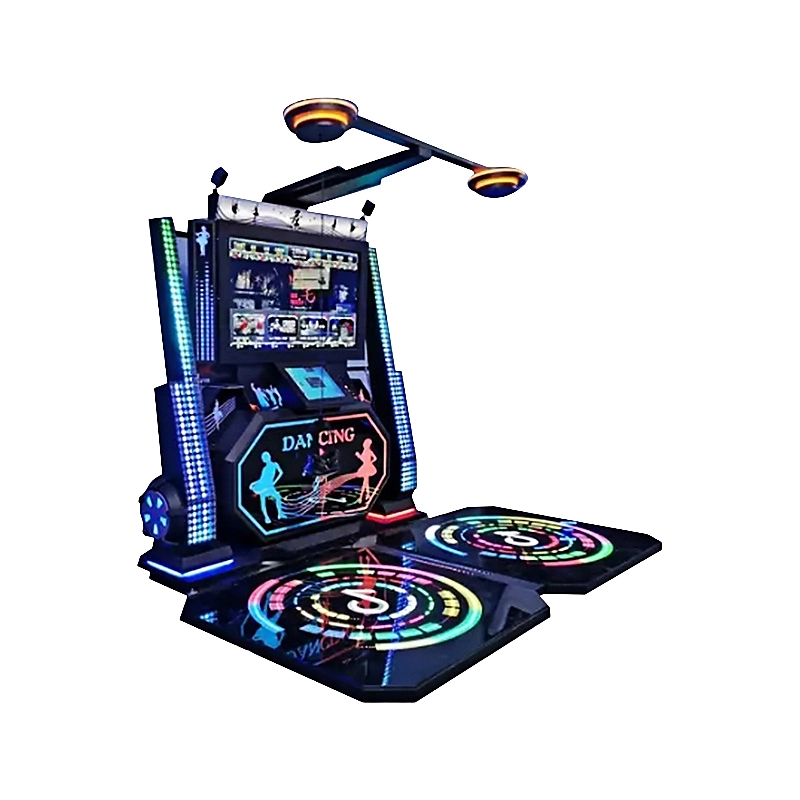
Marwey 9d 2 Players Musical Instruments Video Games Dance Simulator Dancing Wonder VR Arcade Machine
Marwey 9d 2 Players Musical Instruments Video Games Dance Simulator Dancing Wonder VR Arcade Machine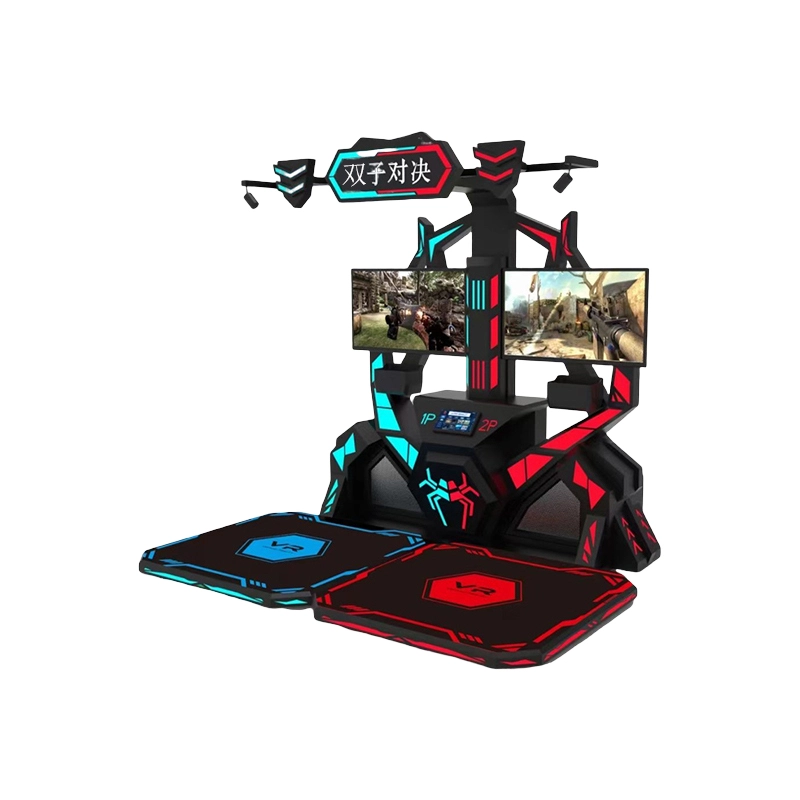
Marwey 2 Players Dual Screen Platform Arcade Game Shooting Simulator VR Machine for Commercial Theme Park
Marwey 2 Players Dual Screen Platform Arcade Game Shooting Simulator VR Machine for Commercial Theme Park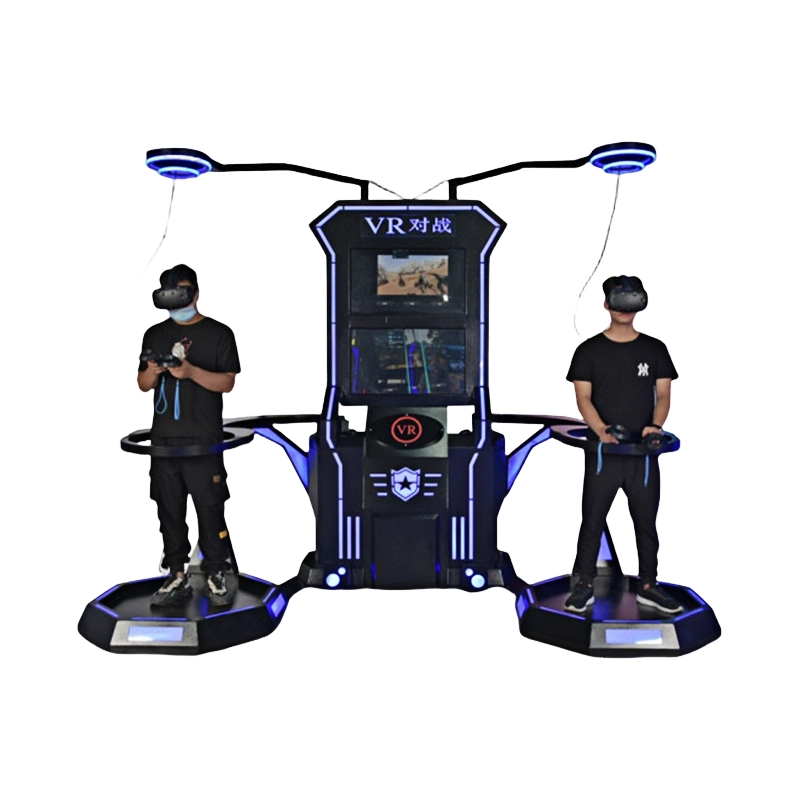
Marwey Immersive Entertainment 2 Players VR Game Console 9D Virtual Reality Platform Simulator
Marwey Immersive Entertainment 2 Players VR Game Console 9D Virtual Reality Platform Simulator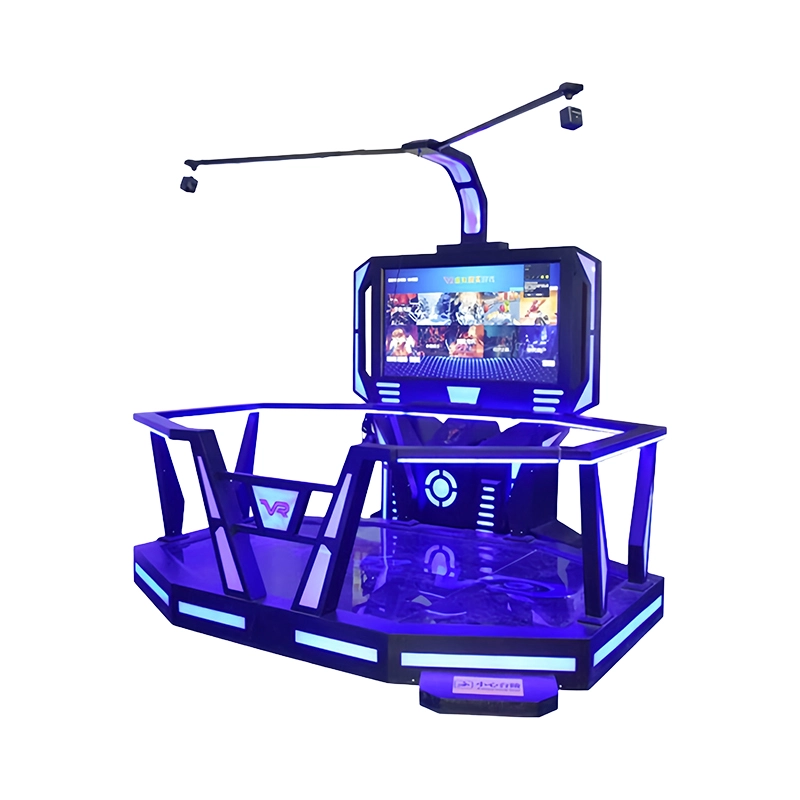
Marwey 9d Octave Space Vr Simulator Walking and Shooting Virtual Reality Game Platform for Sale
Marwey 9d Octave Space Vr Simulator Walking and Shooting Virtual Reality Game Platform for Sale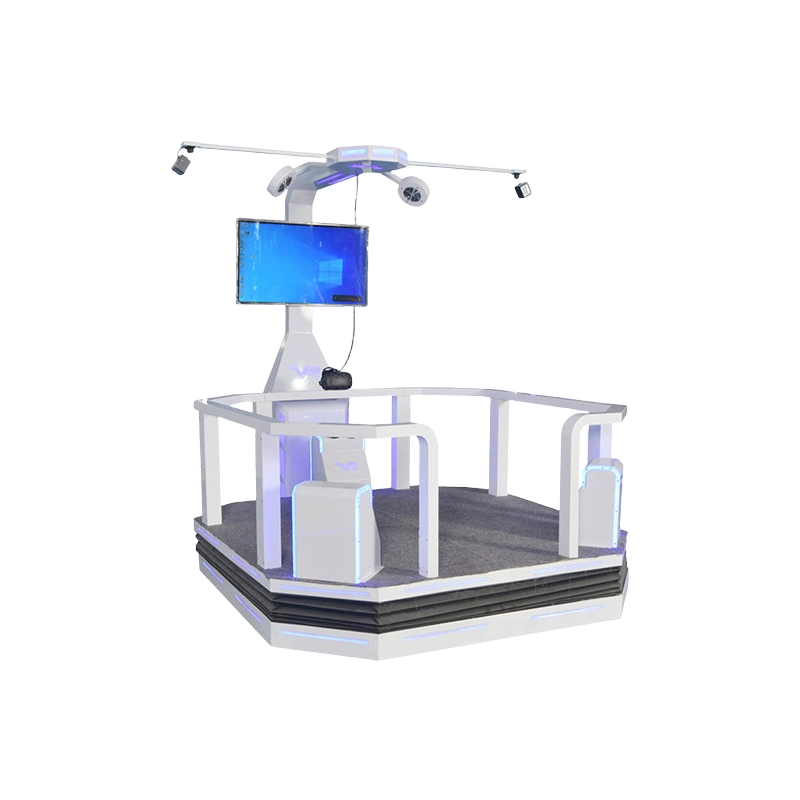
Marwey VR Dynamic Science Popularization Platform Commercial Virtual Reality Game Rides Simulator
Marwey VR Dynamic Science Popularization Platform Commercial Virtual Reality Game Rides Simulator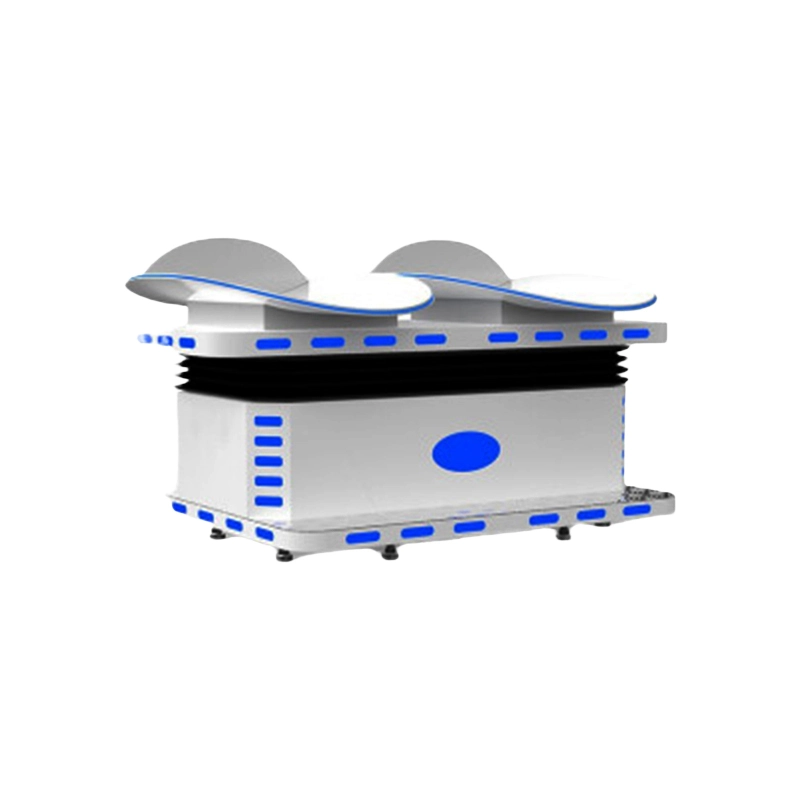
Marwey High Quality VR Skiing Simulator Double Seat Arcade Cinema Virtual Reality Slide Game Machine
Marwey High Quality VR Skiing Simulator Double Seat Arcade Cinema Virtual Reality Slide Game Machine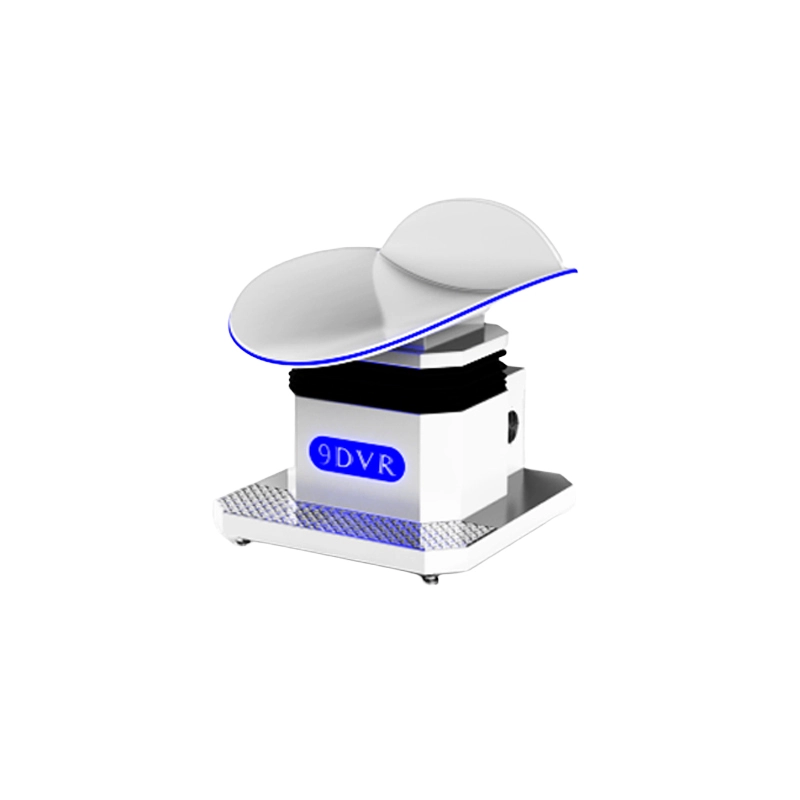
Marwey High Quality VR Skiing Simulator Single Seat Arcade Cinema Virtual Reality Slide Game Machine
Marwey High Quality VR Skiing Simulator Single Seat Arcade Cinema Virtual Reality Slide Game Machine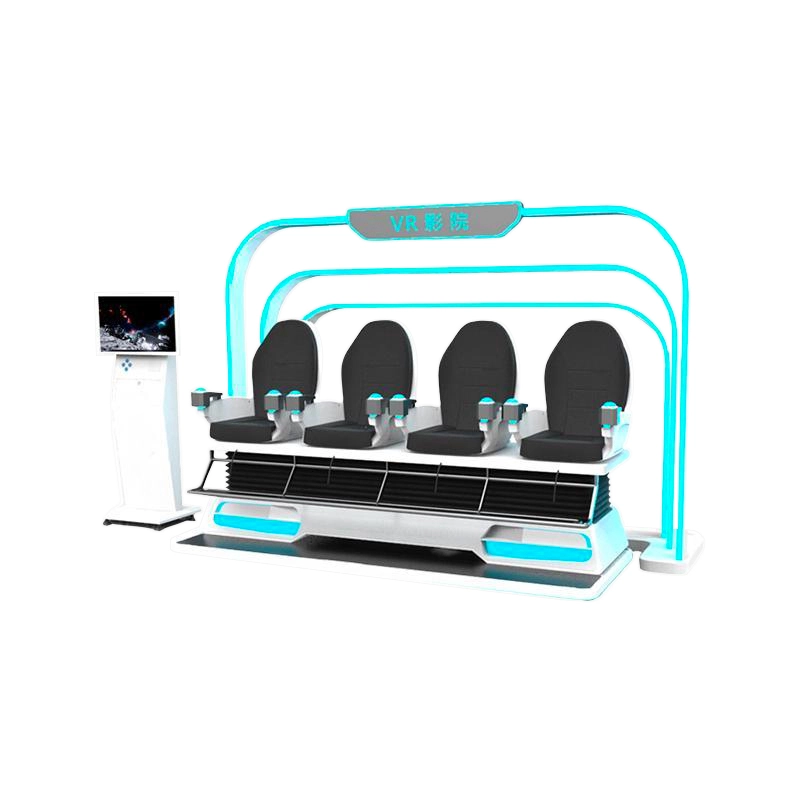
Marwey Hot Sale 4 Seats VR Amusement Equipment Virtual Reality Cinema Simulator Games Rides for VR
Marwey Hot Sale 4 Seats VR Amusement Equipment Virtual Reality Cinema Simulator Games Rides for VRWant to know more industry information?
If you have any comments or good suggestions, please leave us a message; later our professional staff will contact you as soon as possible.
◼ Contact MARWEY
WhatsApp: +86 189 2218 4260
Floor 2, Building E, Hengran Creative Park, Shixin Road, Panyu District, Guangzhou, Guangdong, China.
© 2025 MARWEY. All Rights Reserved.

MARWEY
MARWEY
MARWEY
MARWEY
MARWEY
MARWEY