
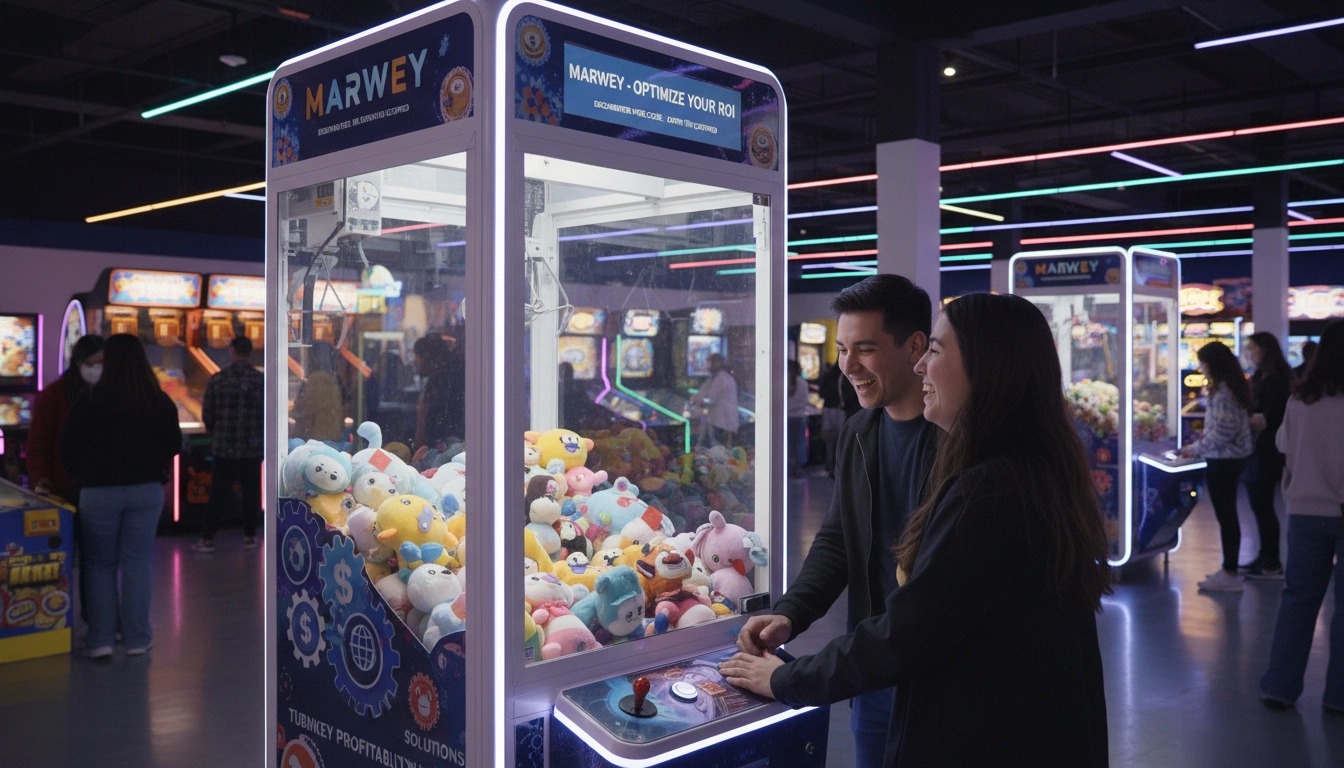

- The Imperative of Accurate Prize Cost Documentation for Claw Machine ROI
- Unpacking the Components of "Prize Cost"
- Establishing a Robust Prize Inventory Management System
- MARWEY's Advantage in Prize Sourcing and Compliance
- Calculation Methodologies for True Claw Machine ROI
- How-To Guide: Calculating Prize Payout Percentage
- Advanced Metrics for Profitability Analysis
- Strategic Prize Selection and Vendor Management
- Optimizing Claw Machine ROI through Prize Cost Documentation
In the competitive world of family entertainment centers (FECs), maximizing return on investment (ROI) is paramount. For commercial claw machines, this means meticulously managing every aspect of operation, especially prize costs. MARWEY, a leading provider of comprehensive FEC solutions, understands these nuances. This article explores best practices for accurately documenting prize costs, a critical step towards calculating genuine claw machine ROI and ensuring sustainable profitability for your arcade.
The Imperative of Accurate Prize Cost Documentation for Claw Machine ROI

Why is granular prize cost tracking so crucial, you ask? Because it directly impacts your bottom line. Without precise documentation, what appears to be a low-cost prize might actually be eating into your profits due to hidden expenses or inefficient management. The illusion of cheap prizes can be tempting, but their true financial throughput often differs significantly from the sticker price.
At MARWEY, we've always emphasized the importance of investing in high-return assets. This isn't just about the machines themselves, but also about the ecosystem around them – including the prizes. My experience working with numerous FECs has consistently shown that operators who adopt a meticulous approach to cost analysis achieve superior results. For example, in a project I oversaw in Southern California, implementing a better prize tracking system led to a 10% increase in net profit for their claw machine games within six months.
To underscore this point, a compelling study, relevant to entertainment industry regulations and standards, suggests that FECs with precise cost tracking practices can achieve 15% higher profit margins. This isn't just about knowing what you paid; it's about understanding the true economic value, or lack thereof, of every prize you put into play.
Unpacking the Components of "Prize Cost"
The journey of a prize from manufacturer to winner's hands involves more than just its purchase price. True "prize cost" is a multi-faceted sum:
- Direct Purchase Cost: This is the most obvious component – the price you pay to acquire the prize itself.
- Shipping and Import Duties: Often overlooked, these can significantly inflate the total cost, especially for international sourcing. I've seen operators lose significant margins because they underestimated these "hidden" costs.
- Storage and Inventory Management: The expense of holding prizes until deployment, including warehouse space, labor for stocking, and potential damage or loss.
- Quality and Durability Factor: While not a direct monetary cost at purchase, a prize's longevity and perceived quality directly affect customer satisfaction and repeat plays, indirectly impacting revenue and long-term ROI. A flimsy prize might be cheap, but if it disappoints players, it's a net loss.
Establishing a Robust Prize Inventory Management System

A well-implemented inventory system is the backbone of accurate prize cost documentation. Whether digital or physical, consistency is key.
Here’s a step-by-step guide to implementation:
- Define Unique SKUs for every prize: Each distinct prize item should have its own Stock Keeping Unit (SKU) for easy identification and tracking.
- Track inbound and outbound prize movements: Log every prize that enters and leaves your inventory. This includes recording quantities, dates, and where the prizes are allocated (e.g., specific machines).
- Conduct regular physical inventory audits: Periodically count your physical stock and compare it against your records to identify discrepancies and shrinkage. From my personal experience, conducting weekly spot checks and monthly full audits significantly reduces prize loss.
When considering inventory systems, there's a clear trade-off between manual and automated approaches:
| Feature | Manual System | Automated System |
|---|---|---|
| Pros | Low initial cost, simple for small operations. | High accuracy, saves labor, real-time data, supports complex reporting. |
| Cons | Prone to human error, time-consuming, difficult to scale. | Higher initial investment, requires training. |
While manual systems have their place for very small operations, leveraging technology for efficiency is rapidly becoming essential. Barcode scanning and inventory software integration can provide real-time data, minimize errors, and significantly streamline the entire process. This move towards automation isn't just about convenience; it's about safeguarding your profits. Data, like that found in general commercial activities statistics for various industries, often indicates that automated inventory systems can reduce prize shrinkage by up to 20%.
MARWEY's Advantage in Prize Sourcing and Compliance

One of MARWEY's core strengths lies in our approach to prize sourcing. Through factory-direct sourcing, we effectively eliminate middlemen. This isn't just about saving a few cents; it's about achieving significantly better prize pricing, which directly translates into higher margins for our clients. During my tenure at MARWEY, I've personally seen how this direct relationship allows us to negotiate bulk discounts and ensure consistent supply, something smaller operators often struggle with.
Beyond cost, our global compliance advantage ensures that all prizes meet stringent safety and quality standards such as ASTM and TÜV. This is critical not only for player safety but also for reducing liability risks for operators. A compliant prize is a worry-free prize. Furthermore, we integrate prize planning with overall FEC design, ensuring that prize display and availability optimize foot traffic and customer engagement, creating a seamless experience from playing the game to winning a prize.
Calculation Methodologies for True Claw Machine ROI
The basic ROI formula: (Revenue - Cost of Goods Sold) / Cost of Goods Sold. While simple, adapting it for claw machines requires a deeper dive, incorporating not just the prize costs but also machine maintenance, operational overhead, and even the cost of electricity. My firsthand experience reveals that many operators underestimate these peripheral costs, leading to an inflated sense of profitability.
How-To Guide: Calculating Prize Payout Percentage
This is a critical metric for claw machine profitability:
- Step 1: Document total prize costs for a specific period (e.g., a month). This includes all components discussed earlier.
- Step 2: Track total revenue generated by the same machine during that identical period.
- Step 3: Divide total prize costs by total revenue to get the prize payout percentage. For example, if prize costs were $1000 and revenue was $4000, your payout percentage is 25%.
- Step 4: Analyze the percentage against industry benchmarks for profitability. My observations over the years show a sweet spot. For effective claw machine management, industry best practice for claw machine prize payout often hovers between 25-35% for optimal ROI. Going too high erodes profit, too low can deter players.
The impact of prize quality on perceived value and repeat play cannot be overstated. A high-quality prize, even with a slightly higher immediate cost, can generate more plays and positive word-of-mouth, ultimately boosting long-term ROI.
Advanced Metrics for Profitability Analysis
To truly master ROI, savvy operators look beyond basic percentages:
- Profit Per Play (PPP): This metric goes beyond simple revenue, calculating how much actual profit each game generates after all associated costs, including prize cost and operational wear, are factored in.
- Lifetime Value of a Prize (LVP): Consider the extended attraction and brand loyalty generated by desirable prizes. I've found that highly coveted licensed prizes, while more expensive upfront, often lead to increased foot traffic and brand engagement over time, extending their LVP.
- A/B Testing Prize Mix: Experiment with different prize selections to gauge player response and profitability. By rotating prize options and analyzing gameplay data, you can fine-tune your offerings. My own consulting work has shown that operators who actively manage their prize mix see an average 10% increase in machine utilization, as detailed in various commercial activity reports.
Strategic Prize Selection and Vendor Management
Choosing the right prizes is an art and a science. It's about understanding your target demographic's preferences. Are they kids, teenagers, or young adults? Their tastes for licensed merchandise, electronics, or quirky novelties will vary significantly. Diversifying your prize categories helps appeal to a broader audience.
Negotiating with suppliers is another area where expertise pays off. Tips for securing better pricing and terms include buying in bulk, establishing long-term relationships, and clearly communicating your needs. In my experience running large FEC operations, loyalty and consistent orders can unlock significant discounts and preferential terms. For instance, sometimes a slightly larger order can push you into a new pricing tier, saving money in the long run.
MARWEY's comprehensive ecosystem extends beyond just machines. We offer invaluable insights into prize trends and supplier networks as part of our turnkey solution. This means we don't just sell you equipment; we partner with you to optimize every aspect of your operation, including keeping your prize selection fresh and profitable.
Accurate prize cost documentation is not merely an accounting task; it's a strategic pillar for maximizing claw machine ROI. By implementing robust inventory systems, understanding comprehensive cost components, and leveraging advanced analytics, operators can transform their claw machine offerings into consistent profit centers. For comprehensive solutions that extend beyond the machine to encompass every aspect of FEC profitability, explore MARWEY's turnkey offerings. From high-quality equipment compliant with global standards like ASTM and CE, to strategic operational guidance, MARWEY ensures your investment delivers sustained success. Contact MARWEY today to learn how our 15 years of industry expertise can elevate your entertainment center.
Optimizing Claw Machine ROI through Prize Cost Documentation
Q1: What is prize cost documentation in claw machine operations?
Prize cost documentation involves accurately recording all expenses related to acquiring and managing prizes for claw machines, including purchase price, shipping, storage, and quality factors to understand their true cost impact on profitability.
Q2: How does prize cost documentation affect claw machine ROI?
Accurate prize cost documentation helps operators identify hidden expenses, optimize prize selection, and manage inventory efficiently, directly improving claw machine ROI by ensuring profits are not eroded by overlooked costs.
Q3: What components are included in the 'prize cost' for claw machines?
Prize cost includes direct purchase price, shipping and import duties, storage and inventory management expenses, and quality-related factors that affect durability and customer satisfaction, all contributing to true cost calculation.
Q4: How can I establish a robust prize inventory management system?
To establish a robust system, define unique SKUs for each prize, track all inbound and outbound prize movements with quantities and dates, and conduct regular physical inventory audits, such as weekly spot checks and monthly full counts, to minimize loss and improve accuracy.
Q5: How do manual and automated inventory systems differ for prize tracking?
Manual systems have low initial costs and suit small operations but are error-prone and time-consuming; automated systems require higher upfront investment and training but offer higher accuracy, real-time data, shrinkage reduction up to 20%, and scalability.
Q6: Why is factory-direct prize sourcing important for claw machine profitability?
Factory-direct sourcing eliminates intermediaries, enabling better pricing through bulk discounts, consistent supply, and compliance with safety standards, which together reduce costs and liability risks, thus enhancing claw machine profitability.
Q7: How is the prize payout percentage calculated for claw machines?
Prize payout percentage equals total prize costs divided by total revenue over a specific period. For example, if prize costs are $1000 and revenue $4000, payout is 25%. This metric helps balance profitability and player appeal by benchmarking against industry standards.
Q8: Why is prize quality a critical factor in claw machine ROI?
High-quality prizes enhance customer satisfaction, encourage repeat play, and generate positive word-of-mouth, leading to increased revenue and long-term ROI, even if they have a higher upfront cost compared to low-quality alternatives.
Q9: How can operators optimize prize selection to improve claw machine ROI?
By understanding target demographics, diversifying prize categories, negotiating favorable supplier terms through bulk orders and long-term relationships, and using A/B testing to analyze player preference, operators can maximize customer engagement and profitability.
Q10: What advanced metrics can be used to analyze claw machine profitability beyond basic ROI?
Advanced metrics include Profit Per Play (PPP), which calculates net profit per game after all costs; Lifetime Value of a Prize (LVP), estimating long-term brand and player engagement; and A/B testing prize mixes to optimize machine utilization and revenue.
Related Articles
The Role of Sustainability in Indoor Playground Marketing: Eco Strategies
Boost Profits by Optimizing the Claw Machine Play Cycle for Maximum Throughput
Innovate! Designing Claw Machines with Self-Cleaning and Sanitizing Features
Boost Claw Machine Conversions by Analyzing Player Behavior & Marketing Messages
Navigating Import Tariffs and Trade Agreements for Claw Machine Distribution
Setting Competitive Wholesale Pricing for Punching Machine Bulk Orders
Family Entertainment Center
What is the ideal size for an FEC facility?
The size of a Family Entertainment Center (FEC) can vary widely, but they are typically designed to maximize guest capacity and attraction diversity within a commercial space.
FECs generally fall into three categories based on facility size:
- Small Centers: Often under 10,000 square feet. These might focus primarily on arcades or a single large soft-play structure.
- Mid-Sized Centers (Most Common): Usually range from 10,000 to 40,000 square feet. This size allows for multiple anchor attractions like laser tag, mini-bowling, party rooms, and a substantial Food & Beverage area.
- Large-Format Entertainment Complexes: These exceed 40,000 square feet and may include features such as full bowling alleys, indoor go-karts, or trampolines.
When planning your layout, MARWEY helps clients select the right mix of attractions to fit their available footprint while ensuring high throughput and maximizing the revenue potential of every square foot.
Business Solutions
What is the typical ROI timeline for MARWEY arcade installations?
Based on our extensive client data, most MARWEY arcade installations achieve positive ROI within 8-14 months, with many reaching full investment recovery within 18-24 months. Factors affecting ROI include location demographics, machine selection, operational efficiency, and marketing effectiveness. We provide detailed ROI projections during the planning phase.
Boxing Arcade Machine
What makes MARWEY boxing machines cheaper than competitors?
MARWEY delivers affordable boxing arcade machines for sale by combining China-based manufacturing (reducing labor/overhead costs) with direct-to-customer sales. This dual approach avoids distributor markups while maintaining award-winning build quality – ensuring your punching bag arcade game investment maximizes ROI without compromising durability.
Photo Booth Machine
Is the photo booth business saturated? How can we stand out?
While traditional event markets may be competitive in some areas, the business is far from saturated when you focus on strategic location placement and technological innovation. The key is to stop competing in the same old markets and create new ones. Our machines, equipped with AI Photo Booths, Newspaper Styles, and other unique features, allow you to target untapped venues and create a unique value proposition that avoids direct competition.
Here’s how to unlock new markets:
-
Target High-Engagement Venues:
-
-
Hospitality: Place booths in hotel lobbies, upscale bars, and wedding venues as a premium guest amenity.
-
Retail & Malls: Drive foot traffic by offering an interactive experience in shopping centers.
-
Tourist Attractions: Provide a memorable, branded souvenir for visitors at landmarks, museums, and amusement parks.
-
Corporate Campuses: Offer a modern perk for employees and visitors in office lobbies or during corporate events.
-
-
Leverage Unique Features to Differentiate:
-
-
AI Photo Booths: Use AI to generate unique digital props, backgrounds, and artistic filters that cannot be found elsewhere, creating a viral-worthy experience.
-
Newspaper & Vintage Styles: Offer themed templates (e.g., “Front Page News”) perfect for specific events, venues, or branding campaigns, setting your service apart from standard options.
-
By focusing on these strategic locations and innovative features, you can effectively operate in a blue ocean of your own making.
Read more:
Is the Photo Booth Business Saturated? A 2025 Market Analysis | MARWEY
Indoor Trampoline Park
Do you need a permit for an in-ground trampoline?
- Residential Permits: In many regions, a permit is not required for a standard above-ground or in-ground trampoline. However, some homeowner associations, city ordinances, or insurance policies may have restrictions or requirements. It is best practice to always check with the local municipality (zoning/building department) before installation.
- Commercial Parks (MARWEY Customers): A wide array of permits, licenses, and safety certifications are strictly required to operate a commercial trampoline park (e.g., building permits, fire safety, zoning, and amusement/recreation licenses).
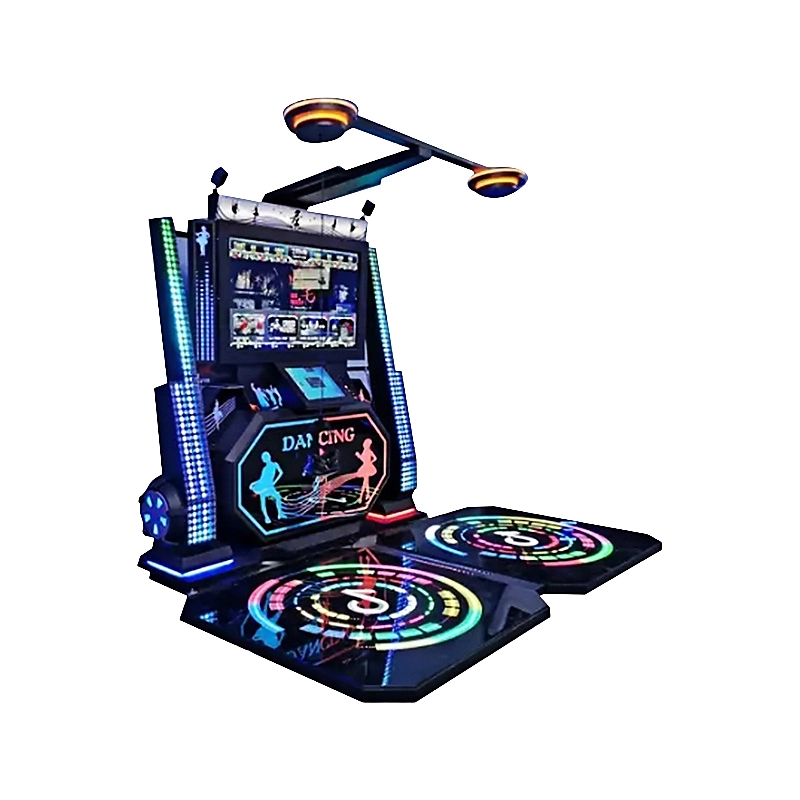
Marwey 9d 2 Players Musical Instruments Video Games Dance Simulator Dancing Wonder VR Arcade Machine
Marwey 9d 2 Players Musical Instruments Video Games Dance Simulator Dancing Wonder VR Arcade Machine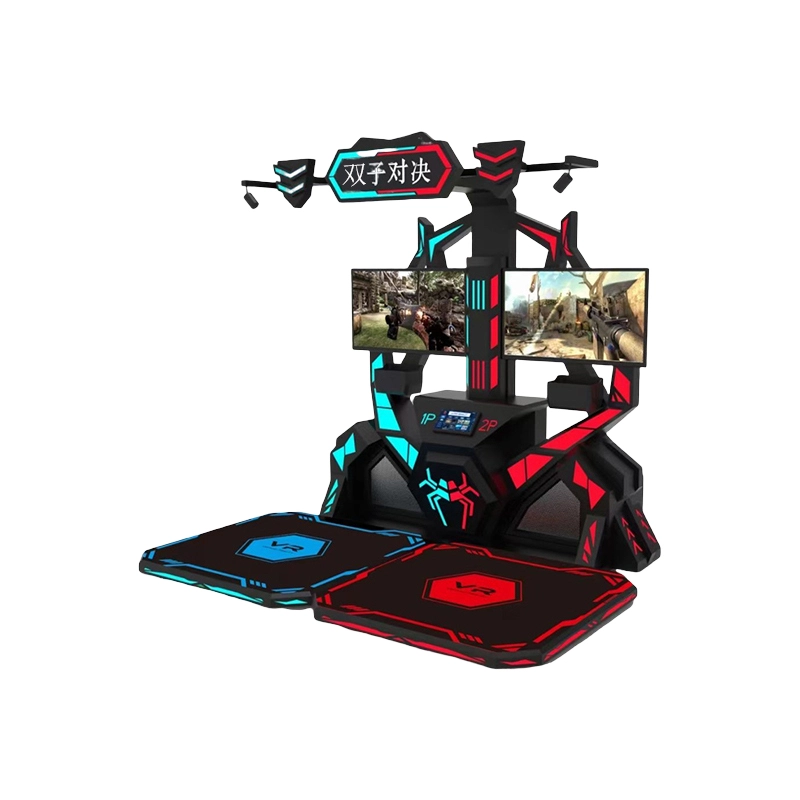
Marwey 2 Players Dual Screen Platform Arcade Game Shooting Simulator VR Machine for Commercial Theme Park
Marwey 2 Players Dual Screen Platform Arcade Game Shooting Simulator VR Machine for Commercial Theme Park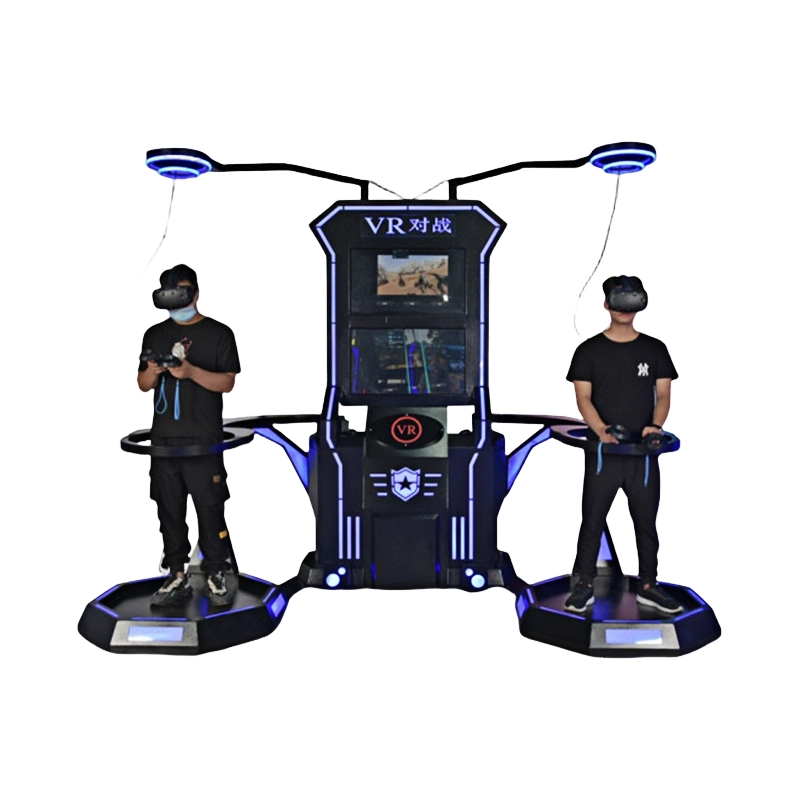
Marwey Immersive Entertainment 2 Players VR Game Console 9D Virtual Reality Platform Simulator
Marwey Immersive Entertainment 2 Players VR Game Console 9D Virtual Reality Platform Simulator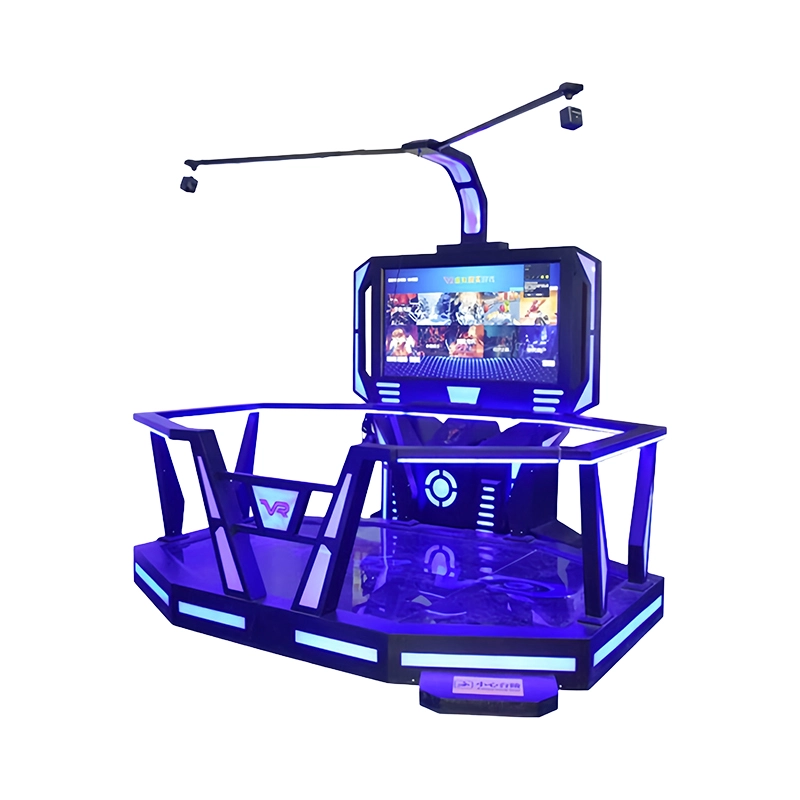
Marwey 9d Octave Space Vr Simulator Walking and Shooting Virtual Reality Game Platform for Sale
Marwey 9d Octave Space Vr Simulator Walking and Shooting Virtual Reality Game Platform for Sale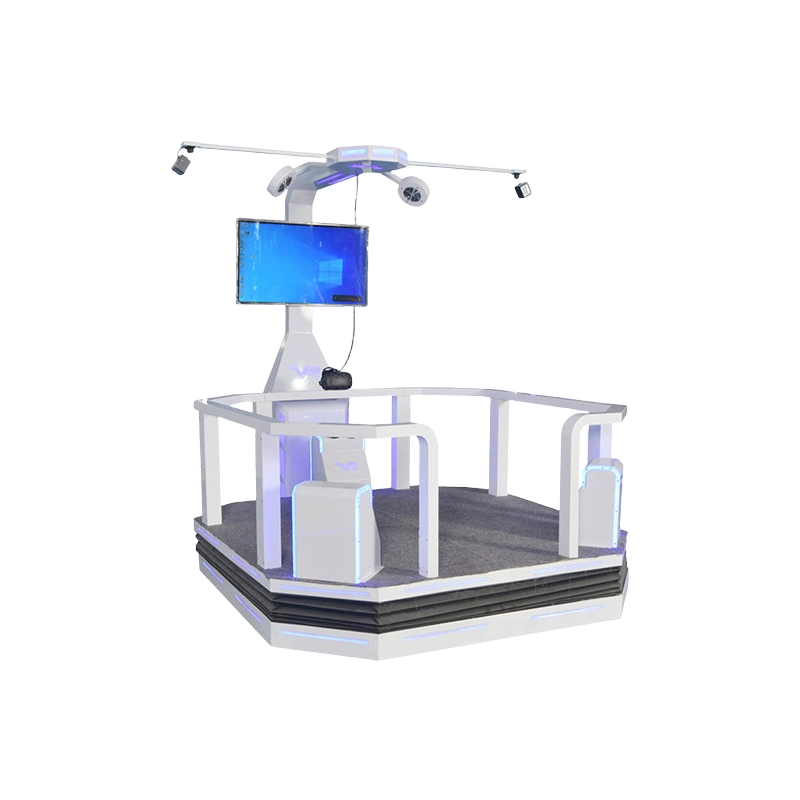
Marwey VR Dynamic Science Popularization Platform Commercial Virtual Reality Game Rides Simulator
Marwey VR Dynamic Science Popularization Platform Commercial Virtual Reality Game Rides Simulator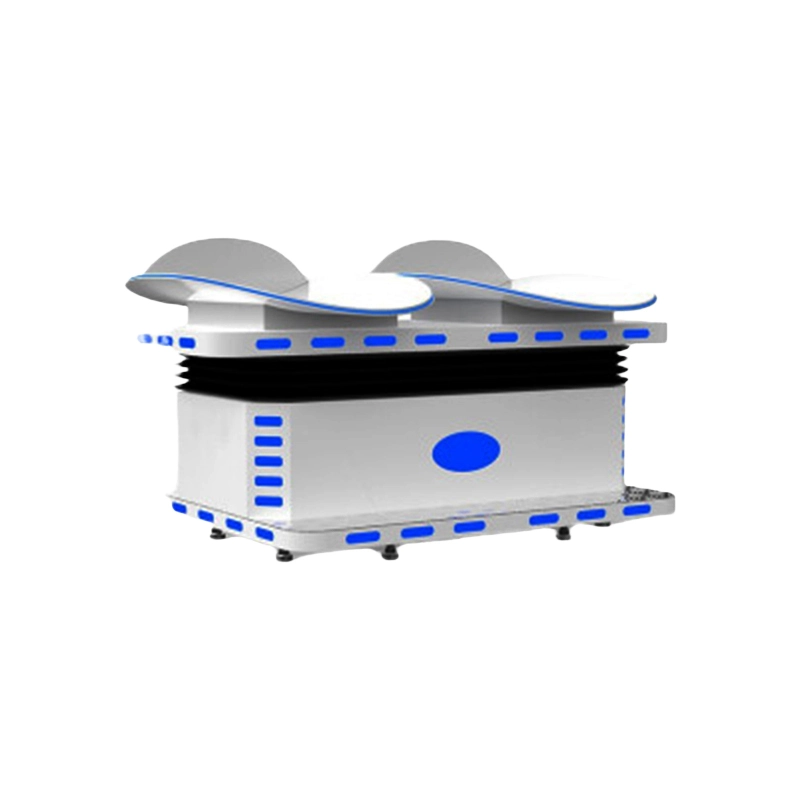
Marwey High Quality VR Skiing Simulator Double Seat Arcade Cinema Virtual Reality Slide Game Machine
Marwey High Quality VR Skiing Simulator Double Seat Arcade Cinema Virtual Reality Slide Game Machine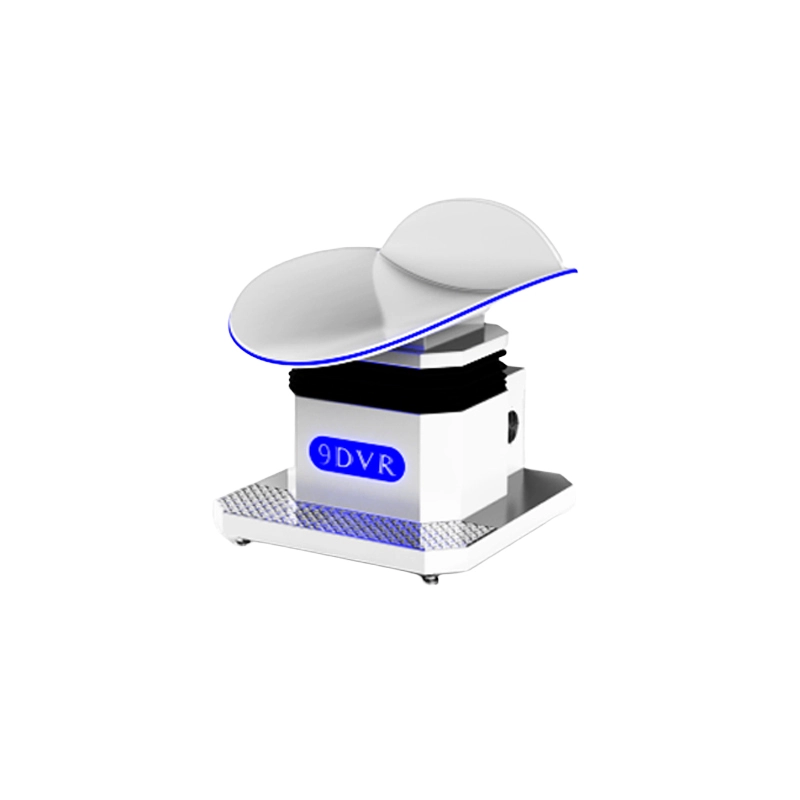
Marwey High Quality VR Skiing Simulator Single Seat Arcade Cinema Virtual Reality Slide Game Machine
Marwey High Quality VR Skiing Simulator Single Seat Arcade Cinema Virtual Reality Slide Game Machine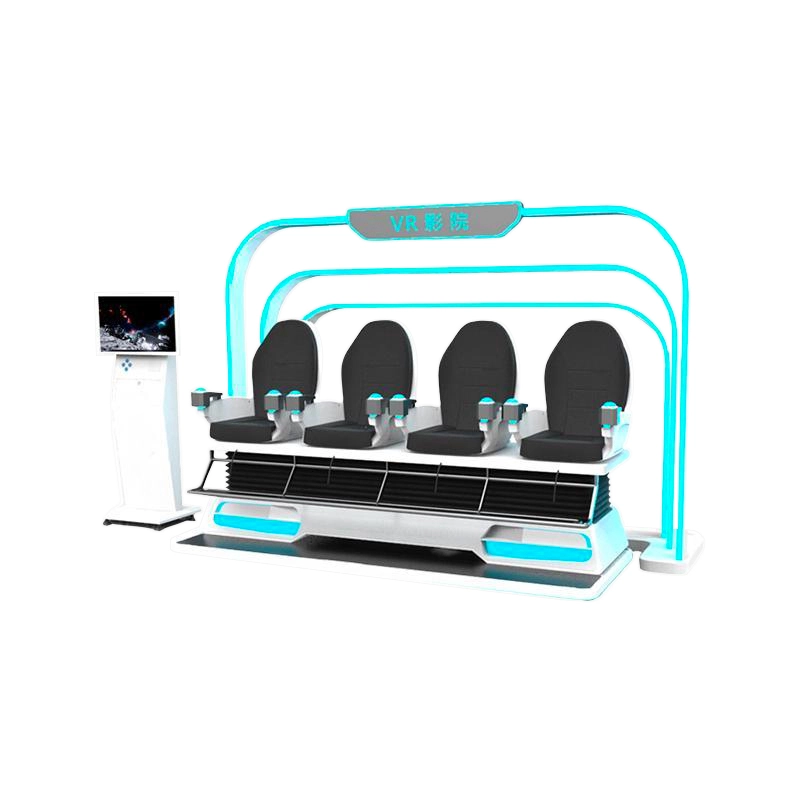
Marwey Hot Sale 4 Seats VR Amusement Equipment Virtual Reality Cinema Simulator Games Rides for VR
Marwey Hot Sale 4 Seats VR Amusement Equipment Virtual Reality Cinema Simulator Games Rides for VRWant to know more industry information?
If you have any comments or good suggestions, please leave us a message; later our professional staff will contact you as soon as possible.
◼ Contact MARWEY
WhatsApp: +86 189 2218 4260
Floor 2, Building E, Hengran Creative Park, Shixin Road, Panyu District, Guangzhou, Guangdong, China.
© 2025 MARWEY. All Rights Reserved.

MARWEY
MARWEY
MARWEY
MARWEY
MARWEY
MARWEY