
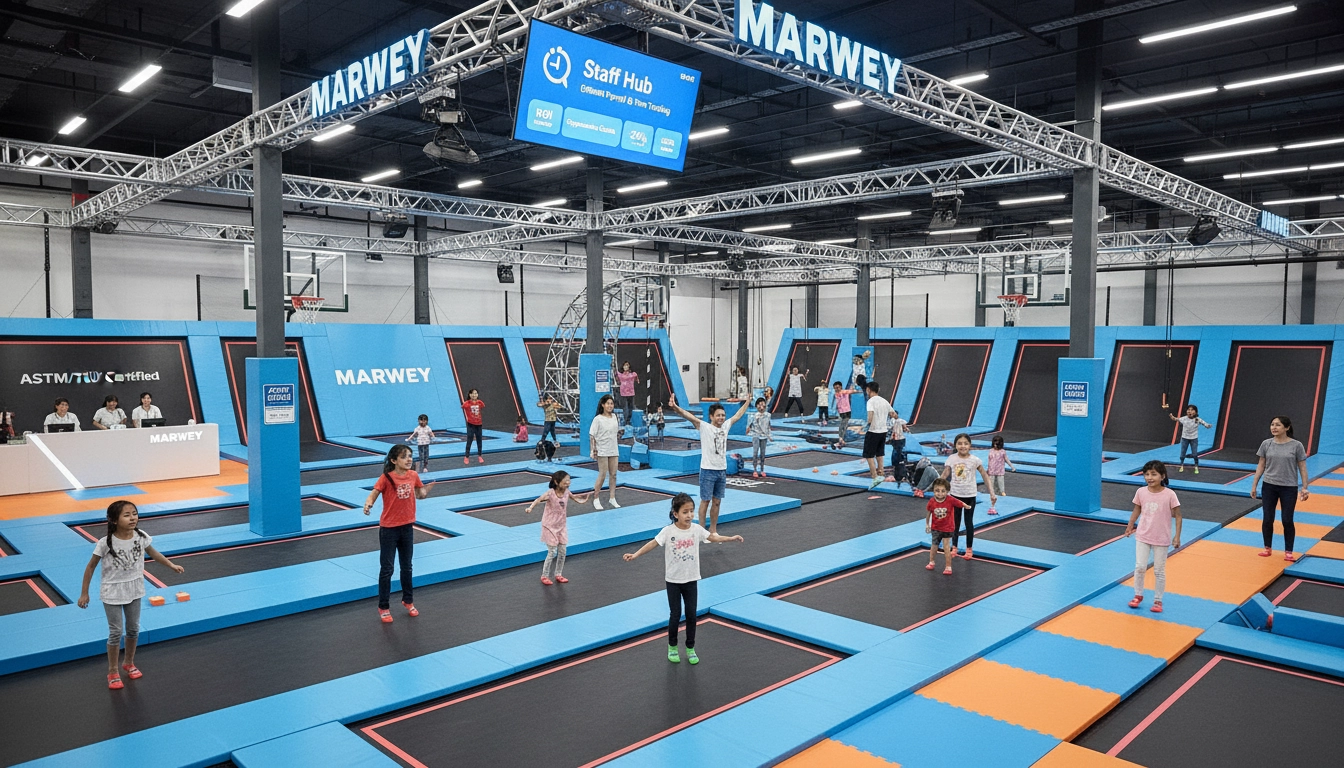

- Why Accurate Payroll and Time Tracking Matter for Trampoline Parks
- Implementing Efficient Time Tracking Systems
- Best Practices in Payroll Management for Hourly Employees
- Scheduling and Labor Cost Optimization Strategies
- Case Study: Streamlining Payroll and Time Management in a Mid-Sized Trampoline Park
- Conclusion
- Frequently Asked Questions (FAQ)
Running a successful trampoline park requires more than just great equipment and a fun atmosphere. One of the biggest operational challenges is managing payroll and time tracking for trampoline park hourly employees. With typically large teams of hourly workers, including jump monitors, maintenance staff, and customer service personnel, efficient payroll and attendance management can dramatically impact profitability and employee satisfaction. In this article, I’ll share strategic tips backed by authoritative industry data and my hands-on experience in trampoline park operations to help you streamline these processes.
Why Accurate Payroll and Time Tracking Matter for Trampoline Parks

Trampoline parks heavily rely on hourly employees to maintain safety standards, engage customers, and keep operations running smoothly. Managing payroll and time tracking precisely helps minimize costly errors such as overpayments or missed shifts, prevents labor law violations, and boosts employee trust. From my experience managing multiple parks, parks that modernize time tracking see up to a 15% reduction in payroll discrepancies.
Moreover, safety certifications and operational standards required by industry authorities like ASTM International and the International Association of Trampoline Parks (IATP) demand certain staff-to-jumper ratios and proof of continuous employee training hours. Accurate time tracking also supports compliance audits efficiently.
Implementing Efficient Time Tracking Systems

Traditional punch cards or manual spreadsheets simply don't cut it for trampoline parks with fluctuating schedules and hourly worker turnover. I’ve seen parks transition to cloud-based time tracking platforms that allow employees to clock in/out via mobile apps or kiosks. These systems reduce time theft, provide real-time data, and integrate directly with payroll processing software.
To maximize effectiveness:
- Choose solutions that support geofencing or fingerprint scans to prevent buddy punching.
- Ensure the system is user-friendly to minimize errors by hourly employees, especially teens or seasonal workers.
- Automate shift reminders and approvals to reduce administrative overhead.
This approach not only improves payroll accuracy but also aligns with safety regulations necessitating verified staff presence during public hours.
Best Practices in Payroll Management for Hourly Employees

An efficient payroll system is critical for financial control and employee satisfaction. In my direct involvement with trampoline parks, implementing payroll platforms that automatically calculate wages, taxes, and overtime based on verified hours significantly cut payroll processing time by 35% and reduced errors.
Key payroll management tips include:
- Clearly define pay rates for different roles, including jump monitors, cleaners, and supervisors.
- Incorporate automated overtime rules compliant with local labor laws.
- Regularly audit payroll reports to identify unusual patterns or discrepancies early.
- Maintain digital documentation for audits and employee records securely.
These practices not only ensure compliance but also improve trust and retention among hourly workers, who often juggle multiple jobs.
Scheduling and Labor Cost Optimization Strategies

Maintaining optimal staffing levels is crucial. Excess staff leads to inflated labor costs, while insufficient staff risks safety compromises and customer dissatisfaction. Based on my operational insights, trampoline parks achieve peak profitability when labor costs remain within 30-35% of monthly revenue.
To balance this, leverage these strategies:
- Use historical attendance data to forecast demand by day and hour.
- Implement flexible scheduling tools that allow quick shift adjustments for no-shows or peak times.
- Cross-train employees for multiple roles to improve coverage without increasing headcount.
- Monitor key performance indicators like Revenue Per Square Foot (RPSF), which for trampoline parks ranges between $10-$15, to evaluate labor cost efficiency (RPSF benchmarks).
Strategic labor scheduling ensures compliance with jumper-to-monitor safety ratios set by international trampoline park standards, while optimizing costs.
Case Study: Streamlining Payroll and Time Management in a Mid-Sized Trampoline Park
In managing a 3,500 sqm trampoline park with over 50 hourly employees, we transitioned from manual scheduling and paper timesheets to an integrated cloud-based system. Within 6 months:
- Payroll processing time decreased by 40%, saving approximately 15 labor hours monthly.
- Time tracking accuracy improved, reducing payroll overpayments by 12%.
- Compliance with ASTM F381-16 safety standard documentation improved, positively influencing insurance premiums by lowering rates around 5-7% through verified staff ratios (ASTM safety certifications impact).
- Cross-training and flexible scheduling led to a more agile labor pool able to meet fluctuating weekend and holiday demands without excessive labor cost increases.
This operational overhaul was a game changer for both employee engagement and bottom-line results.
Conclusion
Mastering managing payroll and time tracking for trampoline park hourly employees is central to achieving operational excellence and sustained profitability. Investing in reliable, automated time-tracking and payroll systems combined with strategic scheduling practices can yield considerable savings and ensure compliance with global safety standards. At MARWEY, we understand these challenges and offer turnkey trampoline park solutions designed to maximize ROI while adhering to ASTM and TÜV certifications. Connect with us to discover how our integrated equipment and management support can elevate your park’s operations.
Frequently Asked Questions (FAQ)
Q1: What makes time tracking critical in trampoline park operations?
Accurate time tracking ensures employee presence aligns with safety requirements and payroll reflects actual hours worked, preventing overpayments or understaffing.
Q2: How do ASTM safety standards impact labor management in trampoline parks?
ASTM dictates jumper-to-monitor ratios and staff training hours, requiring documented proof of employee work hours and presence, which efficient time tracking supports.
Q3: What payroll features are essential for hourly staff in trampoline parks?
Payroll systems should automate wage calculations, tax withholdings, overtime rules, and integrate with time-tracking software for accuracy.
Q4: How can scheduling help control labor costs?
By forecasting peak attendance and using flexible shift management, parks can optimize staffing levels to balance labor costs while maintaining safety and service quality.
Q5: What are common pitfalls in manual payroll management?
Manual systems often lead to time theft, data entry errors, missed compliance, and longer payroll cycles, increasing costs and risk of audits.
Q6: How does cross-training hourly employees benefit trampoline parks?
Cross-training creates workforce flexibility, allowing employees to cover multiple roles, helping to reduce the need for additional hires and ensuring coverage.
Q7: Can time-tracking systems affect insurance premiums?
Yes. Verified employee ratios and rigorous documentation of staff presence can lower insurance risk profiles, reducing premiums.
Q8: What technology trends are helping trampoline parks manage payroll?
Cloud-based platforms, biometric authentication, and mobile clock-in apps are increasingly adopted to improve accuracy and efficiency.
Q9: How often should trampoline parks audit their payroll data?
Regular audits, ideally monthly or quarterly, help identify anomalies and maintain compliance with labor laws and safety standards.
Q10: What role does employee satisfaction play in payroll and scheduling?
Fair and transparent payroll combined with predictable scheduling improves morale, reduces turnover, and enhances overall park safety and service quality.
Related Articles

Celebrate with Friends and Create Memories at Punch Bowl Social

Your Guide to Trendy Eatertainment at Lucky Strike for Memorable Nights
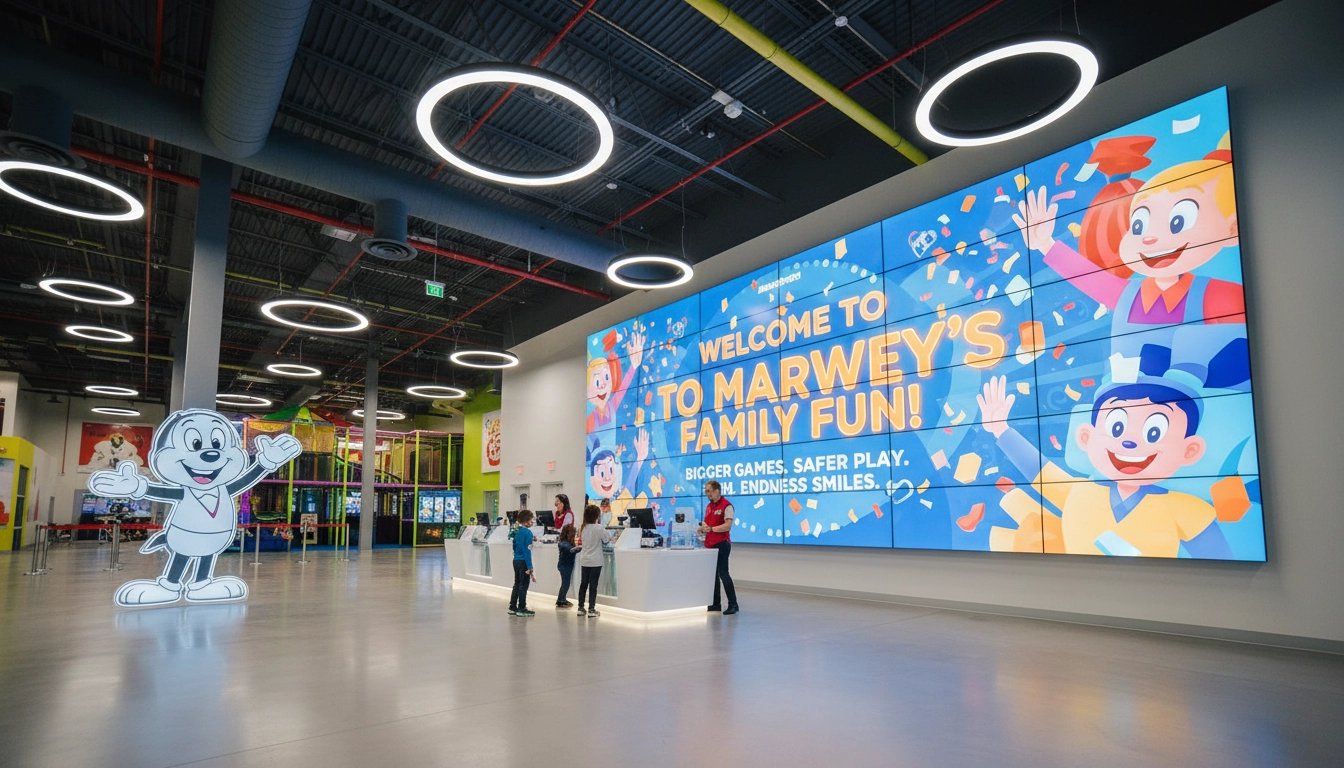
Reinventing Family Fun with Upgraded Games at Chuck E. Cheese
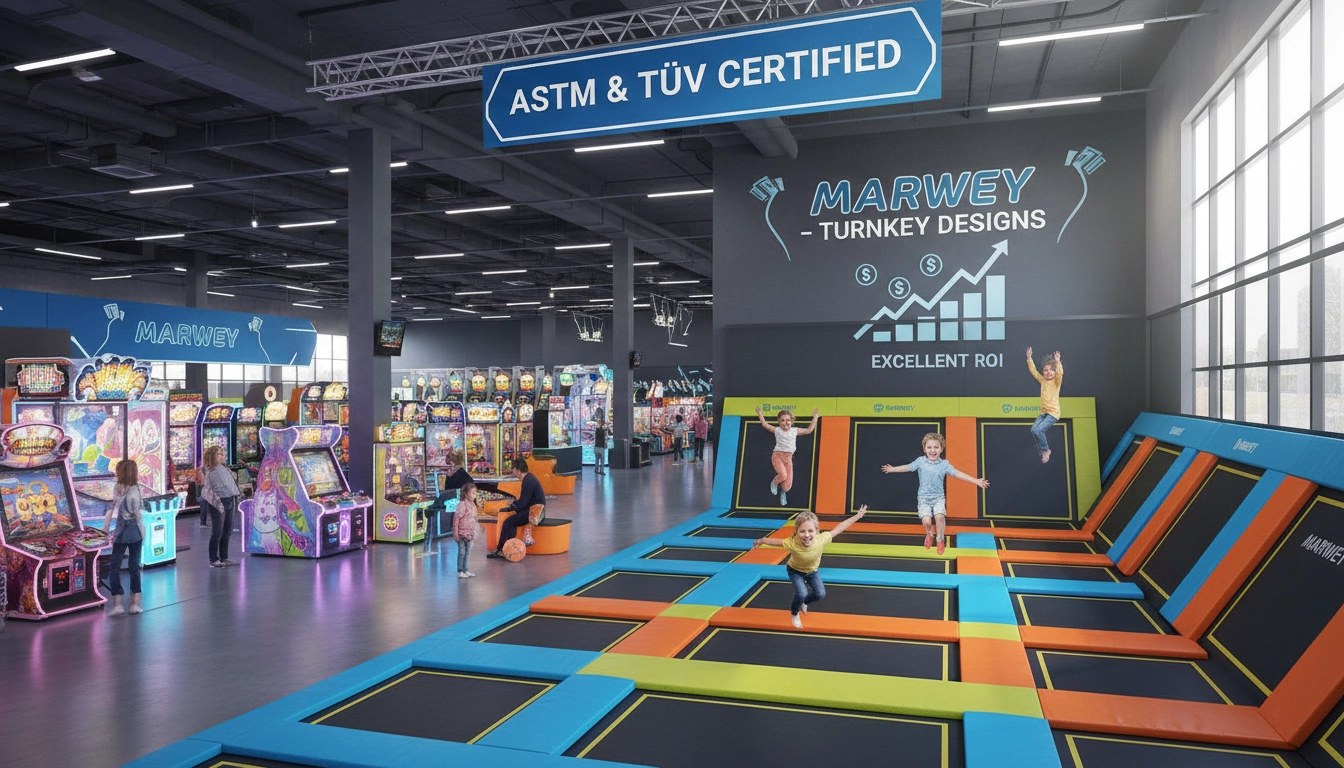
Exploring Two Bit Circus Innovations in Entertainment
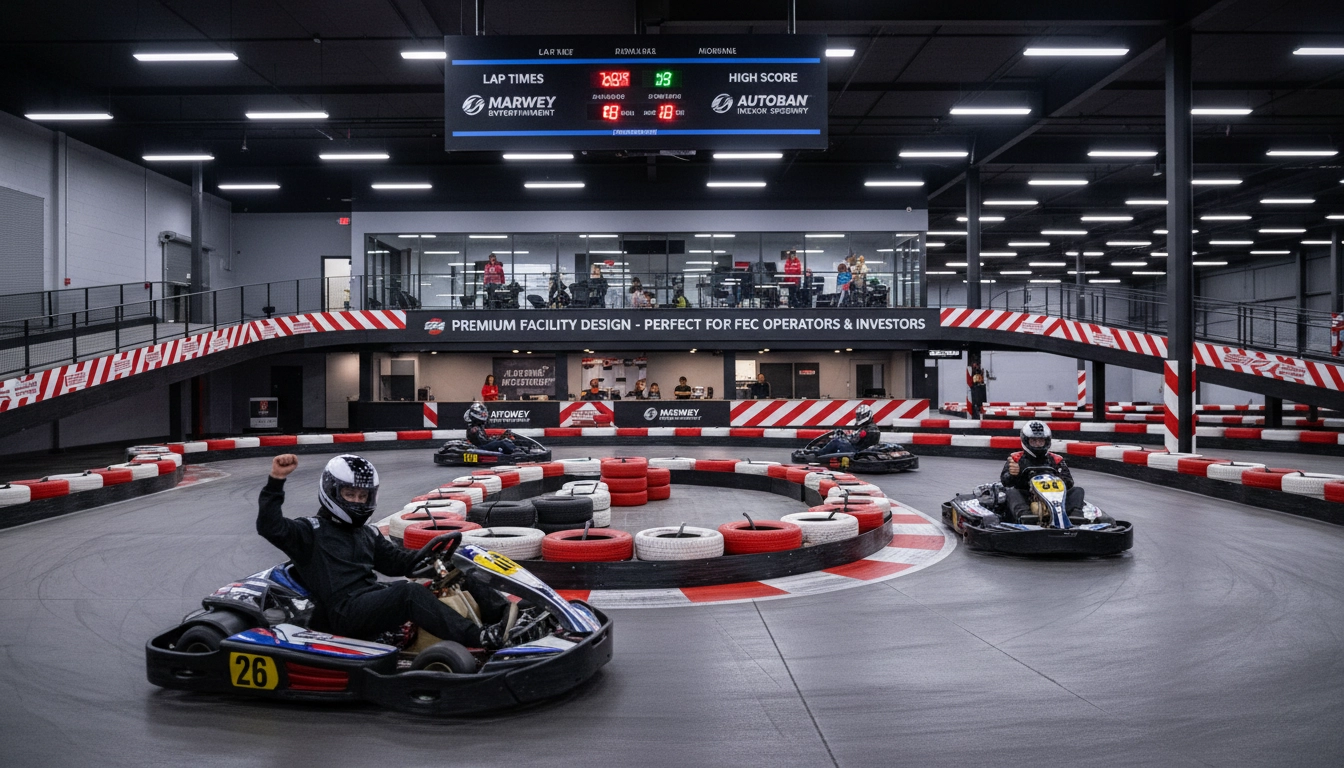
Why Autobahn Indoor Speedway Is a Top Attraction for Go-Kart Fans

Choosing the Perfect Location for a Family Entertainment Center Business
Photo Booth Machine
How critical is the Food & Beverage (F&B) component?
The F&B section is highly critical. It serves two main functions: it is a high-margin revenue stream in its own right, and it dramatically influences dwell time. When guests have appealing dining options, they stay longer, play more games, and are more likely to book future events.
Indoor Playground
What age is appropriate for indoor playgrounds?
What permits are needed for an indoor playground?
Family Entertainment Center
What are the best anchor attractions for a new FEC?
The most successful anchor attractions generate high revenue and encourage social interaction. These include high-capacity MARWEY-designed multi-level soft play structures, modern laser tag arenas, trampoline zones, and competitive e-sports or VR gaming centers. These attractions are versatile enough for both walk-in guests and lucrative group events.
One Stop Bowling Alley Solution
Can you customize the bowling equipment to fit our specific venue layout and theme?
Yes, customization is one of our core strengths. We can tailor lane lengths, graphics, lighting, and even software interfaces to match your venue's unique space and branding.
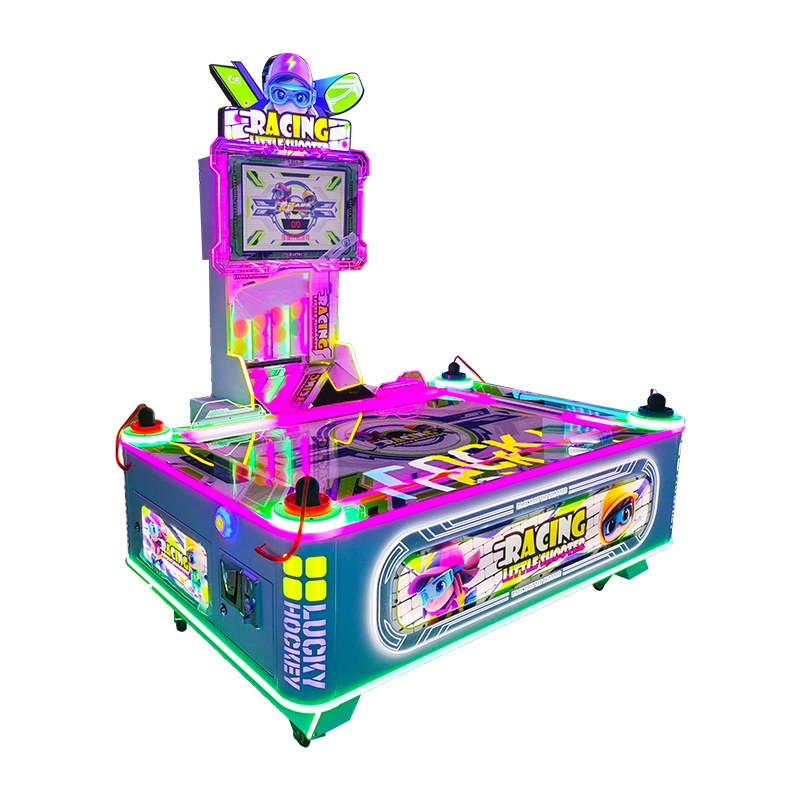
Marwey Commercial 4 Players Coin Operated Arcade Multiple Balls Air Hockey Game Table Redemption Ticket Machine
Marwey Commercial 4 Players Coin Operated Arcade Multiple Balls Air Hockey Game Table Redemption Ticket Machine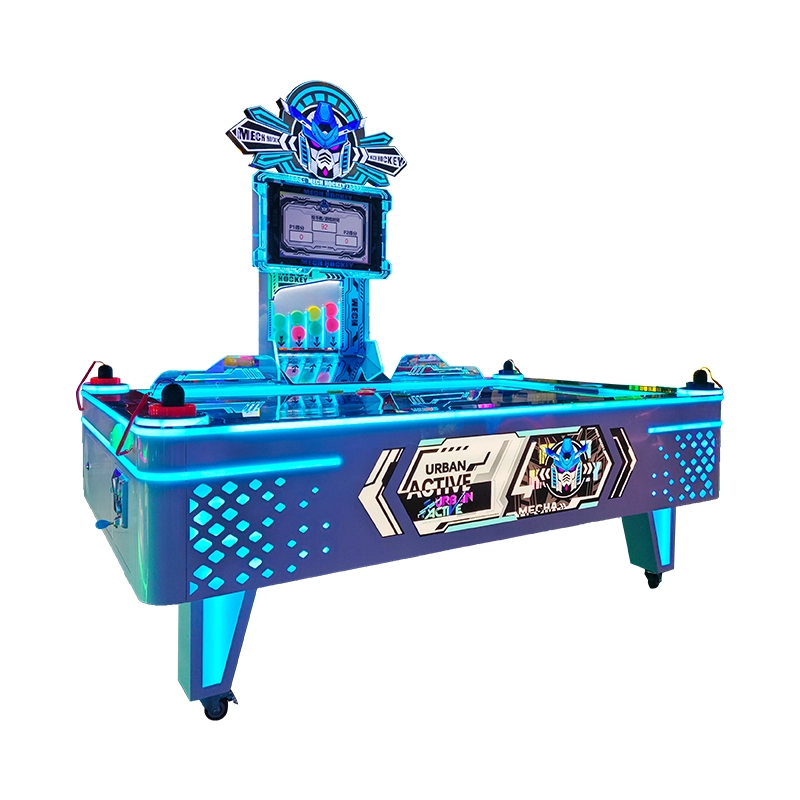
Marwey Wholesale Coin Operated 4 Players Multiple Balls Mecha Air Hockey Table Ticket Redemption Machine
Marwey Wholesale Coin Operated 4 Players Multiple Balls Mecha Air Hockey Table Ticket Redemption Machine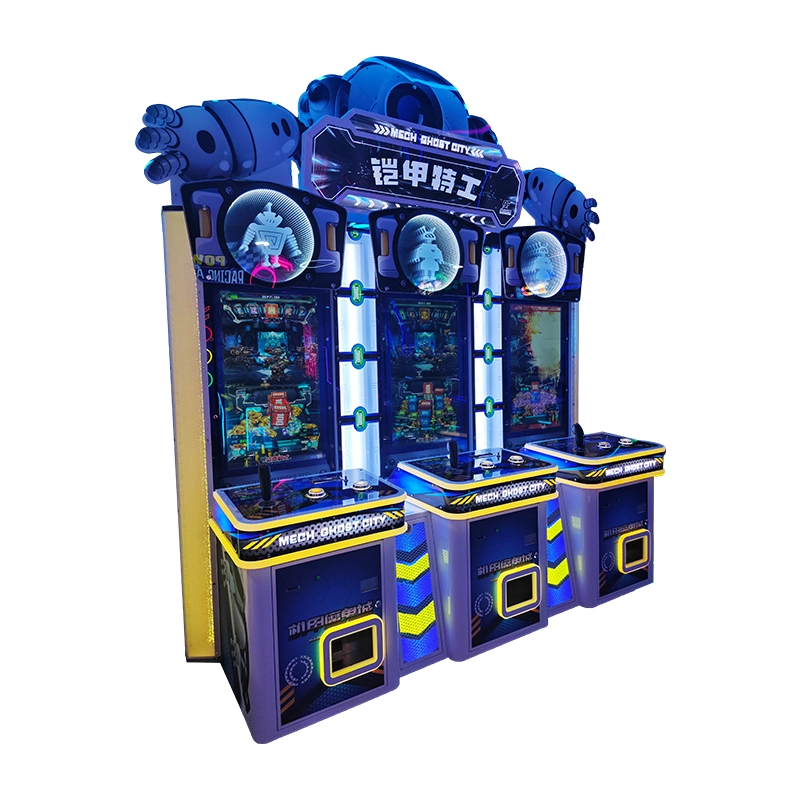
Marwey Coin Operated 3 Players Armored Agent Shooting Arcade Amusement Redemption Ticket Game Machine for Sale
Marwey Coin Operated 3 Players Armored Agent Shooting Arcade Amusement Redemption Ticket Game Machine for Sale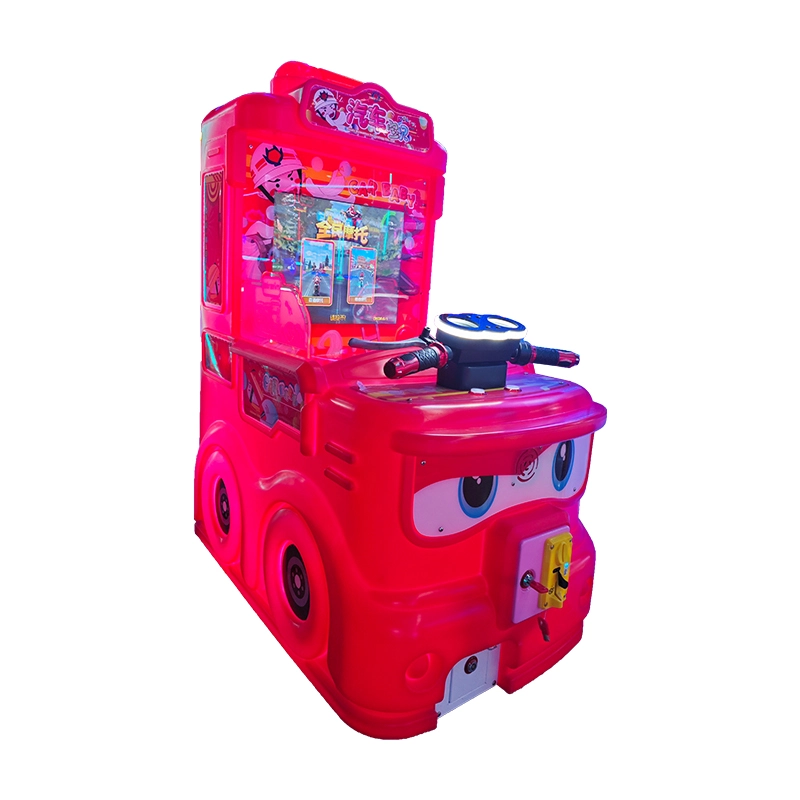
Marwey Factory High Quality Coin Operated Kids Motorcycle Racing Arcade Machine Car Baby Amusement Game Machines
Marwey Factory High Quality Coin Operated Kids Motorcycle Racing Arcade Machine Car Baby Amusement Game Machines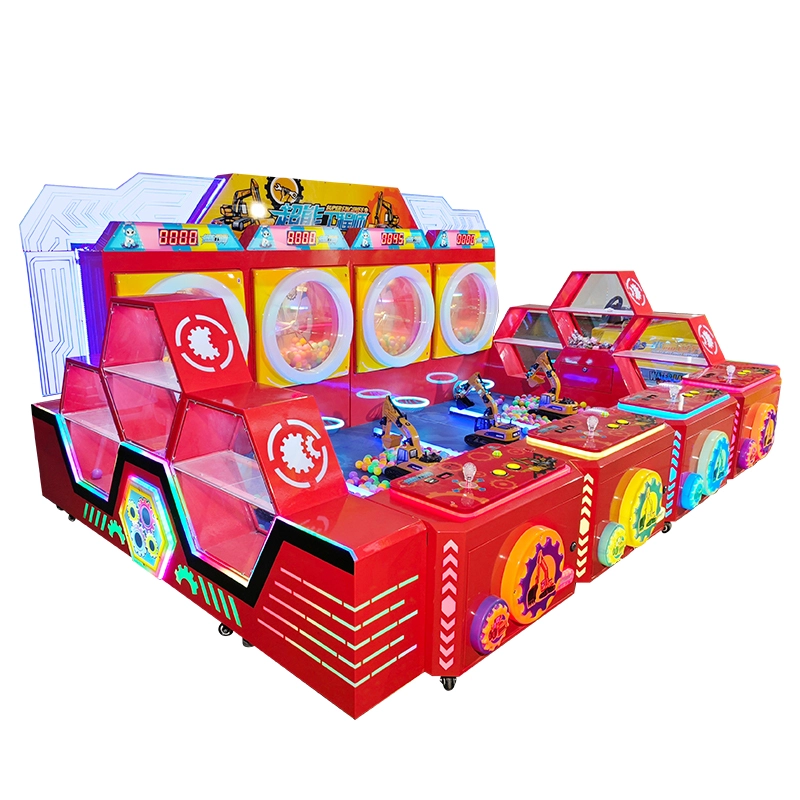
Marwey Indoor High Quality Fec Multiplayer Excavator Simulator Engineer Digging Challenge Game Equipment
Marwey Indoor High Quality Fec Multiplayer Excavator Simulator Engineer Digging Challenge Game Equipment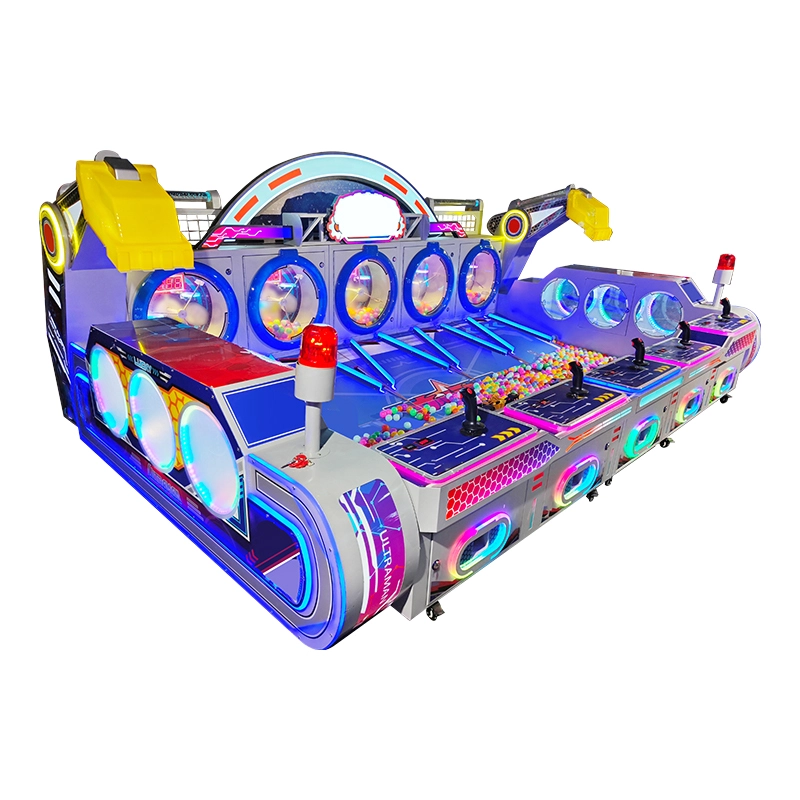
Marwey One Stop Wholesale Indoor Commercial 5 Players Excavator Digging Bulldozer Ball Pushing Game Equipment
Marwey One Stop Wholesale Indoor Commercial 5 Players Excavator Digging Bulldozer Ball Pushing Game Equipment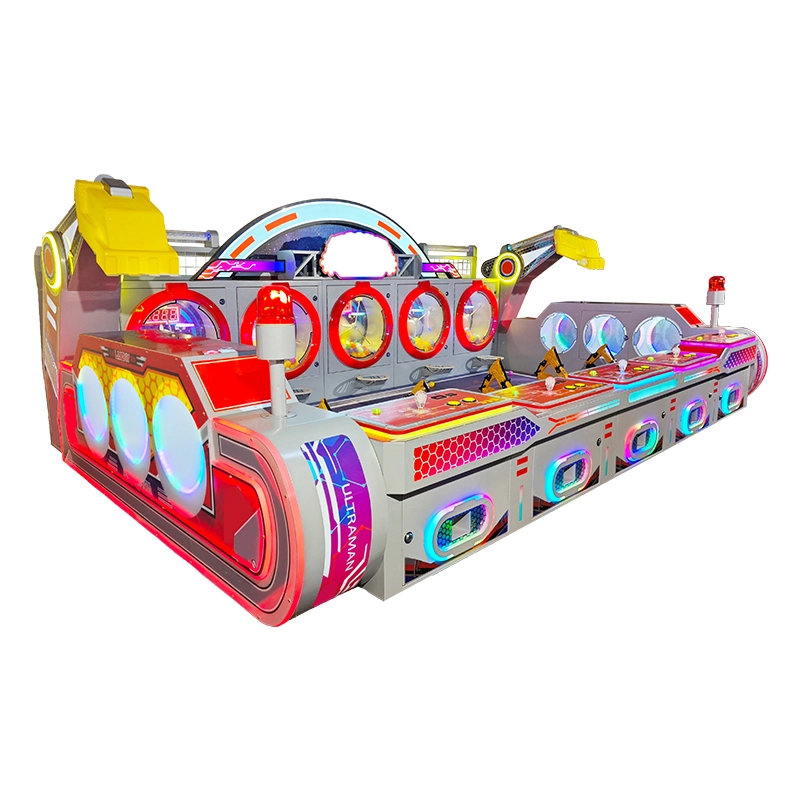
Marwey Hot Sale Indoor 5 Players Remote Excavator Game Simulator Digging Ball Pushing Carnival Machine
Marwey Hot Sale Indoor 5 Players Remote Excavator Game Simulator Digging Ball Pushing Carnival Machine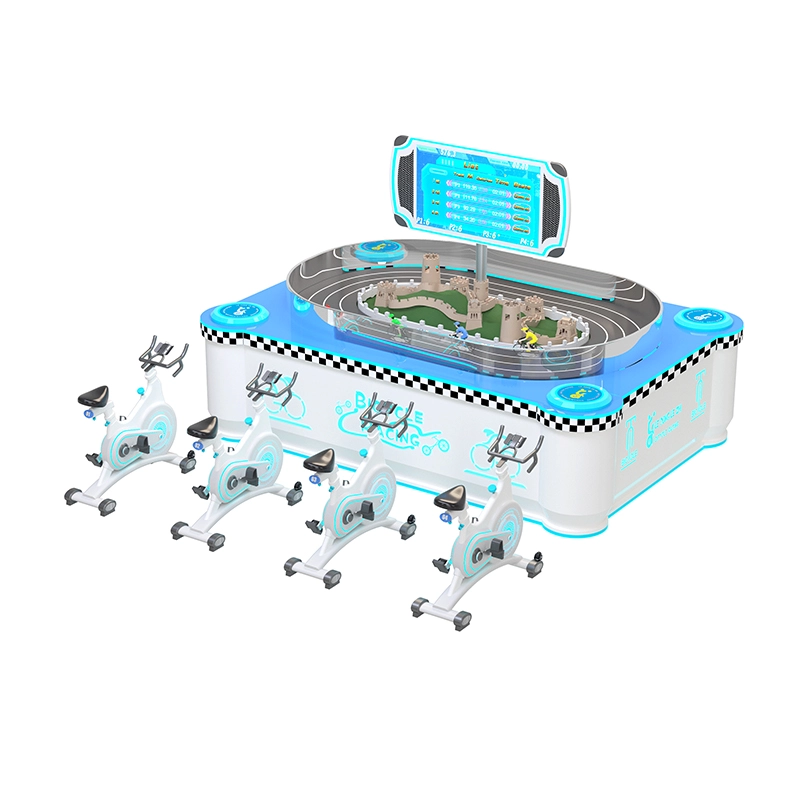
Marwey Hot Sale Commercial VR Bike Racing Gaming Simulator 4 Players Virtual Reality Sports Equipment
Marwey Hot Sale Commercial VR Bike Racing Gaming Simulator 4 Players Virtual Reality Sports EquipmentWant to know more industry information?
If you have any comments or good suggestions, please leave us a message; later our professional staff will contact you as soon as possible.
◼ Contact MARWEY
WhatsApp: +86 189 2218 4260
Floor 2, Building E, Hengran Creative Park, Shixin Road, Panyu District, Guangzhou, Guangdong, China.
© 2025 MARWEY. All Rights Reserved.

MARWEY
MARWEY
MARWEY
MARWEY
MARWEY
MARWEY