

- Understanding Basic Space Needs for Trampoline Parks
- Strategies for Efficient Space Utilization and ROI Maximization
- Comparing Small, Medium, and Large Trampoline Park Space Requirements
- Maintenance and Safety Considerations Impacting Space Planning
- Step-by-Step Guide: How to Determine Your Trampoline Park Space Needs
- Conclusion: Space Planning as a Cornerstone for Success
- Frequently Asked Questions
Starting a trampoline park is a rewarding venture, but understanding how much space you need is critical to profitability and safety. For operators aiming to maximize Return on Investment (ROI), planning your park’s dimensions carefully ensures efficient use of capital and operational success. MARWEY, a leader in commercial amusement equipment with over 15 years’ experience, emphasizes strategic spatial design in trampoline park projects worldwide. In this article, we will unpack exactly how much space do you need for a trampoline park by integrating authoritative market data and real-world operational insights.
Knowing your space requirements upfront not only enables proper equipment layout but also helps comply with safety standards critical for insurance and customer trust. Let’s dive into the specifics.
Understanding Basic Space Needs for Trampoline Parks
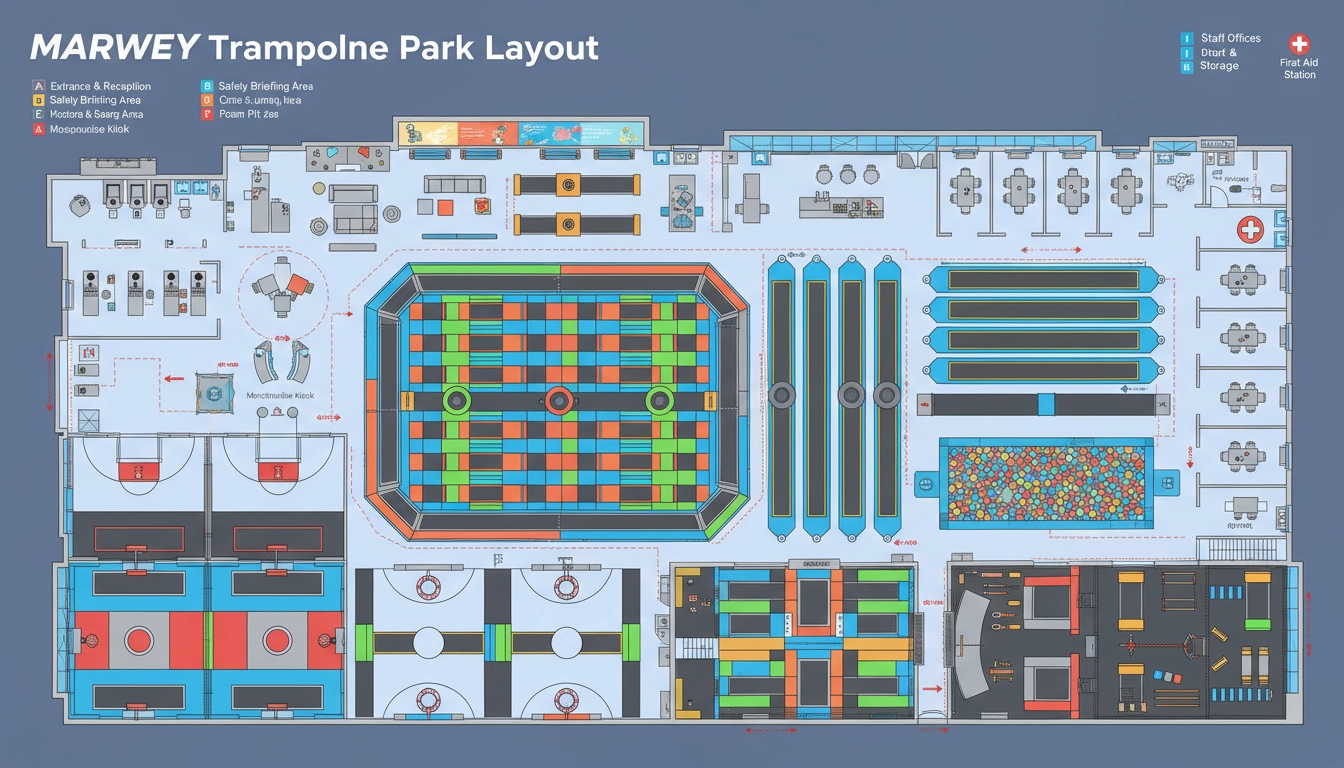
The space needed for a trampoline park depends largely on your business model, target audience, and the types of attractions you want to offer. At a minimum, a small-scale trampoline park starts at around 500 to 1,000 square meters. Medium to large parks easily require from 2,000 up to 4,000 square meters or more to accommodate multiple jumping zones, party rooms, seating areas, and other amenities.
Based on MARWEY’s projects spanning over 100 countries, here’s a general breakdown of trampoline park space allocation per key area:
- Open jump zones with interconnected trampolines – ~60-70% of total floor space
- Foam pits, dodgeball courts, and stunt areas – ~15-20%
- Reception, waiting, and party rooms – ~10-15%
- Safety padding, walkways, and emergency exits – remaining space
Allocating adequate clearance and buffer zones between equipment significantly reduces injury risk and complies with ASTM F2970 safety standards, which MARWEY strictly follows to ensure operator compliance and customer protection.

Strategies for Efficient Space Utilization and ROI Maximization
From my experience overseeing multiple trampoline park installations, efficient layout planning fundamentally impacts profitability. For example, in a 3,000-square-meter facility I consulted for, strategic zoning that maximized interconnected jumping areas allowed the park to serve 40% more customers during peak hours without compromising safety.
Key tactics to optimize your trampoline park space include:
- Prioritize high-capacity, modular trampoline layouts to allow flexible reconfiguration as needed
- Include multi-use spaces that can transition between activities like dodgeball and birthday parties
- Incorporate clear sightlines and natural flow paths to improve supervision and customer experience
- Use vertical space by adding climbing walls or trampolines with angled nets, where ceilings allow
Considering safety and maintenance access during planning also lowers downtime, indirectly boosting revenue. MARWEY’s turnkey solutions streamline this process by aligning equipment specifications with facility dimensions and compliance requirements.
Comparing Small, Medium, and Large Trampoline Park Space Requirements
| Park Size | Estimated Space (sqm) | Typical Features | Estimated Visitors Capacity |
|---|---|---|---|
| Small | 500 - 1,000 | Basic jump zones, foam pit, small party room | 50-100 |
| Medium | 1,500 - 3,000 | Multiple jump zones, dodgeball court, birthday party areas, café seating | 150-300 |
| Large | 3,000+ | Diverse attractions, climbing walls, obstacle courses, event space | 300+ |
This table reflects observed industry standards. Larger parks provide more diversified activities, which tend to drive higher revenue but require greater upfront investment and space planning.
Maintenance and Safety Considerations Impacting Space Planning
Space isn’t just for attractions—it’s critical for maintenance and safety zones. According to maintenance guidelines supported by the International Association of Trampoline Parks (IATP) and insights from AkrobatUSA, trampoline mats and springs have a lifecycle of 3 to 8 years depending on usage and UV exposure. Ensuring proper spacing allows easy access for regular inspections and timely replacement of worn parts.
From personal projects with MARWEY, parks that implemented rigorous preventive maintenance programs reduced equipment downtime by 30%, dramatically improving customer satisfaction and return visits. A maintenance schedule includes weekly visual checks, monthly tension testing of springs, and quarterly full inspections.
Furthermore, spacing compliant with ASTM and TÜV safety standards mitigates injury risks linked to overcrowding and equipment failures. The U.S. Consumer Product Safety Commission (CPSC) reports trampoline-related injuries rising sharply over recent years, underpinning the need for strict space and equipment protocols in park design.
“The global trampoline park market size is expected to reach USD 8,153.4 million by 2034, growing annually by 17.6%. Efficient spatial design directly enhances profit potential by enabling more guests and varied attractions.” - Vertex AI Search, Trampoline Park Market Size to Reach USD 8,153.4 Mn by 2034
“Premium trampoline mats can last up to 8 years under proper maintenance and environment control, reinforcing that space allowances for maintenance areas are a wise long-term investment.” - Akrobat USA Trampoline Mat Lifespan Guide
Step-by-Step Guide: How to Determine Your Trampoline Park Space Needs
Follow this practical approach to determine the appropriate space:
- Define your park size target (small, medium, large) based on market research and budget
- Select the main attraction types (jump zones, foam pits, dodgeball courts, party rooms)
- Calculate gross area needs by applying industry ratios (e.g., 60-70% for trampoline zones)
- Add safety buffer zones in line with ASTM F2970 requirements
- Allocate dedicated space for reception, lounges, and maintenance access
- Consult turnkey providers like MARWEY to optimize layout and equipment matching
- Adjust for ceiling height and local building codes
This methodical planning ensures your trampoline park is not only exciting and safe but also financially viable.
Conclusion: Space Planning as a Cornerstone for Success
Determining how much space do you need for a trampoline park is the essential first step towards building a thriving business. Combining market data, safety standards, and hands-on experience, operators can design parks that attract more visitors, enable diverse activities, and reduce risks.
MARWEY’s 15 years of expertise exemplify how aligning equipment and space planning with ASTM and TÜV certifications leads to high ROI through customer satisfaction and lower operational costs. Careful spatial allocation for maintenance and safety is just as important as maximizing jumping area.
If you’re planning to launch or expand a trampoline park, partnering with a specialized turnkey solutions provider like MARWEY ensures optimal, compliant design that supports your growth ambitions.
Frequently Asked Questions
Q1: What is the minimum space required to open a trampoline park?
Typically, a minimum of 500 square meters is required for a small, functional trampoline park focusing on core jumping activities.
Q2: How does park size affect profitability?
Larger parks with diversified attractions tend to attract more visitors and generate higher revenue but require greater upfront investment and operational costs.
Q3: What safety standards influence trampoline park layout?
ASTM F2970 and TÜV SÜD standards are key safety frameworks that dictate space between equipment, padding, and emergency exits.
Q4: How often should trampoline equipment be inspected?
Weekly visual checks, monthly spring tension tests, and quarterly thorough inspections are industry best practices for maintenance.
Q5: Can smaller spaces still support profitable trampoline parks?
Yes, by focusing on high-utilization designs and flexible multi-use areas, smaller parks can be profitable with efficient layout planning.
Q6: How do weather and environment affect trampoline mats?
UV exposure, extreme temperatures, and humidity reduce mat lifespan, making indoor or covered parks preferable for longevity.
Q7: What is the ideal ceiling height for indoor trampoline parks?
Generally, a minimum ceiling height of 6 meters (20 feet) is recommended to allow safe jumps and additional attractions.
Q8: How can MARWEY help optimize space planning?
MARWEY offers tailor-made design, certified equipment, and turnkey solutions to maximize safety and ROI based on your facility size.
Q9: How much space should be allocated for non-jumping areas?
Between 10-15% of total space should accommodate reception, seating, party rooms, and amenities.
Q10: What is a typical visitor capacity for a medium-size trampoline park?
A well-designed medium park (1,500-3,000 sqm) can comfortably handle 150-300 visitors simultaneously.
Authoritative Data Sources:
- Vertex AI Search, "Trampoline Park Market Size to Reach USD 8,153.4 Mn by 2034"
- Akrobat USA, "How Long Does A Trampoline Mat Last? Lifespan & Care Guide"
- U.S. Consumer Product Safety Commission (CPSC), Safety and Injury Statistics
- International Association of Trampoline Parks (IATP) Maintenance Guidelines
- Allied Market Research, Trampoline Market Size Reports
Related Articles
Exploring Two Bit Circus Innovations in Entertainment
Why Autobahn Indoor Speedway Is a Top Attraction for Go-Kart Fans
Choosing the Perfect Location for a Family Entertainment Center Business
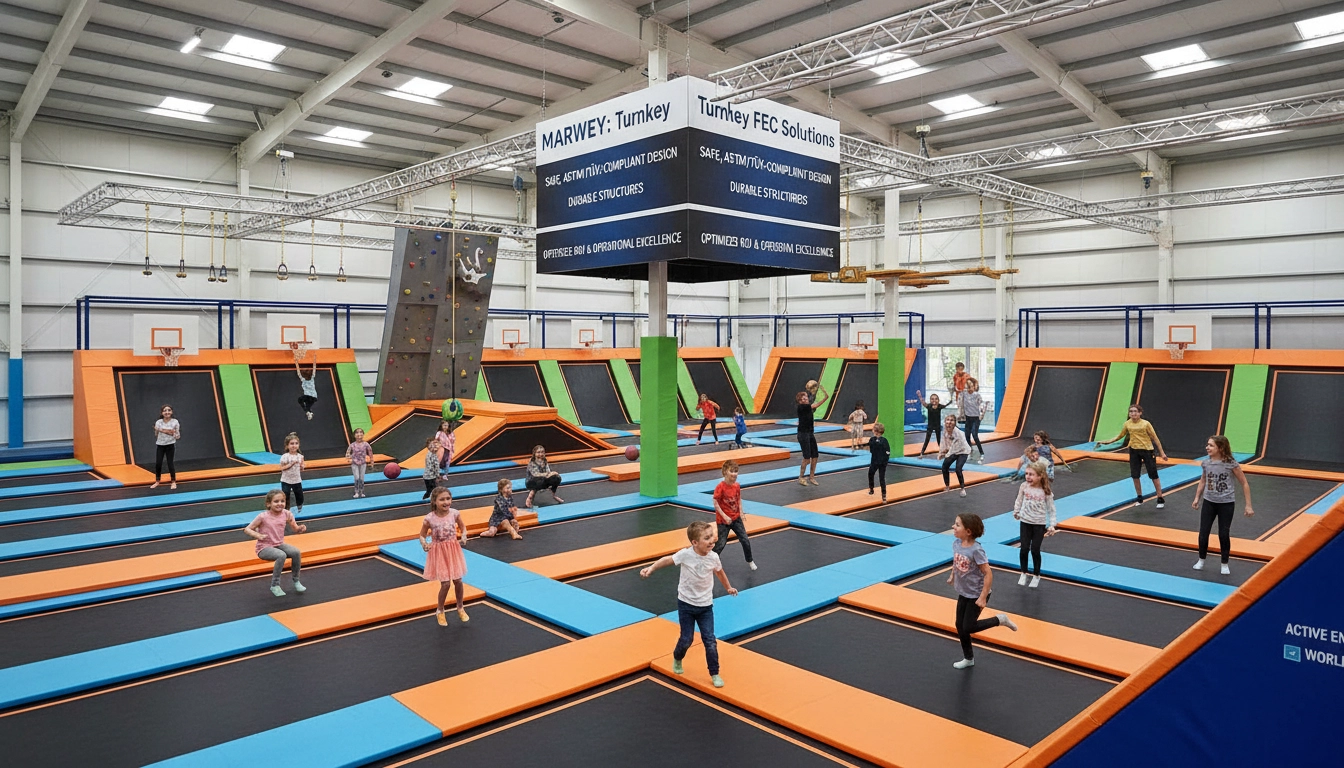
Why DEFY (Umbrella Brand) Leads the Way in Active Entertainment
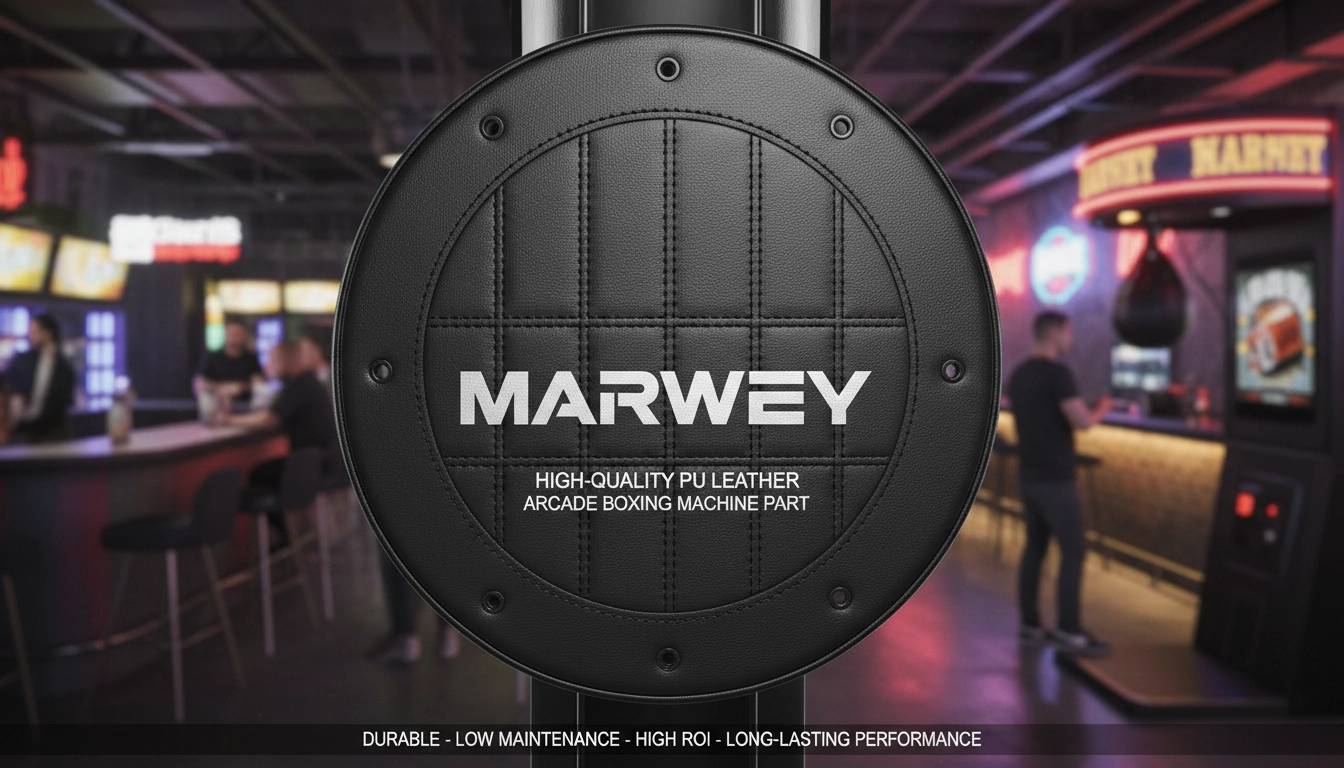
Sourcing High-Quality PU Leather for Punching Machine Pad Replacement
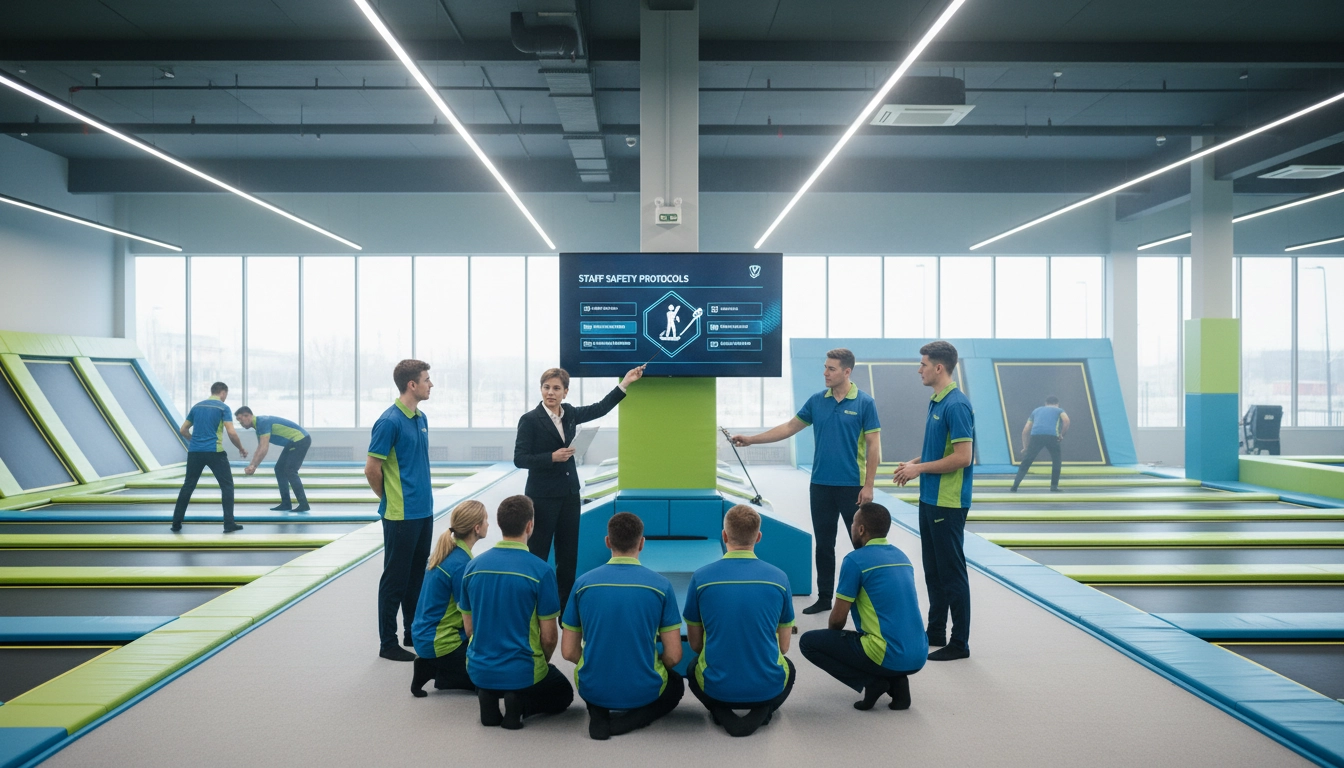
Effective Risk Management to Lower Your Trampoline Park Insurance Premiums
Products & Equipment
What types of arcade machines does MARWEY manufacture?
MARWEY specializes in manufacturing a comprehensive range of arcade equipment, including VR gaming systems, racing simulators, redemption games, claw machines, shooting games, rhythm games, and interactive entertainment systems. We also produce custom-designed machines tailored to specific venue requirements and target demographics.
Mini Claw Machine
How does a mini claw machine work?
A mini claw machine operates through a simple electromechanical process:
-
Insert Coin/Token: The customer inserts money to activate the machine, which grants a set amount of play time (usually 10-30 seconds).
-
Movement: The player uses a joystick or buttons to move the claw over a desired prize.
-
Descent: The player presses a button to lower the claw. A motor drives the claw down into the prize chamber.
-
Gripping: When the claw reaches the bottom, it automatically closes. The grip strength is often pre-set and can be adjusted by the owner to control the difficulty.
-
Retrieval: The claw then rises, and if it has successfully grabbed a prize, it carries it to the chute (the prize drop area).
-
Release: The claw opens over the chute, dropping the prize for the customer to retrieve. The success of the grab is never guaranteed, which is a core part of the game's appeal and challenge.
Indoor Playground
How to start a children's indoor playground?
How much is awesome indoor playground?
Claw Machine
Why are Japanese claw machines fun?
Japanese UFO catchers deliver thrilling multi-sensory experiences combining vibrant lights, nostalgic music, and skill-based prize grabbing that hooks both adults and children.

Marwey Wholesale Cheap Luxury Ticket Redemption Arcade Machine - Shopping Mall Arcade Game Machine for Sale
Marwey Wholesale Cheap Luxury Ticket Redemption Arcade Machine - Shopping Mall Arcade Game Machine for Sale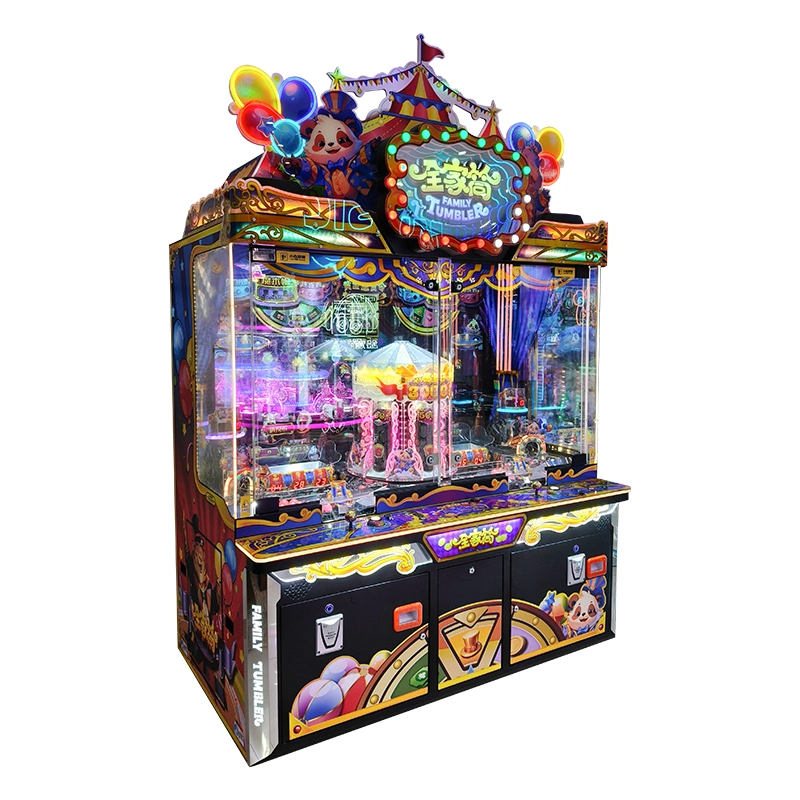
Marwey New Arrival High Quality Coin Operated Coin Pusher Customizable Prize Redemption Arcade Equipment
Marwey New Arrival High Quality Coin Operated Coin Pusher Customizable Prize Redemption Arcade Equipment
Marwey Hot Sale High Quality Indoor Coin Pusher Coin Operated Prize Redemption Arcade Game Machine
Marwey Hot Sale High Quality Indoor Coin Pusher Coin Operated Prize Redemption Arcade Game Machine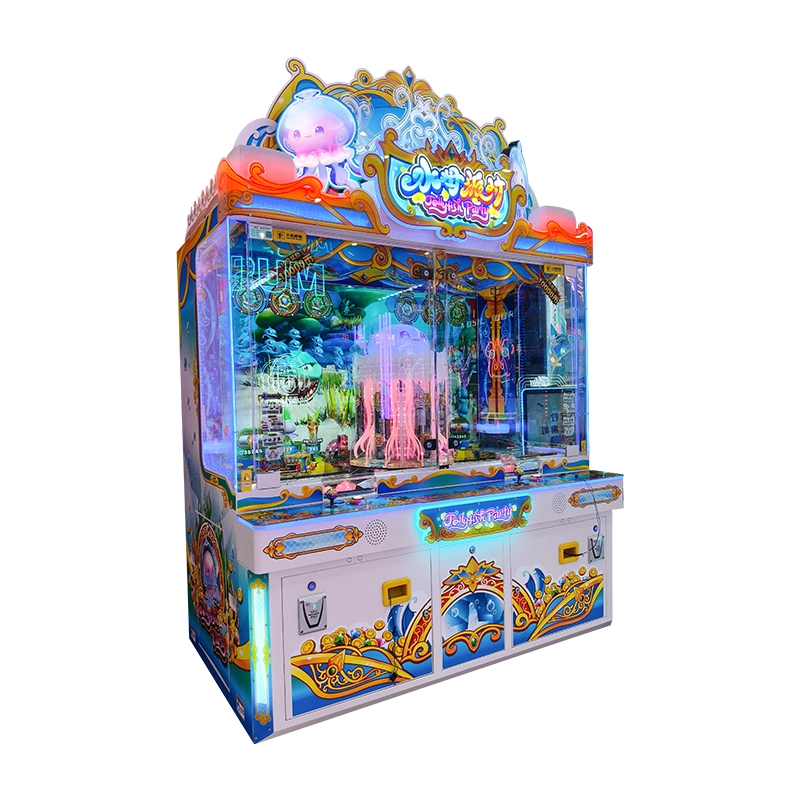
Marwey High Quality Luxury Customizable Coin Pusher Indoor Shopping Mall Arcade Ticket Redemption Game Machine
Marwey High Quality Luxury Customizable Coin Pusher Indoor Shopping Mall Arcade Ticket Redemption Game Machine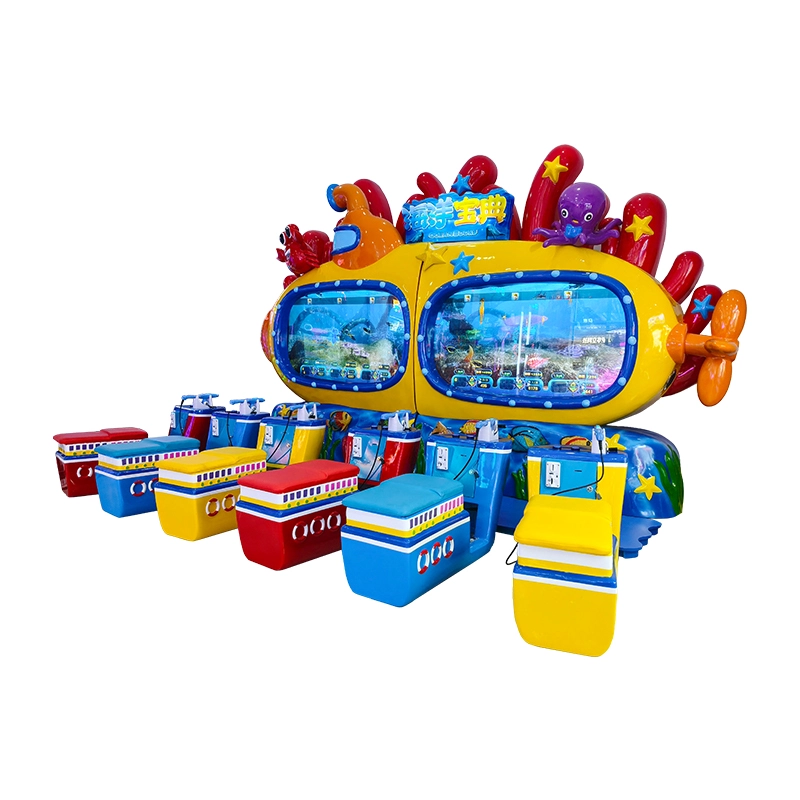
Marwey Hot Sale Indoor 6 Players Fishing Simulator Children's Coin Operated Arcade Redemption Equipment
Marwey Hot Sale Indoor 6 Players Fishing Simulator Children's Coin Operated Arcade Redemption Equipment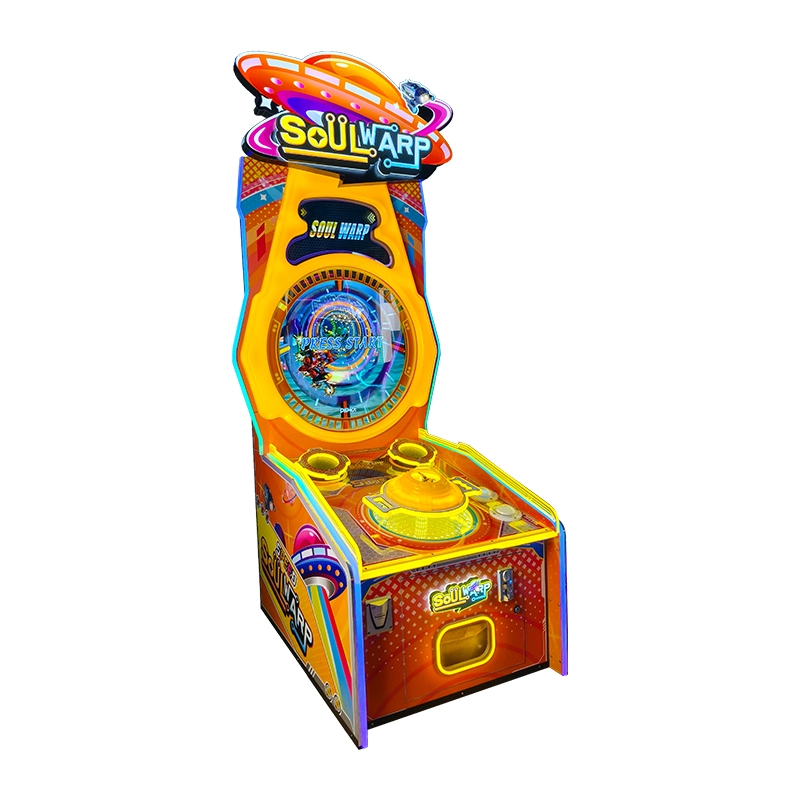
Marwey Coin Operated Parkour Lottery Ticket Redemption Machine Amusement Center Video Game Machines for Sale
Marwey Coin Operated Parkour Lottery Ticket Redemption Machine Amusement Center Video Game Machines for Sale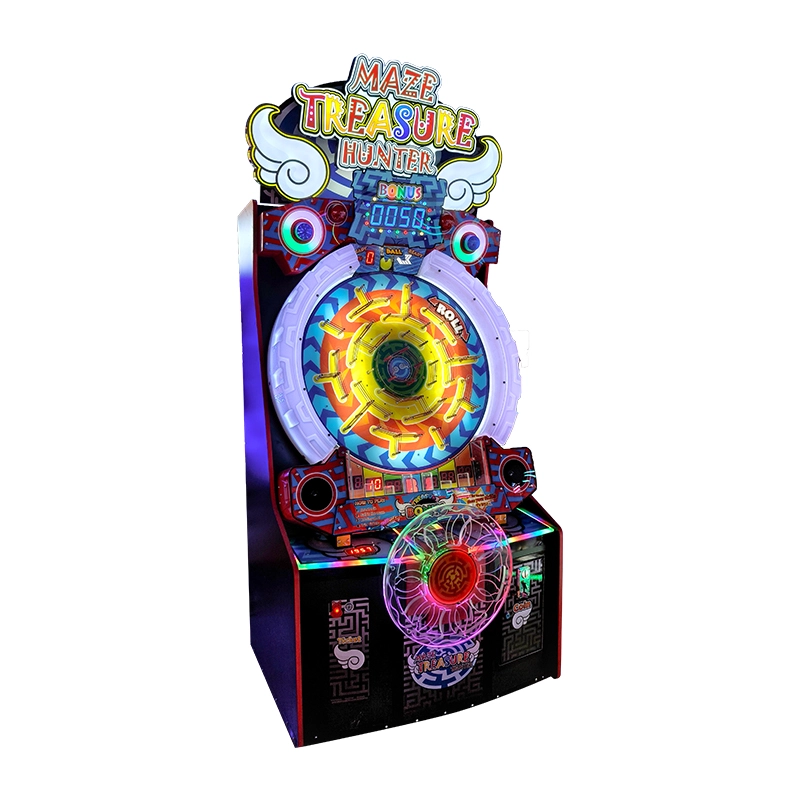
Marwey Amusement Center Maze Adventure Game Coin Operated Lottery Ticket Redemption Arcade Machine
Marwey Amusement Center Maze Adventure Game Coin Operated Lottery Ticket Redemption Arcade Machine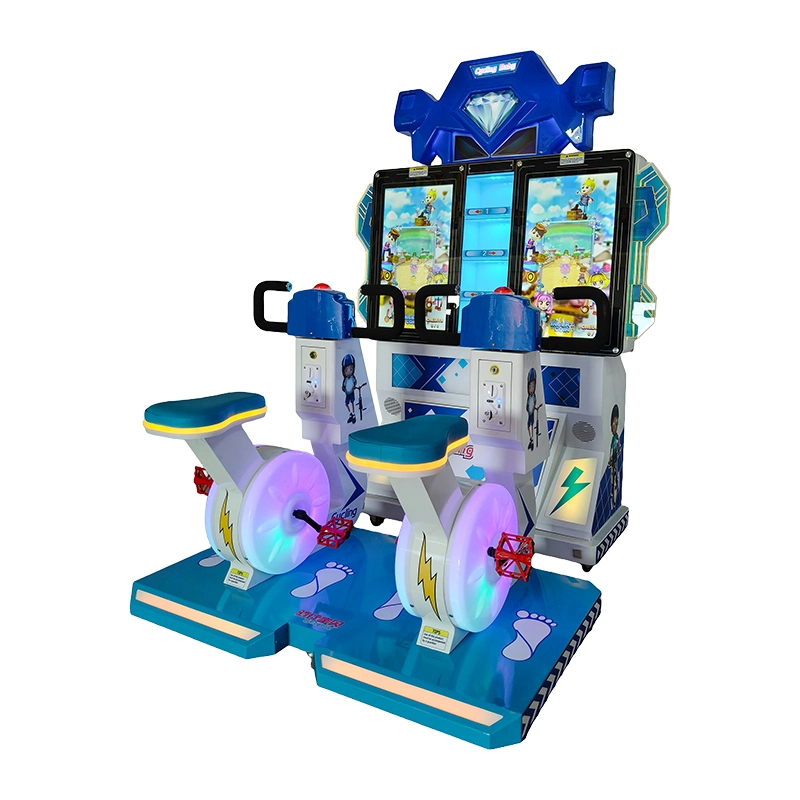
Marwey Commercial Coin Operated Sports Arcade Machine Supplier Indoor 2 Players Bike Racing Simulator
Marwey Commercial Coin Operated Sports Arcade Machine Supplier Indoor 2 Players Bike Racing SimulatorWant to know more industry information?
If you have any comments or good suggestions, please leave us a message; later our professional staff will contact you as soon as possible.
◼ Contact MARWEY
WhatsApp: +86 189 2218 4260
Floor 2, Building E, Hengran Creative Park, Shixin Road, Panyu District, Guangzhou, Guangdong, China.
© 2025 MARWEY. All Rights Reserved.


































































































MARWEY
MARWEY
MARWEY
MARWEY
MARWEY
MARWEY