


- Family Entertainment Center Design Ideas: The Blueprint for Profitability
- TL;DR: The Three Pillars of Modern FEC Design
- 1. Idea 1: Strategic Demographic Zoning (Safety & Appeal)
- The Three-Zone Layout Model (How-To)
- Separation and Control
- 2. Idea 2: Engineering the Guest Flow and Impulse Buying
- The "Race Track" Flow Principle
- Maximizing Vertical Space
- 3. Idea 3: The Seamless Integration of Party and Group Sales
- Location, Design, and Efficiency
- Party Room Metrics for Success
- Frequently Asked Questions (FAQ)
Family Entertainment Center Design Ideas: The Blueprint for Profitability
Effective Family Entertainment Center (FEC) design transcends aesthetics; it is a revenue-driven science focused on optimizing guest flow, maximizing throughput, and strategically separating different demographic groups. The best design ideas today revolve around creating highly immersive, zone-specific environments that encourage longer dwell time and higher Average Dollar Spend Per Visit (ADSPV).
At MARWEY, our design philosophy treats every square meter as a potential profit center. We integrate safety and functionality into custom layouts, ensuring that our commercial-grade soft play structures and high-thrill simulators are positioned to naturally lead guests toward ancillary revenue streams. Poor design leads to bottlenecks and wasted space; strategic MARWEY design ensures your facility operates at peak efficiency.
TL;DR: The Three Pillars of Modern FEC Design
The most successful FEC design principles focus on three interconnected pillars for sustained high performance.
-
Zoning Strategy: Implement clear, segregated zones for different demographics (Toddlers vs. Teens) to manage safety and energy levels, increasing appeal to a wider market.
-
The Flow Principle: Engineer the guest path to begin and end near high-margin areas (e.g., F&B, Redemption Counter) to maximize impulse purchasing and total transaction value.
-
Vertical Utilization: Use the ceiling height for multi-level attractions (like custom MARWEY soft play) to drastically increase revenue per square foot (RPSF).
-
Data Insight: FECs that optimize their flow and zoning can see up to a 20% increase in impulse sales due to strategic placement of F&B and arcade entries.
1. Idea 1: Strategic Demographic Zoning (Safety & Appeal)
Modern FECs must appeal to a wider age range than ever before, requiring careful planning to prevent high-energy teen activities from conflicting with young family safety.
The Three-Zone Layout Model (How-To)
A proven design strategy involves clearly defining three distinct, yet connected, zones based on age and energy level:
-
The Toddler/Parent Zone (Low-Energy): Located near the entrance/exit for easy access and supervision. This area features smaller, custom-designed MARWEY soft play elements and low-skill kiddie rides. Key: Ample, comfortable seating and clear sightlines for parents.
-
The Family Core (Mid-Energy): The largest section, housing the signature multi-level soft play structure, mid-level redemption games, and family restrooms. This area is the anchor and must offer maximum throughput.
-
The Thrill Zone (High-Energy): Located in the deepest section of the facility, often utilizing dynamic lighting and higher volume. This zone houses high-ADSPV attractions like VR Arenas, linked MARWEY racing simulators, and Ninja Courses. Key: Acts as a destination attraction that pulls customers through the rest of the facility.
Separation and Control
-
Safety Barrier: Use clear, themed netting or architectural elements to provide a visual and physical barrier between the Toddler Zone and the Family Core.
-
Acoustic Management: Employ sound-dampening materials in the Thrill Zone (especially around simulators) to minimize noise bleed into the quieter, family-focused areas.
Data Point 1: FECs with dedicated, fully segregated Toddler Zones report 15% higher enrollment in paid play sessions for the 2-5 age group, demonstrating increased parental trust.
2. Idea 2: Engineering the Guest Flow and Impulse Buying
The layout should be designed as a calculated journey, guiding the guest from entry, through the play zones, and past the primary revenue centers before they leave.
The "Race Track" Flow Principle
Instead of a confusing grid, the optimal layout encourages a semi-circular or "race track" flow.
-
Entry and Wallet Activation: The entry point must lead directly to the Cashless System Kiosk. Guests activate their wallets immediately, reducing the friction of spending later.
-
The F&B Pull: Place the Food and Beverage (F&B) area and the Party Rooms mid-way through or adjacent to the deepest play zones. This placement capitalizes on mid-session breaks and the increased hunger from high-energy play.
-
The Exit Funnel: The exit path must funnel guests directly past two critical points in sequence:
-
The Redemption Counter: The final, visually appealing point of exchange that reinforces value.
-
The Retail/Promotional Kiosk: Encourages impulse buying of branded merchandise or discounted "come-back" cards.
-
Maximizing Vertical Space
Utilizing the full ceiling height is the most effective way to improve Revenue Per Square Foot (RPSF).
-
MARWEY's Custom Solution: Our custom multi-level soft play structures are engineered to be 3-5 stories high, effectively tripling the usable play area within the same footprint. This density allows for higher throughput and a greater variety of activities without increasing the ground rent.
3. Idea 3: The Seamless Integration of Party and Group Sales
Party room design and location are crucial, as party sales are often the single largest predictable revenue stream for an FEC.
Location, Design, and Efficiency
-
Strategic Placement: Party rooms should be easily accessible but slightly separated from the main floor noise. Placing them immediately adjacent to the Family Core (specifically the soft play structure) maximizes their value, as the play structure is often the main draw.
-
Room Efficiency: Design the rooms to be modular. Use flexible, sound-dampening dividers so that two small parties can be booked simultaneously, or the space can be combined for a large corporate event. This flexibility increases weekend utilization.
-
Themed Integration: Even the party rooms should reflect the overall facility theme. MARWEY often designs party room windows to offer a direct, exciting view into the custom play structure, adding a "VIP" feel to the booking.
Party Room Metrics for Success
| Metric | Target Goal | Design Impact |
| Utilization Rate (Peak) | > 90% | Modular dividers, efficient storage, clear flow. |
| Room Turnaround Time | < 15 Minutes | Easy-to-clean vinyl floors, standardized table layouts. |
| Ancillary F&B Attach Rate | > 80% | Proximity to the kitchen/F&B service area. |
Data Point 3: FECs that maximize vertical space using multi-level custom structures and utilize a modular party room system report an average 35% higher annual revenue from group bookings compared to single-level facilities.
Frequently Asked Questions (FAQ)
Q1: What is the most critical factor in FEC design for maximizing revenue?
A:
The most critical factor is throughput and flow optimization, which ensures guests can move easily, spend maximum time playing, and are naturally guided past the high-margin F&B and redemption zones.
Q2: How does MARWEY's design philosophy handle the height of a building?
A:
MARWEY focuses on vertical utilization, designing custom multi-level soft play and rope courses to maximize the number of activities and children per square foot, significantly increasing the facility’s RPSF (Revenue Per Square Foot).
Q3: Why is separating the "Toddler Zone" from the "Thrill Zone" important?
A:
Separation is crucial for safety and parental comfort. It reduces the liability risk of high-energy teens mixing with toddlers and increases the overall perceived safety and trust of the facility.
Q4: Where should the Redemption Counter be located in the ideal FEC layout?
A:
The Redemption Counter should be the second-to-last stop before the exit. This placement ensures maximum customer traffic and reinforces the psychological reward of spending before departure.
Q5: What is "dwell time," and how does design increase it?
A:
Dwell time is the total amount of time a guest spends in the facility. Design increases it by offering varied, compelling attractions for all demographics (kids and supervising adults) and by offering comfortable F&B and seating areas.
Q6: Should the arcade machines be mixed in with the soft play area?
A:
Generally, no. They should be grouped in a dedicated, adjacent zone. Mixing creates noise and clutter. MARWEY suggests grouping complementary attractions (e.g., arcade next to the redemption counter) to improve efficiency.
Q7: How can design incorporate safety as a selling point?
A:
Design incorporates safety by ensuring clear staff sightlines across all zones, utilizing bright, certified MARWEY safety padding in high-impact areas, and using well-labeled, separated age-appropriate zones.
Q8: How often should an FEC facility layout be reviewed or modified?
A:
The layout should be reviewed for efficiency (bottlenecks) and refreshment every 3 to 5 years. Minor updates like changing F&B counter placement or adding new modular MARWEY attractions should be done annually.
Related Articles
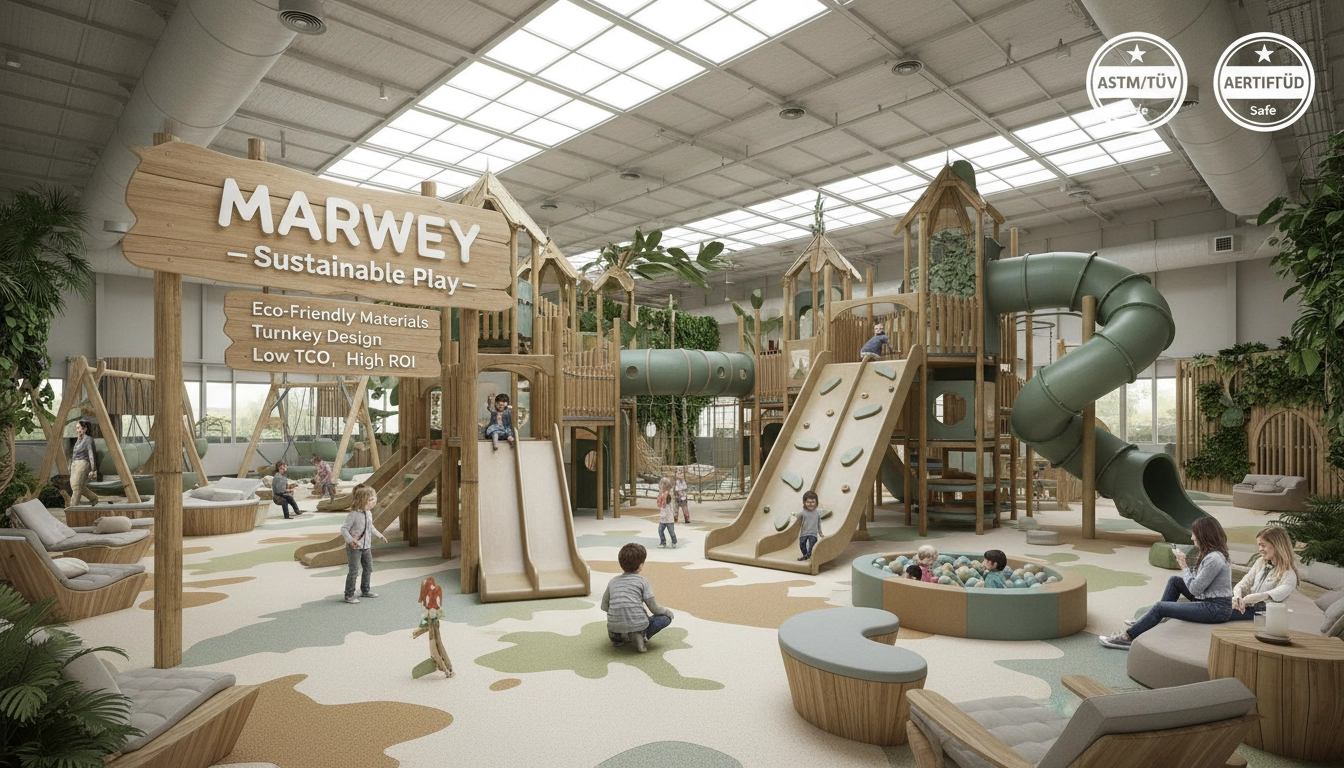
The Role of Sustainability in Indoor Playground Marketing: Eco Strategies
Boost Profits by Optimizing the Claw Machine Play Cycle for Maximum Throughput
Innovate! Designing Claw Machines with Self-Cleaning and Sanitizing Features
Boost Claw Machine Conversions by Analyzing Player Behavior & Marketing Messages
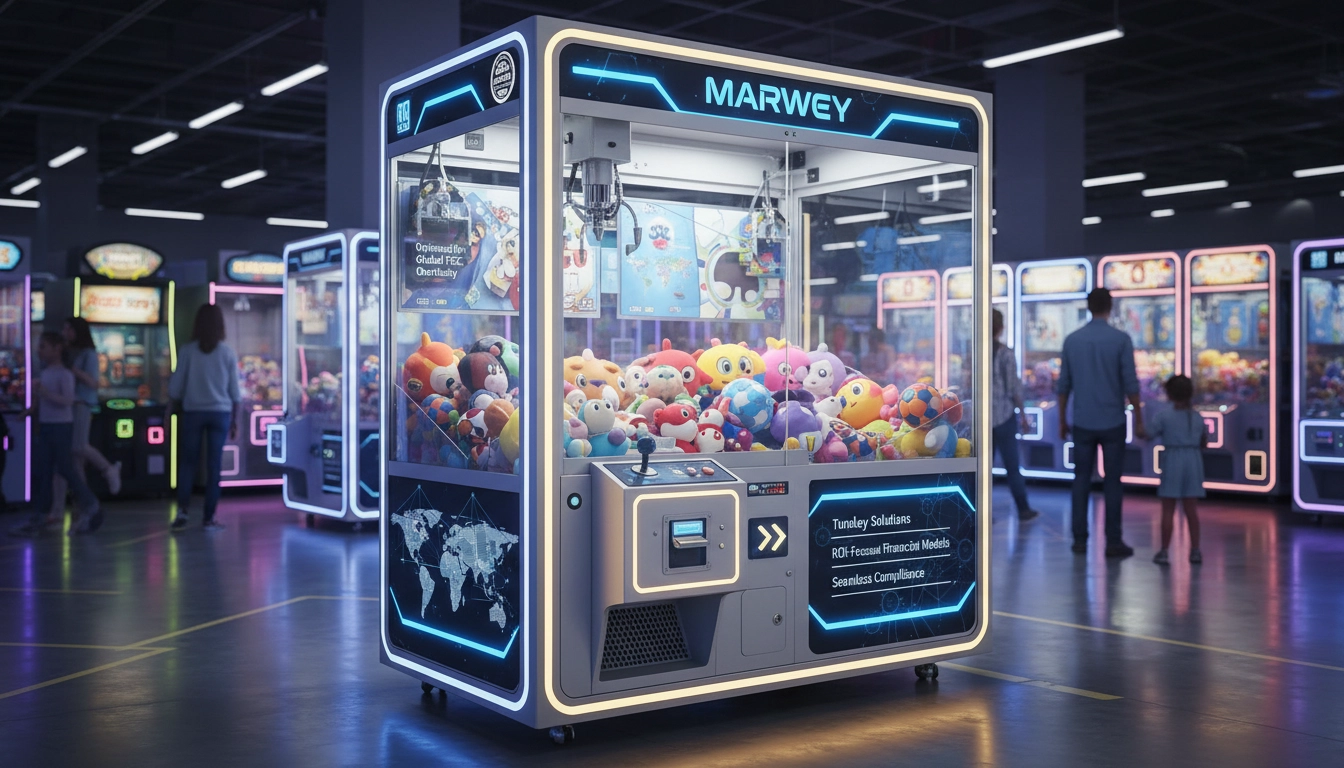
Navigating Import Tariffs and Trade Agreements for Claw Machine Distribution
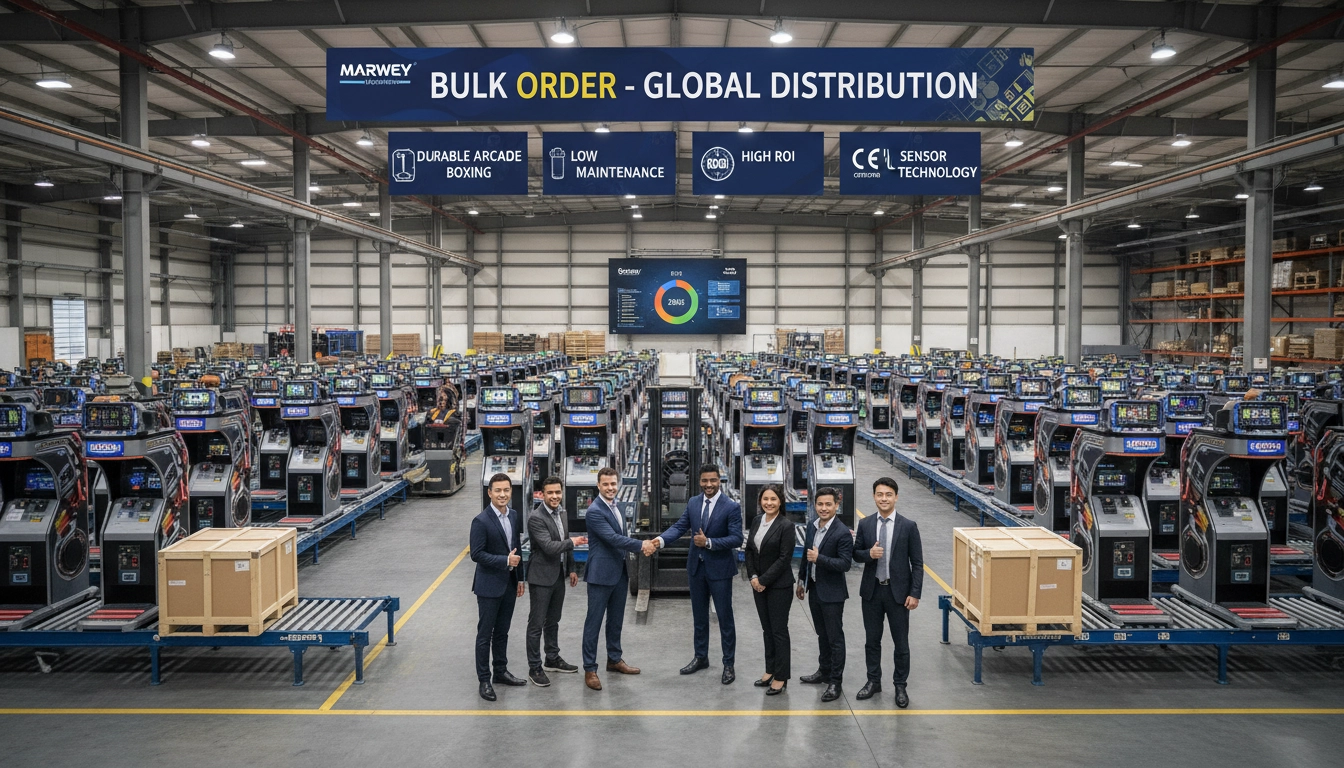
Setting Competitive Wholesale Pricing for Punching Machine Bulk Orders
One Stop Bowling Alley Solution
What international certifications do your products hold?
Our manufacturing processes and final products comply with major international standards, including CE and ISO certifications. This ensures safety, quality, and smooth importation for our global clients.
Indoor Playground
Can a daycare have an indoor playground?
How often are indoor playgrounds cleaned?
Are indoor playgrounds a good business?
Family Entertainment Center
Does MARWEY offer custom-designed play areas?
Yes, MARWEY specializes in creating unique, themed environments. Our design team works with your space and budget to develop completely customized soft-play structures, high ropes courses, and adventure zones. Customization allows you to stand out from competitors and leverage local themes for stronger brand recognition.
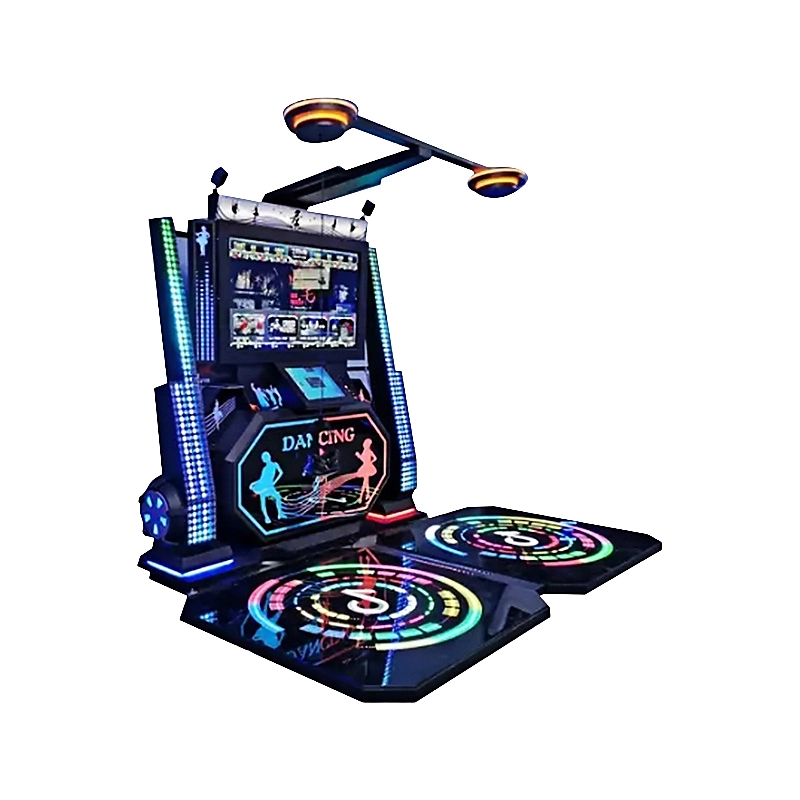
Marwey 9d 2 Players Musical Instruments Video Games Dance Simulator Dancing Wonder VR Arcade Machine
Marwey 9d 2 Players Musical Instruments Video Games Dance Simulator Dancing Wonder VR Arcade Machine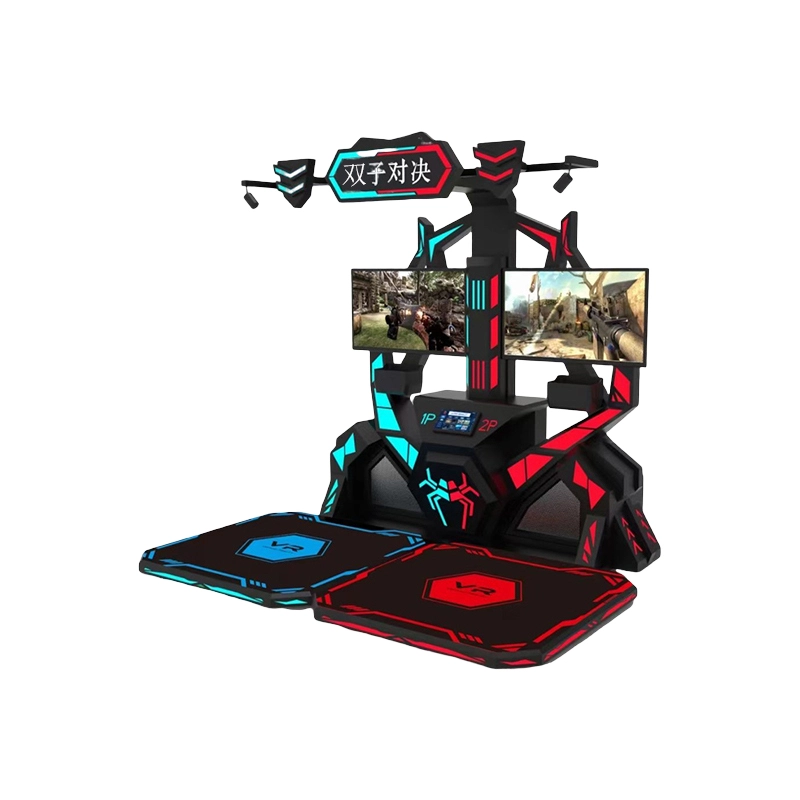
Marwey 2 Players Dual Screen Platform Arcade Game Shooting Simulator VR Machine for Commercial Theme Park
Marwey 2 Players Dual Screen Platform Arcade Game Shooting Simulator VR Machine for Commercial Theme Park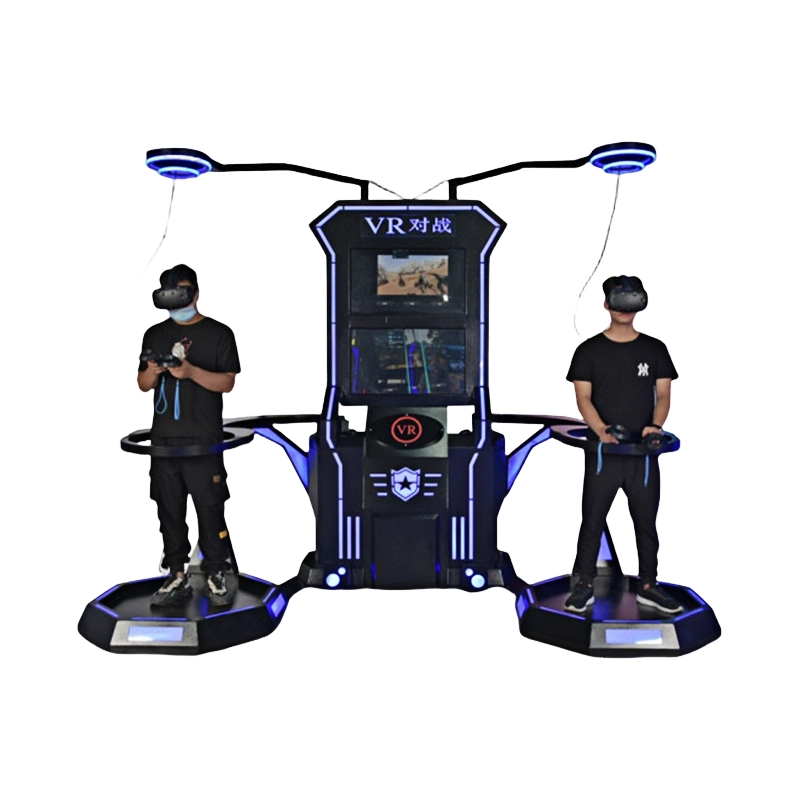
Marwey Immersive Entertainment 2 Players VR Game Console 9D Virtual Reality Platform Simulator
Marwey Immersive Entertainment 2 Players VR Game Console 9D Virtual Reality Platform Simulator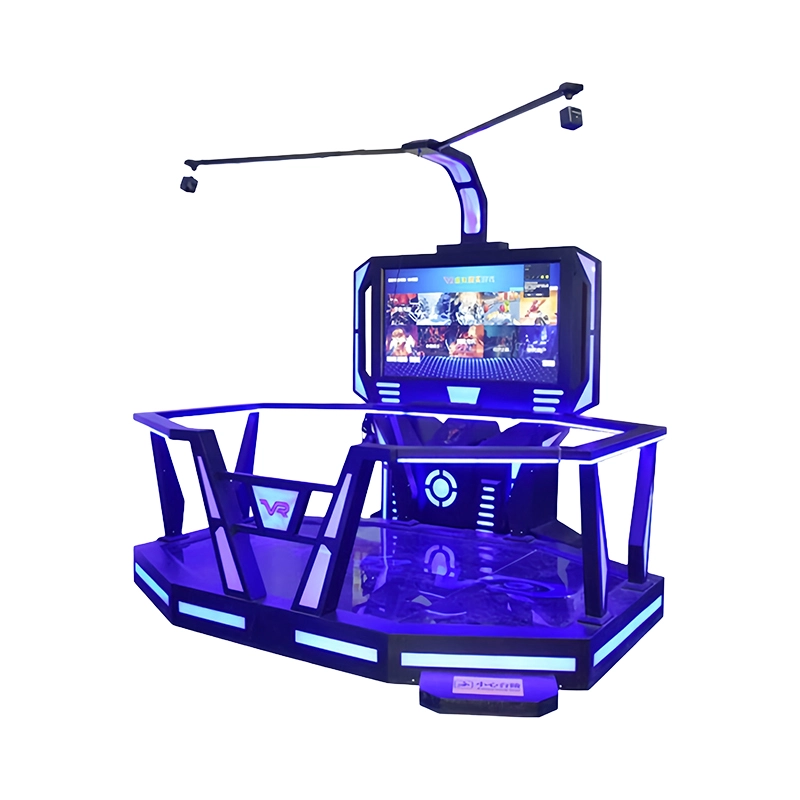
Marwey 9d Octave Space Vr Simulator Walking and Shooting Virtual Reality Game Platform for Sale
Marwey 9d Octave Space Vr Simulator Walking and Shooting Virtual Reality Game Platform for Sale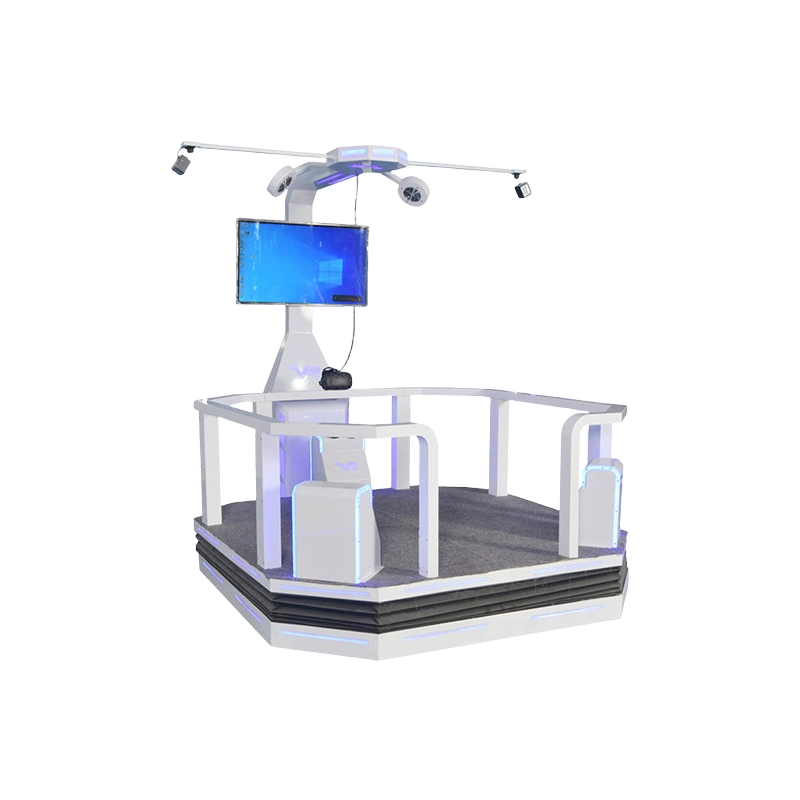
Marwey VR Dynamic Science Popularization Platform Commercial Virtual Reality Game Rides Simulator
Marwey VR Dynamic Science Popularization Platform Commercial Virtual Reality Game Rides Simulator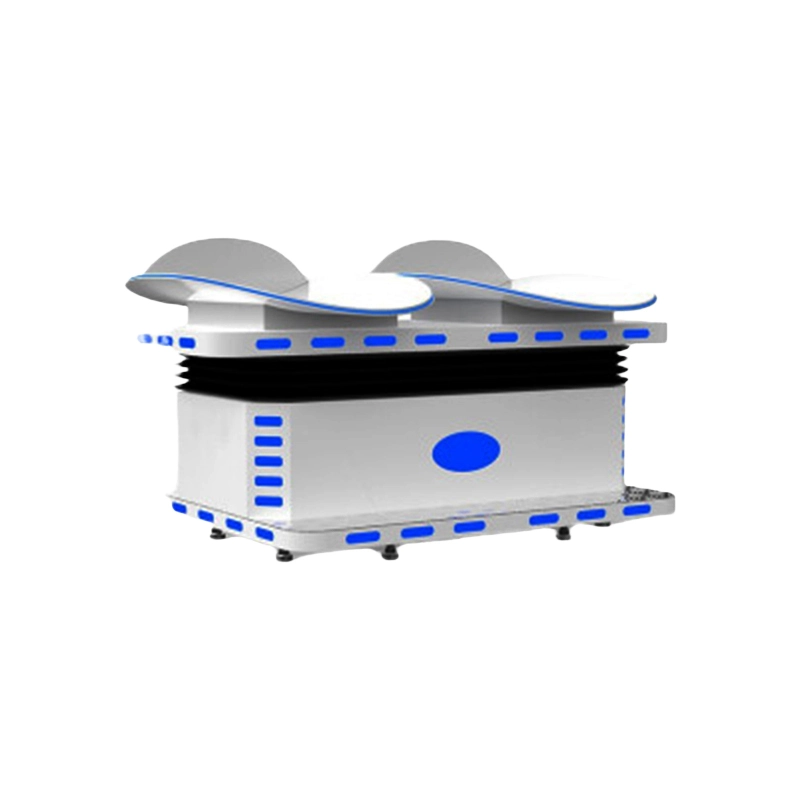
Marwey High Quality VR Skiing Simulator Double Seat Arcade Cinema Virtual Reality Slide Game Machine
Marwey High Quality VR Skiing Simulator Double Seat Arcade Cinema Virtual Reality Slide Game Machine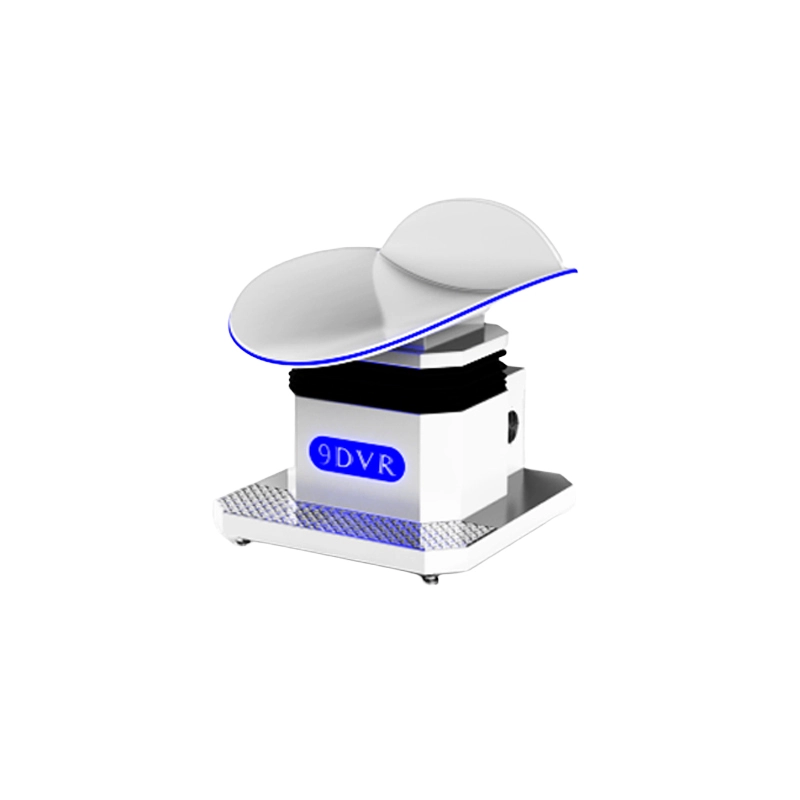
Marwey High Quality VR Skiing Simulator Single Seat Arcade Cinema Virtual Reality Slide Game Machine
Marwey High Quality VR Skiing Simulator Single Seat Arcade Cinema Virtual Reality Slide Game Machine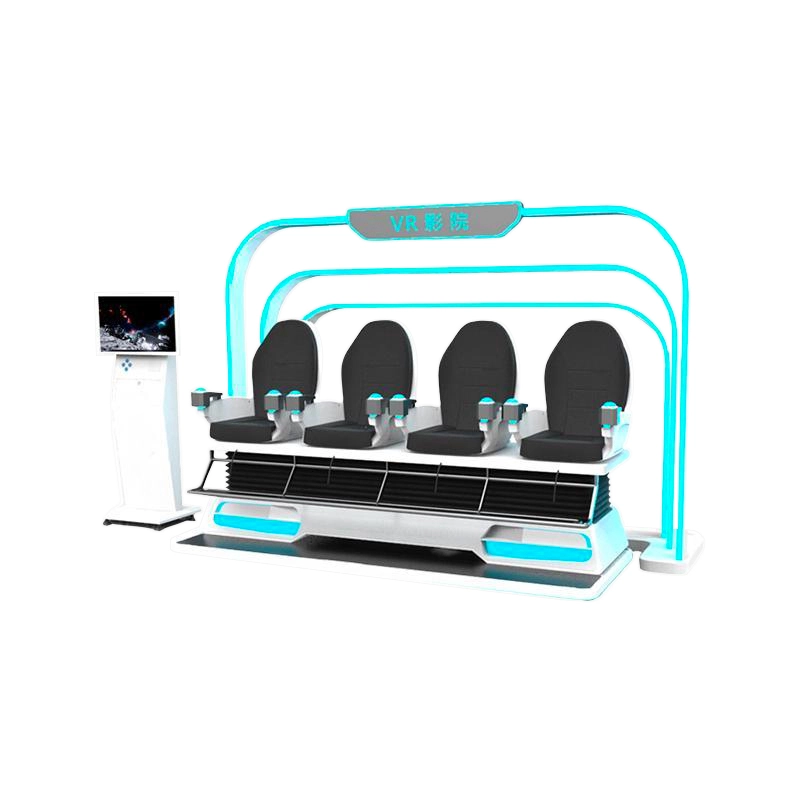
Marwey Hot Sale 4 Seats VR Amusement Equipment Virtual Reality Cinema Simulator Games Rides for VR
Marwey Hot Sale 4 Seats VR Amusement Equipment Virtual Reality Cinema Simulator Games Rides for VRWant to know more industry information?
If you have any comments or good suggestions, please leave us a message; later our professional staff will contact you as soon as possible.
◼ Contact MARWEY
WhatsApp: +86 189 2218 4260
Floor 2, Building E, Hengran Creative Park, Shixin Road, Panyu District, Guangzhou, Guangdong, China.
© 2025 MARWEY. All Rights Reserved.

MARWEY
MARWEY
MARWEY
MARWEY
MARWEY
MARWEY