
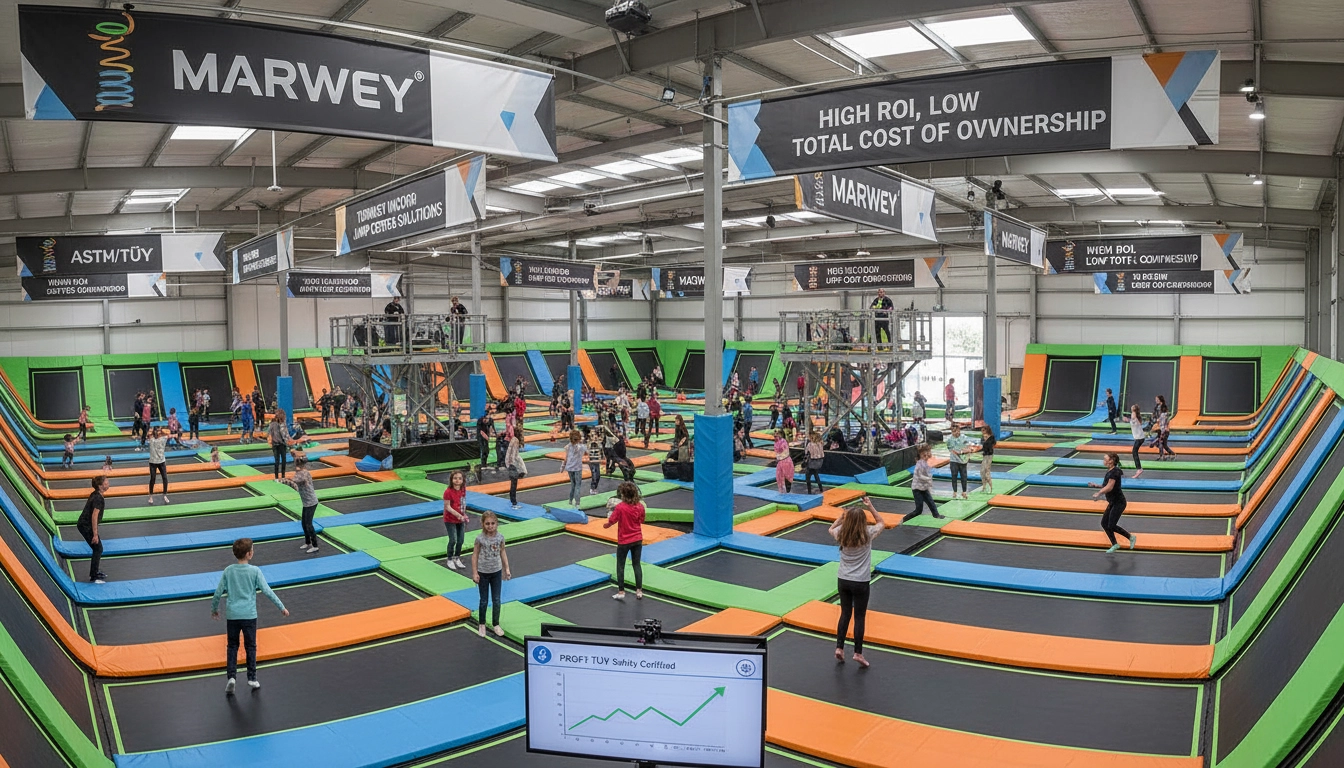

- Understanding Key Tax Incentives for Trampoline Parks
- Depreciation Strategies to Maximize ROI and Cash Flow
- The Impact of ASTM Compliance on Insurance and Tax Benefits
- Balancing Investment vs. Tax Savings: Practical Case Insights
- Actionable Steps for Trampoline Park Owners to Leverage Tax and Depreciation Benefits
- Summary and Next Steps
- FAQ — Tax Incentives and Depreciation Benefits for Trampoline Park Owners
Owning a trampoline park offers exciting entertainment opportunities, yet it also brings significant investment and operational costs. For owners, understanding and leveraging tax incentives and depreciation benefits for trampoline park owners can greatly enhance profitability and cash flow management. From compliance with industry standards like ASTM to strategic asset depreciation planning, these factors can reduce your tax burden and improve your trampoline park’s financial returns.
As a seasoned professional working with numerous indoor jump center projects, including high-ROI setups for MARWEY clients, I’ve witnessed how effectively applying tax strategies can cut years off payback periods. Let’s explore the top incentives and depreciation methods trampoline park operators can use to maximize their profits and reduce overall expenses.
Understanding Key Tax Incentives for Trampoline Parks

Trampoline park operators can benefit from various tax incentives designed to encourage business investment and growth. These include:
- Accelerated Depreciation: Owners can depreciate trampoline equipment and park improvements faster than standard schedules, reducing taxable income early in the asset’s life.
- Section 179 Deduction: This U.S. tax code provision allows businesses to immediately expense the full purchase cost of qualifying equipment up to a certain limit, providing substantial upfront tax relief.
- Bonus Depreciation: Currently, trampoline park owners can deduct 100% of the cost of new or used property in the first year, a significant cash-flow advantage.
- Energy Efficiency Incentives: For parks that invest in energy-saving infrastructure or lighting, certain local or federal credits may apply.
- Employment Tax Credits: Hiring local workers or qualifying employees may qualify the park for tax credits.
Each incentive depends on location and compliance with specific criteria, so consulting with a tax professional is advised to align your strategy with the latest tax laws.
From my experience helping trampoline park operators strategize capital investments, applying Section 179 has shaved as much as two years off equipment ROI timelines.
Depreciation Strategies to Maximize ROI and Cash Flow

Depreciation allows trampoline park owners to allocate the cost of long-lived assets over time, which directly reduces taxable income annually. Understanding which depreciation methods and timelines to use can unlock significant financial benefits:
- MACRS (Modified Accelerated Cost Recovery System): The most common depreciation method in the U.S., allowing faster write-offs on assets like trampoline equipment, padding, and park infrastructure over 5-7 years.
- Straight-Line Depreciation: This method depreciates asset cost evenly over its useful life and might be used for building improvements or non-expendable park features.
- Bonus Depreciation (100% First Year): As of the current tax laws, you can immediately deduct the full cost of qualifying property, accelerating cash flow.
In one MARWEY trampoline park project, strategically applying accelerated depreciation schedules combined with Section 179 deductions increased early-year tax savings by over 35%, improving cash reserves to reinvest in marketing and staff training.
The Impact of ASTM Compliance on Insurance and Tax Benefits
Compliance with recognized safety standards such as ASTM F2970 plays a critical role beyond operational safety—meeting these standards directly influences insurance premiums and liability exposure. Lower insurance costs effectively translate into indirect financial incentives by reducing overall operating expenses.
Key effects of ASTM compliance include:
- Reduction in insurance premiums, with typical savings ranging from 10-20% annually due to decreased claims risk.
- Improved financing terms, as lenders view compliant trampoline parks as lower risk.
- Tax advantages from higher asset valuation and extended lifespan due to better-built structures and equipment.
The trampoline park market in the U.S. shows typical annual insurance costs of $50,000 to $100,000, a significant expense line that ASTM-standard compliance can mitigate (Market.us 2023).
From my observations advising indoor jump centers, operators who prioritize ASTM compliance often negotiate insurance terms up to 20% better than those without certification, substantially improving operational margins.
Balancing Investment vs. Tax Savings: Practical Case Insights
Deciding how to allocate capital between equipment, safety compliance upgrades, and park amenities can affect your tax savings and depreciation benefits. Using data-driven financial modeling helps identify the optimal investment mix.
| Investment Type | Typical Cost % of Total | Depreciation Schedule | Expected Tax Benefit Impact |
|---|---|---|---|
| Trampoline Equipment & Padding | 35-45% | 5-7 Years (MACRS) | High – Eligible for Section 179 and Bonus |
| Building & Facility Improvements | 25-35% | 15-39 Years (Straight-Line) | Moderate – Long-Term Depreciation |
| Safety & Compliance Upgrades (ASTM) | 10-15% | 7 Years | High – Reduces Insurance Costs & Liability |
| Energy Efficiency / Misc. Assets | 5-10% | 5-7 Years | Variable – Potential Credits |
This breakdown helps trampoline park investors forecast their ROI more accurately by emphasizing capital allocation toward assets with the highest tax-saving potential.
When guiding MARWEY turnkey customers, we focus heavily on efficient asset classification upfront to ensure maximum available tax deductions, improving average profit margins close to 30% within the first 3 years.
Actionable Steps for Trampoline Park Owners to Leverage Tax and Depreciation Benefits
To make the most of your tax incentives and depreciation benefits, follow these proven steps:
- Consult with a specialized tax advisor who understands the trampoline park or amusement industry nuances.
- Maintain detailed asset records, including purchase costs, installation dates, and compliance certifications.
- Classify assets properly for depreciation, separating equipment, facility improvements, and safety upgrades.
- Invest in ASTM- or TÜV-certified equipment to not only enhance safety but also qualify for insurance premium reductions.
- Monitor changes in tax law, such as Section 179 limits and bonus depreciation percentages, to adjust strategies accordingly.
By following these steps, trampoline park owners can unlock significant financial efficiencies, creating a competitive advantage in the booming indoor jump center market where consumer demand is strong and safety uncompromising (SafeKidsPlay 2023).
Summary and Next Steps
Taking advantage of tax incentives and depreciation benefits for trampoline park owners is essential for maximizing profitability and sustaining growth in the competitive indoor active entertainment sector. Accelerated depreciation, Section 179 deductions, and investment in ASTM-compliant equipment drive measurable tax savings and reduce operational risks.
MARWEY, a trusted global leader with 15 years of experience, offers not only industry-leading trampoline park equipment meeting the highest ASTM and TÜV safety standards but also turnkey planning and consulting services that optimize investment structure and tax strategies for operators worldwide.
Ready to elevate your trampoline park’s financial performance with a comprehensive, safety-driven approach? Download our ASTM Compliance Checklist or get a custom ROI projection tailored to your specific project needs today.
FAQ — Tax Incentives and Depreciation Benefits for Trampoline Park Owners
Q1: What is the typical depreciation schedule for trampoline equipment?
Most trampoline park equipment qualifies for a 5-7 year depreciation schedule under MACRS, allowing accelerated tax deductions over that period.
Q2: How does ASTM compliance affect my trampoline park’s insurance costs?
Compliance with ASTM standards can reduce insurance premiums by 10-20% due to lower liability and safer operations.
Q3: Can I use Section 179 to expense the full cost of trampoline park equipment?
Yes, Section 179 allows immediate expensing of qualifying equipment costs up to IRS limits, improving cash flow.
Q4: Are energy efficiency upgrades eligible for tax incentives in trampoline parks?
Some energy-saving investments may qualify for specific federal or local tax credits, depending on jurisdiction.
Q5: How do bonus depreciation rules benefit trampoline park operators?
Bonus depreciation enables a 100% immediate deduction on new or used qualifying assets in the first year, accelerating tax savings.
Q6: Should trampoline park owners hire a tax specialist?
Yes, specialized tax advisors can navigate evolving tax laws and maximize available incentives unique to the trampoline park industry.
Q7: How often should trampoline park assets be revalued for tax purposes?
Revaluation is not typically required annually but should be reviewed during major upgrades or compliance improvements.
Q8: Does MARWEY provide support for tax and depreciation planning?
MARWEY offers turnkey solutions including investment and tax strategy consulting alongside their compliant equipment supply.
Q9: What are the main risks of not leveraging tax incentives in trampoline parks?
Failing to capitalize on deductions increases tax burden, reduces cash flow, and slows return on investment.
Q10: How long does it typically take to recoup investment in a trampoline park?
With optimized tax strategies and solid management, payback averages between 6 to 9 years, depending on location and scale.
Related Articles

Celebrate with Friends and Create Memories at Punch Bowl Social

Your Guide to Trendy Eatertainment at Lucky Strike for Memorable Nights
Reinventing Family Fun with Upgraded Games at Chuck E. Cheese
Exploring Two Bit Circus Innovations in Entertainment
Why Autobahn Indoor Speedway Is a Top Attraction for Go-Kart Fans
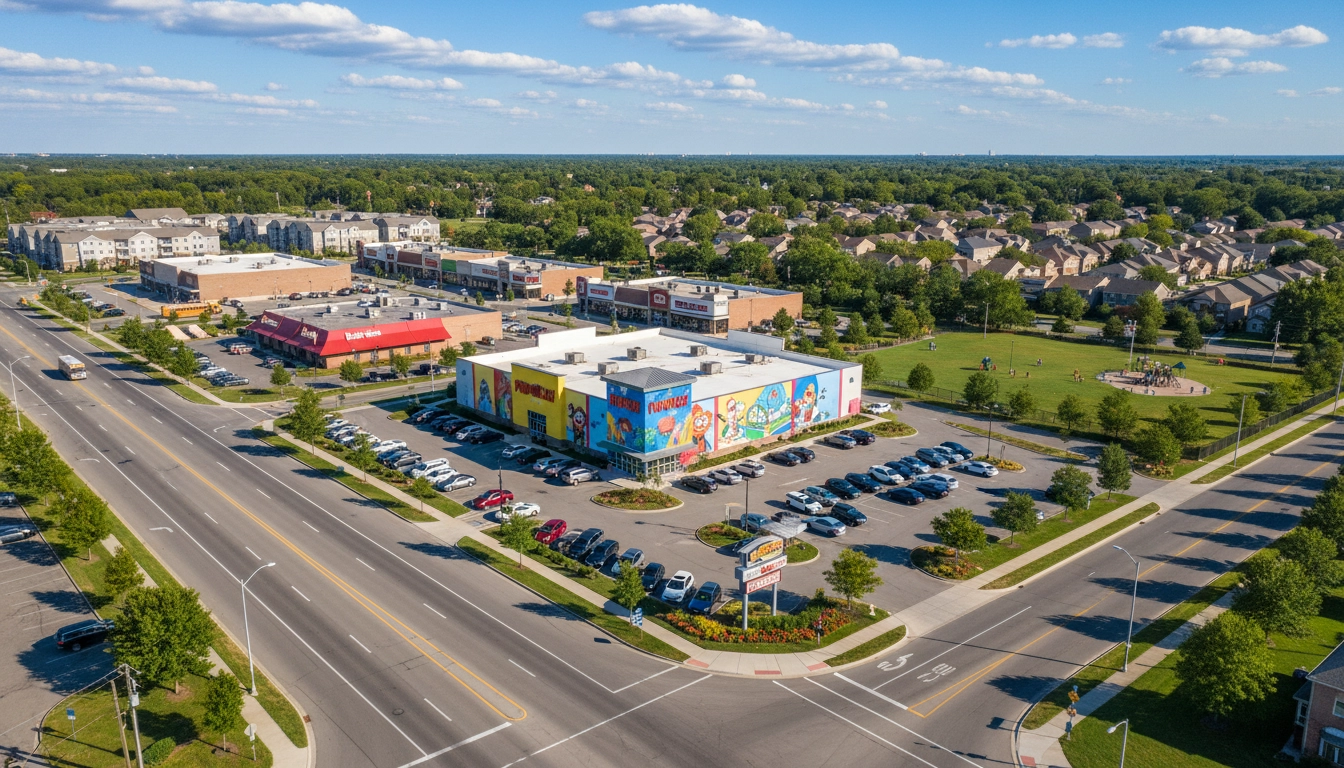
Choosing the Perfect Location for a Family Entertainment Center Business
Indoor Trampoline Park
What is the age limit for a trampoline park?
- Age Limits: Most commercial trampoline parks set an age limit for unsupervised or solo jumping, often requiring children under the age of 6 to be accompanied by an adult, or they may have dedicated soft-play areas for toddlers. There is typically no upper age limit.
- Best Age: Trampoline parks are designed to be enjoyed by all ages, but the most enthusiastic user groups are often school-age children (ages 6 to 12) and teenagers. Modern FECs with ninja courses and other attractions aim to attract young adults and families as well.
How fast does a trampoline park ROI (Return on Investment)?
The time for a trampoline park to achieve a full Return on Investment (ROI) can vary, but industry benchmarks suggest that a profitable park typically begins to see substantial financial gains and can reach profitability within 18 to 24 months post-launch.
Key factors influencing this timeline include the initial investment size, rent/lease terms, operational efficiency, and effective marketing.
Family Entertainment Center
What are the main revenue streams for a successful FEC?
The three legs of the stool are: 1. Tickets, Passes, and Game Play (the largest volume source); 2. Birthday Party and Group Event Packages (the highest margin source); and 3. Food & Beverage (F&B) sales (critical for increasing average spend). Diversification across these three areas minimizes risk.
How to start a family entertainment center(FEC) business?
Launching a successful FEC follows a structured, multi-step process. Focus on these core areas to get started:
1. Concept and Feasibility
Define your target audience (age group) and core attraction mix. Conduct a feasibility study to analyze the local market, competition, and potential revenue. This dictates your budget and business model.
2. Financial Planning and Location
Secure financing and identify an optimal location. A strong location needs high visibility, easy access, ample parking, and the right zoning for commercial entertainment.
3. Design and Equipment Selection
This is where MARWEY expertise is critical. Work with our team to create an efficient floor plan and select the anchor attractions—such as soft play, trampolines, or interactive zones—that offer the best Return on Investment (ROI) and guest experience. Prioritize safety, durability, and novelty.
4. Operations and Launch
Obtain all necessary permits, secure comprehensive insurance, hire and train staff, and implement your digital infrastructure (POS system, ticketing, waiver software). Develop a strong pre-opening marketing plan to ensure a successful grand opening.
Would you like to focus on the financial planning and budget breakdown for a specific type of FEC, such as an indoor playground or a multi-attraction center?
Indoor Playground
How much does it cost to open up an indoor playground?
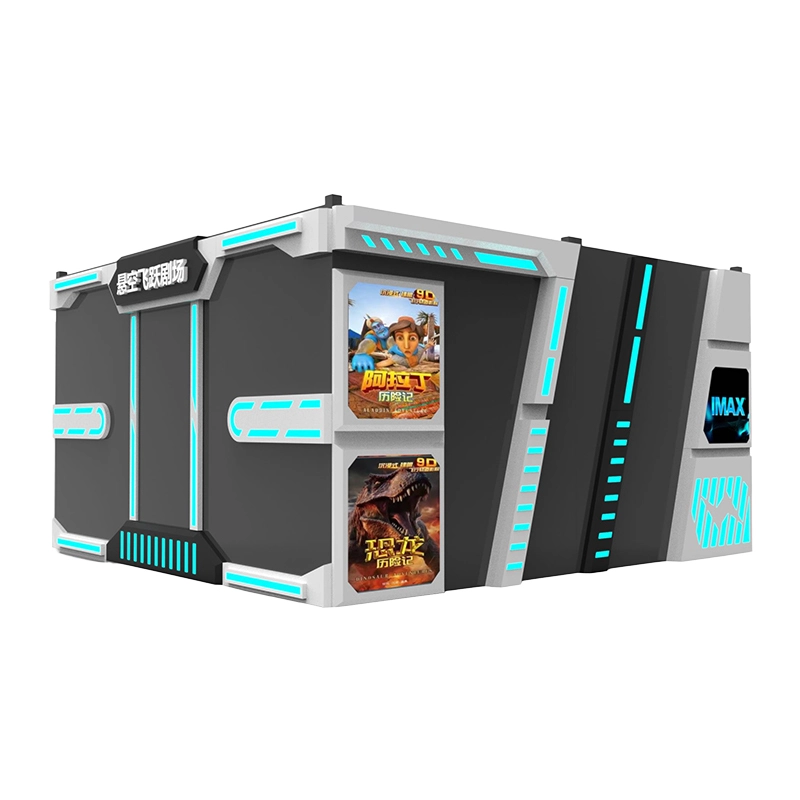
Marwey Amusement Park Flying over Theater VR Cinema Simulator Rides Virtual Reality Game Machine
Marwey Amusement Park Flying over Theater VR Cinema Simulator Rides Virtual Reality Game Machine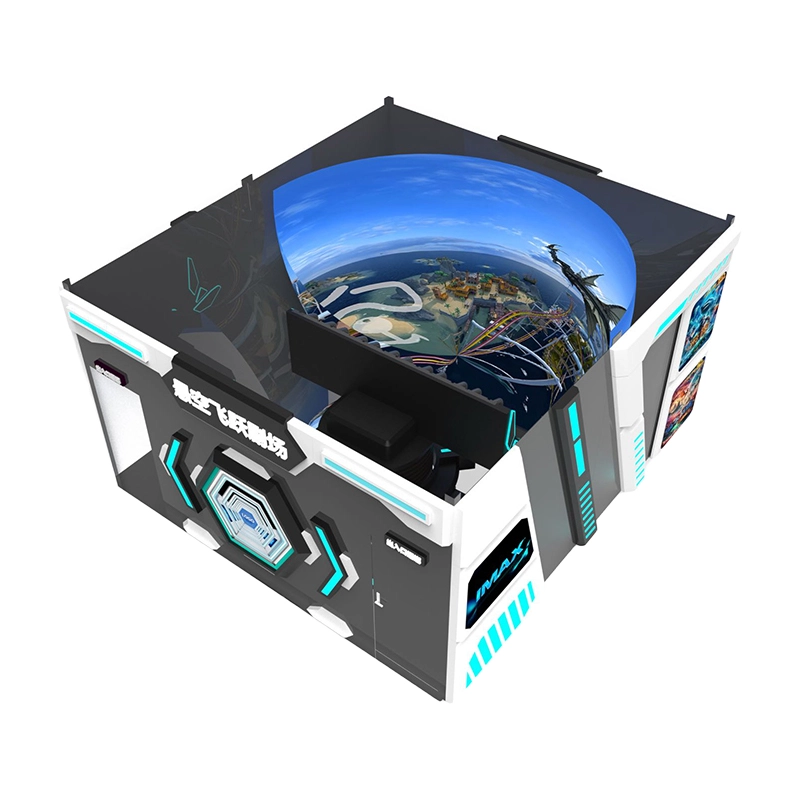
Marwey Commercial Gaming Center Cheap Multiple Players Flight Theater VR Cinema Machine
Marwey Commercial Gaming Center Cheap Multiple Players Flight Theater VR Cinema Machine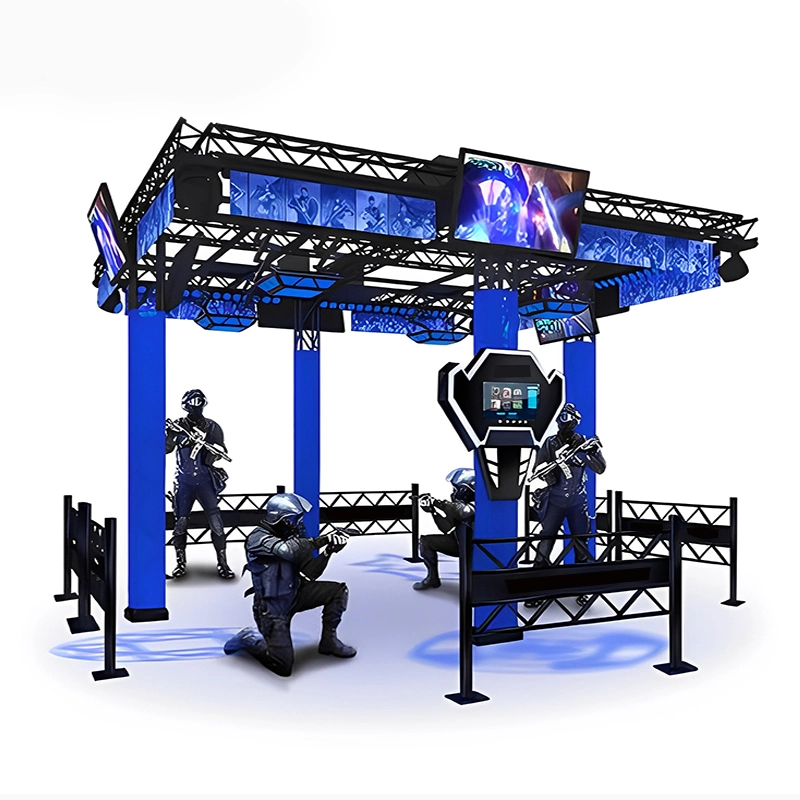
Marwey One Stop Wholesale Cheap 4 Players Duel VR Shooting Simulator Virtual Reality Gaming Devices for Sale
Marwey One Stop Wholesale Cheap 4 Players Duel VR Shooting Simulator Virtual Reality Gaming Devices for Sale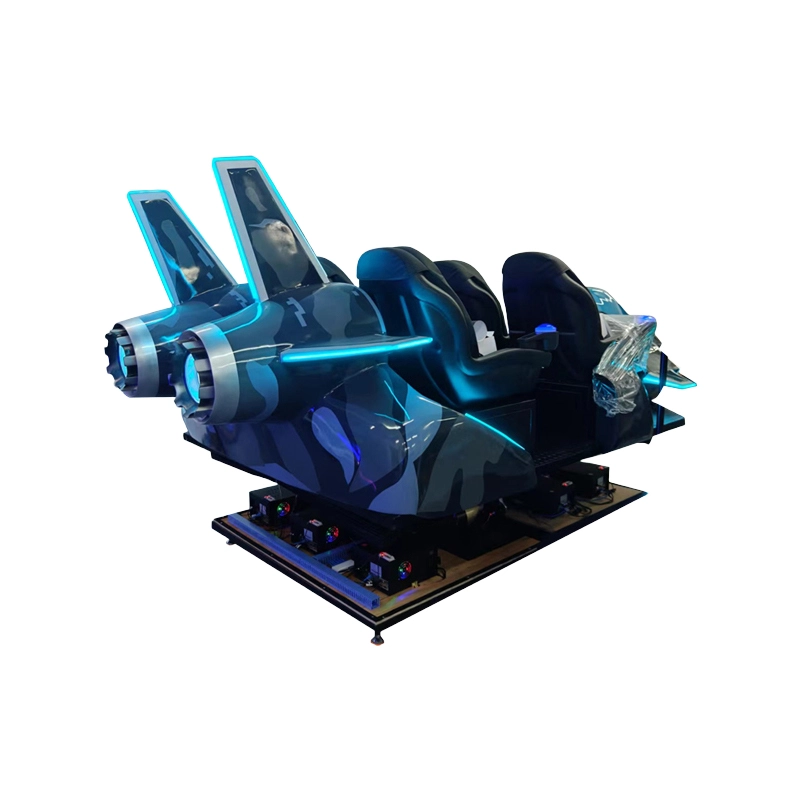
Marwey Supplier Commercial 6 Seats Camouflage Aircraft 9D VR Simulator Game Machine Price for Sale
Marwey Supplier Commercial 6 Seats Camouflage Aircraft 9D VR Simulator Game Machine Price for Sale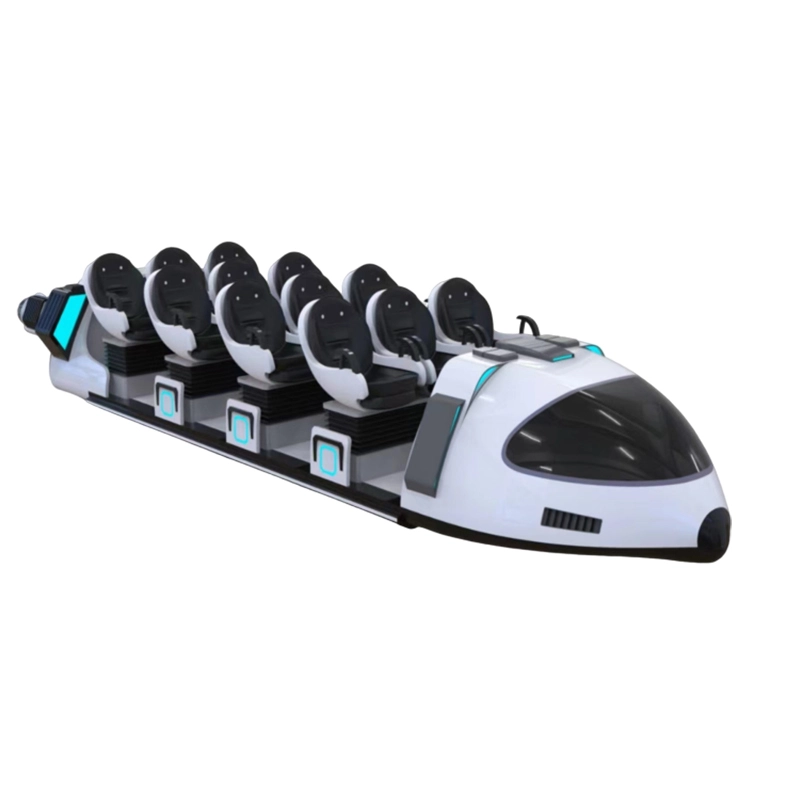
Marwey Interstellar 12 Seat VR Arcade Simulator One Stop Wholesale Virtual Reality Experience Machine
Marwey Interstellar 12 Seat VR Arcade Simulator One Stop Wholesale Virtual Reality Experience Machine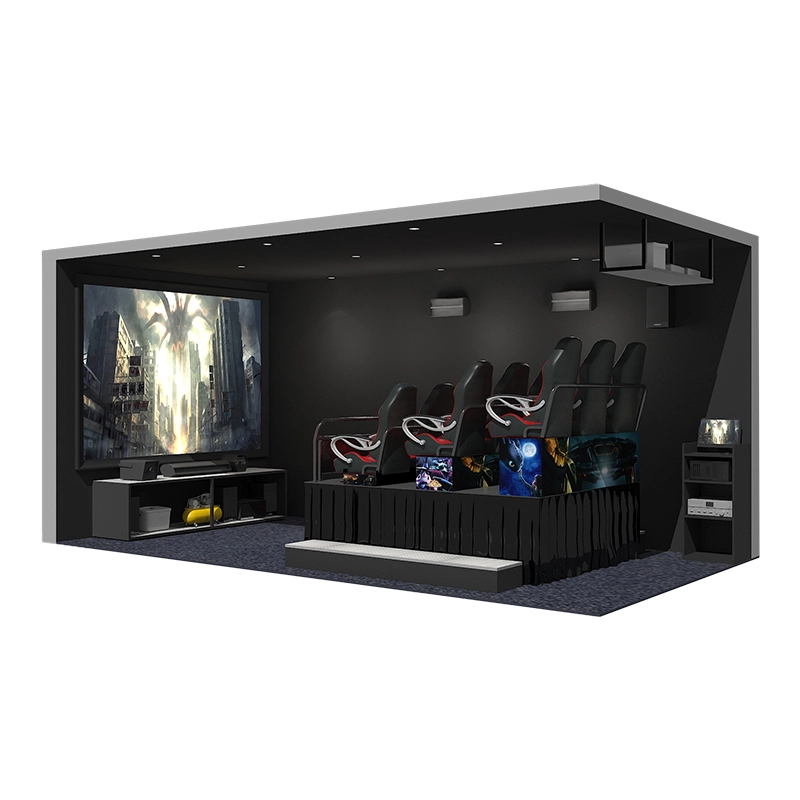
Marwey 5D VR Cinema Simulator Multiple Players Dynamic Virtual Reality Game Equipment Commercial Arcade Machine
Marwey 5D VR Cinema Simulator Multiple Players Dynamic Virtual Reality Game Equipment Commercial Arcade Machine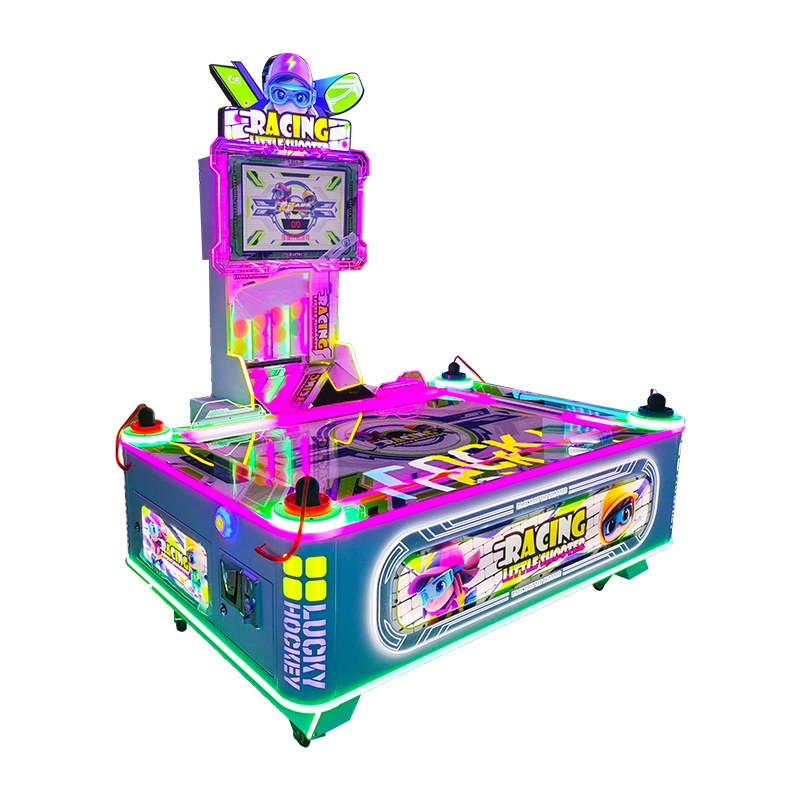
Marwey Commercial 4 Players Coin Operated Arcade Multiple Balls Air Hockey Game Table Redemption Ticket Machine
Marwey Commercial 4 Players Coin Operated Arcade Multiple Balls Air Hockey Game Table Redemption Ticket Machine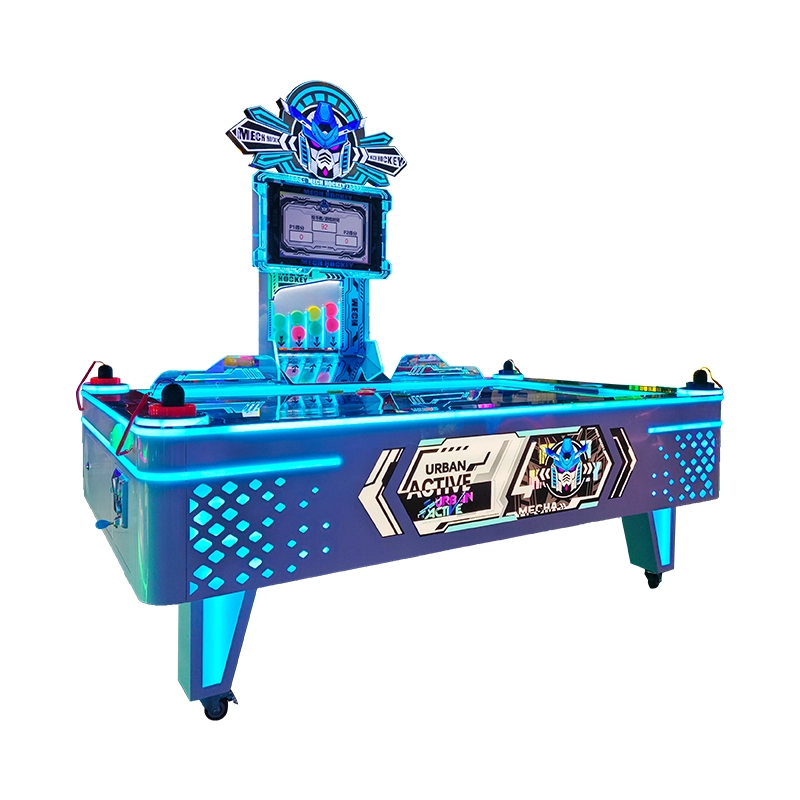
Marwey Wholesale Coin Operated 4 Players Multiple Balls Mecha Air Hockey Table Ticket Redemption Machine
Marwey Wholesale Coin Operated 4 Players Multiple Balls Mecha Air Hockey Table Ticket Redemption MachineWant to know more industry information?
If you have any comments or good suggestions, please leave us a message; later our professional staff will contact you as soon as possible.
◼ Contact MARWEY
WhatsApp: +86 189 2218 4260
Floor 2, Building E, Hengran Creative Park, Shixin Road, Panyu District, Guangzhou, Guangdong, China.
© 2025 MARWEY. All Rights Reserved.

MARWEY
MARWEY
MARWEY
MARWEY
MARWEY
MARWEY