

- The Critical Role of Safety Compliance in Trampoline Park Viability
- Operational Costs and Capital Investment: Balancing Quality with Efficiency
- Maximizing Revenue Streams and Customer Retention
- Investment Horizon and Market Growth Opportunities
- Conclusion: Is a Trampoline Park a Good Business for Investors?
- Frequently Asked Questions (FAQ)
A trampoline park can indeed be a lucrative and sustainable business for investors. Several factors contribute to its appeal, including robust safety standards, diversified revenue streams, manageable operational costs, and attractive return on investment timelines. As an industry expert with years of involvement in commercial leisure developments, I will analyze why is a trampoline park a good business while integrating insights from the International Association of Trampoline Parks (IATP), MARWEY’s compliance and equipment expertise, and practical case studies.
Through this article, you will gain a holistic understanding of what makes trampoline parks commercially viable, including safety compliance impacts, cost structures, income maximization strategies, and investment return scenarios backed by authoritative data.
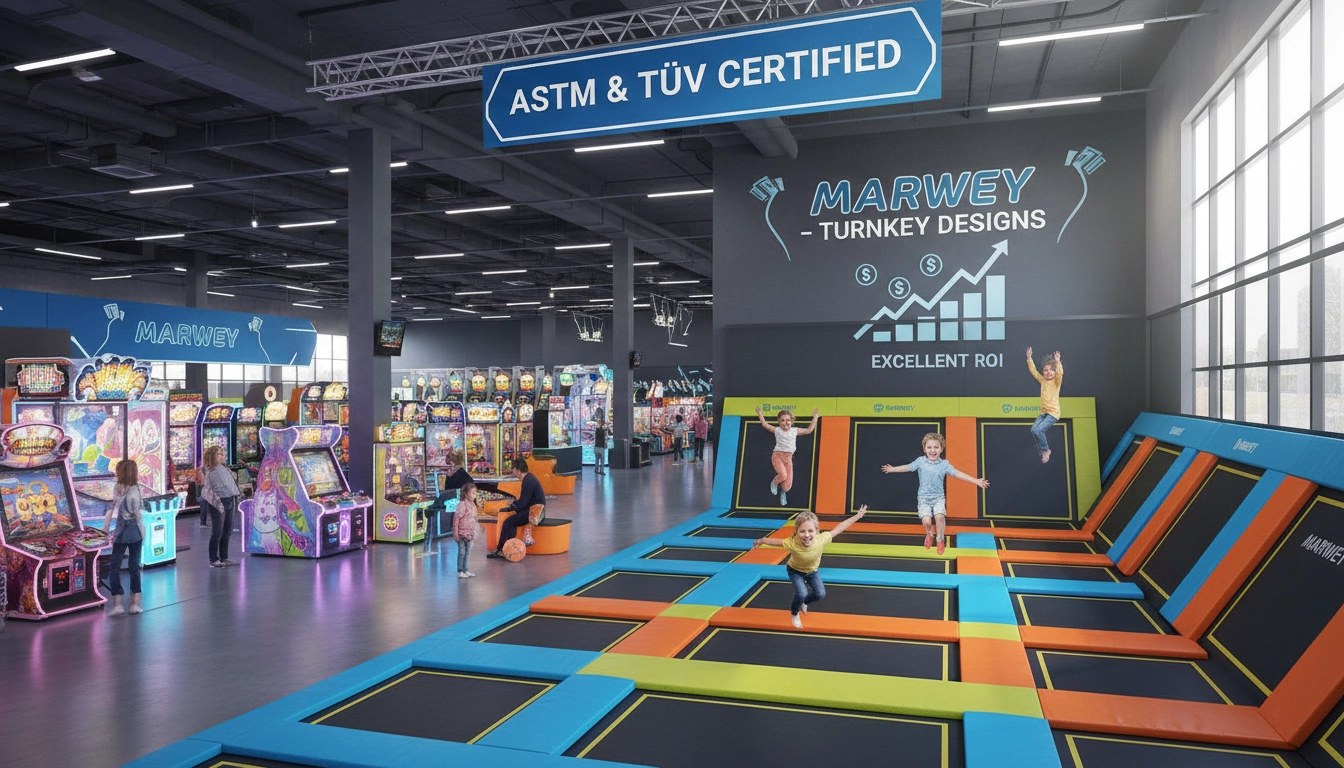
The Critical Role of Safety Compliance in Trampoline Park Viability
Investors often question the safety and liability risks when considering trampoline park ventures. However, strict adherence to ASTM F2970-20 safety standards has shown statistically significant results in lowering injury rates and insurance costs. According to the International Association of Trampoline Parks (IATP), parks that fully comply with these standards see liability insurance premiums reduced by an average of 10% to 30%. For instance, one facility reduced their annual insurance expenses from $42,000 to $29,000 after implementing rigorous equipment audits and safety upgrades.
While trampoline parks' popularity has led to more injury reports, aggregate data confirms that the injury rates are lower than many common sports such as baseball and soccer. This is largely due to professionally maintained commercial-grade equipment and carefully supervised environments, which MARWEY ensures through its certification compliance and material quality controls.

In my experience overseeing multiple trampoline park projects, compliance with these industry safety standards is non-negotiable. Parks neglecting certification often suffer from higher maintenance downtime, more frequent minor injuries, and escalated insurance costs, which can erode profitability quickly.
Operational Costs and Capital Investment: Balancing Quality with Efficiency
Launching a commercial trampoline park typically demands an initial capital expenditure ranging between $300,000 and $500,000, primarily for equipment and site preparation. Choosing high-durability commercial-grade components – such as those certified by ASTM and TÜV – might increase upfront costs but substantially lowers long-term maintenance expenses.
- Annual maintenance accounts for about 5%-7% of initial equipment investment, amounting to $20,000 to $50,000 depending on scale.
- Use of non-certified or inferior materials can increase these costs by 10%-15%, impacting operational uptime and revenue potential.
- In one MARWEY-supported facility upgrade, enhanced material specifications saved nearly $15,000 annually in repairs alone.
These insights highlight the importance of quality equipment selection to optimize operational expenditure sustainably. Investors often underestimate the hidden costs of cheaper installations that degrade faster and impair customer experience.
Maximizing Revenue Streams and Customer Retention
The revenue model of trampoline parks is notably diverse. Core income sources include single-visit admissions, birthday party bookings, group events, memberships, and ancillary services such as food and retail. According to multi-source data from Infinity Market Research and MARWEY operational cases:
- Party and group bookings constitute approximately 40% of total revenue, with an annual growth rate of 2.1%.
- Membership programs enhance customer loyalty, with members visiting 261.5% more frequently than non-members.
- Online ticket sales typically accompany higher group sizes (average 3.4 people) compared to walk-in customers (2.1 people), boosting per-transaction value.
- Additional service lines like corporate team-building and trampoline fitness classes can form up to 20% of revenue, diversifying income and attracting new audiences.
From my first-hand observations managing trampoline park rollouts, focusing marketing efforts on birthday parties and membership retention leads to higher customer lifetime value. One example from a mid-sized facility reported a 7% increase in return visits year-over-year thanks to enhanced event packages and loyalty programs.

Investment Horizon and Market Growth Opportunities
From an investment perspective, the typical payback period for a mid-sized trampoline park (20,000 to 30,000 sq ft) located in a suburban region is between 18 months and 3 years. This period depends largely on factors such as market location, operational efficiency, compliance with safety standards, and the initial capital deployed.
| Factor | Impact | Data/Example |
|---|---|---|
| Location | Higher foot traffic reduces payback period. | Urban parks recoup in ~18 months vs. rural ~3 years. |
| Operational Efficiency | Effective management cuts costs and enhances revenue. | Optimized staffing improved net profits by 15% in a case study. |
| Investment Scale & Equipment Quality | High-quality investments reduce unexpected expenses. | Premium ASTM-certified equipment responsible for 20% lower repair costs. |
Globally, the trampoline park market is forecasted to grow at a CAGR of 13.9% between 2024 and 2033, reaching approximately $3.49 billion by 2033. North America alone holds over 41.9% of the market share, while Europe’s family leisure expenditure steadily rises, especially in Germany, France, and the UK. Typically, profitable trampoline parks achieve net margins of 20% to 30%.
Based on my direct involvement in several projects from initial design to operational launch, choosing a trusted turnkey partner like MARWEY—renowned for its 15 years of global experience and compliance with ASTM/TÜV certifications—can significantly accelerate time-to-market and optimize financial outcomes.
Conclusion: Is a Trampoline Park a Good Business for Investors?
Absolutely. Investing in a trampoline park offers a compelling combination of safety, operational control, diversified revenue, and promising ROI. Compliance with stringent safety standards reduces financial risk and fosters a trustworthy customer reputation. Operational costs are manageable when high-quality equipment is prioritized. Multipronged revenue models maximize income potential while market forecasts signal sustained demand growth.
From my professional perspective, partnering with industry leaders like MARWEY—offering end-to-end turnkey solutions and certified equipment—strengthens both the business foundation and scalability prospects.
If you are considering entering the trampoline park sector, leveraging proven safety frameworks, investing in durable equipment, and implementing strategic marketing focused on membership and events will position your business for strong profitability and long-term success.
Frequently Asked Questions (FAQ)
Q1: What safety standards should trampoline parks follow?
ASTM F2970-20 is the primary safety standard for trampoline parks, covering equipment specifications and operational safety protocols.
Q2: What is the typical investment cost for a trampoline park?
Initial investment typically ranges from $300,000 to $500,000, depending on size and equipment quality.
Q3: How long does it take to recoup investment in a trampoline park?
Most parks achieve payback within 18 months to 3 years.
Q4: What are the main revenue streams for trampoline parks?
Revenue comes from admissions, birthday parties, group events, memberships, and ancillary services like food and merchandise.
Q5: How much can safety compliance reduce insurance premiums?
Compliance can lower liability insurance costs by 10% to 30%.
Q6: What maintenance costs should an operator expect?
Annual maintenance usually costs 5%-7% of initial equipment investment.
Q7: How does membership affect trampoline park income?
Members visit about 2.6 times more frequently than non-members, enhancing revenue stability.
Q8: Are trampoline park injuries common compared to other sports?
Injury rates in trampoline parks are lower than common sports like baseball or soccer when operated safely.
Q9: Can trampoline parks offer corporate event services?
Yes, team-building and training events can contribute up to 20% of total revenue.
Q10: How important is equipment certification for park success?
Certified, high-quality equipment ensures safety, reduces maintenance costs, and improves customer satisfaction.
Source References: International Association of Trampoline Parks (IATP); MARWEY; Infinity Market Research; ASTM Safety Standards Reports.
Related Articles
Exploring Two Bit Circus Innovations in Entertainment
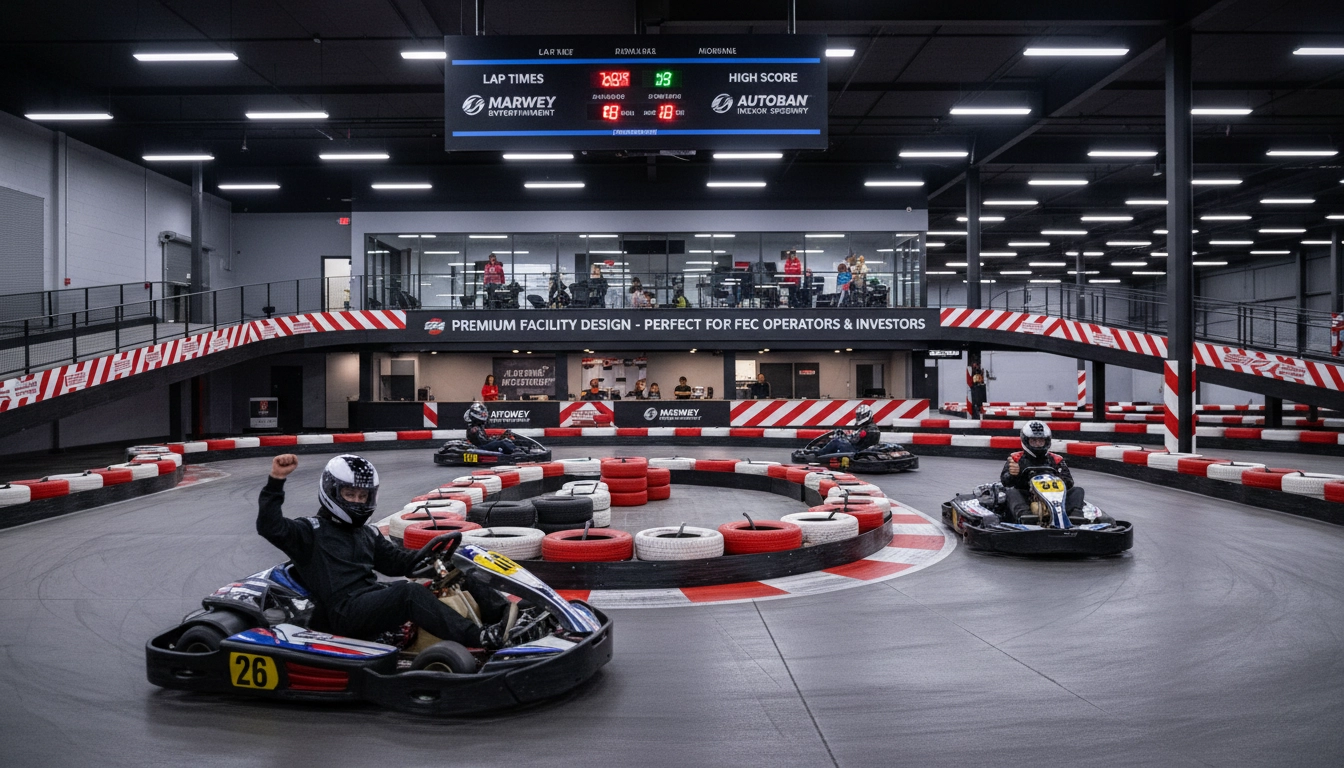
Why Autobahn Indoor Speedway Is a Top Attraction for Go-Kart Fans
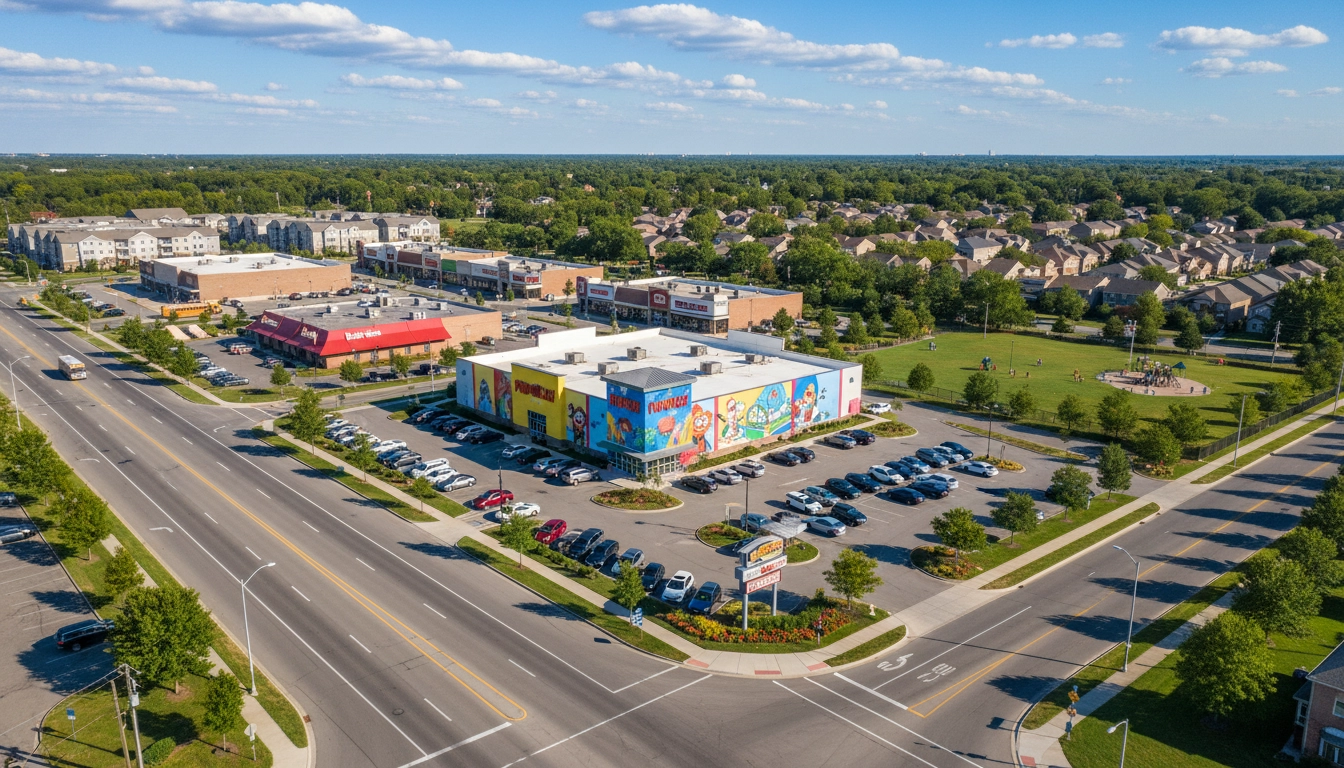
Choosing the Perfect Location for a Family Entertainment Center Business
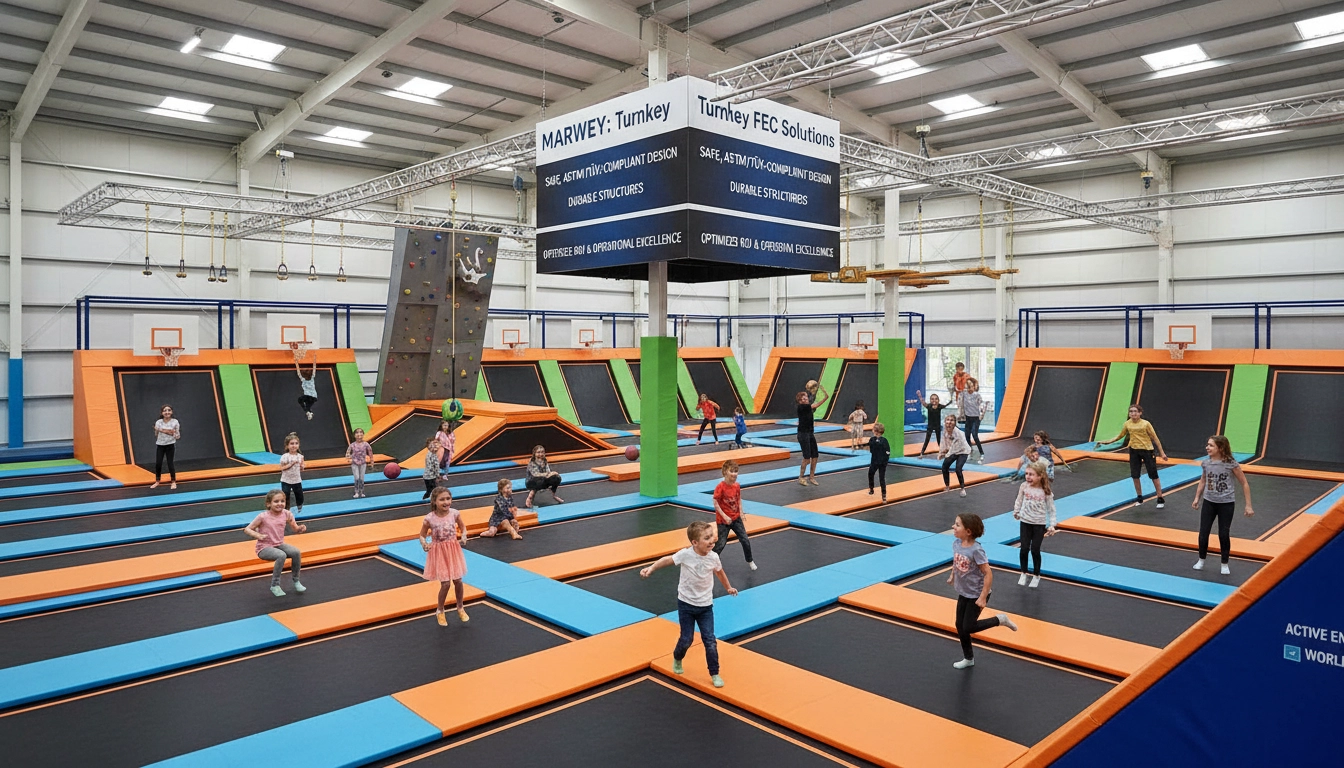
Why DEFY (Umbrella Brand) Leads the Way in Active Entertainment
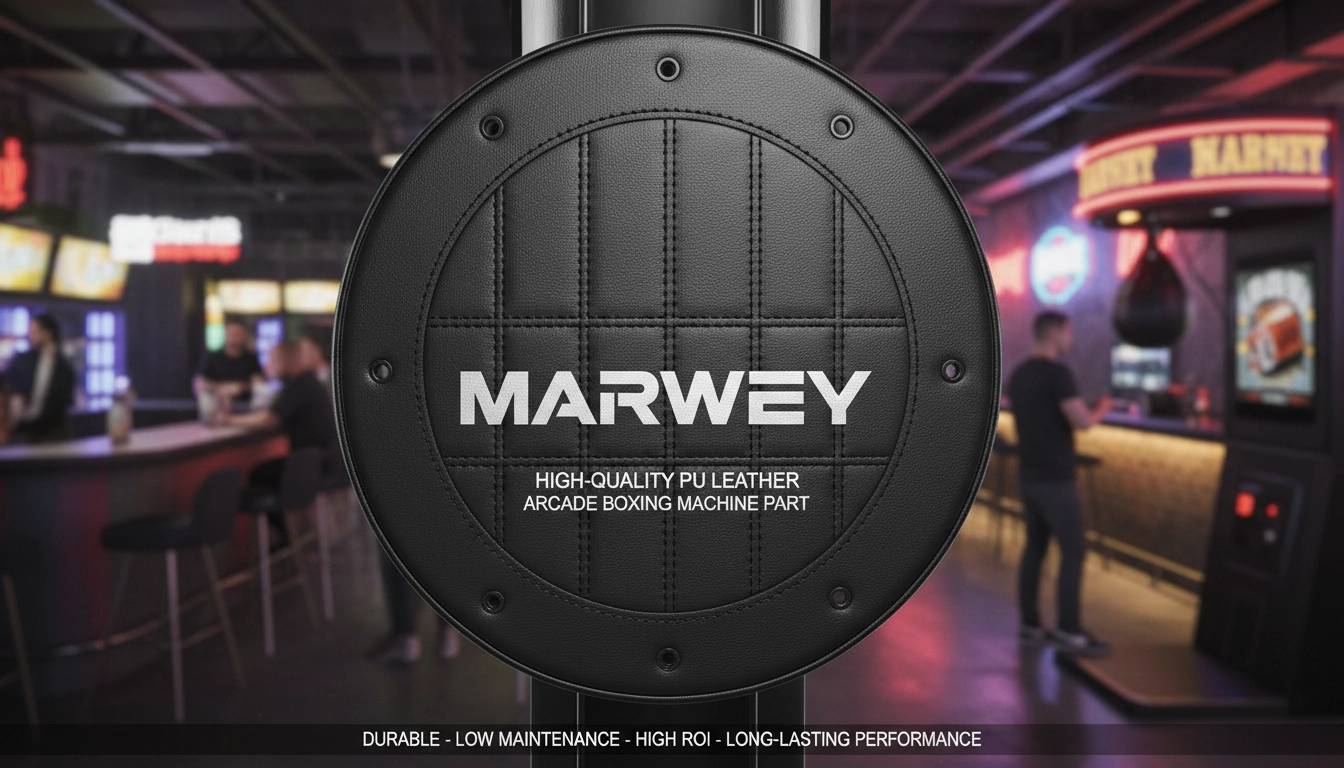
Sourcing High-Quality PU Leather for Punching Machine Pad Replacement
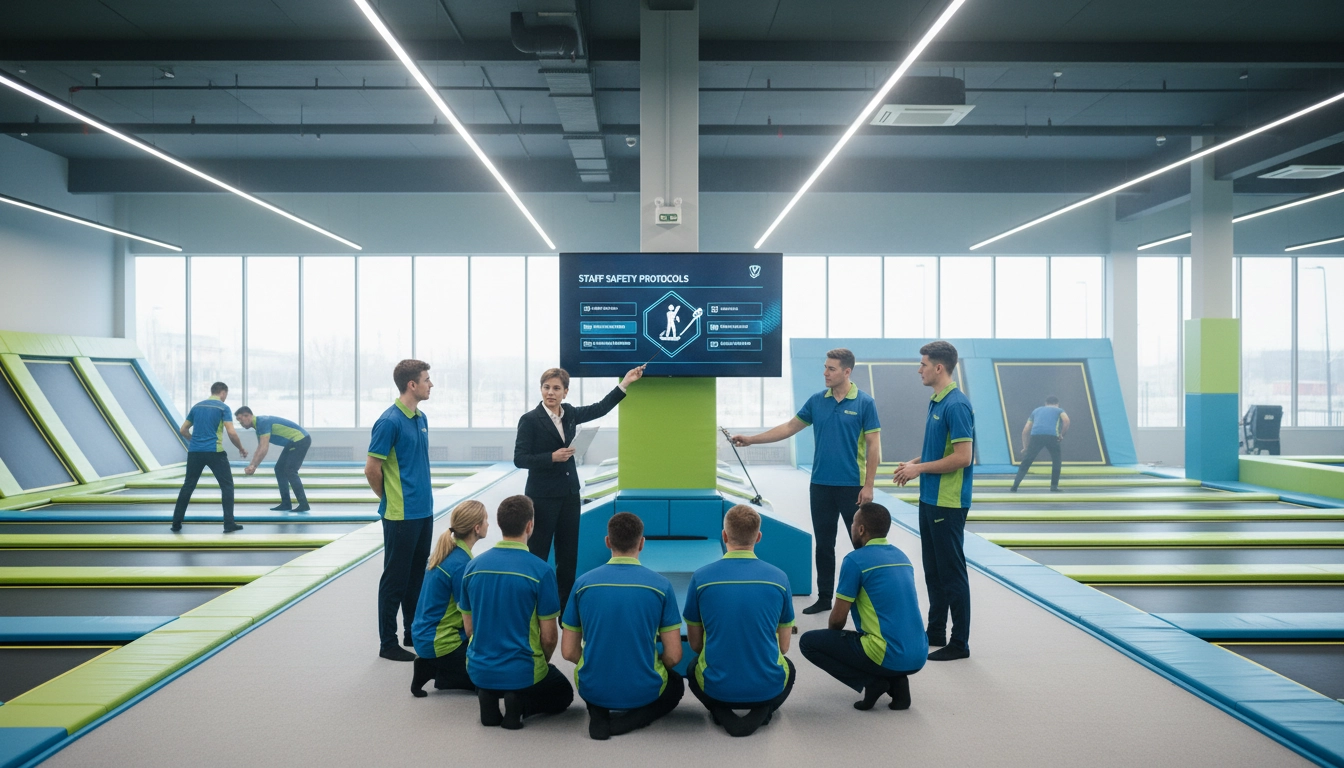
Effective Risk Management to Lower Your Trampoline Park Insurance Premiums
Mini Claw Machine
How to fix a mini claw machine?
Many common issues with mini claw machines can be fixed with some basic troubleshooting. Always unplug the machine before attempting any repairs.
-
Machine Won't Turn On: Check that the power cord is securely plugged into both the machine and the wall outlet. Verify the outlet is working by testing it with another device.
-
Claw is Not Moving or is Stuck: The most common cause is a jammed prize. Carefully open the front glass or door and remove any prizes blocking the claw's path. Also, check for any obvious obstructions in the gears or rails.
-
Claw is Weak and Won't Grab: The grip strength may need adjustment. Many machines have a screw or a setting in the internal menu to adjust the claw's power. Consult your user manual for specific instructions. The claw pads might also be worn out and need replacement.
-
Buttons or Joystick Not Working: This could be due to a loose internal connection. If you are comfortable, you can open the control panel to check for disconnected wires. Otherwise, contact the supplier for technical support or professional repair.
For complex electrical issues, it's always best to consult the manufacturer or a qualified technician.
How to win a mini claw machine?
Winning at a mini claw machine is a combination of strategy and skill. Here are some effective tips:
-
Observe First: Watch others play to gauge the claw's strength and how it releases prizes.
-
Choose Easy Targets: Aim for prizes that are loose, not tangled, and located close to the chute. The best targets are often light, small items that are easy to grip.
-
Master the Controls: Use smooth, deliberate movements with the joystick. Avoid jerky motions.
-
Position the Claw Perfectly: Center the claw directly over your target before dropping. The goal is to get the claws around the prize evenly for a better grip.
-
Aim for Specific Parts: Instead of trying to grab a large prize in the center, target a specific, grippable part, like a limb on a stuffed animal or the edge of a box.
-
Understand the Mechanics: Remember that most machines are set to have a "strong" grip only occasionally. Your goal is to set up the perfect grab for when that strong grip cycle occurs.
Products & Equipment
What is the typical lifespan of MARWEY arcade machines?
With proper maintenance, MARWEY arcade machines are designed to operate reliably for 8-12 years in commercial environments. Our robust construction and high-quality components ensure minimal downtime and consistent performance. We also provide comprehensive maintenance programs to extend equipment lifespan and optimize revenue generation.
Family Entertainment Center
How often should FEC equipment be inspected and maintained?
Daily pre-opening visual inspections by staff are mandatory for safety. Beyond that, a detailed, scheduled preventative maintenance program should be executed monthly or quarterly by certified technicians. This ensures the longevity of key assets, like those supplied by MARWEY, and minimizes liability exposure.
Photo Booth Machine
How critical is the Food & Beverage (F&B) component?
The F&B section is highly critical. It serves two main functions: it is a high-margin revenue stream in its own right, and it dramatically influences dwell time. When guests have appealing dining options, they stay longer, play more games, and are more likely to book future events.

Marwey Wholesale Cheap Luxury Ticket Redemption Arcade Machine - Shopping Mall Arcade Game Machine for Sale
Marwey Wholesale Cheap Luxury Ticket Redemption Arcade Machine - Shopping Mall Arcade Game Machine for Sale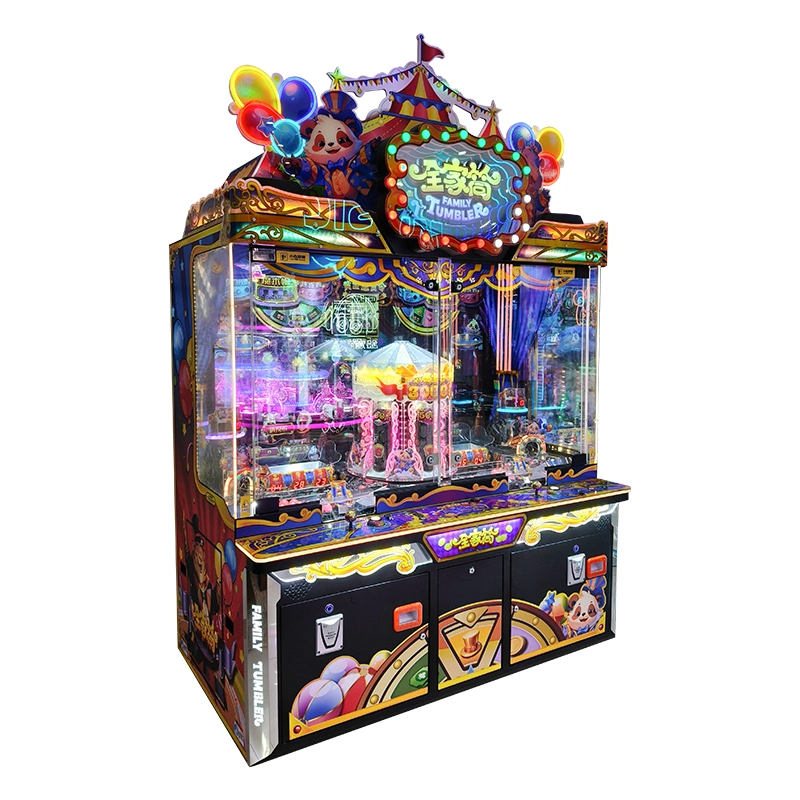
Marwey New Arrival High Quality Coin Operated Coin Pusher Customizable Prize Redemption Arcade Equipment
Marwey New Arrival High Quality Coin Operated Coin Pusher Customizable Prize Redemption Arcade Equipment
Marwey Hot Sale High Quality Indoor Coin Pusher Coin Operated Prize Redemption Arcade Game Machine
Marwey Hot Sale High Quality Indoor Coin Pusher Coin Operated Prize Redemption Arcade Game Machine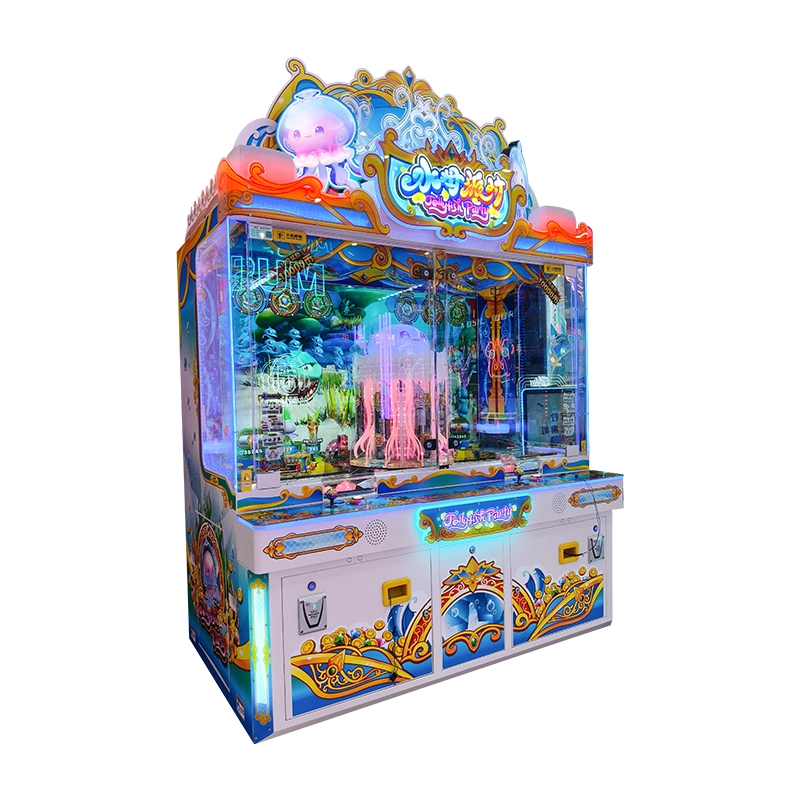
Marwey High Quality Luxury Customizable Coin Pusher Indoor Shopping Mall Arcade Ticket Redemption Game Machine
Marwey High Quality Luxury Customizable Coin Pusher Indoor Shopping Mall Arcade Ticket Redemption Game Machine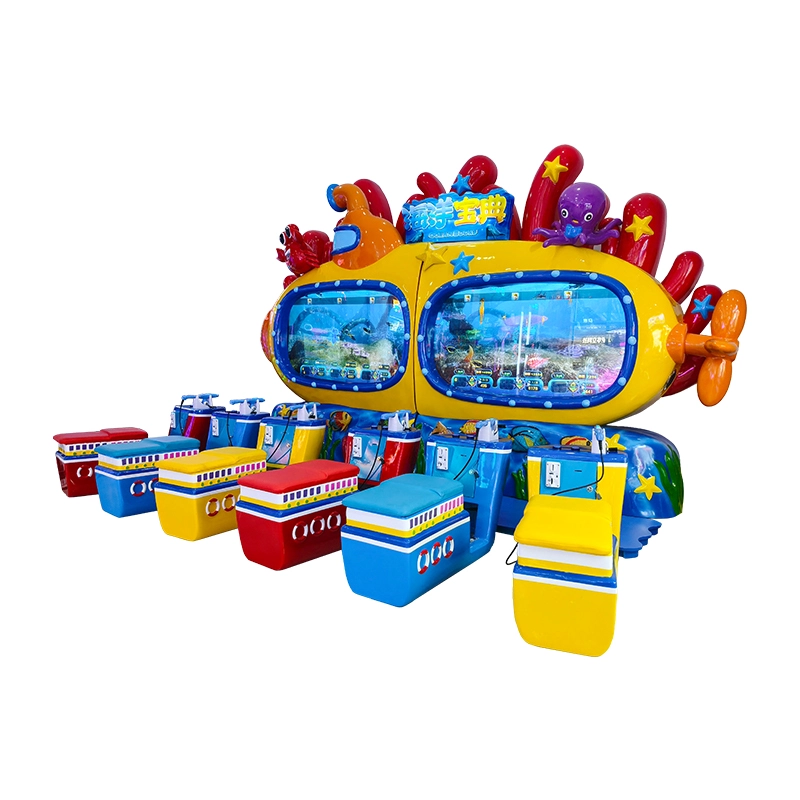
Marwey Hot Sale Indoor 6 Players Fishing Simulator Children's Coin Operated Arcade Redemption Equipment
Marwey Hot Sale Indoor 6 Players Fishing Simulator Children's Coin Operated Arcade Redemption Equipment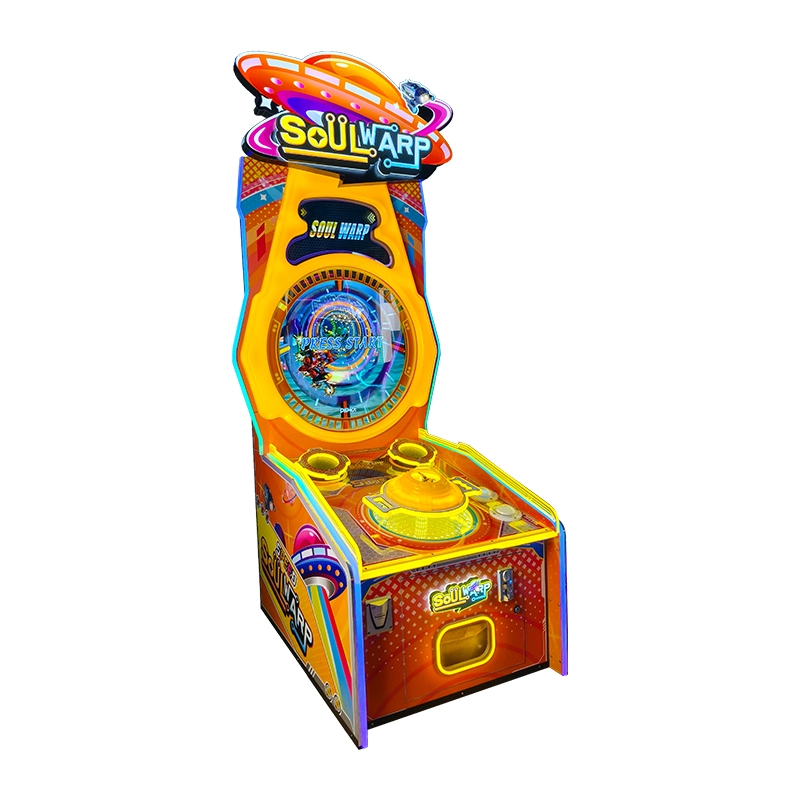
Marwey Coin Operated Parkour Lottery Ticket Redemption Machine Amusement Center Video Game Machines for Sale
Marwey Coin Operated Parkour Lottery Ticket Redemption Machine Amusement Center Video Game Machines for Sale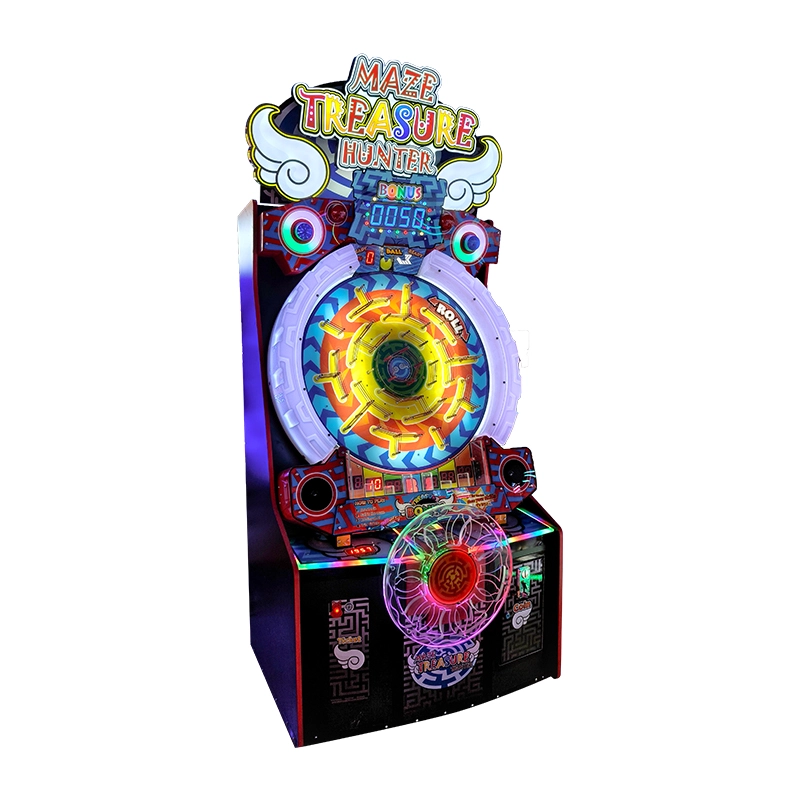
Marwey Amusement Center Maze Adventure Game Coin Operated Lottery Ticket Redemption Arcade Machine
Marwey Amusement Center Maze Adventure Game Coin Operated Lottery Ticket Redemption Arcade Machine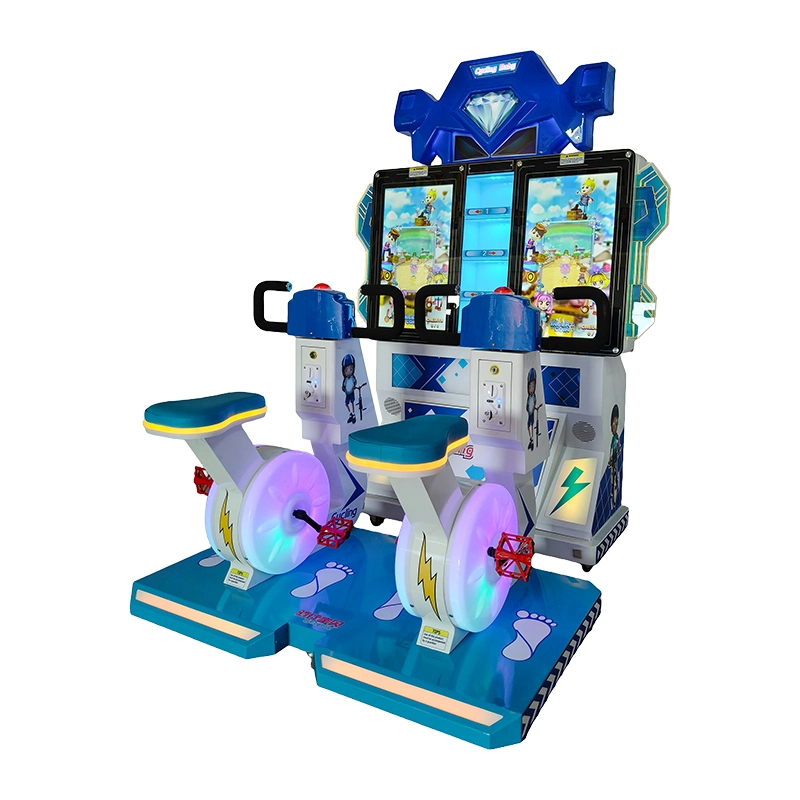
Marwey Commercial Coin Operated Sports Arcade Machine Supplier Indoor 2 Players Bike Racing Simulator
Marwey Commercial Coin Operated Sports Arcade Machine Supplier Indoor 2 Players Bike Racing SimulatorWant to know more industry information?
If you have any comments or good suggestions, please leave us a message; later our professional staff will contact you as soon as possible.
◼ Contact MARWEY
WhatsApp: +86 189 2218 4260
Floor 2, Building E, Hengran Creative Park, Shixin Road, Panyu District, Guangzhou, Guangdong, China.
© 2025 MARWEY. All Rights Reserved.






















































































MARWEY
MARWEY
MARWEY
MARWEY
MARWEY
MARWEY