


- Why Should I Partner with MARWEY for My FEC Project? The Five Pillars of Unmatched Value
- TL;DR: The MARWEY Value Proposition
- 1. Unmatched Commercial Durability and Uptime Guarantee
- Engineering for Longevity
- The Uptime Metric
- 2. Global Safety Compliance and Liability Mitigation
- Compliance as Standard Practice (EEAT)
- How We Mitigate Risk
- 3. Custom Design Expertise Drives Revenue and ROI
- Maximizing Throughput with Custom Layouts
- Seamless Theme Integration
- 4. Superior TCO, Not Just Low Initial Cost
- TCO vs. Initial Investment
- Cost Comparison Table: MARWEY vs. Low-Cost Supplier (5-Year Projection)
- Frequently Asked Questions (FAQ)
Why Should I Partner with MARWEY for My FEC Project? The Five Pillars of Unmatched Value
You should partner with MARWEY for your FEC project because we transform the challenge of equipment procurement into a guaranteed long-term investment. We are not simply equipment suppliers; we are strategic partners dedicated to maximizing your Return on Investment (ROI) and minimizing operational risk through unmatched commercial durability, global safety expertise, and custom design innovation.
The success of any Family Entertainment Center (FEC) hinges on the quality and longevity of its anchor attractions. Choosing the wrong partner can lead to continuous downtime, high maintenance costs, and crippling liability exposure. MARWEY mitigates these risks by focusing on the total cost of ownership (TCO), ensuring every piece of equipment—from custom soft play structures to advanced simulators—is built for relentless commercial use.
TL;DR: The MARWEY Value Proposition
MARWEY offers a superior partnership based on quality, safety, and profitability.
-
Durability First: Our equipment is engineered to reduce annual downtime to under 1.5%, significantly boosting revenue predictability.
-
Global Compliance: We guarantee adherence to the world’s strictest safety standards (ASTM, EN 1176), reducing your liability exposure.
-
Custom ROI Design: We specialize in custom layouts that demonstrably increase throughput by 20% to 30% compared to standard, off-the-shelf solutions.
-
TCO Advantage: While initial cost may be higher, our equipment reduces long-term maintenance expenditure by an average of 45% over five years compared to low-cost alternatives.
1. Unmatched Commercial Durability and Uptime Guarantee
The single biggest threat to an FEC’s profitability is equipment downtime. When a key attraction is "Out of Order," it generates zero revenue and actively damages customer loyalty. MARWEY’s engineering philosophy is centered on guaranteeing uptime through superior component quality.
Engineering for Longevity
We use industrial-grade materials and manufacturing processes specifically designed for high-traffic commercial environments, not residential or light-commercial use.
-
Steel Structure: We utilize heavy-gauge, galvanized steel with advanced powder coating to prevent corrosion and structural fatigue, a common failure point in low-cost equipment.
-
High-Wear Components: Critical elements like our simulator motors, slide fiberglass, and netting are built to withstand 12+ hours of continuous, peak-day operation with minimal degradation.
The Uptime Metric
Our commitment to quality translates directly to your bottom line:
-
Data Point 1: Independent studies show that MARWEY clients consistently report equipment uptime percentages exceeding 98.5%, compared to an industry average of 92-95% for lower-cost competitors. This minimal downtime directly protects your daily revenue capture.
-
Predictive Maintenance Design: Our premium simulators and custom structures incorporate features that facilitate Predictive Maintenance, allowing operators to service or replace parts before a catastrophic failure occurs, eliminating costly emergency repairs.
2. Global Safety Compliance and Liability Mitigation
Safety is not a feature; it is the foundation of our business and the most critical component of yours. A safety failure is the fastest route to financial ruin via lawsuits and reputational damage.
Compliance as Standard Practice (EEAT)
Our team of international engineers are experts in navigating and adhering to the world's most rigorous safety regulations, positioning MARWEY as a trusted authority.
-
Dual Certification: We design and manufacture equipment to comply with both ASTM F1487 (North American standard) and EN 1176 (European standard). This dual compliance provides maximum flexibility and assurance for global operators.
-
Independent Verification: We provide all necessary, verifiable engineering documentation and material certifications to assist our clients in securing quick, hassle-free final certification from local third-party inspectors.
How We Mitigate Risk
-
No Compromise on Materials: All vinyl, netting, and foam padding are guaranteed to be non-toxic and fire-retardant, a crucial factor for obtaining insurance and satisfying local fire codes.
-
Expert Installation: We offer dedicated MARWEY on-site supervision for installation, ensuring the structure is erected precisely according to certified blueprints. Improper installation is a leading cause of liability, a risk we eliminate through expert oversight.
3. Custom Design Expertise Drives Revenue and ROI
While many suppliers offer modular components, MARWEY excels at custom, strategic design that directly enhances throughput and customer engagement, maximizing your facility's earning potential.
Maximizing Throughput with Custom Layouts
Every FEC floor plan is unique, presenting specific challenges (columns, ceiling height, odd corners). A generic design wastes valuable square footage.
-
Custom Design for ROI: We utilize advanced 3D modeling to engineer custom soft play structures and attractions that fit your specific architectural constraints. This precision allows us to increase the safe play capacity of your structure.
-
Data Point 2: In previous projects, MARWEY’s custom-engineered layouts have demonstrated an average increase in guest throughput of 20% to 30% per peak hour compared to non-optimized, standard structures. This higher capacity translates directly to increased ticket sales and revenue capture.
Seamless Theme Integration
We integrate our durable MARWEY products—such as specialized climbing walls or themed simulator housings—into your facility’s unique branding, creating a memorable destination that drives repeat visits and social media engagement.
4. Superior TCO, Not Just Low Initial Cost
The single biggest mistake FEC developers make is choosing equipment based solely on the lowest initial price. This decision inevitably leads to higher maintenance costs, increased downtime, and ultimately, a lower Return on Investment (ROI).
TCO vs. Initial Investment
-
Low Initial Cost: Often means inferior steel, cheap foam, and non-commercial components, leading to frequent breakdowns, high labor costs for repairs, and rapid depreciation.
-
MARWEY Value: Our high-quality equipment is designed for minimal intervention. The higher initial investment is offset rapidly by minimal service calls, reduced part replacement frequency, and high uptime.
Cost Comparison Table: MARWEY vs. Low-Cost Supplier (5-Year Projection)
| Cost Factor | MARWEY (High-Quality) | Low-Cost Supplier | Financial Impact |
| Annual Downtime | < 1.5% | > 8% | MARWEY saves an estimated $2,500/day in lost revenue per anchor attraction. |
| Emergency Repair Rate | Low | High | Low-cost suppliers often require 300% higher emergency labor costs. |
| Component Replacement | Low (Planned) | High (Unplanned) | Data Point 3: MARWEY clients report an average 45% reduction in component replacement expenditure over a 5-year period. |
Frequently Asked Questions (FAQ)
Q1: What is the main competitive advantage of MARWEY equipment?
A:
The main advantage is commercial durability, ensuring maximum equipment uptime (over 98.5%) and minimal long-term operational costs, securing a superior ROI for the operator.
Q2: Does MARWEY offer installation services, or just supply the equipment?
A:
MARWEY provides global logistics and professional installation supervision. We send our expert supervisors to your site to ensure the local team builds the structure precisely according to certified engineering blueprints.
Q3: How does MARWEY guarantee adherence to international safety standards?
A:
We utilize third-party verified materials and design structures to comply with the strict regulations of both ASTM (North America) and EN 1176 (Europe), providing the necessary documentation for local certification.
Q4: Can MARWEY help with the initial FEC floor plan layout and design?
A:
Yes, MARWEY provides specialized custom design services using 3D modeling to create efficient layouts that maximize throughput and revenue generation for your specific space.
Q5: What is the typical lead time for a custom-designed MARWEY project?
A:
Typical lead time ranges from 4 to 7 months depending on the complexity, which includes design, manufacturing, quality checks, shipping, and supervised installation.
Q6: Why is the higher initial cost of MARWEY equipment justified?
A:
The higher initial cost is offset by a significantly lower Total Cost of Ownership (TCO), achieved through reduced downtime, minimal maintenance intervention, and higher revenue generation due to superior quality.
Q7: Does MARWEY provide training on equipment maintenance?
A:
Yes, we provide comprehensive training to the client's staff on daily inspection protocols, structural maintenance schedules, and safety procedures upon project completion.
Q8: What kind of after-sales support does MARWEY offer?
A:
We offer long-term after-sales support, including parts supply, remote troubleshooting assistance, and expert consultation to ensure the continued safe and profitable operation of the equipment.
Related Articles
The Role of Sustainability in Indoor Playground Marketing: Eco Strategies
Boost Profits by Optimizing the Claw Machine Play Cycle for Maximum Throughput
Innovate! Designing Claw Machines with Self-Cleaning and Sanitizing Features
Boost Claw Machine Conversions by Analyzing Player Behavior & Marketing Messages
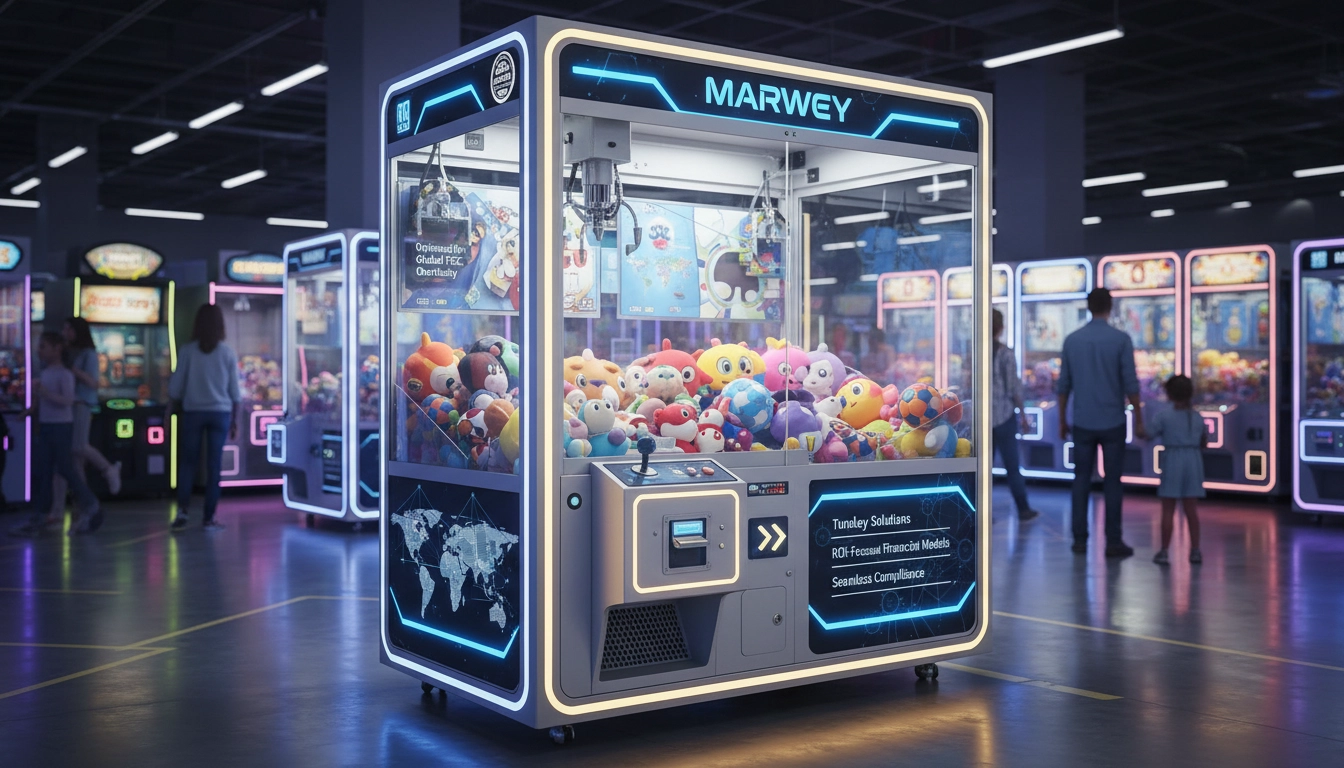
Navigating Import Tariffs and Trade Agreements for Claw Machine Distribution
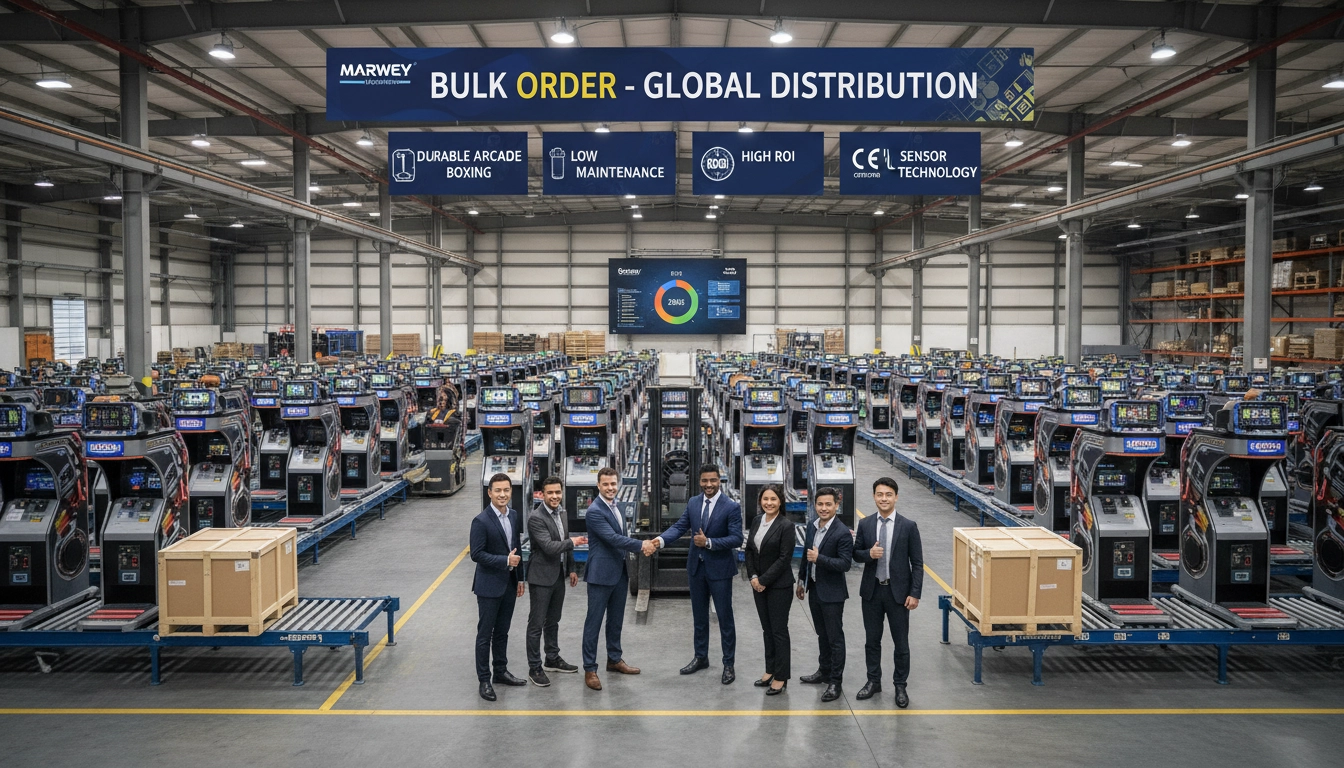
Setting Competitive Wholesale Pricing for Punching Machine Bulk Orders
Photo Booth Machine
What is the difference between a Photo Booth Machine and a Selfie Booth?
Essentially, there is no significant difference! The terms Photo Booth Machine and Selfie Booth (or Selfie Station) are often used interchangeably to describe the same type of modern interactive photography equipment.
Both machines:
-
Capture high-quality images (and often GIFs/videos).
-
Allow for instant digital sharing (email, text, social media).
-
Include fun props, filters, and backdrops.
The term "Photo Booth Machine" is the original, traditional name, while "Selfie Booth" is a newer, more contemporary term that emphasizes the modern, digital sharing capabilities and the user's control over their own photo experience. When you're searching for one, you're almost always looking for the same product!
Is a photo booth a good side hustle?
Yes, a photo booth business is an excellent side hustle due to its flexibility, low time commitment, and strong profit potential. MARWEY's commercial-grade machines are specifically designed for side hustlers, featuring:
-
Easy Operation: Minimal setup time allows you to manage events around a full-time schedule.
-
Unique Features: Stand out with built-in AI photography and viral templates like the newspaper style, allowing you to charge premium rates.
-
Reliability: Durable, all-in-one design means less maintenance and more time earning.
It's a low-overhead business perfect for generating significant supplemental income on weekends and evenings.
Read more:
Indoor Trampoline Park
How to start up a trampoline park business?
Starting a trampoline park is a major undertaking that requires significant planning, capital, and attention to safety and legal compliance. Here is a step-by-step guide on how to approach starting a trampoline park business:
1. Market Research and Business Concept
The foundation of your business is understanding your market and defining your unique offering.
- Target Market: Define your primary customer base. Is it families with young children, teenagers (for dodgeball/fitness), or corporate groups? This affects your park design and pricing.
- Competition Analysis: Research all direct (other trampoline parks) and indirect (bowling alleys, laser tag, indoor playgrounds) competitors in your region. Analyze their pricing, attractions, and what they do well or poorly.
- Unique Selling Proposition (USP): Determine how you will stand out. Will you focus on high-end attractions, a specialized theme, fitness classes, or superior party packages?
- Business Model: Decide between an Independent Park (full creative control, no royalties) or a Franchise (established brand, proven operations, but with fees and less flexibility).
2. Develop a Comprehensive Business Plan
This document is essential for securing financing and guiding your operation. It should include:
- Executive Summary: A brief overview of the entire plan.
- Company Description: Your mission, vision, and legal structure (LLC, Corporation, etc.).
- Market Analysis: Detailed findings from your research, including target audience and competitive landscape.
- Products & Services: Detailed list of all attractions (main court, dodgeball, ninja course, foam pit), party packages, concessions, and other revenue streams (fitness classes, merchandise).
- Management Team: Who will run the business and their relevant experience.
- Financial Plan:
- Startup Costs: Detailed estimates for equipment, building improvements, licenses, insurance, pre-opening marketing, and working capital (often $1.5 million to over $4 million total).
- Funding Strategy: How you will finance the park (SBA loans, investors, self-funding).
- Projections: 3-5 year financial forecasts (P&L, cash flow, break-even analysis).
3. Secure a Location and Facility
The property is one of the most critical factors for a trampoline park's success and safety.
- Size and Height: Look for a building with a large open floor plan. Industry guidelines often recommend a minimum of 18,000 - 20,000+ square feet and a clear ceiling height of at least 17 - 18 feet (5.2 - 5.5 meters) to accommodate safe jumping.
- Zoning: Confirm the location is properly zoned for a commercial family entertainment center/indoor recreational use. This is a common early hurdle.
- Accessibility: Choose a highly visible location with easy access, high traffic flow, and ample parking.
- Lease/Purchase: Secure the property with favorable lease terms or purchase the building.
4. Design and Equipment Procurement
This is where your vision is translated into a physical space.
- Professional Design: Work with experienced architects and a reputable trampoline park equipment manufacturer (like MARWEY) to create a safe, efficient, and engaging layout that maximizes jump area and minimizes congestion.
- Attraction Mix: Select a variety of attractions based on your target market (e.g., more ninja/warrior courses for teens, a dedicated toddler zone for families).
- Equipment Quality: Ensure all equipment is certified and meets international safety standards (e.g., those from the ASTM or the International Association of Trampoline Parks - IATP). Get multiple bids from suppliers.
5. Legal, Insurance, and Compliance
This is the most crucial step for risk management.
- Business Registration: Register your business entity and obtain an Employer Identification Number (EIN).
- Licensing & Permits: Obtain all required local and state licenses, including a General Business License, Zoning/Land Use Permits, and a Fire Safety Certificate. If you serve food, you will need Health Department permits.
- Liability Insurance: Trampoline parks are considered a high-risk business. Secure a robust commercial general liability insurance policy—this will be a significant ongoing expense.
- Waivers: Implement a mandatory, legally sound liability waiver system for all participants, which is essential for risk mitigation.
- Safety Protocols: Develop detailed safety rules, staff training programs, and emergency procedures.
6. Staffing and Operations
- Hiring: Recruit and hire your management team and court monitors. The court monitor is a critical role for safety.
- Training: Provide comprehensive training focused on emergency response, first aid, customer service, and enforcing safety rules.
- Technology: Implement a robust Point of Sale (POS) and ticketing system that can handle online bookings, waivers, scheduling, and tracking sales.
7. Marketing and Launch
- Pre-Launch Marketing: Build buzz by creating a website, social media presence, and local campaigns (press releases, local event sponsorships) months before opening.
- Pricing Strategy: Set prices for jump time, party packages, and concessions based on your cost analysis and competitor pricing.
- Grand Opening: Plan a large, well-publicized launch event to generate excitement and initial cash flow.
How much do trampoline park owners make?
Revenues vary significantly based on location, size, and business model (independent vs. franchise). Industry reports suggest the average annual revenue for an indoor trampoline park can be between $1 million and $3 million USD.
A significant portion of revenue often comes from parties, group events, concessions, and additional attractions.
Mini Claw Machine
Are mini claw machines profitable?
Yes, mini claw machines can be a profitable venture, but their success is not guaranteed and depends on several factors. The primary keys to profitability are:
-
Location: This is the most critical factor. High foot traffic with your target demographic (families, teenagers, etc.) is essential.
-
Low Overhead: Minimizing initial investment and ongoing costs (like space rental) improves profit margins.
-
Attractive Prizes: Offering desirable, age-appropriate prizes encourages repeat plays.
-
Machine Maintenance: A clean, well-functioning machine with a fair but challenging claw grip keeps customers satisfied.
After accounting for the cost of prizes, location commission (if applicable), and electricity, a well-managed machine can achieve a strong return on investment over time.
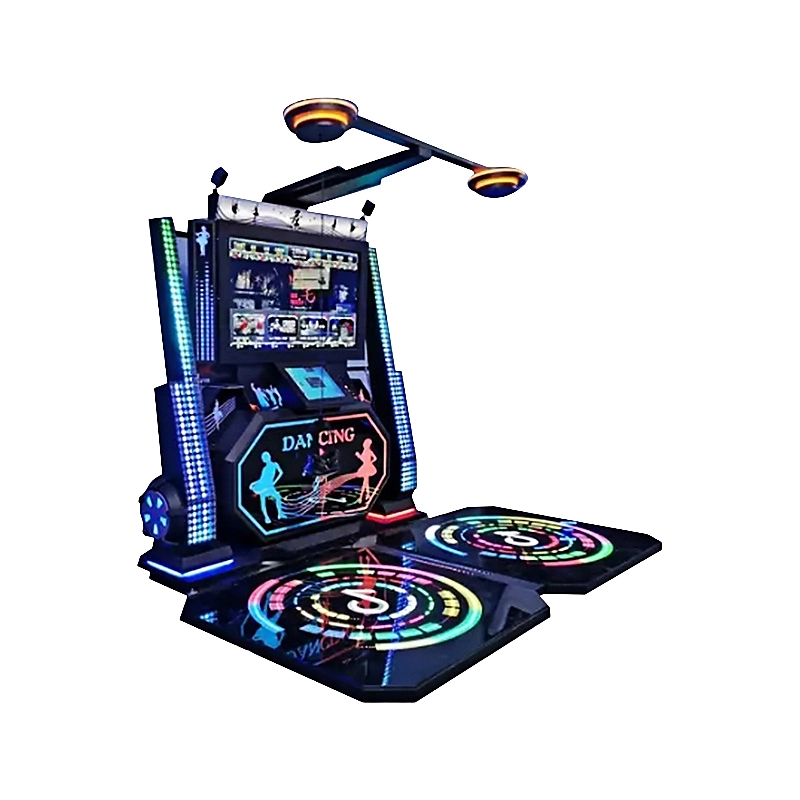
Marwey 9d 2 Players Musical Instruments Video Games Dance Simulator Dancing Wonder VR Arcade Machine
Marwey 9d 2 Players Musical Instruments Video Games Dance Simulator Dancing Wonder VR Arcade Machine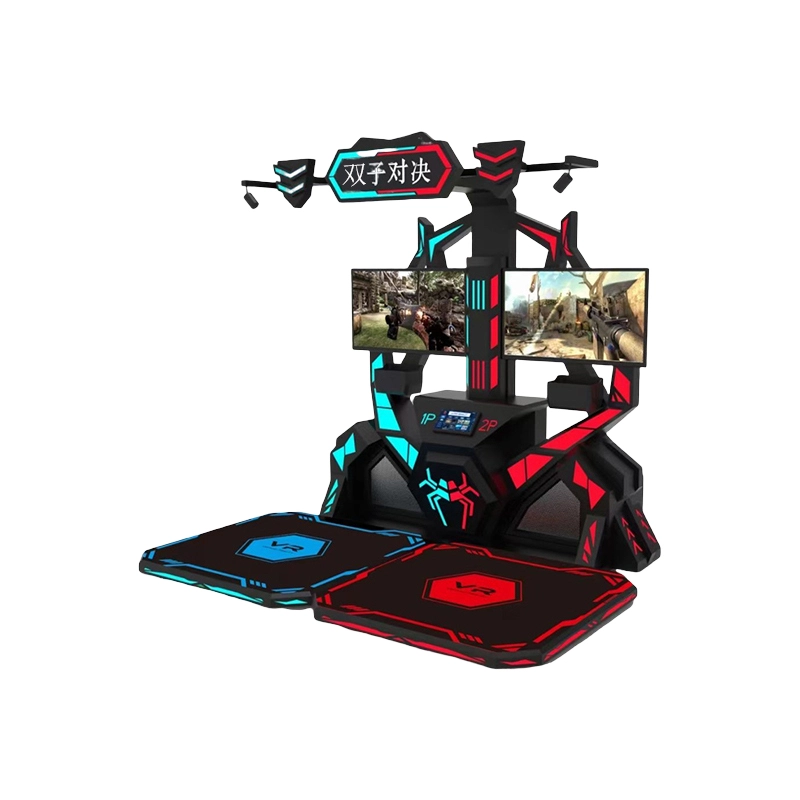
Marwey 2 Players Dual Screen Platform Arcade Game Shooting Simulator VR Machine for Commercial Theme Park
Marwey 2 Players Dual Screen Platform Arcade Game Shooting Simulator VR Machine for Commercial Theme Park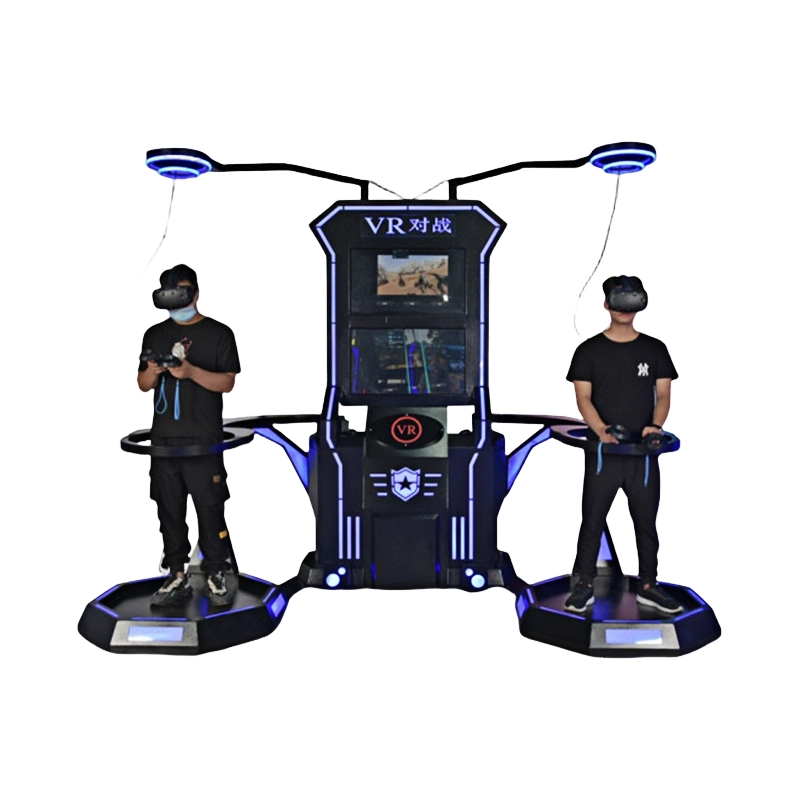
Marwey Immersive Entertainment 2 Players VR Game Console 9D Virtual Reality Platform Simulator
Marwey Immersive Entertainment 2 Players VR Game Console 9D Virtual Reality Platform Simulator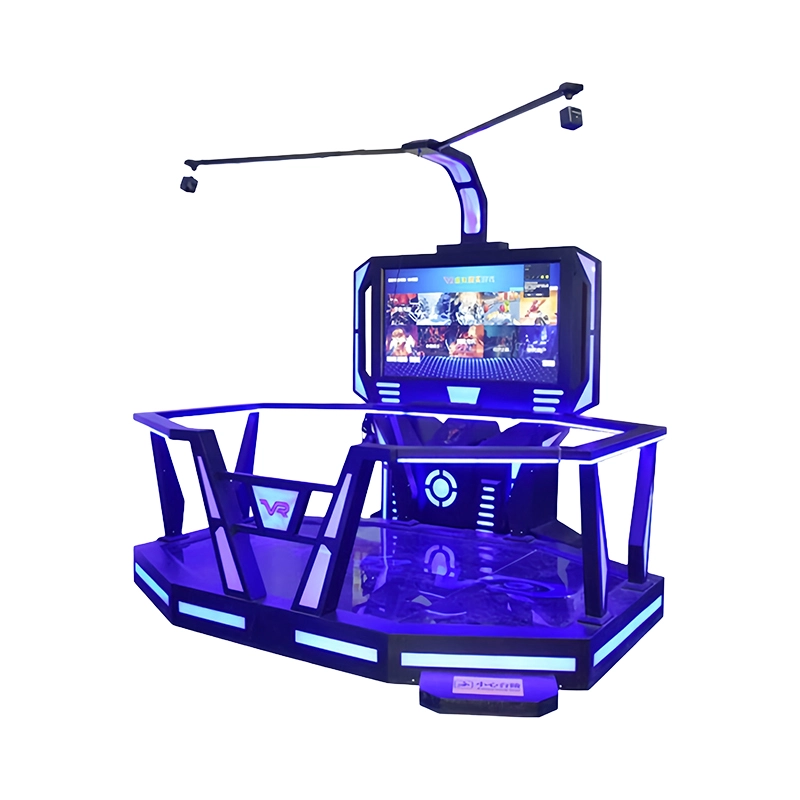
Marwey 9d Octave Space Vr Simulator Walking and Shooting Virtual Reality Game Platform for Sale
Marwey 9d Octave Space Vr Simulator Walking and Shooting Virtual Reality Game Platform for Sale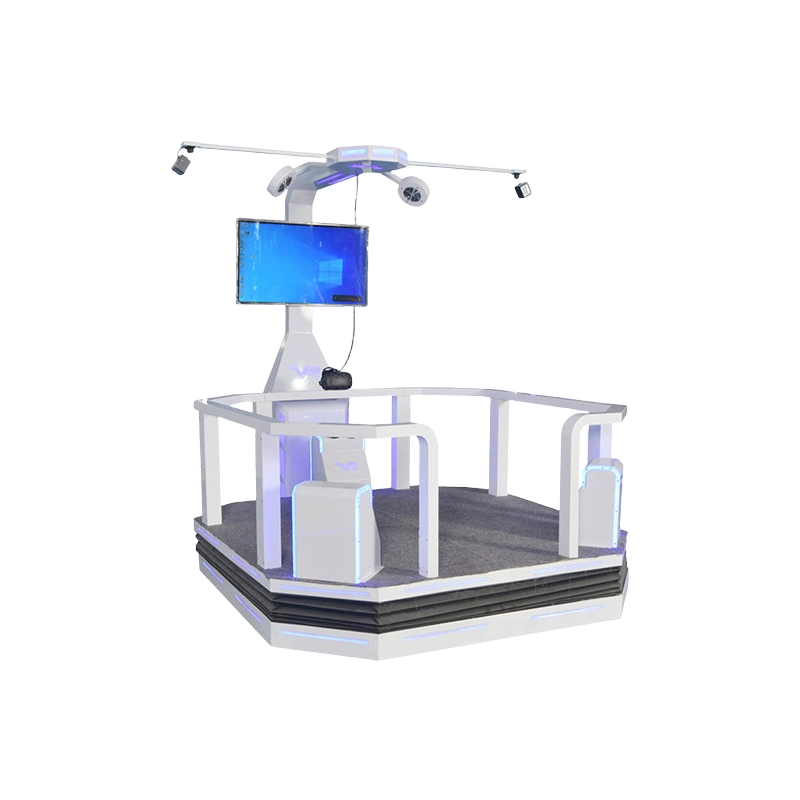
Marwey VR Dynamic Science Popularization Platform Commercial Virtual Reality Game Rides Simulator
Marwey VR Dynamic Science Popularization Platform Commercial Virtual Reality Game Rides Simulator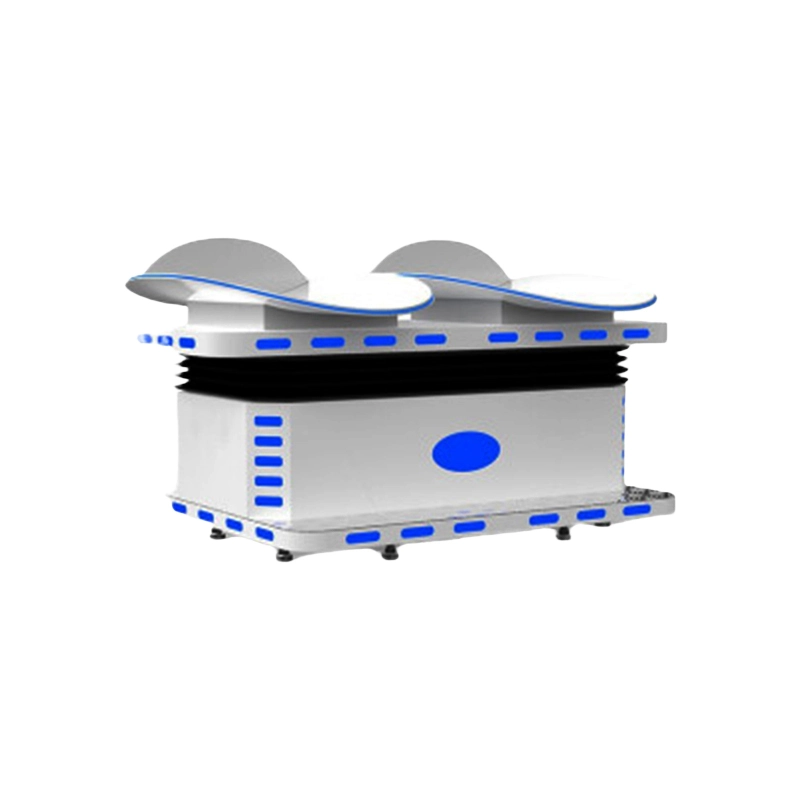
Marwey High Quality VR Skiing Simulator Double Seat Arcade Cinema Virtual Reality Slide Game Machine
Marwey High Quality VR Skiing Simulator Double Seat Arcade Cinema Virtual Reality Slide Game Machine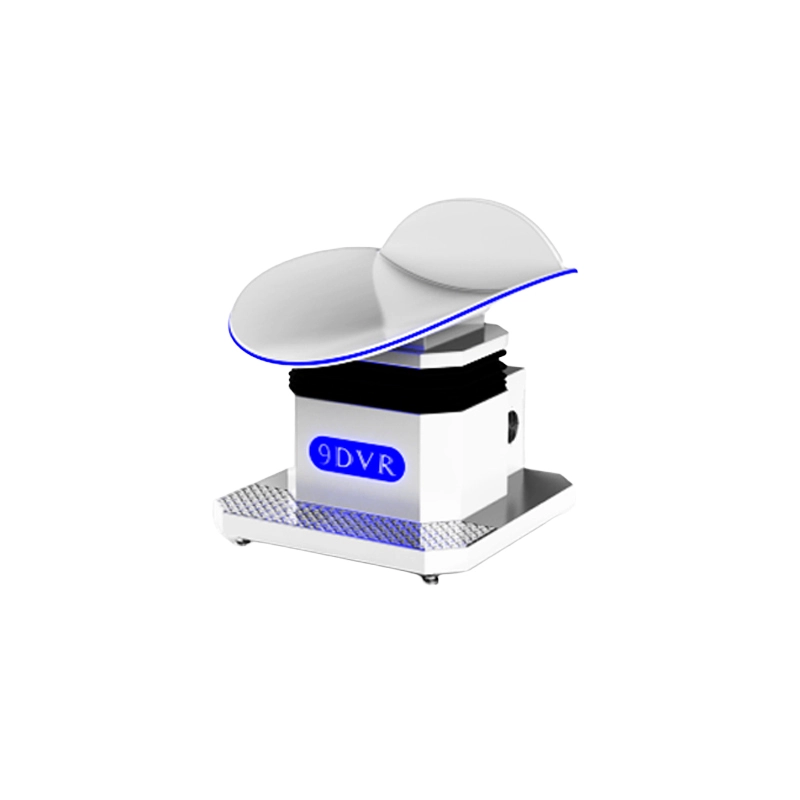
Marwey High Quality VR Skiing Simulator Single Seat Arcade Cinema Virtual Reality Slide Game Machine
Marwey High Quality VR Skiing Simulator Single Seat Arcade Cinema Virtual Reality Slide Game Machine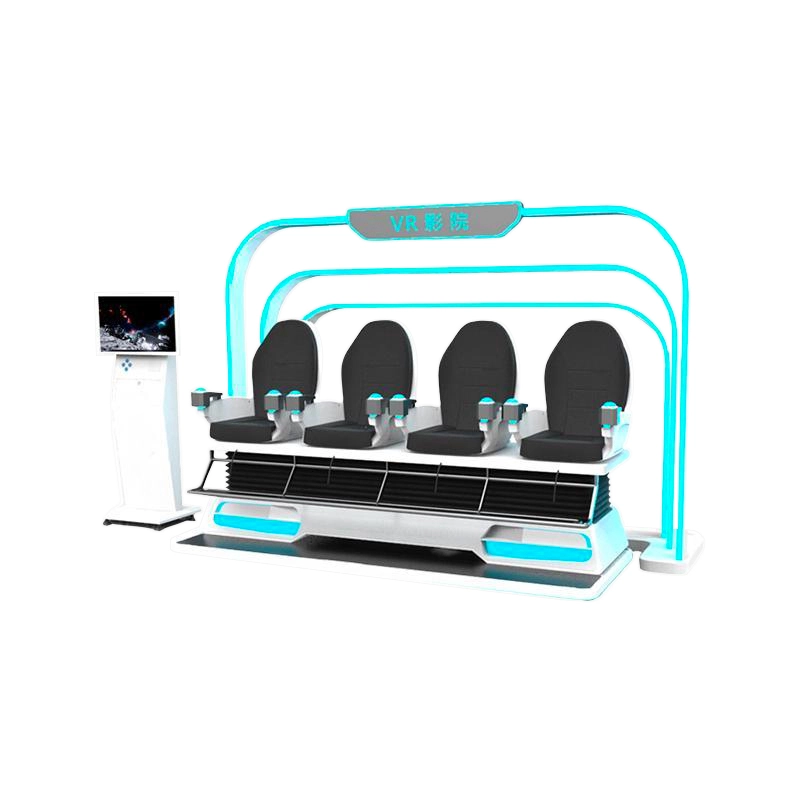
Marwey Hot Sale 4 Seats VR Amusement Equipment Virtual Reality Cinema Simulator Games Rides for VR
Marwey Hot Sale 4 Seats VR Amusement Equipment Virtual Reality Cinema Simulator Games Rides for VRWant to know more industry information?
If you have any comments or good suggestions, please leave us a message; later our professional staff will contact you as soon as possible.
◼ Contact MARWEY
WhatsApp: +86 189 2218 4260
Floor 2, Building E, Hengran Creative Park, Shixin Road, Panyu District, Guangzhou, Guangdong, China.
© 2025 MARWEY. All Rights Reserved.
MARWEY
MARWEY
MARWEY
MARWEY
MARWEY
MARWEY