
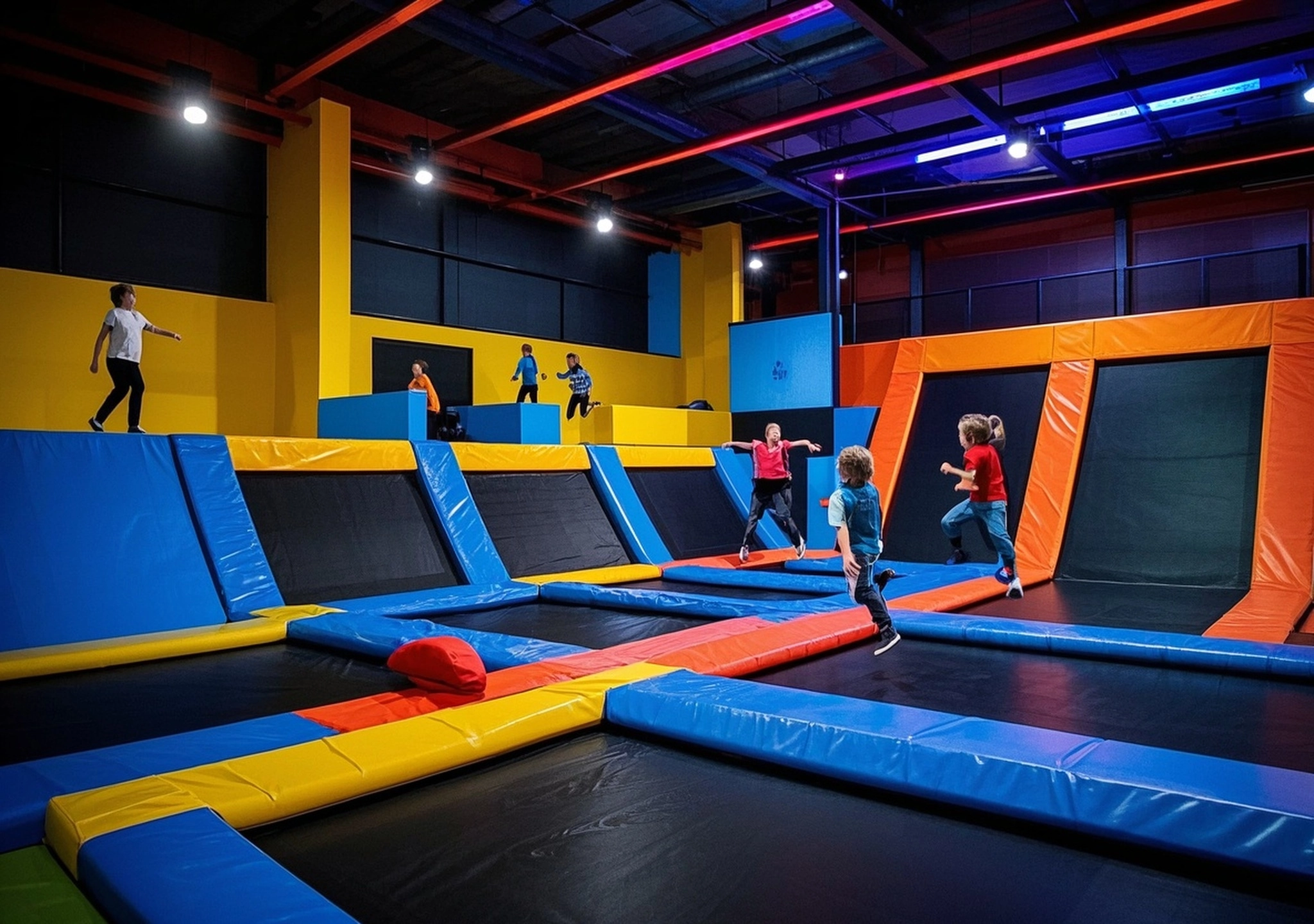

- How to Start and Operate a Thriving Trampoline Park: A Complete Guide for Aspiring Entrepreneurs
- 1. Introduction: Understanding the Market Opportunity
- 2. Market Analysis and Customer Segmentation
- Target Audience
- Market Segmentation
- Competition and Trends
- 3. Business Model and Planning Essentials
- 4. Site Selection and Facility Design
- 5. Startup Capital and Cost Management
- 6. Legal Compliance and Safety Regulations
- 7. Staff Hiring and Training
- 8. Marketing and Customer Retention Strategies
- 9. Day-to-Day Operations and Continuous Improvement
- 10. Differentiation and Innovation
- 11. Conclusion
- References
How to Start and Operate a Thriving Trampoline Park: A Complete Guide for Aspiring Entrepreneurs
Launching a trampoline park is an exciting entrepreneurial opportunity, combining recreation with a rapidly growing market segment. As MARWEY, a professional one-stop solution provider for trampoline parks, we understand the nuances that make the difference between success and struggle. This guide walks you step-by-step through every aspect of starting and running a trampoline park, aiming to equip aspiring owners with practical insights and actionable advice.
1. Introduction: Understanding the Market Opportunity
Trampoline parks have surged in popularity over the past decade, fueled by an increasing demand for family-friendly entertainment and active lifestyle venues. With rising health consciousness and the appeal of interactive play, trampoline parks attract diverse age groups—from young children and teenagers to adults seeking unique fitness activities.
The global indoor trampoline park market continues to demonstrate robust growth, driven by urban population density and discretionary spending on recreational experiences. Investors are often drawn by the relatively quick return on investment compared to traditional leisure businesses, as well as the capacity to create multi-functional event spaces.
MARWEY leverages years of industry expertise to help entrepreneurs capitalize on these trends efficiently and strategically.
2. Market Analysis and Customer Segmentation
Target Audience
- Age groups: Primarily children aged 4-14, teenagers, young adults aged 15-30, and families.
- Interests: Physical activity, social outings, birthday parties, team building, fitness enthusiasts.
Market Segmentation
Trampoline parks cater to:
- Casual visitors seeking fun experiences
- Schools and organizations booking group events
- Fitness clients using trampoline classes and training
- Special event clients (corporate, birthdays)
Competition and Trends
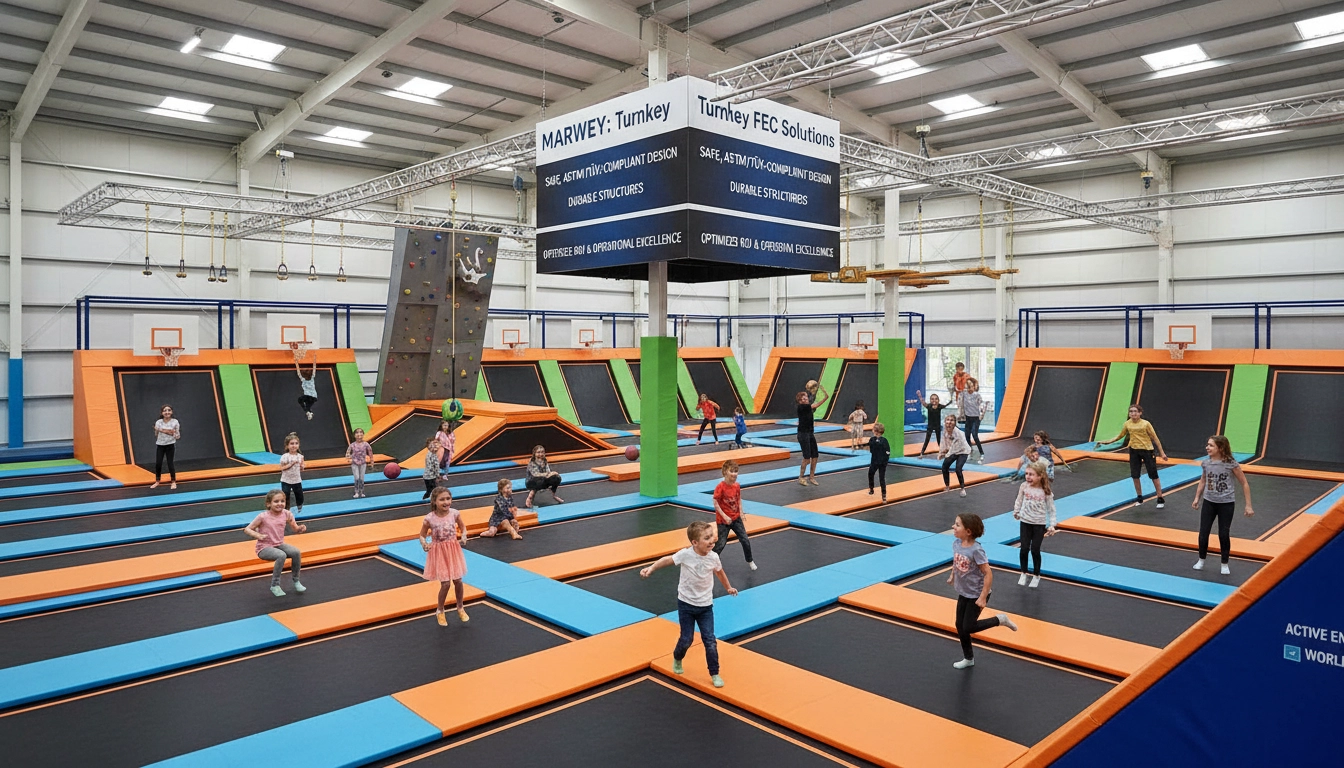
Key competitors include indoor playgrounds, traditional gyms, and other family entertainment centers. However, trampoline parks differentiate through immersive attractions like dodgeball courts, foam pits, and ninja warrior courses.
Emerging trends emphasize integration of technology (apps for booking and interaction), themed design, and diversified services to maximize customer retention and spend per visit.
3. Business Model and Planning Essentials
A strong business plan should define revenue streams:
- Admission fees (hourly or per session pricing)
- Birthday party and event hosting packages
- Membership and loyalty programs
- Merchandising (apparel, accessories)
- Food and beverage concessions
- Fitness class offerings and special workshops
Financial projections must account for seasonality and local demographics. Profitability is influenced by managing peak and off-peak flow effectively.
MARWEY advises drafting a detailed plan covering market research, capital requirements, operational strategy, and marketing tactics to attract initial and repeat customers.
4. Site Selection and Facility Design
Ideal trampoline parks require:
- Accessible location with ample parking
- Space flexibility for multiple attractions and safe zones
- High ceilings for jumping equipment and obstacle courses
- Compliance with safety codes and regulations
Facility layout should optimize sightlines for supervision, clear traffic flow, and comfortable waiting areas for guardians. Partnering with experienced design-build contractors, such as specialists in trampoline equipment installation, ensures durability and operational efficiency.
5. Startup Capital and Cost Management
Start-up capital typically includes:
- Leasehold improvements and construction costs
- Equipment and safety padding purchase
- HVAC and lighting upgrades
- Licensing, permits, and insurance fees
- Initial marketing and staffing expenses
Costs vary by size and scope, but a ballpark estimate for a medium-sized park ranges from $500,000 to $2 million. Financing options include SBA loans, private investors, and equipment leasing.
MARWEY’s financial planning tool assists clients in allocating budget to the most impactful investments while maintaining operational runway.
6. Legal Compliance and Safety Regulations
Obtaining the following is essential:
- Business licenses
- Health and safety permits
- Fire and building inspections
- Liability and property insurance coverage
Adhering to ASTM standards for trampoline parks and maintaining a robust accident prevention program protects customers and mitigates risk. Staff training on emergency response and first aid is mandatory for legal compliance.
7. Staff Hiring and Training
Key roles include:
- Park managers
- Safety monitors and jump attendants
- Customer service representatives
- Event coordinators
- Maintenance personnel
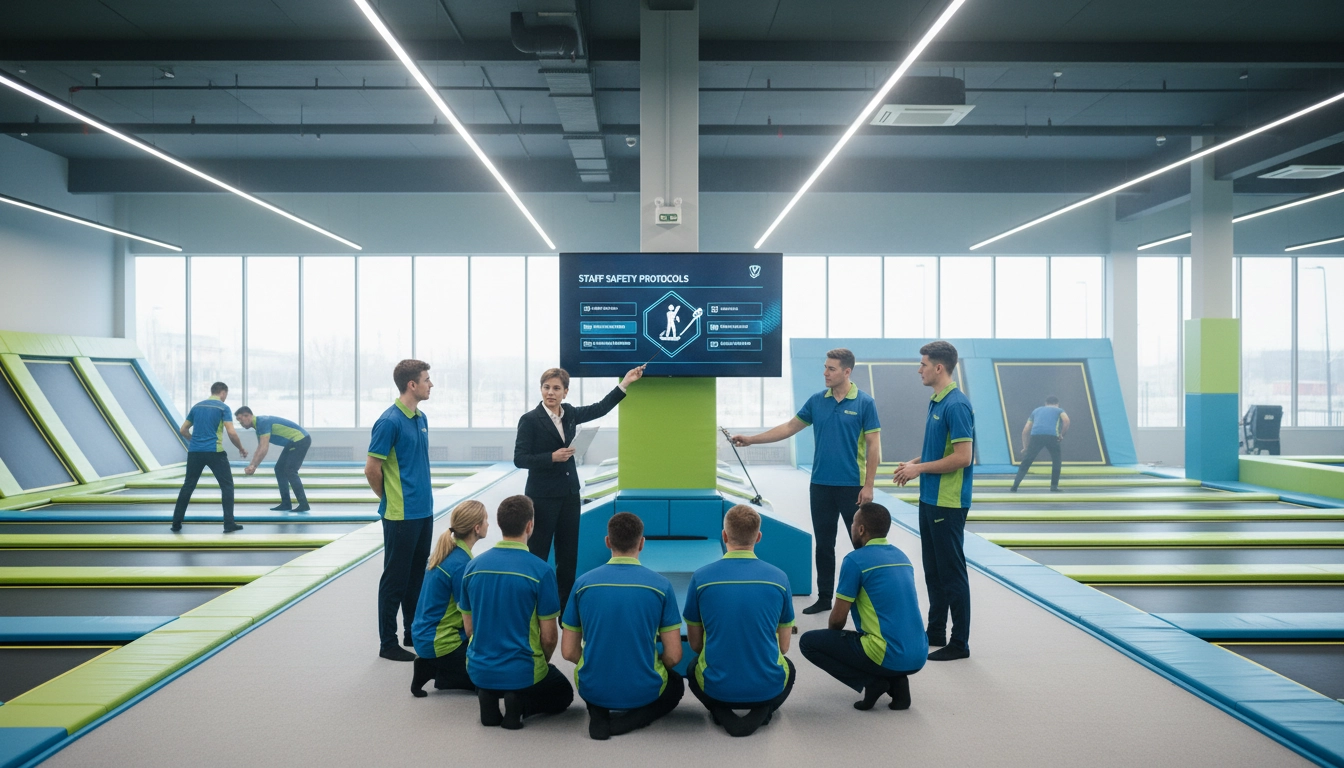
Hiring should emphasize reliability, vigilance, and interpersonal skills. MARWEY recommends comprehensive onboarding programs covering safety protocols and guest engagement to create a welcoming environment.
8. Marketing and Customer Retention Strategies
Combining digital and offline marketing tactics yields best results. Effective approaches include:
- Social media campaigns showcasing vibrant experiences
- Local SEO and Google My Business optimization
- Collaborations with schools and community organizations
- Seasonal promotions and themed events
- Referral and loyalty programs
Offering unique value propositions such as dedicated toddler zones or fitness classes can enhance market appeal.
9. Day-to-Day Operations and Continuous Improvement
Operational excellence relies on:
- Consistent equipment maintenance and cleanliness
- Customer feedback loops and service recovery plans
- Cost monitoring and inventory control
- Staff performance reviews and motivation systems
- Expanding offerings based on emerging trends and guest preferences
10. Differentiation and Innovation
Distinguishing your trampoline park through unique equipment layout, specialized classes (e.g., trampoline yoga), or immersive themed environments expands competitive advantage. Strategic partnerships with local fitness and education centers also attract broader clientele.
11. Conclusion
Opening a trampoline park can be a rewarding and profitable venture when grounded in thorough market understanding, strategic planning, and operational discipline. As MARWEY, we encourage entrepreneurs to leverage industry knowledge, stay adaptable, and place customer safety and experience at the forefront.
By following this guide, you are well-positioned to launch a trampoline park that delights guests and builds a sustainable business.
References
- Industry market data sourced from internal MARWEY research and sector analysis.
- Safety and regulatory guidelines adapted from ASTM trampoline park standards.
Related Articles
Exploring Two Bit Circus Innovations in Entertainment
Why Autobahn Indoor Speedway Is a Top Attraction for Go-Kart Fans
Choosing the Perfect Location for a Family Entertainment Center Business
Why DEFY (Umbrella Brand) Leads the Way in Active Entertainment
Sourcing High-Quality PU Leather for Punching Machine Pad Replacement
Effective Risk Management to Lower Your Trampoline Park Insurance Premiums
Photo Booth Machine
Is a photobooth a fad?
No, the modern photobooth is not a fad; it has evolved from a simple novelty into a staple of social and marketing experiences. While basic photo strips remain popular, the industry's longevity is now driven by continuous technological adaptation. MARWEY is at the forefront of this evolution, ensuring photobooths remain perpetually relevant.
The key to their enduring value lies in integration and innovation. MARWEY machines have transformed into sophisticated engagement platforms that offer far more than just pictures. With features like AI-powered photo generation, customizable digital props, instant social media sharing, and branded content creation, they serve critical business needs—driving revenue for venues and generating authentic user-generated content for brands.
Rather than fading away, photobooths are becoming more embedded in our experiences, from weddings and conferences to retail spaces and tourist attractions. MARWEY’s commitment to integrating cutting-edge technology like AI ensures that their machines are not a passing trend but a lasting tool for entertainment, marketing, and memory-making. The platform adapts, ensuring the experience always feels fresh and new.
Read more:
Is a Photobooth a Fad? The Enduring Value Explained | MARWEY 2025
What types of businesses are photo booth machines best for?
They are highly versatile and effective for a wide range of businesses, including:
-
Event Planners: For weddings, corporate events, and parties.
-
Route Operators: Managing multiple locations with consistent, reliable equipment.
-
Location Owners: Such as bars, malls, amusement parks, and tourist attractions looking to increase foot traffic and social media exposure.
Read more:
What Businesses Are Photo Booths Best For? | MARWEY Industry Guide
Family Entertainment Center
How much does it cost to start a family entertainment center(FEC) business?
The cost to open a Family Entertainment Center (FEC) varies significantly based on its size, location, and the complexity of the attractions. However, it requires a substantial initial investment.
As a general guideline, initial startup costs can range:
- Small to Mid-Sized Centers (e.g., focused arcade or indoor playground): Typically start around $300,000 to $1 Million.
- Large, Multi-Attraction Centers (e.g., combining bowling, laser tag, and F&B): Often require $1 Million up to $5 Million or more.
The major components driving this investment are:
- Real Estate: Purchasing or leasing a building and subsequent necessary renovations.
- Attraction Equipment: This includes the cost of arcades, soft play, trampolines, and other anchor attractions. We at MARWEY provide cost-effective, high-quality equipment designed for long-term ROI.
- Food & Beverage (F&B) Infrastructure: Establishing a commercial kitchen or concession area.
- Soft Costs: Licensing, permits, insurance, initial staffing, and pre-opening marketing expenses.
A comprehensive business plan and feasibility study are essential to define the exact budget required for a specific project.
How can an FEC drive repeat visits and loyalty?
Loyalty is built through excellent service and value. Implement a digital membership or loyalty points program. Offer attractive annual passes, host special weeknight events (like league nights), and actively use digital marketing and email campaigns to encourage families to return.
What is the average spend per guest at an FEC?
Average spend is a key performance indicator (KPI). While it varies, successful FECs aim for an average spend between $18 and $35 per person. This target is achieved by strategic pricing of timed play, upselling high-value F&B items, and cross-promoting different attractions.

Marwey Wholesale Cheap Luxury Ticket Redemption Arcade Machine - Shopping Mall Arcade Game Machine for Sale
Marwey Wholesale Cheap Luxury Ticket Redemption Arcade Machine - Shopping Mall Arcade Game Machine for Sale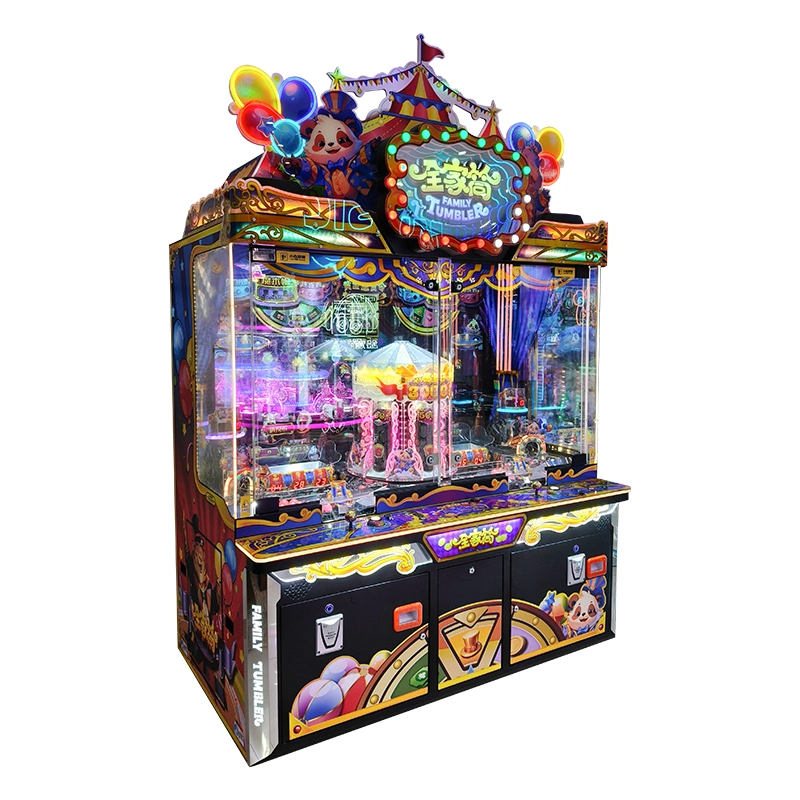
Marwey New Arrival High Quality Coin Operated Coin Pusher Customizable Prize Redemption Arcade Equipment
Marwey New Arrival High Quality Coin Operated Coin Pusher Customizable Prize Redemption Arcade Equipment
Marwey Hot Sale High Quality Indoor Coin Pusher Coin Operated Prize Redemption Arcade Game Machine
Marwey Hot Sale High Quality Indoor Coin Pusher Coin Operated Prize Redemption Arcade Game Machine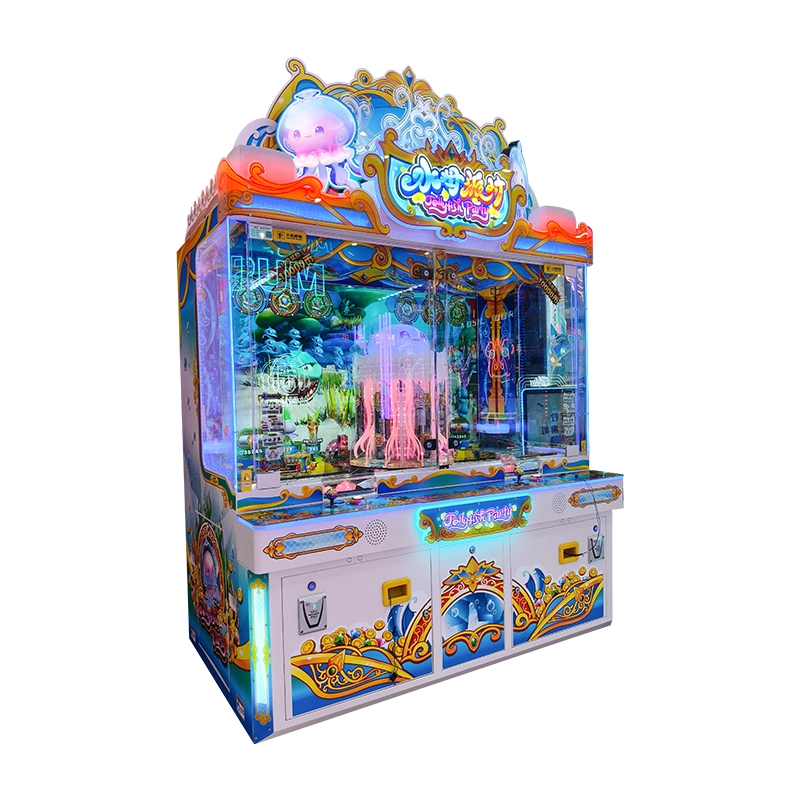
Marwey High Quality Luxury Customizable Coin Pusher Indoor Shopping Mall Arcade Ticket Redemption Game Machine
Marwey High Quality Luxury Customizable Coin Pusher Indoor Shopping Mall Arcade Ticket Redemption Game Machine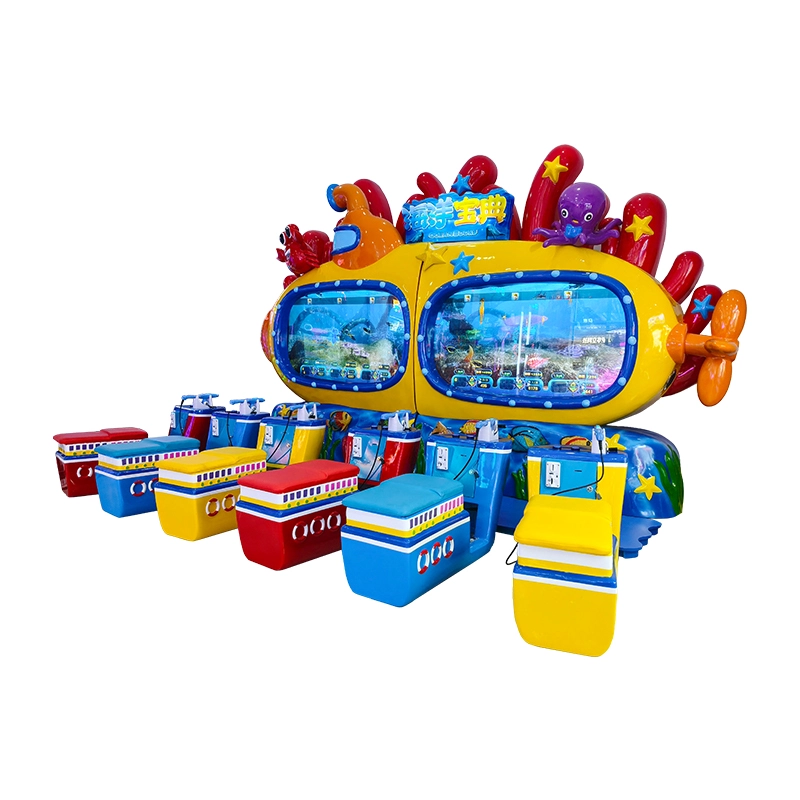
Marwey Hot Sale Indoor 6 Players Fishing Simulator Children's Coin Operated Arcade Redemption Equipment
Marwey Hot Sale Indoor 6 Players Fishing Simulator Children's Coin Operated Arcade Redemption Equipment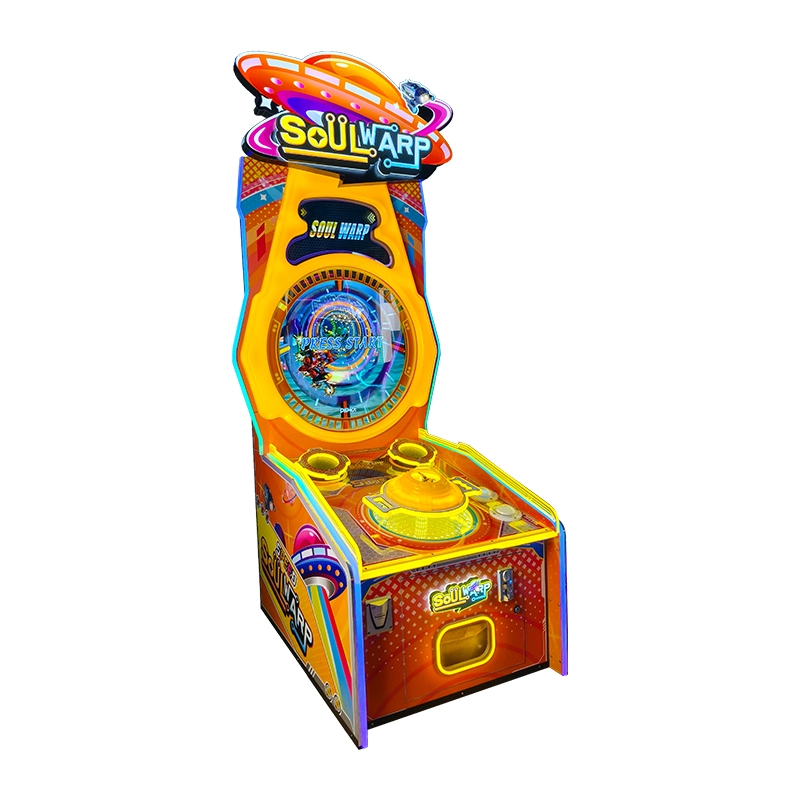
Marwey Coin Operated Parkour Lottery Ticket Redemption Machine Amusement Center Video Game Machines for Sale
Marwey Coin Operated Parkour Lottery Ticket Redemption Machine Amusement Center Video Game Machines for Sale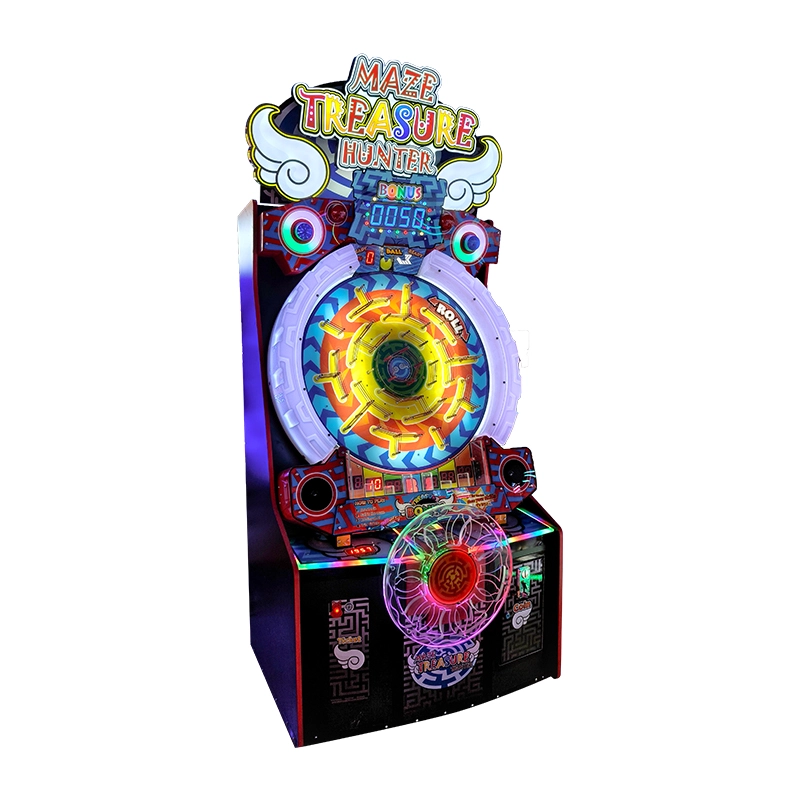
Marwey Amusement Center Maze Adventure Game Coin Operated Lottery Ticket Redemption Arcade Machine
Marwey Amusement Center Maze Adventure Game Coin Operated Lottery Ticket Redemption Arcade Machine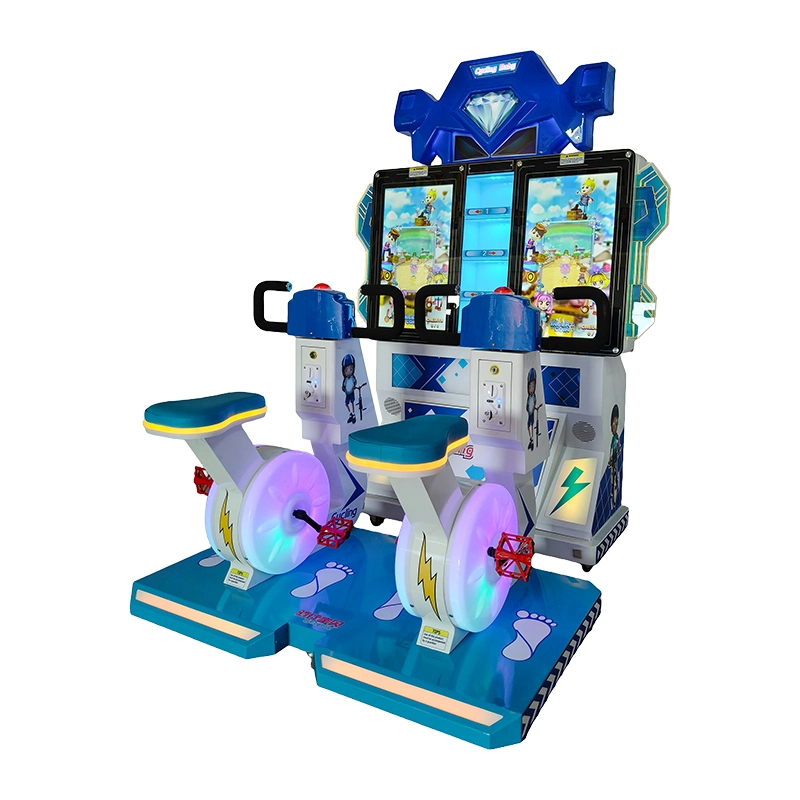
Marwey Commercial Coin Operated Sports Arcade Machine Supplier Indoor 2 Players Bike Racing Simulator
Marwey Commercial Coin Operated Sports Arcade Machine Supplier Indoor 2 Players Bike Racing SimulatorWant to know more industry information?
If you have any comments or good suggestions, please leave us a message; later our professional staff will contact you as soon as possible.
◼ Contact MARWEY
WhatsApp: +86 189 2218 4260
Floor 2, Building E, Hengran Creative Park, Shixin Road, Panyu District, Guangzhou, Guangdong, China.
© 2025 MARWEY. All Rights Reserved.






























































































MARWEY
MARWEY
MARWEY
MARWEY
MARWEY
MARWEY