
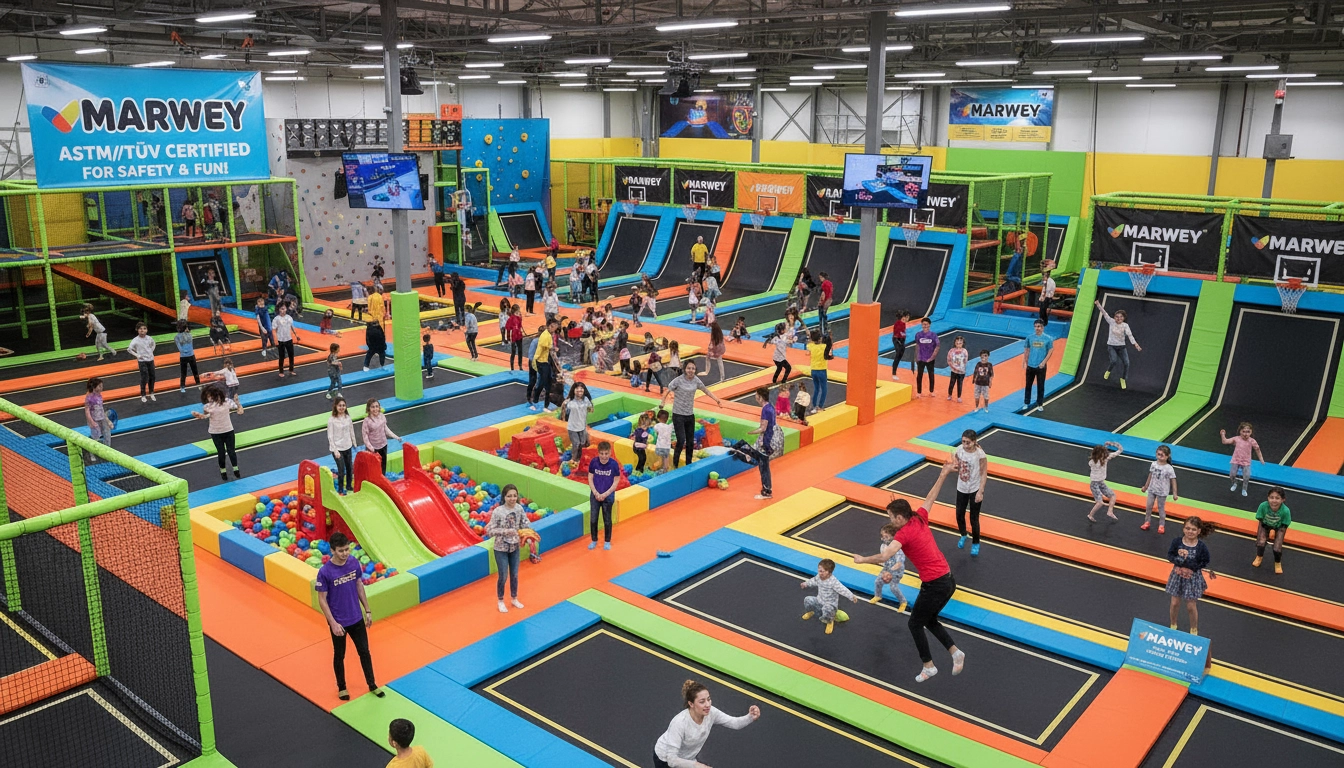

- Understanding What a Trampoline Park Offers to Active Families
- Safety First: Why Compliance with Standards Matters
- Designing for Profit: Diversification and Revenue Growth
- Choosing the Right Equipment: Quality vs. Operational Costs
- Steps to Optimize Your Family Trampoline Park Experience
- Frequently Asked Questions (FAQ)
If you're an active family looking for a fun and energetic way to bond, you might wonder what is a trampoline park. Simply put, a trampoline park is a large indoor or outdoor facility filled with interconnected trampolines and various adventurous attractions designed for jumping, bouncing, and interactive play. They offer more than just trampolines; modern parks often include ninja courses, climbing walls, foam pits, and basketball dunk zones, making them ideal destinations for families seeking activity and excitement under one roof.
MARWEY, with over 15 years of experience in developing commercial-grade playground equipment, has innovated trampoline parks globally, ensuring safety standards and diversified attractions are prioritized to maximize visitor engagement and operators’ revenue. As a turnkey solution provider, MARWEY delivers ASTM and TÜV-compliant equipment, making parks safer and more profitable worldwide.
Understanding What a Trampoline Park Offers to Active Families
At their core, trampoline parks provide a unique mix of physical fitness, entertainment, and family fun in a controlled environment. Families can leap together on wall-to-wall trampolines, try challenging obstacle courses, and engage in sports-like activities such as slam-dunk basketball zones. Unlike backyard trampolines, these parks are professionally designed for large groups and include safety features to mitigate injury risks.

From personal experience working closely on several MARWEY trampoline park projects, I saw how families appreciate the variety of activities offered - parents bounce alongside their children, and older kids can challenge themselves on advanced ninja courses or professional dunk zones. The energy generated is infectious and promotes more frequent visits, positively impacting revenue for operators.
Safety First: Why Compliance with Standards Matters
Safety can’t be overstated when understanding what is a trampoline park and why choosing a supplier adhering to global standards is vital. The ASTM F2970 standard defines strict guidelines for trampoline parks to reduce injury risk. Data shows that trampoline parks using non-compliant equipment face significantly higher insurance premiums and potential legal exposure.
According to a report from the U.S. Consumer Product Safety Commission (CPSC) and safety analyses from ASTM International, trampoline parks non-compliant with ASTM F2970 can experience an average increase of 40-60% in insurance costs due to heightened injury risks. Moreover, they risk denial of coverage altogether, which exposes operators to substantial financial risks in case of accidents.
MARWEY’s commitment to ASTM and TÜV-certified equipment greatly reduces these liabilities. In fact, in a mid-sized trampoline park I consulted on, switching to MARWEY-certified equipment led to a 30% reduction in annual insurance premiums within a year, thanks to improved safety protocols and equipment reliability. Adhering to these standards also boosts customer confidence, attracting more visitors who prioritize safety.
Designing for Profit: Diversification and Revenue Growth
One of the most frequent questions from park operators is how to maximize revenue per square foot. Trampoline parks that integrate diversified attractions go beyond bouncing to boost profitability. For example, adding ninja courses, climbing walls, and basketball dunk zones creates multiple revenue streams and increases dwell time.
While exact benchmark data is scarce, industry consulting strongly suggests diversified attractions can increase average annual revenue per square foot by 20-30%. In one MARWEY project, incorporating these features lifted revenue by over 25% compared to a park relying solely on trampolines. This increase results from higher ticket prices, premium party bookings, and greater repeat visits.
- Ninja courses challenge agility and attract older kids and teens.
- Climbing walls introduce a physically engaging element that appeals to all ages.
- Dunk zones combine sport with fun, creating shareable experiences that boost word-of-mouth marketing.
Choosing the Right Equipment: Quality vs. Operational Costs
Investing in high-quality, certified trampoline equipment impacts long-term operational costs significantly. Certified equipment typically requires 3-5% of total operational expenses annually in maintenance and repairs, compared to 10-15% for cheaper, uncertified alternatives. This means better upfront investment yields higher profitability.
From my experience managing park reopenings post-upgrade, facilities equipped with MARWEY-certified trampolines saw 40% fewer maintenance shutdowns and saved on unexpected replacements in the first two years. This reliability ensures consistent guest satisfaction and keeps operational disruptions minimal.
| Equipment Quality | Annual Maintenance Cost (% of OpEx) | Operational Reliability |
|---|---|---|
| Certified (e.g., ASTM/TÜV) | 3-5% | High - fewer breakdowns, longer lifespan |
| Uncertified / Low Cost | 10-15% | Lower - frequent repairs required |
Choosing a trusted supplier like MARWEY who offers factory-direct sourcing and rigorous quality control will optimize both safety and operational costs over time.
Steps to Optimize Your Family Trampoline Park Experience
- Select a trampoline park with certified safety standards to ensure peace of mind during play.
- Encourage family participation across all age groups to maximize fun and physical engagement.
- Explore parks offering multiple attractions beyond trampolines for varied experiences.
- Plan visits during off-peak hours or book party events to enjoy better value and space.
- Communicate with park operators about safety protocols and maintenance schedules.
In conclusion, understanding what is a trampoline park reveals it to be much more than just a place to jump. It’s a dynamic environment that promotes healthy family interaction, physical wellness, and moments of joy. MARWEY’s leadership in providing certified, innovative trampoline solutions reinforces the industry’s commitment to safety and profitability, making trampoline parks a wise investment for entertainment operators and an enriching destination for families worldwide.
Frequently Asked Questions (FAQ)
Q1: What distinguishes a trampoline park from a backyard trampoline?
Trampoline parks are professionally designed with interconnected trampolines and additional attractions, meeting strict safety standards, while backyard trampolines are typically small and lack these features.
Q2: Are trampoline parks safe for young children?
Yes, provided the park follows ASTM F2970 safety standards and separates jumping zones by age and skill level to prevent accidents.
Q3: How does MARWEY ensure equipment safety?
MARWEY manufactures playground equipment compliant with ASTM and TÜV certifications and utilizes rigorous quality controls.
Q4: Can trampoline parks cater to all age groups?
Absolutely. Many parks offer zones tailored for toddlers, children, teens, and adults, with diversified attractions to suit different age ranges.
Q5: What are common additional attractions in trampoline parks?
Ninja courses, climbing walls, foam pits, basketball dunk zones, and interactive game areas are typical supplementary features.
Q6: How does equipment quality affect park operational costs?
Higher-quality, certified equipment reduces maintenance and repair costs by up to 50% compared to low-cost alternatives.
Q7: What insurance considerations should trampoline park operators be aware of?
Operators must ensure compliance with safety standards to reduce premiums and legal liabilities; non-compliance can lead to excessive costs or denial of coverage.
Q8: How can trampoline parks increase annual revenue?
Through diversification of attractions, enhanced safety measures, premium services like parties, and efficient operational management.
Q9: What benefits do families get from visiting trampoline parks?
Improved physical fitness, stress relief, social bonding, and access to safe, supervised play environments.
Q10: Why choose MARWEY as a trampoline park solution provider?
MARWEY offers integrated design-to-operation solutions, ensuring certified safety, product variety, and global logistics support for profitable ventures.
Related Articles
Why Autobahn Indoor Speedway Is a Top Attraction for Go-Kart Fans
Choosing the Perfect Location for a Family Entertainment Center Business
Why DEFY (Umbrella Brand) Leads the Way in Active Entertainment
Sourcing High-Quality PU Leather for Punching Machine Pad Replacement
Effective Risk Management to Lower Your Trampoline Park Insurance Premiums
The Art of Upselling: Maximizing Spend Per Guest (SPG) at Your Family Entertainment Center
Indoor Trampoline Park
How much is insurance for a trampoline park?
Insurance is one of the most substantial and critical operating expenses due to the high-risk nature of the business.
General Liability Insurance: Costs can be very high and are subject to location, state regulations, and the park's safety history. While some smaller estimates exist, industry-specific insurance providers often report that comprehensive annual General Liability policies (with a minimum of $1 million per-occurrence limit) are hard to get and very expensive, often in the tens of thousands to potentially over $100,000 USD per year depending on the carrier and coverage limits required.
Indoor Playground
How often are indoor playgrounds cleaned?
What industry is an indoor playground in?
How much does it cost to start an indoor playground?
Claw Machine
What prizes work best in claw machines?
-
High-demand prizes include licensed plush toys like Squishmallows, Pokémon figures, LEGO sets, capsule toys, and collectible electronics to maximize play frequency.
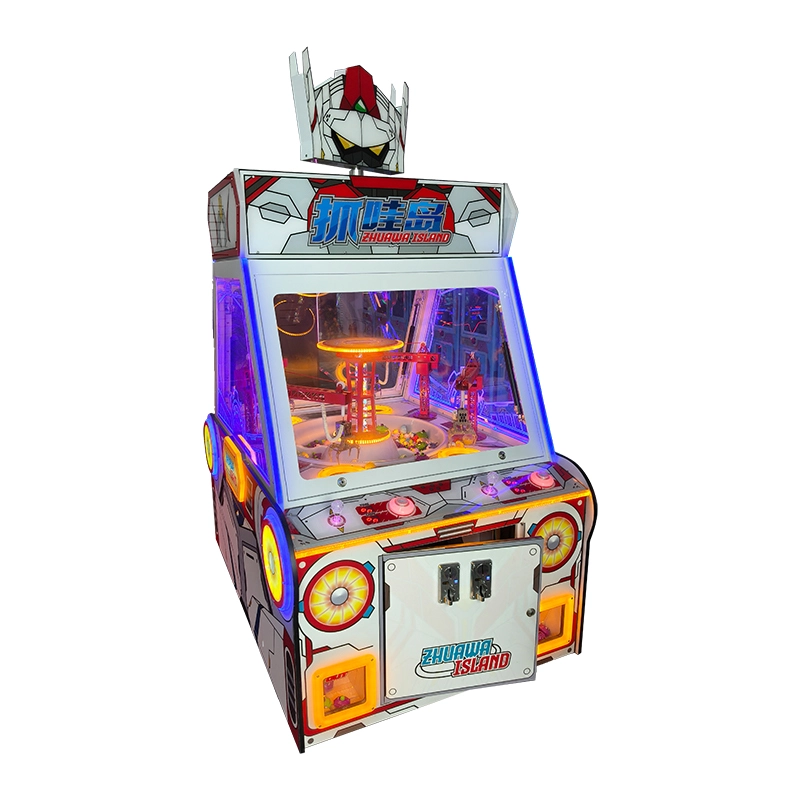
Marwey 4 Players Toy Gift Crane Machine Game Center Wholesale Customizable Arcade Vending Machine
Marwey 4 Players Toy Gift Crane Machine Game Center Wholesale Customizable Arcade Vending Machine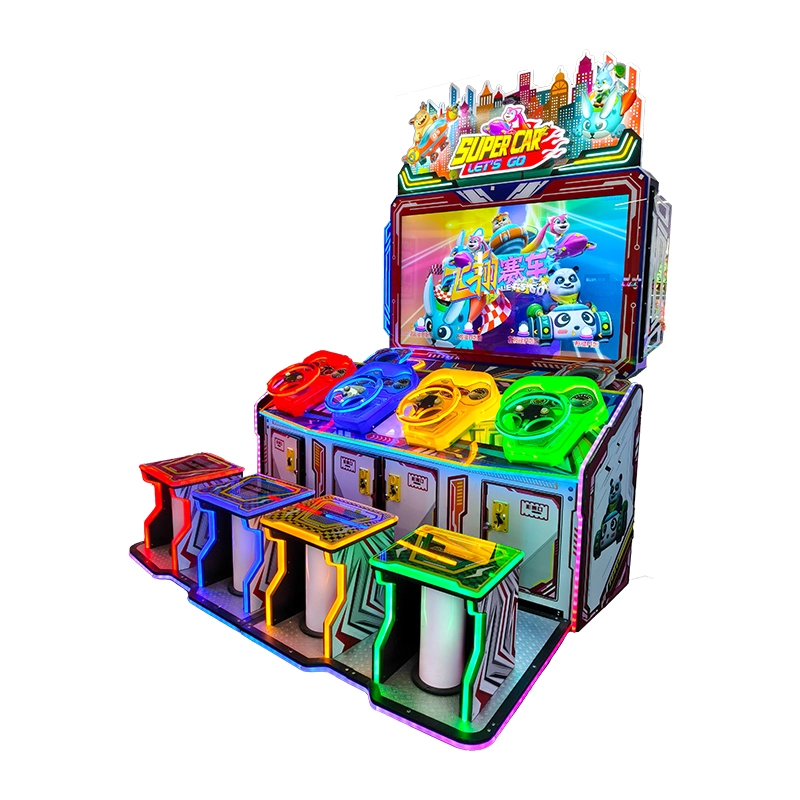
Marwey Hot Slae 4 Person Racing Ticket Redemption Machine Commercial Indoor Coin Operated Arcade Game Machine
Marwey Hot Slae 4 Person Racing Ticket Redemption Machine Commercial Indoor Coin Operated Arcade Game Machine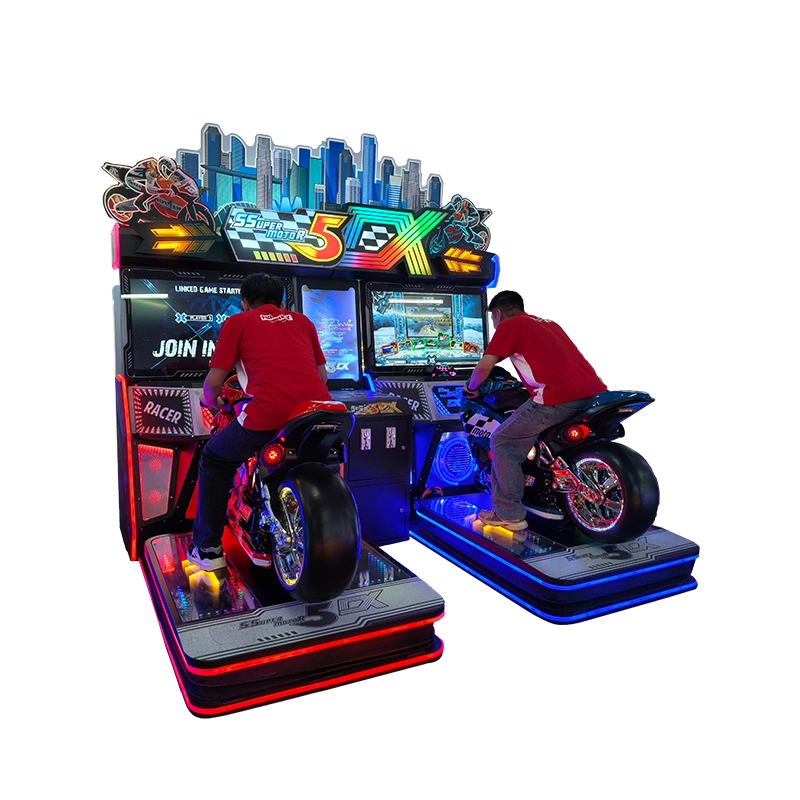
Marwey Motorcycle Driving Arcade Game Machine 2 Players Coin Operated Racing Simulator Factory Price
Marwey Motorcycle Driving Arcade Game Machine 2 Players Coin Operated Racing Simulator Factory Price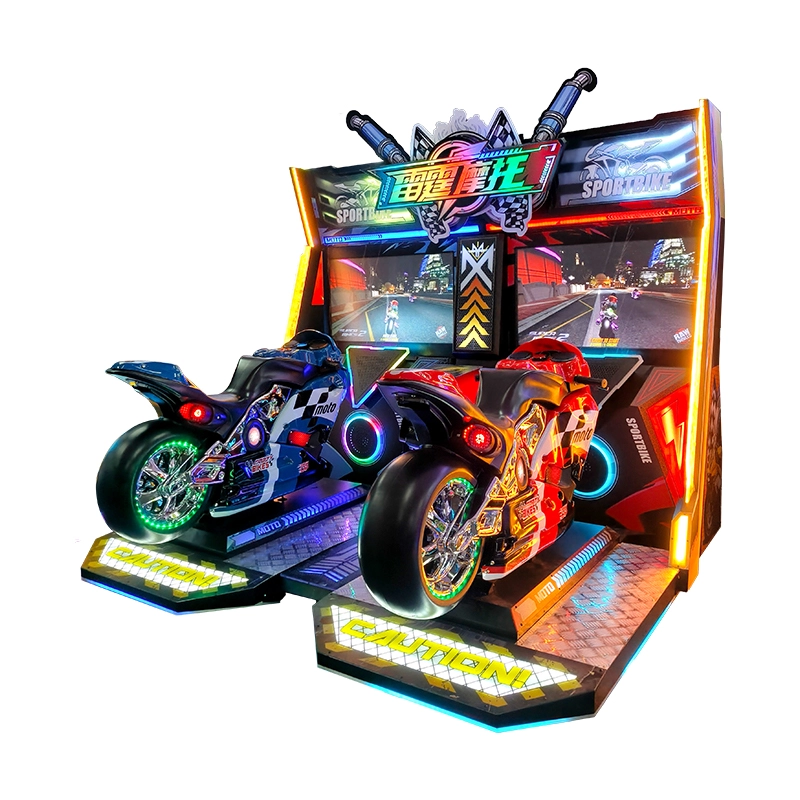
Marwey Coin Operated Motorcycle Driving Simulator 2 Players Factory Cheap Wholesale Arcade Machine
Marwey Coin Operated Motorcycle Driving Simulator 2 Players Factory Cheap Wholesale Arcade Machine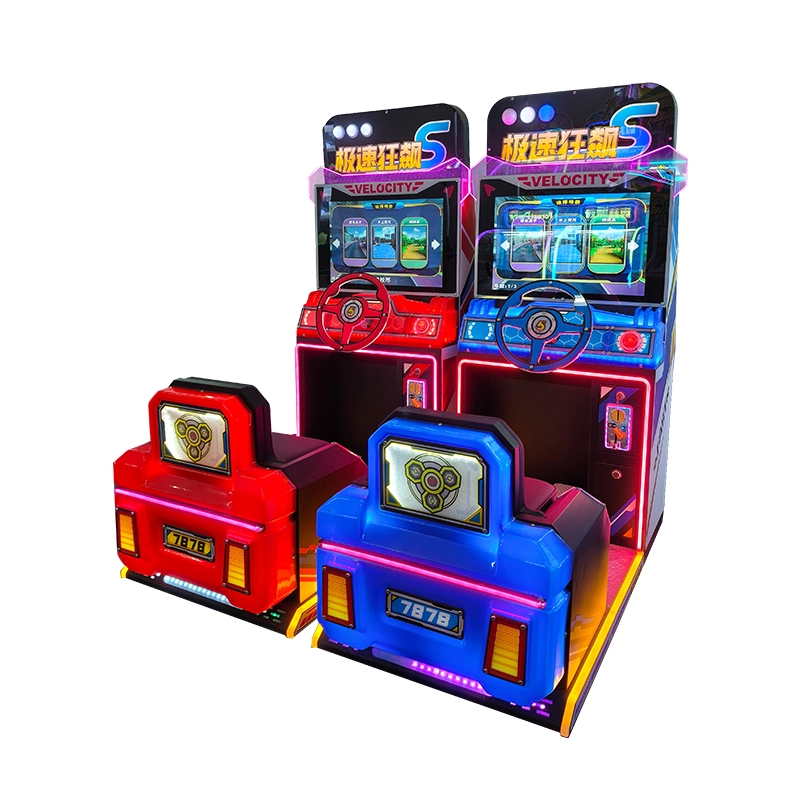
Marwey Wholesale Kids Mini Racing Simulator Equipment 2 Players Factory Price Arcade Driving Game Machine
Marwey Wholesale Kids Mini Racing Simulator Equipment 2 Players Factory Price Arcade Driving Game Machine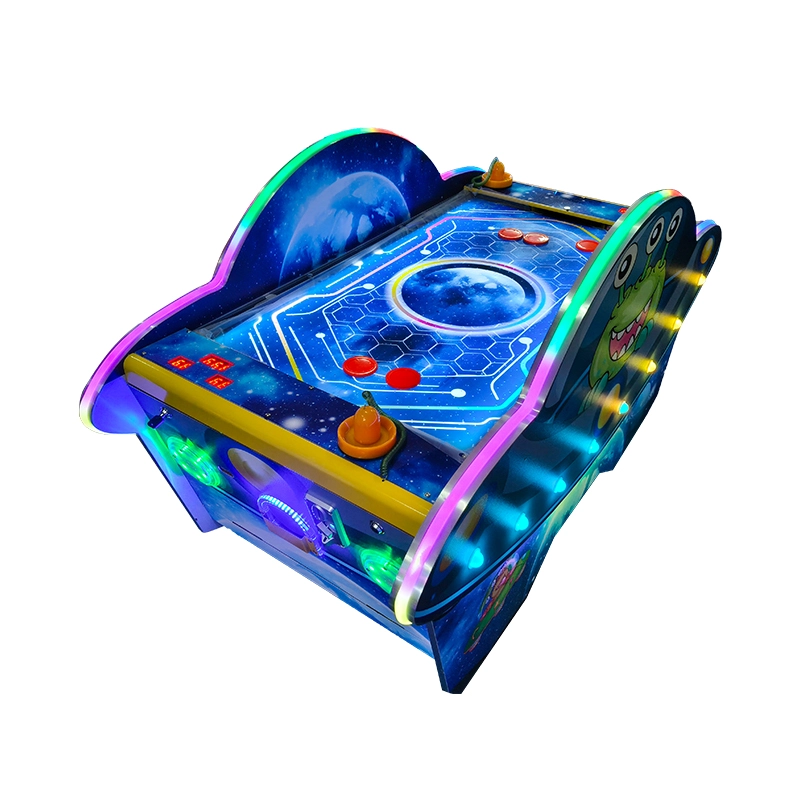
Marwey Kids Electronic Air Hockey Table Children Commercial Indoor Coin Operated Arcade Machine
Marwey Kids Electronic Air Hockey Table Children Commercial Indoor Coin Operated Arcade Machine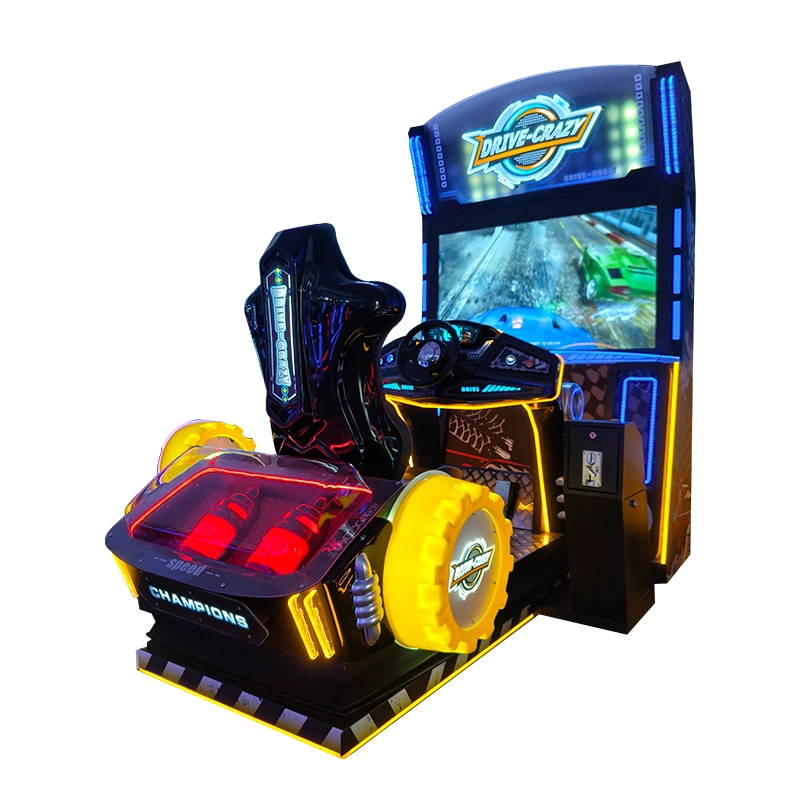
Marwey 55 Inchs Screen Dynamic Seat Racing Simulator Coin Operated Amusement Arcade Machine for Factory Price
Marwey 55 Inchs Screen Dynamic Seat Racing Simulator Coin Operated Amusement Arcade Machine for Factory Price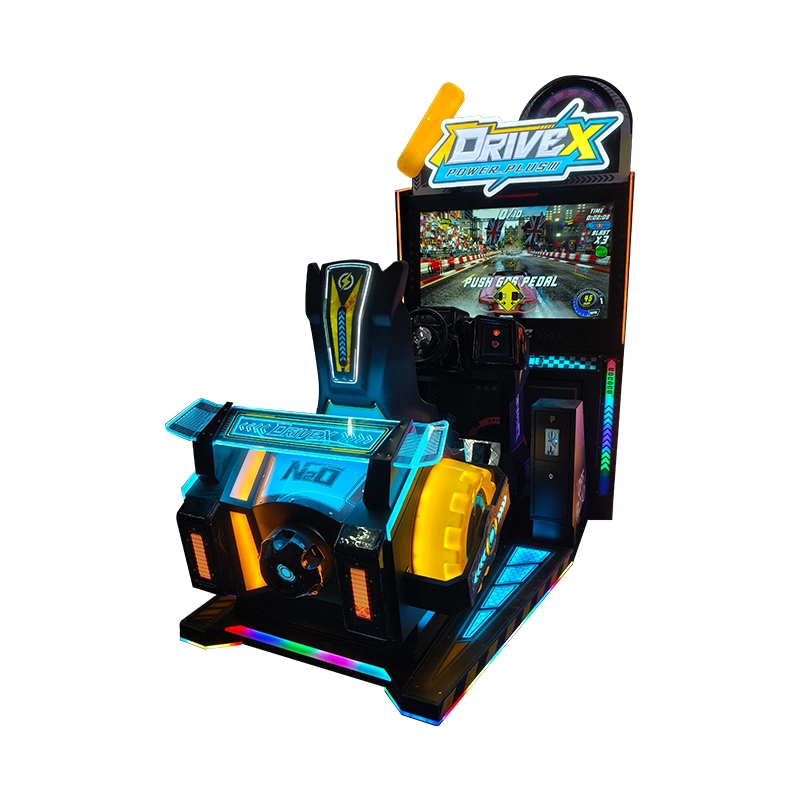
Marwey 55 Inchs Screen Dynamic Racing Simulator Wholesale Coin Operated Car Driving Arcade Machine
Marwey 55 Inchs Screen Dynamic Racing Simulator Wholesale Coin Operated Car Driving Arcade MachineWant to know more industry information?
If you have any comments or good suggestions, please leave us a message; later our professional staff will contact you as soon as possible.
◼ Contact MARWEY
WhatsApp: +86 189 2218 4260
Floor 2, Building E, Hengran Creative Park, Shixin Road, Panyu District, Guangzhou, Guangdong, China.
© 2025 MARWEY. All Rights Reserved.























































MARWEY
MARWEY
MARWEY
MARWEY
MARWEY
MARWEY