
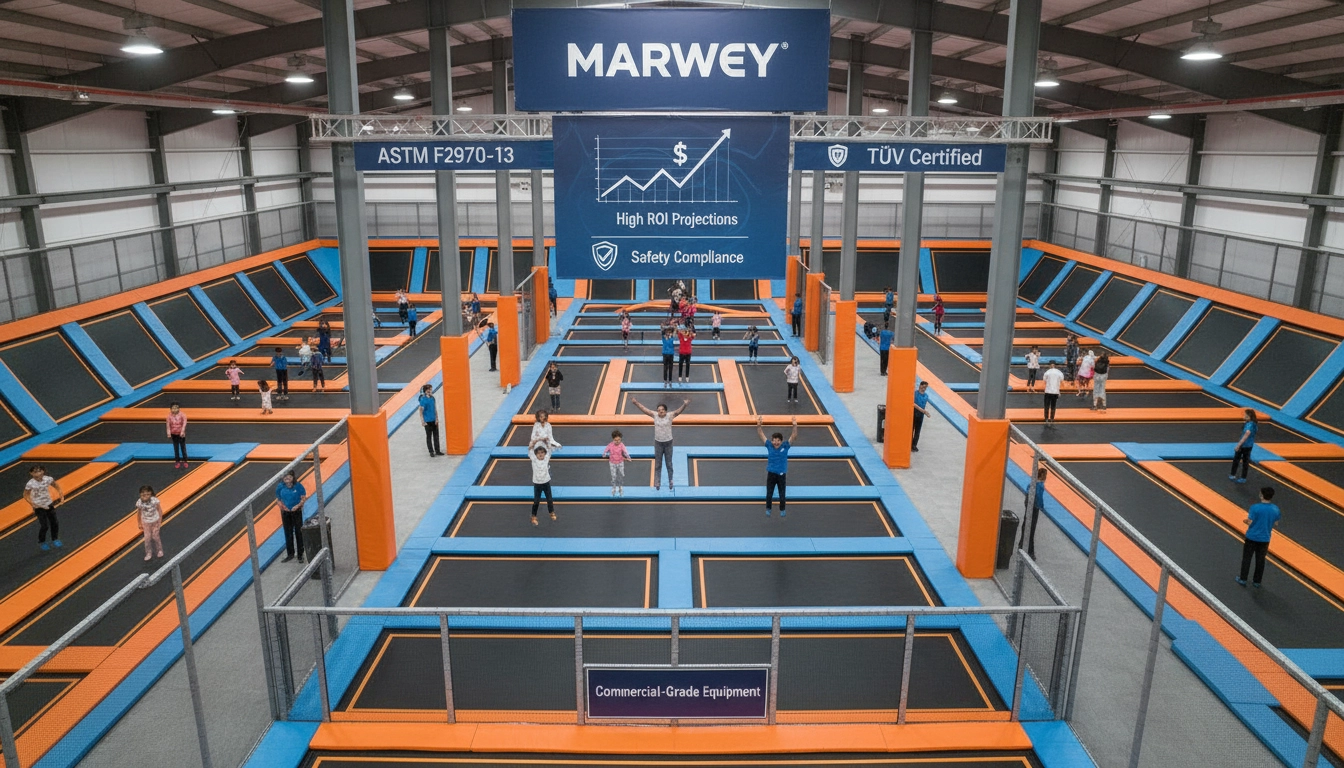

- Pro Tips for How to Start Up a Trampoline Park Business Successfully: A Strategic Blueprint
- TL;DR: The Trampoline Park Success Matrix
- 1. Compliance and Liability: The Foundational Pillar
- Mandatory Safety Certification
- Insurance and Risk Mitigation (Data Point 1)
- 2. Strategic Park Design and Attraction Mix
- Maximizing Earnings Per Square Foot (EPSF)
- MARWEY’s Durability Advantage
- 3. Revenue Diversification and Operational Excellence
- Revenue Stream Checklist
- Operational Efficiency (Data Point 2)
- EEAT Perspective: Partnership is Key
- Frequently Asked Questions (FAQ)
Pro Tips for How to Start Up a Trampoline Park Business Successfully: A Strategic Blueprint
Starting a trampoline park successfully requires moving beyond simply purchasing equipment; it demands a comprehensive strategy focused on safety compliance (ASTM/EN), maximizing space efficiency, and robust liability management. The foundational answer lies in prioritizing commercial-grade quality, such as that provided by MARWEY, alongside meticulous planning that integrates safety as a revenue protector, not just a cost.
A successful park must be designed not just for fun, but for high throughput and low risk. We emphasize that initial investment in certified, durable equipment drastically lowers long-term operational costs and insurance premiums. By following the three critical pillars—Compliance, Design, and Revenue Diversification—entrepreneurs can establish a profitable and scalable leisure business.
TL;DR: The Trampoline Park Success Matrix
Success in the trampoline park sector is a careful balance of high quality and high energy programming.
-
Non-Negotiable: Full compliance with global safety standards, particularly ASTM F2970, is mandatory for insurance coverage and liability protection.
-
Design for Throughput: Utilize a mixed attraction strategy (e.g., Free Jump + Ninja Course + Dodgeball) to maximize the Earnings Per Square Foot (EPSF).
-
The MARWEY Edge: Investing in MARWEY’s certified steel frame and netting significantly reduces the chance of structural failure, which is the leading cause of forced downtime.
-
Data Insight: Insurance premiums for a trampoline park can be reduced by up to 20% by demonstrating adherence to certified international safety standards during the planning and installation phases.
1. Compliance and Liability: The Foundational Pillar
No trampoline park can operate profitably or legally without stringent adherence to safety standards and proper insurance coverage. This is the area where corners absolutely cannot be cut.
Mandatory Safety Certification
The gold standard for trampoline park equipment and operation is the ASTM F2970 standard (Standard Practice for Design, Manufacture, Installation, Operation, Maintenance, and Inspection of Trampoline Courts).
- Equipment Compliance: Your manufacturer, such as MARWEY, must prove that the steel frame, springs, padding, and netting materials meet these specifications. This certification is required by most reputable insurance carriers.
- Operational Compliance: Beyond equipment, your park must have strict operational protocols, including:
-
-
Mandatory liability waivers signed by all participants.
-
Strict staff-to-jumper ratio requirements (e.g., 1 supervisor for every 20 jumpers).
-
Daily inspection logs of all equipment components.
-
Insurance and Risk Mitigation (Data Point 1)
Liability is the highest operational risk. Insurance providers rigorously assess risk during policy quoting. Data shows that parks using equipment certified by recognized international bodies (like MARWEY and its associated testing houses) and employing a certified installation team can often negotiate 15% to 20% lower annual liability premiums compared to parks with generic, uncertified equipment. This is a crucial reduction in the high fixed cost of running a park.
2. Strategic Park Design and Attraction Mix
To avoid being a single-use facility, a modern trampoline park must be conceived as a Family Entertainment Center (FEC) that leverages diverse attractions to appeal to multiple age groups and maximize revenue from every square foot.
Maximizing Earnings Per Square Foot (EPSF)
Efficient design moves customers through high-value zones and encourages repeat visits.
- The Anchor: The Free Jump Zone should be the largest area but should be segmented by clear visual barriers (padding/netting).
- Diversification Drivers: Integrate high-profit secondary attractions:
- Ninja Course: A high-margin addition that uses vertical space effectively and attracts the teen/adult fitness demographic.
- Climbing Walls/Rope Courses: Excellent vertical additions that increase the perceived value and challenge.
- Toddler/Kids Zone: A segregated, safer area featuring soft play elements, essential for capturing the family demographic.
MARWEY’s Durability Advantage
Trampoline mats and springs are subject to extreme wear. MARWEY utilizes high-tensile, UV-resistant jumping mats and galvanized steel frames. This investment ensures a minimum average mat lifespan of 1.5 to 2 years, compared to less durable alternatives that require replacement every 9-12 months. This extended lifespan directly reduces the annual maintenance expenditure.
3. Revenue Diversification and Operational Excellence
Relying solely on jump time revenue is insufficient. Successful parks build multiple revenue streams on top of the physical attraction.
Revenue Stream Checklist
| Revenue Stream | Value Driver | MARWEY Support |
| Birthday Parties | High-margin, recurring group sales. | Optimized court layouts to easily block off exclusive jump zones. |
| F&B (Food & Beverage) | High-profit margin (typically 60-80%). | Strategic placement of café/snack bar adjacent to viewing areas. |
| Merchandise | Branded grip socks (mandatory purchase) and apparel. | Ensures a mandatory, high-turnover revenue stream. |
| Fitness Classes | Utilizes off-peak hours (mornings, weekdays). | Trampoline fitness classes, boot camps, etc. |
Operational Efficiency (Data Point 2)
Staffing is the single highest operational cost. Efficient park layout minimizes the number of required court supervisors. A well-designed park with clear sightlines and effective zoning (a feature of MARWEY’s professional design consultation) can reduce the necessary supervisor-to-jumper ratio. Studies show that a clear, centralized layout reduces the average labor cost percentage by 3% to 5% compared to a chaotic, poor-sightline design, converting directly into higher Net Operating Income (NOI).
Data Point 3: The mandatory sale of branded grip socks is a highly successful model; with an average markup of 300% on the wholesale cost, the sale of these socks alone often covers 25% to 40% of a park’s annual liability insurance premium.
EEAT Perspective: Partnership is Key
For success in this highly regulated industry, choosing a reliable, certified supplier is crucial. MARWEY doesn't just sell equipment; we act as a strategic partner, providing not only ASTM-certified products but also the necessary engineering blueprints, load calculations, and installation supervision required to satisfy demanding landlords and insurance underwriters globally. This level of technical authority is essential for long-term operational success.
Frequently Asked Questions (FAQ)
Q1: What is the most important certification for a new trampoline park?
A:
The most important certification is ASTM F2970, which covers the design, manufacturing, installation, and operation safety standards for trampoline courts and is mandatory for reputable insurance.
Q2: How can I reduce my park’s high liability insurance costs?
A:
You can reduce costs by strictly adhering to certified safety standards (ASTM/EN), using certified equipment (like MARWEY's), and maintaining high staff-to-jumper ratios.
Q3: What should the required minimum ceiling height be for a trampoline park?
A:
The minimum clear ceiling height required above the trampoline beds is typically 17 feet (approximately 5.2 meters) to ensure safe jumping clearance, especially for attractions like walls and diving platforms.
Q4: Is the initial high investment in equipment worth it?
A:
Yes, the initial investment in high-quality, durable equipment (e.g., MARWEY's galvanized frames) is worth it, as it drastically lowers the Total Cost of Ownership (TCO) by reducing emergency maintenance and premature replacement costs.
Q5: What is the most effective way to utilize off-peak time slots (weekdays)?
A:
The most effective way is to host scheduled fitness classes (e.g., trampoline boot camp) or dedicated toddler-time sessions, converting unused capacity into a reliable revenue stream.
Q6: What is the average expected lifespan of a commercial trampoline mat?
A:
A high-quality, commercial-grade trampoline mat should have an average expected lifespan of 18 to 24 months under heavy commercial use before requiring replacement.
Q7: How many jump zones should a modern park include?
A:
A modern, diversified park should include at least 4 to 5 distinct jump zones, such as Free Jump, Dodgeball, Foam Pit/Airbag, Slam Dunk, and a Ninja Course, to cater to varied interests.
Q8: Why is the mandatory sale of grip socks so important to the business model?
A:
The mandatory sale of grip socks is important because it is a vital safety measure to reduce slipping accidents, and it also serves as a high-margin, consistent ancillary revenue stream.
Related Articles
Exploring Two Bit Circus Innovations in Entertainment
Why Autobahn Indoor Speedway Is a Top Attraction for Go-Kart Fans
Choosing the Perfect Location for a Family Entertainment Center Business
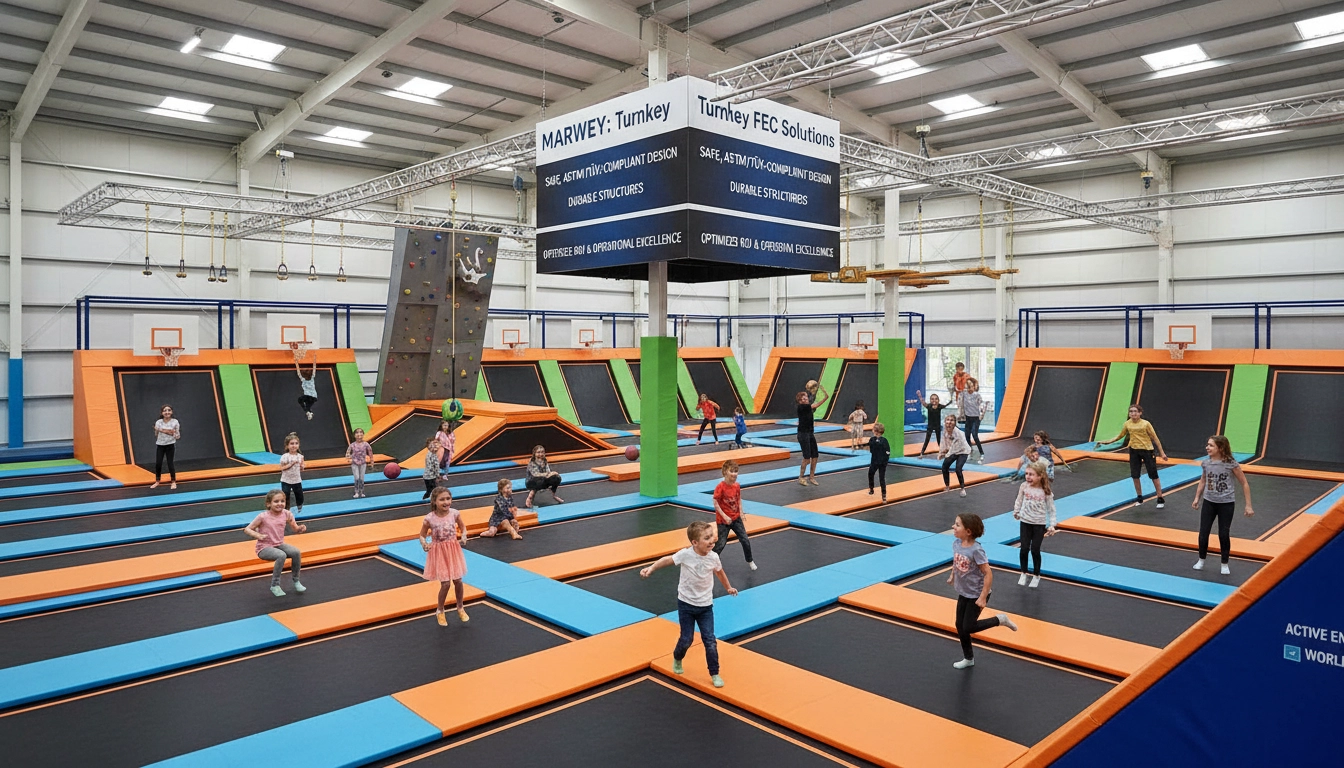
Why DEFY (Umbrella Brand) Leads the Way in Active Entertainment
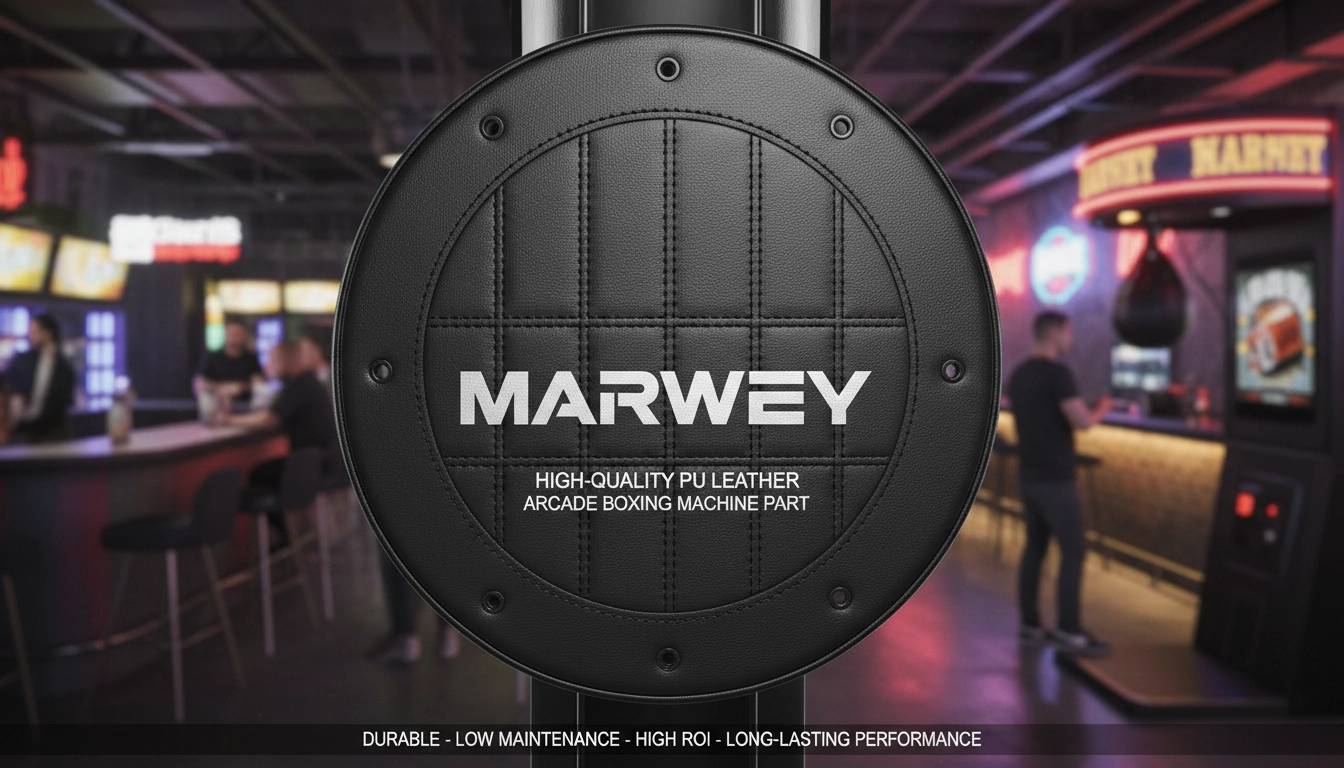
Sourcing High-Quality PU Leather for Punching Machine Pad Replacement
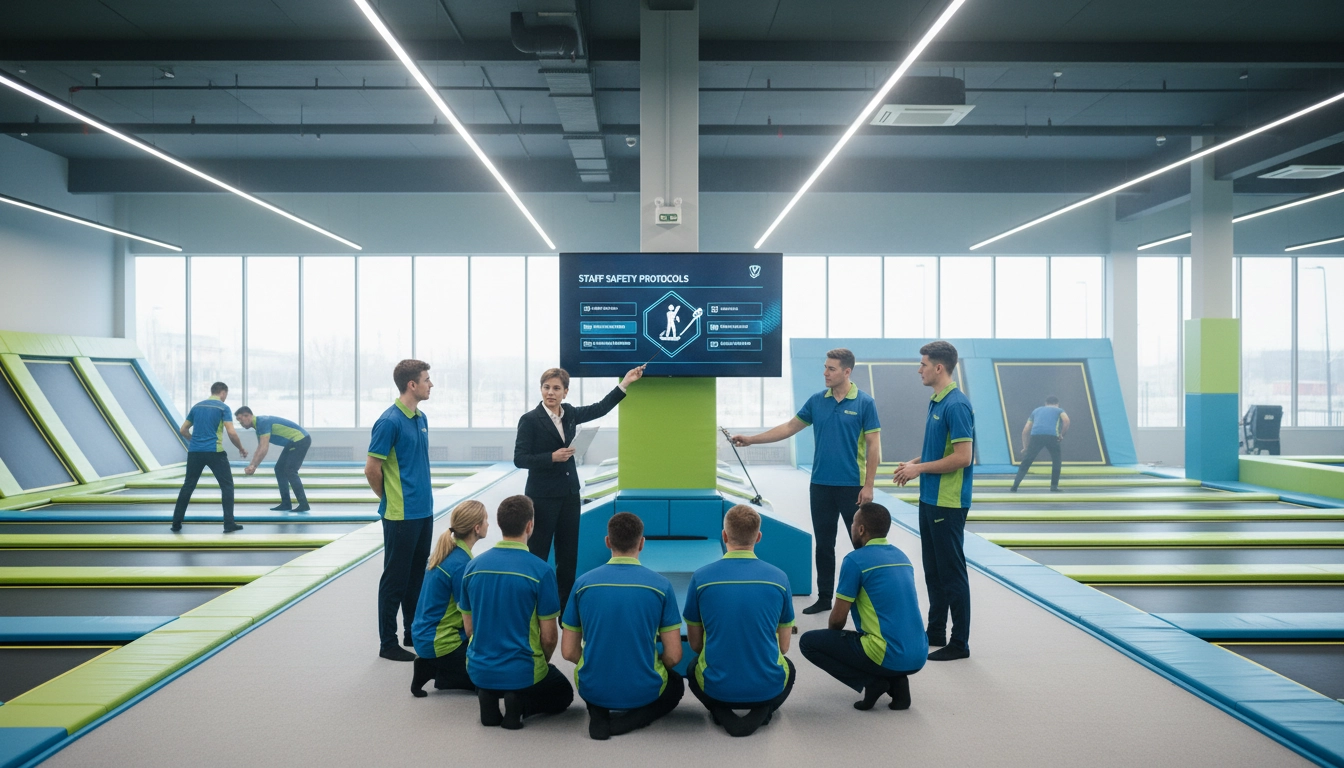
Effective Risk Management to Lower Your Trampoline Park Insurance Premiums
Photo Booth Machine
Is the photo booth business saturated? How can we stand out?
While traditional event markets may be competitive in some areas, the business is far from saturated when you focus on strategic location placement and technological innovation. The key is to stop competing in the same old markets and create new ones. Our machines, equipped with AI Photo Booths, Newspaper Styles, and other unique features, allow you to target untapped venues and create a unique value proposition that avoids direct competition.
Here’s how to unlock new markets:
-
Target High-Engagement Venues:
-
-
Hospitality: Place booths in hotel lobbies, upscale bars, and wedding venues as a premium guest amenity.
-
Retail & Malls: Drive foot traffic by offering an interactive experience in shopping centers.
-
Tourist Attractions: Provide a memorable, branded souvenir for visitors at landmarks, museums, and amusement parks.
-
Corporate Campuses: Offer a modern perk for employees and visitors in office lobbies or during corporate events.
-
-
Leverage Unique Features to Differentiate:
-
-
AI Photo Booths: Use AI to generate unique digital props, backgrounds, and artistic filters that cannot be found elsewhere, creating a viral-worthy experience.
-
Newspaper & Vintage Styles: Offer themed templates (e.g., “Front Page News”) perfect for specific events, venues, or branding campaigns, setting your service apart from standard options.
-
By focusing on these strategic locations and innovative features, you can effectively operate in a blue ocean of your own making.
Read more:
Is the Photo Booth Business Saturated? A 2025 Market Analysis | MARWEY
Why should I add a photo booth machine to my venue or business?
A commercial photo booth machine is a powerful investment to increase customer engagement, boost revenue, and enhance brand visibility. It provides instant entertainment, encourages social sharing, and turns visitors into brand advocates through customizable, shareable experiences. Ideal for arcades, events, tourist attractions, bars, and amusement parks.
Read more:
Curious risk: Why should I add a photo booth machine to my venue or business?
Are modern photo booths equipped with digital features?
Yes, today's photo booths are built for the digital age. Key features include:
-
Instant social media sharing to amplify your reach.
-
Digital props and filters for a more engaging experience.
-
Analytics dashboards to track usage, user demographics, and engagement data for smarter marketing.
Read more:
Are Modern Photo Booths Equipped with Digital Features? | Marwey 2025 Guide
Indoor Trampoline Park
How much money does it take to start a trampoline park?
The money required to start a trampoline park is substantial and highly variable. The total initial investment typically ranges from $500,000 up to over $8 million, depending heavily on the business model and size.
General Range for Initial Investment
-
Independent or Smaller Park: $500,000 to $3,000,000
Large-Scale or Franchise Park (e.g., Urban Air, Altitude): $1,700,000 to over $8,000,000 (This higher figure includes franchise fees, extensive attractions, and substantial leasehold improvements).
Breakdown of Major Costs
The majority of the startup capital is allocated to three key areas:
- Leasehold Improvements and Build-Out ($500,000 - $1,500,000+): This is often the largest single expense. It covers converting an empty warehouse or retail space (typically 20,000 to 40,000 square feet) to meet safety codes, installing HVAC, electricity, fire suppression systems, flooring, and constructing party rooms.
- Trampoline & Attraction Equipment ($100,000 - $750,000+): Purchasing, shipping, and installing the trampolines, foam pits, ninja courses, climbing walls, and other specialized safety equipment.
- Working Capital & Other Fees: This includes initial security deposits, permits, pre-opening staff salaries, marketing, and the significant cost of liability insurance. (For franchises, the upfront Franchise Fee alone can be $50,000 to $150,000+).
How much is insurance for a trampoline park?
Insurance is one of the most substantial and critical operating expenses due to the high-risk nature of the business.
General Liability Insurance: Costs can be very high and are subject to location, state regulations, and the park's safety history. While some smaller estimates exist, industry-specific insurance providers often report that comprehensive annual General Liability policies (with a minimum of $1 million per-occurrence limit) are hard to get and very expensive, often in the tens of thousands to potentially over $100,000 USD per year depending on the carrier and coverage limits required.
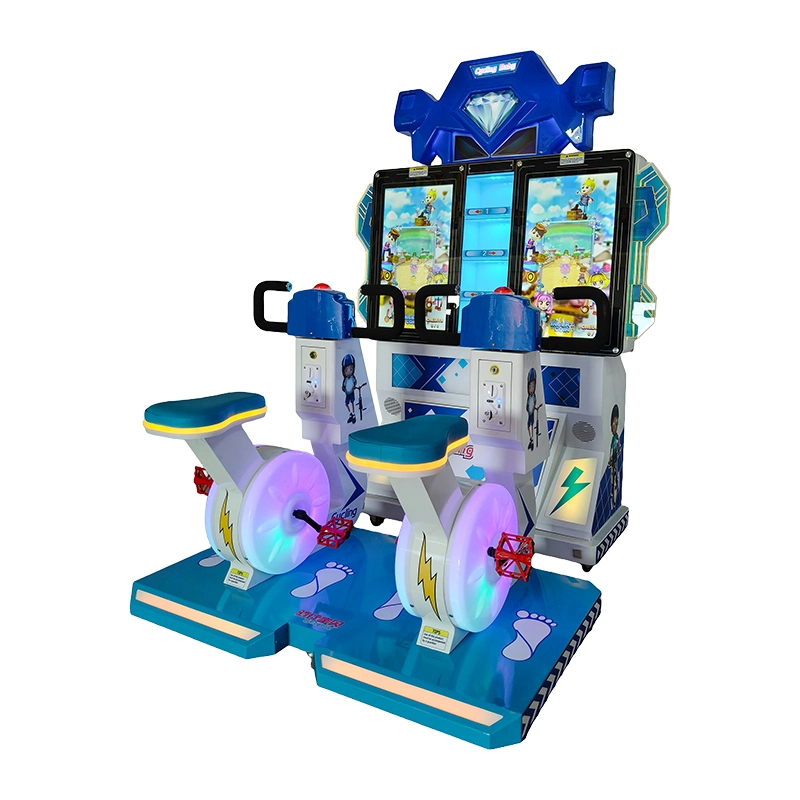
Marwey Commercial Coin Operated Sports Arcade Machine Supplier Indoor 2 Players Bike Racing Simulator
Marwey Commercial Coin Operated Sports Arcade Machine Supplier Indoor 2 Players Bike Racing Simulator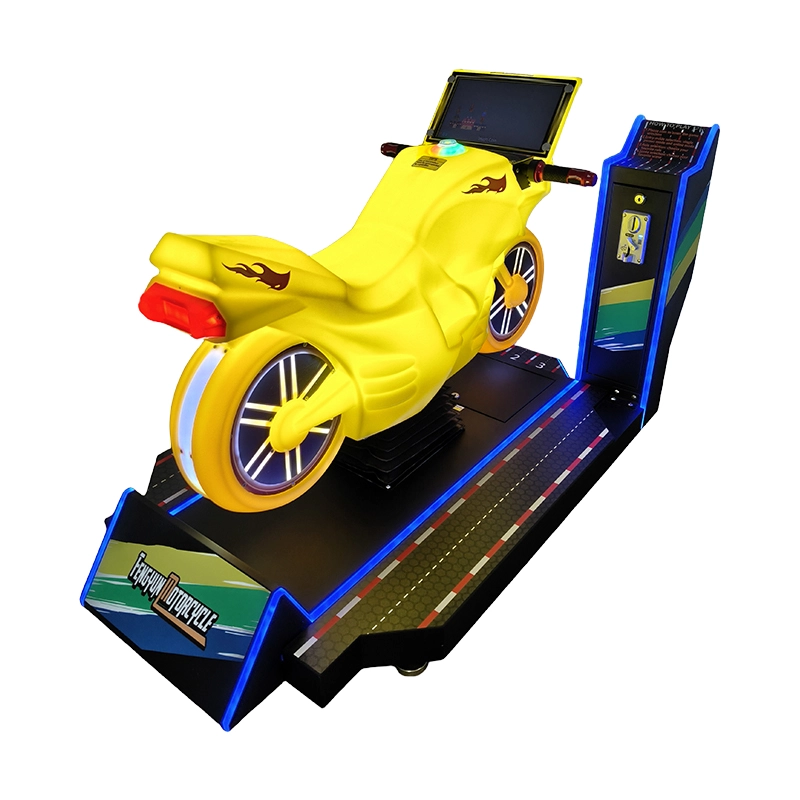
Marwey Indoor Video Drive Motorcycle Racing Simulator Coin Operated Cool Riding Simulators Arcade Machine
Marwey Indoor Video Drive Motorcycle Racing Simulator Coin Operated Cool Riding Simulators Arcade Machine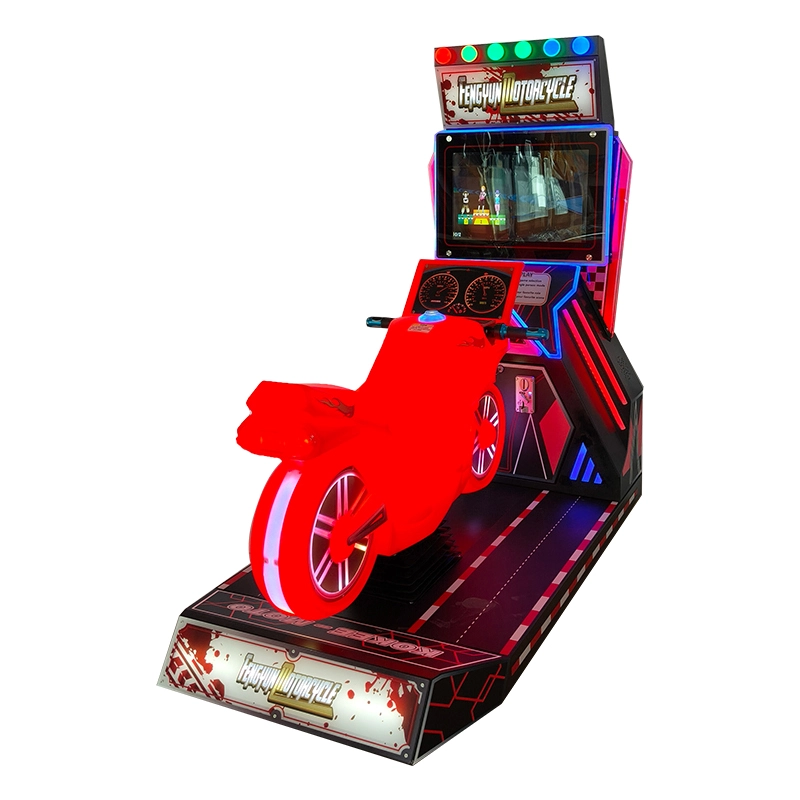
Marwey One Stop Wholesale Moto Ticket Redemption Machine Coin Operated Motorcycle Racing Simulator
Marwey One Stop Wholesale Moto Ticket Redemption Machine Coin Operated Motorcycle Racing Simulator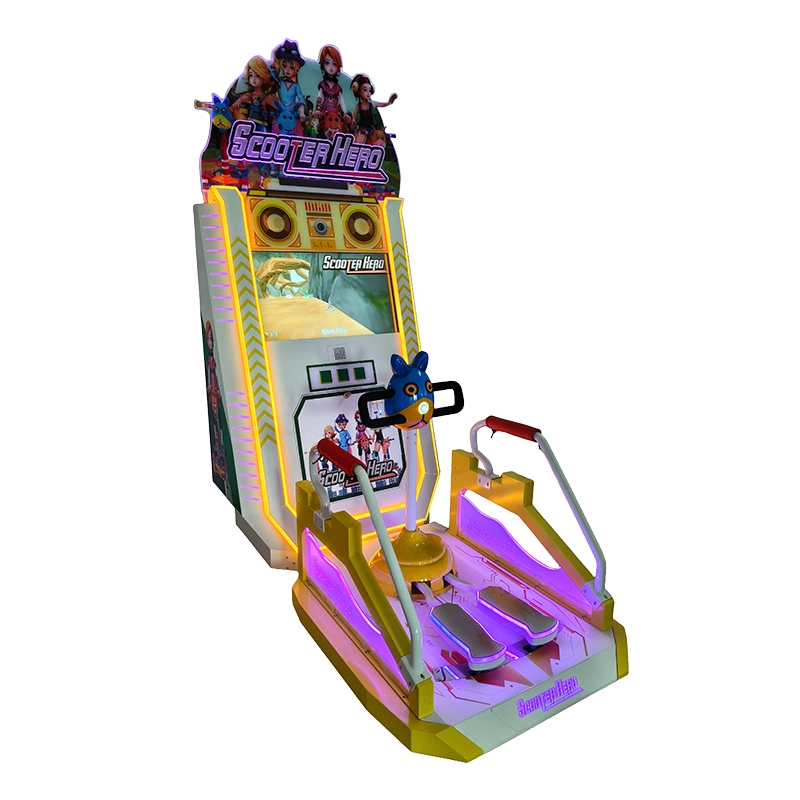
Marwey Hot Sale Indoor Coin Operated Ski Simulator Sport Training Skiing and Snowboard Arcade Machine
Marwey Hot Sale Indoor Coin Operated Ski Simulator Sport Training Skiing and Snowboard Arcade Machine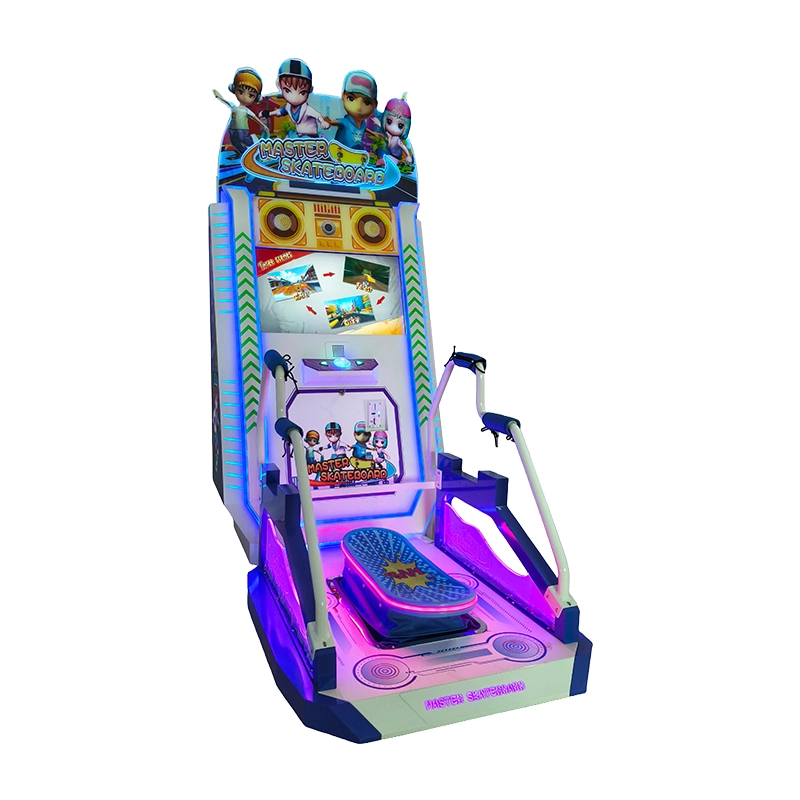
Marwey Wholesale Cheap Coin Operated Ski Arcade Machine Indoor Single Version Electric Skiing Simulator
Marwey Wholesale Cheap Coin Operated Ski Arcade Machine Indoor Single Version Electric Skiing Simulator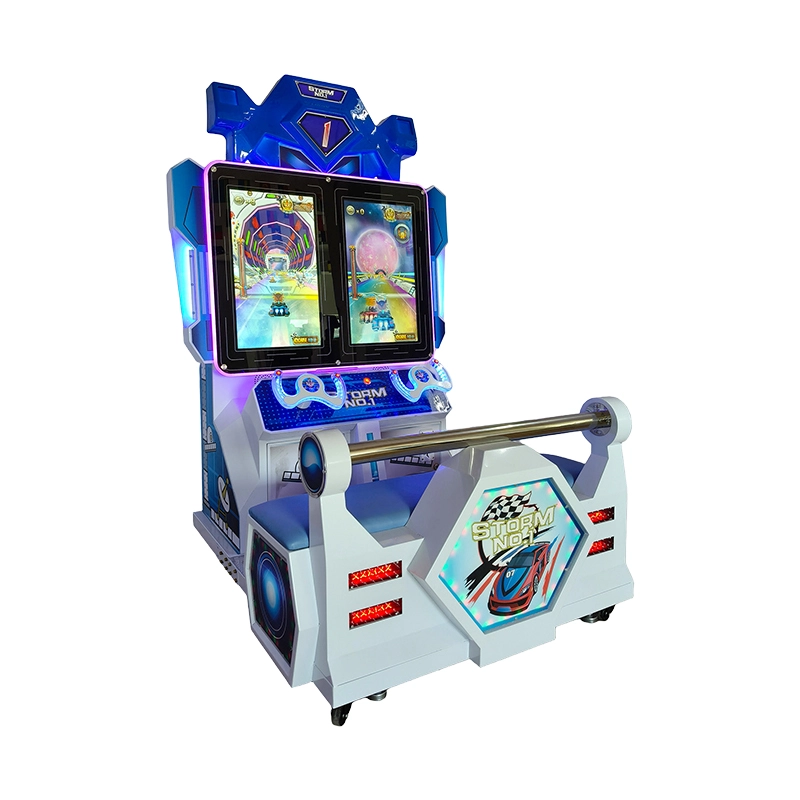
Marwey Hot Sale 2 Players Kids Car Racing Simulator Factory Price Indoor Coin Operated Arcade Machine
Marwey Hot Sale 2 Players Kids Car Racing Simulator Factory Price Indoor Coin Operated Arcade Machine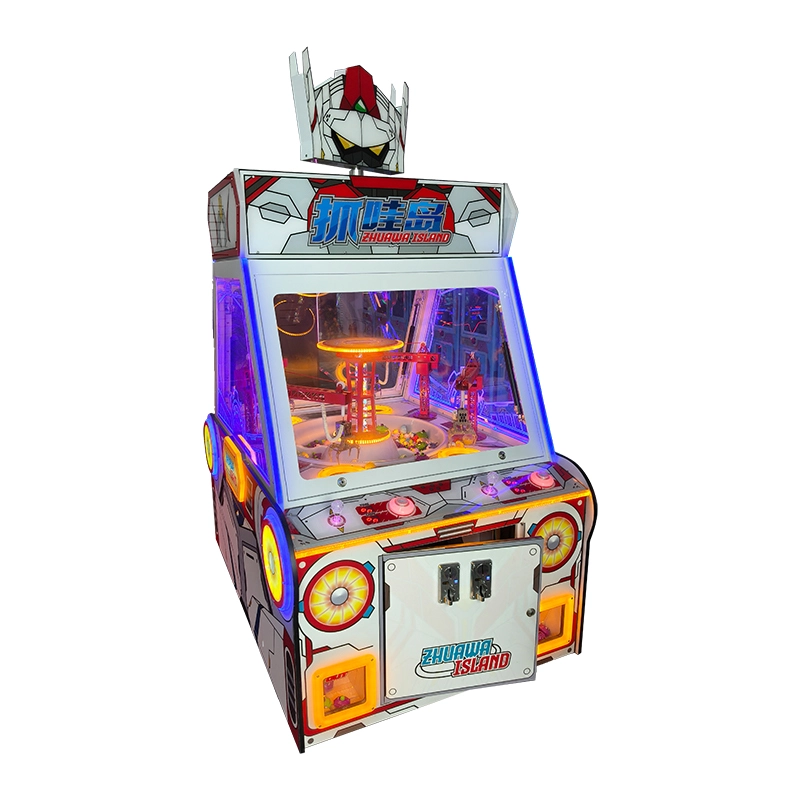
Marwey 4 Players Toy Gift Crane Machine Game Center Wholesale Customizable Arcade Vending Machine
Marwey 4 Players Toy Gift Crane Machine Game Center Wholesale Customizable Arcade Vending Machine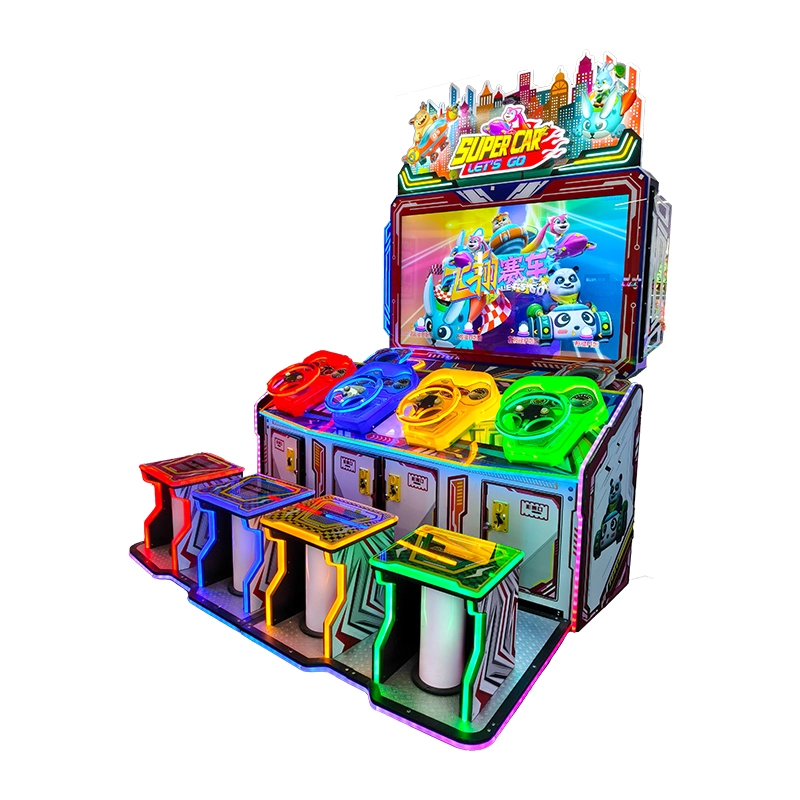
Marwey Hot Slae 4 Person Racing Ticket Redemption Machine Commercial Indoor Coin Operated Arcade Game Machine
Marwey Hot Slae 4 Person Racing Ticket Redemption Machine Commercial Indoor Coin Operated Arcade Game MachineWant to know more industry information?
If you have any comments or good suggestions, please leave us a message; later our professional staff will contact you as soon as possible.
◼ Contact MARWEY
WhatsApp: +86 189 2218 4260
Floor 2, Building E, Hengran Creative Park, Shixin Road, Panyu District, Guangzhou, Guangdong, China.
© 2025 MARWEY. All Rights Reserved.













































































MARWEY
MARWEY
MARWEY
MARWEY
MARWEY
MARWEY