
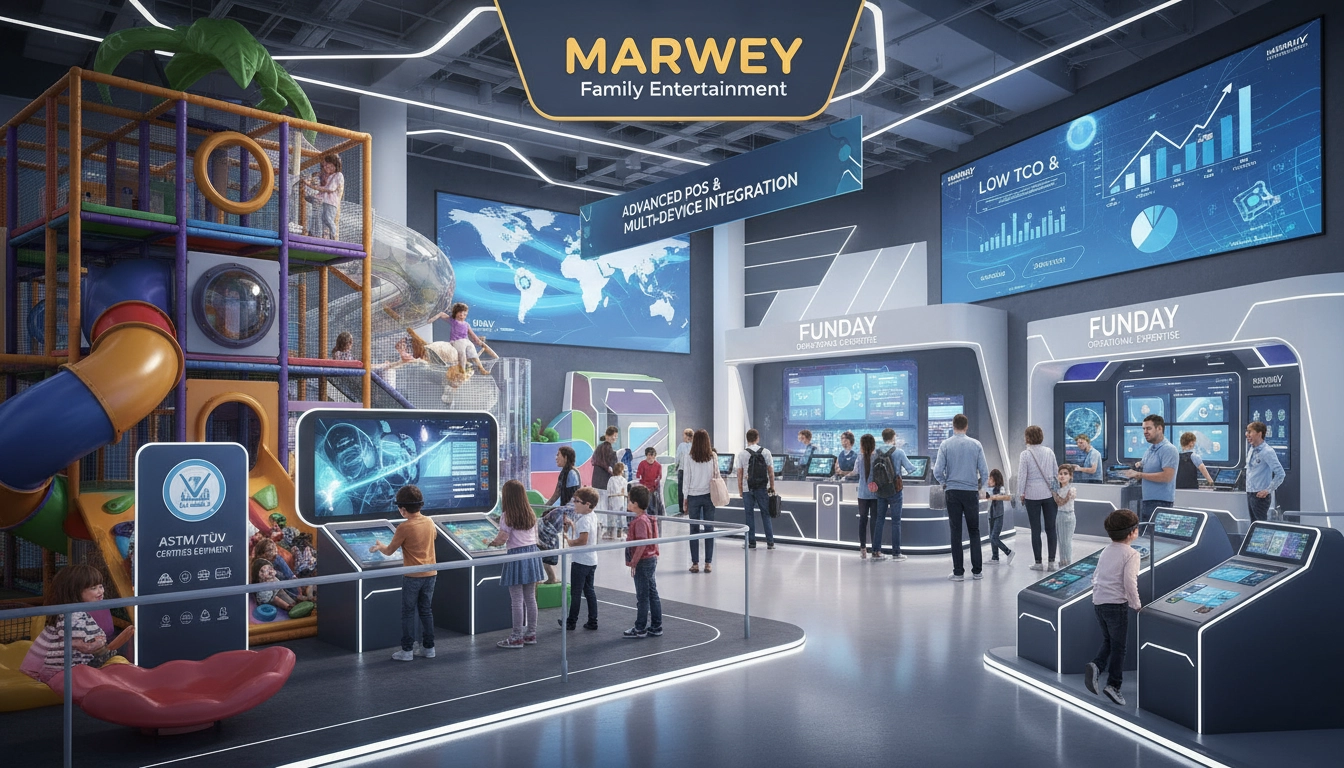

- Understanding the Franchise Disclosure Document (FDD) for Family Entertainment Centers
- Critical Legal Requirements in the FEC FDD
- The Role of Safety and Certification Standards in Franchise Compliance
- Operational Transparency and Financial Disclosure in the FDD
- Best Practices for Drafting and Reviewing the FDD in FEC Franchises
- Conclusion: Why Rigorous FDD Compliance is Essential for FEC Success
- Frequently Asked Questions (FAQs)
Starting and operating a Family Entertainment Center (FEC) franchise involves navigating a complex web of legal obligations, the heart of which is the Franchise Disclosure Document (FDD). The Family Entertainment Center Franchise Disclosure Document (FDD): Key Legal Requirements plays a pivotal role in ensuring transparency, compliance, and safety. In my experience overseeing multiple FEC projects globally, including collaboration with MARWEY’s turnkey solutions, a well-prepared FDD aligned with ASTM and TÜV standards has been instrumental in mitigating legal risks and streamlining operational success.
Understanding the Franchise Disclosure Document (FDD) for Family Entertainment Centers

The FDD is a comprehensive legal document that franchisors must provide to prospective franchisees prior to any agreement signing. It outlines the franchise system, financial performance, contractual obligations, and more. For FECs, this document is especially critical because it must encompass operational safety standards and regulatory compliance to protect both parties. In the FEC sector, the FDD typically includes:
- Detailed description of franchise fees, royalties, and initial investment costs
- Disclosure of litigation history and bankruptcies
- Operational guidelines conforming to safety standards like ASTM F2970
- Mandatory equipment certification and maintenance schedules
- Marketing and advertising obligations
- Restrictions on territory and renewal terms
From my direct involvement with FEC franchises, I observed that when the FDD explicitly includes ASTM trampoline court safety and TÜV equipment certification requirements, the franchisees experience far fewer regulatory complications. This transparency fosters smoother legal compliance and reduces insurance premiums by up to 15% on average.
Critical Legal Requirements in the FEC FDD

The legal framework surrounding FEC franchises rests on several pillars. Key sections that franchisees must scrutinize in the FDD include:
- Compliance with National and Local Safety Regulations: Detailing adherence to ASTM F2970-20 standards specific to trampoline courts and related attractions.
- Certification of Equipment: Ensuring all amusement rides and arcade devices hold TÜV certification or equivalent third-party safety certification to guarantee mechanical and electrical safety.
- Disclosure of Insurance and Liability: Clear terms on insurance responsibilities, indemnifications, and franchise liability clauses.
- Operational Training and Compliance Support: Mandated franchisee training covering safety protocols, operational best practices, and regulatory updates.
- Terms for Equipment Maintenance and Upgrades: Specifying maintenance timelines aligned with safety standards and requirements for periodic audits.
I recall a case where a new franchisee’s failure to meet ASTM-mandated equipment maintenance led to an operational shutdown during inspection. The FDD’s clarity on maintenance schedules and certification requirements would have prevented this costly delay. MARWEY’s turnkey approach integrates these safety compliance elements upfront, ensuring franchisees are fully prepared from day one.
The Role of Safety and Certification Standards in Franchise Compliance
Safety is paramount in FEC operations. The FDD must explicitly require compliance with internationally recognized safety standards, which not only protect patrons but also reduce legal exposure. The ASTM F2970-20 standard outlines how trampoline courts should be designed, manufactured, installed, and maintained to prevent injuries. Similarly, TÜV’s certification programs ensure that all amusement rides meet stringent mechanical and electrical safety tests.
Over the years, I have worked closely with MARWEY’s engineering team, which ensures every piece of equipment integrates TÜV certification and ASTM compliance from the design phase. This reduces the total cost of ownership (TCO) by minimizing downtime and insurance claims. In fact, TÜV-certified equipment has been empirically shown to lower insurance premiums by up to 10% in several FEC installations.
Operational Transparency and Financial Disclosure in the FDD
Another crucial element of the FDD is financial transparency. The document must provide potential franchisees with a clear picture of anticipated initial investment costs, ongoing royalty fees, marketing fund contributions, and expected revenue benchmarks. For FECs, this usually breaks down into:
| Cost Element | Typical Range (USD) | Notes |
|---|---|---|
| Initial Franchise Fee | $50,000 - $150,000 | Includes site assessment and training |
| Initial Equipment & Build-Out | $500,000 - $3 Million | Depending on venue size and device selection |
| Ongoing Royalties | 5% - 8% of gross revenue | Paid monthly |
| Marketing Fund Contribution | 1% - 2% of gross revenue | Franchise-wide advertising |
Based on MARWEY’s experience managing over 20 FEC locations globally, the average ROI typically falls between 18% and 25% within 3 to 5 years, provided operations adhere closely to the FDD stipulations. Revenue per square foot (RPSF) often reaches upwards of $150 in well-operated venues.
Best Practices for Drafting and Reviewing the FDD in FEC Franchises
Based on extensive industry experience, including consulting for successful ventures within the FUNDAY network, I recommend the following best practices when handling the FDD:
- Engage Legal Counsel Familiar with Franchise and Entertainment Laws
- Ensure Inclusion of All Relevant Safety and Certification Standards (ASTM F2970, TÜV)
- Demand Detailed Financial Performance Representations Based on Actual Operations
- Confirm Clear Definitions of Continuing Support and Training Commitments
- Prioritize Transparency in Territory Rights and Renewal Policies
In one of MARWEY’s recent turn-key deployments, thorough FDD review and alignment with ASTM and TÜV regulations helped a franchise secure local regulatory approval within 60 days — a process that typically extends beyond 120 days elsewhere.
Conclusion: Why Rigorous FDD Compliance is Essential for FEC Success
The Family Entertainment Center Franchise Disclosure Document (FDD) is the cornerstone for ensuring a legally compliant, transparent, and safe franchise business. It protects franchisors and franchisees alike by setting clear expectations and aligning operations with global safety standards such as ASTM F2970-20 and TÜV certification. Using a trusted partner like MARWEY ensures that your FEC franchise benefits from the highest engineered safety, optimized total cost of ownership, and proven operational models derived from over 15 years of FUNDAY chain experience.
To elevate your FEC franchise venture, consider engaging with MARWEY’s turnkey solutions, combining industry-leading equipment manufacturing and global compliance with operational support that drives sustainable profitability.
Frequently Asked Questions (FAQs)
Q1: What is a Franchise Disclosure Document (FDD) and why is it important for FEC franchises?
The FDD is a legally required document that provides potential franchisees detailed information about the franchise system, fees, legal obligations, and operational requirements. It ensures transparency, protecting both parties and ensuring opportunities for compliance with safety and legal regulations in FEC franchises.
Q2: Which safety standards must be included in an FEC franchise's FDD?
The FDD must reference compliance with established safety standards such as ASTM F2970-20 for trampoline courts and TÜV certification for all amusement rides and devices, ensuring mechanical, electrical, and structural safety.
Q3: How does FDD compliance impact insurance costs for FEC operators?
Compliance with ASTM and TÜV standards typically lowers insurance premiums by reducing risks. Many operators see up to a 10-15% reduction in insurance costs due to certified safety compliance.
Q4: What financial disclosures are typically required in an FEC FDD?
Disclosures include initial franchise fees, equipment and build-out costs, ongoing royalties, marketing fund contributions, and revenue benchmarks such as ROI and revenue per square foot.
Q5: How long does it generally take to prepare and get approval for an FEC franchise FDD?
Preparation varies but thorough FDD review and adherence to safety standards like ASTM and TÜV can expedite regulatory approvals, with some franchises completing approvals in about 60 days.
Q6: What operational support should be detailed in the FDD?
The FDD should specify franchisor-provided training, ongoing support, maintenance schedules, compliance audits, and marketing requirements to help franchisees operate effectively and safely.
Q7: Can failure to comply with FDD safety disclosures lead to operational shutdowns?
Yes. Non-compliance with mandatory safety maintenance or certification clauses can result in regulatory enforcement actions, temporary closures, or fines, as seen in real-world cases within the FEC industry.
Q8: How does MARWEY support FEC franchise compliance with legal requirements?
MARWEY integrates global safety certifications (ASTM/TÜV) into equipment design, provides turnkey project management ensuring compliance from design to operation, and offers ongoing training and support based on proven FUNDAY franchise experiences.
Q9: What role does equipment certification play in the FDD?
Equipment certification is critical for ensuring safety and compliance. The FDD must demand use of devices certified by recognized bodies like TÜV, reducing liability and operational risks.
Q10: How should prospective FEC franchisees approach reviewing an FDD?
Engage specialized legal counsel experienced in franchise and amusement industry laws, carefully review all financial and operational disclosures, and verify that safety standards and maintenance protocols meet recognized certifications before signing.
Related Articles

Celebrate with Friends and Create Memories at Punch Bowl Social

Your Guide to Trendy Eatertainment at Lucky Strike for Memorable Nights
Reinventing Family Fun with Upgraded Games at Chuck E. Cheese
Exploring Two Bit Circus Innovations in Entertainment
Why Autobahn Indoor Speedway Is a Top Attraction for Go-Kart Fans
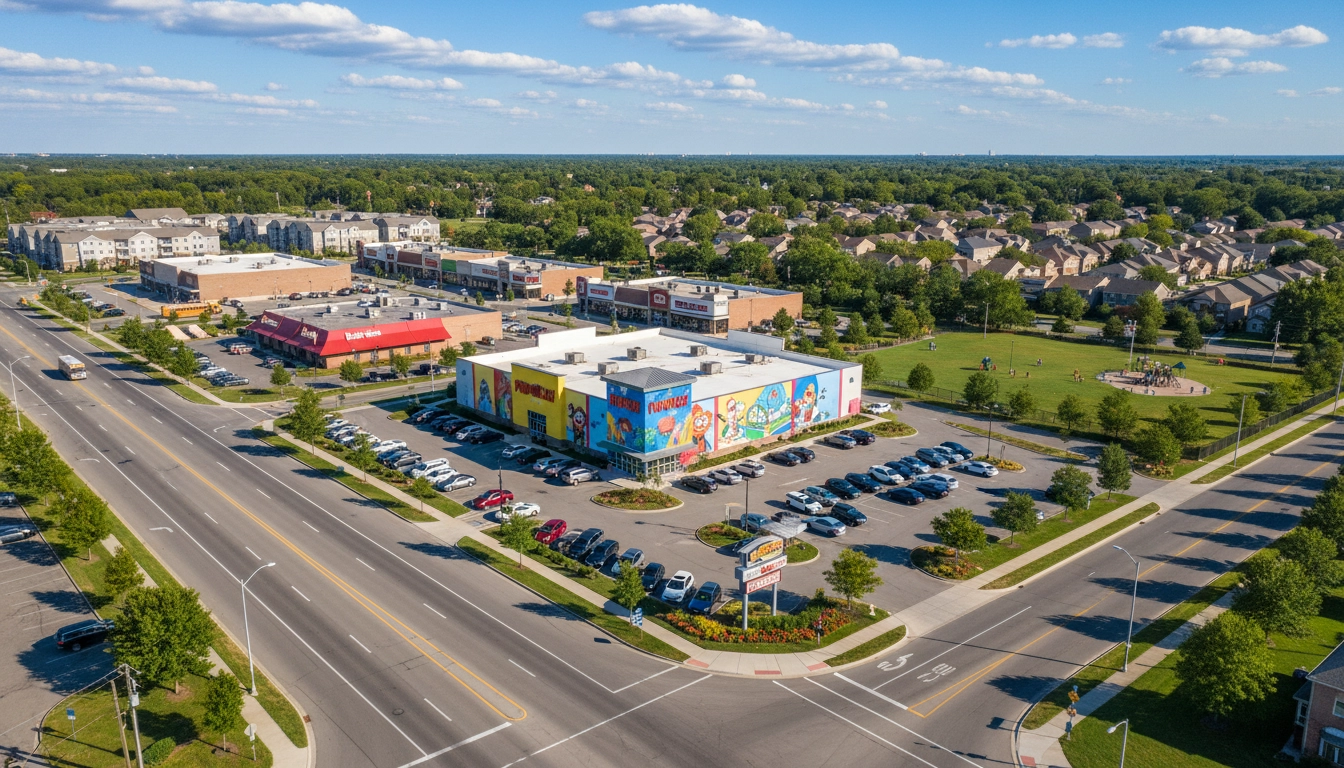
Choosing the Perfect Location for a Family Entertainment Center Business
Indoor Playground
Are indoor playgrounds a good business?
How much is awesome indoor playground?
What age is appropriate for indoor playgrounds?
Photo Booth Machine
How Many People Can Fit in a Photo Booth?
The capacity of your photo session depends on the MARWEY model you select:
-
Open-Air Style Booths (Like our Mirror Booth and 360 Photo Booth Machine): These are the best for large groups and are our most versatile option. Because they lack physical walls, you can easily fit 8 to 12+ people into the frame. These are fantastic for wedding parties, large family reunions, and corporate group shots. The 360 Photo Booth is designed for a smaller, dynamic group of 1–4 people rotating on the platform for video capture.
-
Kiosk and AI Photo Booth Machine: Our modern, self-standing kiosks (like the AI Photo Booth Machine) are generally designed for ease of use and quick sessions, making them perfect for smaller groups of 1 to 4 people to stand comfortably in front of the lens.
-
Enclosed/Traditional Booths (Like our NEWSPAPER Photo Booth Machine): If you prefer a more classic, private experience, these typically offer a bench or limited space, fitting 2 to 3 people comfortably inside.
When choosing your MARWEY machine, consider the nature of your events—whether you need large group shots or intimate, focused portraits—to select the perfect fit for your clientele.
Is the photo booth business saturated? How can we stand out?
While traditional event markets may be competitive in some areas, the business is far from saturated when you focus on strategic location placement and technological innovation. The key is to stop competing in the same old markets and create new ones. Our machines, equipped with AI Photo Booths, Newspaper Styles, and other unique features, allow you to target untapped venues and create a unique value proposition that avoids direct competition.
Here’s how to unlock new markets:
-
Target High-Engagement Venues:
-
-
Hospitality: Place booths in hotel lobbies, upscale bars, and wedding venues as a premium guest amenity.
-
Retail & Malls: Drive foot traffic by offering an interactive experience in shopping centers.
-
Tourist Attractions: Provide a memorable, branded souvenir for visitors at landmarks, museums, and amusement parks.
-
Corporate Campuses: Offer a modern perk for employees and visitors in office lobbies or during corporate events.
-
-
Leverage Unique Features to Differentiate:
-
-
AI Photo Booths: Use AI to generate unique digital props, backgrounds, and artistic filters that cannot be found elsewhere, creating a viral-worthy experience.
-
Newspaper & Vintage Styles: Offer themed templates (e.g., “Front Page News”) perfect for specific events, venues, or branding campaigns, setting your service apart from standard options.
-
By focusing on these strategic locations and innovative features, you can effectively operate in a blue ocean of your own making.
Read more:
Is the Photo Booth Business Saturated? A 2025 Market Analysis | MARWEY
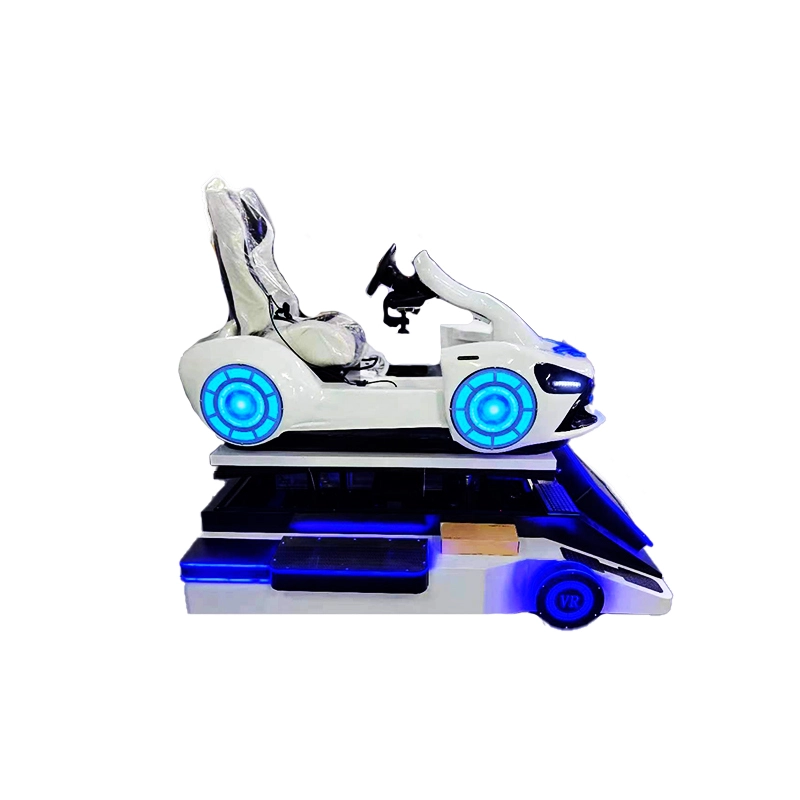
Marwey Racing Simulator Game Virtual Reality Racing Simulator Driving Racing Game Console
Marwey Racing Simulator Game Virtual Reality Racing Simulator Driving Racing Game Console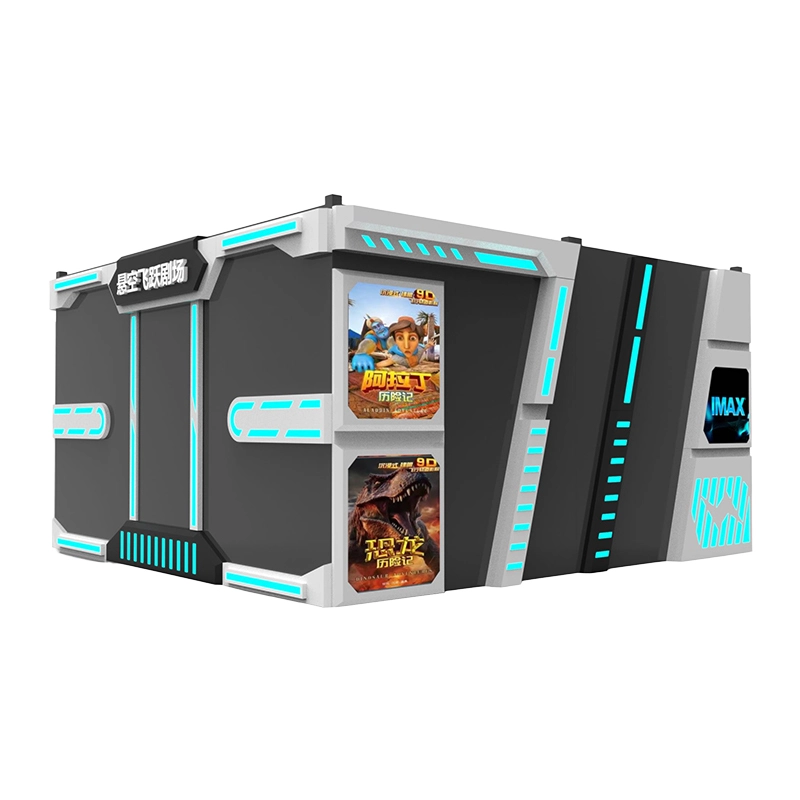
Marwey Amusement Park Flying over Theater VR Cinema Simulator Rides Virtual Reality Game Machine
Marwey Amusement Park Flying over Theater VR Cinema Simulator Rides Virtual Reality Game Machine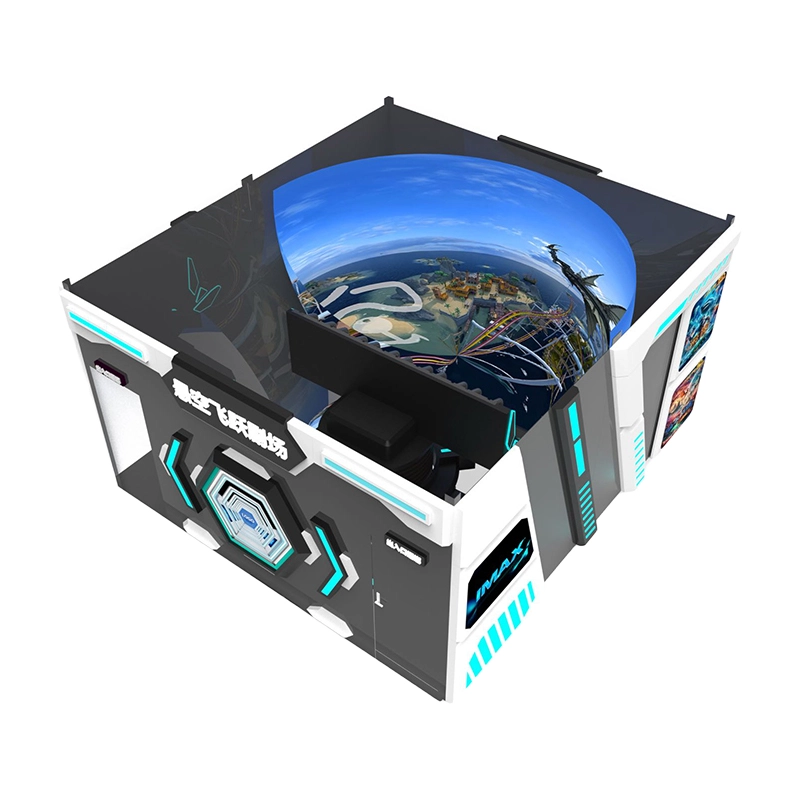
Marwey Commercial Gaming Center Cheap Multiple Players Flight Theater VR Cinema Machine
Marwey Commercial Gaming Center Cheap Multiple Players Flight Theater VR Cinema Machine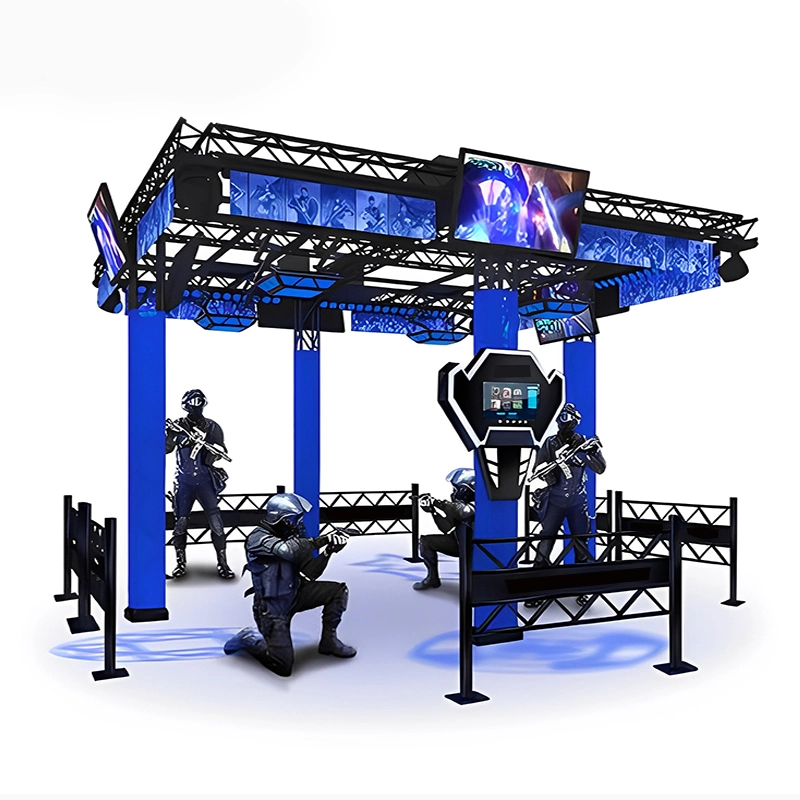
Marwey One Stop Wholesale Cheap 4 Players Duel VR Shooting Simulator Virtual Reality Gaming Devices for Sale
Marwey One Stop Wholesale Cheap 4 Players Duel VR Shooting Simulator Virtual Reality Gaming Devices for Sale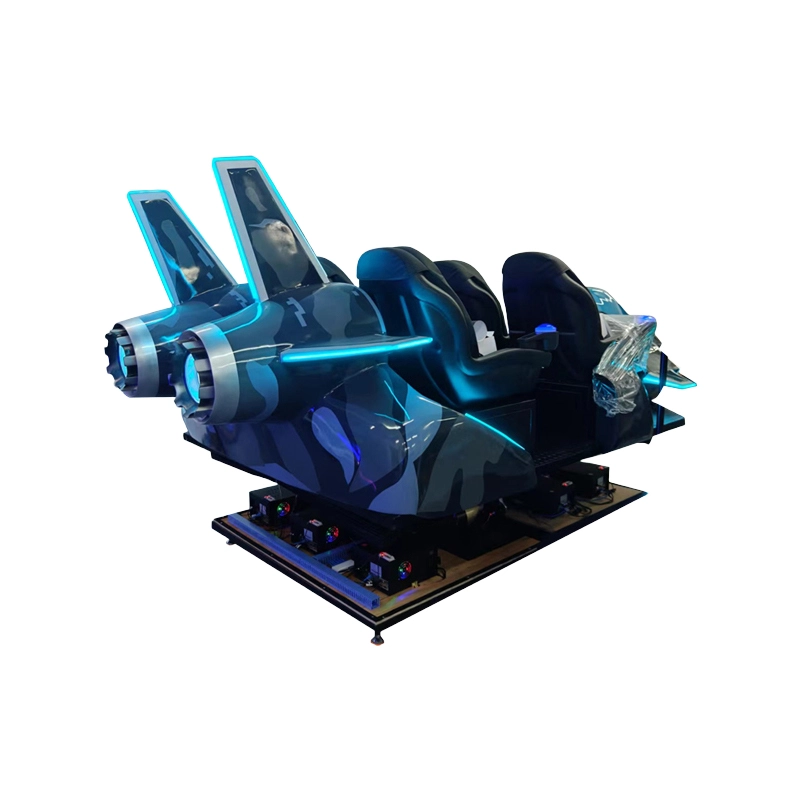
Marwey Supplier Commercial 6 Seats Camouflage Aircraft 9D VR Simulator Game Machine Price for Sale
Marwey Supplier Commercial 6 Seats Camouflage Aircraft 9D VR Simulator Game Machine Price for Sale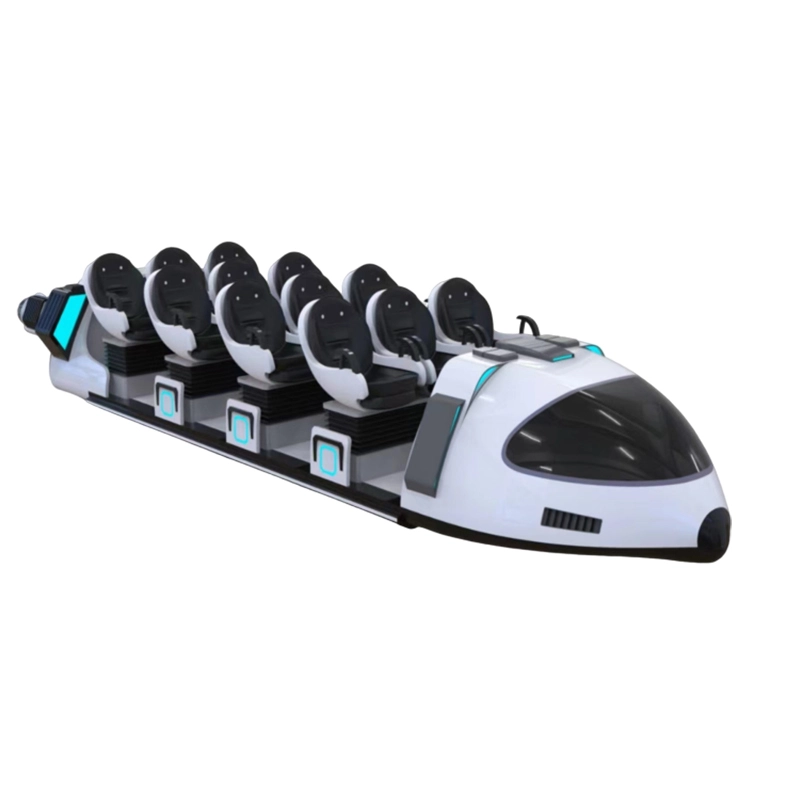
Marwey Interstellar 12 Seat VR Arcade Simulator One Stop Wholesale Virtual Reality Experience Machine
Marwey Interstellar 12 Seat VR Arcade Simulator One Stop Wholesale Virtual Reality Experience Machine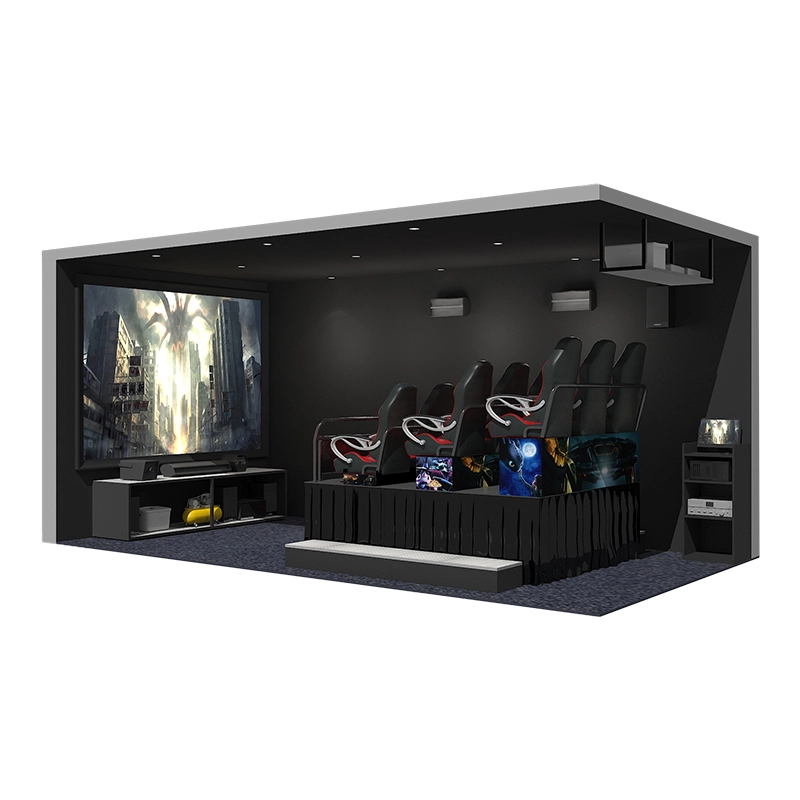
Marwey 5D VR Cinema Simulator Multiple Players Dynamic Virtual Reality Game Equipment Commercial Arcade Machine
Marwey 5D VR Cinema Simulator Multiple Players Dynamic Virtual Reality Game Equipment Commercial Arcade Machine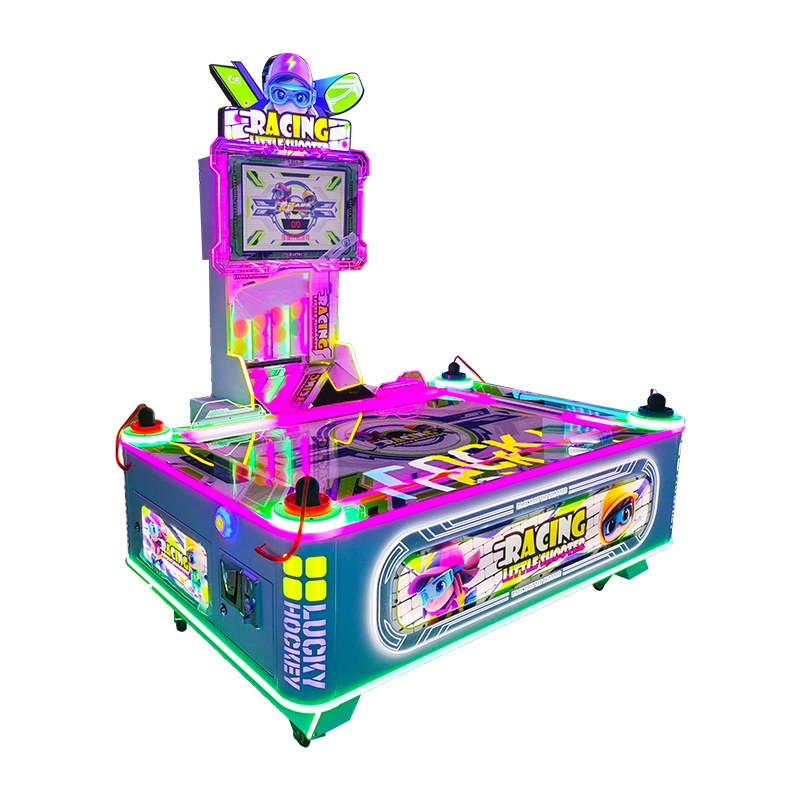
Marwey Commercial 4 Players Coin Operated Arcade Multiple Balls Air Hockey Game Table Redemption Ticket Machine
Marwey Commercial 4 Players Coin Operated Arcade Multiple Balls Air Hockey Game Table Redemption Ticket MachineWant to know more industry information?
If you have any comments or good suggestions, please leave us a message; later our professional staff will contact you as soon as possible.
◼ Contact MARWEY
WhatsApp: +86 189 2218 4260
Floor 2, Building E, Hengran Creative Park, Shixin Road, Panyu District, Guangzhou, Guangdong, China.
© 2025 MARWEY. All Rights Reserved.
MARWEY
MARWEY
MARWEY
MARWEY
MARWEY
MARWEY