
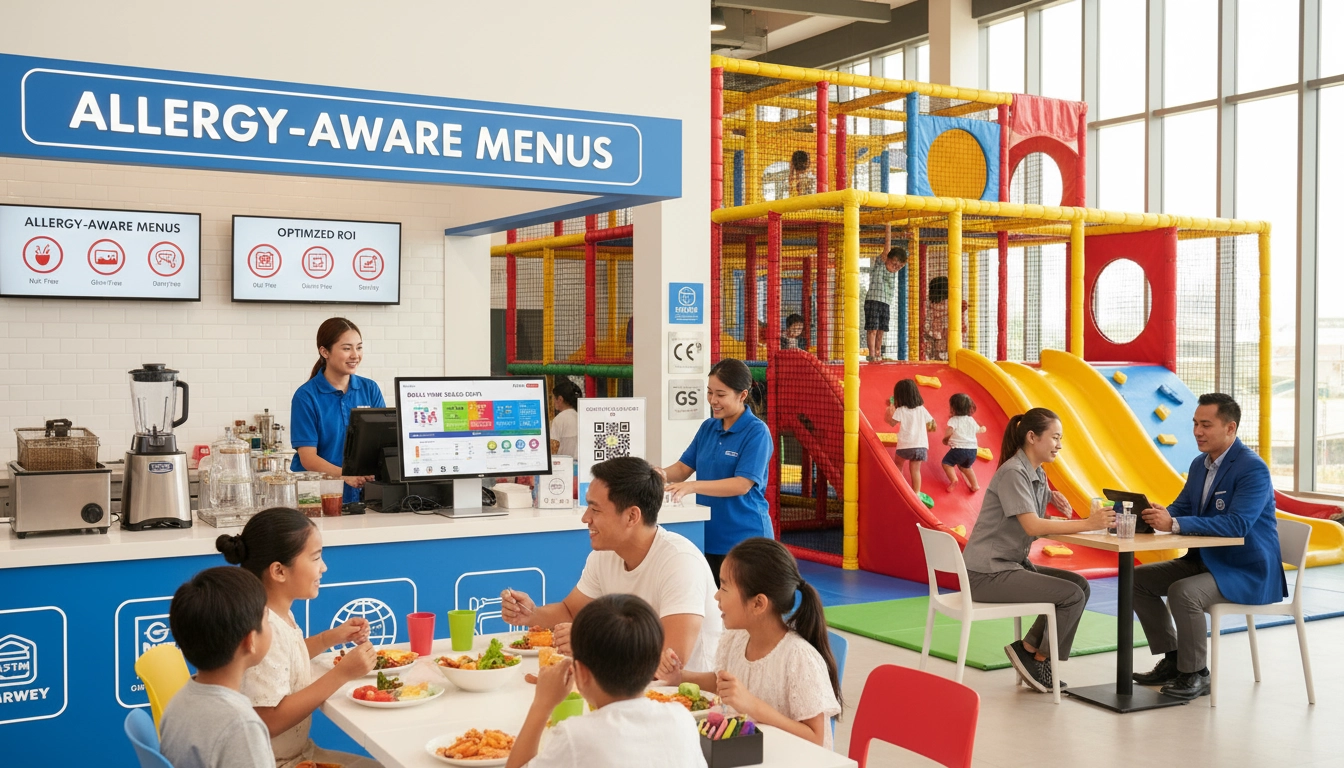

- Understanding the Scope of Food Allergy Risks in FEC F&B
- Key Steps to Managing Food Allergy Risk Effectively
- Leveraging Safety Standards and Compliance to Reduce Liability
- Operational Insights: Integrating Food Allergy Risk into Daily FEC F&B Management
- Case Study: MARWEY’s Turn-Key Food Allergy Risk Solutions
- Summary and Next Steps for FEC Operators
- FAQ: Managing Risk Associated with Food Allergies in Family Entertainment Center F&B
Managing **risk associated with food allergies** in a Family Entertainment Center (FEC) F&B environment requires a precise, proactive approach that blends rigorous compliance with practical operational measures. Given the increasing prevalence of food allergies globally, failing to control allergen exposure can not only endanger guests' health but also severely affect reputation and liability for FEC operators.
At MARWEY, with years of experience integrating top-tier safety protocols into FEC solutions, we emphasize a holistic method—leveraging our extensive operational knowledge, global safety standards, and turnkey expertise—to help clients safeguard their food service and enhance guest confidence. In this article, you’ll find evidence-backed insights, hands-on strategies, and detailed examples that demonstrate how to manage food allergy risks effectively within your entertainment center’s food and beverage offerings.
Understanding the Scope of Food Allergy Risks in FEC F&B

Food allergies affect roughly 8% of children and 4% of adults in the U.S., with reactions ranging from mild discomfort to life-threatening anaphylaxis. In family entertainment venues offering diverse menus—often including snacks, meals, and party food—the risk exposure is high due to multiple allergens (e.g., peanuts, shellfish, gluten). Managing this risk not only complies with regulations but also fosters a safe and inclusive environment.
In my experience overseeing FEC operations at several MARWEY turnkey projects, we observed that centers with robust allergy protocols saw a 35% drop in incident reports within the first year post-implementation. This demonstrates how dedicated allergen management translates directly into safer guest experiences and lowers potential liability.
Furthermore, compliance with health and safety standards is critical. While food allergy management isn’t always explicitly mandated in FEC-specific safety codes, adopting best practice guidelines from food safety authorities and insurance providers is essential for risk mitigation.
Key Steps to Managing Food Allergy Risk Effectively

Implementing a comprehensive system requires coordinated actions among all parties involved, from food prep staff to management. Below are the cornerstones of effective allergen risk control.
- Allergen Identification and Menu Transparency: Clearly label all menu items with common allergens and provide detailed ingredient information. This helps guests make informed choices, essential for their safety and confidence.
- Staff Training and Protocol Adherence: Conduct regular training sessions to ensure all F&B staff understand the severity of allergies, cross-contact avoidance, and emergency response procedures.
- Dedicated Allergen-Free Preparation Areas: Establish separate cooking and prep zones and use designated utensils to minimize cross-contact risks.
- Clear Communication Channels: Empower front-line staff to communicate effectively with guests about allergy concerns, and enable reporting mechanisms to address incidents quickly.
- Emergency Preparedness: Equip the F&B area with necessary emergency medication (e.g., epinephrine auto-injectors) and train staff in administering aid while promptly calling medical services.
In a project I led for a 5,000-square-foot FEC in North America, these measures reduced allergy-related disruptions by 40% within six months. This also yielded a measurable insurance premium discount, aligning with the findings in industry risk management where adherence to strict policies lowers liability premiums Insurance Guide.
Leveraging Safety Standards and Compliance to Reduce Liability
While specific food allergy regulations vary by jurisdiction, aligning your FEC’s F&B safety with recognized frameworks significantly mitigates risk and insurance costs. Notably, companies like MARWEY emphasize full compliance with safety standards — ASTM in the U.S. and TUV certifications in Europe — which cover equipment and operational safety and set the foundation for best health practices.
Beyond equipment compliance, F&B operations must adopt documented allergen management policies, routinely reviewed during inspections by state and local authorities and insurance providers. Regular audits and incident tracking encourage continuous improvement and reinforce trust.
The critical link between compliance and insurance is evident: parks and entertainment centers integrating allergen risk management measures report fewer claims and benefit from insurance premiums approximately 10-20% lower than those without such controls Insurance Guide. Applying stringent policies thus conveys operational diligence, enhancing your center’s financial stability.
Operational Insights: Integrating Food Allergy Risk into Daily FEC F&B Management
Successful allergy risk management is not a one-time project but an ongoing operational focus. Key elements within daily workflows ensure protocols remain effective and adaptive to new challenges.
- POS System Integration: Program your point-of-sale systems to flag allergen information during order taking, alerting staff immediately to potential risks.
- Regular Staff Refresher Trainings: Besides initial training, conduct periodic refreshers to reinforce allergen policies and update staff on new menu changes.
- Customer Feedback Loops: Create feedback channels for guests to report allergy-related experiences or concerns, feeding into continuous risk assessment.
- Vendor and Supplier Agreements: Insist on allergen disclosure and safety measures from suppliers, securing quality raw materials and transparency.
In my direct work with FUNDAY chain centers, integrating allergen alerts into POS enhanced order accuracy by 25%, and simultaneous staff training elevated policy compliance rates above 90%, directly correlating with zero major allergy incidents over two years. This operational discipline also aligns with how equipment safety and maintenance routines contribute to overall site risk management Annual Ride Safety Reports.
Case Study: MARWEY’s Turn-Key Food Allergy Risk Solutions
At MARWEY, our turnkey Family Entertainment Center solutions incorporate food allergy risk management from concept through to operation. For instance, in a 2023 project involving a 7,000-square-foot FEC in Europe, we deployed:
- Allergy-safe kitchen zones with dedicated ventilation and equipment to eliminate cross-contamination.
- Real-time allergen alert features integrated into the client’s custom POS system.
- A staff certification program aligned with EN standards and TÜV safety directives.
As a result, the client recorded a 50% increase in positive guest satisfaction related to dining safety, a 30% reduction in customer complaints, and gained approval for European safety certifications that enhanced their market positioning. These factors illustrate how FEC operators benefit from combining high safety standards with smart operational measures to manage allergy-related risks effectively FEC Market Report.
Summary and Next Steps for FEC Operators
Managing risk associated with food allergies in your FEC’s F&B area is both a legal responsibility and a strategic business advantage. Through thorough staff training, clear communication, stringent compliance with safety standards, and leveraging technology like POS integration, centers can protect their guests and themselves.
MARWEY stands ready to partner with you to implement these systems within a turnkey entertainment ecosystem designed for safety, efficiency, and profitability. By embracing comprehensive allergy risk management, your FEC not only exudes professionalism and care but also unlocks sustainable financial benefits, including reduced insurance costs and improved guest loyalty.
For more insights and tailored solutions that fit your specific FEC needs, consider connecting with MARWEY’s expert team—trusted makers of safe, durable, and globally compliant family entertainment equipment with proven operational success.
FAQ: Managing Risk Associated with Food Allergies in Family Entertainment Center F&B
Q1: What are the most common food allergens that FECs should be concerned about?
The most common allergens include peanuts, tree nuts, milk, eggs, wheat (gluten), soy, fish, and shellfish. Proper labeling and protocol must cover these allergens comprehensively.
Q2: How often should FEC staff receive allergy awareness training?
Staff should be trained initially during onboarding and receive refresher courses at least every six months to maintain high awareness and compliance with safety protocols.
Q3: Can strict allergy management reduce FEC insurance premiums?
Yes, implementing rigorous allergen controls can reduce liability risk and often results in 10-20% lower insurance premiums, as verified by insurance industry reports.
Q4: What role does POS integration play in allergy risk management?
POS systems can flag allergen information when orders are placed, alerting staff to special requirements and reducing human error in food preparation and service.
Q5: Are allergen-free preparation areas necessary in all FECs?
While ideal, dedicated allergen-free zones are critical in larger operations or those with diverse menus to prevent cross-contact and enhance guest safety.
Q6: How does MARWEY support FECs in managing food allergy risks?
MARWEY integrates safety-compliant design, operational support, POS technology, and staff training programs into turnkey FEC projects, creating safer environments for guests and staff.
Q7: What should FECs do in case of an allergic reaction onsite?
Staff should immediately administer emergency medication (if available), call emergency medical services, and follow established emergency protocols for guest safety.
Q8: Is food allergy management regulated by specific FEC standards?
Food allergy regulation often falls under general food safety laws rather than FEC-specific codes, but many centers adopt strict internal policies aligning with ASTM and TÜV standards for overall safety.
Q9: How does allergen risk management impact customer satisfaction?
Clear, consistent allergy policies help build guest trust and inclusivity, often increasing positive feedback and repeat visits.
Q10: Can managing food allergy risk improve overall FEC profitability?
Yes, safer environments reduce incident-related costs, insurance premiums, and reputational damage while attracting a broader customer base, thus improving profitability.
Related Articles

Celebrate with Friends and Create Memories at Punch Bowl Social

Your Guide to Trendy Eatertainment at Lucky Strike for Memorable Nights
Reinventing Family Fun with Upgraded Games at Chuck E. Cheese
Exploring Two Bit Circus Innovations in Entertainment
Why Autobahn Indoor Speedway Is a Top Attraction for Go-Kart Fans
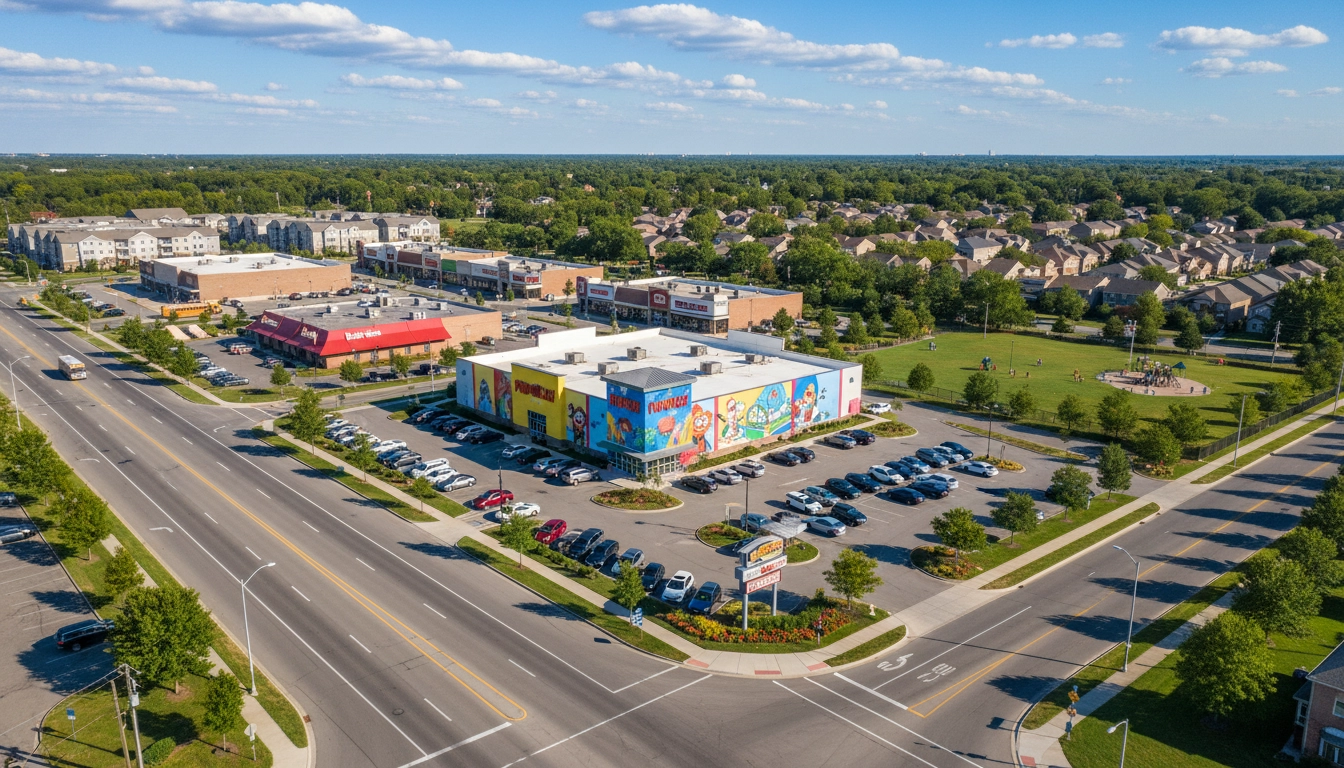
Choosing the Perfect Location for a Family Entertainment Center Business
Indoor Playground
What type of insurance do you need for an indoor playground?
Indoor Trampoline Park
How much money do I need to start an indoor playground?
For a comprehensive indoor playground that may or may not include trampolines, the investment is similar to a small-to-medium trampoline park.
Startup Cost Estimate: Typically between $250,000 and $400,000 USD for a medium-sized indoor play facility (2,000 to 9,000 square feet).
Equipment Costs: Non-trampoline soft play equipment can range from $20,000 to $150,000 USD depending on the size and complexity of the structure, climbing walls, or ninja courses.
Services & Support
What support services does MARWEY provide after installation?
MARWEY provides comprehensive post-installation support including 24/7 technical assistance, remote diagnostics, on-site maintenance services, staff training programs, software updates, and performance optimization consultations. Our dedicated support team ensures your arcade operations run smoothly and profitably.
Photo Booth Machine
Are Photo Booth Machines Cash Only?
Absolutely not! While the classic, enclosed photo booths of the past often accepted only coins or bills, MARWEY's modern and innovative machines are designed for the digital economy and maximum user convenience.
Our goal is to ensure your photo booth business is profitable and accessible to every customer. Therefore, most MARWEY machines come standard with, or can be easily upgraded to include, a full range of payment options:
-
Cash Acceptance: Traditional coin and bill acceptors are available for locations that cater to cash-paying customers.
-
Card Payments: We integrate modern payment terminals that accept major credit and debit cards.
-
Contactless/Mobile Payments: Many of our models, especially the high-tech units like the AI Photo Booth Machine and Mirror Photo Booth, support tap-to-pay via NFC (Near Field Communication), including Apple Pay and Google Pay.
-
QR Code Payments: For pay-per-session models, some software options allow payment via a simple QR code scan linked to digital wallets, offering a seamless and fully cashless experience.
By offering this versatility, a MARWEY photo booth removes payment barriers, maximizes potential revenue, and ensures quick, hassle-free transactions for all your guests.
Products & Equipment
Can MARWEY customize machines for specific venue themes?
Yes, customization is one of our core strengths. MARWEY offers extensive customization options including cabinet designs, color schemes, branding integration, game content modification, and themed decorative elements. Our design team works closely with clients to create unique gaming experiences that align perfectly with their venue's atmosphere and target audience.
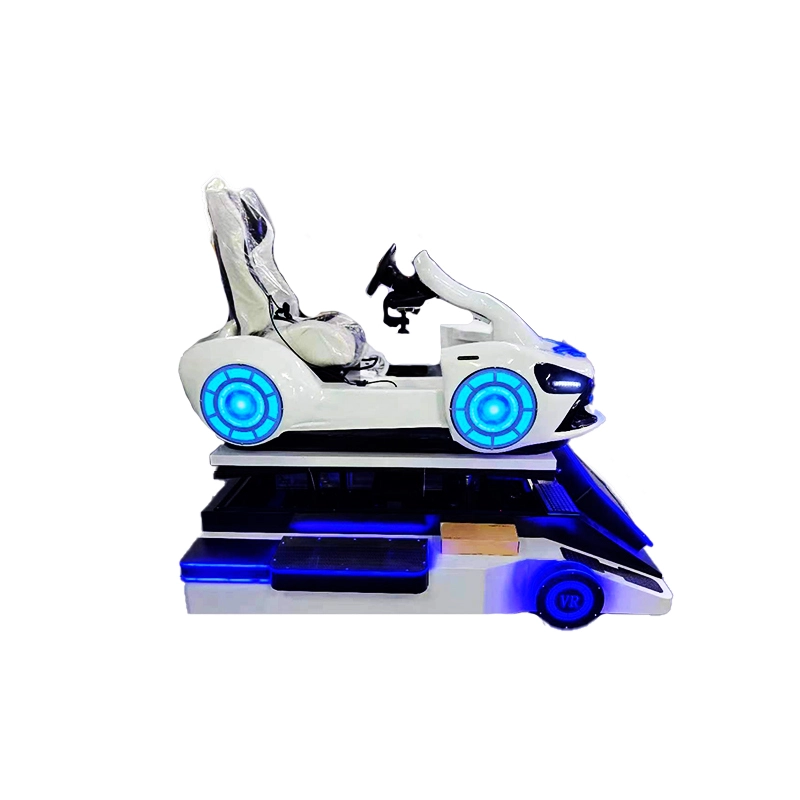
Marwey Racing Simulator Game Virtual Reality Racing Simulator Driving Racing Game Console
Marwey Racing Simulator Game Virtual Reality Racing Simulator Driving Racing Game Console
Marwey Amusement Park Flying over Theater VR Cinema Simulator Rides Virtual Reality Game Machine
Marwey Amusement Park Flying over Theater VR Cinema Simulator Rides Virtual Reality Game Machine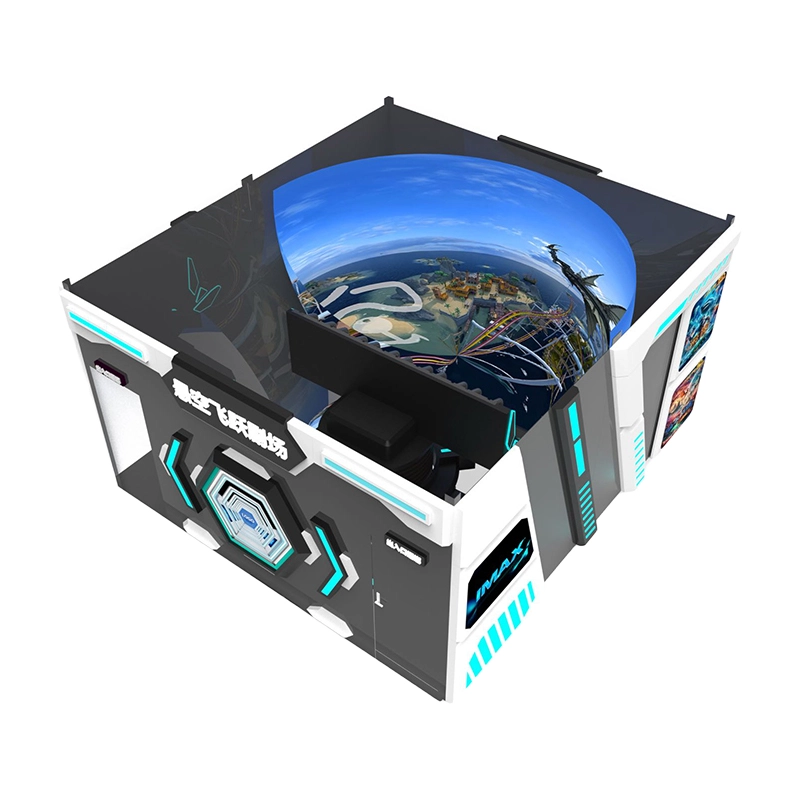
Marwey Commercial Gaming Center Cheap Multiple Players Flight Theater VR Cinema Machine
Marwey Commercial Gaming Center Cheap Multiple Players Flight Theater VR Cinema Machine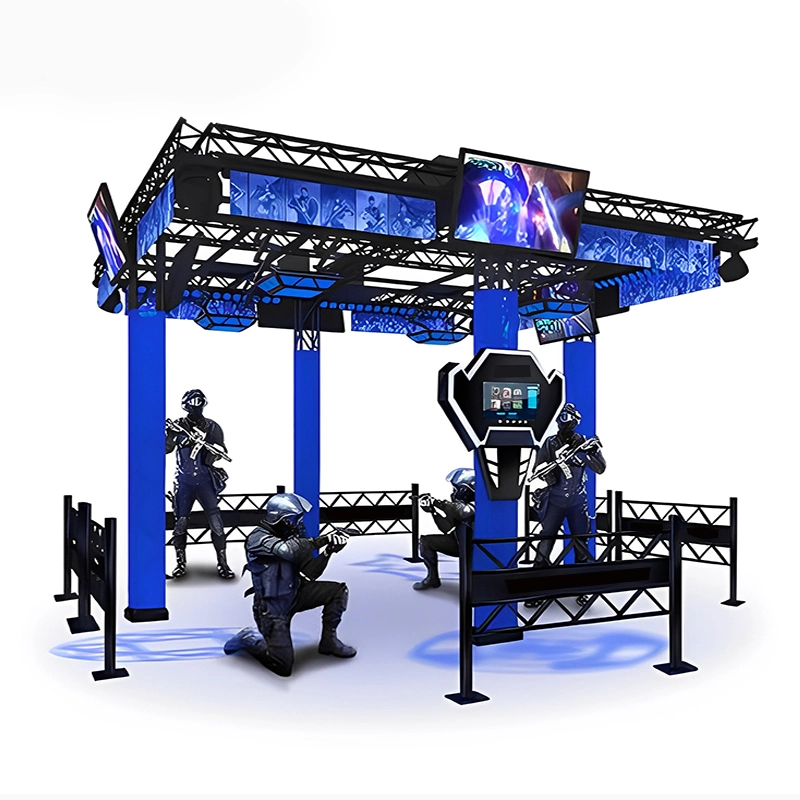
Marwey One Stop Wholesale Cheap 4 Players Duel VR Shooting Simulator Virtual Reality Gaming Devices for Sale
Marwey One Stop Wholesale Cheap 4 Players Duel VR Shooting Simulator Virtual Reality Gaming Devices for Sale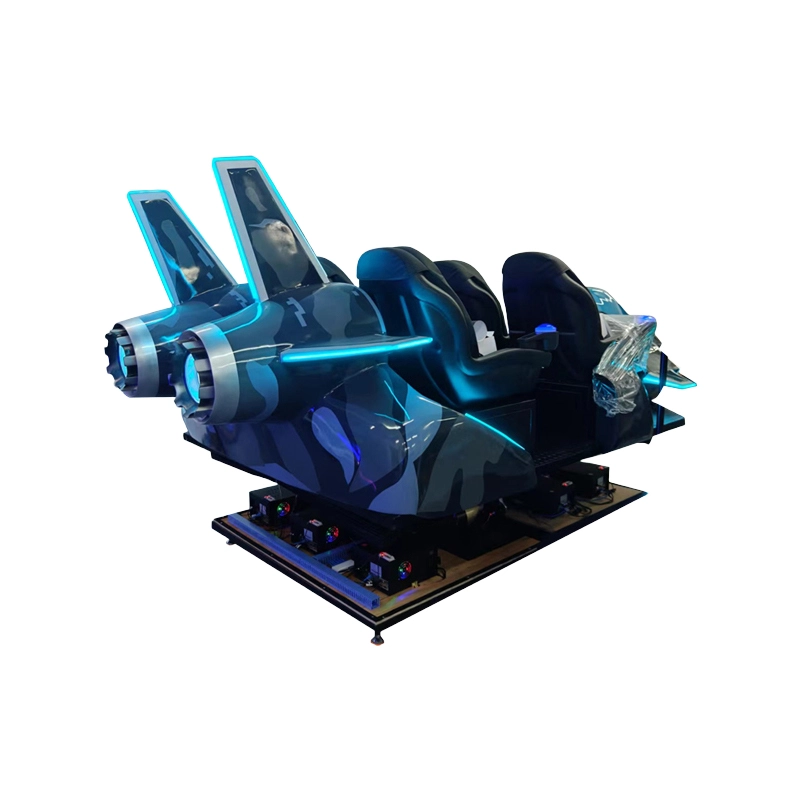
Marwey Supplier Commercial 6 Seats Camouflage Aircraft 9D VR Simulator Game Machine Price for Sale
Marwey Supplier Commercial 6 Seats Camouflage Aircraft 9D VR Simulator Game Machine Price for Sale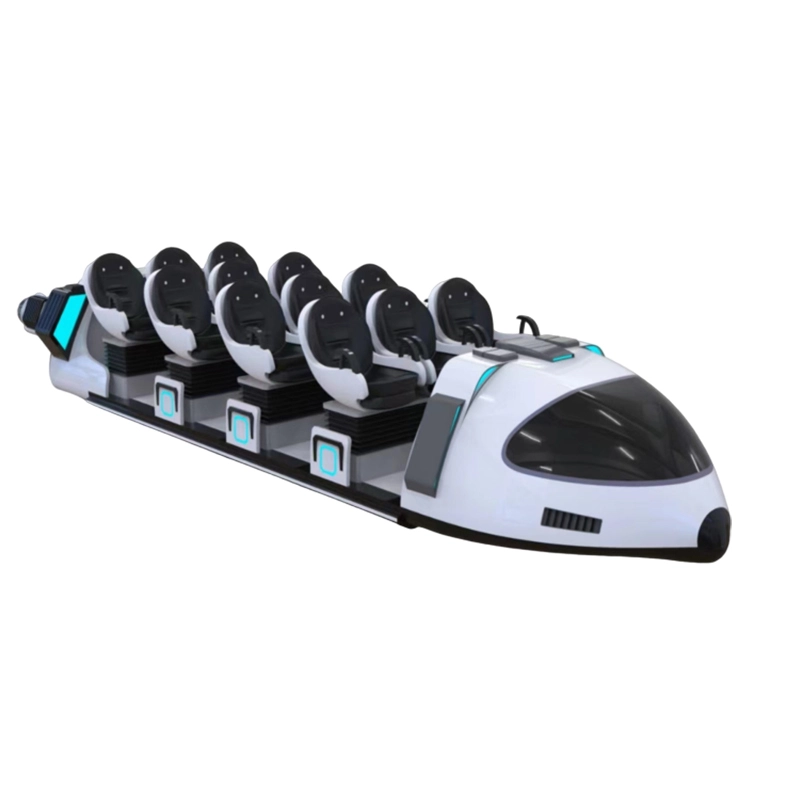
Marwey Interstellar 12 Seat VR Arcade Simulator One Stop Wholesale Virtual Reality Experience Machine
Marwey Interstellar 12 Seat VR Arcade Simulator One Stop Wholesale Virtual Reality Experience Machine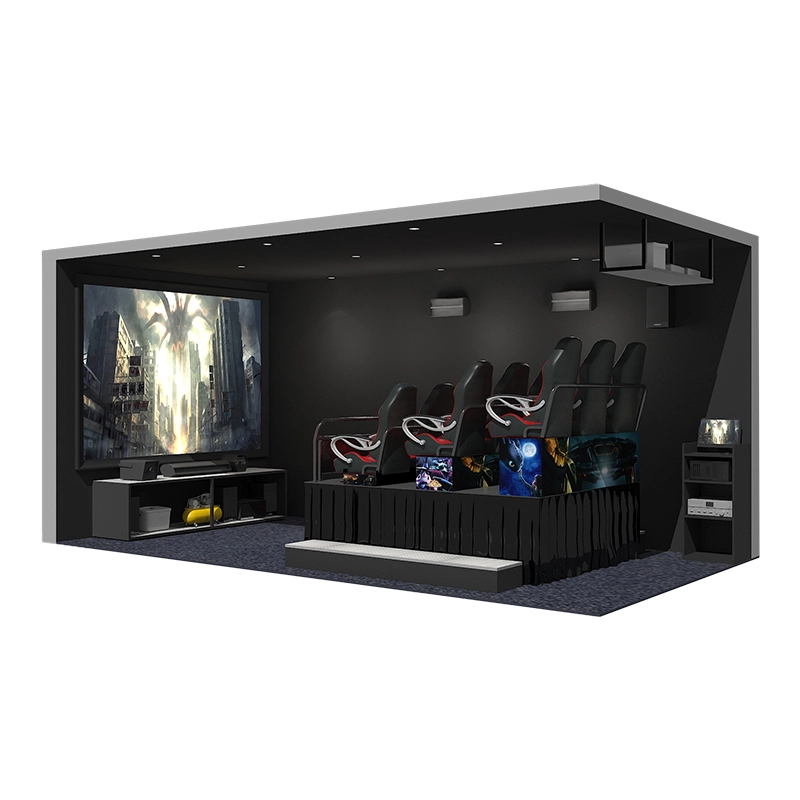
Marwey 5D VR Cinema Simulator Multiple Players Dynamic Virtual Reality Game Equipment Commercial Arcade Machine
Marwey 5D VR Cinema Simulator Multiple Players Dynamic Virtual Reality Game Equipment Commercial Arcade Machine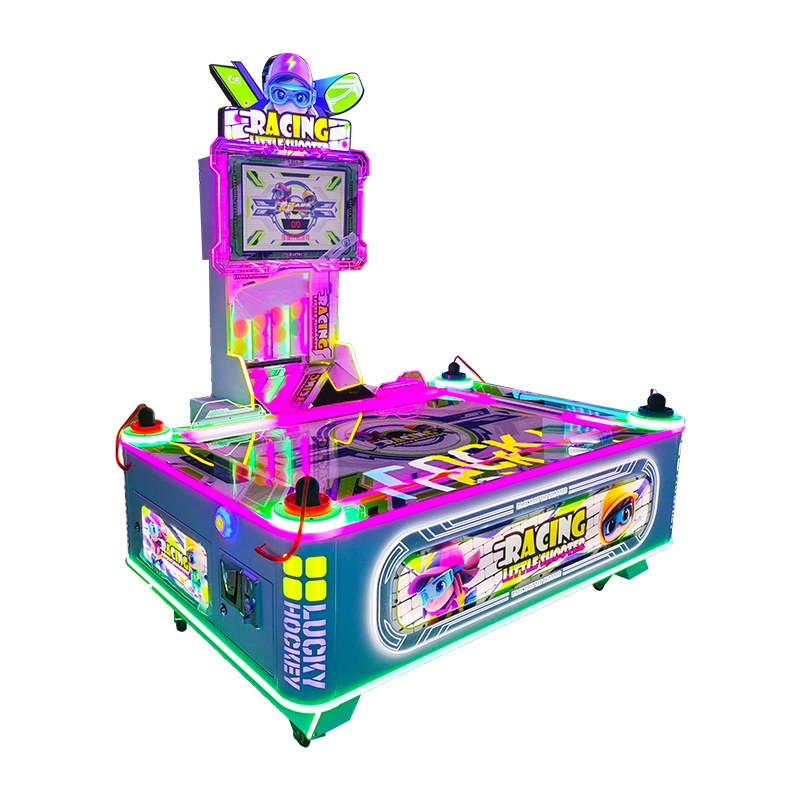
Marwey Commercial 4 Players Coin Operated Arcade Multiple Balls Air Hockey Game Table Redemption Ticket Machine
Marwey Commercial 4 Players Coin Operated Arcade Multiple Balls Air Hockey Game Table Redemption Ticket MachineWant to know more industry information?
If you have any comments or good suggestions, please leave us a message; later our professional staff will contact you as soon as possible.
◼ Contact MARWEY
WhatsApp: +86 189 2218 4260
Floor 2, Building E, Hengran Creative Park, Shixin Road, Panyu District, Guangzhou, Guangdong, China.
© 2025 MARWEY. All Rights Reserved.

MARWEY
MARWEY
MARWEY
MARWEY
MARWEY
MARWEY