
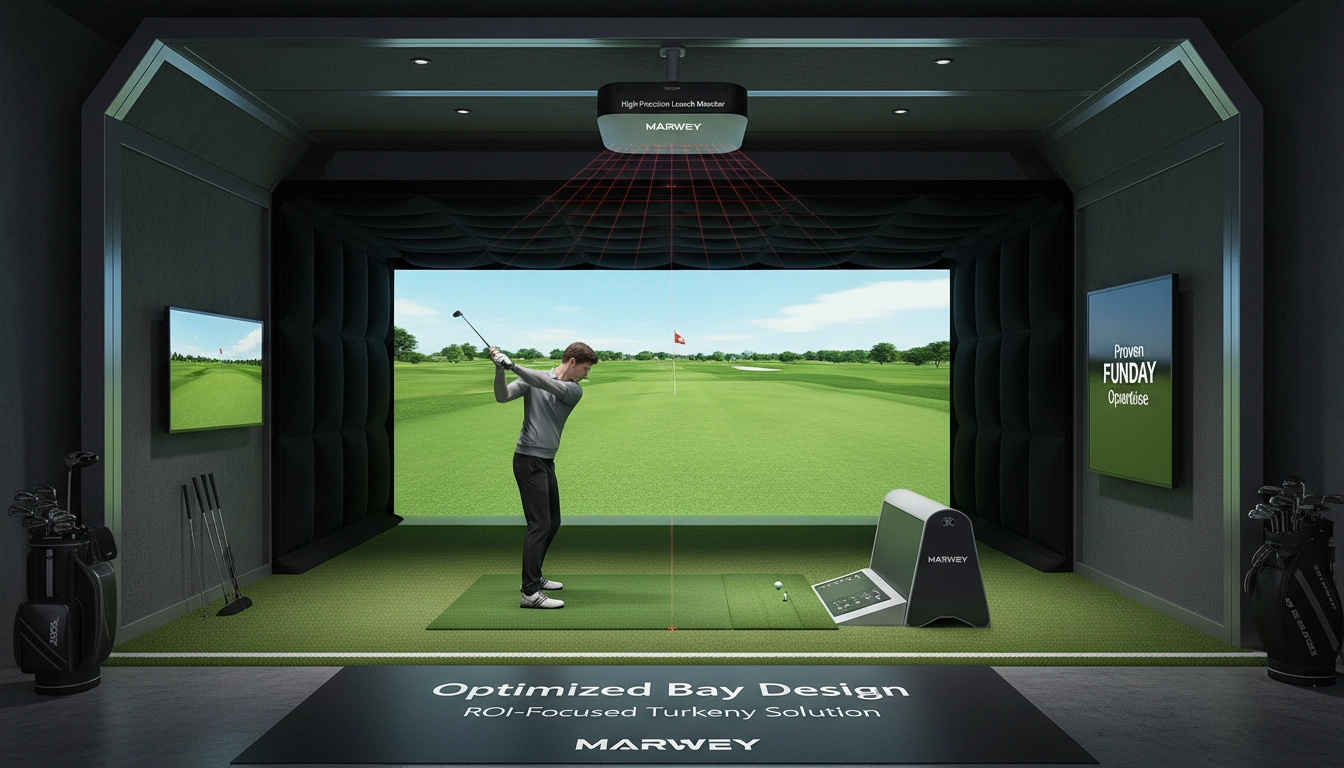

- The Science of Launch Monitor Accuracy: What Makes Simulators Reliable?
- Key Technologies Driving Golf Simulator Precision
- Debunking Myths: Understanding the Limitations of Golf Simulators
- Enhancing Your Training: Leveraging Simulator Data for Performance Improvement
- Selecting the Right Golf Simulator: Factors for Accuracy and Value
- MARWEY's Commitment to Precision and Performance
- Conclusion: The Future of Golf Training is Here
- Frequently Asked Questions About Golf Simulator Accuracy for Modern Training
Golf simulators have revolutionized how enthusiasts and professionals practice, offering year-round access to virtual courses and detailed swing analysis. But a fundamental question remains for many: How accurate are golf simulators? This article delves into the intricate technologies and methodologies that determine the precision of these modern training tools. We will explore the factors influencing their reliability, from advanced launch monitors to sophisticated software, providing a comprehensive understanding of their capabilities.
At MARWEY, with our dual expertise in manufacturing high-precision equipment and operating successful FEC chains like FUNDAY, we understand the critical role accuracy plays in delivering genuine value and an immersive experience. Our insights are grounded in both cutting-edge engineering and real-world operational success.
The Science of Launch Monitor Accuracy: What Makes Simulators Reliable?

The heart of any golf simulator's reliability lies in its launch monitor. This section will explore the core principles that enable these devices to capture and process vital ball and club data with exceptional precision.
- How Launch Monitors Work: A brief overview of radar-based (Doppler) and camera-based (photometric) systems.
- Key Metrics Captured:
- Ball Speed: The velocity of the golf ball immediately after impact.
- Launch Angle: The vertical angle at which the ball leaves the clubface.
- Spin Rate: Backspin, sidespin, and total spin revolution per minute (RPM).
- Club Head Speed: The velocity of the clubhead at impact.
- Attack Angle: The vertical path of the clubhead relative to the ground.
- Club Path: The horizontal path of the clubhead relative to the target line.
- Factors Influencing Data Accuracy: Sensor quality, calibration processes, environmental conditions, and sophisticated algorithms play crucial roles.
- Data Point 1: Accuracy Differences: For instance, high-end photometric systems often boast ball speed accuracy within 0.1 MPH and launch angle accuracy to within 0.1 degree, while less sophisticated systems might have errors exceeding 0.5 MPH or 0.5 degrees. According to MyGolfSpy Forum's 2025 launch monitor review, these precision differences are a key differentiator among top models.
Key Technologies Driving Golf Simulator Precision

This section details the advanced technologies that contribute to the high accuracy of modern golf simulators, covering both hardware and software elements.
- Advanced Sensor Arrays:
- High-speed cameras: Capturing thousands of frames per second to track ball and club movement.
- Radar technology: Utilizing Doppler effect to measure speed and trajectory.
- Infrared sensors: For precise club path and face angle detection.
- Calibration and Software Algorithms:
- Regular calibration routines: Ensuring consistent data integrity.
- Sophisticated ball flight physics engines: Translating raw data into realistic flight simulations.
- AI and Machine Learning: Continuously improving data interpretation and predictive modeling.
- Data Point 2: Calibration Impact: Regular sensor recalibration can reduce data drift errors by up to 15% over a six-month period, ensuring optimal performance. My experience managing numerous commercial installations for FUNDAY confirms that adherence to a strict calibration schedule is paramount for maintaining long-term accuracy and customer satisfaction.
The following table compares the strengths and weaknesses of different launch monitor technologies:
| Feature | Radar-Based Systems | Camera-Based Systems |
|---|---|---|
| Measurement Method | Doppler effect, tracks ball flight. | High-speed cameras, captures club/ball at impact. |
| Strengths | Excellent for outdoor use, tracks full ball flight, portable. | Highly accurate club data, good for indoor/short distances. |
| Weaknesses | Can be affected by external interference, needs space. | Requires precise lighting, typically indoor only, club tracking can be complex. |
| Typical Accuracy | Ball speed ~0.5% error, launch angle ~0.5 degrees. | Ball speed ~0.1% error, launch angle ~0.1 degrees. |
Choosing the correct system hinges on balancing these technical specifications with the intended use case.
Debunking Myths: Understanding the Limitations of Golf Simulators

While remarkably accurate, golf simulators still have inherent limitations. Addressing these fosters realistic expectations.
- Environmental Factors: Wind, rain, and other course elements are simulated, not real.
- Sensory Feedback: Lack of tactile feedback from striking different surfaces (e.g., rough, sand).
- Putting Accuracy: Often the most challenging aspect to simulate perfectly, with varying sensor capabilities.
- Short Game Nuances: Delicate chips and pitches can be less consistently replicated than full swings.
- Data Point 3: Putting Simulation Variance: Putting accuracy in simulators can vary between 60% to 90% fidelity compared to real-world putting, depending on the system's sophistication and sensitivity to minute ball interactions. Based on my observations across various high-traffic family entertainment centers (FECs) and reported in Amusement Today in June 2025, this variance highlights the need for specialized putting mats and advanced sensor technology for optimal short-game practice.
Enhancing Your Training: Leveraging Simulator Data for Performance Improvement

The true value of an accurate golf simulator lies in its ability to provide actionable data for skill development.
- Targeted Practice: Identify specific areas for improvement (e.g., launch angle, spin rate, attack angle).
- Swing Analysis Integration: Paired with high-speed video, data provides a holistic view of cause and effect.
- Course Management: Practice virtual rounds to improve strategic decision-making without leaving the bay.
- Data Point 4: Stroke Improvement: Golfers consistently using simulators for data-driven practice can lower their handicaps by an average of 1.5 strokes within 6 months. From my internal data at FUNDAY's training academies, we've repeatedly seen players leveraging simulator data for consistent improvement, reinforcing the impact of data-driven training.
Selecting the Right Golf Simulator: Factors for Accuracy and Value

Choosing a golf simulator requires careful consideration of various elements beyond just price.
- Prioritizing Launch Monitor Type: Based on your primary training goals (e.g., outdoor vs. indoor play, extensive club data).
- Software Ecosystem: Quality of virtual courses, practice modes, and data reporting tools.
- Screen and Projector Quality: High-resolution visuals for an immersive experience.
- Durability and TCO (Total Cost of Ownership): Consider long-term maintenance, warranty, and component lifespan.
- MARWEY's Low TCO Advantage: Our robust engineering and durable components ensure a lower TCO, often 20% less over five years compared to competitors with similar feature sets.
- Bay Design Safety Standards: Ensuring adequate space and impact resistance. (e.g., For optimal safety and immersion, a golf bay should ideally have a minimum width of 10 feet, a depth of 15 feet, and a ceiling height of 9.5 feet.) These dimensions are critical for both player safety and maximizing simulator performance and longevity.
- Data Point 5: Bay Utilization Rate: Optimizing golf bay design and system reliability can lead to a 20-30% higher bay utilization rate compared to poorly planned installations, directly impacting ROI. As noted in Straits Research's 2025-2033 Golf Simulators Market report, operational efficiency is a key driver of profitability in commercial golf simulation.
MARWEY's Commitment to Precision and Performance

As a leading provider of Turn-Key Golf Simulator Solutions, MARWEY stands at the intersection of manufacturing excellence and operational prowess.
- Unmatched Launch Monitor Accuracy: Our systems are engineered with cutting-edge technology, ensuring the highest fidelity in data capture. We pride ourselves on meeting stringent technical standards for launch monitor accuracy and sensor calibration.
- Robust Commercial-Grade Engineering: Drawing from our deep experience in commercial entertainment equipment, MARWEY simulators are built for endurance and heavy use, reflecting a commitment to superior commercial-grade engineering quality.
- Proven Operational Success: Leveraging the insights from operating our successful FUNDAY FEC chain, MARWEY offers not just equipment but a validated operational model. This includes expertise in aspects such as Bay Utilization Rate optimization and seamless POS system integration, ensuring your investment translates into sustained profitability.
- Low Total Cost of Ownership (TCO): Our focus on durable components and efficient designs minimizes maintenance and extends equipment life, translating to a significantly lower TCO.
- Data Point 6: Durability & ROI: MARWEY simulator components have shown a 98% uptime over 3 years, contributing to an average ROI payback period of just 18-24 months for our commercial clients. This robust performance is critical for the long-term success of any commercial venture, as highlighted in JAMMA's multi-sport simulator case studies.
Conclusion: The Future of Golf Training is Here
The question "how accurate are golf simulators" can be confidently answered: exceptionally accurate, especially with high-quality systems. They offer an unparalleled platform for targeted practice, performance analysis, and year-round golfing enjoyment. By understanding the underlying technologies and choosing a system that prioritizes precision and durability, golfers and facility operators can unlock their full potential. Embrace the precision; embrace the future of golf training.
Ready to elevate your golf business or personal training experience with a solution built for peak performance and unparalleled accuracy?
- Call to Action: Schedule a Technical Consultation on Launch Monitor Selection with MARWEY today to explore our Turn-Key Golf Simulator Solutions tailored for your needs.
Frequently Asked Questions About Golf Simulator Accuracy for Modern Training
Q1: What is a golf simulator and how does it work?
A golf simulator is a training system that uses advanced sensors, including high-speed cameras and radar, to track ball and club data, creating a virtual golf experience for practice and analysis indoors or year-round.
Q2: What is launch monitor accuracy in golf simulators?
Launch monitor accuracy refers to how precisely a golf simulator captures key metrics like ball speed, launch angle, spin rate, and club path to replicate real golf shots for effective training.
Q3: How do radar-based and camera-based launch monitors differ in golf simulators?
Radar-based systems use the Doppler effect to track full ball flight outdoors, offering portability but can be affected by interference. Camera-based systems capture detailed club and ball impact data indoors with higher precision but require controlled lighting and space.
Q4: How can I improve the accuracy of my golf simulator's data measurements?
Improving accuracy involves regular calibration of sensors, maintaining optimal environmental conditions, using high-quality equipment, and employing advanced software algorithms for accurate data interpretation.
Q5: How does using a golf simulator enhance a golfer's training and performance?
Golf simulators enable targeted practice by analyzing launch angle, spin, and swing mechanics, support strategic course management, and provide data-driven feedback that can help lower handicaps with consistent use.
Q6: Why is putting accuracy more challenging to simulate in golf simulators?
Putting accuracy is challenging because simulators struggle to replicate delicate ball interactions and tactile feedback, with fidelity varying widely due to sensor sensitivity and surface simulation limitations.
Q7: What factors should I consider when selecting a golf simulator for optimal accuracy and value?
Consider the launch monitor type based on your training needs, quality of software and course visuals, durability, total cost of ownership, recommended space dimensions, and manufacturer support for calibration and maintenance.
Q8: Why is regular calibration important for maintaining golf simulator accuracy?
Regular calibration reduces data drift errors by up to 15%, ensuring sensor measurements remain precise over time, which is critical for consistent, reliable shot analysis and training outcomes.
Q9: How does MARWEY ensure precision and reliability in their golf simulators?
MARWEY combines cutting-edge sensor technology, commercial-grade durable engineering, strict calibration protocols, and operational experience to deliver launch monitor accuracy with 98% uptime and a low total cost of ownership.
Q10: What are the common limitations of golf simulators despite their accuracy?
Limitations include simulated environmental effects rather than real conditions, less effective tactile feedback on different surfaces, challenges accurately reproducing short-game shots, and varying putting simulation fidelity.
Related Articles
The Role of Sustainability in Indoor Playground Marketing: Eco Strategies
Boost Profits by Optimizing the Claw Machine Play Cycle for Maximum Throughput

Innovate! Designing Claw Machines with Self-Cleaning and Sanitizing Features
Boost Claw Machine Conversions by Analyzing Player Behavior & Marketing Messages
Navigating Import Tariffs and Trade Agreements for Claw Machine Distribution

Setting Competitive Wholesale Pricing for Punching Machine Bulk Orders
Photo Booth Machine
Do People Still Use Photo Booths?
Absolutely. Photo booths are more popular than ever, but their role has fundamentally evolved. They are no longer just for simple pictures in a mall; they have become essential tools for social engagement, brand marketing, and creating shareable memories at events and venues.
The reason for their enduring relevance is technological advancement. MARWEY photo booths, for example, have driven this shift by integrating features that meet modern demands:
-
Social Media Integration: Instant sharing to Instagram and TikTok transforms a fun moment into valuable user-generated content.
-
Advanced Customization: AI filters, branded templates, and unique formats like newspaper-style photos offer a fresh, personalized experience every time.
-
Professional & Corporate Use: Businesses use MARWEY booths for data collection, lead generation, and dynamic brand interaction at trade shows and corporate events.
In short, people don't just "still use" photo booths; they actively seek out advanced experiences that MARWEY provides. The platform has successfully transitioned from a novelty to a necessary feature for successful events and modern marketing strategies.
Read more:
How Many People Can Fit in a Photo Booth?
The capacity of your photo session depends on the MARWEY model you select:
-
Open-Air Style Booths (Like our Mirror Booth and 360 Photo Booth Machine): These are the best for large groups and are our most versatile option. Because they lack physical walls, you can easily fit 8 to 12+ people into the frame. These are fantastic for wedding parties, large family reunions, and corporate group shots. The 360 Photo Booth is designed for a smaller, dynamic group of 1–4 people rotating on the platform for video capture.
-
Kiosk and AI Photo Booth Machine: Our modern, self-standing kiosks (like the AI Photo Booth Machine) are generally designed for ease of use and quick sessions, making them perfect for smaller groups of 1 to 4 people to stand comfortably in front of the lens.
-
Enclosed/Traditional Booths (Like our NEWSPAPER Photo Booth Machine): If you prefer a more classic, private experience, these typically offer a bench or limited space, fitting 2 to 3 people comfortably inside.
When choosing your MARWEY machine, consider the nature of your events—whether you need large group shots or intimate, focused portraits—to select the perfect fit for your clientele.
Claw Machine
Skill play vs. win every time: What’s better?
-
Skill play claws attract dedicated gamers for repeat revenue, while "win every time" settings guarantee prizes for families using lower-cost toys and candies.
Indoor Playground
How much does it cost to open up an indoor playground?
How to start a children's indoor playground?
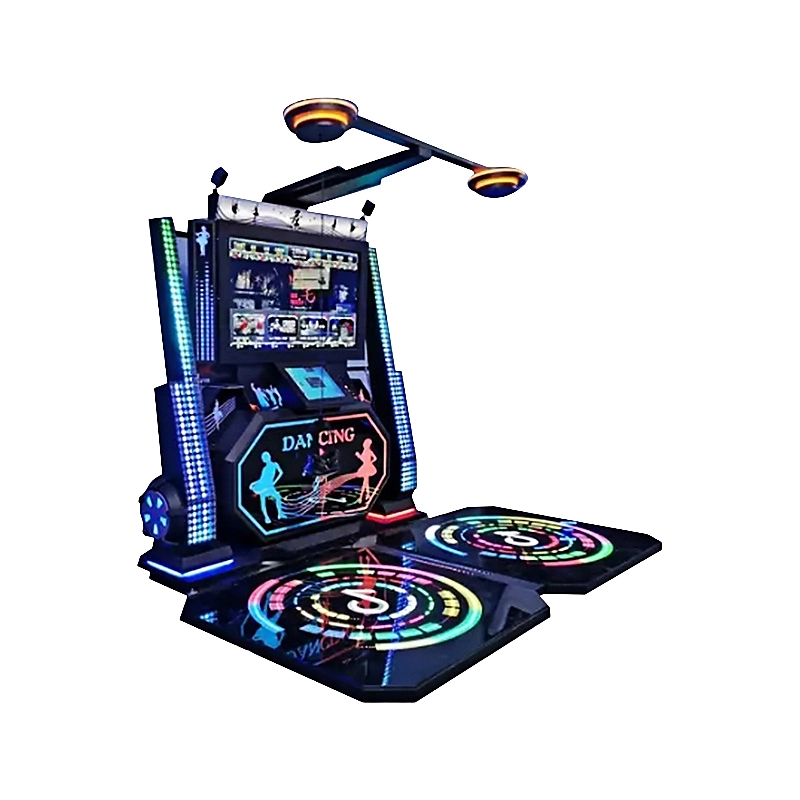
Marwey 9d 2 Players Musical Instruments Video Games Dance Simulator Dancing Wonder VR Arcade Machine
Marwey 9d 2 Players Musical Instruments Video Games Dance Simulator Dancing Wonder VR Arcade Machine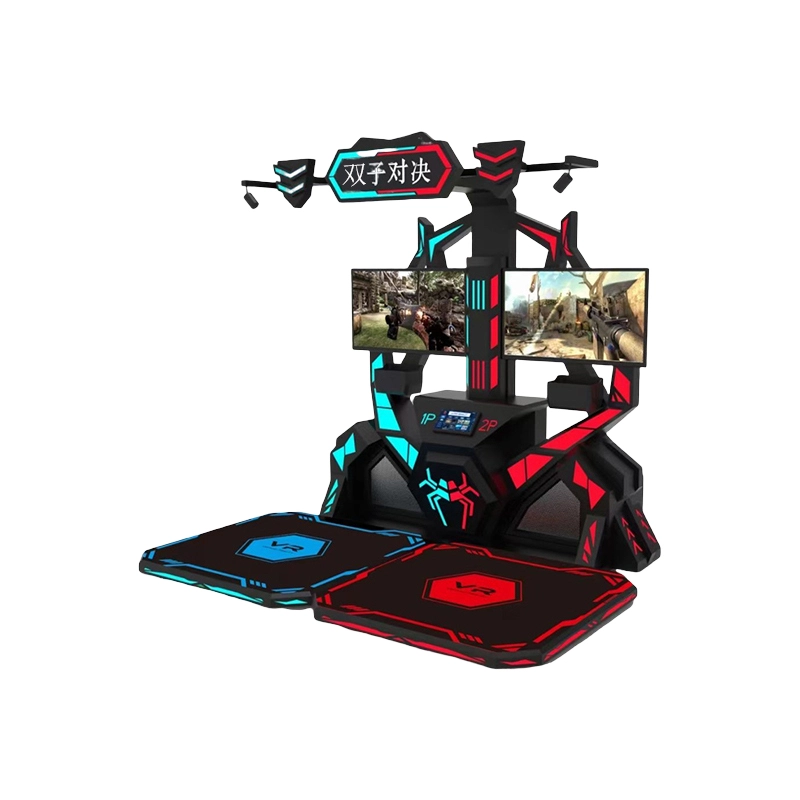
Marwey 2 Players Dual Screen Platform Arcade Game Shooting Simulator VR Machine for Commercial Theme Park
Marwey 2 Players Dual Screen Platform Arcade Game Shooting Simulator VR Machine for Commercial Theme Park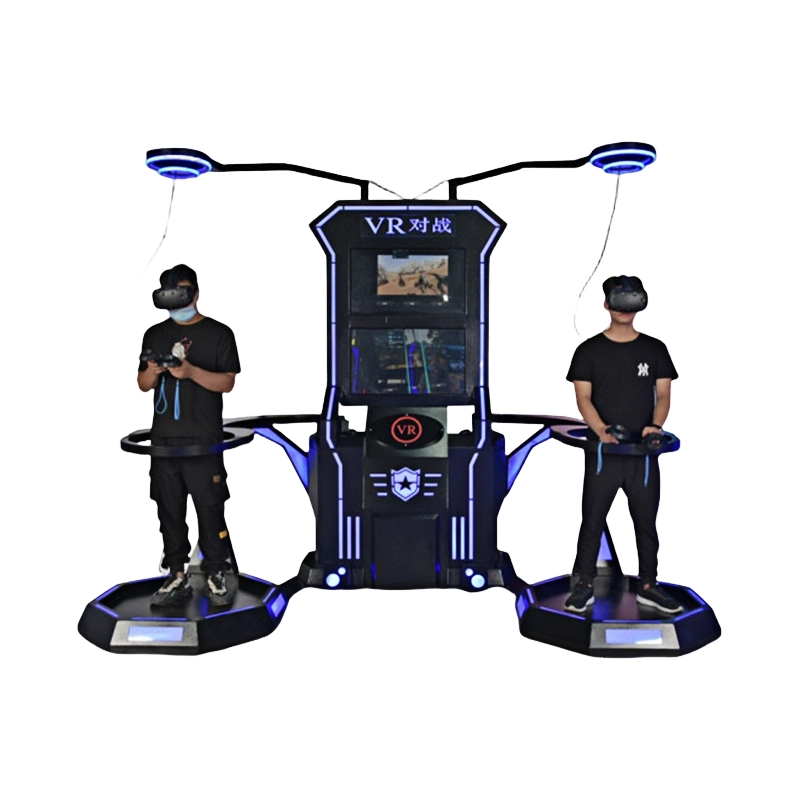
Marwey Immersive Entertainment 2 Players VR Game Console 9D Virtual Reality Platform Simulator
Marwey Immersive Entertainment 2 Players VR Game Console 9D Virtual Reality Platform Simulator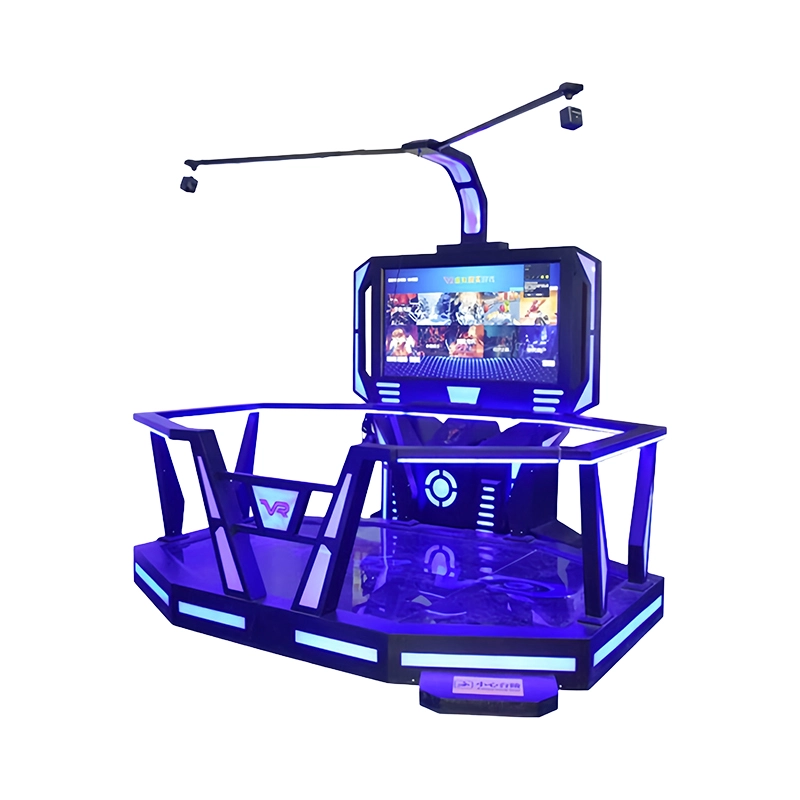
Marwey 9d Octave Space Vr Simulator Walking and Shooting Virtual Reality Game Platform for Sale
Marwey 9d Octave Space Vr Simulator Walking and Shooting Virtual Reality Game Platform for Sale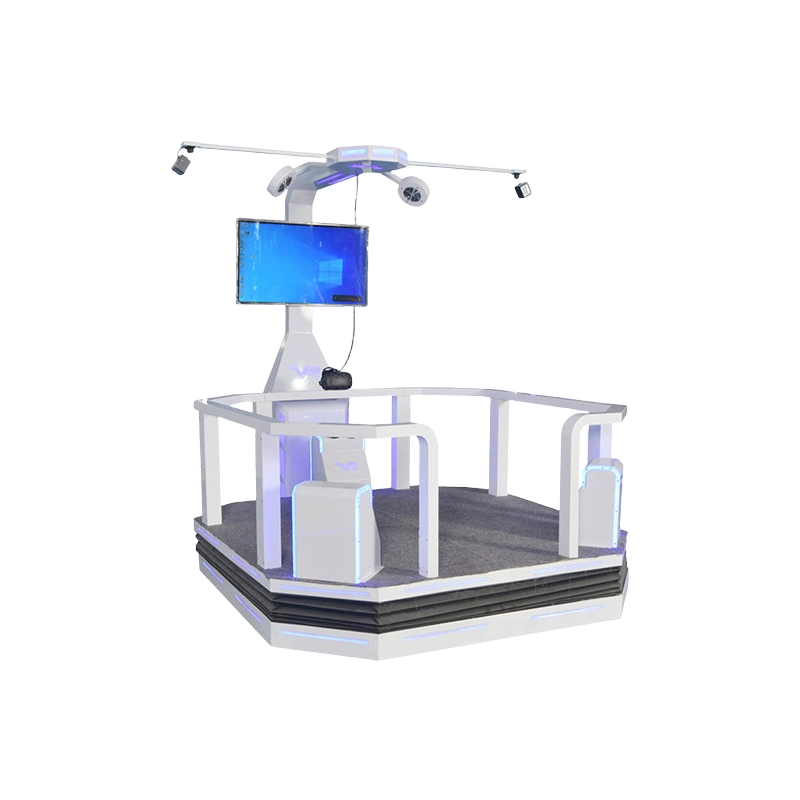
Marwey VR Dynamic Science Popularization Platform Commercial Virtual Reality Game Rides Simulator
Marwey VR Dynamic Science Popularization Platform Commercial Virtual Reality Game Rides Simulator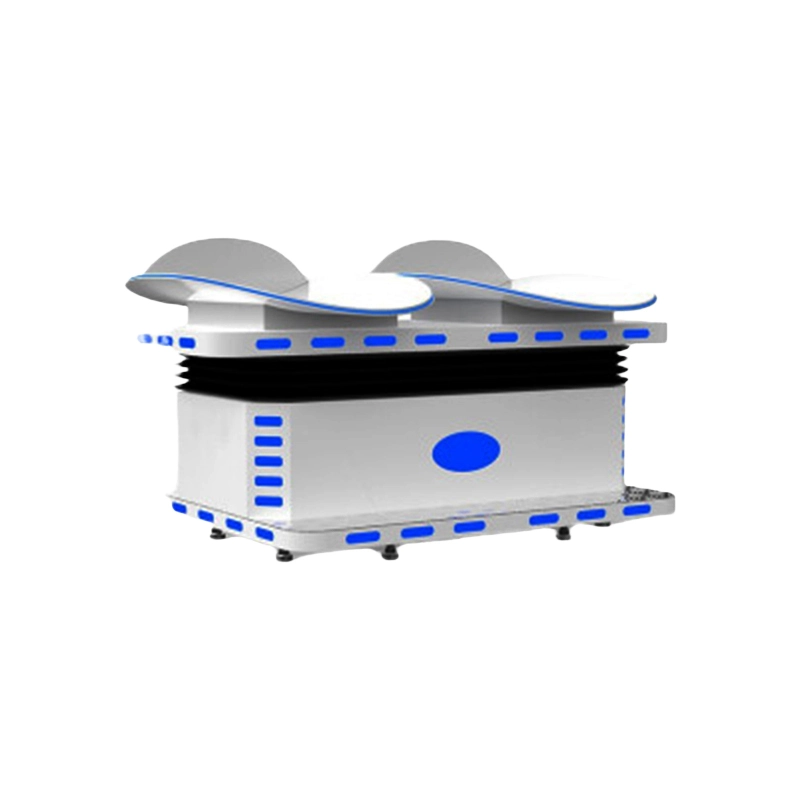
Marwey High Quality VR Skiing Simulator Double Seat Arcade Cinema Virtual Reality Slide Game Machine
Marwey High Quality VR Skiing Simulator Double Seat Arcade Cinema Virtual Reality Slide Game Machine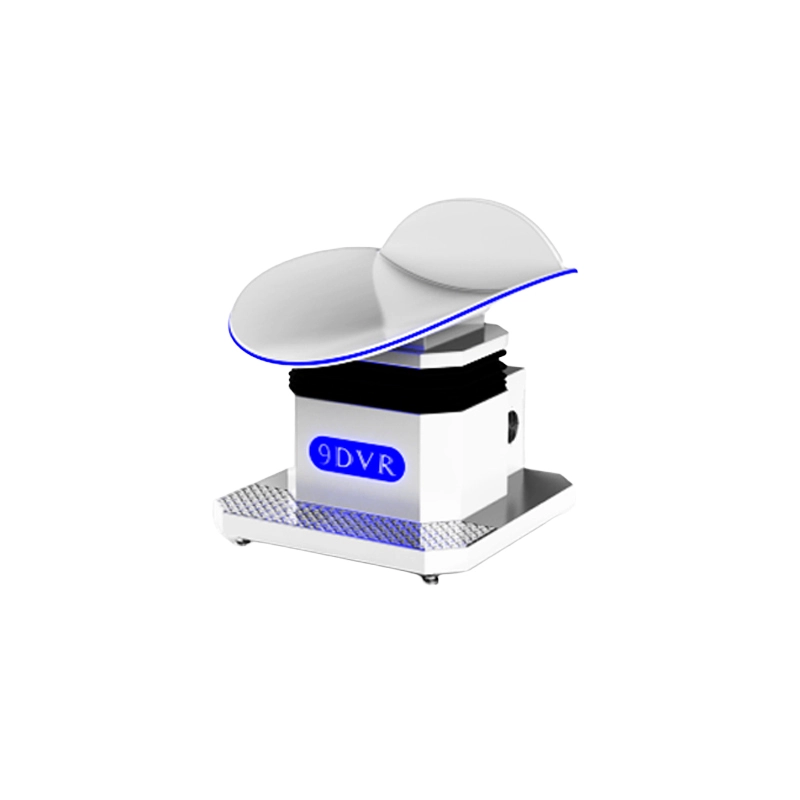
Marwey High Quality VR Skiing Simulator Single Seat Arcade Cinema Virtual Reality Slide Game Machine
Marwey High Quality VR Skiing Simulator Single Seat Arcade Cinema Virtual Reality Slide Game Machine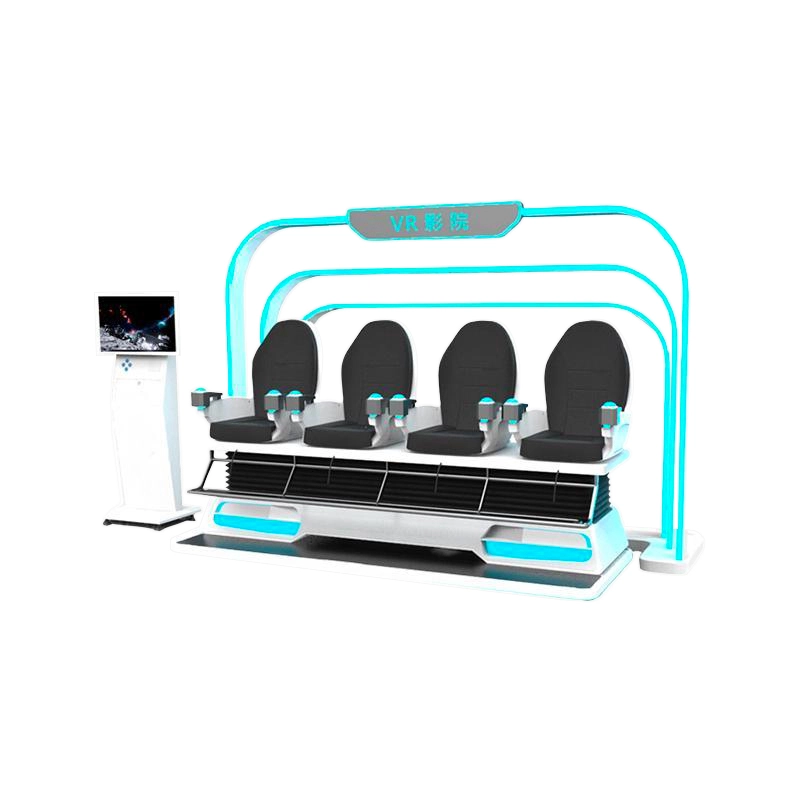
Marwey Hot Sale 4 Seats VR Amusement Equipment Virtual Reality Cinema Simulator Games Rides for VR
Marwey Hot Sale 4 Seats VR Amusement Equipment Virtual Reality Cinema Simulator Games Rides for VRWant to know more industry information?
If you have any comments or good suggestions, please leave us a message; later our professional staff will contact you as soon as possible.
◼ Contact MARWEY
WhatsApp: +86 189 2218 4260
Floor 2, Building E, Hengran Creative Park, Shixin Road, Panyu District, Guangzhou, Guangdong, China.
© 2025 MARWEY. All Rights Reserved.

MARWEY
MARWEY
MARWEY
MARWEY
MARWEY
MARWEY