

- Understanding the Core Legal Pillars of Trampoline Park Food Service
- Zoning, Business Licensing, and Operational Permits
- Health and Food Safety Regulations
- Navigating Specific Food Service Compliance Areas
- Allergen Management and Labeling
- Nutritional Information and Calorie Labeling
- Alcohol Service Regulations (If Applicable)
- Operational Best Practices for Risk Mitigation & Profitability
- Vendor and Supply Chain Management
- Staff Training and Supervision (How-To / Step-by-Step Guide)
- Insurance and Liability Considerations
- The MARWEY Standard: Integrating Safety and Profitability
- Turn-Key Solutions and Holistic Compliance
- The Cost of Non-Compliance vs. The Value of Investment
- Future-Proofing Your Party Room Food Service
- Embracing Technology for Compliance and Efficiency
- Adapting to Evolving Regulations and Consumer Expectations
- Expert Tips on Legal Requirements for Trampoline Park Party Room Food Service
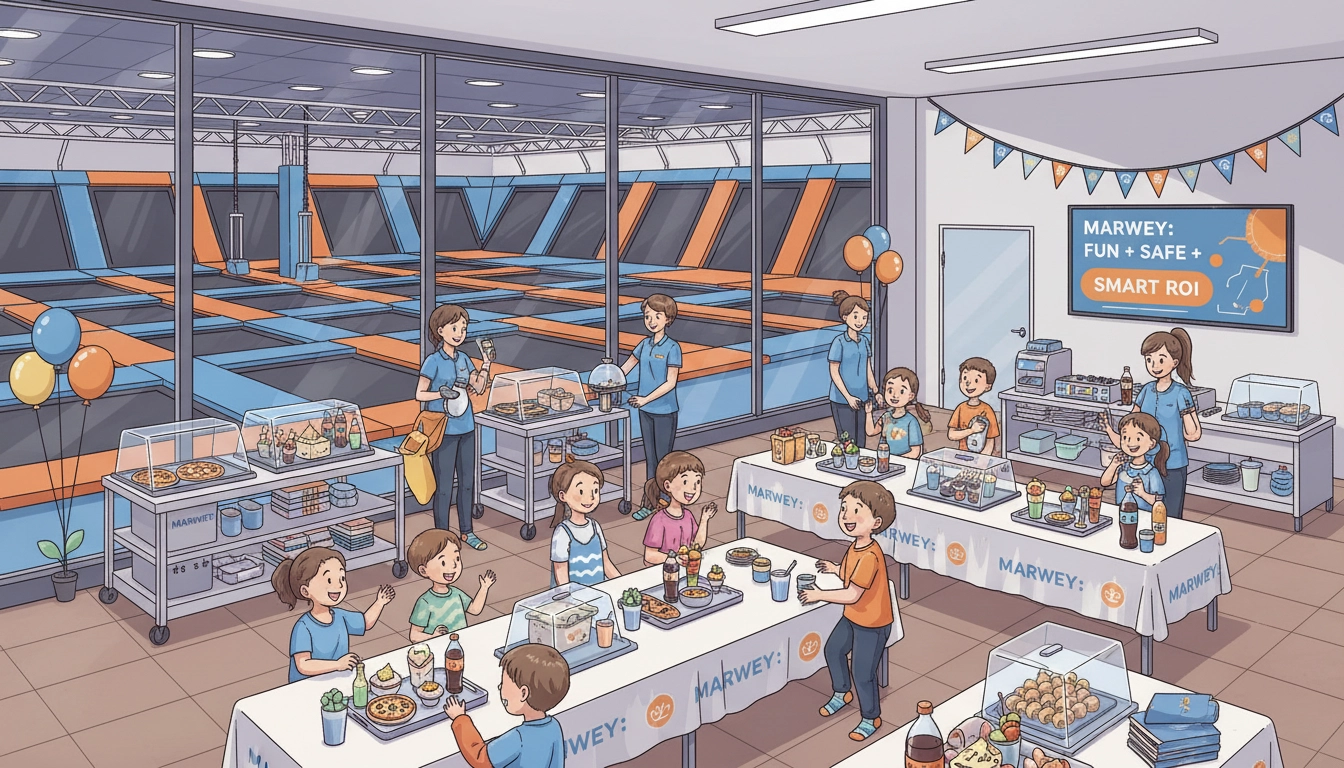
The trampoline park industry is booming, offering exhilarating family entertainment. Beyond the jumps and flips, a key revenue driver for many venues is the party room food service. However, integrating F&B into a high-activity environment like a trampoline park presents unique challenges, especially concerning legal requirements for trampoline park party room food service. This article, brought to you by MARWEY, a global leader in high-ROI FEC solutions, will delve into the essential legal frameworks and best practices to ensure your party room food service is compliant, safe, and profitable. From health codes to allergen management, we'll equip operators and investors with critical insights.
This comprehensive guide will unpack the intricate legal landscape governing food service within trampoline park party rooms, emphasizing critical areas such as food safety, licensing, and liability. We will offer actionable insights and data-backed recommendations to mitigate risks and enhance operational efficiency, showcasing how strategic planning and adherence to regulations – a cornerstone of MARWEY’s turn-key solutions – can significantly impact your bottom line and reputation.
Understanding the Core Legal Pillars of Trampoline Park Food Service
Establishing a successful food service operation within a trampoline park requires a foundational understanding of various legal and regulatory frameworks. Ignoring these pillars can lead to significant penalties, operational disruptions, and a damaged brand reputation. My experience in assisting numerous FECs has shown that early attention to these details is paramount.
Zoning, Business Licensing, and Operational Permits
The first step in launching any commercial kitchen, especially within an entertainment venue, involves navigating local zoning laws. These regulations dictate where commercial food preparation facilities can operate. Furthermore, beyond a general business license for operating an FEC, specific food service licenses are mandatory. This includes permits from the health department for food preparation and storage, as well as individual certifications for food handlers. For instance, in one project, we encountered a park owner who overlooked a specific zoning overlay for food establishments, leading to a costly delay in their opening while they sought a variance. This underscores the importance of a thorough initial assessment.
MARWEY Insight: MARWEY’s site selection and planning services are designed to pre-emptively address these initial regulatory hurdles, integrating compliance into the early design phase. This proactive approach minimizes unforeseen obstacles and keeps your project on track. Non-compliance with zoning laws can result in fines ranging from $500 to $5,000 per violation in many urban areas, highlighting the critical need for early site assessment and due diligence, as detailed by various municipal planning departments.
Health and Food Safety Regulations
At the heart of any food service operation are stringent health and food safety regulations. These typically include adherence to HACCP (Hazard Analysis Critical Control Point) principles, which are crucial for identifying and controlling potential food safety hazards. Key areas include proper temperature control for storing and serving food, meticulous prevention of cross-contamination, and strict hygiene requirements for staff, facilities, and equipment. Many jurisdictions require food handler training and certification, such as ServSafe in the US, for all personnel involved in food preparation. A personal observation from my work is that facilities that invest heavily in repetitive staff training on these protocols experience significantly fewer incidents. The estimated $55.5 billion annual cost of foodborne illness outbreaks in the U.S. economy, as reported by the CDC, starkly illustrates the severe financial and reputational risks associated with non-compliance.
Navigating Specific Food Service Compliance Areas

Allergen Management and Labeling
Effective allergen management is not merely good practice – it's a legal imperative and critical for customer safety. Venues must legally identify and communicate common allergens, often referred to as the "Big 8" (milk, eggs, peanuts, tree nuts, soy, wheat, fish, shellfish). Best practices extend to meticulous ingredient sourcing, dedicated preparation areas, and stringent procedures to prevent cross-contact, particularly in party room settings where multiple food items are often served buffet-style. I once advised a park where clear, visible allergen labels on their buffet trays, coupled with staff who could confidently answer allergen queries, significantly boosted parental trust and repeat bookings. A study by FARE (Food Allergy Research & Education) indicates that approximately 32 million Americans have food allergies, underscoring the absolute necessity of stringent allergen protocols to reduce liability and enhance customer confidence.
Nutritional Information and Calorie Labeling
The landscape of food transparency is continuously evolving. Regulations for providing nutritional information, including calorie labeling, are becoming more widespread. While often mandatory for larger chain establishments, even smaller independent venues may fall under these requirements depending on local jurisdiction. Offering clear menu transparency not only ensures compliance but also caters to a growing consumer demand for healthier choices and informed decision-making. My experience suggests that parks that embrace this transparency, even when not legally mandated, differentiate themselves positively. While MARWEY focuses on equipment, its turn-key approach includes guidance on every aspect of FEC operation, implicitly covering aspects like compliant menu display and operational best practices around customer information.
Alcohol Service Regulations (If Applicable)
For trampoline parks considering offering alcoholic beverages in their party rooms or other areas, the regulatory requirements are significantly more complex. This involves securing specific liquor licenses, ensuring all serving staff possess valid server permits, and strictly adhering to age verification protocols. Responsible beverage service training is paramount to prevent over-serving and ensure patron safety. The liability considerations for related to intoxicated patrons on-site are substantial. Penalties for serving minors can devastating. In many states, penalties can include fines up to $10,000 and license suspension for extended periods, as documented by various state alcoholic beverage control boards, emphasizing the strict enforcement of these laws. Due to the high-activity nature of FECs, a cautious approach to alcohol service, if offered at all, is always recommended.
Operational Best Practices for Risk Mitigation & Profitability

Beyond meeting basic legal requirements for trampoline park party room food service, implementing operational best practices is key to turning compliance into a competitive advantage and driving profitability.
Vendor and Supply Chain Management
The quality and safety of your food service begin long before the ingredients enter your kitchen – it starts with your suppliers. It is crucial to rigorously vet all food suppliers for compliance with safety and quality standards. This includes ensuring they have proper certifications, maintain robust cold chain management, and provide clear traceability of their products. Contractual agreements should explicitly state that suppliers meet specific hygiene and quality benchmarks. In my view, this is as critical as selecting the right equipment. Just as MARWEY rigorously vets its material suppliers for ASTM/TÜV compliance, operators should apply similar scrutiny to food vendors. A single incident with contaminated food can cripple a business, regardless of how well the kitchen operates internally.
| Feature | Compliant Food Supply Chain | Non-Compliant Food Supply Chain |
|---|---|---|
| Supplier Status | Certified, holds relevant licenses | Unverified, potentially operating without proper licenses |
| Audits | Regular third-party and internal audits | Infrequent or no audits |
| Traceability | Full product traceability from farm to kitchen | Lack of clear product origin or history |
| Sourcing Transparency | Transparent, ethical, and sustainable sourcing practices | Opaque operations, potential for questionable sourcing |
| Risk Profile | Reduced risk of foodborne illness, recalls, and legal issues | Increased risk of foodborne illness, legal penalties, reputational damage |
| Pricing Potential | Potential for premium pricing due to perceived quality and safety | Compromised reputation, potential for discounted pricing to attract customers |
When evaluating suppliers, always request their latest health certificates, perform site visits if possible, and check references from other clients. This due diligence is an investment in your park's safety and reputation.
Staff Training and Supervision (How-To / Step-by-Step Guide)

Well-trained staff are your first line of defense against food safety incidents. A comprehensive training program is essential:
- Initial Food Safety Training: All new hires handling food must complete accredited food safety courses. This ensures a baseline understanding of critical protocols.
- Ongoing Hygiene Protocol Refreshers: Regular training sessions on handwashing techniques, preventing cross-contamination, and personal hygiene are vital. These should be reinforced daily through quick briefings.
- Allergen Awareness Workshops: Provide specialized training for all staff (kitchen and front-of-house) on identifying common allergens, understanding cross-contact risks, and communicating effectively with guests about dietary needs.
- Emergency Response Drills: Conduct practical drills for various food safety incidents, including simulated allergy attacks, to ensure staff know how to react calmly and effectively.
- Supervisor Checklists: Implement daily and weekly checklists for supervisors to monitor adherence to all food safety and hygiene standards. This fosters accountability and consistency.
Insurance and Liability Considerations
Operating a trampoline park with food service inherently involves multiple layers of risk. It's imperative to review and secure essential insurance policies, including comprehensive general liability, product liability specifically for food service, and workers' compensation. From my observations, robust compliance with legal requirements for trampoline park party room food service directly influences insurance premiums and coverage. Insurers view compliant operations as lower risk. For instance, ASTM F2970 compliance for trampoline equipment can reduce insurance premiums by an average of 15-25% for the entire park, as indicated by industry actuarial data. Similarly, well-documented and robust food safety programs significantly mitigate product liability insurance costs. The MARWEY Advantage: MARWEY’s commitment to global safety compliance (ASTM/TÜV) across its equipment portfolio offers a holistic approach to risk management, showcasing a similar dedication to safety that should extend seamlessly into F&B operations.
The MARWEY Standard: Integrating Safety and Profitability
At MARWEY, our philosophy extends beyond simply manufacturing world-class equipment. We understand that true success in the FEC market – especially concerning legal requirements for trampoline park party room food service – demands a holistic and integrated approach to safety, compliance, and operational efficiency.
Turn-Key Solutions and Holistic Compliance
MARWEY prides itself on providing end-to-end FEC project support, from initial design and high-quality manufacturing to comprehensive operational guidance. This integrated approach naturally extends to advising on compliant and efficient F&B operations within party rooms. We view food service as an integral component of a high-ROI FEC asset. Our expertise in creating profitable entertainment venues means we understand that compliant F&B isn't a cost center, but rather a direct contributor to sustained profitability, visitor satisfaction, and overall brand strength.
The 2025 AIMS Safety Seminar includes educational content on maintenance, inspection, operations, safety, security, and risk management relevant to trampoline parks. This indicates a focus on safety and risk management best practices in the amusement and active entertainment industry.
The Cost of Non-Compliance vs. The Value of Investment
The hidden costs of non-compliance with legal requirements for trampoline park party room food service can be staggering: fines, legal fees, forced closures, devastating reputational damage, and soaring insurance premiums. My experience includes witnessing a park facing a multi-million-dollar lawsuit due to a foodborne illness outbreak, which ultimately led to its closure. Conversely, investing in robust food safety systems, quality equipment for your kitchen, and certified training for staff translates into significant value. It leads to enhanced customer loyalty, higher revenue per square foot (RPSF) for party rooms, and a stronger, more trusted brand. The average cost of a food recall can range from $1 million to over $10 million, excluding the incalculable damage to brand equity. Strategic Integration: By choosing MARWEY for your core FEC infrastructure (trampoline parks, arcade centers), you’re already investing in ASTM/TÜV compliant safety and durability, which sets a high precedent for your F&B practices. This focus on "low TCO" extends beyond just hardware to every operational aspect.
Future-Proofing Your Party Room Food Service
The landscape of food service regulations and consumer expectations is constantly evolving. To maintain a competitive edge and ensure long-term success, your trampoline park party room food service must be adaptable and forward-thinking.
Embracing Technology for Compliance and Efficiency
Technology offers powerful tools for adhering to legal requirements for trampoline park party room food service and streamlining operations. Digital HACCP systems can automate record-keeping, temperature monitoring software ensures constant vigilance over food storage, and inventory management systems reduce waste and improve efficiency. Leveraging online training platforms also allows for continuous staff education and easy access to updated protocols, ensuring consistency across your team regardless of new hires or shifts.
Adapting to Evolving Regulations and Consumer Expectations
The commitment to food safety is an ongoing process. It’s crucial to stay updated on local, state, and national food safety laws, as these can change frequently. Furthermore, consumer demands are shifting towards greater transparency, sustainability in sourcing, and increased accommodations for dietary restrictions. Parks that proactively respond to these trends not only stay compliant but also build stronger community relationships and enhance their attractiveness to a broader customer base. Subscribing to industry newsletters and participating in professional seminars, such as the AIMS Safety Seminar, are excellent ways to stay informed of best practices and upcoming changes.
Operating a trampoline park party room food service successfully requires a deep understanding and unwavering commitment to legal compliance. From initial licensing and stringent health codes to allergen management and staff training, each aspect plays a crucial role in safeguarding your patrons, reputation, and financial viability. Proactive risk mitigation, combined with an investment in quality food service practices, transforms compliance from a burden into a competitive advantage.
For investors and operators seeking to build high-return family entertainment centers anchored by safe, compliant, and durable assets, look no further than MARWEY. Our comprehensive turn-key solutions extend beyond world-class trampoline parks and arcade equipment, offering the expertise and support needed to optimize every facet of your operation, including compliant F&B services. Ensure your FEC thrives with maximum safety, efficiency, and profitability. Contact MARWEY today to explore our solutions and secure your investment.
Expert Tips on Legal Requirements for Trampoline Park Party Room Food Service
Q1: What are the core legal requirements for food service in trampoline park party rooms?
Core legal requirements include obtaining proper zoning approvals, business licenses, and specific food service permits, adhering to health codes like HACCP, implementing allergen management, and ensuring staff have food handler certifications to maintain compliance and safety.
Q2: How does allergen management impact food service in trampoline park party rooms?
Effective allergen management legally requires identifying common allergens, preventing cross-contact through dedicated prep areas, clear allergen labeling on menus and food items, and training staff to confidently address allergen-related questions, thereby protecting customers and reducing liability.
Q3: What is HACCP and why is it important in trampoline park food service?
HACCP (Hazard Analysis Critical Control Point) is a systematic approach to food safety that identifies and controls potential hazards during food preparation and storage, crucial for preventing contamination and ensuring customer safety in trampoline park party room food service.
Q4: How to ensure compliance with health and food safety regulations in trampoline park party rooms?
Ensure compliance by training staff in food safety certifications like ServSafe, implementing strict hygiene and cross-contamination prevention protocols, maintaining proper temperature controls, conducting regular audits, and following HACCP principles in all food handling processes.
Q5: How can trampoline park operators manage vendor and supply chain risks?
Operators should rigorously vet suppliers for certifications and licenses, demand transparency and traceability, conduct site visits, require third-party audits, and secure contractual agreements defining safety and hygiene standards to ensure food quality and minimize contamination risks.
Q6: What steps are involved in effective staff training for food safety in trampoline park party rooms?
Effective training includes: 1) initial accredited food safety courses for all food handlers; 2) regular refresher sessions on hygiene and cross-contamination; 3) allergen awareness workshops; 4) emergency response drills; and 5) supervisor checklists to monitor compliance consistently.
Q7: Why is compliance with food service legal requirements critical for trampoline park profitability?
Compliance avoids costly fines, lawsuits, and reputation damage; reduces insurance premiums; enhances customer trust; improves operational efficiency; and increases revenue through higher food safety standards and customer satisfaction in trampoline park party rooms.
Q8: What are the differences between compliant and non-compliant food supply chains for trampoline parks?
Compliant supply chains have certified suppliers, regular audits, full product traceability, transparent sourcing, and lower risk of contamination, enabling premium pricing and reduced legal liability. Non-compliant chains lack verification, have poor traceability, increased risk of foodborne illness, legal penalties, and damage to brand reputation, often forcing discounted pricing.
Q9: How can technology support legal compliance and efficiency in trampoline park food service?
Technology like digital HACCP systems automates record-keeping, temperature monitoring software ensures food safety, inventory management reduces waste, and online training platforms provide consistent staff education, all enhancing compliance and operational efficiency in party room food service.
Q10: What insurance and liability considerations should trampoline park operators be aware of for party room food service?
Operators must obtain general liability, product liability for food service, and workers' compensation insurance; maintain robust food safety compliance to lower premiums; and understand strict penalties for violations like serving minors alcohol, all crucial for managing operational risks effectively.
Related Articles
The Role of Sustainability in Indoor Playground Marketing: Eco Strategies
Boost Profits by Optimizing the Claw Machine Play Cycle for Maximum Throughput
Innovate! Designing Claw Machines with Self-Cleaning and Sanitizing Features
Boost Claw Machine Conversions by Analyzing Player Behavior & Marketing Messages
Navigating Import Tariffs and Trade Agreements for Claw Machine Distribution
Setting Competitive Wholesale Pricing for Punching Machine Bulk Orders
Mini Claw Machine
How much electricity does a mini claw machine use?
Mini claw machines are relatively energy-efficient. Most standard models consume between 50 and 100 watts per hour when powered on. To put this into perspective, if a machine runs continuously for 24 hours, it would use approximately 1.2 to 2.4 kilowatt-hours (kWh) per day. For a typical business running the machine 12 hours a day, the monthly energy consumption would be around 18 to 36 kWh. Based on an average commercial electricity rate, the monthly cost to power a single mini claw machine is usually very low, often between 15, making it an inexpensive appliance to operate.
Photo Booth Machine
What equipment is needed to start a photo booth business?
Starting a photo booth business today is centered on selecting the right all-in-one commercial photo booth machine and supporting business infrastructure. The core equipment list includes:
-
The Photo Booth Machine: This is the primary investment. Modern commercial units are typically all-in-one systems that integrate a high-quality camera, professional lighting, a touchscreen interface, and software into a single, robust package. Your choice will be between enclosed booths, open-air kits, or specialized models like 360 booths.
-
Printing or Digital Sharing Solution: Most machines have an integrated printer for instant souvenirs. Crucially, they also include cloud-based software for instant digital sharing via email, text, or social media, and for adding custom branding.
-
Accessories & Branding Materials: This includes a branded backdrop, props to enhance the fun, and physical guides for queues.
-
Business Operations Essentials: Beyond hardware, you need a business license, liability insurance, a professional website, and a marketing plan to attract clients.
The key is to partner with a reliable supplier who provides a complete, commercial-grade package designed for durability and ease of use in a business setting. Marwey is your best choice for that.
Read more:
Zest for Success: What equipment is needed to start a photo booth business!
Air Hockey Table
What are the key specifications (size, weight) of MARWEY air hockey tables?
MARWEY air hockey tables come in various specifications to fit any space. Key dimensions range from compact (W78cm x L145cm) for bars to large tournament-size air hockey tables (W134cm x L225cm), with weights and build materials detailed in our technical specs sheets for each model.
One Stop Bowling Alley Solution
What is your warranty and after-sales service policy?
We offer a clear and reliable warranty.
Our dedicated support team provides remote troubleshooting and ensures a continuous supply of spare parts to minimize your downtime.
Are your bowling lanes built for high-traffic commercial use?
Absolutely.
Our equipment is engineered specifically for commercial operations.
We use premium materials and robust electronics to ensure maximum uptime and durability, even under the most demanding conditions.
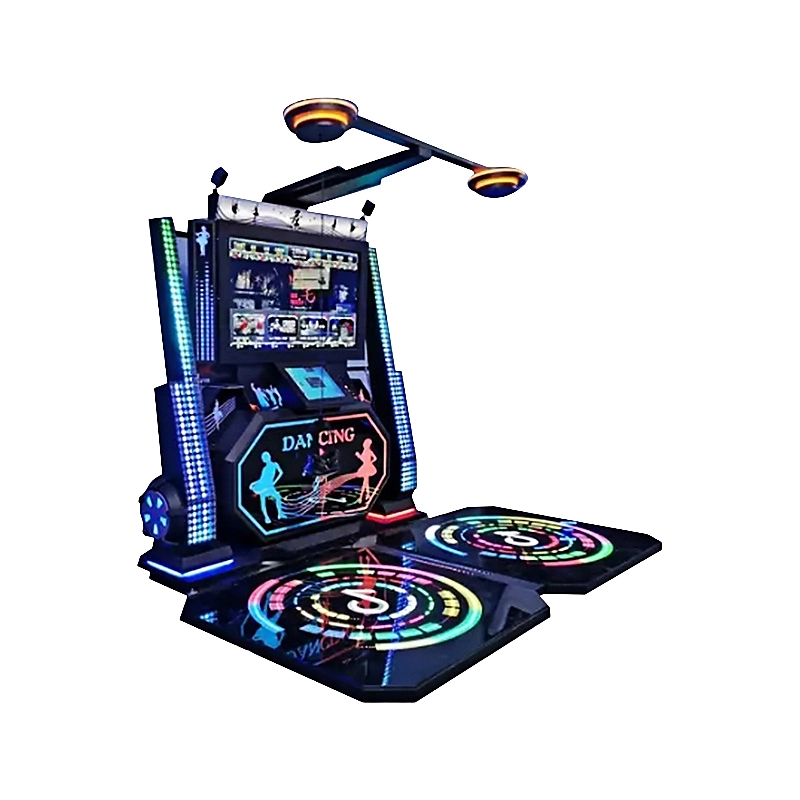
Marwey 9d 2 Players Musical Instruments Video Games Dance Simulator Dancing Wonder VR Arcade Machine
Marwey 9d 2 Players Musical Instruments Video Games Dance Simulator Dancing Wonder VR Arcade Machine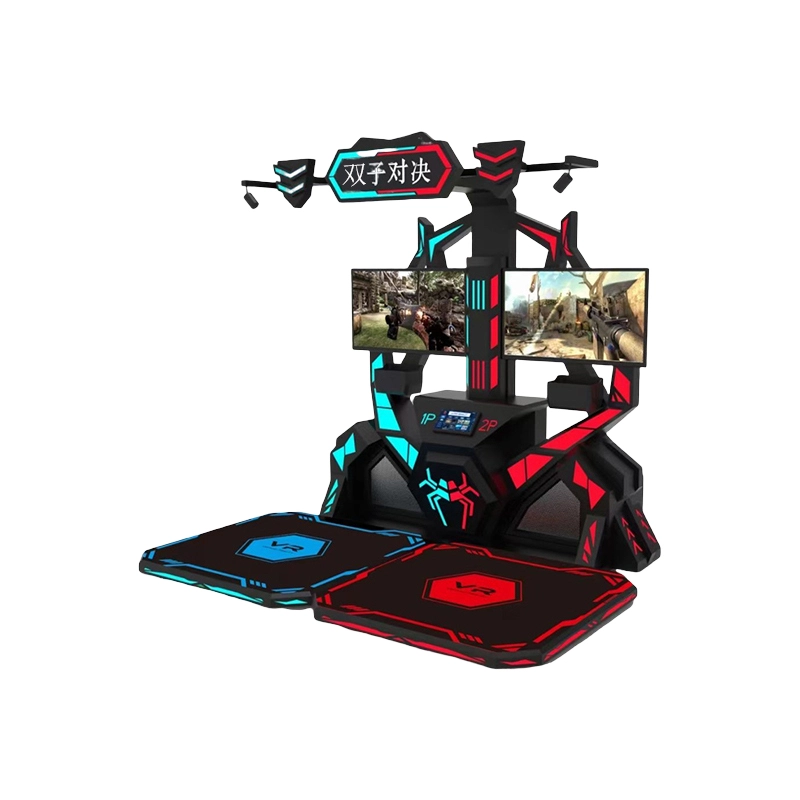
Marwey 2 Players Dual Screen Platform Arcade Game Shooting Simulator VR Machine for Commercial Theme Park
Marwey 2 Players Dual Screen Platform Arcade Game Shooting Simulator VR Machine for Commercial Theme Park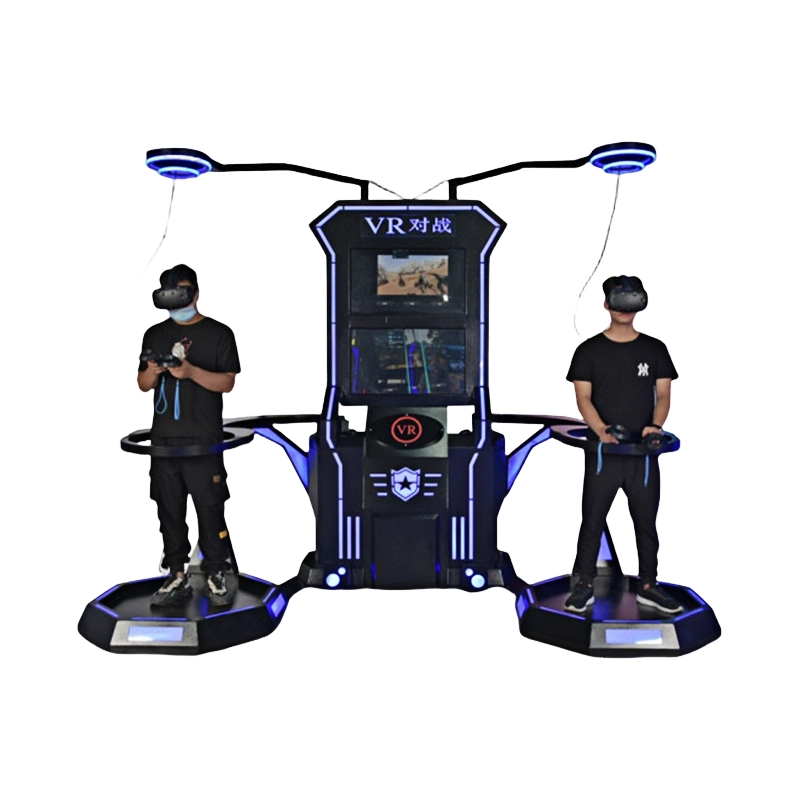
Marwey Immersive Entertainment 2 Players VR Game Console 9D Virtual Reality Platform Simulator
Marwey Immersive Entertainment 2 Players VR Game Console 9D Virtual Reality Platform Simulator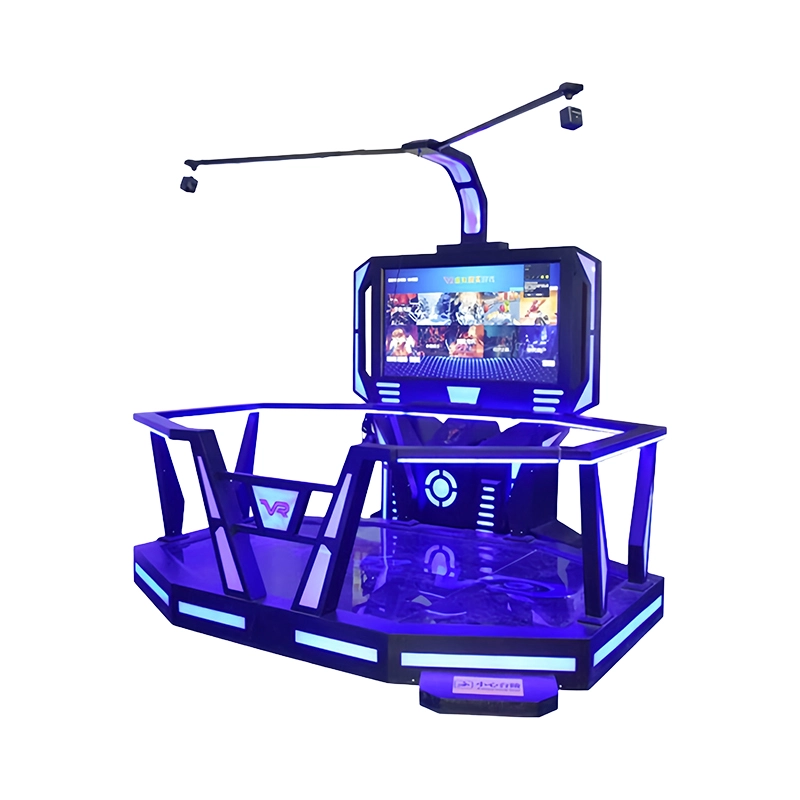
Marwey 9d Octave Space Vr Simulator Walking and Shooting Virtual Reality Game Platform for Sale
Marwey 9d Octave Space Vr Simulator Walking and Shooting Virtual Reality Game Platform for Sale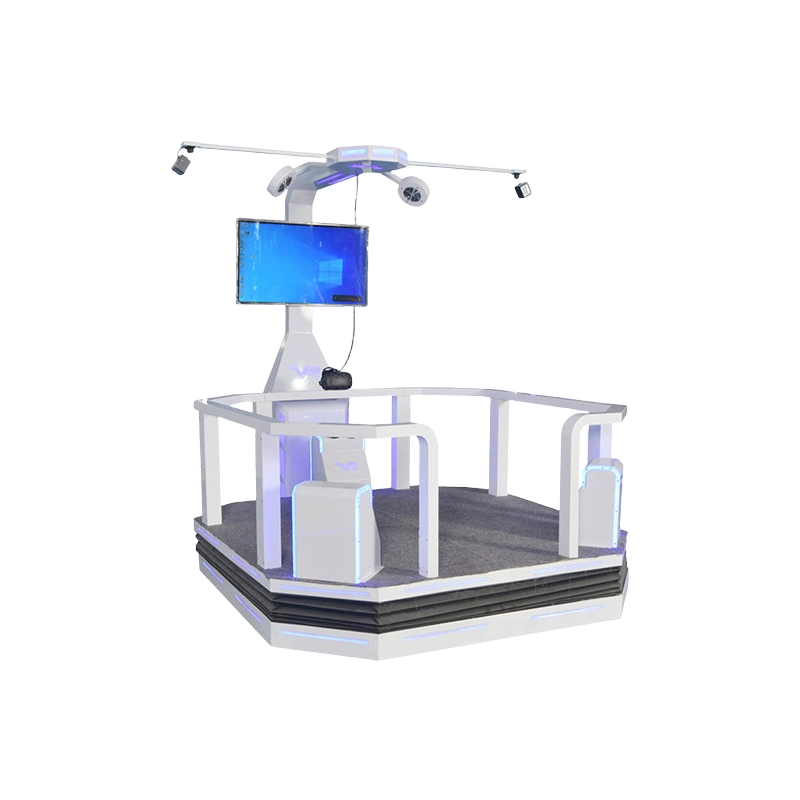
Marwey VR Dynamic Science Popularization Platform Commercial Virtual Reality Game Rides Simulator
Marwey VR Dynamic Science Popularization Platform Commercial Virtual Reality Game Rides Simulator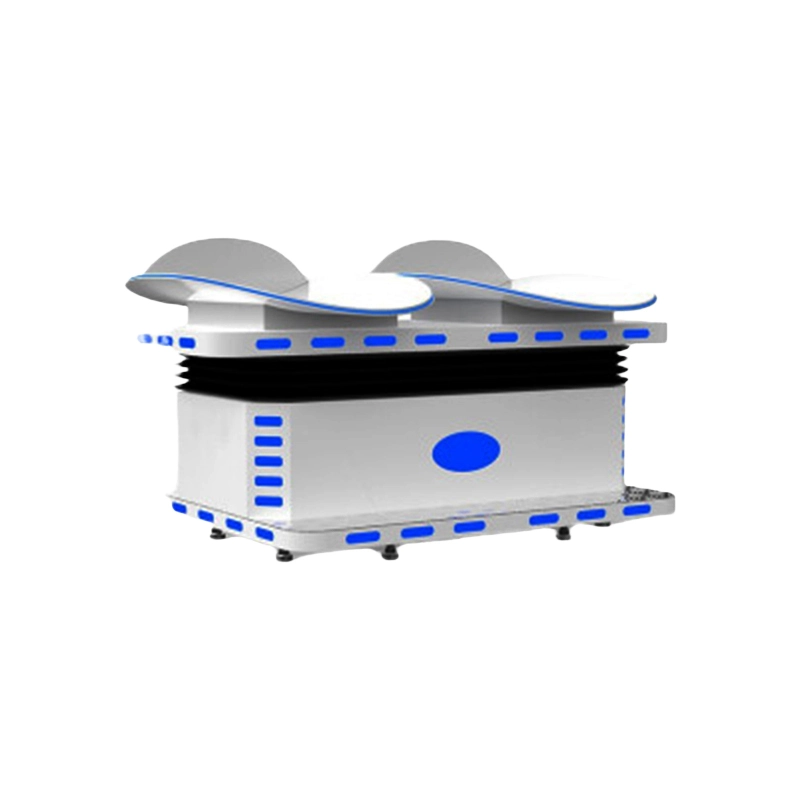
Marwey High Quality VR Skiing Simulator Double Seat Arcade Cinema Virtual Reality Slide Game Machine
Marwey High Quality VR Skiing Simulator Double Seat Arcade Cinema Virtual Reality Slide Game Machine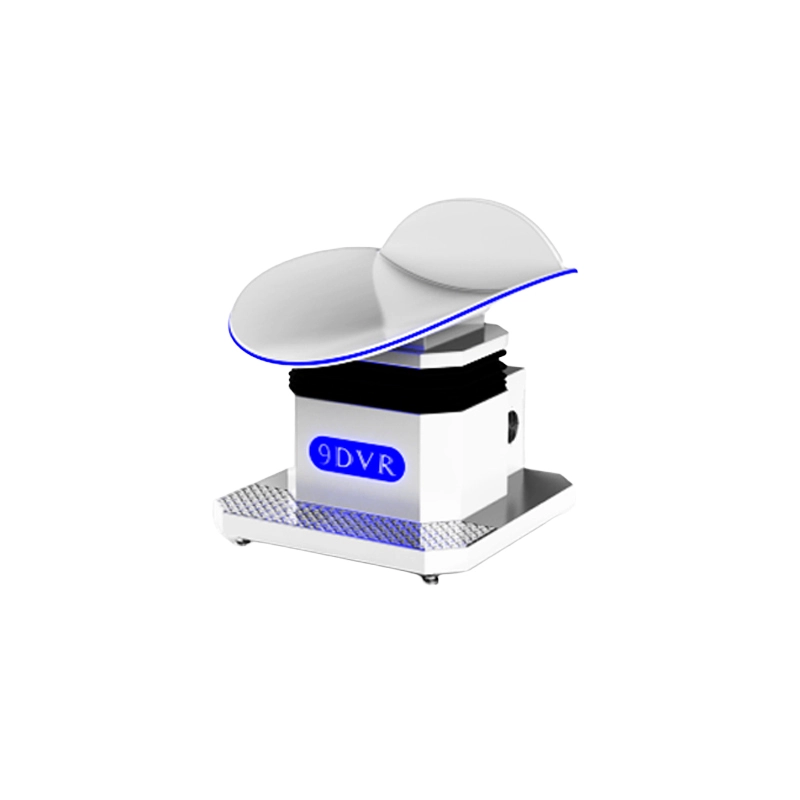
Marwey High Quality VR Skiing Simulator Single Seat Arcade Cinema Virtual Reality Slide Game Machine
Marwey High Quality VR Skiing Simulator Single Seat Arcade Cinema Virtual Reality Slide Game Machine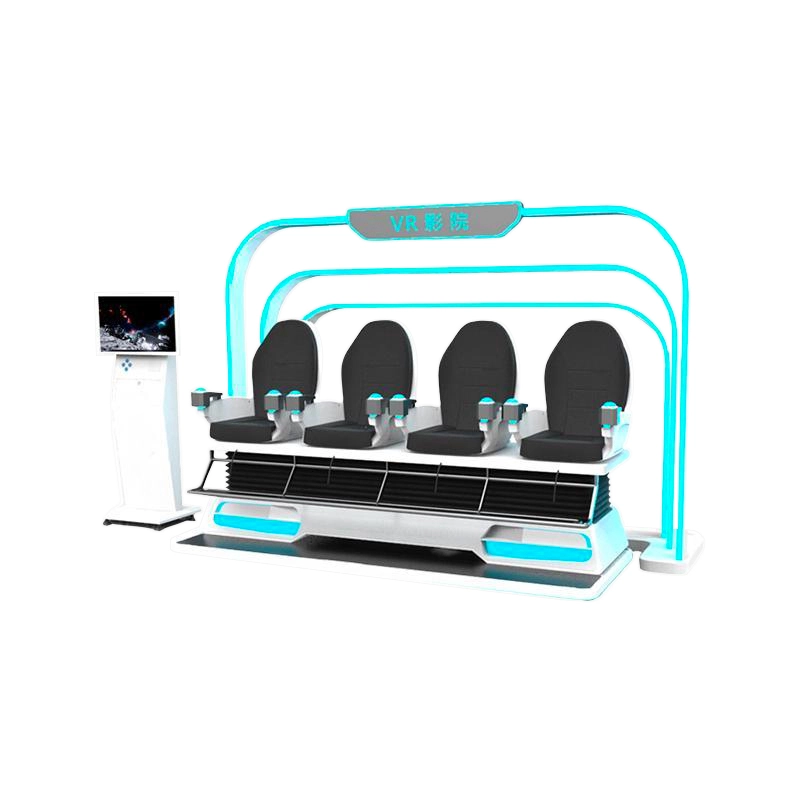
Marwey Hot Sale 4 Seats VR Amusement Equipment Virtual Reality Cinema Simulator Games Rides for VR
Marwey Hot Sale 4 Seats VR Amusement Equipment Virtual Reality Cinema Simulator Games Rides for VRWant to know more industry information?
If you have any comments or good suggestions, please leave us a message; later our professional staff will contact you as soon as possible.
◼ Contact MARWEY
WhatsApp: +86 189 2218 4260
Floor 2, Building E, Hengran Creative Park, Shixin Road, Panyu District, Guangzhou, Guangdong, China.
© 2025 MARWEY. All Rights Reserved.

MARWEY
MARWEY
MARWEY
MARWEY
MARWEY
MARWEY