

- I. Understanding the Core Requirements: Beyond Just Space
- A. The Essential Elements of a Golf Simulator Setup
- B. Minimum Dimensions: The Absolute Baseline
- II. Designing for Optimal Experience and Commercial Viability
- A. The MARWEY Standard: Engineering for Performance and Durability
- B. Enhancing User Experience: Beyond the Swing
- III. Shed Types and Customization: Finding Your Perfect Fit
- A. Shed Construction Materials and Their Impact
- B. Customization Options for Commercial Success
- IV. Financial Foresight: ROI, TCO, and Operational Efficiency with MARWEY
- A. Calculating the ROI of Your Golf Simulator Shed Investment
- B. Operational Streamlining with MARWEY's Turnkey Solutions
- FAQs on Choosing the Right Size Shed for a Golf Simulator
Embarking on the journey of setting up a golf simulator, whether for personal enjoyment or commercial profit, begins with a fundamental question: "Precisely what size shed do I need for a golf simulator?" This isn't merely about fitting the equipment; it's about crafting an optimal environment that maximizes performance, user experience, and crucially, return on investment. MARWEY, a pioneering leader in turnkey FEC solutions and high-precision golf simulator manufacturing, brings a unique dual perspective—we're not just equipment providers, but experienced operators of successful FECs like FUNDAY. We understand the critical balance between technical excellence and operational profitability. This article will guide you through the essential considerations for selecting the ideal shed size, moving beyond basic dimensions to encompass advanced technical requirements, operational efficiencies, and the strategic insights MARWEY offers to ensure your golf simulator space is not just adequate, but truly optimized for enduring success.
I. Understanding the Core Requirements: Beyond Just Space

A. The Essential Elements of a Golf Simulator Setup
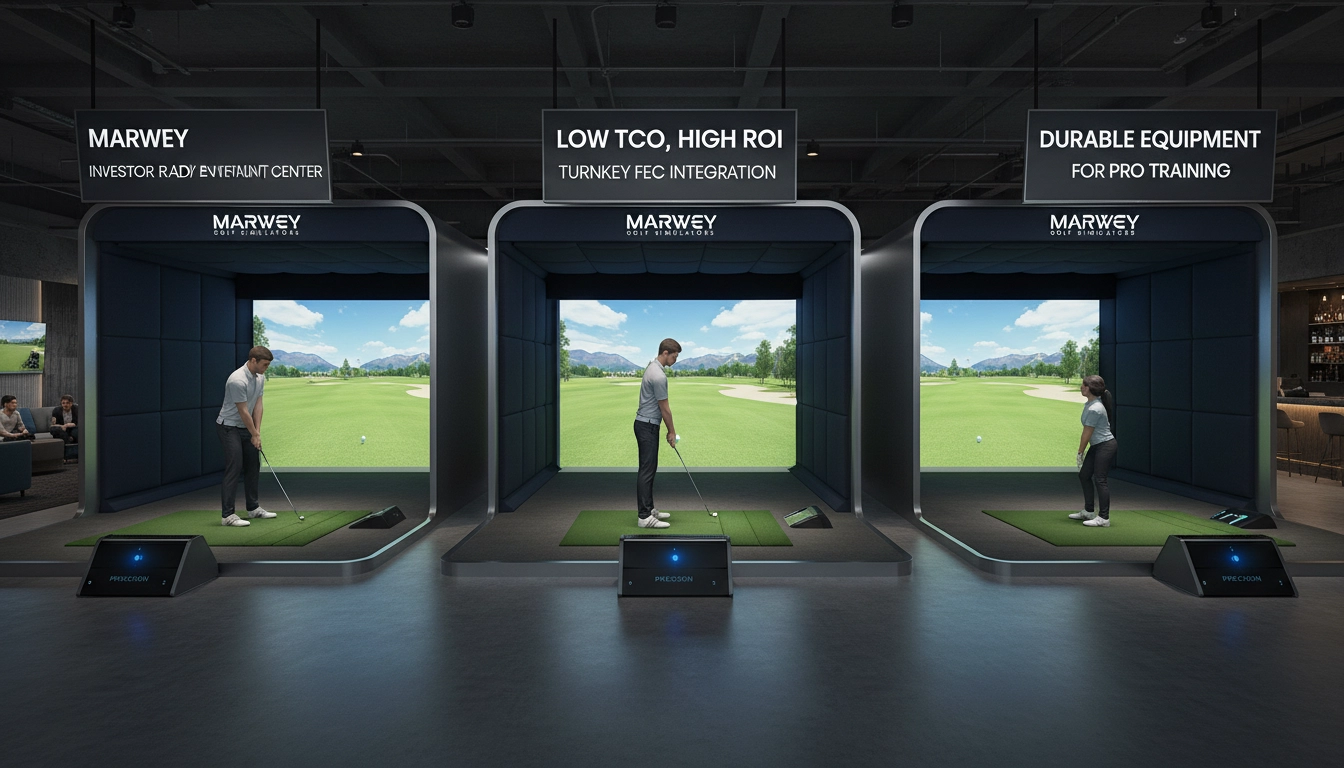
When planning your golf simulator shed, think of it as a meticulously engineered ecosystem where every component plays a vital role. It starts with the heart of the system: the launch monitor. Its placement demands specific clearances for optimal functionality. For radar-based systems, an unobstructed path for ball flight data collection is paramount. Camera-based systems require careful consideration of lighting and object tracking within their field of view. According to Golf Swing Systems, radar systems are "unmatched in terms of tracking ball carry (and total) distance, typically achieving accuracy within 2-3% of actual values." In my experience, even a slight misplacement can lead to inaccurate readings, frustrating players and undermining the commercial value of the simulator.
- Hitting Mat and Teeing Area: This needs to be comfortable and spacious enough for full swings without fear of hitting walls or equipment.
- Screen/Impact Net: This is your visual interface and safety barrier. It needs to be large enough for immersive visuals and robust enough to withstand repeated golf ball impacts.
- Projector Setup: The distance and alignment between the projector and screen are crucial for a clear, undistorted image. This often dictates ceiling height and depth requirements.
- Club Head Speed and Ball Flight Physics: Deeper sheds accommodate longer ball flight paths, which is especially important for validating data from high-speed swings. The average clubhead speed for a male amateur can range from 80-100 mph, while professionals often exceed 110 mph. A shed needs to safely contain the energy created by these speeds.
- Safety Zones: Critical buffers around the hitting area are non-negotiable. Recommended minimum distances from walls and ceilings are in place to prevent accidents, especially with longer clubs like drivers.
B. Minimum Dimensions: The Absolute Baseline
Getting the dimensions right is paramount. It’s not just about fitting the equipment, but ensuring a safe, enjoyable, and accurate playing experience. From my observations working on numerous FEC installations for FUNDAY, neglecting these minimums is a common, costly mistake.
- Height Requirements: Ceiling height is absolutely paramount. For an average male golfer, a safe and comfortable full swing, especially with a driver, demands a minimum ceiling height of 9 to 10 feet. Anything less severely restricts swing plane and club selection.
- Width Considerations: To ensure swing freedom for both right and left-handed players, a width of at least 12 feet is generally recommended. This allows for ample backswing and follow-through clearance.
- Depth Dilemmas: This dimension balances launch monitor accuracy with player comfort and safety. A minimum depth of 15 feet is often required, allowing for player standing area, ball flight path before impact, and a safe distance for the impact screen.
- How to Measure Your Swing: A practical guide for self-assessment involves simulating your full swing with your longest club in the prospective space. Pay attention to clearance above your clubhead at the top of your backswing and during your follow-through, as well as sidewall clearances.
II. Designing for Optimal Experience and Commercial Viability

A. The MARWEY Standard: Engineering for Performance and Durability
At MARWEY, our philosophy extends beyond just selling equipment; we engineer holistic solutions. For our FECs like FUNDAY, we prioritize performance, durability, and a superior user experience, factors that directly influence commercial viability.
- High-Precision Launch Monitor Technology: Our commitment to accuracy is unwavering. Industry-leading simulators like Trackman and Golfzon report accuracy levels over 90% for ball speed, distance, and spin rate metrics, as highlighted by Golfers Authority. MARWEY’s launch monitors are designed to achieve similar, if not better, precision, often demonstrating less than 1% deviation on critical ball speed measurements due to advanced sensor technology and rigorous calibration.
- Robust Enclosure Systems: The materials used for impact screens and enclosures are vital for longevity and safety. We utilize materials engineered for high impact resilience, capable of withstanding hundreds of thousands of impacts, translating to years of reliable use in a commercial setting.
- Environmental Control: Maintaining optimal temperature, humidity, and lighting is essential. Consistent performance of electronics and player comfort relies on stable conditions.
- Acoustic Considerations: Minimizing noise from ball impact and player reactions is crucial, especially in multi-bay or public environments. Sound-absorbing materials enhance the user experience and prevent disturbances.
B. Enhancing User Experience: Beyond the Swing
A truly great golf simulator experience goes beyond just hitting balls. It encompasses the entire environment. In the many commercial spaces I've helped design, these elements elevate a simulator from good to exceptional.
- Seating and Viewing Areas: Comfortable seating for spectators or waiting players is a must.
- Technology Integration: Space for a computer, sound systems, and charging stations for mobile devices adds convenience.
- Storage Solutions: Well-organized storage for clubs, balls, and accessories keeps the space tidy and professional.
- Golf Bay Design Safety Standards: Adherence to industry best practices, often incorporating CE/ASTM certifications like those MARWEY equipment offers, is vital for player safety and liability.
- Catering to Left-Handed Golfers: A truly optimized design considers both right and left-handed players, with sufficient space and adaptable equipment positioning.
III. Shed Types and Customization: Finding Your Perfect Fit

A. Shed Construction Materials and Their Impact
The choice of shed construction directly influences its durability, insulation, and overall cost-effectiveness. In my years overseeing diverse installations, I've seen how critical this decision is.
- Wood vs. Metal vs. Custom Structures: Wood sheds offer traditional aesthetics and are often easier to customize, but may require more maintenance. Metal sheds provide excellent durability and are often more cost-effective for larger structures. Custom solutions offer ultimate flexibility but come at a higher price point. Each has pros and cons for insulation, longevity, and initial outlay.
- Foundation Requirements: A stable, level foundation is non-negotiable. It supports heavy equipment and withstands the constant vibrations of frequent use. Concrete slabs are typically preferred for stability and durability.
- Insulation and Climate Control: Proper insulation and a robust HVAC (Heating, Ventilation, and Air Conditioning) system are crucial. They protect sensitive electronic equipment from temperature fluctuations and provide year-round comfort for users, extending the operational season of your simulator.
B. Customization Options for Commercial Success
For commercial operators, customization is key to differentiation and revenue maximization. Based on my experience with FUNDAY, tailoring the space to specific needs unlocks new possibilities.
- Multi-Purpose Sheds: Consider integrating other MARWEY FEC offerings, such as a retro arcade or VR simulator, to diversify revenue streams and attract a broader clientele.
- Modular Design: Planning for future expansion with a modular design ensures scalability and adaptability as your business grows.
- Aesthetic Integration: The look and feel of your shed should match your brand. A visually appealing space enhances user experience and encourages repeat business.
- Building Permits and Zoning: Navigating local regulations for commercial installations is a critical, often underestimated, step. Always consult with local authorities early in the planning process.
IV. Financial Foresight: ROI, TCO, and Operational Efficiency with MARWEY
A. Calculating the ROI of Your Golf Simulator Shed Investment
For any commercial venture, understanding the return on investment (ROI) and total cost of ownership (TCO) is paramount. A conservative ROI example for an arcade-grade golf simulator installation suggests that with an installed cost of $30,000 and an average ticket price of $18, 30 sessions per day can yield significant returns. The Total Cost of Ownership (TCO) for equipment provides insight into operation costs and profitability over time, typically including initial purchase price, maintenance, software subscriptions, and depreciation over a 5-year period.
- Bay Utilization Rate Optimization: Strategies like dynamic pricing, league play, and corporate events are crucial. At our FUNDAY FECs, we consistently achieve 70%+ utilization rates during peak hours through smart scheduling and engaging programming.
- Membership Models and Recurring Revenue: Implementing membership tiers can drive consistent income, with membership revenue often contributing over 40% to overall profit in our operations.
- Leveraging Low TCO for Higher Profits: MARWEY's advantage lies in its commitment to low TCO. By offering factory-direct pricing and manufacturing durable components, we significantly reduce ongoing expenses.
| Feature | MARWEY (Example) | Competitor A | Competitor B |
|---|---|---|---|
| Initial Cost | Low (Factory Direct) | Medium | High |
| Maintenance (Annual) | Low | Medium | Medium |
| Part Replacement | Low | High | High |
| Durability (Expected Years) | 10+ | 5-7 | 5-8 |
Revenue Generation Beyond Simulator Play: Think about golf instruction, hosting corporate events, and selling complementary merchandise. These ancillary services can significantly boost your bottom line.
B. Operational Streamlining with MARWEY's Turnkey Solutions
Seamless operations are the backbone of a profitable golf simulator business. MARWEY's turnkey solutions are built on a foundation of operational insights gleaned from years of managing successful FECs. According to Embed Card, business management systems that provide cloud-based real-time synchronization and customizable reports are essential for managing operations effectively in FECs.
- POS System Integration: A robust Point of Sale (POS) system integrated with booking software is critical for seamless reservations, payments, and inventory management.
- Golf Coaching and Training Modules: Offering structured coaching sessions attracts a diverse clientele ranging from beginners to advanced players seeking to improve their game.
- Strategic Placement within an FEC: In a FUNDAY-like setup, golf simulators drive traffic that can then explore other attractions, creating a synergistic revenue model.
- Staffing Requirements and Training: Proper staffing and comprehensive training are essential for smooth daily operations, from customer service to basic technical support.
Choosing the right shed size for your golf simulator is a foundational decision that impacts everything from player enjoyment to long-term profitability. As we've explored, it's not just about square footage but a holistic consideration of precision technology, user experience, and shrewd financial planning. MARWEY stands as your unparalleled partner, offering not only high-accuracy, low-TCO golf simulator equipment, but also the invaluable operational expertise gleaned from successful ventures like FUNDAY. Our turnkey solutions provide everything from robust equipment to proven operational models, ensuring your investment yields maximum returns. Don't settle for merely "adequate"; build an optimized, commercially thriving golf simulator space.
Ready to design your high-ROI golf simulator space? Schedule a Technical Consultation on Golf Bay Design & Launch Monitor Selection with a MARWEY expert today! Or, Download Our Commercial Golf Simulator ROI Template to start modeling your success.
FAQs on Choosing the Right Size Shed for a Golf Simulator
Q1: What size shed do I need for a golf simulator setup?
A golf simulator shed should be at least 9 to 10 feet in ceiling height, 12 feet wide, and 15 feet deep to allow comfortable full swings, accurate launch monitor functionality, and safety buffers.
Q2: What are the essential elements to include in a golf simulator shed?
Key elements include a spacious hitting mat, a large impact screen, a correctly positioned projector, safety zones, and precise launch monitor placement to ensure accurate tracking and user safety.
Q3: What factors determine the minimum dimensions for a golf simulator shed?
Minimum dimensions are driven by player swing clearance, launch monitor accuracy, safety buffers, and equipment setup, typically requiring 9-10 ft ceiling height, 12 ft width, and 15 ft depth.
Q4: How do I measure my swing space to ensure my shed fits a golf simulator?
Simulate your full swing with your longest club in the proposed space, checking for adequate clearance above your clubhead at backswing and follow-through, plus sidewall space to avoid contact.
Q5: How does shed construction material impact a golf simulator setup?
Wood offers customization but needs maintenance, metal is durable and cost-effective for large sheds, and custom structures provide flexibility with higher costs; materials affect insulation, longevity, and TCO.
Q6: Why is ceiling height critical in selecting a golf simulator shed?
Ceiling height of at least 9-10 feet is crucial to accommodate full golf swings safely, especially with drivers, preventing restricted swing planes and ensuring accurate simulation data.
Q7: What advantages does MARWEY offer in golf simulator sheds for commercial use?
MARWEY provides high-precision launch monitors with less than 1% deviation, durable enclosure materials, climate control, acoustic treatments, and turnkey operational solutions to maximize ROI and user experience.
Q8: How can I optimize the ROI of my commercial golf simulator shed?
Optimize ROI by ensuring high bay utilization through dynamic pricing and events, implementing membership models, selecting low-TCO equipment like MARWEY’s durable systems, and incorporating ancillary services like coaching and merchandise sales.
Q9: What operational features should be integrated into a commercial golf simulator shed?
Integrate POS systems with booking software, provide golf coaching modules, ensure proper staffing and training, and design for both right and left-handed players to streamline operations and enhance customer satisfaction.
Q10: What customization options are recommended for commercial golf simulator sheds?
Consider multi-purpose designs integrating other FEC attractions, modular structures for scalability, brand-consistent aesthetics, and plan for building permits and zoning compliance for long-term commercial success.
Related Articles
The Impact of Prize Redemption on Punching Machine Earnings
The Art of Upselling: Maximizing Spend Per Guest (SPG) at Your Family Entertainment Center
Why The Risk Management Protocol Every Indoor Playground Operator Needs
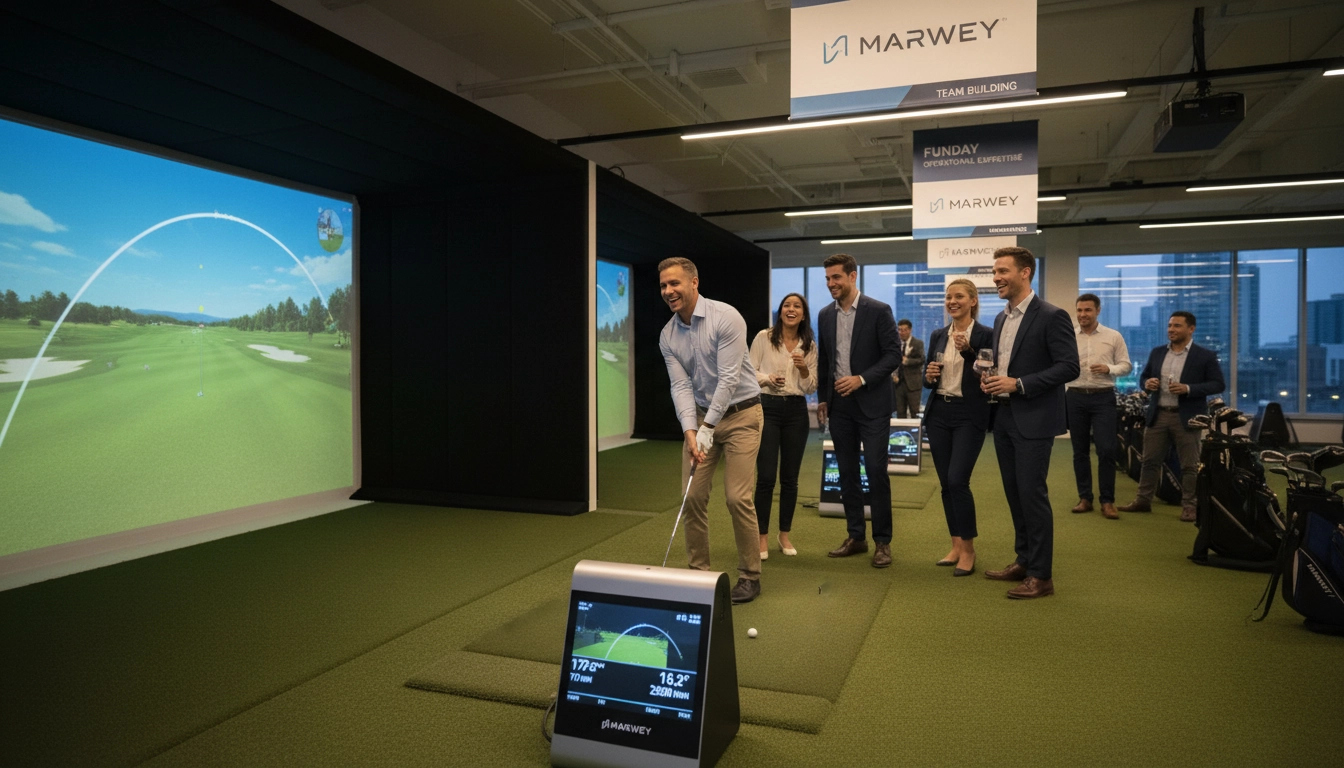
Top Tips: Developing Corporate Team-Building Packages using Golf Simulator Games
The Impact of Surrounding Decor on the Perceived Value of a Claw Machine!
Insights: The Economic Advantages of Standardizing Your Claw Machine Fleet Model
Family Entertainment Center
How can an FEC drive repeat visits and loyalty?
Loyalty is built through excellent service and value. Implement a digital membership or loyalty points program. Offer attractive annual passes, host special weeknight events (like league nights), and actively use digital marketing and email campaigns to encourage families to return.
Services & Support
What support services does MARWEY provide after installation?
MARWEY provides comprehensive post-installation support including 24/7 technical assistance, remote diagnostics, on-site maintenance services, staff training programs, software updates, and performance optimization consultations. Our dedicated support team ensures your arcade operations run smoothly and profitably.
Indoor Playground
Are socks required at indoor playgrounds?
Air Hockey Table
Do you offer custom air hockey tables for my business?
Yes, MARWEY provides comprehensive customized services for air hockey tables, including branded graphics, custom color schemes, and tailored scoring systems, allowing you to create a unique attraction that perfectly matches your venue's theme and branding.
What makes MARWEY's air hockey tables more durable?
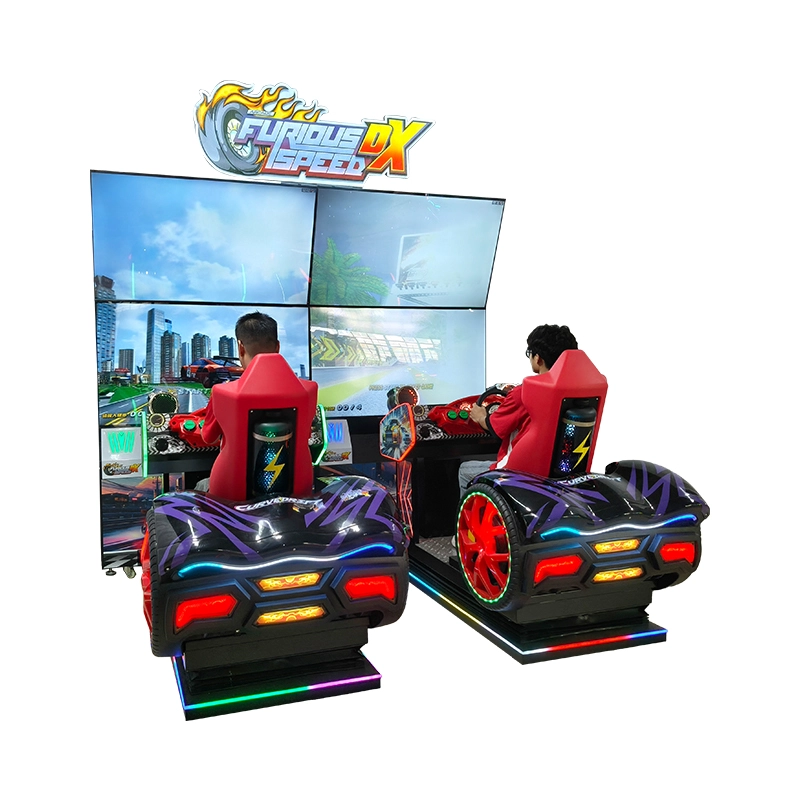
Marwey Hot Sale Four 55 Inch Screens 2 Players Racing Simulator Coin Operated Driving Car Game Machine
Marwey Hot Sale Four 55 Inch Screens 2 Players Racing Simulator Coin Operated Driving Car Game Machine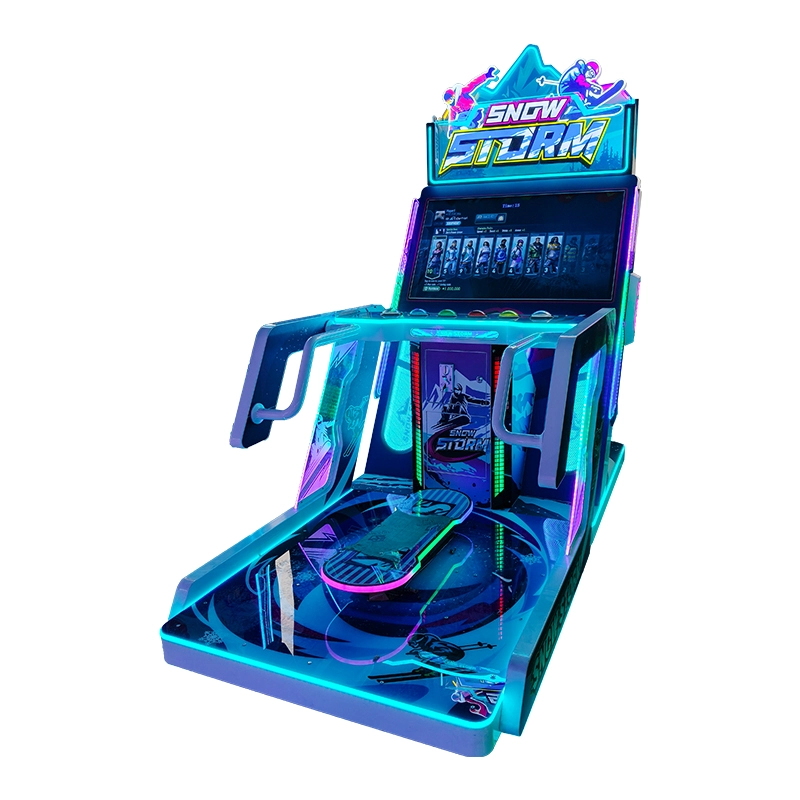
Marwey Coin Operated Indoor Skiing Simulator 47 Inches Snowstorm Ski Track Arcade Sports Machine
Marwey Coin Operated Indoor Skiing Simulator 47 Inches Snowstorm Ski Track Arcade Sports Machine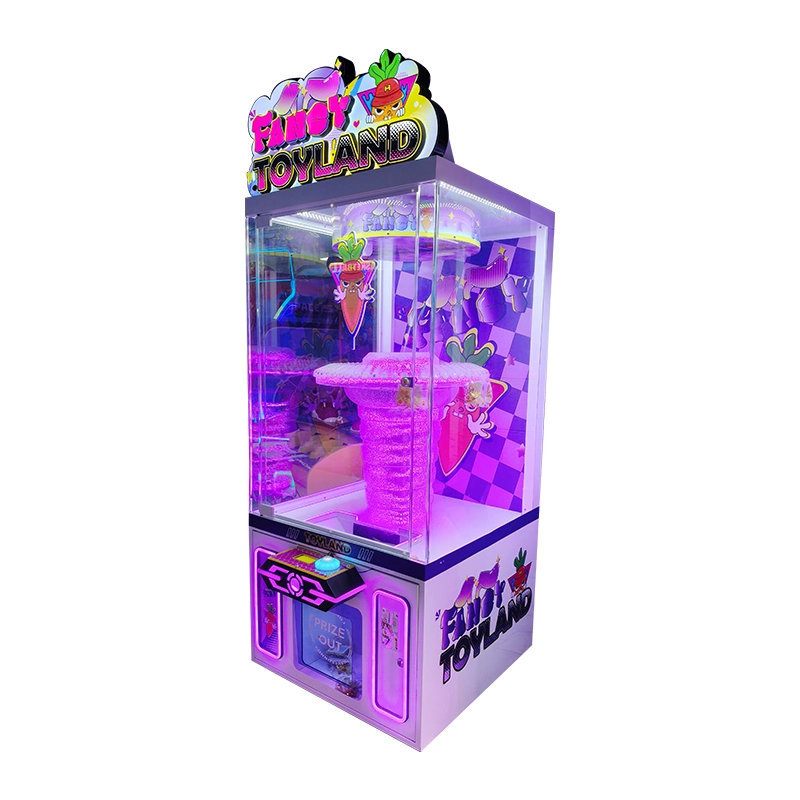
Marwey Customizable Personalized Clip Prize Machine Coin Operated Gift Amusement Vending Game Machine
Marwey Customizable Personalized Clip Prize Machine Coin Operated Gift Amusement Vending Game Machine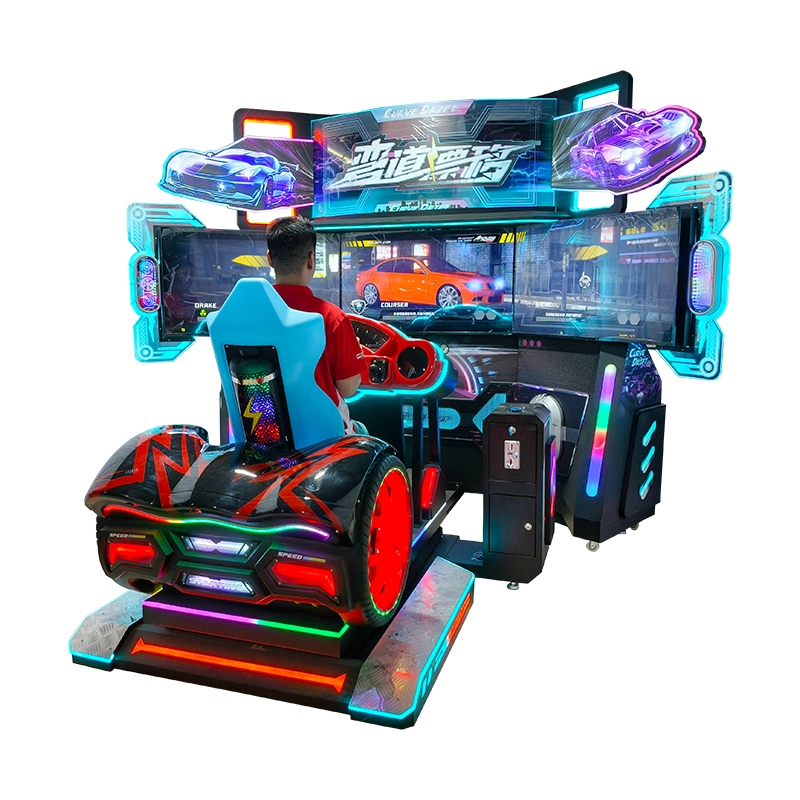
Marwey Coin Operated 49 Inch 3 Screens Motion Racing Simulator Cheap Sale Gaming Video Game Machine
Marwey Coin Operated 49 Inch 3 Screens Motion Racing Simulator Cheap Sale Gaming Video Game Machine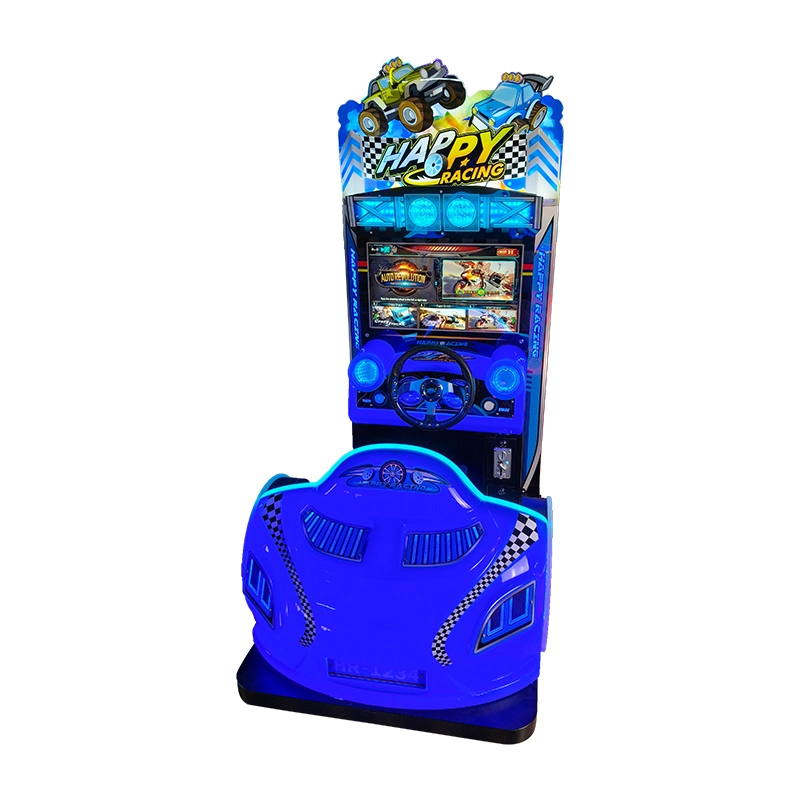
Marwey 27 Inch Screen Kids Racing Car Games Simulator High Quality Coin Operated Children's Racing Machine
Marwey 27 Inch Screen Kids Racing Car Games Simulator High Quality Coin Operated Children's Racing Machine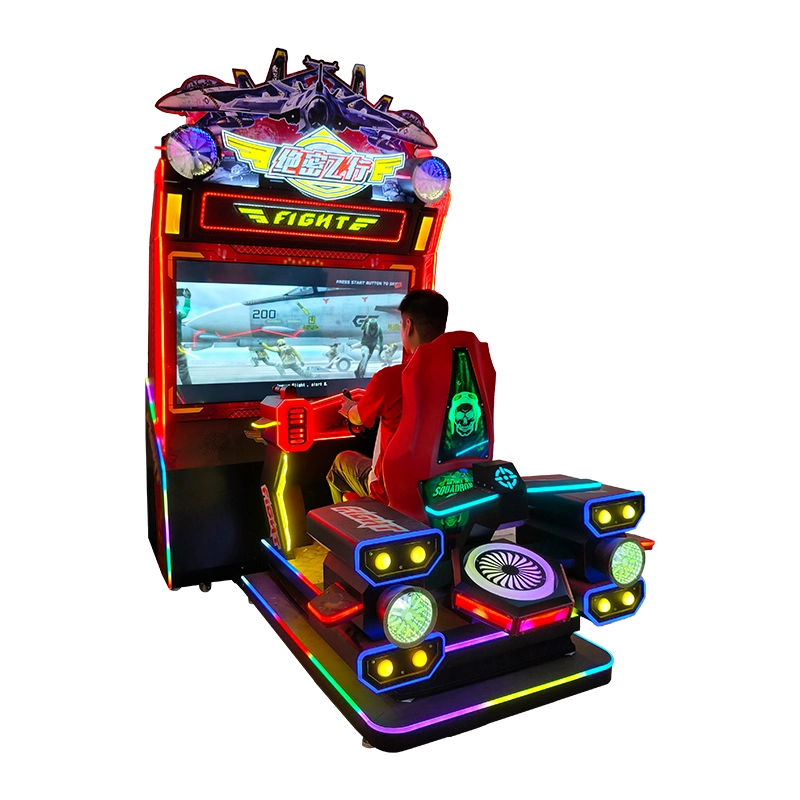
Marwey Coin Operated Driving Shooting Simulator Commercial Indoor Arcade Shooting Games for Cheap Price
Marwey Coin Operated Driving Shooting Simulator Commercial Indoor Arcade Shooting Games for Cheap Price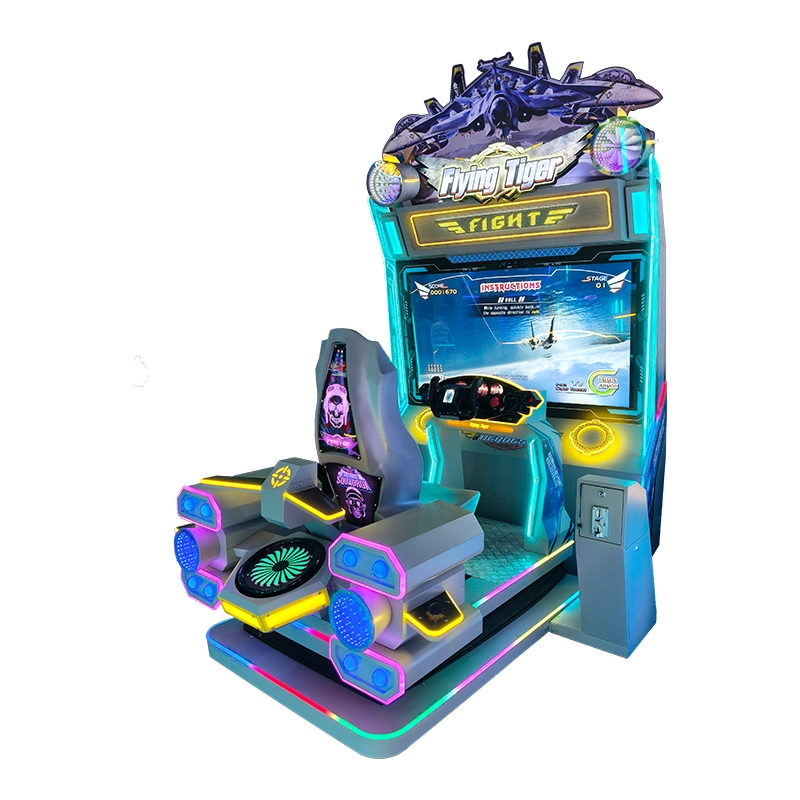
Marwey 65 Inch Screen Shooting Driving Arcade Machine Commercial Indoor Coin Operated for Cheap Sale
Marwey 65 Inch Screen Shooting Driving Arcade Machine Commercial Indoor Coin Operated for Cheap Sale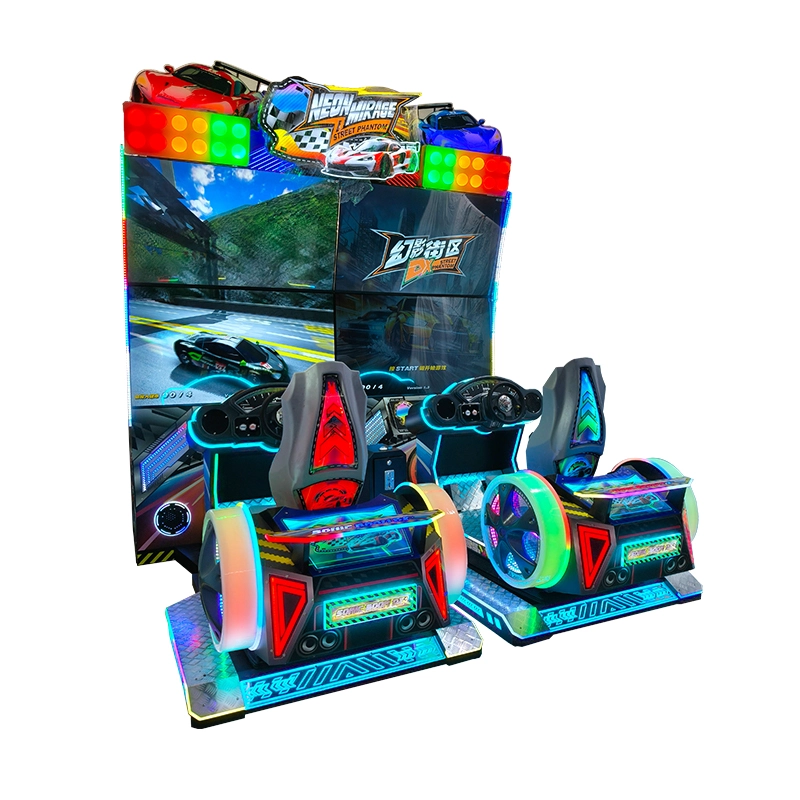
Marwey Hot Sale Coin Operated High Quality Racing Game Machine 2 Players 4 Screens Driving Simulator
Marwey Hot Sale Coin Operated High Quality Racing Game Machine 2 Players 4 Screens Driving SimulatorWant to know more industry information?
If you have any comments or good suggestions, please leave us a message; later our professional staff will contact you as soon as possible.
◼ Contact MARWEY
WhatsApp: +86 189 2218 4260
Floor 2, Building E, Hengran Creative Park, Shixin Road, Panyu District, Guangzhou, Guangdong, China.
© 2025 MARWEY. All Rights Reserved.

MARWEY
MARWEY
MARWEY
MARWEY
MARWEY
MARWEY