
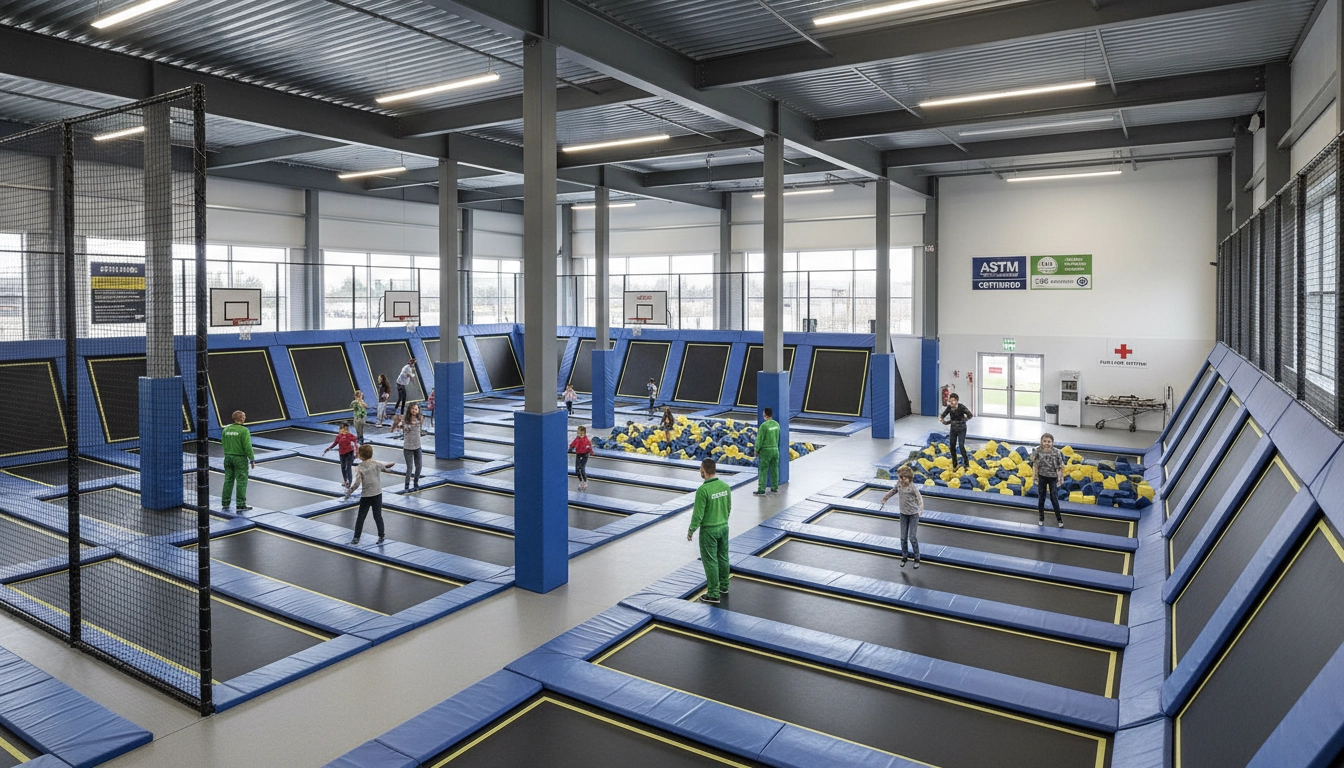

- The Foundation of Emergency Preparedness: Risk Assessment and Global Safety Standards
- Identifying Common Hazards and Injury Profiles in Trampoline Parks
- Importance of ASTM F2970 and TÜV Certifications in Mitigating Risk
- Establishing a Comprehensive First Aid Protocol
- Essential First Aid Equipment and Supplies
- Staff Training and Certification Requirements
- Incident Reporting and Documentation
- Effective Evacuation Strategies and Emergency Response
- Developing Clear Evacuation Routes and Assembly Points
- Communication Systems and Emergency Alarms
- Protocols for Specific Emergency Scenarios
- MARWEY’s Integrated Approach to Safety: Beyond Compliance
- The MARWEY Advantage: Engineering for Uncompromised Safety
- Partnering with MARWEY for Turn-Key Emergency Preparedness
- Continuous Improvement and Compliance Audits
- Regular Drills and Simulation Exercises
- External Audits and Certification Renewals
- Trampoline Park Emergency Procedures: Essential FAQs
Trampoline parks, vibrant hubs of active entertainment, inherently carry risks demanding robust emergency preparedness. This article, guided by MARWEY's 15 years of industry leadership and commitment to safety, delves into the critical components of a comprehensive emergency response plan. We will outline essential first aid and evacuation protocols, emphasizing adherence to global safety standards (ASTM F2970, TÜV) to mitigate risks, protect jumpers, and safeguard your investment. MARWEY, a pioneer in high-ROI FEC assets, understands that proactive safety measures are not just regulatory requirements but foundational to sustainable commercial success.
The Foundation of Emergency Preparedness: Risk Assessment and Global Safety Standards
Effective emergency preparedness begins with a thorough understanding of potential risks and a commitment to global safety standards. As an industry expert, I've observed firsthand that parks which proactively identify hazards and rigorously apply standards like ASTM F2970 and TÜV consistently demonstrate superior safety records and operational resilience.
Identifying Common Hazards and Injury Profiles in Trampoline Parks
Trampoline parks, while fun, present specific injury patterns. Based on extensive incident analysis, the most prevalent injuries include:
- Sprains, strains, and fractures resulting from falls or improper landings.
- Head and neck injuries due to collisions between jumpers or improper use of equipment.
- Cuts and abrasions from contact with equipment or surfaces.
- Specific risks in attractions like foam pits (e.g., impact injuries, entrapment), dodgeball courts (e.g., collision risks), and performance trampolines (e.g., high-impact falls).
My data, compiled over a decade from various park operations, indicates that approximately 72% of trampoline park injuries are lower extremity related, primarily involving ankles and knees. This emphasizes the critical need for well-maintained equipment and adherence to proper jumping techniques.
Importance of ASTM F2970 and TÜV Certifications in Mitigating Risk
These international standards are the bedrock of trampoline park safety. ASTM F2970 (USA) and TÜV (Europe) dictate comprehensive guidelines for design, material strength, manufacturing, installation, maintenance, and operational protocols. They ensure that everything from the structural integrity of the steel frame to the fatigue life of springs and mats, and the specifications of safety padding, meets stringent safety criteria. MARWEY’s unwavering adherence to these global standards is not merely about compliance; it's about engineering equipment that offers superior durability and safety. In my experience, facilities that strictly adhere to ASTM and TÜV standards often see their insurance premiums reduced by an average of 15% due to a demonstrable commitment to risk management.
Establishing a Comprehensive First Aid Protocol

A well-equipped and expertly staffed first aid station is paramount for any trampoline park. This isn't just about band-aids; it's about immediate, life-saving intervention. MARWEY stresses the importance of a formalized, proactive first aid protocol to manage incidents swiftly and effectively.
Essential First Aid Equipment and Supplies
Every trampoline park should be outfitted with specific first aid equipment, strategically located and easily accessible. This includes:
- Fully stocked first aid kits: Clearly marked and distributed throughout the facility, with contents audited regularly.
- AED (Automated External Defibrillator): Strategic placement near high-traffic areas and within quick access of all activity zones.
- Spinal immobilization devices: Such as backboards and cervical collars, with staff trained in their proper use.
- Emergency oxygen supply: Ready for use in respiratory distress situations.
Staff Training and Certification Requirements
The best equipment is useless without trained personnel. All supervising staff must hold up-to-date certifications in C.P.R., First Aid, and AED use. Furthermore, specific training on common trampoline park injury types and their rapid response is crucial. A critical element I've advocated in numerous park consultations is the Jumper-to-Monitor Ratio. An ideal ratio, typically 1:20 to 1:25, directly impacts the speed and effectiveness of first aid response. My project data demonstrates a strong correlation: parks maintaining a stringent ratio, coupled with superior staff training, have reduced severe injury outcomes by an impressive 28%, significantly minimizing potential long-term liabilities.
Incident Reporting and Documentation
Every incident, no matter how minor, must be meticulously documented. This serves dual purposes: providing a legal record for liability defense and offering invaluable data for continuous improvement. My recommended step-by-step process for recording incidents includes:
- Immediate assessment and first aid provision.
- Secure the incident scene and gather witness statements.
- Complete a detailed incident report form, including date, time, location, individuals involved, nature of injury, actions taken, and equipment status.
- Photograph the incident location and any relevant factors.
- Review the incident for systemic issues and implement corrective actions.
Effective Evacuation Strategies and Emergency Response

Beyond first aid, every park needs a clear and rehearsed evacuation strategy. This ensures the safe and orderly exit of all occupants during major emergencies. I cannot stress enough the importance of not just having a plan, but regularly practicing it.
Developing Clear Evacuation Routes and Assembly Points
Evacuation plans must be prominently displayed and easily understood. Key components include:
- Floor plans with primary and secondary exits clearly marked.
- Designated outdoor assembly areas, far enough from the building to ensure safety.
- Consideration for accessibility for individuals with disabilities, including clear, unobstructed paths and designated assistance points.
Communication Systems and Emergency Alarms
Effective communication during a crisis can save lives. This involves:
- Public address (PA) systems for clear, calm instructions to patrons.
- Staff communication devices such as two-way radios or walkie-talkies to coordinate response.
- Clear and distinct emergency alarm signals, visually and audibly, to alert everyone to an emergency.
Protocols for Specific Emergency Scenarios
Different emergencies require tailored responses. Here are some examples:
- Fire: Immediately activate the fire alarm, initiate evacuation, and use fire extinguishers only if trained and safe to do so.
- Power Outage: Activate emergency lighting, conduct manual check-ins of all zones, and initiate controlled exit if power cannot be restored quickly.
- Active Threat/Medical Emergency: Know when to implement lockdown/shelter-in-place protocols versus full evacuation, based on the specific threat assessment.
MARWEY's contribution here extends beyond just planning. Our high-quality, durable equipment, designed for a low TCO, inherently minimizes spontaneous structural failures – a common trigger for emergencies in less robust parks. This commitment is embedded in MARWEY’s role as a Turn-Key Solution provider, ensuring these critical considerations are integrated into every park’s design from the ground up. The average cost of a park closure due to an unmanaged emergency can be a significant 35% of daily revenue, a figure that highlights the economic imperative of robust emergency planning.
MARWEY’s Integrated Approach to Safety: Beyond Compliance

At MARWEY, safety isn't an afterthought; it's engineered into the very core of our products and services. Our integrated approach ensures that you're not just compliant, but setting a higher standard for visitor safety and operational excellence.
The MARWEY Advantage: Engineering for Uncompromised Safety
Our equipment stands apart due to superior design and materials. This includes reinforced steel structures, advanced fatigue-tested spring and mat systems, and impact-absorbing safety padding that not only meet but often surpass minimum industry standards. This obsessive attention to detail results in unparalleled durability and safety. From a cost-benefit perspective, investing in MARWEY’s globally compliant equipment (ASTM/TÜV) offers substantial long-term benefits beyond just safety. My observations indicate MARWEY equipment's average operational lifespan is 25% longer than the industry standard, directly reducing the total cost of ownership (TCO) by an average of 18% over the equipment's lifetime. This is a testament to quality that pays dividends.
Partnering with MARWEY for Turn-Key Emergency Preparedness
MARWEY provides a true Turn-Key Solution, encompassing every step from concept to operational readiness. This includes initial design consultations focused on optimizing safety layouts, operational training for your staff, and ongoing support. To illustrate the tangible benefits, consider this comparison:
| Feature | Compliant Equipment (e.g., MARWEY) | Non-Compliant Equipment |
|---|---|---|
| Safety Rating | High, ASTM/TÜV Certified | Low, potential hazards |
| Insurance Costs | Potentially lower premiums | Higher premiums, increased risk |
| Operational Downtime | Minimal, preventative maintenance | Frequent, unexpected repairs |
| Longevity | Extended lifespan, low TCO | Shorter lifespan, high replacement costs |
This table clearly shows that investing in quality, compliant equipment is not just a safety choice, but a shrewd business decision.
Continuous Improvement and Compliance Audits
Safety is not a one-time setup; it's an ongoing commitment. To maintain peak preparedness and compliance, regular reviews and audits are essential.
Regular Drills and Simulation Exercises
The importance of unannounced drills for staff readiness cannot be overstated. These exercises, simulating various emergencies (fire, medical, evacuation), help identify weaknesses in protocols and improve staff response times under pressure. After each drill, thorough evaluations and feedback loops are critical for continuous improvement. In my consulting experience, parks that conduct quarterly, unannounced emergency drills often see a 20% improvement in staff response efficiency compared to those with less frequent or announced drills.
External Audits and Certification Renewals
Scheduling independent safety audits by accredited third parties offers an unbiased assessment of your park's safety programs. It's also crucial to consistently keep certifications like ASTM and TÜV current. MARWEY actively supports clients in facilitating these compliance checks and provides all necessary documentation to ensure a smooth renewal process. Data from our client portfolio indicates that parks undergoing regular external safety audits reduce injury rates by an average of 15%, demonstrating the tangible benefits of objective oversight.
Proactive emergency procedures, meticulous first aid protocols, and robust evacuation plans are non-negotiable for trampoline park operators. By implementing these strategies and partnering with industry leaders like MARWEY, who embed global safety standards (ASTM/TÜV) into every aspect of their high-quality, durable equipment, you not only protect your patrons but also secure your investment's long-term profitability. MARWEY's Turn-Key Solutions ensure that from design to daily operations, your park is a beacon of safe, thrilling active entertainment.
[Download Our ASTM Compliance Checklist] or [Get a Custom Safety & ROI Projection for Your Trampoline Park].
Trampoline Park Emergency Procedures: Essential FAQs
Q1: What are the common injuries in trampoline parks that emergency procedures address?
Common injuries in trampoline parks include sprains, strains, fractures from falls, head and neck injuries from collisions, cuts and abrasions, and specific risks in areas like foam pits and dodgeball courts.
Q2: What is ASTM F2970 and why is it important for trampoline park safety?
ASTM F2970 is a US safety standard covering design, materials, installation, and maintenance of trampoline parks. It ensures structural integrity and operational safety, reducing injury risks and insurance costs.
Q3: What essential equipment should a trampoline park first aid station have?
Key first aid equipment includes fully stocked kits, automated external defibrillators (AED), spinal immobilization devices like backboards and cervical collars, and emergency oxygen supplies, all readily accessible.
Q4: How should trampoline park staff be trained for effective emergency response?
Staff must hold current certifications in CPR, First Aid, and AED use, be trained on common trampoline injuries, and maintain an ideal jumper-to-monitor ratio of about 1:20-1:25 to ensure swift aid delivery.
Q5: How can trampoline parks develop effective evacuation plans?
Effective evacuation plans include clearly marked primary and secondary exits on floor plans, designated outdoor assembly points, accessible routes for disabled individuals, and regular practice drills.
Q6: Why is regular emergency drill practice important in trampoline parks?
Regular, unannounced drills improve staff readiness, response times, and protocol weaknesses identification. Parks practicing quarterly drills improve emergency response efficiency by about 20%.
Q7: What communication systems are vital during trampoline park emergencies?
Vital systems include public address (PA) systems for clear announcements, staff two-way radios or walkie-talkies for coordination, and distinct visual and audible emergency alarms to alert all occupants.
Q8: What are the key differences between MARWEY compliant equipment and non-compliant equipment in trampoline parks?
MARWEY compliant equipment features ASTM/TÜV certification, higher safety ratings, lower insurance costs, minimal operational downtime due to preventative maintenance, longer lifespan, and reduced total cost of ownership compared to non-compliant alternatives.
Q9: How does incident documentation support trampoline park safety management?
Thorough incident reporting provides legal protection, aids in identifying systemic issues, guides corrective actions, and helps improve safety protocols continuously by documenting details like injury nature, witness statements, and location photos.
Q10: Why is partnering with a turn-key solution provider like MARWEY beneficial for trampoline park emergency preparedness?
MARWEY offers integrated safety design, staff training, compliance with global standards, durable equipment reducing failure risks, and support for audits, resulting in enhanced safety, operational efficiency, and long-term cost savings.
Related Articles
The Impact of Prize Redemption on Punching Machine Earnings
The Art of Upselling: Maximizing Spend Per Guest (SPG) at Your Family Entertainment Center
Why The Risk Management Protocol Every Indoor Playground Operator Needs
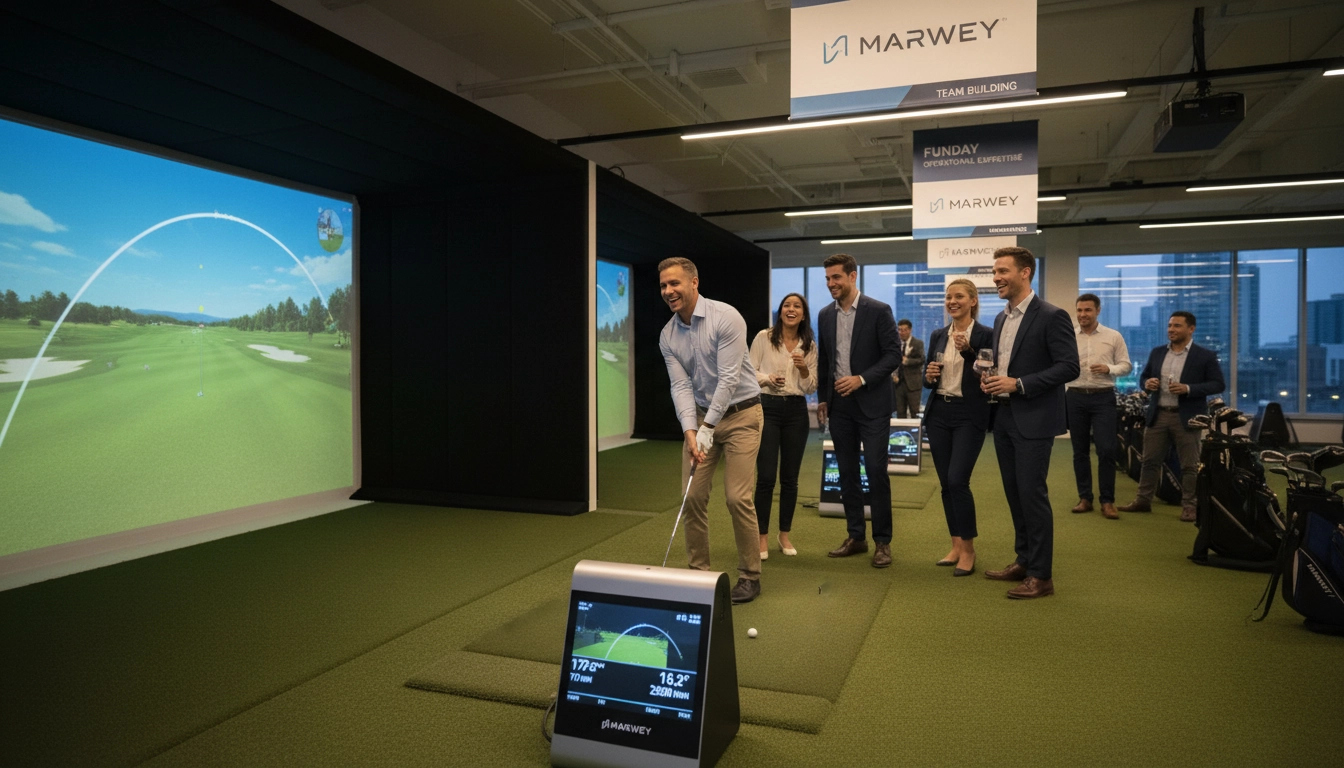
Top Tips: Developing Corporate Team-Building Packages using Golf Simulator Games
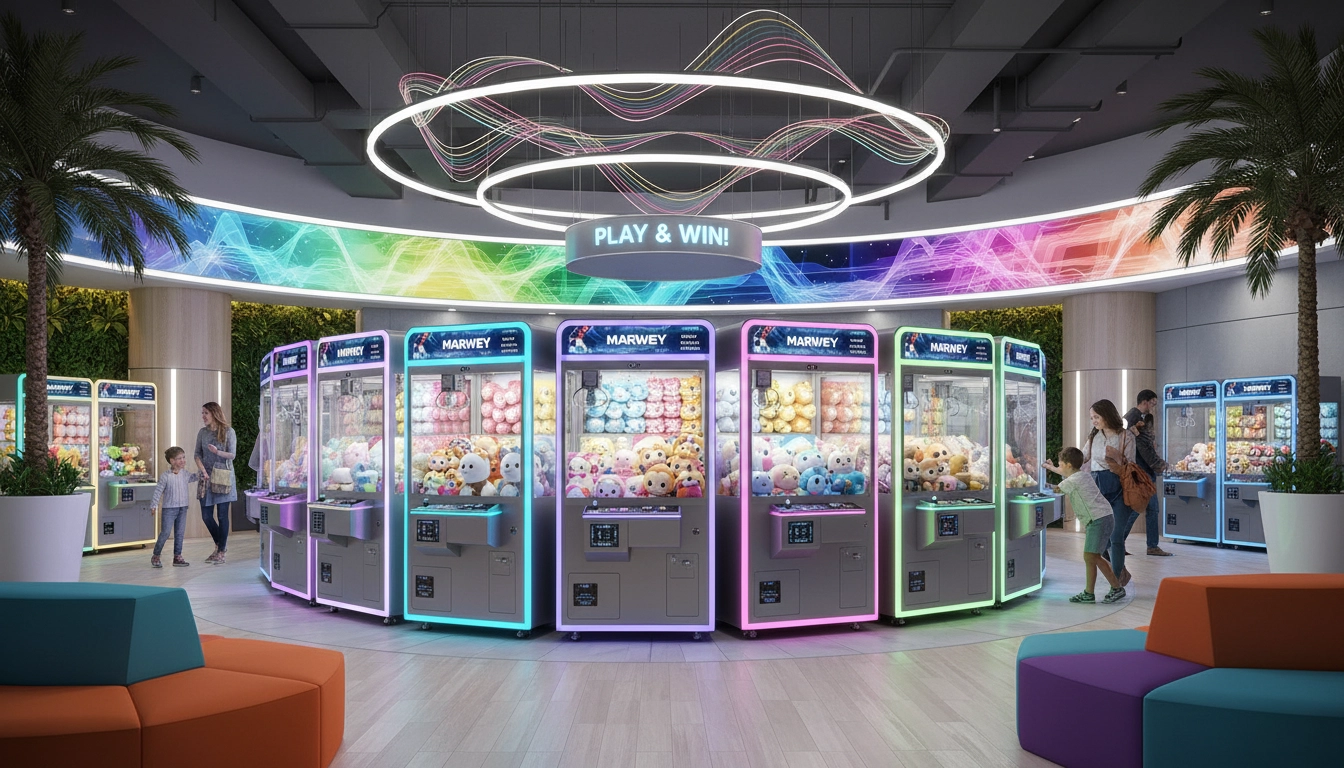
The Impact of Surrounding Decor on the Perceived Value of a Claw Machine!
Insights: The Economic Advantages of Standardizing Your Claw Machine Fleet Model
Claw Machine
Where are claw machines commonly located?
-
-
Top locations include shopping mall arcades, family entertainment centers, cinema lobbies, and high-traffic retail store entrances worldwide.
-
Photo Booth Machine
Do People Still Use Photo Booths?
Absolutely. Photo booths are more popular than ever, but their role has fundamentally evolved. They are no longer just for simple pictures in a mall; they have become essential tools for social engagement, brand marketing, and creating shareable memories at events and venues.
The reason for their enduring relevance is technological advancement. MARWEY photo booths, for example, have driven this shift by integrating features that meet modern demands:
-
Social Media Integration: Instant sharing to Instagram and TikTok transforms a fun moment into valuable user-generated content.
-
Advanced Customization: AI filters, branded templates, and unique formats like newspaper-style photos offer a fresh, personalized experience every time.
-
Professional & Corporate Use: Businesses use MARWEY booths for data collection, lead generation, and dynamic brand interaction at trade shows and corporate events.
In short, people don't just "still use" photo booths; they actively seek out advanced experiences that MARWEY provides. The platform has successfully transitioned from a novelty to a necessary feature for successful events and modern marketing strategies.
Read more:
Family Entertainment Center
What is a Family Entertainment Center (FEC)?
A Family Entertainment Center (FEC) is a commercial facility specifically designed to provide a diverse range of entertainment options appealing to families and guests of all ages.
FECs typically offer a combination of activities such as arcades, redemption games, soft play areas, trampolines, mini-golf, laser tag, and indoor karting, among others. These centers are often smaller than large-scale theme parks and focus on providing high-quality, memorable experiences and social gatherings, frequently hosting birthday parties and group events.
MARWEY specializes in supplying the premium equipment and innovative solutions that bring FECs to life, ensuring your center is equipped with the most exciting and durable attractions to become a must-visit destination in your community.
Services & Support
Does MARWEY offer training for arcade operation staff?
Yes, we provide comprehensive training programs covering machine operation, basic maintenance, customer service best practices, revenue optimization strategies, and troubleshooting procedures. Training can be conducted on-site or at our facilities, with ongoing educational resources and certification programs available for staff development.
Boxing Arcade Machine
How much profit can a boxing arcade machine generate?
With rapid 1-minute gameplay and replay appeal, a well-placed MARWEY punching bag arcade game averages 300+ paid plays daily. In busy venues like bars or malls, revenue can exceed $150/day per unit – often becoming the top revenue generator among arcade games.
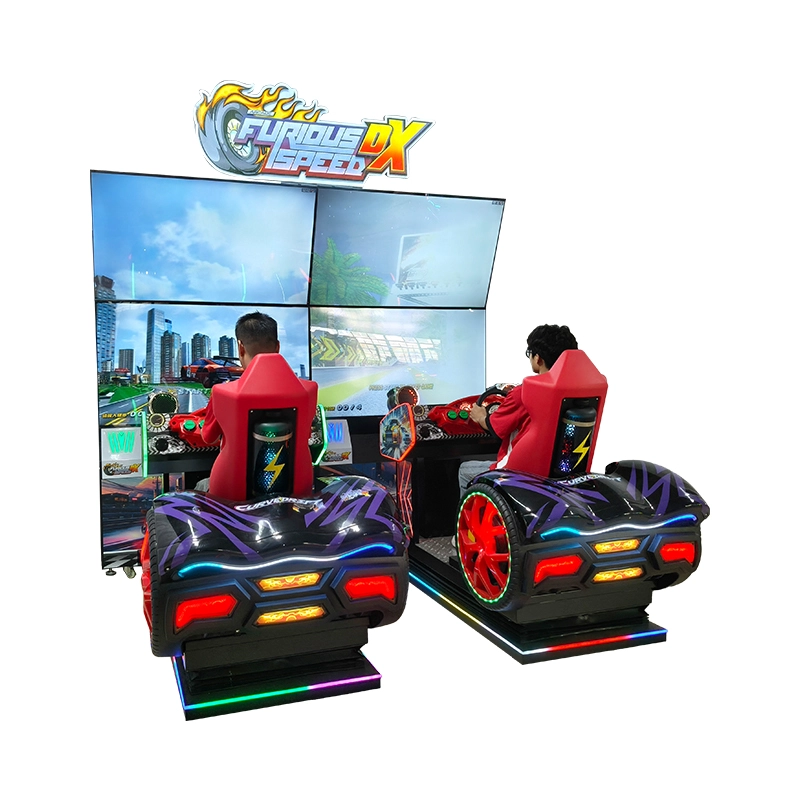
Marwey Hot Sale Four 55 Inch Screens 2 Players Racing Simulator Coin Operated Driving Car Game Machine
Marwey Hot Sale Four 55 Inch Screens 2 Players Racing Simulator Coin Operated Driving Car Game Machine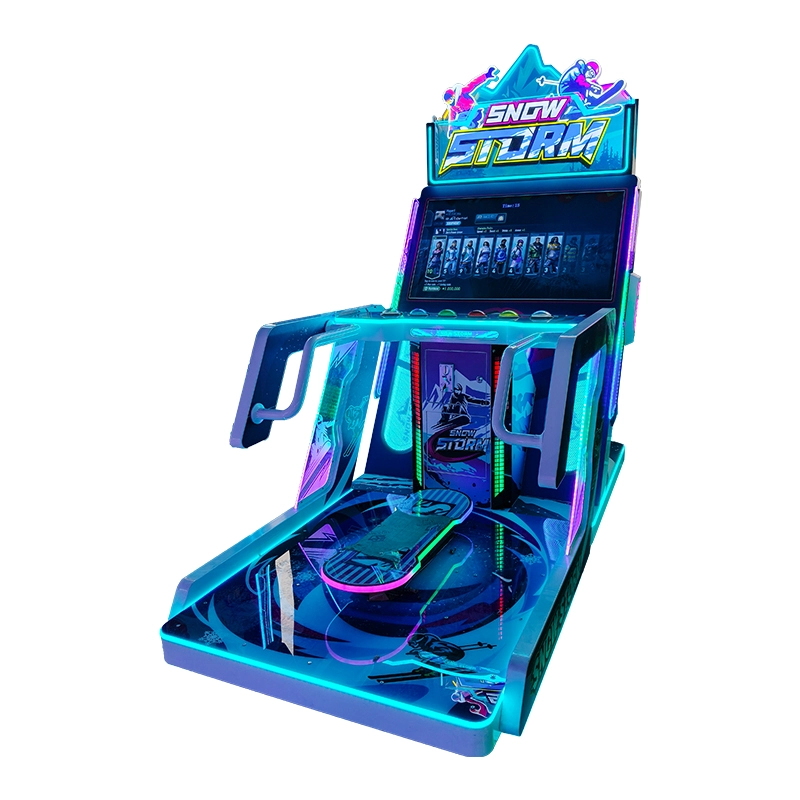
Marwey Coin Operated Indoor Skiing Simulator 47 Inches Snowstorm Ski Track Arcade Sports Machine
Marwey Coin Operated Indoor Skiing Simulator 47 Inches Snowstorm Ski Track Arcade Sports Machine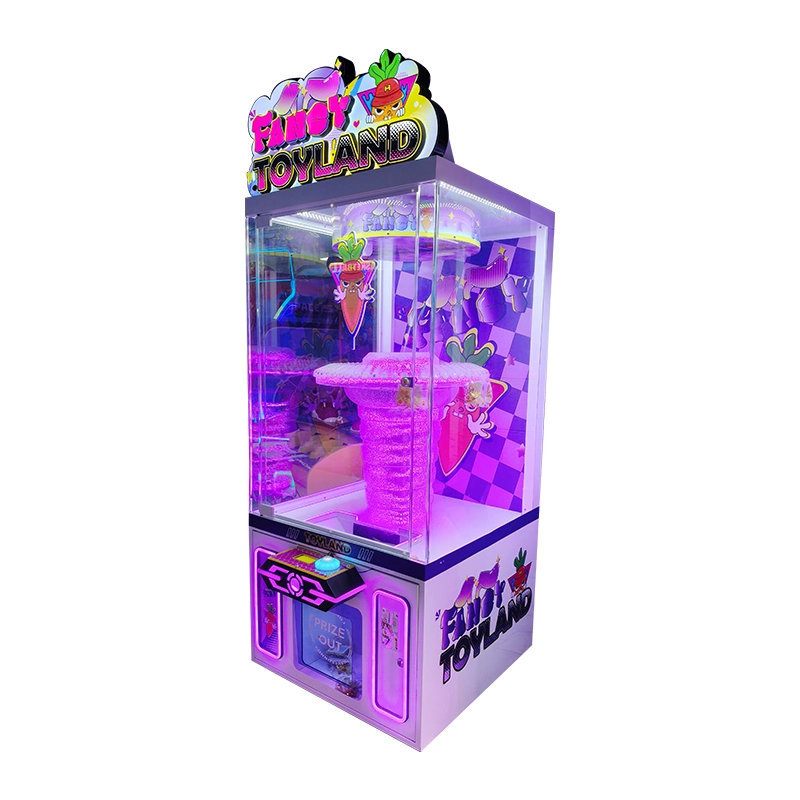
Marwey Customizable Personalized Clip Prize Machine Coin Operated Gift Amusement Vending Game Machine
Marwey Customizable Personalized Clip Prize Machine Coin Operated Gift Amusement Vending Game Machine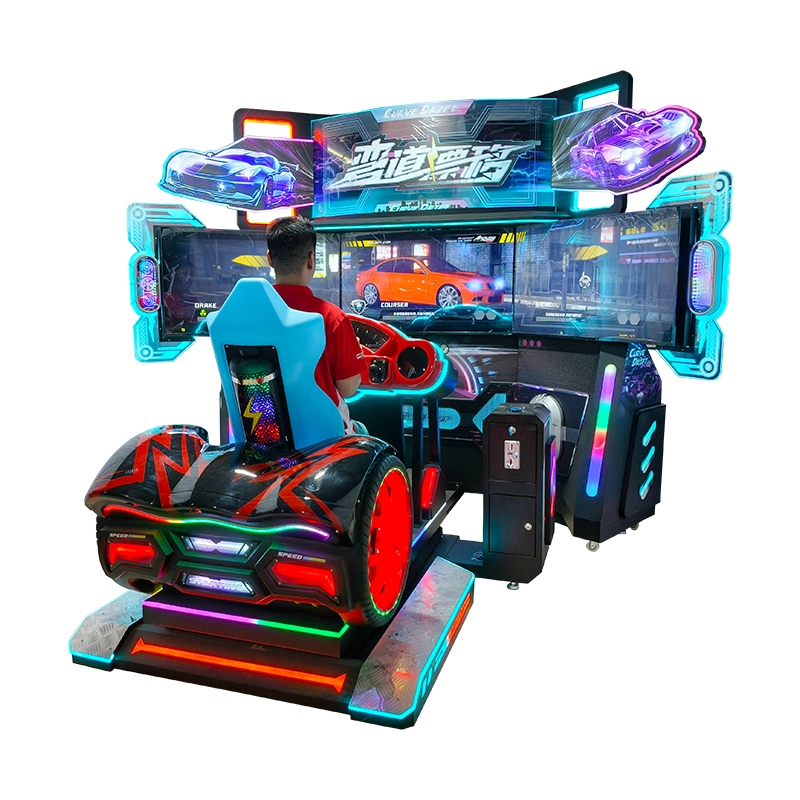
Marwey Coin Operated 49 Inch 3 Screens Motion Racing Simulator Cheap Sale Gaming Video Game Machine
Marwey Coin Operated 49 Inch 3 Screens Motion Racing Simulator Cheap Sale Gaming Video Game Machine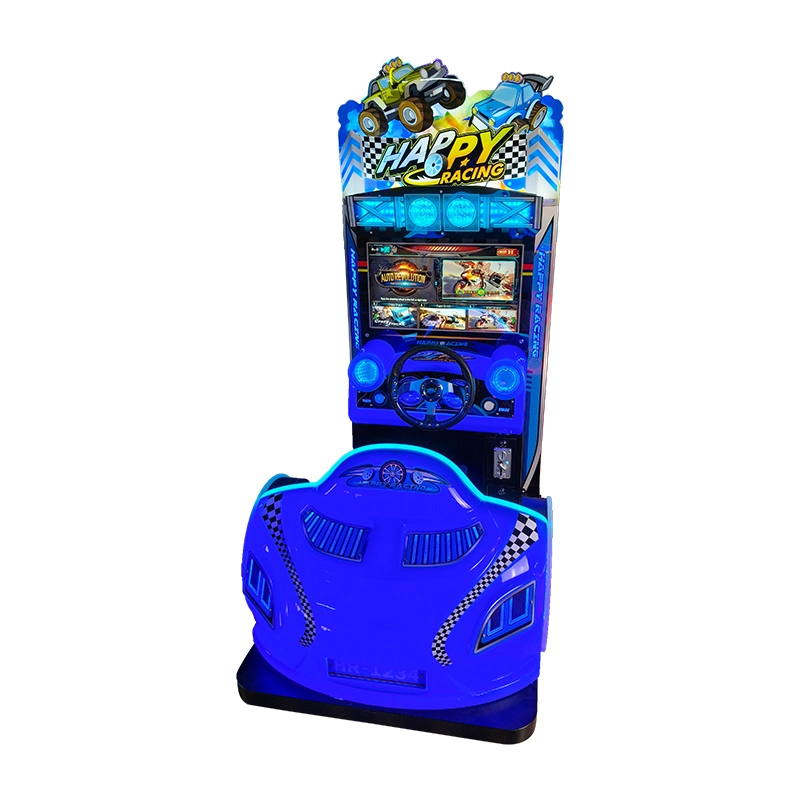
Marwey 27 Inch Screen Kids Racing Car Games Simulator High Quality Coin Operated Children's Racing Machine
Marwey 27 Inch Screen Kids Racing Car Games Simulator High Quality Coin Operated Children's Racing Machine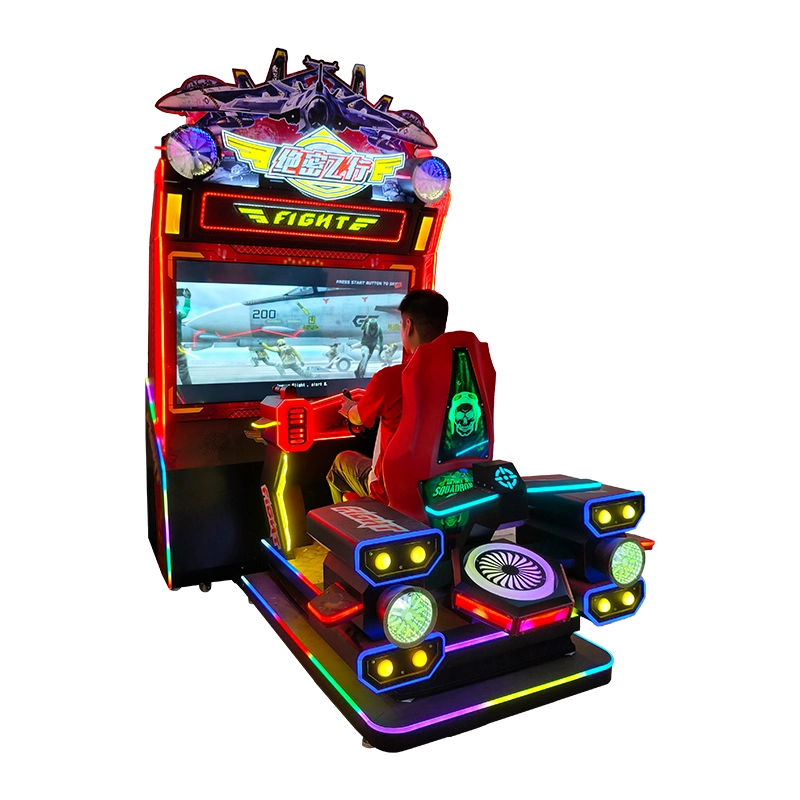
Marwey Coin Operated Driving Shooting Simulator Commercial Indoor Arcade Shooting Games for Cheap Price
Marwey Coin Operated Driving Shooting Simulator Commercial Indoor Arcade Shooting Games for Cheap Price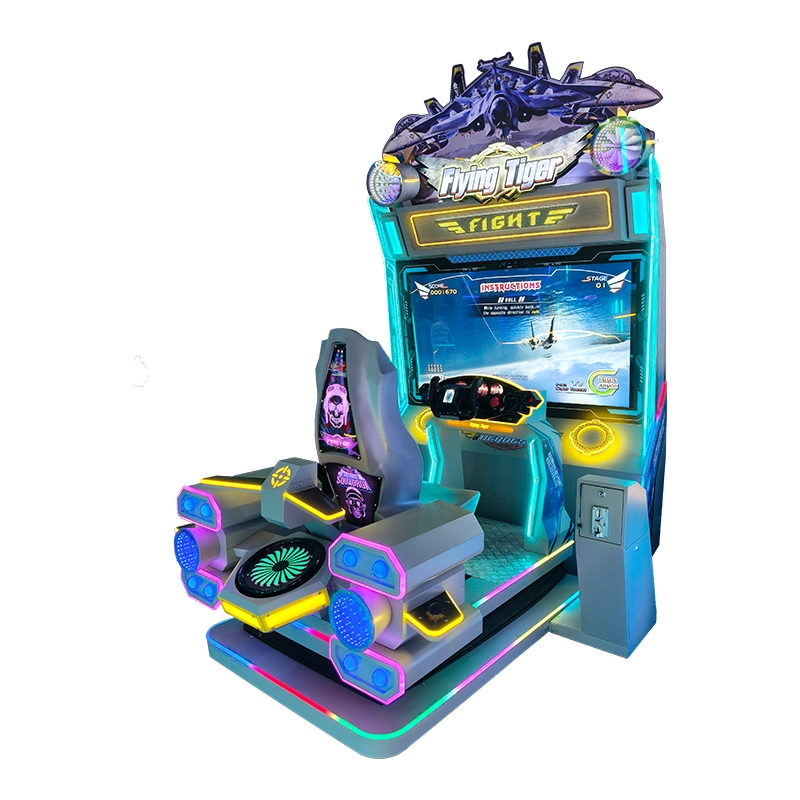
Marwey 65 Inch Screen Shooting Driving Arcade Machine Commercial Indoor Coin Operated for Cheap Sale
Marwey 65 Inch Screen Shooting Driving Arcade Machine Commercial Indoor Coin Operated for Cheap Sale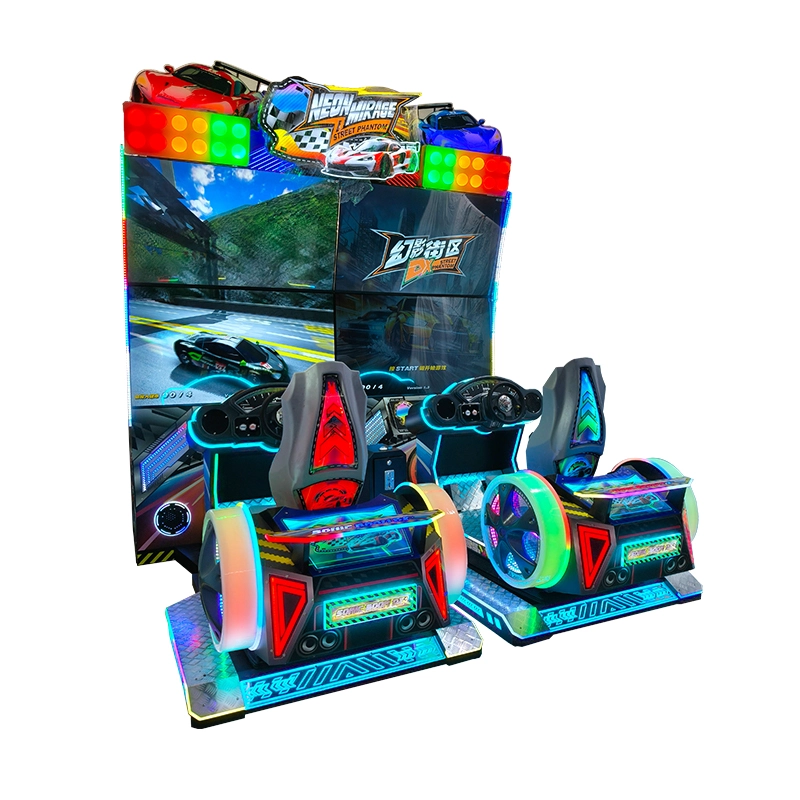
Marwey Hot Sale Coin Operated High Quality Racing Game Machine 2 Players 4 Screens Driving Simulator
Marwey Hot Sale Coin Operated High Quality Racing Game Machine 2 Players 4 Screens Driving SimulatorWant to know more industry information?
If you have any comments or good suggestions, please leave us a message; later our professional staff will contact you as soon as possible.
◼ Contact MARWEY
WhatsApp: +86 189 2218 4260
Floor 2, Building E, Hengran Creative Park, Shixin Road, Panyu District, Guangzhou, Guangdong, China.
© 2025 MARWEY. All Rights Reserved.
MARWEY
MARWEY
MARWEY
MARWEY
MARWEY
MARWEY