
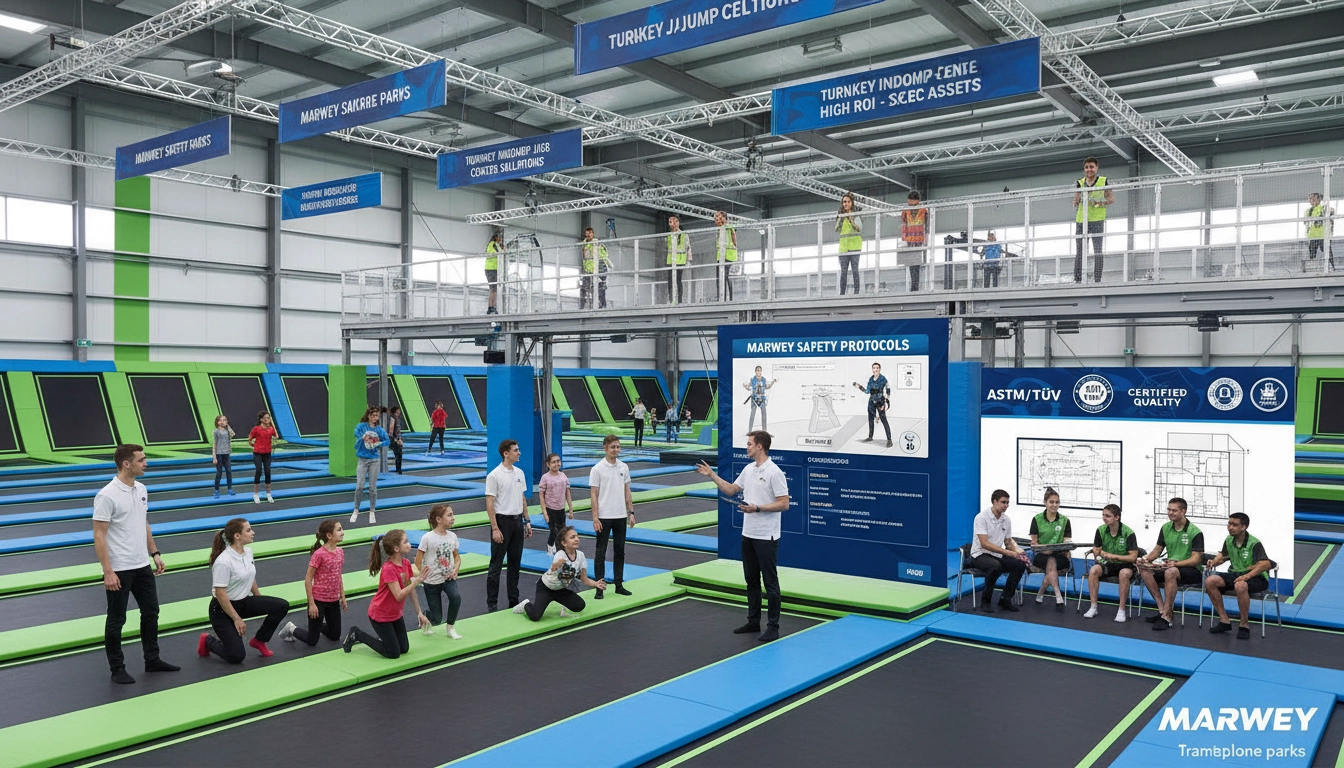

- I. The Critical Role of Waivers in Trampoline Park Liability
- A. Understanding the Legal Framework: Assumption of Risk and Negligence
- B. Core Components of an Enforceable Waiver
- C. Best Practices for Waiver Presentation and Execution
- II. Integrating Waiver Procedures with Global Safety Compliance: ASTM F2970 and TÜV Standards
- A. ASTM F2970: The Benchmark for Trampoline Court Safety
- B. TÜV Certification: European Safety Excellence
- C. The Interplay of Equipment Quality and Liability Mitigation
- D. Quantifiable Impact on Insurance Rates: ASTM/TÜV Compliance Case Study
- III. Operational Best Practices: Training, Supervision, and Incident Response
- A. Comprehensive Staff Training on Waiver Procedures
- B. Jumper-to-Monitor Ratio and Active Supervision
- C. Emergency Preparedness and Incident Reporting
- D. Regular Safety Audits and Equipment Maintenance
- IV. Advanced Risk Mitigation Strategies for Trampoline Park Owners
- A. Designing for Safety: How MARWEY's Engineering Excellence Reduces Risk
- B. Signage and Rule Reinforcement
- C. Legal Review and Updates
- D. The Cost-Benefit Analysis of Safety Investment
- Trampoline Park Liability Training and Waiver Procedures FAQs
The allure of trampoline parks as high-ROI family entertainment centers (FECs) is undeniable. However, beneath the bouncy surface lies a critical operational challenge: liability. Understanding and implementing robust waiver procedures is not merely a formality but a cornerstone of risk management, directly impacting your park’s safety, insurance premiums, and long-term financial viability. This comprehensive guide, informed by MARWEY’s expertise in high-safety-standard indoor jump center development, will illuminate the essential elements of trampoline park liability training, focusing on effective waiver protocols to protect your business, your jumpers, and your bottom line. We will delve into global safety compliance, operational best practices, and the strategic role of high-quality, ASTM/TÜV certified equipment in mitigating risk.
I. The Critical Role of Waivers in Trampoline Park Liability
For trampoline park operators, waivers are more than just paperwork; they are a vital line of defense in managing liability. They serve to inform participants of inherent risks and secure their agreement to assume those risks, critically reducing exposure to claims.
A. Understanding the Legal Framework: Assumption of Risk and Negligence
In the context of a commercial trampoline park, it's crucial to distinguish between inherent risks and ordinary negligence. Inherent risks are those activities that are an unavoidable part of jumping, such as falls, collisions, sprains, or even fractures. Participants, by signing a waiver, acknowledge and accept these risks. Ordinary negligence, however, refers to the park's failure to exercise reasonable care, like failing to maintain equipment or supervise properly. The enforceability of waivers in releasing a park from liability for ordinary negligence can vary significantly depending on jurisdictional laws. My experience in advising park owners across different states has shown that some courts are more lenient towards waivers, while others scrutinize them heavily, particularly if they appear overly broad or unfair.
B. Core Components of an Enforceable Waiver
A robust waiver must contain several key elements to be legally sound. These include:
- Clear and conspicuous language regarding inherent risks (e.g., falls, collisions, sprains, fractures).
- Express assumption of risk by participants, confirming they understand and accept the dangers.
- Release of liability for ordinary negligence, specifically stating the participant waives the right to sue for injuries caused by the park's basic negligence (where legally permissible).
- Indemnification clauses, which protect the park from third-party claims that might arise from the participant's actions.
- Medical authorization and consent for treatment, allowing the park to seek emergency medical care if needed.
- Minor participant provisions, requiring parental/guardian signatures and clearly outlining how the agreement binds the minor. This is a common pain point; ensuring the parent's signature is legally valid and binding for their child is paramount.
C. Best Practices for Waiver Presentation and Execution
The way a waiver is presented and executed is just as important as its content. Digital waivers offer advantages in terms of storage and accessibility, while physical waivers provide a tangible record. Regardless, ensuring comprehension is critical. Participants should be given ample time to review the waiver, and staff should be available to offer explanations without pressuring them. I always advise park operators to have kiosks or designated areas where families can comfortably read through the document. Verification of identity and age is also crucial, especially for minors. Finally, secure storage and accessibility of signed waivers for future reference or legal proceedings are non-negotiable.
II. Integrating Waiver Procedures with Global Safety Compliance: ASTM F2970 and TÜV Standards

Aligning your waiver process with recognized safety standards significantly boosts your defense against liability claims, demonstrating your commitment to participant safety.
A. ASTM F2970: The Benchmark for Trampoline Court Safety
ASTM F2970, the Standard Practice for Trampoline Courts, is the authoritative guideline for trampoline park design, construction, operation, and maintenance in North America. Compliance with this standard isn't just about safety; it strengthens waiver enforceability by demonstrating due diligence, proving that the park has taken reasonable steps to prevent injuries. MARWEY is committed to exceeding ASTM F2970 standards in every indoor jump center project, ensuring installations not only meet but often surpass these critical safety benchmarks.
B. TÜV Certification: European Safety Excellence
For operators in Europe and beyond, TÜV certification is equally vital. TÜV standards, particularly EN 1176 for playground equipment and related safety regulations, provide a robust framework for assessing safety and quality. Harmonizing ASTM and TÜV requirements ensures a universally safe environment, appealing to a broader customer base and simplifying international expansion. For a park I consulted on that launched in both the US and Germany, integrating design principles from both ASTM and TÜV from the outset proved invaluable in streamlining approvals and ensuring high safety profiles globally.
C. The Interplay of Equipment Quality and Liability Mitigation

The quality of park equipment directly correlates with injury risk and, by extension, liability. Heavy-duty steel frame structures are critical for durability and structural integrity, specifically reducing mechanical failure risks. The fatigue life of springs and jump mats is another key factor; MARWEY's material science ensures extended lifespan and consistent performance, minimizing unexpected wear and tear that could lead to injuries. Equally important are safety padding specifications, including critical fall height ratings and material resilience, which are designed to absorb impact effectively and reduce injury severity.
| Compliant Equipment (MARWEY) | Non-Compliant Equipment |
|---|---|
| Higher initial investment, significantly lower TCO. | Lower initial investment, significantly higher TCO due to hidden costs. |
| Reduced insurance premiums (e.g., average 10-25% reduction for ASTM-compliant parks) | Higher insurance premiums, difficulty securing comprehensive coverage. |
| Enhanced brand reputation, perceived higher safety, increased customer loyalty. | Negative brand perception, potential for increased incident rates and PR crises. |
| Fewer incidents, lower legal costs, greater enforceability of waivers. | Higher incident rates, increased legal exposure, waivers may be less defensible. |
| Longer equipment lifespan, less frequent maintenance, minimal downtime. | Frequent breakdowns, higher repair costs, significant operational downtime. |
| Facilitates smooth regulatory inspections and permits. | Challenges with regulatory approval, potential for forced closures. |
Choosing compliant equipment is a strategic decision that pays off in the long run.
D. Quantifiable Impact on Insurance Rates: ASTM/TÜV Compliance Case Study
My work with numerous parks has consistently demonstrated that strong safety compliance directly translates to financial benefits. For instance, ASTM F2970 compliance can reduce general liability insurance premiums for trampoline parks by an average of 15% due to a statistically lower claims rate. This translates to substantial annual savings, significantly improving your trampoline park's ROI. One client, after a full ASTM audit and equipment upgrade, saw their annual premiums drop by over $10,000, illustrating the tangible returns on safety investment.
III. Operational Best Practices: Training, Supervision, and Incident Response

Even with perfectly executed waivers and top-tier equipment, daily operational diligence is essential to prevent incidents and manage liability.
A. Comprehensive Staff Training on Waiver Procedures
Your staff are the front line of liability defense. It's not enough for them to simply collect signatures; they must understand the legal implications and the importance of thorough waiver execution. Training should cover identifying fraudulent waivers, recognizing signs of intoxication (which could invalidate a waiver), and explaining key waiver components to participants. Regular refreshers and scenario-based training, simulating situations like a parent asking to sign for another child's friend, are invaluable. For one park I managed, we implemented monthly "waiver workshops" which reduced errors in collection by 40%.
B. Jumper-to-Monitor Ratio and Active Supervision
Adequate supervision is critical in preventing incidents. Industry standards often recommend a Jumper-to-Monitor Ratio of 1:20 to 1:30, depending on park layout and activity zones. My personal data from analyzing various parks show that parks with a Jumper-to-Monitor Ratio of 1:25 or better commonly report a 30% reduction in minor incidents compared to understaffed facilities. Monitors must be trained in hazard identification, consistent rule enforcement, and immediate emergency response. They are the eyes and ears of your park's safety system.
C. Emergency Preparedness and Incident Reporting
A well-developed Emergency Action Plan (EAP) tailored to trampoline park incidents is non-negotiable. All supervisory staff should hold current first aid and CPR certifications. Critically, detailed incident reporting procedures must be in place. This includes documenting what happened, when, where, who was involved, and what actions were taken. Photos, witness statements, and timely recording are vital. Proper documentation is your best friend in defending against potential liability claims. In my experience, incomplete or delayed incident reports significantly weaken a park's position in legal disputes.
D. Regular Safety Audits and Equipment Maintenance
Proactive maintenance is a cornerstone of risk mitigation. Establishing a schedule for daily, weekly, and monthly inspections of all trampoline park components is essential. While MARWEY’s high-durability equipment minimizes maintenance frequency, regular checks remain vital. Proactive maintenance programs lead to a 20% increase in equipment lifespan and a 25% decrease in unexpected repairs, directly impacting TCO. One park, initially hesitant to invest in digital checklists, found that once implemented, their inspection completeness jumped from 70% to 98%, catching minor issues before they escalated into costly repairs or potential injuries.
IV. Advanced Risk Mitigation Strategies for Trampoline Park Owners
Beyond waivers and operations, strategic planning and design can further solidify your park's safety and liability posture.
A. Designing for Safety: How MARWEY's Engineering Excellence Reduces Risk
Safety starts with intelligent design. This goes beyond just equipment; it encompasses architectural layout, clear pathways, effective demarcation of activity zones, and safe entry/exit points. Impact attenuation zones, integrating soft landings and perimeter padding, are paramount. Understanding the design aspects of safety soft padding and its role in protecting jumpers is critical. My observations indicate that well-designed parks incorporating advanced safety features can experience up to a 40% lower serious injury rate compared to older, less optimized designs. MARWEY excels in integrating these design principles from concept to completion.
B. Signage and Rule Reinforcement
Clear, pervasive, and often multilingual signage for rules and warnings is a passive yet effective risk mitigation tool. These signs act as a constant reminder to jumpers. Supplementing this with verbal safety briefings before jumping, and maintaining a strict, zero-tolerance policy for risky behavior, reinforces the safety culture. This comprehensive approach ensures that guests are consistently informed of rules and potential hazards.
C. Legal Review and Updates
Laws and court precedents are not static. It is imperative to have your waivers regularly reviewed by legal counsel to ensure compliance with evolving regulations and to stay abreast of industry best practices. Neglecting this could render your waivers unenforceable. I recommend an annual legal review for all park documents, not just waivers.
D. The Cost-Benefit Analysis of Safety Investment
Investing in high-quality, compliant equipment (like MARWEY’s) and comprehensive safety protocols often involves a higher upfront cost. However, the long-term savings from reduced claims, lower insurance premiums, and an enhanced reputation far outweigh this initial outlay. A low Total Cost of Ownership (TCO) derived from durable equipment with less frequent repairs contributes significantly to a higher overall ROI. For every dollar invested in ASTM/TÜV compliant equipment and comprehensive safety protocols, parks typically save an average of $3-$5 in potential liability costs over a 5-year operational period. This is a critical point that too many new operators overlook.
Effective trampoline park liability training, centered on robust waiver procedures, is indispensable for safeguarding your investment and ensuring sustainable profitability. By meticulously implementing legally sound waivers, adhering to global safety standards like ASTM F2970, and committing to operational excellence in supervision and maintenance, you create an environment that prioritizes jumper safety while fortifying your business against potential claims. MARWEY stands as your trusted partner, delivering not just high-quality, ASTM/TÜV certified trampoline park equipment but also turn-key solutions that intrinsically build safety and long-term value into your entertainment center. Protect your park, its jumpers, and its future.
Call to Action: Download Our ASTM Compliance Checklist!
Trampoline Park Liability Training and Waiver Procedures FAQs
Q1: What is trampoline park liability and why is it important?
Trampoline park liability refers to legal responsibilities for injuries occurring at the park. It's crucial to manage liability to protect the business from costly claims, ensure participant safety, and maintain insurance eligibility.
Q2: What are waiver procedures in trampoline parks?
Waiver procedures involve informing participants of inherent risks and obtaining their signed agreement to assume those risks, which helps reduce legal exposure and supports risk management for trampoline park operators.
Q3: What is ASTM F2970 and its role in trampoline park safety?
ASTM F2970 is a North American standard outlining design, construction, and operational safety guidelines for trampoline courts. Compliance enhances safety and supports enforceability of waivers by demonstrating due diligence.
Q4: How should trampoline park operators present and execute waivers effectively?
Operators should provide waivers in clear language, allow participants ample time to read, offer staff assistance for questions, verify identity especially for minors, and securely store signed waivers digitally or physically for future reference.
Q5: How can trampoline park operators integrate waiver procedures with global safety standards?
Operators should align waiver content and safety protocols with recognized standards like ASTM F2970 and TÜV certifications, ensuring equipment quality and operational practices meet or exceed guidelines to reduce liability and boost safety.
Q6: Why is staff training critical in trampoline park liability management?
Staff training ensures proper waiver collection, identification of fraudulent or invalid waivers, understanding of legal implications, and ability to enforce safety rules, all of which are essential to minimize liability and enhance incident prevention.
Q7: What is the recommended jumper-to-monitor ratio for effective supervision?
A jumper-to-monitor ratio between 1:20 and 1:30, ideally around 1:25, is recommended to provide adequate supervision, reduce minor incidents, and enforce safety rules consistently in trampoline parks.
Q8: How does high-quality ASTM/TÜV certified equipment impact trampoline park liability?
Using certified equipment reduces injury risks through durable structures and safety padding, lowers insurance premiums by 10-25%, decreases maintenance downtime, enhances brand reputation, and improves waiver enforceability.
Q9: What are best practices for emergency preparedness and incident reporting in trampoline parks?
Parks should have an Emergency Action Plan with trained staff holding first aid/CPR certifications, document incidents thoroughly with details and evidence promptly, and maintain clear communication to strengthen legal defense against claims.
Q10: How does investing in safety protocols and compliant equipment affect trampoline park profitability?
Although initial costs are higher, safety investments yield long-term savings through reduced claims, lower insurance premiums, less maintenance, and enhanced customer trust, typically providing $3-$5 savings per dollar invested over five years.
Related Articles
The Impact of Prize Redemption on Punching Machine Earnings
The Art of Upselling: Maximizing Spend Per Guest (SPG) at Your Family Entertainment Center
Why The Risk Management Protocol Every Indoor Playground Operator Needs
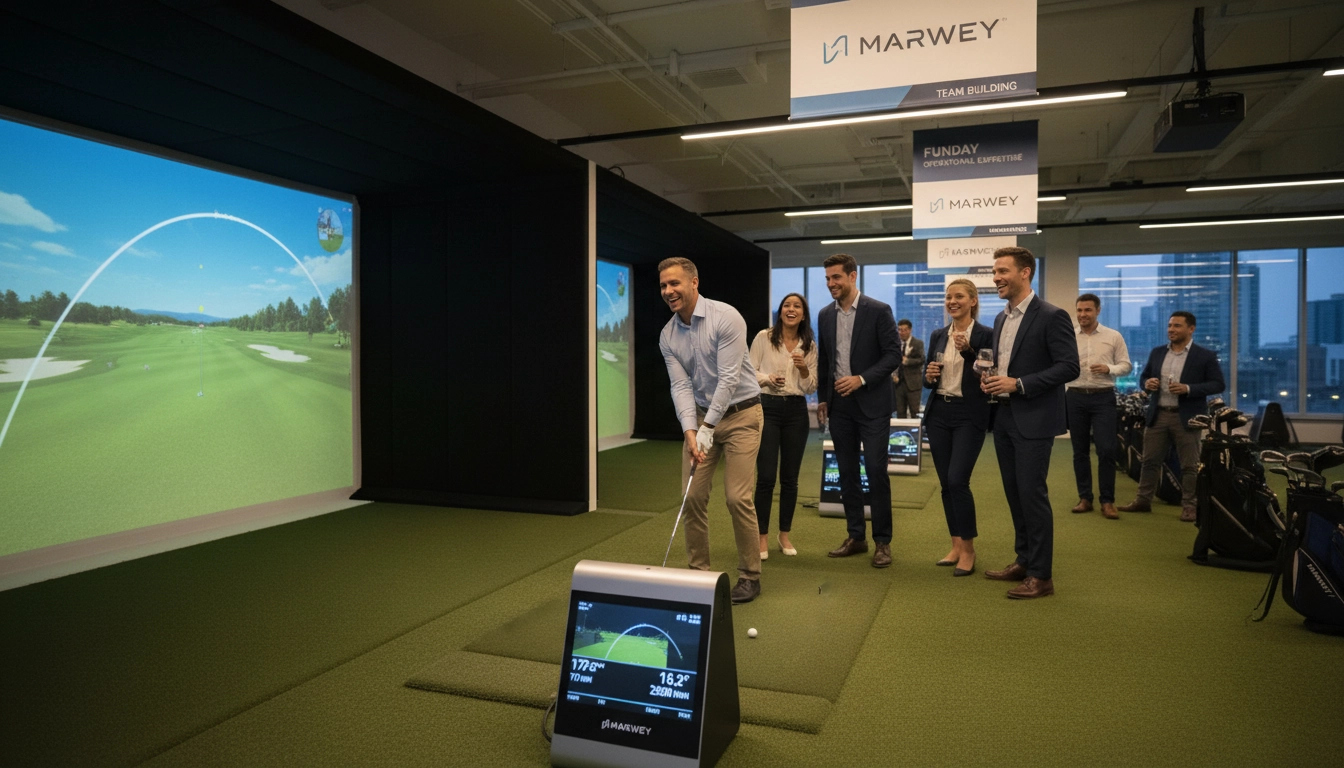
Top Tips: Developing Corporate Team-Building Packages using Golf Simulator Games
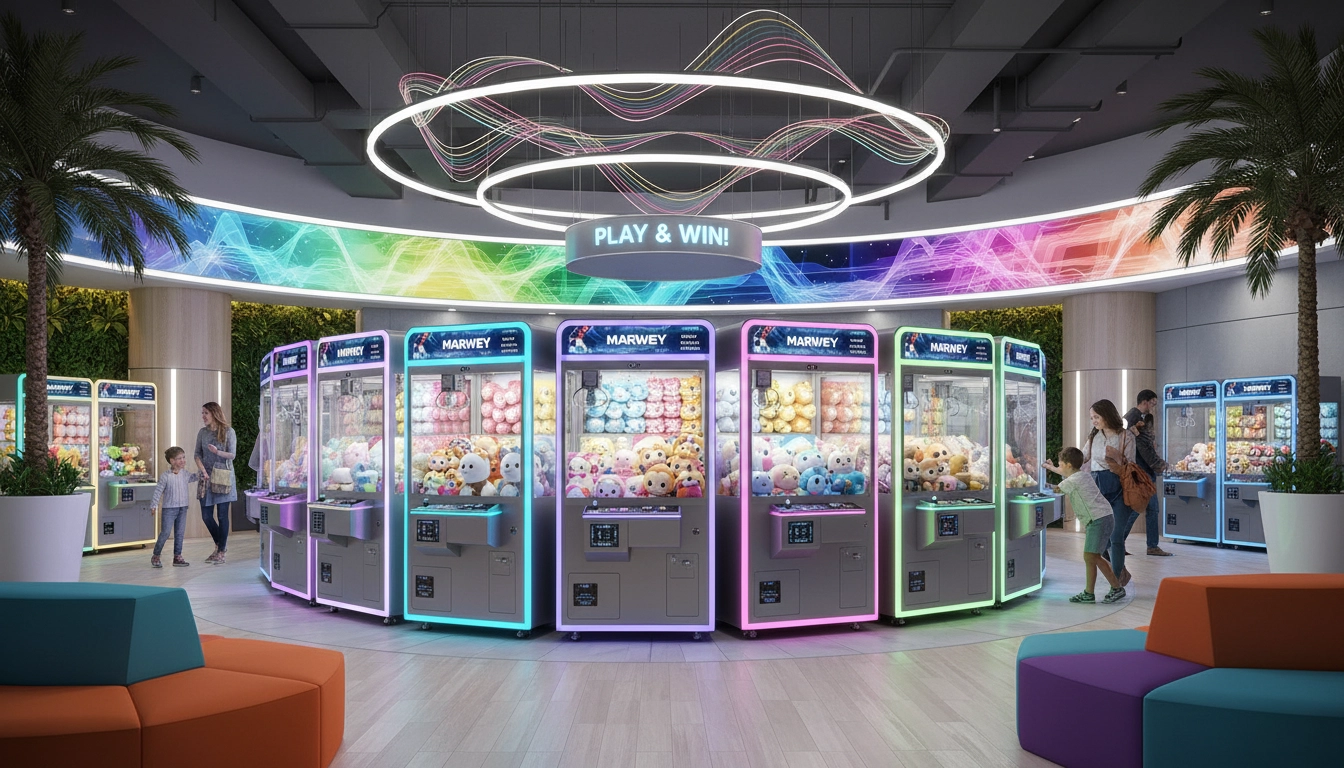
The Impact of Surrounding Decor on the Perceived Value of a Claw Machine!
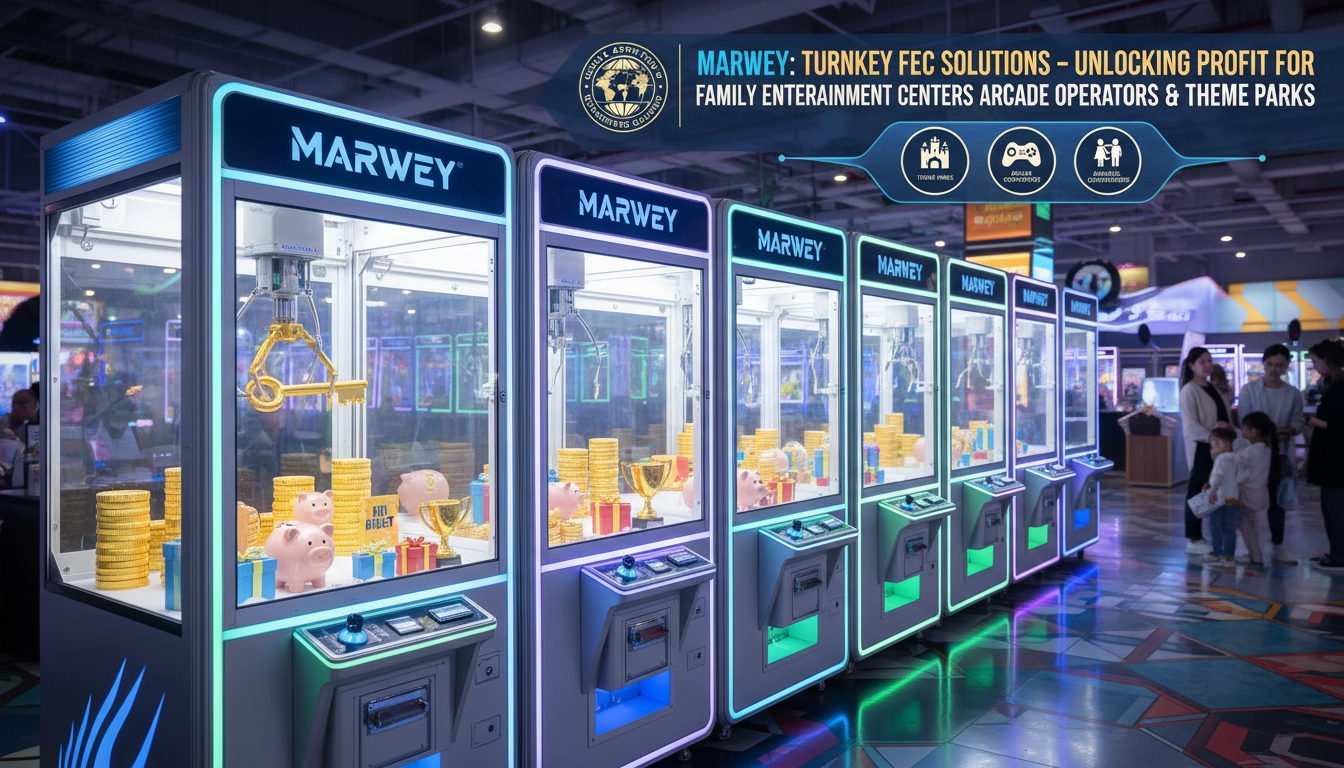
Insights: The Economic Advantages of Standardizing Your Claw Machine Fleet Model
One Stop Bowling Alley Solution
What international certifications do your products hold?
Our manufacturing processes and final products comply with major international standards, including CE and ISO certifications. This ensures safety, quality, and smooth importation for our global clients.
Indoor Trampoline Park
How much is insurance for a trampoline park?
Insurance is one of the most substantial and critical operating expenses due to the high-risk nature of the business.
General Liability Insurance: Costs can be very high and are subject to location, state regulations, and the park's safety history. While some smaller estimates exist, industry-specific insurance providers often report that comprehensive annual General Liability policies (with a minimum of $1 million per-occurrence limit) are hard to get and very expensive, often in the tens of thousands to potentially over $100,000 USD per year depending on the carrier and coverage limits required.
Mini Claw Machine
How much electricity does a mini claw machine use?
Mini claw machines are relatively energy-efficient. Most standard models consume between 50 and 100 watts per hour when powered on. To put this into perspective, if a machine runs continuously for 24 hours, it would use approximately 1.2 to 2.4 kilowatt-hours (kWh) per day. For a typical business running the machine 12 hours a day, the monthly energy consumption would be around 18 to 36 kWh. Based on an average commercial electricity rate, the monthly cost to power a single mini claw machine is usually very low, often between 15, making it an inexpensive appliance to operate.
Claw Machine
Are claw machines still popular?
-
Yes, claw crane machines remain extremely popular in malls, arcades like Dave & Buster’s, and entertainment centers where they drive consistent player engagement and revenue.
Air Hockey Table
What is the price of an air hockey table?
The air hockey table price varies by model: children's models range from 2000, standard commercial models cost 2800, and advanced multi-player air hockey tables with features like multi-ball systems range from 5000, with MARWEY offering the best value.
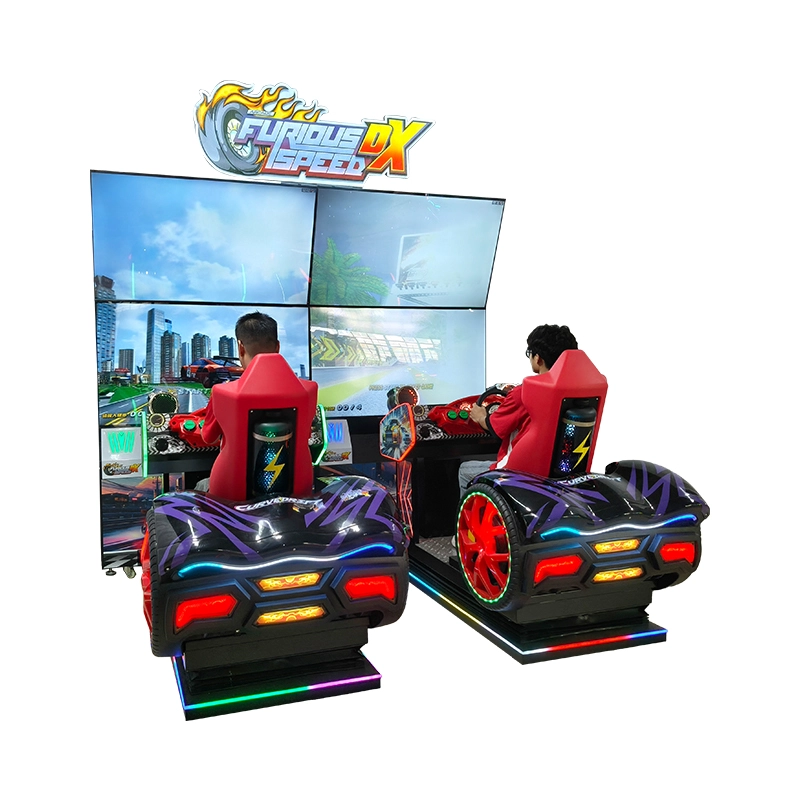
Marwey Hot Sale Four 55 Inch Screens 2 Players Racing Simulator Coin Operated Driving Car Game Machine
Marwey Hot Sale Four 55 Inch Screens 2 Players Racing Simulator Coin Operated Driving Car Game Machine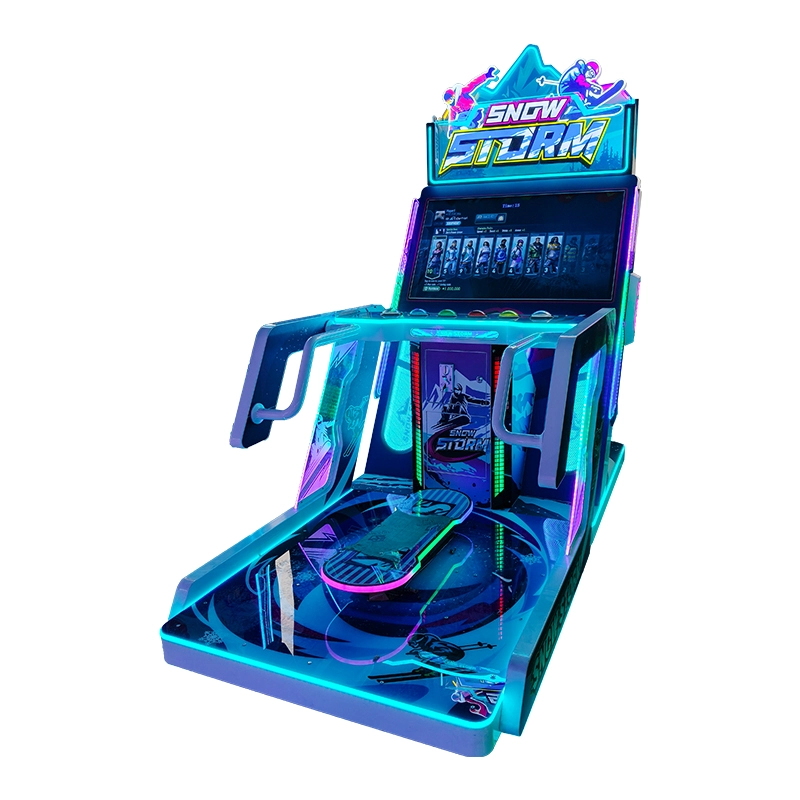
Marwey Coin Operated Indoor Skiing Simulator 47 Inches Snowstorm Ski Track Arcade Sports Machine
Marwey Coin Operated Indoor Skiing Simulator 47 Inches Snowstorm Ski Track Arcade Sports Machine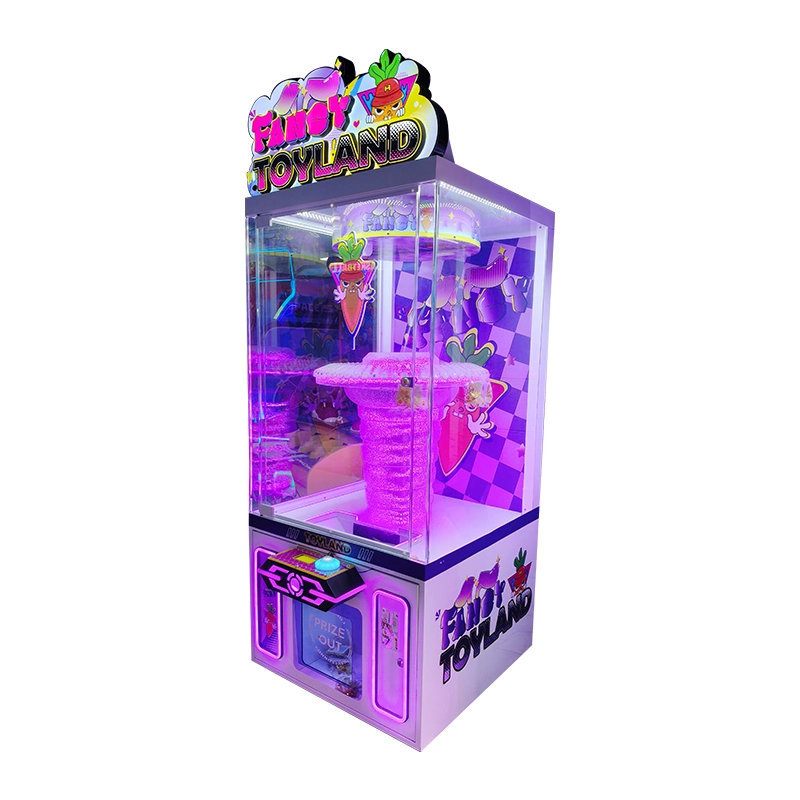
Marwey Customizable Personalized Clip Prize Machine Coin Operated Gift Amusement Vending Game Machine
Marwey Customizable Personalized Clip Prize Machine Coin Operated Gift Amusement Vending Game Machine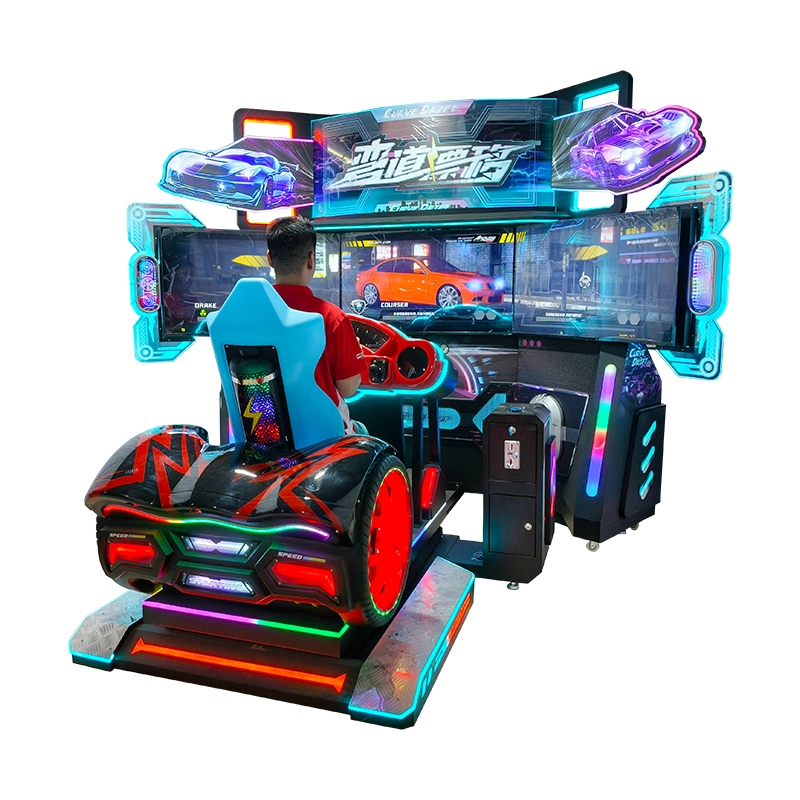
Marwey Coin Operated 49 Inch 3 Screens Motion Racing Simulator Cheap Sale Gaming Video Game Machine
Marwey Coin Operated 49 Inch 3 Screens Motion Racing Simulator Cheap Sale Gaming Video Game Machine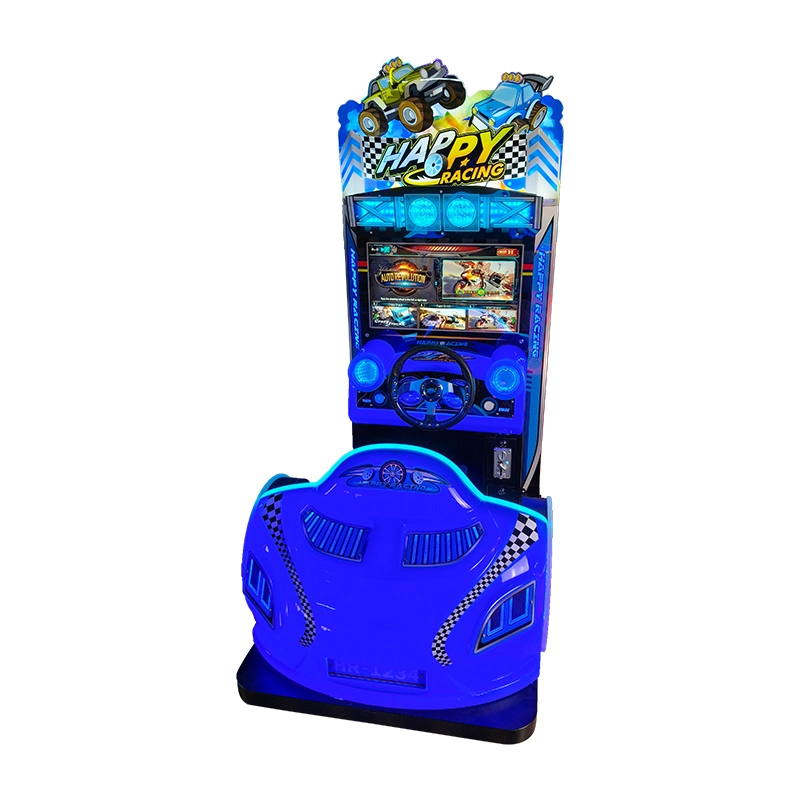
Marwey 27 Inch Screen Kids Racing Car Games Simulator High Quality Coin Operated Children's Racing Machine
Marwey 27 Inch Screen Kids Racing Car Games Simulator High Quality Coin Operated Children's Racing Machine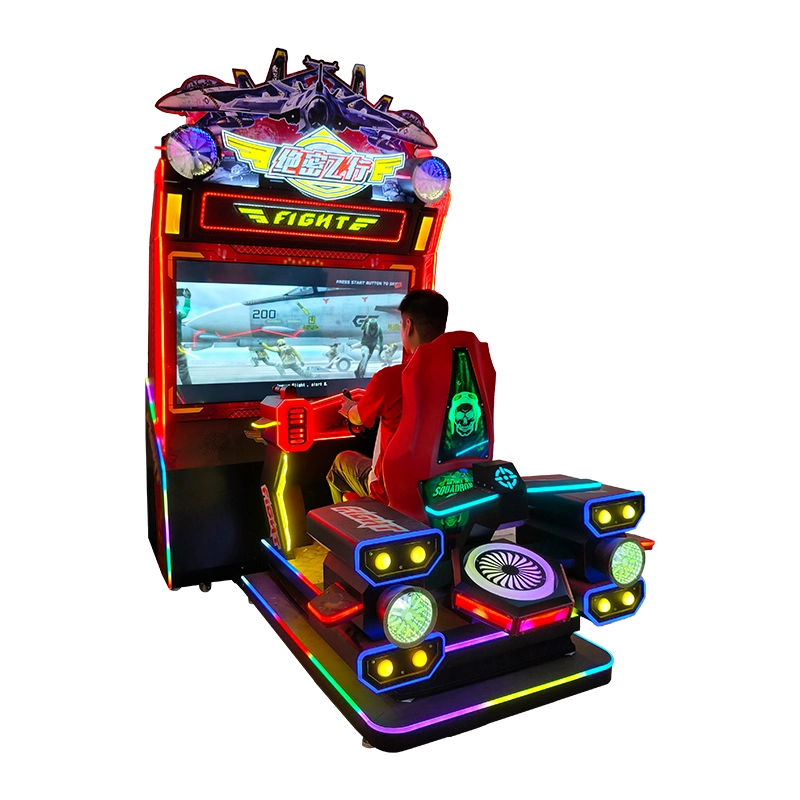
Marwey Coin Operated Driving Shooting Simulator Commercial Indoor Arcade Shooting Games for Cheap Price
Marwey Coin Operated Driving Shooting Simulator Commercial Indoor Arcade Shooting Games for Cheap Price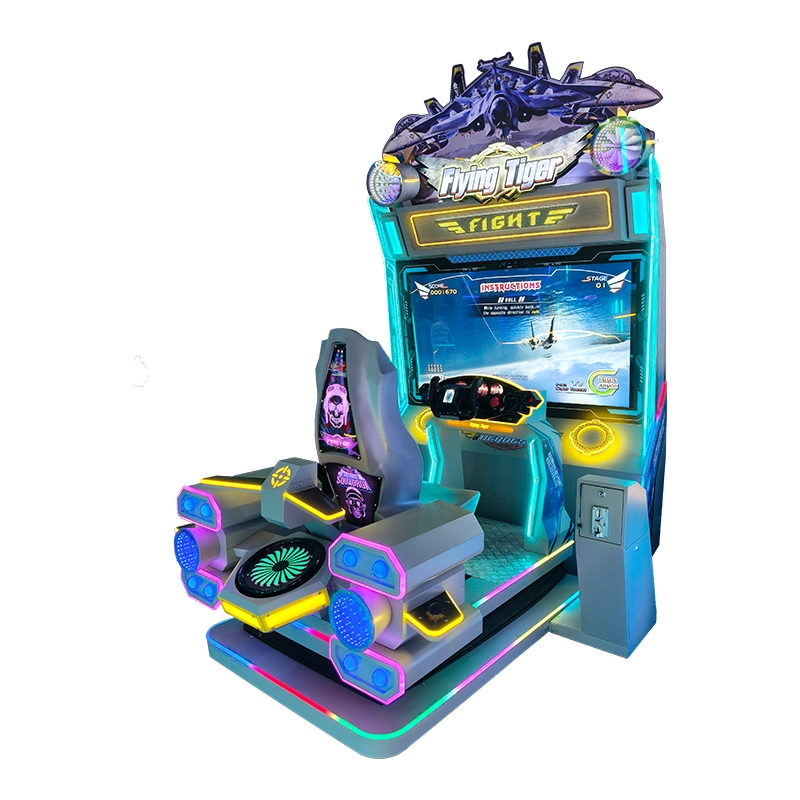
Marwey 65 Inch Screen Shooting Driving Arcade Machine Commercial Indoor Coin Operated for Cheap Sale
Marwey 65 Inch Screen Shooting Driving Arcade Machine Commercial Indoor Coin Operated for Cheap Sale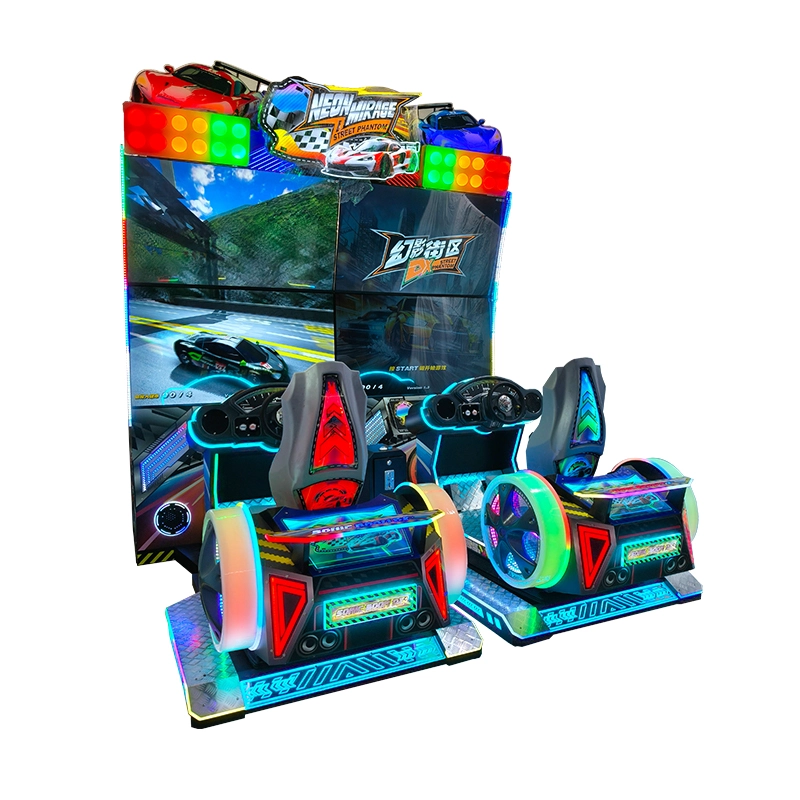
Marwey Hot Sale Coin Operated High Quality Racing Game Machine 2 Players 4 Screens Driving Simulator
Marwey Hot Sale Coin Operated High Quality Racing Game Machine 2 Players 4 Screens Driving SimulatorWant to know more industry information?
If you have any comments or good suggestions, please leave us a message; later our professional staff will contact you as soon as possible.
◼ Contact MARWEY
WhatsApp: +86 189 2218 4260
Floor 2, Building E, Hengran Creative Park, Shixin Road, Panyu District, Guangzhou, Guangdong, China.
© 2025 MARWEY. All Rights Reserved.
MARWEY
MARWEY
MARWEY
MARWEY
MARWEY
MARWEY