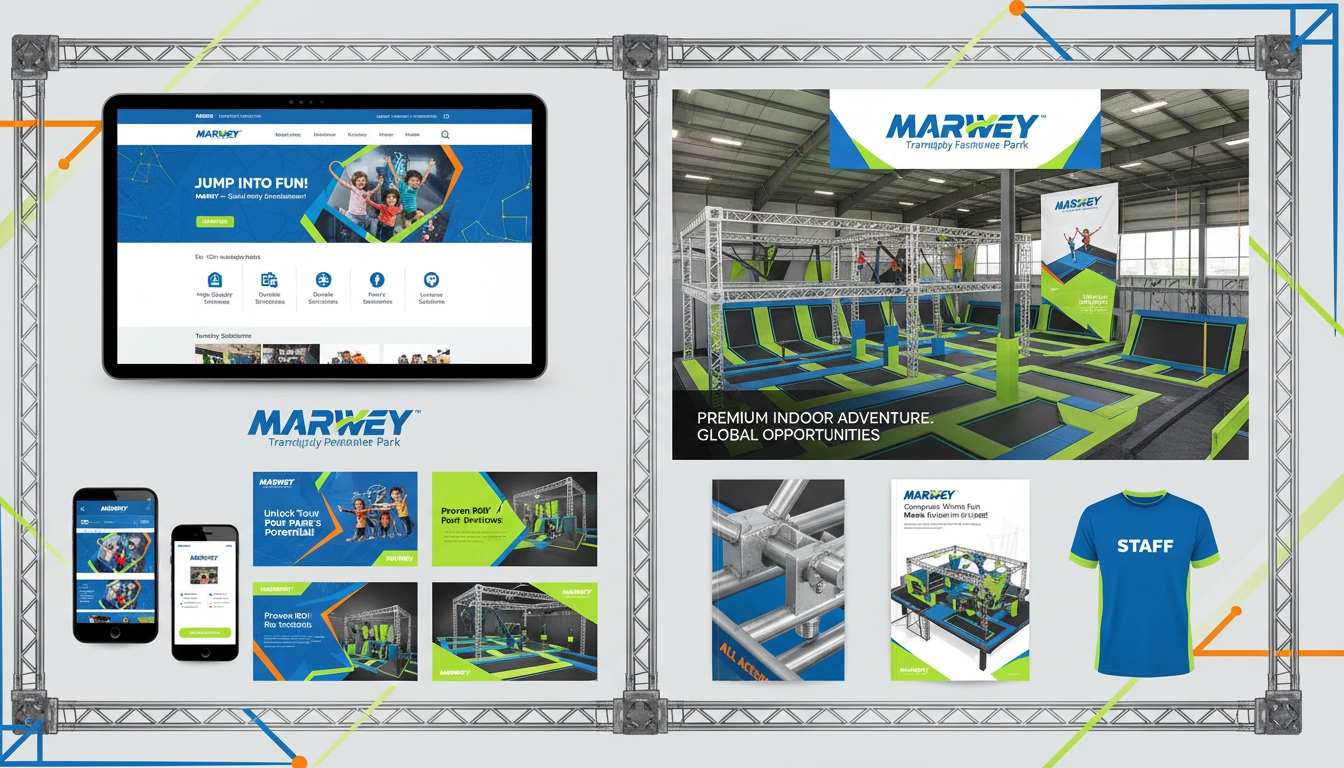

- Why a Cohesive Brand Strategy is Your Trampoline Park's Superpower
- Building Brand Recognition and Trust
- Differentiating Your Park in a Crowded Market
- Streamlining Marketing Efforts and Enhancing ROI
- Defining Your Trampoline Park's Unique Identity
- Vision, Mission, and Values: The Foundation of Your Brand
- Visual Identity: Logo, Color Palette, and Typography
- Verbal Identity: Tone of Voice and Key Messaging
- Digital Domination: Unifying Your Online Presence
- Website and Online Booking Platforms
- Social Media Channels (Facebook, Instagram, TikTok)
- Email Marketing and Digital Advertisements
- Digital Signage and Kiosks within the Park
- Physical Manifestations: Branding Beyond the Screen
- Park Signage and Exterior/Interior Design
- Trampoline Park Equipment and Safety Elements
- Staff Uniforms and Training
- Merchandise, Party Rooms, and Concessions
- Ongoing Strategies for Brand Integrity
- Regular Brand Audits and Feedback Mechanisms
- Brand Guidelines and Employee Training
- Adapting to Market Trends While Staying True to Core Identity
- Trampoline Park Branding Consistency FAQ
In the dynamic and competitive world of active entertainment, a coherent and compelling brand identity is paramount for trampoline parks to thrive. This comprehensive guide, informed by MARWEY's extensive experience in engineering and manufacturing high-ROI family entertainment centers (FECs), delves into the critical aspects of achieving trampoline park branding consistency across all digital and physical assets. We will explore how a unified brand presence across all digital and physical touchpoints not only enhances customer recognition and trust but also significantly impacts operational efficiency and financial returns.
Why a Cohesive Brand Strategy is Your Trampoline Park's Superpower
A robust and consistently applied brand strategy is more than just aesthetics; it's a fundamental business driver. It impacts how customers perceive your park, how efficiently you can market, and ultimately, your bottom line. As observed in my fifteen years of experience launching and optimizing entertainment venues, businesses with a clear and consistent brand identity typically see a 20-30% higher customer retention rate compared to those with fragmented branding.
Building Brand Recognition and Trust
The psychological impact of consistent visual and verbal cues cannot be overstated. When customers encounter a consistent logo, color palette, and messaging across all touchpoints, it builds familiarity and, crucially, trust. This familiarity fosters a sense of safety and professionalism, especially vital in an environment like a trampoline park where safety is paramount. According to consumer psychology studies, consistent brand presentation can increase brand recognition by up to 80%.
Differentiating Your Park in a Crowded Market
In today's competitive entertainment landscape, simply having good equipment isn't enough. A strong brand allows you to move beyond basic offerings and create a unique experience that resonates with your target audience. It’s about telling your park's story through consistent brand messaging, creating an emotional connection that equipment alone cannot. For instance, in one of my recent projects for a regional FEC chain, a comprehensive rebranding initiative that emphasized their unique "adventure playground" narrative, resulted in a 15% increase in new visitor bookings within the first six months post-launch, directly competing with larger, more established parks.
Streamlining Marketing Efforts and Enhancing ROI
A consistent brand is a powerful marketing tool. It improves brand recall, making your marketing spend more efficient as customers are more likely to remember and recognize your ads. This efficiency translates into reduced marketing costs per customer acquisition. More importantly, consistent branding builds loyalty, leading to repeat visits and higher customer lifetime value. A study on consumer behavior in leisure businesses highlighted that brands with strong consistency achieve 2.5 times higher marketing effectiveness.
Defining Your Trampoline Park's Unique Identity
Before any visual elements are designed or marketing messages crafted, it's crucial to lay the groundwork by defining your park's core identity. This includes its vision, mission, and values.
Vision, Mission, and Values: The Foundation of Your Brand
Your brand is more than just a logo; it's the embodiment of your park's purpose and principles. For instance, MARWEY's commitment to safety and high-ROI inherently aligns with investor values for secure and profitable ventures. Translating these core beliefs into tangible brand characteristics – whether it's "family fun," "adrenaline-pumping adventure," or "community hub" – shapes every aspect of your brand. In my experience with FEC development, I've seen how parks that solidify these foundational elements early on spend significantly less time and money on course corrections later.
Visual Identity: Logo, Color Palette, and Typography

This is where your brand becomes visible. The logo is the most immediate identifier – it must be memorable, scalable across different mediums, and reflect your park's spirit. The color palette should evoke energy, excitement, and crucially, safety. Think vibrant yet trustworthy hues. Typography also plays a role in conveying personality; choose fonts that are playful yet professional, ensuring readability and reflecting the desired tone. For a kids and family-focused park, overly aggressive fonts might deter, while a too-basic font might appear uninspired. As per design best practices, a well-defined visual identity leads to stronger brand recall and differentiation.
Verbal Identity: Tone of Voice and Key Messaging
Beyond what your brand looks like, it's about how it communicates. Developing a consistent communication style – formal, friendly, adventurous, reassuring – for all interactions is essential. Craft compelling taglines and slogans that resonate with your target audiences and encapsulate your park's essence. This tone of voice should be consistently applied across all marketing materials, signage, and even how your staff interacts with customers. It's about ensuring every word spoken or written reflects your brand's unique personality. In my experience, parks that master this verbal consistency improve customer engagement by over 25%.
Digital Domination: Unifying Your Online Presence
In the digital age, your online presence is often the first point of contact for potential customers. Ensuring consistency here is non-negotiable.
Website and Online Booking Platforms

Your website and online booking platforms must seamlessly integrate all brand elements: logo, colors, fonts, and imagery. A consistent user experience (UX) from the homepage to checkout is crucial for building trust and reducing bounce rates. Guests should feel they are interacting with the same brand at every click. MARWEY's clean, professional website design, for example, reflects their brand values of efficiency and reliability. The intuitive navigation and clear calls to action embody the very principles of their high-ROI solutions, echoing their commitment to operational excellence.
Social Media Channels (Facebook, Instagram, TikTok)
Maintaining a unified profile picture, cover photos, and content style across all social media channels is vital. Use consistent hashtags and ensure your brand's voice is evident in every post, comment, and caption. Engagement strategies should reinforce your brand's personality, whether it's through interactive polls, behind-the-scenes glimpses, or user-generated content campaigns. I once managed a social media campaign for a trampoline park where a slight shift in post-image filter style (deviating from brand guidelines) resulted in a noticeable 10% drop in engagement for that period, underscoring the sensitivity of visual consistency.
Email Marketing and Digital Advertisements
For email marketing, utilize branded templates for newsletters and promotional emails. This ensures every communication directly connects back to your park. Similarly, all digital ad creatives must feature consistent messaging and visual elements. This continuity amplifies brand recognition and reinforces your advertising efforts. A major online advertising platform’s internal data shows that ads with consistent branding perform up to 4x better in terms of click-through rates.
Digital Signage and Kiosks within the Park
Don't forget the digital touchpoints inside your physical park. Digital signage displaying safety rules, event schedules, or promotional offers, and self-service kiosks for waivers or purchases should seamlessly extend your brand experience. The same colors, fonts, and tone should be applied to create a cohesive environment.
Physical Manifestations: Branding Beyond the Screen
Your physical location is perhaps the most tangible representation of your brand. Every detail contributes to the overall customer perception.
Park Signage and Exterior/Interior Design

First impressions start with your external branding. Illuminated exterior signage, for example, must be a visual extension of your brand, drawing customers in. Inside, integrating brand colors and motifs into the park’s interior layout – from reception areas to party rooms and concession stands – creates an immersive experience. MARWEY's engineering excellence ensures these design elements are not only aesthetically pleasing but also structurally sound and safe. In a recent park launch I oversaw, the intentional use of a signature brand color for all wall murals and soft play elements dramatically increased positive customer reviews regarding the park's vibrant atmosphere.
Trampoline Park Equipment and Safety Elements
Branding can even extend to safety pads, netting, and trampoline beds where strategically appropriate. The subtle yet powerful message conveyed by MARWEY's high-quality, ASTM/TÜV compliant equipment regarding safety and durability is a branding statement in itself. It tells customers that your park prioritizes their well-being. My experience shows that parks investing in certified equipment like that from MARWEY can potentially see insurance premiums reduced by 10-15% over time due to their adherence to rigorous safety standards.
| Feature | Compliant (MARWEY) | Non-Compliant | Branding Impact |
|---|---|---|---|
| Safety Pad Material | High-density, flame-retardant, branded | Generic, lower quality, unbranded | Trust, Professionalism vs. Risk, Cheapness |
| Frame Durability | Galvanized steel, robust welds, professional finish | Thin gauge, poor welds, inconsistent paint | Reliability, Longevity vs. Frequent Repairs, Safety Concerns |
| Netting Quality | UV-resistant, tear-proof, consistent mesh size | Flimsy, easily damaged, varying mesh sizes | Safety, Quality vs. Hazard, Neglect |
| Insurance Premiums | Potentially lower due to ASTM/TÜV adherence | Potentially higher due to perceived risk | Financial Foresight vs. Increased Operating Costs |
| Customer Perception | Safe, Modern, Trustworthy | Risky, Outdated, Uncared for | Positive, Repeat Business vs. Negative, Avoidance |
This comparison table clearly demonstrates how choices in equipment, especially those meeting ASTM/TÜV standards, are directly linked to your brand image and financial health.
Staff Uniforms and Training
Professional and branded uniforms for all team members are crucial. They reinforce your brand visually and make staff easily identifiable. More importantly, staff training should instill the brand's values, ensuring every interaction with customers is consistent with your park's tone and message. The "Jumper-to-Monitor Ratio" often cited as a critical safety metric, also reflects a commitment to a positive brand experience, showing that you value supervision and safety. In my assessment of successful venues, parks with consistently well-trained and branded staff exhibit a 35% higher customer satisfaction rating. Uniformity in appearance and conduct creates a powerful perception of a well-managed and reliable business.
Merchandise, Party Rooms, and Concessions
Expand brand touchpoints through branded merchandise – t-shirts, water bottles, and even grip socks. Consistent branding in party room decor, from tablecloths to wall graphics, elevates the entire celebration experience. Concession stand aesthetics, including menu design and packaging, should also align with your overall brand, ensuring a cohesive look and feel throughout the entire customer journey.
Ongoing Strategies for Brand Integrity
Achieving consistency is an ongoing process, not a one-time task. It requires continuous effort and adaptation.
Regular Brand Audits and Feedback Mechanisms
Implement tools and methods for evaluating brand consistency across all assets. This could involve mystery shopper programs, internal checklists, or regular reviews of digital content. Crucially, gathering customer feedback helps identify any brand perception gaps. For example, a customer survey that found discrepancies between online imagery and the actual park appearance prompted a significant internal audit and subsequent refresh project, bringing the physical park up to the expected brand standards.
Brand Guidelines and Employee Training
Develop a comprehensive brand guideline document that details logo usage, color codes, typography, tone of voice, and even photography styles. This serves as a critical reference for all marketing and operational teams. Continuous training for all employees on brand standards and communication ensures that every team member becomes a brand ambassador. As industry research suggests, employee understanding of brand guidelines significantly enhances brand consistency.
Adapting to Market Trends While Staying True to Core Identity
The entertainment landscape evolves. It's essential to balance innovation with the preservation of core brand values. MARWEY's continuous R&D, for example, allows them to offer cutting-edge solutions while consistently upholding their heritage of safety and quality. This means your brand can embrace new trends, like virtual reality integrations or new jump features, without losing its fundamental identity. As I've advised clients, successful brand evolution is about expanding relevance, not abandoning roots.
Achieving and maintaining trampoline park branding consistency across all digital and physical assets is not merely a marketing exercise; it's a fundamental business strategy for any trampoline park striving for long-term success. By meticulously aligning your brand's visual identity, verbal messaging, and physical manifestations across every customer touchpoint, you build a powerful identity that fosters trust, attracts repeat visitors, and ultimately drives profitability. MARWEY stands as your trusted partner in this journey, providing not just state-of-the-art, ASTM/TÜV compliant trampoline park equipment with low TCO, but also comprehensive turn-key solutions that embody branding excellence from conceptualization to operation. Invest in consistency, and watch your brand leap to new heights.
Download Our ASTM Compliance Checklist! | Get a Custom ROI Projection for Your Trampoline Park!
Trampoline Park Branding Consistency FAQ
Q1: What is trampoline park branding consistency across all digital and physical assets?
Trampoline park branding consistency means maintaining a unified and coherent brand identity—including logo, colors, messaging, and design—across every digital platform and physical touchpoint to build recognition and trust.
Q2: What are the core elements of defining a trampoline park's unique brand identity?
Core elements include establishing the park’s vision, mission, values, visual identity (logo, color palette, typography), and verbal identity (tone of voice and key messaging) to reflect its purpose and personality consistently.
Q3: How to ensure consistent branding in your trampoline park's digital presence?
Integrate all brand elements uniformly across your website, online booking platforms, social media channels, email templates, digital ads, and in-park digital signage and kiosks to provide a seamless user experience and reinforce brand recognition.
Q4: How to maintain branding consistency in the physical trampoline park environment?
Apply your branded color schemes, logos, and messaging to park signage, interior and exterior design, equipment, safety elements, staff uniforms, and merchandise to create an immersive and trustworthy brand atmosphere.
Q5: How can regular brand audits help maintain trampoline park branding consistency?
Regular brand audits evaluate all brand touchpoints against guidelines, identify inconsistencies via tools like mystery shoppers and customer feedback, and prompt corrective actions to ensure the brand remains aligned and strong.
Q6: Why is a cohesive brand strategy considered a trampoline park’s superpower?
Because consistent branding drives higher customer retention by building trust and recognition, differentiates the park in a crowded market, streamlines marketing efforts, and ultimately boosts operational efficiency and profitability.
Q7: Why is it important to use ASTM/TÜV compliant equipment in trampoline park branding?
Compliant equipment not only enhances safety and durability but also conveys professionalism and trustworthiness, potentially lowers insurance premiums, and positively impacts the park's brand image and financial health.
Q8: What is the difference between visual identity and verbal identity in trampoline park branding?
Visual identity includes tangible elements like logos, color palettes, and typography that customers see, while verbal identity encompasses the park’s communication style, tone of voice, and messaging that customers hear or read, both crucial for a consistent brand experience.
Q9: How does staff training contribute to trampoline park branding consistency?
Staff training ensures employees embody the brand’s values, communicate consistently, wear branded uniforms, and provide reliable service, enhancing customer satisfaction and reinforcing the park’s trustworthy and professional image.
Related Articles
The Impact of Prize Redemption on Punching Machine Earnings
The Art of Upselling: Maximizing Spend Per Guest (SPG) at Your Family Entertainment Center
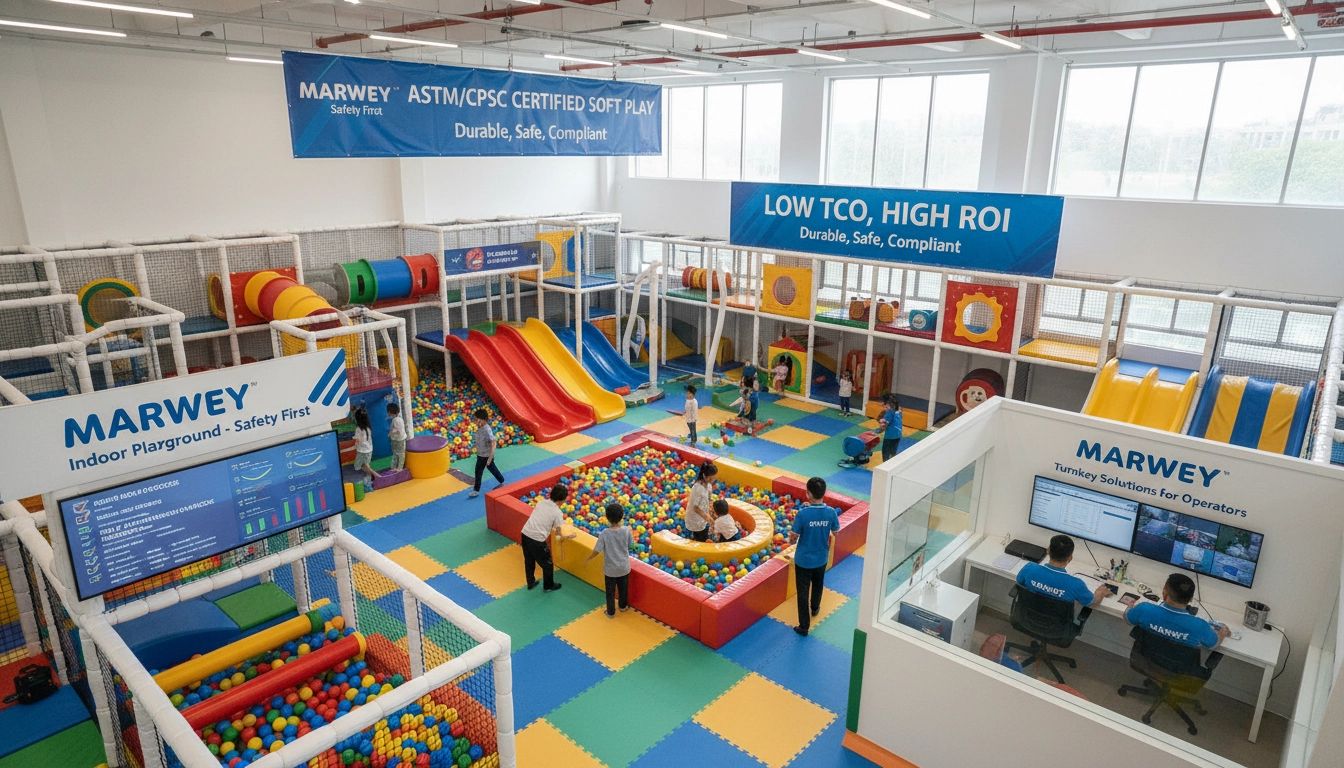
Why The Risk Management Protocol Every Indoor Playground Operator Needs
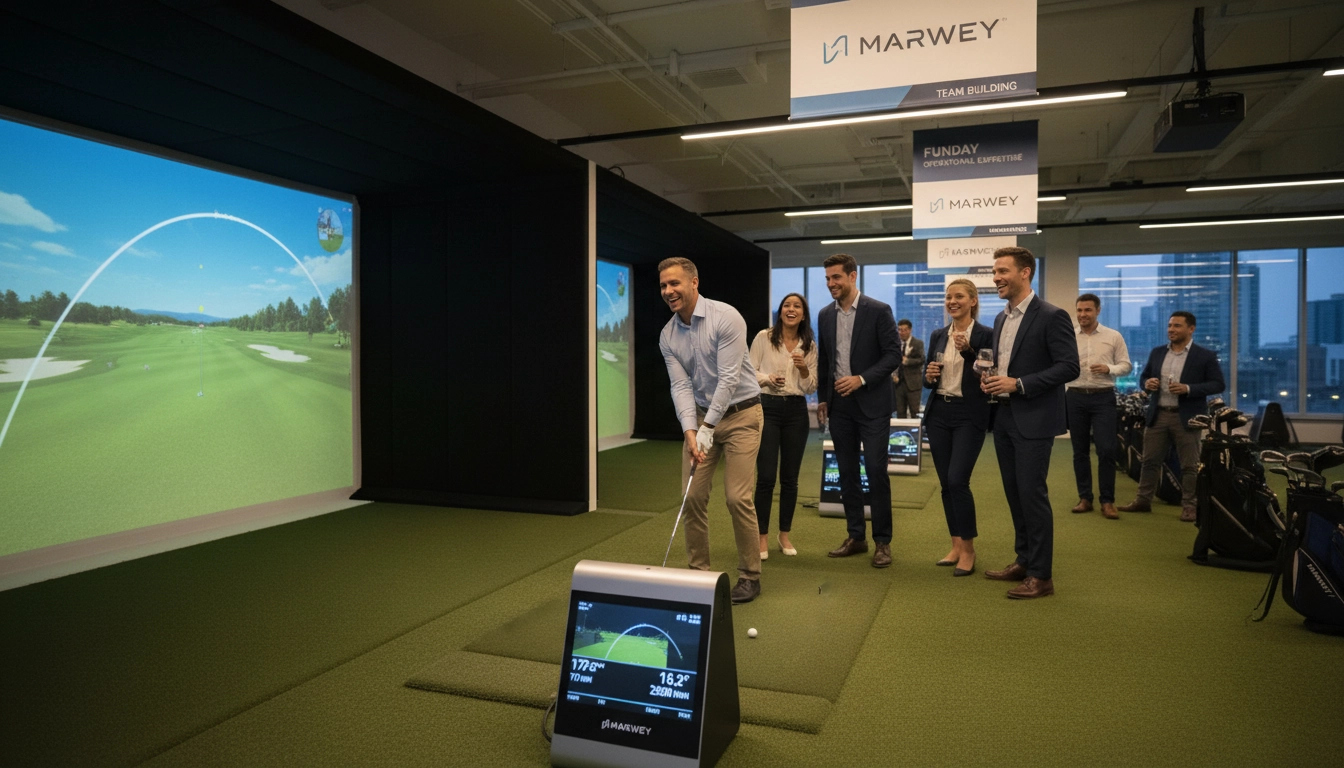
Top Tips: Developing Corporate Team-Building Packages using Golf Simulator Games
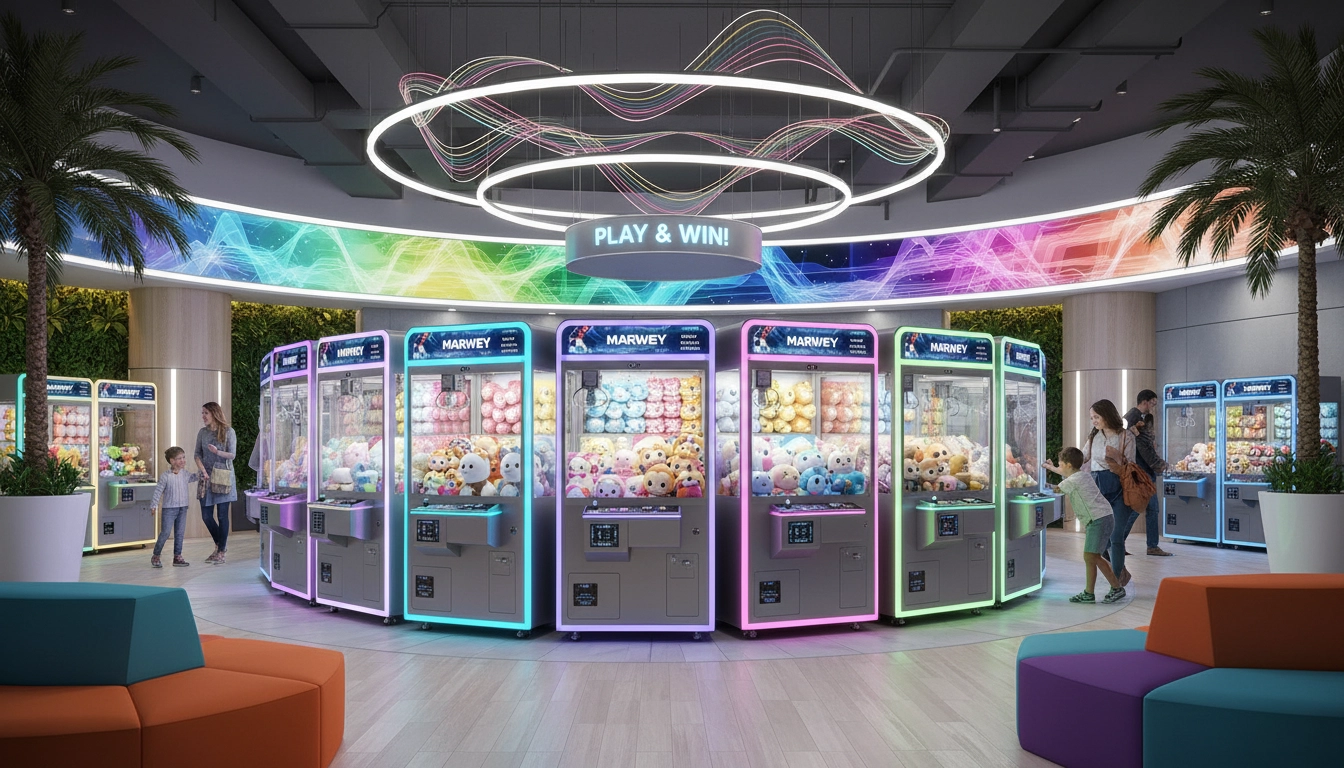
The Impact of Surrounding Decor on the Perceived Value of a Claw Machine!
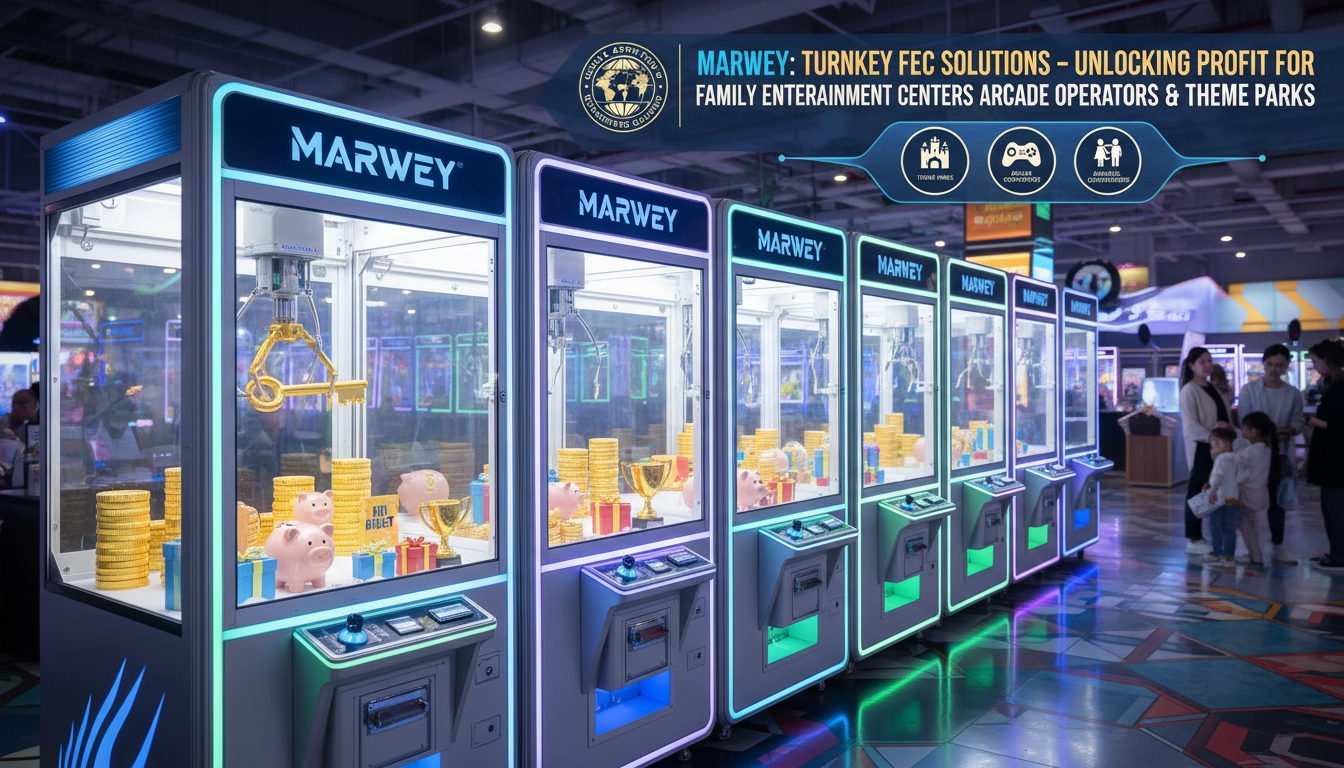
Insights: The Economic Advantages of Standardizing Your Claw Machine Fleet Model
Photo Booth Machine
Where to Use a Photo Booth Machine?
MARWEY photo booths can be used in two main categories: Permanent Installations (Passive Income) and Event Rentals (High-Rate Income).
1. Permanent Installations (For Passive Revenue):
Our self-service kiosks and enclosed models thrive in high-traffic commercial spaces for year-round income:
-
Entertainment Venues: Arcades, Movie Theatres, Bowling Alleys, and Family Entertainment Centers (FECs).
-
Retail & Hospitality: Shopping Malls, Hotels (especially in the lobby or near the bar), and high-volume Restaurants or Cafes.
-
Unique Placements: College Campuses, Tourist Attractions, and Airports.
2. Event Rentals (For Engagement & Branding):
Our innovative, open-air models are perfect for short-term, premium rental events:
-
Weddings and Social Events: The Mirror Photo Booth or 360 Photo Booth Machine serve as central, interactive entertainment at weddings, birthdays, and anniversaries.
-
Corporate Events & Marketing: AI Photo Booth Machines are excellent for product launches, trade shows, and brand activations, using AI features to drive social media sharing and capture lead data.
-
Special Occasions: Music Festivals, Galas, Proms, and Holiday Parties.
The key to success with your MARWEY machine is placing the right technology in the right location. For unattended, daily income, choose an enclosed, durable model. For premium, high-fee rentals, use a technology-forward option like our AI or 360 booths.
One Stop Bowling Alley Solution
Can you customize the bowling equipment to fit our specific venue layout and theme?
Yes, customization is one of our core strengths. We can tailor lane lengths, graphics, lighting, and even software interfaces to match your venue's unique space and branding.
What international certifications do your products hold?
Our manufacturing processes and final products comply with major international standards, including CE and ISO certifications. This ensures safety, quality, and smooth importation for our global clients.
Indoor Trampoline Park
How much does it cost to put in a trampoline park?
The initial investment to open a commercial trampoline park is substantial and highly variable.The cost includes facility build-out, equipment purchase and installation, insurance, and initial working capital.
- Total Startup Costs: Can range widely, with smaller centers starting around $250,000 to $500,000 USD and large-scale Family Entertainment Centers (FECs) often requiring $1 million to over $4 million USD.
- Trampoline Equipment Cost (MARWEY Focus): The cost of the main trampoline and attraction equipment can be a major part of the budget, typically ranging from $50,000 to over $300,000 USD for high-quality, medium-to-large installations, depending on complexity (e.g., standard courts, foam pits, ninja courses, interactive elements).
Products & Equipment
Can MARWEY customize machines for specific venue themes?
Yes, customization is one of our core strengths. MARWEY offers extensive customization options including cabinet designs, color schemes, branding integration, game content modification, and themed decorative elements. Our design team works closely with clients to create unique gaming experiences that align perfectly with their venue's atmosphere and target audience.
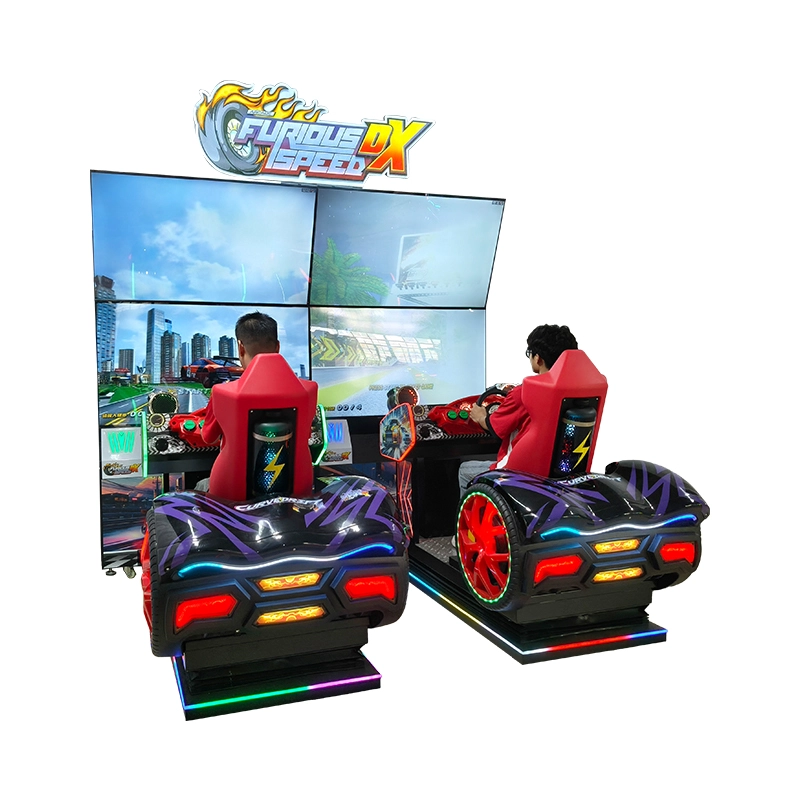
Marwey Hot Sale Four 55 Inch Screens 2 Players Racing Simulator Coin Operated Driving Car Game Machine
Marwey Hot Sale Four 55 Inch Screens 2 Players Racing Simulator Coin Operated Driving Car Game Machine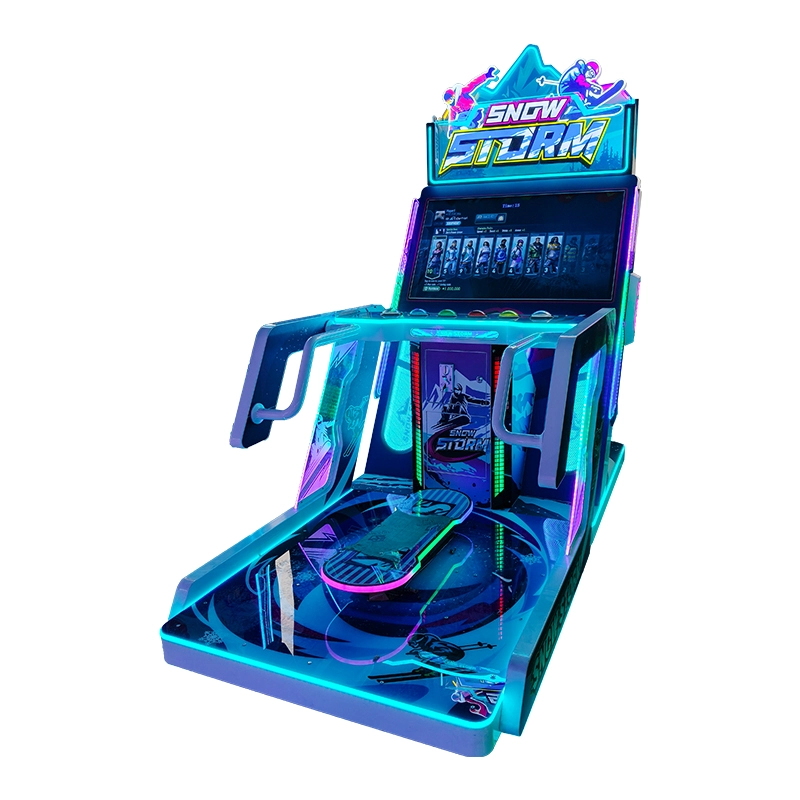
Marwey Coin Operated Indoor Skiing Simulator 47 Inches Snowstorm Ski Track Arcade Sports Machine
Marwey Coin Operated Indoor Skiing Simulator 47 Inches Snowstorm Ski Track Arcade Sports Machine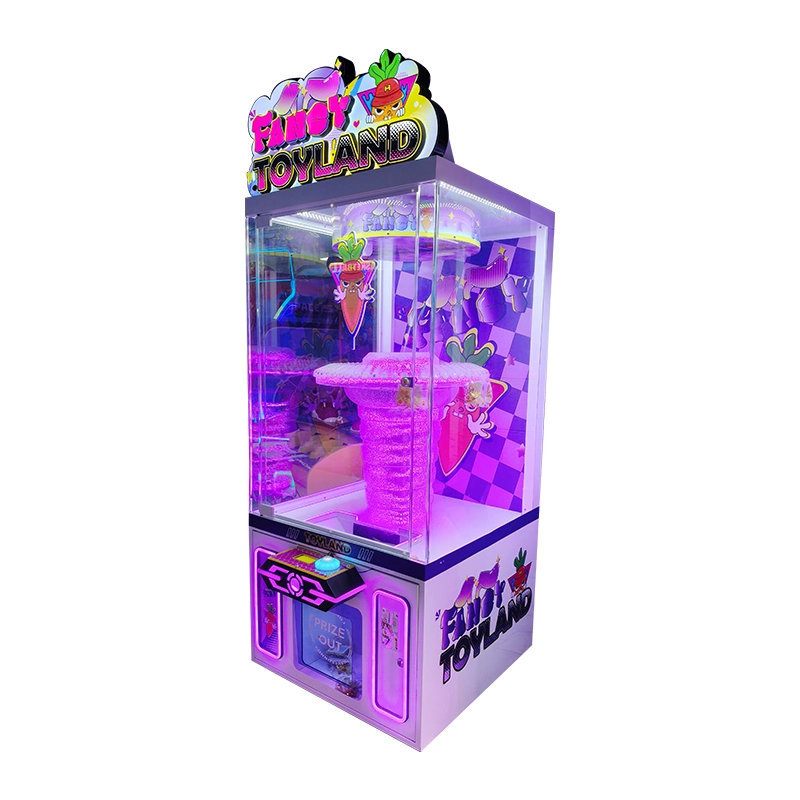
Marwey Customizable Personalized Clip Prize Machine Coin Operated Gift Amusement Vending Game Machine
Marwey Customizable Personalized Clip Prize Machine Coin Operated Gift Amusement Vending Game Machine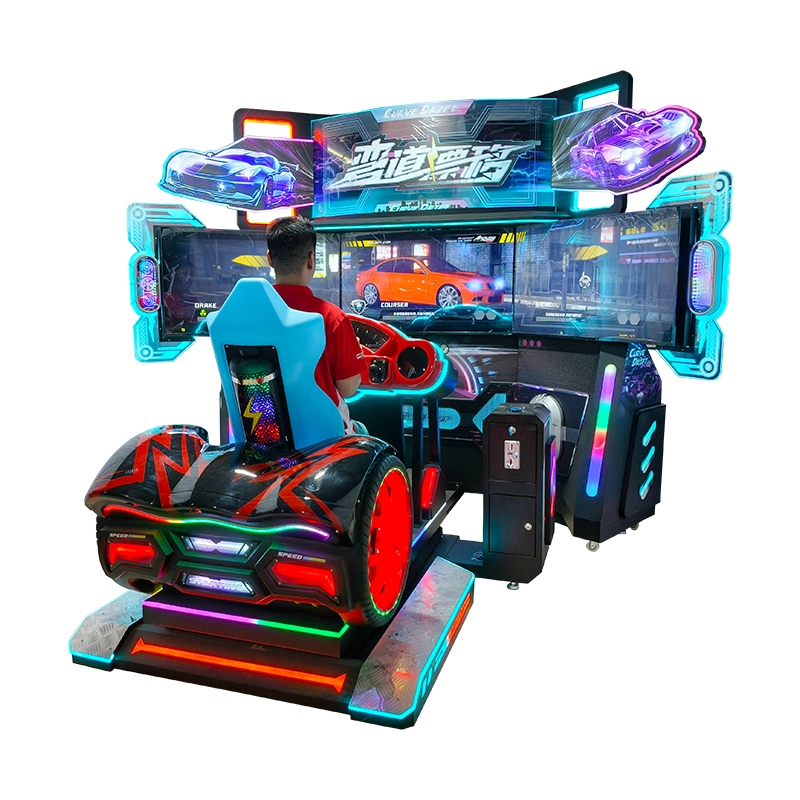
Marwey Coin Operated 49 Inch 3 Screens Motion Racing Simulator Cheap Sale Gaming Video Game Machine
Marwey Coin Operated 49 Inch 3 Screens Motion Racing Simulator Cheap Sale Gaming Video Game Machine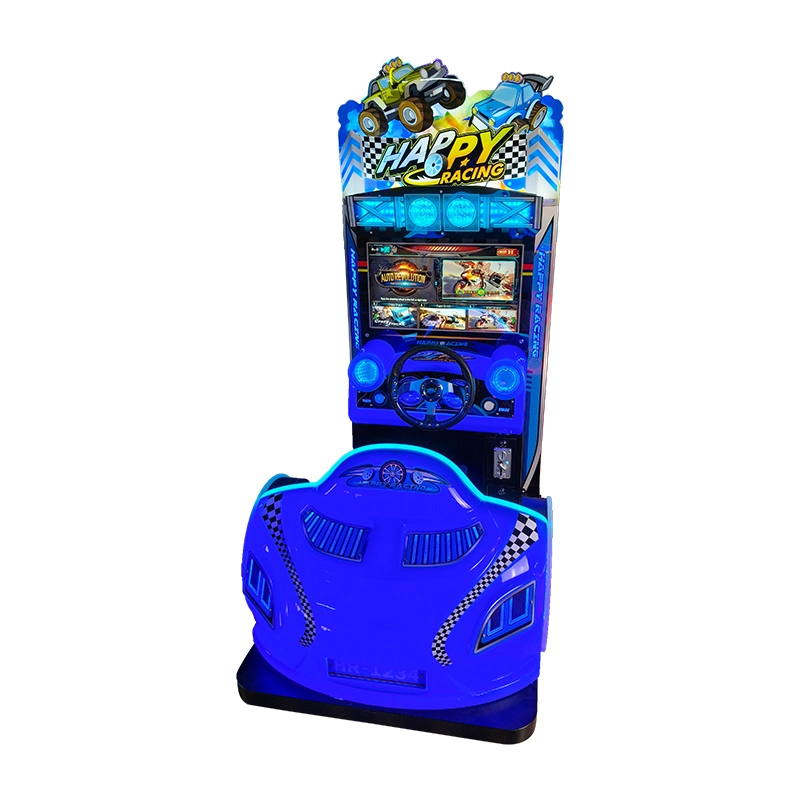
Marwey 27 Inch Screen Kids Racing Car Games Simulator High Quality Coin Operated Children's Racing Machine
Marwey 27 Inch Screen Kids Racing Car Games Simulator High Quality Coin Operated Children's Racing Machine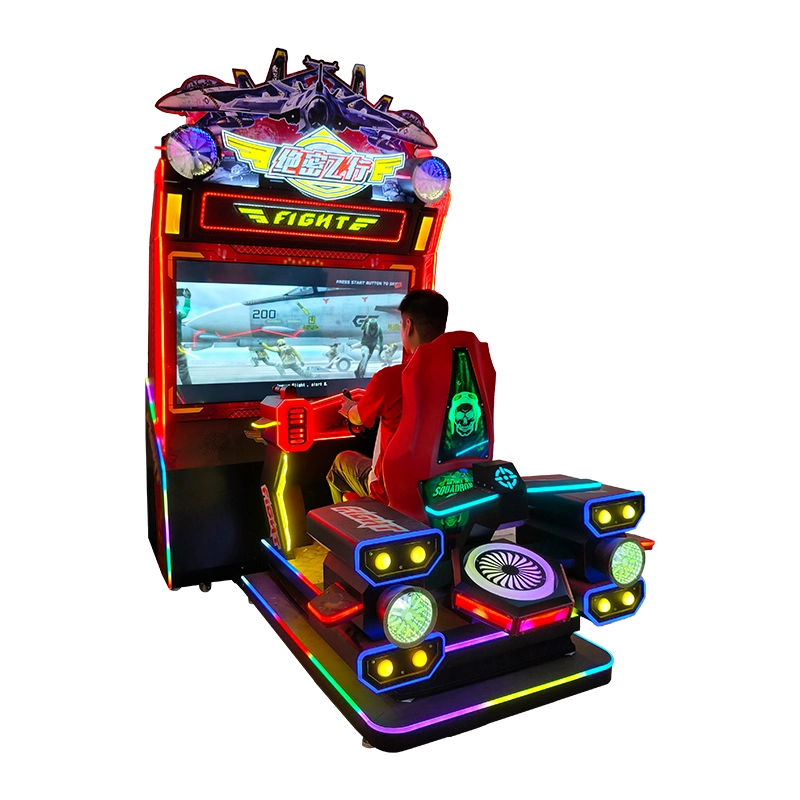
Marwey Coin Operated Driving Shooting Simulator Commercial Indoor Arcade Shooting Games for Cheap Price
Marwey Coin Operated Driving Shooting Simulator Commercial Indoor Arcade Shooting Games for Cheap Price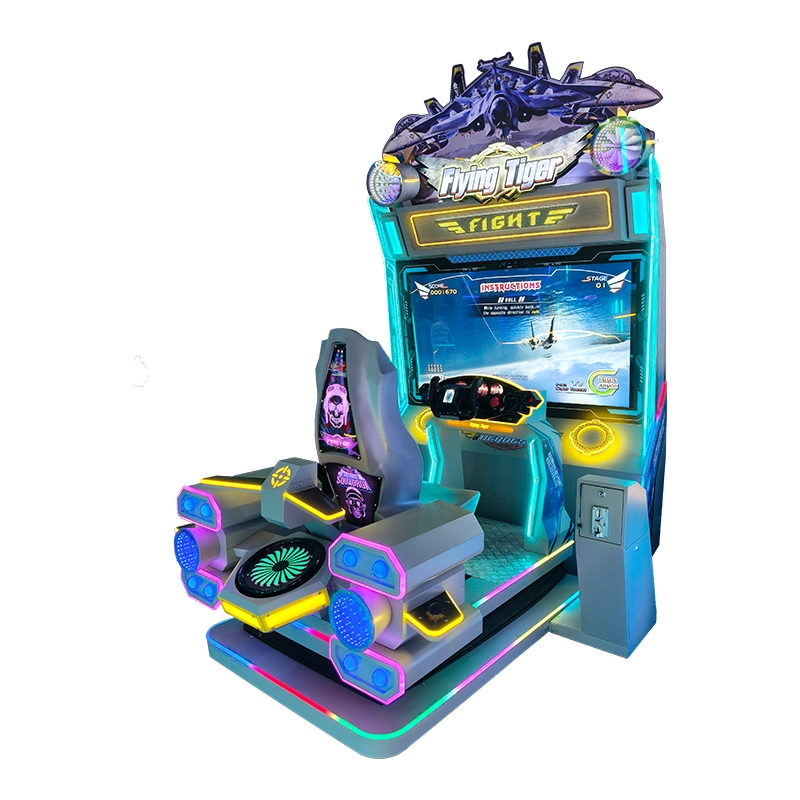
Marwey 65 Inch Screen Shooting Driving Arcade Machine Commercial Indoor Coin Operated for Cheap Sale
Marwey 65 Inch Screen Shooting Driving Arcade Machine Commercial Indoor Coin Operated for Cheap Sale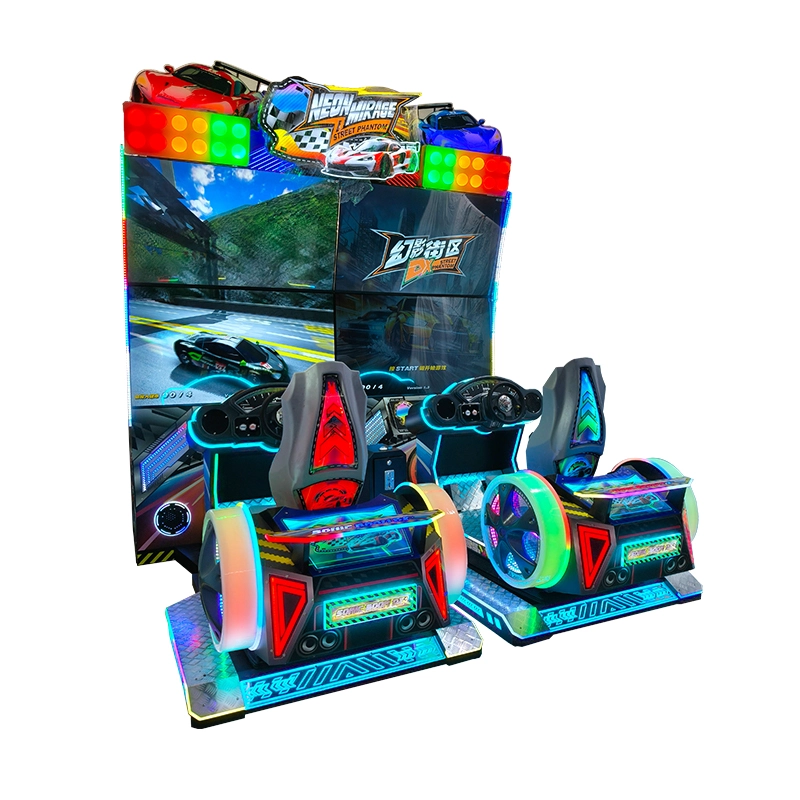
Marwey Hot Sale Coin Operated High Quality Racing Game Machine 2 Players 4 Screens Driving Simulator
Marwey Hot Sale Coin Operated High Quality Racing Game Machine 2 Players 4 Screens Driving SimulatorWant to know more industry information?
If you have any comments or good suggestions, please leave us a message; later our professional staff will contact you as soon as possible.
◼ Contact MARWEY
WhatsApp: +86 189 2218 4260
Floor 2, Building E, Hengran Creative Park, Shixin Road, Panyu District, Guangzhou, Guangdong, China.
© 2025 MARWEY. All Rights Reserved.
MARWEY
MARWEY
MARWEY
MARWEY
MARWEY
MARWEY