


- Understanding the Cost Landscape of High-Density Indoor Golf Centers
- Key Utility Cost Drivers in Indoor Golf Facilities
- The Impact of High Density on Utility Costs
- The MARWEY Approach: Low TCO by Design
- Strategic Energy Management & Technology Integration
- Smart Building Management Systems (BMS)
- High-Efficiency Lighting Solutions
- Energy-Efficient Golf Simulator Components
- Optimizing HVAC and Climate Control
- Zoning and Demand-Controlled Ventilation (DCV)
- High-Efficiency HVAC Equipment
- Building Envelope Improvements
- Maintenance Best Practices
- Operational Strategies for Cost Reduction
- Schedule-Based Energy Management
- Bay Utilization Rate Optimization
- Strategic Equipment Management
- Beyond Electricity: Water, Waste, and Renewable Options
- Water Conservation Efforts
- Waste Management and Recycling
- Exploring Renewable Energy Sources
- Comparison Table: High-Density Golf Center Utility Optimization Strategies
- Optimizing Utility Costs in High-Density Indoor Golf Center Operations
The burgeoning indoor golf industry presents unique opportunities alongside significant operational challenges, chief among them being utility costs in high-density environments. As an indoor golf center investor or FEC operator, maximizing profitability hinges on optimizing every aspect of your operation. This article, drawing upon MARWEY's fifteen years of expertise in manufacturing high-precision golf simulators and successfully operating FUNDAY FEC chains, delves into actionable strategies for Optimizing Utility Costs in High-Density Indoor Golf Center Operations. We will explore how smart planning, advanced technology, and proven operational tactics can transform your cost structure, enhance your ROI, and establish a sustainable business model in this competitive landscape. Our dual advantage as both manufacturer and operator—from equipment design to real-world profitability—positions us uniquely to offer insights that truly matter. MARWEY's commitment to Creativity, Curiosity, Vitality, and Technology has cemented its position as a leading provider of Turn-Key Solutions, ensuring that every piece of equipment, from high-accuracy Launch Monitors to durable screens, is designed with efficiency and longevity in mind.
Understanding the Cost Landscape of High-Density Indoor Golf Centers
High-density indoor golf centers, by their very nature, are energy-intensive operations. Effective utility cost management is not merely about cutting corners; it's about strategic investment and smart operational choices that contribute to long-term profitability and environmental sustainability.
Key Utility Cost Drivers in Indoor Golf Facilities
Lighting: High-quality, consistent lighting is crucial for an immersive golf experience and accurate ball tracking. This often translates to significant electricity consumption.
HVAC Systems: Maintaining optimal temperature and humidity for player comfort and equipment longevity requires robust heating, ventilation, and air conditioning, especially in spaces with high occupancy.
Equipment Power Consumption: Golf simulators, Launch Monitors, projectors, and IT infrastructure all contribute to the overall electricity load.
Water Usage: Restrooms, kitchenettes, and potentially cleaning processes.
Studies indicate HVAC systems can account for up to 40-50% of a commercial building's total energy consumption, a percentage often higher in climate-controlled sports facilities.
The Impact of High Density on Utility Costs
Increased HVAC Load: More players and equipment generate more heat, requiring more cooling.
Higher Lighting Requirements: Ensuring adequate illumination across multiple bays simultaneously.
Enhanced Ventilation Needs: Maintaining air quality in a busy, enclosed space.
The MARWEY Approach: Low TCO by Design
MARWEY's philosophy starts with engineering equipment for low Total Cost of Ownership (TCO). This includes selecting energy-efficient components, durable materials, and designs that minimize maintenance and operational overhead from the outset. Our experience with FUNDAY FECs has repeatedly demonstrated the long-term financial benefits of this approach.
Strategic Energy Management & Technology Integration

Implementing advanced energy management systems and leveraging technology are pivotal for substantial utility cost reductions.
Smart Building Management Systems (BMS)
Automated HVAC Control: Using sensors and AI to adjust temperature based on occupancy, time of day, and external weather conditions.
Intelligent Lighting: Motion sensors, daylight harvesting, and scheduled lighting to ensure lights are only on when and where needed.
Energy Monitoring: Real-time data on energy consumption across different zones and equipment, allowing for immediate identification of inefficiencies.
Implementing a comprehensive BMS can lead to a 10-30% reduction in overall energy consumption for commercial facilities.
High-Efficiency Lighting Solutions
LED Lighting Upgrades: Replacing traditional lighting with energy-efficient LED fixtures dramatically reduces electricity usage and maintenance costs due to longer lifespans.
Optimizing Light Placement: Strategic placement of lighting to provide sufficient illumination with fewer fixtures.
Energy-Efficient Golf Simulator Components

MARWEY's commitment to high accuracy Launch Monitors (e.g., radar-based or high-speed camera systems) is matched by our focus on energy efficient projectors and computing hardware. We continuously integrate advancements that deliver superior performance with lower power draw.
Durable Screens & Enclosures: High-quality, long-lasting materials for screens and bay designs reduce replacement frequency and associated energy and material costs. Our product designs reflect years of operational insights from FUNDAY, ensuring both performance and cost-efficiency.
Modern LED projectors consume up to 50% less energy than older lamp-based models, while offering superior brightness and lifespan.
Optimizing HVAC and Climate Control

Heating, Ventilation, and Air Conditioning (HVAC) often represent the largest portion of utility bills. Targeted strategies here yield significant savings.
Zoning and Demand-Controlled Ventilation (DCV)
Zoning: Dividing the facility into different temperature zones allows for precise climate control, reducing energy waste in unoccupied or less-used areas.
DCV: Using CO2 sensors to modulate fresh air intake based on actual occupancy levels, preventing over-ventilation during off-peak hours.
Properly implemented DCV can reduce ventilation energy costs by 20-60%, depending on facility type and occupancy patterns.
High-Efficiency HVAC Equipment
Investing in high-efficiency HVAC units, variable refrigerant flow (VRF) systems, or geothermal heating and cooling can offer substantial long-term savings despite higher upfront costs.
Building Envelope Improvements
Insulation Upgrades: Enhancing wall and roof insulation reduces heat transfer, lessening the load on HVAC systems.
Window Treatments: High-performance low-emissivity (Low-E) windows or window films can reflect heat in summer and retain it in winter.
Maintenance Best Practices
Regular HVAC Maintenance: Ensuring filters are clean, coils are free of debris, and systems are properly calibrated maintains efficiency and extends equipment lifespan.
Planned Preventative Maintenance: Proactive maintenance schedules, a core aspect of MARWEY’s Turn-Key Solutions, prevent costly breakdowns and ensure optimal system performance, contributing to a lower TCO.
Operational Strategies for Cost Reduction

Beyond technology, day-to-day operational decisions significantly influence utility consumption. MARWEY's FUNDAY operational experience offers invaluable insights.
Schedule-Based Energy Management
- Off-Peak Operation: Scheduling major cleaning, maintenance, or test runs during off-peak electricity hours when rates are lower.
- Automated Shutdowns: Ensuring all non-essential equipment, lighting, and HVAC zones are automatically shut down during non-operating hours.
- Employee Training: Educating staff on energy-saving practices, such as turning off lights when leaving a room or reporting equipment inefficiencies promptly.
Bay Utilization Rate Optimization
Efficient scheduling and marketing can increase Golf Bay utilization, ensuring that the energy consumed per bay is maximized in terms of revenue generation. MARWEY's operational expertise helps clients achieve optimal Bay Utilization Rates.
Achieving a Bay Utilization Rate of 70% or higher during peak hours is a strong indicator of efficient energy use relative to revenue production.
Strategic Equipment Management
Power Management Settings: Configuring computers, projectors, and other electronic equipment to enter low-power sleep modes when idle.
Regular Equipment Audits: Periodically assessing the energy consumption of all devices and considering upgrades for inefficient units.
MARWEY's industrial-grade components and robust engineering ensure equipment longevity and minimal downtime, crucial for consistent performance and reduced emergency energy consumption from frantic repairs. Our Golf Bay Design safety standards also integrate efficient energy layouts.
Beyond Electricity: Water, Waste, and Renewable Options
A holistic approach to utility cost optimization extends to other resources and potential forward-looking investments.
Water Conservation Efforts

- Low-Flow Fixtures: Installing low-flow toilets, faucets, and showers in restrooms and break areas.
- Leak Detection: Regular checks for leaks in plumbing systems.
Waste Management and Recycling
- Implementing comprehensive recycling programs can reduce waste disposal costs.
- Considering partnerships with suppliers who offer take-back programs for used equipment components.
Exploring Renewable Energy Sources

- Solar Panels: Depending on location and roof orientation, solar photovoltaic (PV) systems can significantly offset electricity costs and enhance a facility's green credentials.
- Power Purchase Agreements (PPAs): Entering into PPAs with renewable energy providers can secure lower electricity rates over the long term without the upfront investment in renewable infrastructure.
Over a 20-year lifespan, commercial solar installations can generate savings equivalent to 20-30% of total electricity costs, offering a substantial ROI.
Comparison Table: High-Density Golf Center Utility Optimization Strategies
| Feature | Traditional Approach | Optimized MARWEY Approach | Impact on TCO |
|---|---|---|---|
| Lighting | Standard fluorescent/incandescent | LED with motion sensors & daylight harvesting | Significant reduction |
| HVAC Control | Manual thermostats | BMS with zoning & DCV | Substantial reduction |
| Equipment Power | Standard components | Energy-efficient Launch Monitors and projectors | Moderate reduction |
| Maintenance | Reactive repairs | Proactive preventative (MARWEY's operational model) | Reduced long-term costs |
| Operational Scheduling | Ad-hoc | Automated shutdown, off-peak usage | Consistent energy savings |
Optimizing utility costs in high-density indoor golf centers is a multi-faceted endeavor that combines smart technology, strategic operational management, and a commitment to sustainability. By embracing advanced solutions for lighting, HVAC, and equipment, and by implementing efficient operational practices, facilities can achieve significant cost reductions, enhance their ROI, and secure long-term profitability. MARWEY, with its unique position as a manufacturer of high-precision golf simulator technology and an experienced operator of successful FECs like FUNDAY, offers unparalleled expertise and Turn-Key Solutions designed for optimal performance and efficiency. Our products are engineered for the lowest TCO and highest ROI, ensuring that your investment is not just about entertainment, but about creating a financially sound and thriving business.
Ready to transform your indoor golf center's operational efficiency and boost profitability? Contact MARWEY today to schedule a technical consultation on Golf Simulator energy optimization and discover our comprehensive Turn-Key Solutions designed for your success.
Optimizing Utility Costs in High-Density Indoor Golf Center Operations
Q1: What are the main utility cost drivers in high-density indoor golf centers?
The main utility cost drivers include lighting for immersive experiences, HVAC systems to maintain comfort and equipment longevity, power consumption of simulators and IT infrastructure, and water usage in restrooms and kitchenettes.
Q2: How does high density affect utility costs in indoor golf centers?
High density increases HVAC load due to more heat generated, requires higher lighting levels for multiple bays, and demands enhanced ventilation to maintain air quality, all contributing to higher utility costs.
Q3: What is MARWEY's approach to reducing the Total Cost of Ownership (TCO) in golf center equipment?
MARWEY designs equipment using energy-efficient components and durable materials that reduce maintenance and operational overhead, leading to long-term financial savings and lower TCO.
Q4: How can Smart Building Management Systems optimize energy use in indoor golf centers?
BMS automate HVAC using sensors and AI to adjust conditions based on occupancy, employ intelligent lighting controls like motion sensors and daylight harvesting, and monitor real-time energy consumption to identify inefficiencies for savings.
Q5: What strategies can be used to optimize HVAC and climate control for lower utility costs?
Strategies include zoning to control temperatures in different areas, demand-controlled ventilation (DCV) using CO2 sensors to adjust fresh air intake, investing in high-efficiency HVAC units, upgrading insulation and windows, and maintaining equipment regularly.
Q6: Why is scheduling important in reducing energy costs in indoor golf center operations?
Scheduling allows operations like cleaning and maintenance during off-peak electricity hours with lower rates, automates shutdowns during non-business hours, and promotes staff energy-saving practices, collectively lowering utility expenses.
Q7: What are the differences between traditional and optimized approaches to lighting and HVAC in these centers?
Traditional approaches use standard fluorescent lighting and manual thermostats, leading to higher energy use. Optimized MARWEY approaches utilize LED lighting with motion sensors and daylight harvesting, plus BMS with zoning and DCV, significantly reducing energy consumption and costs.
Q8: How can water conservation contribute to utility cost optimization in indoor golf centers?
Installing low-flow fixtures, conducting regular leak detection, and employing efficient water use in restrooms and service areas reduce water consumption and plumbing-related expenses, supporting overall cost savings.
Q9: What role do renewable energy sources play in optimizing utility costs?
Renewable options like solar PV systems can offset electricity consumption significantly, lowering costs and enhancing green credentials, while Power Purchase Agreements can lock in lower rates without upfront investment.
Q10: How does optimizing bay utilization impact energy efficiency and profitability?
Higher bay utilization maximizes revenue per energy unit consumed by ensuring more active use of available bays, improving energy cost-effectiveness and increasing overall profitability at the facility.
Related Articles
The Impact of Prize Redemption on Punching Machine Earnings
The Art of Upselling: Maximizing Spend Per Guest (SPG) at Your Family Entertainment Center
Why The Risk Management Protocol Every Indoor Playground Operator Needs
Top Tips: Developing Corporate Team-Building Packages using Golf Simulator Games
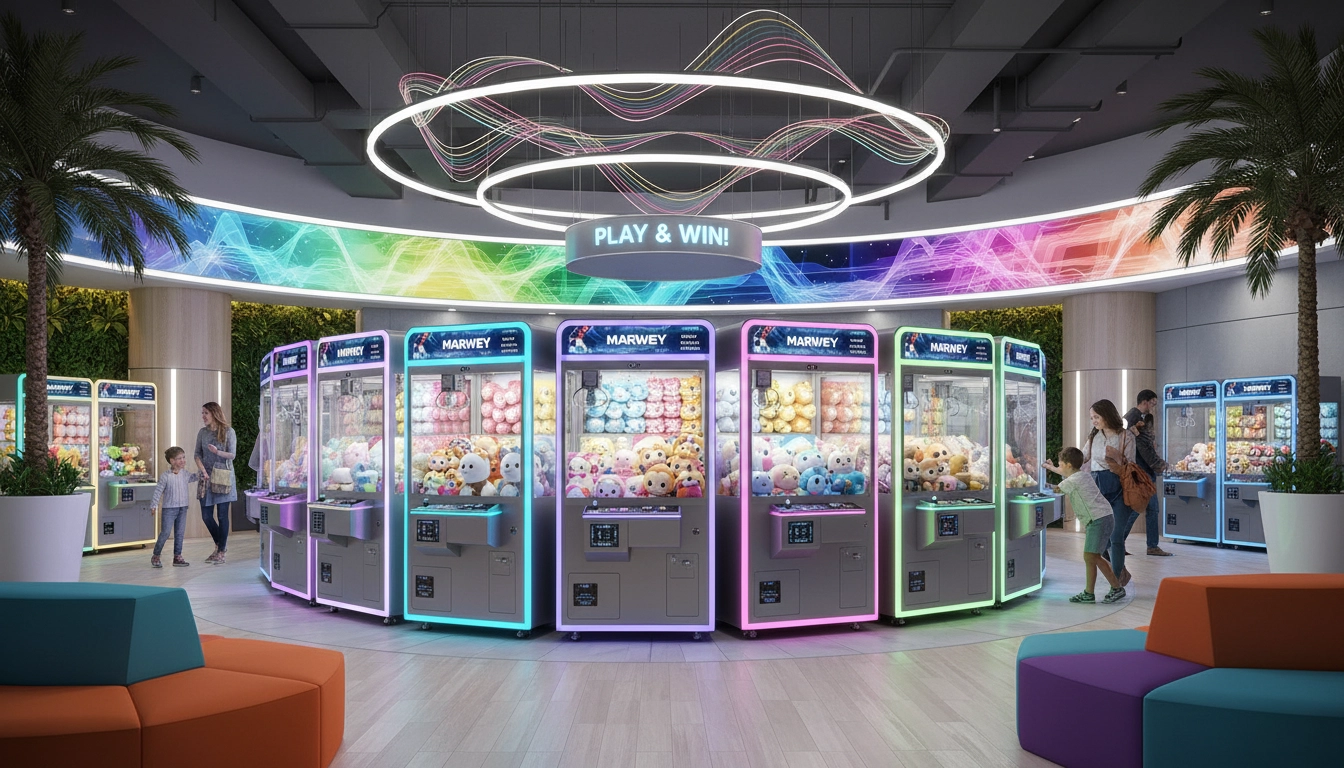
The Impact of Surrounding Decor on the Perceived Value of a Claw Machine!
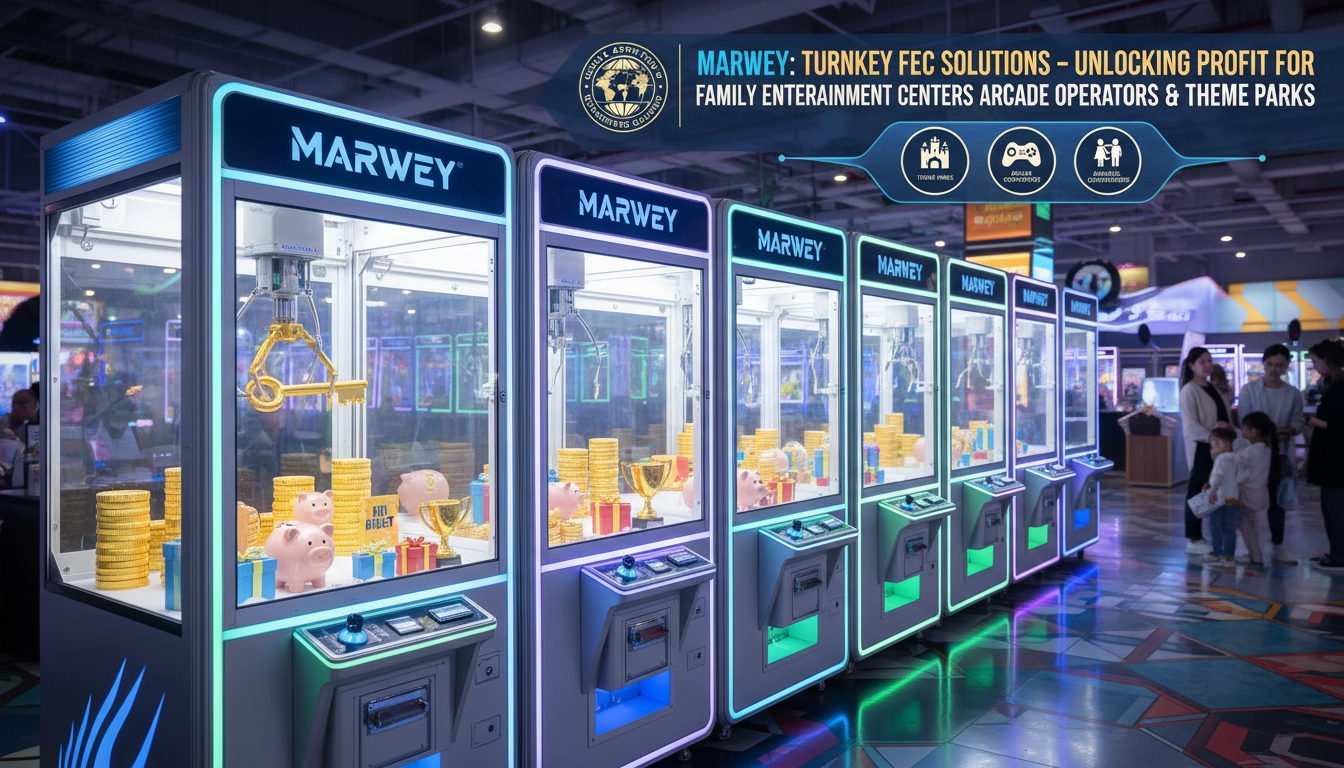
Insights: The Economic Advantages of Standardizing Your Claw Machine Fleet Model
Technical Support
What network infrastructure is needed for MARWEY arcade systems?
A stable broadband internet connection with minimum 10 Mbps download speed is recommended for optimal performance. Machines can operate via WiFi or ethernet connection, with built-in network management systems for monitoring and diagnostics. We provide network setup assistance and ongoing connectivity support to ensure reliable operation.
Indoor Trampoline Park
How much space do you need for a trampoline park?
A commercial trampoline park requires a significant facility size and high ceiling height for safe operation.
- Minimum Size Recommendation: The International Adventure & Trampoline Association (IATP) suggests business owners secure a building with a minimum of 18,000 square feet (approx. 1,672 square meters).
- Optimal Size for FECs: Many modern parks and franchises prefer larger spaces, often starting from 25,000 to 35,000+ square feet.
- Ceiling Height: A critical factor is the ceiling height, which should be at least 17 to 18 feet (approx. 5.2 to 5.5 meters) from the floor to the lowest obstruction for safe jumping.
- Trampoline Area: The actual trampoline area typically accounts for about 45% to 50% of the total venue space.
Services & Support
Does MARWEY offer training for arcade operation staff?
Yes, we provide comprehensive training programs covering machine operation, basic maintenance, customer service best practices, revenue optimization strategies, and troubleshooting procedures. Training can be conducted on-site or at our facilities, with ongoing educational resources and certification programs available for staff development.
Family Entertainment Center
What new technology is driving FEC growth?
Growth is heavily fueled by immersive technologies. This includes Location-Based Virtual Reality (LBVR) experiences, digitally-integrated active play structures, and interactive projection mapping games. These attractions command higher prices, offer unique, repeatable experiences, and appeal strongly to the older teen and young adult demographic.
How big is the family entertainment center market?
The Family Entertainment Center (FEC) market is a robust and high-growth global industry.
Currently, the global market value is estimated to be around $35 Billion USD and is expanding quickly. Analysts project that this market will continue to grow at a Compound Annual Growth Rate (CAGR) between 9% and 12% over the next decade, potentially reaching over $60 Billion to $100 Billion USD by the early 2030s.
This significant growth is driven by increasing consumer demand for experience-based leisure, the integration of high-tech attractions (like VR), and the popularity of hybrid centers that cater to all ages. Investing in this market with reliable, cutting-edge attractions, such as those supplied by MARWEY, positions a new facility to capture this expanding demand.
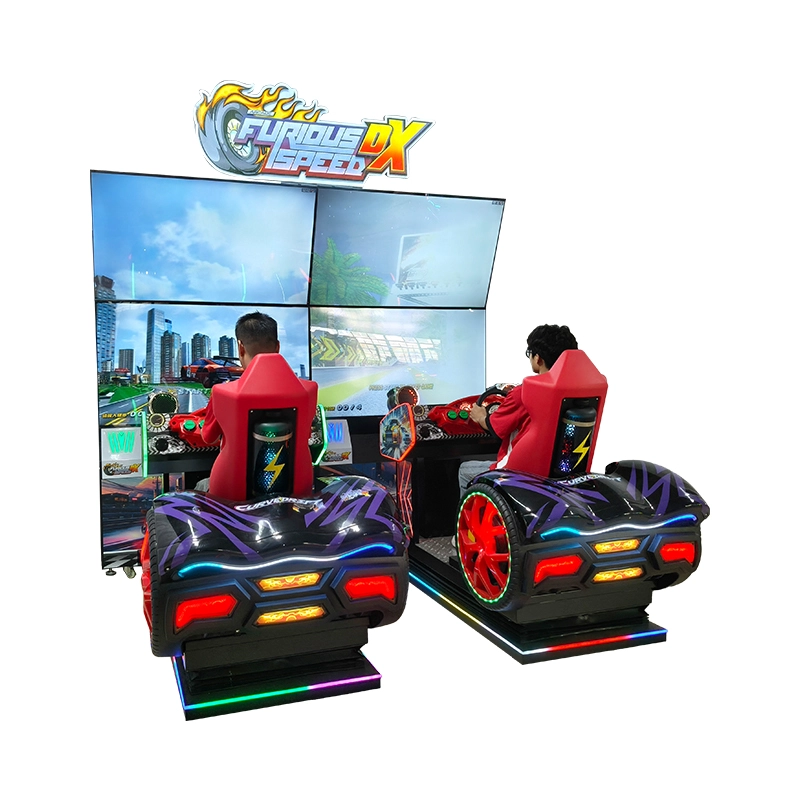
Marwey Hot Sale Four 55 Inch Screens 2 Players Racing Simulator Coin Operated Driving Car Game Machine
Marwey Hot Sale Four 55 Inch Screens 2 Players Racing Simulator Coin Operated Driving Car Game Machine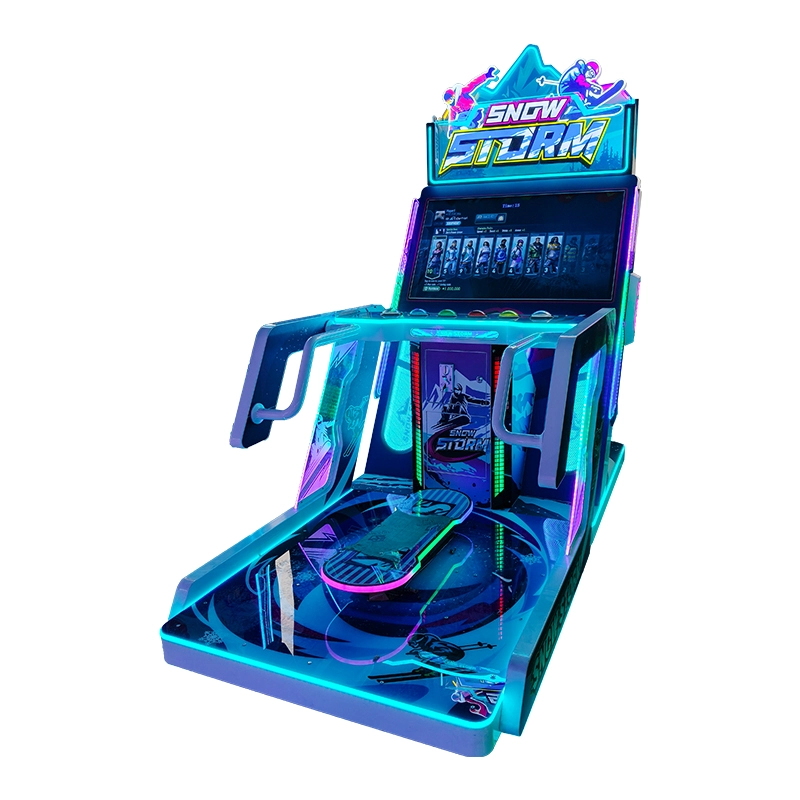
Marwey Coin Operated Indoor Skiing Simulator 47 Inches Snowstorm Ski Track Arcade Sports Machine
Marwey Coin Operated Indoor Skiing Simulator 47 Inches Snowstorm Ski Track Arcade Sports Machine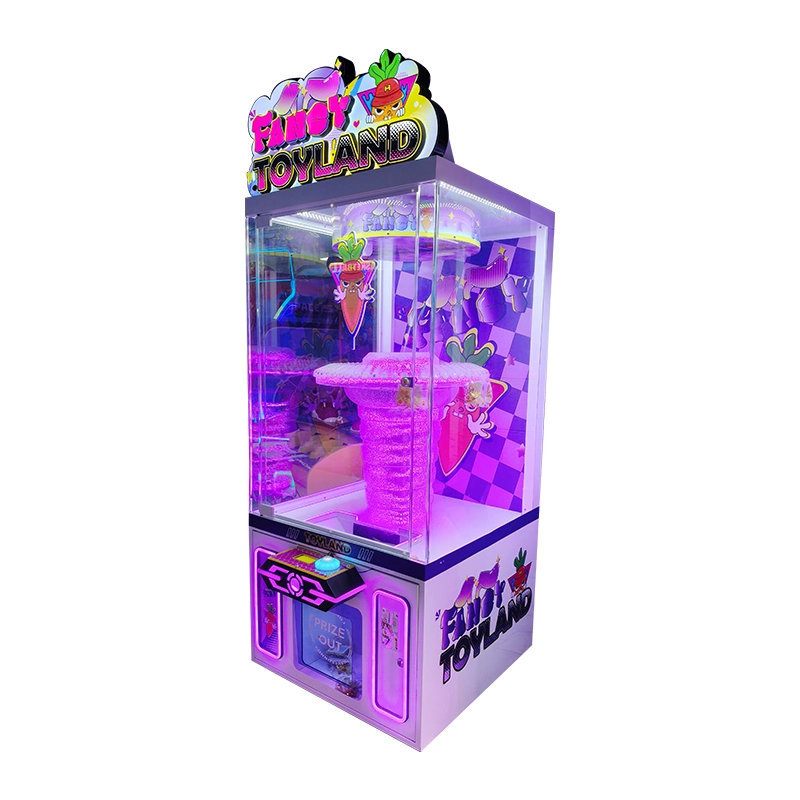
Marwey Customizable Personalized Clip Prize Machine Coin Operated Gift Amusement Vending Game Machine
Marwey Customizable Personalized Clip Prize Machine Coin Operated Gift Amusement Vending Game Machine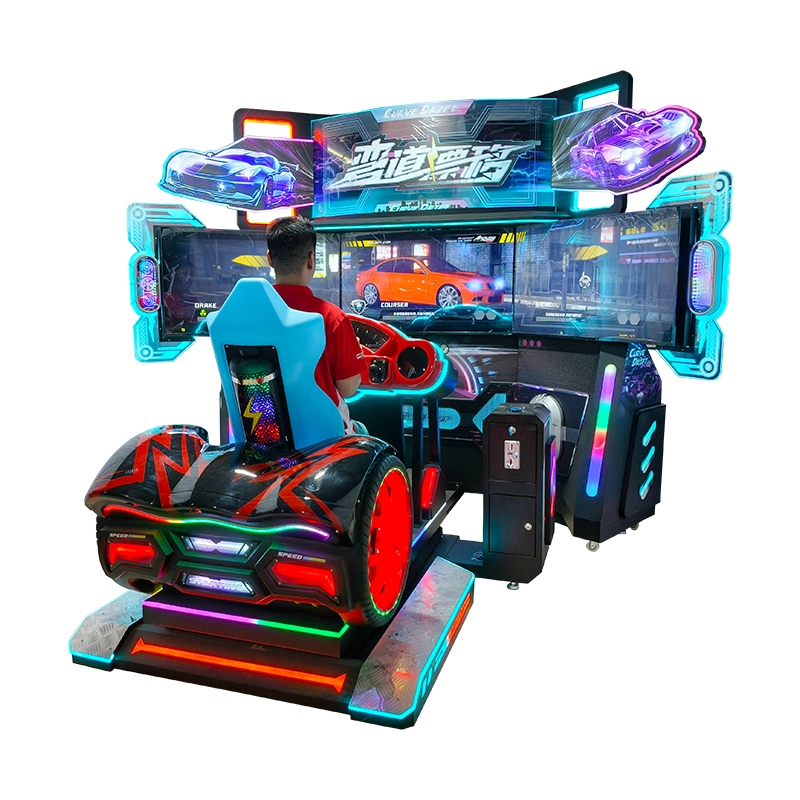
Marwey Coin Operated 49 Inch 3 Screens Motion Racing Simulator Cheap Sale Gaming Video Game Machine
Marwey Coin Operated 49 Inch 3 Screens Motion Racing Simulator Cheap Sale Gaming Video Game Machine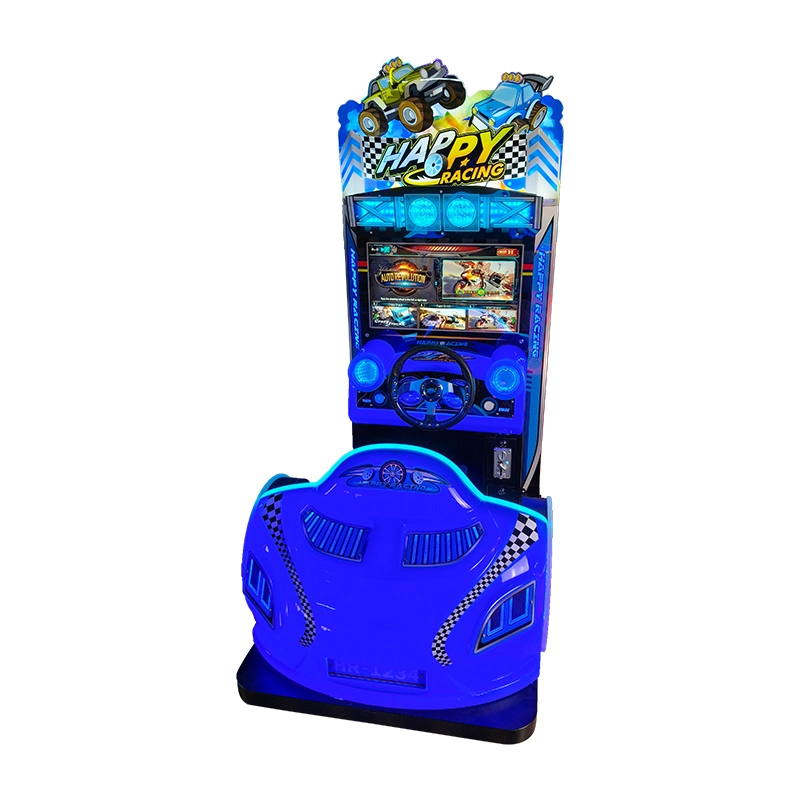
Marwey 27 Inch Screen Kids Racing Car Games Simulator High Quality Coin Operated Children's Racing Machine
Marwey 27 Inch Screen Kids Racing Car Games Simulator High Quality Coin Operated Children's Racing Machine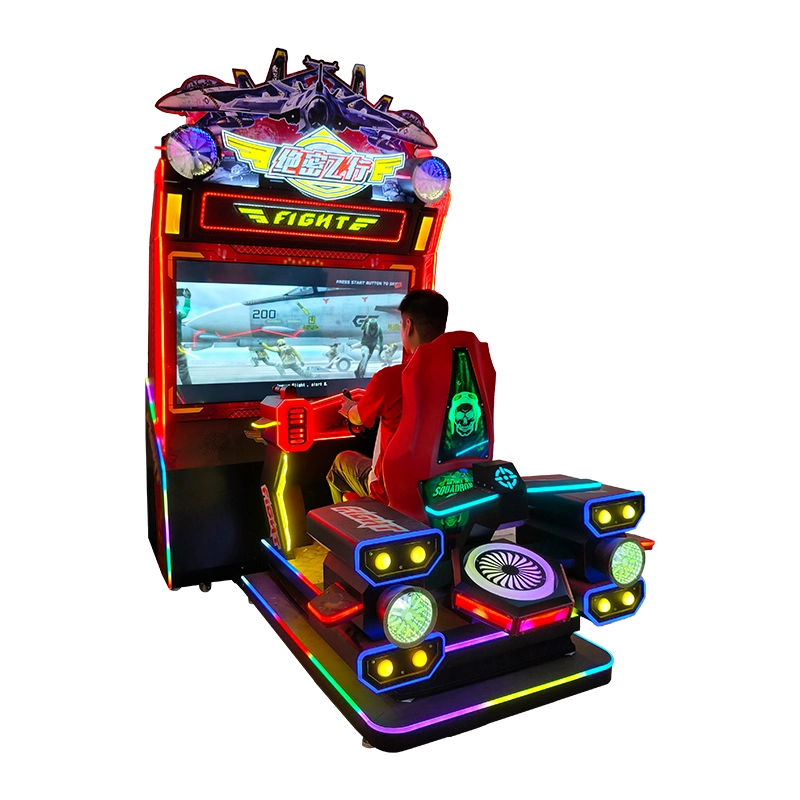
Marwey Coin Operated Driving Shooting Simulator Commercial Indoor Arcade Shooting Games for Cheap Price
Marwey Coin Operated Driving Shooting Simulator Commercial Indoor Arcade Shooting Games for Cheap Price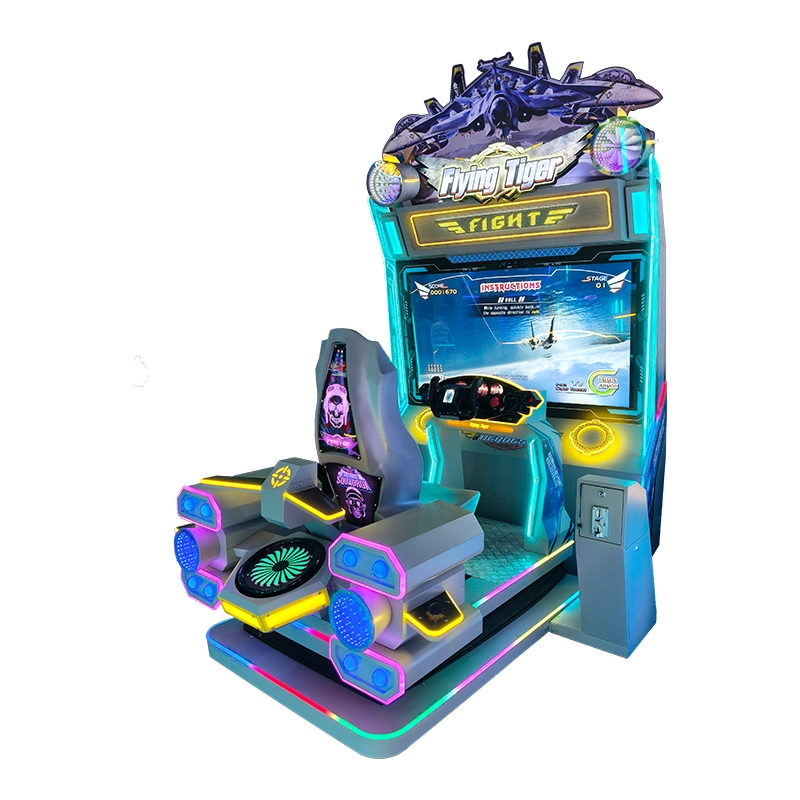
Marwey 65 Inch Screen Shooting Driving Arcade Machine Commercial Indoor Coin Operated for Cheap Sale
Marwey 65 Inch Screen Shooting Driving Arcade Machine Commercial Indoor Coin Operated for Cheap Sale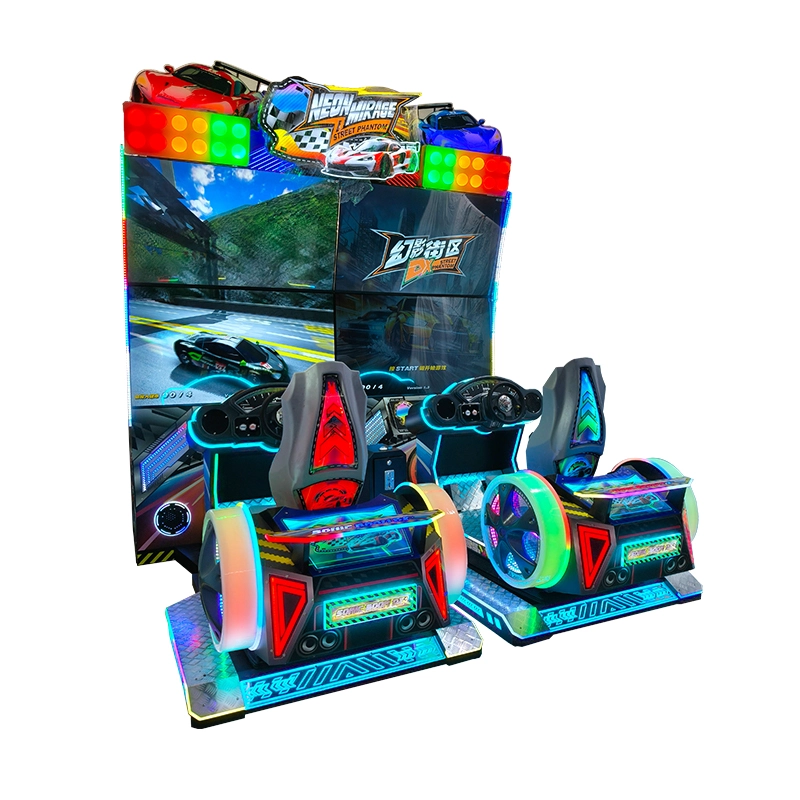
Marwey Hot Sale Coin Operated High Quality Racing Game Machine 2 Players 4 Screens Driving Simulator
Marwey Hot Sale Coin Operated High Quality Racing Game Machine 2 Players 4 Screens Driving SimulatorWant to know more industry information?
If you have any comments or good suggestions, please leave us a message; later our professional staff will contact you as soon as possible.
◼ Contact MARWEY
WhatsApp: +86 189 2218 4260
Floor 2, Building E, Hengran Creative Park, Shixin Road, Panyu District, Guangzhou, Guangdong, China.
© 2025 MARWEY. All Rights Reserved.

MARWEY
MARWEY
MARWEY
MARWEY
MARWEY
MARWEY