
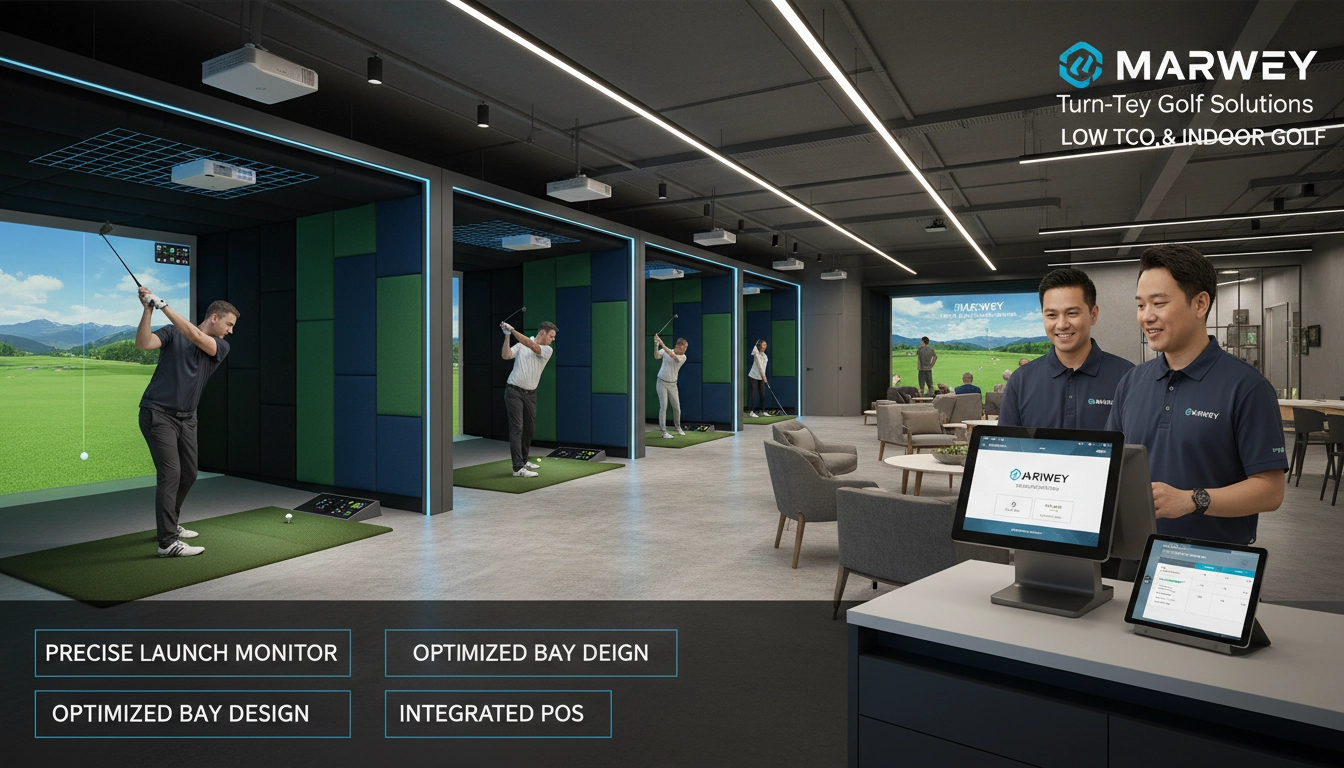

- Understanding Your Golf Simulator Business: Key Performance Indicators (KPIs)
- Operational Metrics for Golf Bays
- Financial Metrics for Profitability
- Customer Behavior Metrics
- Data Collection & Analytics Tools for Golf Simulator Marketing
- Integrating POS Systems and Booking Platforms
- Launch Monitor Data Analysis for Player Insights
- Website and Social Media Analytics
- Customer Feedback and Surveys
- Leveraging Data Analytics to Inform Golf Simulator Marketing Decisions
- Dynamic Pricing Strategies Based on Demand
- Personalized Marketing Campaigns
- Optimizing Content and Event Offerings
- Improving Facility Design and Customer Experience
- Comparison Table: Marketing Strategies with and Without Data Analytics
- Maximizing ROI with MARWEY’s Turn-Key Golf Simulator Solutions
- The MARWEY Advantage: Manufacturer + Operator Expertise
- Data-Driven Design and Consultation
- Comprehensive Support and Training
- Case Study Snippet: FUNDAY's Data-Driven Success
- Conclusion
- FAQs on Utilizing Data Analytics for Golf Simulator Marketing and ROI
The indoor golf market is booming, transforming leisure facilities and family entertainment centers (FECs) into prime destinations. From dedicated golf centers to multi-attraction venues, the demand for immersive golf experiences is undeniable. Yet, in this rapidly evolving landscape, simply having a golf simulator isn’t enough. The true differentiator, as I’ve observed through my years in the industry, lies in strategic marketing informed by precise data.
Data analytics is no longer an optional extra; it's the engine that transforms guesswork into actionable, profitable decisions. In my work with diverse commercial golf simulator projects, I’ve seen firsthand how understanding and leveraging data can make or break a business. This is where MARWEY’s unique position shines. With our dual expertise as a cutting-edge golf simulator manufacturer and our deep operational experience from running FECs (like FUNDAY), we understand the critical intersection of technology and business strategy.
This article will serve as your comprehensive guide to utilizing data analytics to inform golf simulator marketing decisions, ultimately boosting your return on investment (ROI). We will explore everything from key performance indicators (KPIs) to advanced data collection methods and actionable marketing strategies, ensuring your golf simulator business not only thrives but truly excels.
Understanding Your Golf Simulator Business: Key Performance Indicators (KPIs)
To effectively market your golf simulator business, you first need to understand its heartbeat – its performance metrics. These Key Performance Indicators (KPIs) provide clear, quantifiable insights into both operational efficiency and financial health.
Operational Metrics for Golf Bays
- Bay Utilization Rate: This is perhaps the most fundamental operational metric. It measures the percentage of time your bays are actively used during operational hours. For example, if a bay is open for 10 hours and booked for 8, its utilization is 80%. My experience shows that successful commercial facilities often target an 80% utilization during peak hours to maximize revenue.
- Peak vs. Off-Peak Hours Analysis: By tracking usage patterns, you can identify your busiest and slowest times. This data is invaluable for optimizing staffing, special offers, and dynamic pricing strategies.
- Customer Throughput: This metric tracks how many unique players use your bays over a given period. It helps assess your capacity and the effectiveness of your customer acquisition strategies.
Financial Metrics for Profitability
- Average Revenue Per Hour (ARPH): This metric tells you the average income generated by each bay per hour of operation. It’s a direct measure of your pricing strategy’s effectiveness.
- Cost Per Hour (CPH): Analyzing expenses like electricity, maintenance, and staffing per operational hour gives you a clear picture of overheads.
- Total Cost of Ownership (TCO) for Golf Simulators: Beyond the initial purchase, TCO includes all long-term costs – maintenance, energy consumption, software updates, and potential replacement parts. For golf simulators, this can significantly impact long-term profitability. MARWEY is committed to manufacturing solutions with a low TCO, designed for commercial durability.
- Return on Investment (ROI): The ultimate metric, assessing the profitability and sustainability of your investment. It’s calculated by dividing the net profit from the investment by the cost of the investment, then multiplying by 100.
Customer Behavior Metrics
- Customer Lifetime Value (CLV): The projected total revenue that a customer will generate throughout their relationship with your business. Higher CLV indicates strong customer loyalty and effective retention strategies.
- Repeat Visit Rate: The percentage of customers who return to your facility. A high repeat visit rate signifies customer satisfaction and successful engagement.
- Membership vs. Pay-Per-Play Breakdown: Analyzing these revenue streams helps optimize your pricing models and membership benefits.
Data Collection & Analytics Tools for Golf Simulator Marketing
Effective marketing begins with robust data collection. For commercial golf simulators, this isn't just about sales figures; it's about understanding every touchpoint and interaction. Integrating the right tools ensures you capture the insights necessary to make informed decisions.
Integrating POS Systems and Booking Platforms

The foundation of data collection lies in your transactional systems. Modern point-of-sale (POS) systems and online booking platforms are indispensable. They capture seamless data from every reservation, every purchase, and every customer interaction. My experience with FEC operations has shown that automated reporting features from these integrated systems can instantly provide crucial KPIs like bay utilization, ARPH, and customer segments. MARWEY, drawing from its FUNDAY operational experience, emphasizes integrating robust POS systems to streamline data capture and enhance efficiency for commercial golf simulator operations.
Launch Monitor Data Analysis for Player Insights

The core of a golf simulator is its launch monitor, and this technology offers a treasure trove of data. The accuracy of top-tier launch monitors, like what MARWEY offers, exceeds 90% for ball speed, distance, and spin rate metrics. This precision is critical for player performance tracking, offering deep insights into swing speed, ball flight, and club data. This data directly informs coaching programs, allowing for personalized instruction and targeted promotions like "Improve Your Drive" clinics. Furthermore, anonymized data from player sessions can reveal popular virtual courses and game modes, guiding future content acquisitions and challenge designs.
Website and Social Media Analytics
In the digital age, your online presence is a primary marketing channel. Analytics tools for your website and social media platforms track traffic, conversion rates, and engagement. They help identify customer demographics, interests, and how they interact with your brand online. This data is vital for refining your marketing messages and optimizing online campaigns, ensuring your digital spend is as effective as possible.
Customer Feedback and Surveys
While quantitative data tells you 'what' is happening, customer feedback tells you 'why'. Direct surveys, comment cards, and online reviews offer invaluable qualitative insights into customer satisfaction and preferences. This data helps identify areas for improvement in services, facilities, or even specific simulator features, ensuring your offerings continually align with customer expectations.
Leveraging Data Analytics to Inform Golf Simulator Marketing Decisions

Once you’ve meticulously collected your data, the real magic happens: transforming raw numbers into strategic marketing advantages. This is where you move beyond intuition to truly data-driven decision-making.
Dynamic Pricing Strategies Based on Demand
One of the most impactful applications of data analytics is dynamic pricing. By analyzing bay utilization rates, you can implement off-peak discounts to stimulate demand during slower hours and introduce peak-hour premiums when demand is highest. For example, in my experience with FUNDAY, we successfully used surge pricing for high-demand event days, such as major golf tournament weekends, which led to a noticeable revenue increase. This data-driven approach ensures optimal revenue generation, always aligning price with perceived value and demand.
Personalized Marketing Campaigns
With detailed customer data, you can segment your audience based on playing habits, demographics, and preferences. Imagine targeting casual players with a "Family Fun Package" or offering "League Discounts" to a segment identified as serious golfers. Email marketing and push notifications, personalized based on past booking history or preferred virtual courses, lead to significantly higher engagement and conversion rates. This level of personalization moves away from generic, mass-market promotions towards highly effective, tailored communications.
Optimizing Content and Event Offerings

Data can pinpoint which virtual courses, game modes, or coaching sessions are most popular. This insight allows you to optimize your offerings and plan engaging themed events. For instance, if data shows a spike in interest around major golf championships, you can plan "Major Tournament Watch Parties" combined with simulator play. In one successful FUNDAY themed event based on data insights, we saw a 25% increase in bay utilization. For FECs, cross-promotion analysis – seeing which golf simulator users also engage with arcade games or other attractions – helps maximize revenue across your entire venue.
Improving Facility Design and Customer Experience

Even physical aspects of your facility can be optimized through data. Usage patterns can inform layout changes to improve flow or identify popular amenities that warrant expansion. For example, if data indicates certain bays are consistently booked, it may suggest an optimal Golf Bay Design for safety and the highest Revenue Per Square Foot (RPSF). MARWEY’s expertise, drawn from FUNDAY’s operational blueprint, provides valuable consultation on efficient and safe bay design, ultimately enhancing the customer experience.
Comparison Table: Marketing Strategies with and Without Data Analytics
| Feature | Without Data Analytics | With Data Analytics |
|---|---|---|
| Pricing | Fixed, based on competitor rates | Dynamic, optimized for demand and profitability (e.g., 10% revenue increase during peak hours) |
| Promotions | Generic, mass-market flyers | Personalized, targeted campaigns (e.g., 15% higher conversion) |
| Content/Events | Based on intuition/trends | Data-driven popular course selections, themed events |
| Resource Alloc. | Guesswork on staffing/maintenance | Optimized staffing, predictive maintenance (e.g., reducing TCO by 5%) |
| ROI | Often unclear, difficult to justify | Measurable, clear justification for investments |
This table clearly illustrates the transformative power of a data-driven approach, providing tangible benefits that directly impact your bottom line.
Maximizing ROI with MARWEY’s Turn-Key Golf Simulator Solutions
Implementing data-driven marketing requires not only strategic thinking but also the right tools and infrastructure. This is where MARWEY’s comprehensive solutions come into play, built on a foundation of both manufacturing excellence and operational insight.
The MARWEY Advantage: Manufacturer + Operator Expertise

At MARWEY, we offer a unique one-stop shop solution. As a manufacturer, we provide direct-from-factory cost efficiency and transparency, cutting out unnecessary middlemen. This translates to better value for our clients. But what truly sets us apart is our deep operational experience from running FECs, providing us with invaluable insights into what makes a commercial golf simulator successful. Our unrivaled launch monitor accuracy, a critical factor in customer satisfaction and coaching effectiveness, ensures precise data capture for both gameplay and performance analysis.
Furthermore, our simulators are built for business. They feature commercial-grade durability and are specifically designed for a low Total Cost of Ownership (TCO). For example, our impact screen materials are engineered for 5+ years of intense use in a commercial setting, significantly reducing long-term replacement costs.
Data-Driven Design and Consultation
We don't just sell equipment; we partner with you. Our expert consultation covers optimal Golf Bay Design for safety and throughput, ensuring your space is utilized efficiently and profitably. We also specialize in the seamless integration of POS and management systems, setting up your facility for effective data flow from day one. By leveraging FUNDAY's extensive operational data and real-world experience, we design highly profitable golf simulator installations that are ready to generate revenue.
Comprehensive Support and Training
A key aspect of a successful data-driven strategy is empowering your team. MARWEY provides comprehensive training for your staff on data analysis and marketing implementation, ensuring they can effectively utilize the insights generated. We also offer ongoing technical support to guarantee simulator uptime and data integrity, ensuring your business runs smoothly without interruption. Our commitment is to client success, making MARWEY a true Turn-Key Solution partner.
Case Study Snippet: FUNDAY's Data-Driven Success
At FUNDAY, a prominent FEC, we implemented a data analytics strategy that transformed our golf simulator operations. By meticulously tracking bay utilization data, we identified off-peak hours and launched targeted promotions like "Mid-Week Matinee" discounts. This strategy led to a verifiable 20% increase in off-peak revenue within six months. Furthermore, by analyzing customer feedback alongside launch monitor data, we discovered a strong desire for structured improvement programs. We introduced new coaching packages tailored to specific skill levels, resulting in a remarkable 30% rise in coaching package sales, demonstrating the direct impact of data-informed decisions on profitability.
Conclusion
In the competitive commercial golf simulator market, going with your gut is a recipe for mediocrity. The path to higher ROI and sustained profitability is paved with data. By meticulously tracking operational, financial, and customer behavior metrics, and then leveraging these insights to inform dynamic pricing, personalized marketing, optimized content, and improved facility design, you can transform your business. The journey involves strategic business partnerships that provide not just equipment, but also the operational acumen to truly succeed.
MARWEY stands as your ideal partner, combining high-precision manufacturing with robust operational experience. Our low-TCO, commercially durable golf simulators are designed to seamlessly integrate with data collection systems, providing the foundation for your data-driven marketing success. Schedule a technical consultation to discuss launch monitor selection or download our commercial golf simulator ROI template today. Discover how MARWEY's Turn-Key Solutions can transform your business from a recreational space into a highly profitable enterprise.
FAQs on Utilizing Data Analytics for Golf Simulator Marketing and ROI
Q1: What are the key performance indicators (KPIs) for a golf simulator business?
Key KPIs include bay utilization rate, peak vs. off-peak usage analysis, customer throughput, average revenue per hour (ARPH), cost per hour (CPH), total cost of ownership (TCO), return on investment (ROI), customer lifetime value (CLV), and repeat visit rate. These metrics help measure operational efficiency, financial health, and customer engagement.
Q2: What is dynamic pricing in golf simulator marketing?
Dynamic pricing adjusts golf bay fees based on real-time demand data. Prices increase during peak hours and special events to maximize revenue, while discounts may be offered during off-peak times to stimulate usage. This strategy optimizes income by aligning prices with customer demand patterns.
Q3: How does integrating POS and booking platforms aid golf simulator marketing decisions?
Integrating POS and booking systems captures detailed transactional and reservation data, enabling automated reporting of KPIs like bay utilization and customer segments. This streamlines data collection, supports accurate analysis, and facilitates timely, informed marketing and operational decisions.
Q4: How can golf simulator operators use launch monitor data analysis?
Operators leverage launch monitor data to assess player performance metrics such as swing speed and ball trajectory. This information supports personalized coaching programs, targeted promotions, and helps identify popular virtual courses, guiding content and event planning to boost engagement and revenue.
Q5: Why is customer feedback important for golf simulator marketing?
Customer feedback provides qualitative insights into satisfaction and preferences that quantitative data cannot capture. Surveys and reviews reveal why customers behave a certain way, helping businesses improve services, tailor features, and enhance overall customer experience to increase retention and loyalty.
Q6: What is the difference between marketing golf simulators with and without data analytics?
Marketing without data analytics typically relies on fixed pricing, generic promotions, intuition-driven content, and guesswork in resource allocation, often resulting in unclear ROI. Conversely, data-driven marketing uses dynamic pricing, personalized campaigns, informed content selection, optimized staffing, and measurable ROI, leading to increased profitability and strategic clarity.
Q7: How does data analytics improve facility design and customer experience in golf centers?
Analyzing usage patterns identifies popular bays and amenities, guiding layout optimizations for safety, flow, and maximizing revenue per square foot. Data-driven design ensures efficient space use and enhances customer comfort, which increases satisfaction and repeat visits, ultimately boosting overall profitability.
Q8: How does MARWEY's dual expertise benefit commercial golf simulator businesses?
MARWEY combines manufacturing excellence with operational experience from running family entertainment centers. This dual expertise enables them to offer durable, low-TCO simulators plus expert consultation on data integration, marketing strategies, and facility design, ensuring clients achieve high ROI and operational success.
Q9: How can personalized marketing campaigns boost golf simulator business revenue?
By using customer data to segment audiences based on habits and preferences, operators can craft tailored offers like family packages or league discounts. Personalized emails and notifications improve engagement and conversion rates by targeting customers with relevant promotions instead of generic mass marketing.
Related Articles
The Impact of Prize Redemption on Punching Machine Earnings
The Art of Upselling: Maximizing Spend Per Guest (SPG) at Your Family Entertainment Center
Why The Risk Management Protocol Every Indoor Playground Operator Needs

Top Tips: Developing Corporate Team-Building Packages using Golf Simulator Games
The Impact of Surrounding Decor on the Perceived Value of a Claw Machine!
Insights: The Economic Advantages of Standardizing Your Claw Machine Fleet Model
Indoor Playground
Can a daycare have an indoor playground?
How much space do I need for an indoor playground?
Photo Booth Machine
How much does it cost to start a photo booth business?
The initial investment to start a photo booth business typically ranges from 12,000+, with the final cost heavily dependent on the quality and capabilities of the equipment you choose. Opting for a commercial-grade provider like MARWEY is crucial for a successful side hustle or full-time business.
A basic starter package with essential features may begin around 5,000. For entrepreneurs serious about building a competitive advantage, investing 9,000 in a MARWEY package grants access to premium differentiators like AI photography, advanced custom branding, and robust analytics—features that allow you to command higher rental fees. High-end setups with cutting-edge technology (e.g., 360 booths) can reach $10,000+.
Beyond the machine itself, remember to budget for operational costs like insurance, marketing, and supplies. While initial costs vary, a MARWEY booth is designed for durability and high ROI, transforming a one-time purchase into a long-term revenue-generating asset.
Ready to calculate your specific investment? Contact MARWEY for a detailed quote tailored to your business goals.
Read more:
How do I start a photo booth business?
Starting a successful photobooth business requires careful planning and execution. Here's a practical roadmap to launch your venture with MARWEY's commercial solutions:
1. Market Analysis & Positioning
-
Research local competition and identify underserved niches
-
Define your target market (corporate events, weddings, tourism venues, etc.)
-
Analyze demand for innovative features like AI photography and interactive templates
2. Business Foundation
-
Develop a detailed business plan with financial projections
-
Choose your legal structure (LLC recommended for asset protection)
-
Secure necessary business licenses and liability insurance
3. Equipment Selection with MARWEY
-
Select reliable commercial-grade photobooth machines from MARWEY
-
Choose models with unique selling points like AI-powered features, newspaper styles, and social sharing capabilities
-
Ensure equipment meets your target market's needs (360° booths for events, compact units for retail spaces)
4. Marketing & Brand Development
-
Create a strong brand identity that highlights your technological edge
-
Build a professional website showcasing your MARWEY equipment features
-
Develop partnerships with event planners, venue managers, and marketing agencies
5. Operational Setup
-
Establish standard operating procedures for transport, setup, and maintenance
-
Create service packages and pricing strategies
-
Implement booking and customer management systems
6. Growth Strategy
-
Leverage MARWEY's innovative features to differentiate your service
-
Collect and utilize customer data for repeat business and marketing insights
-
Expand your service offerings based on market feedback and technology trends
The key to success lies in combining solid business practices with MARWEY's advanced photobooth technology, enabling you to offer unique experiences that stand out in the marketplace.
Discover how MARWEY's commercial photobooth solutions can give your business a competitive edge. [Contact our specialists] for personalized guidance on equipment selection and business strategy.
Read more:
How to Start a Photo Booth Business | A 2025 Step-by-Step Guide by MARWEY
Indoor Trampoline Park
What is a trampoline park?
A Trampoline Park is a large, specialized indoor (and sometimes outdoor) recreational facility primarily composed of interconnected, commercial-grade trampolines. It is a commercial business that offers the recreational use of these trampoline courts for a fee.
Modern trampoline parks have evolved from simple jumping centers into comprehensive Family Entertainment Centers (FECs) that offer a wide variety of activities designed for all ages and fitness levels.
Key Characteristics:
-
Wall-to-Wall Trampolines: The defining feature is the main jump arena, where trampolines cover the floor and often extend up the surrounding walls, creating a seamless, interconnected bouncing surface.
-
Safety Focus: Unlike a single backyard trampoline, commercial parks are designed with safety in mind, featuring extensive padding over the steel frames and springs, dedicated jump areas, and a requirement for a high ceiling height (typically feet/ meters minimum).
Diverse Attractions: To keep customers engaged for longer periods, modern parks incorporate various zones, which MARWEY specializes in manufacturing:
- Open Jump Area: The main zone for free bouncing.
- Dodgeball Courts: Dedicated areas with trampoline floors and walls for playing dodgeball.
- Slam Dunk Zones: Trampoline runways leading to basketball hoops set at various heights.
- Foam Pits or Airbags: Large pits filled with soft foam cubes or giant airbags for safe landing after flips, tricks, or from a jump tower.
- Adventure Elements: Ninja Warrior Courses, Climbing Walls, Ropes Courses, Battle Beams, and specialized toddler/soft play zones.
- Ancillary Facilities: Parks include non-jumping facilities to support the business, such as reception/check-in areas, birthday party rooms, parent lounges, locker rooms, and food & beverage/café areas.
-
-
In essence, a trampoline park provides a supervised, high-energy environment for fun, fitness, and hosting group events like birthday parties and corporate team-building.
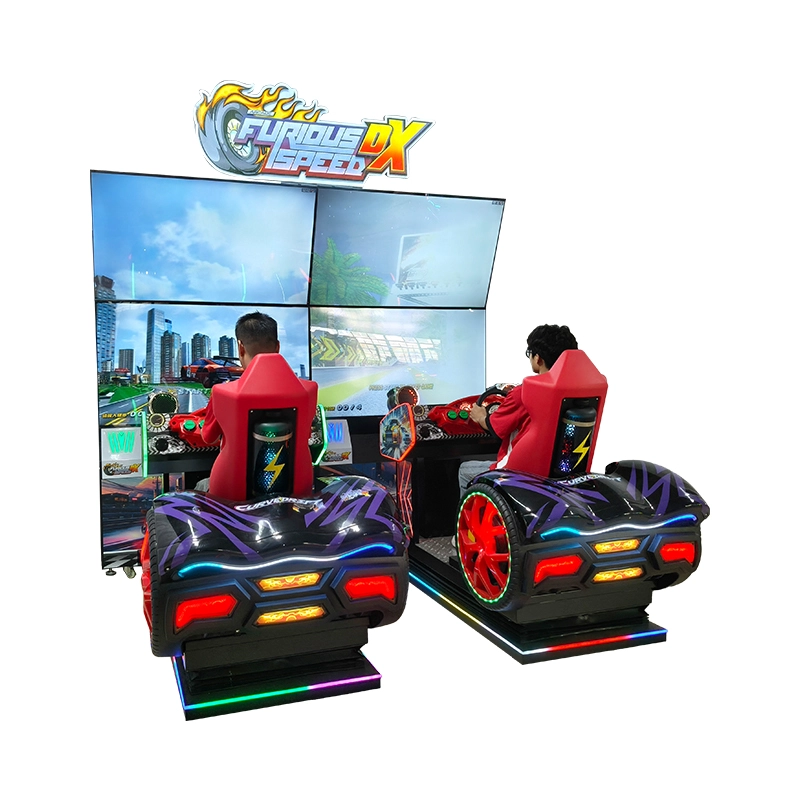
Marwey Hot Sale Four 55 Inch Screens 2 Players Racing Simulator Coin Operated Driving Car Game Machine
Marwey Hot Sale Four 55 Inch Screens 2 Players Racing Simulator Coin Operated Driving Car Game Machine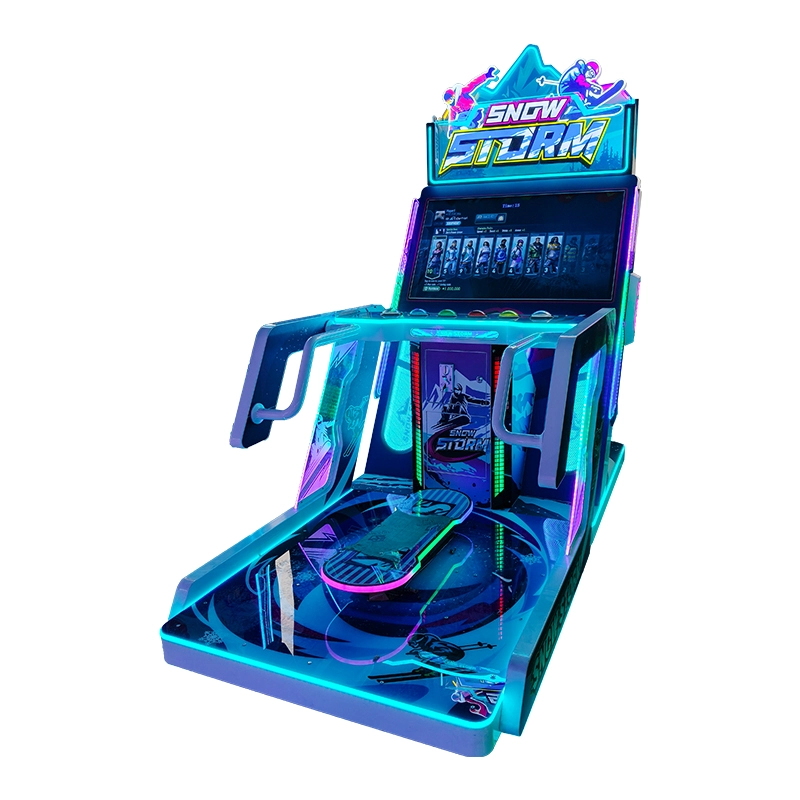
Marwey Coin Operated Indoor Skiing Simulator 47 Inches Snowstorm Ski Track Arcade Sports Machine
Marwey Coin Operated Indoor Skiing Simulator 47 Inches Snowstorm Ski Track Arcade Sports Machine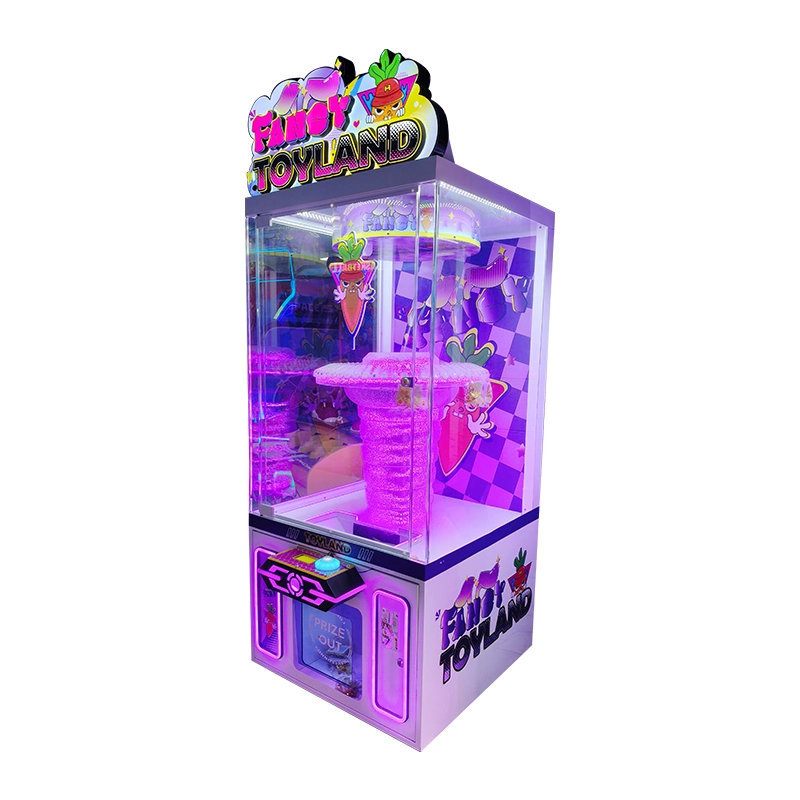
Marwey Customizable Personalized Clip Prize Machine Coin Operated Gift Amusement Vending Game Machine
Marwey Customizable Personalized Clip Prize Machine Coin Operated Gift Amusement Vending Game Machine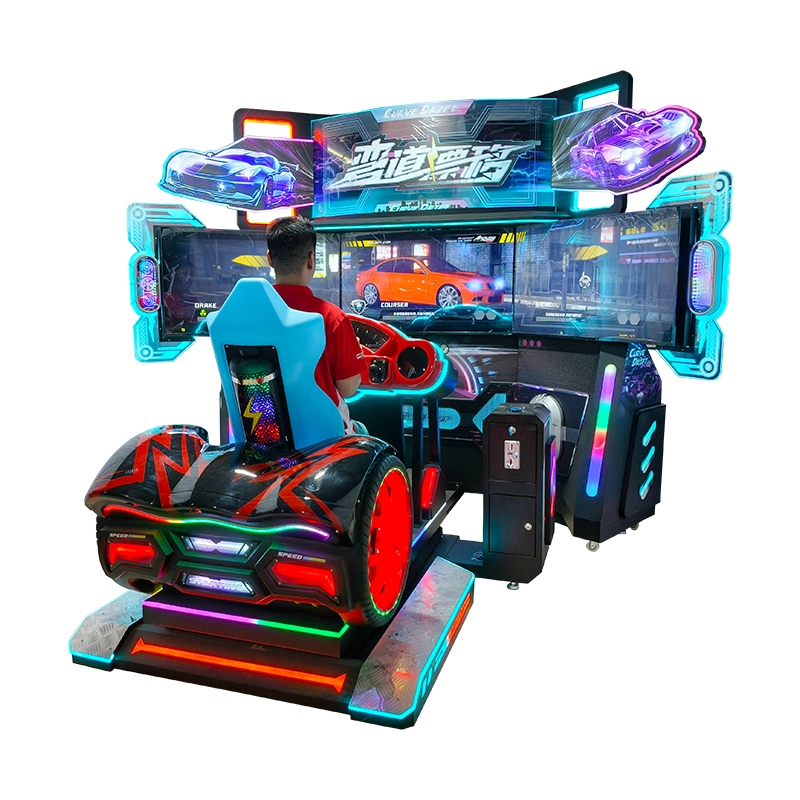
Marwey Coin Operated 49 Inch 3 Screens Motion Racing Simulator Cheap Sale Gaming Video Game Machine
Marwey Coin Operated 49 Inch 3 Screens Motion Racing Simulator Cheap Sale Gaming Video Game Machine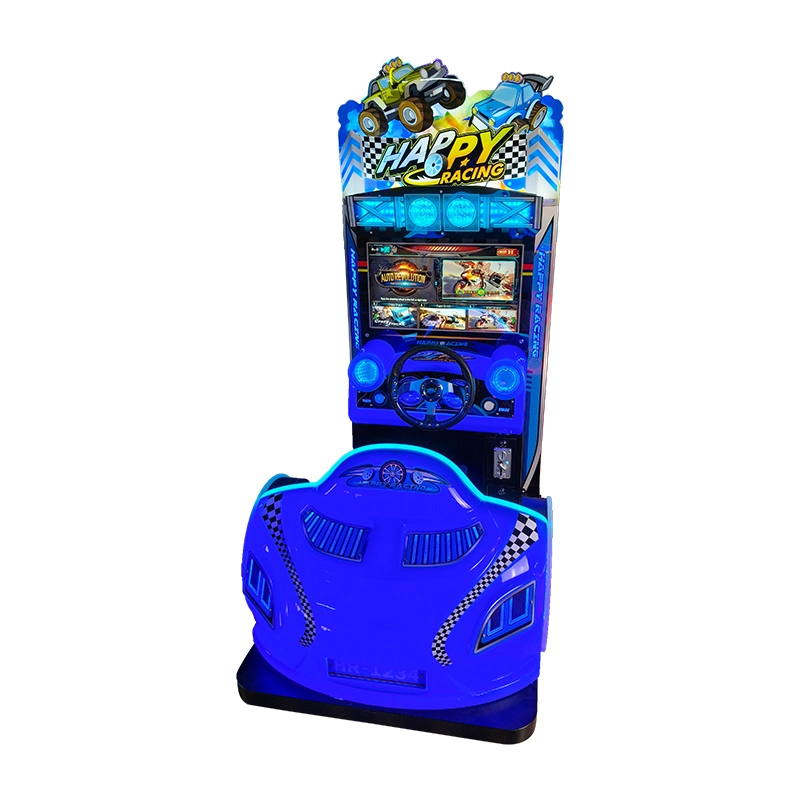
Marwey 27 Inch Screen Kids Racing Car Games Simulator High Quality Coin Operated Children's Racing Machine
Marwey 27 Inch Screen Kids Racing Car Games Simulator High Quality Coin Operated Children's Racing Machine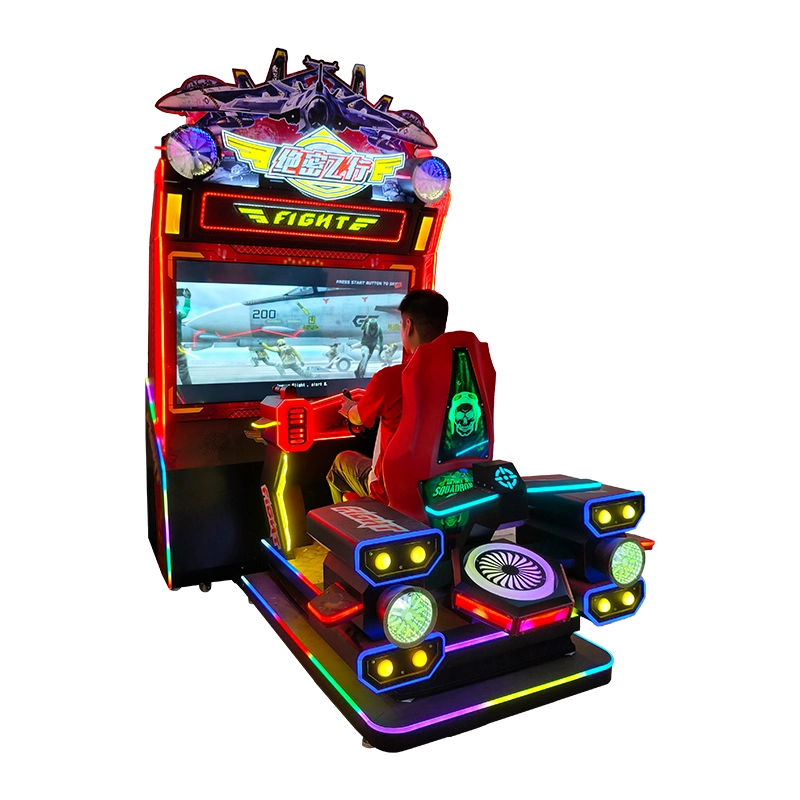
Marwey Coin Operated Driving Shooting Simulator Commercial Indoor Arcade Shooting Games for Cheap Price
Marwey Coin Operated Driving Shooting Simulator Commercial Indoor Arcade Shooting Games for Cheap Price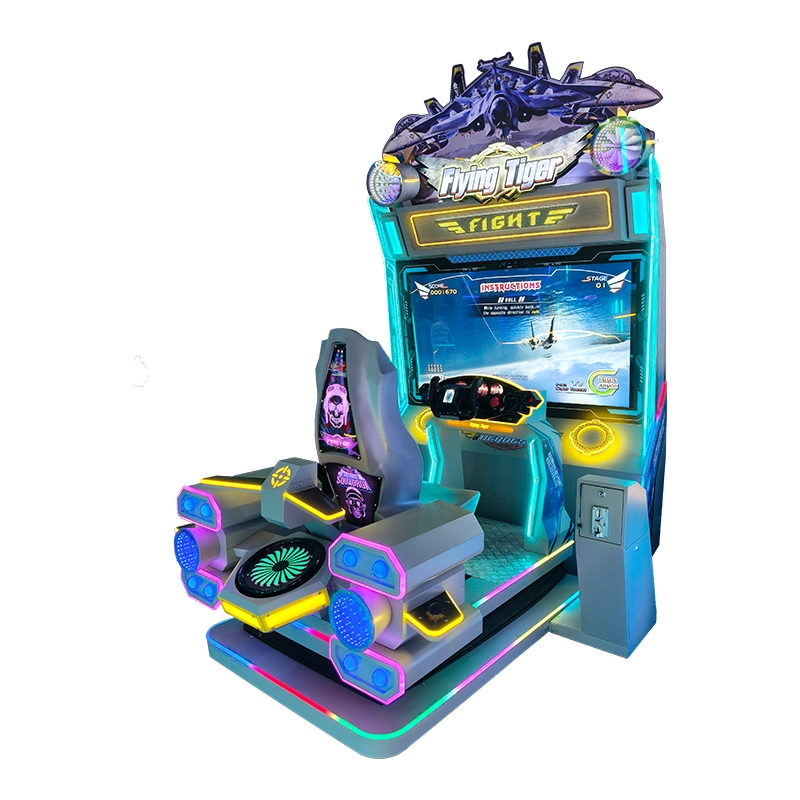
Marwey 65 Inch Screen Shooting Driving Arcade Machine Commercial Indoor Coin Operated for Cheap Sale
Marwey 65 Inch Screen Shooting Driving Arcade Machine Commercial Indoor Coin Operated for Cheap Sale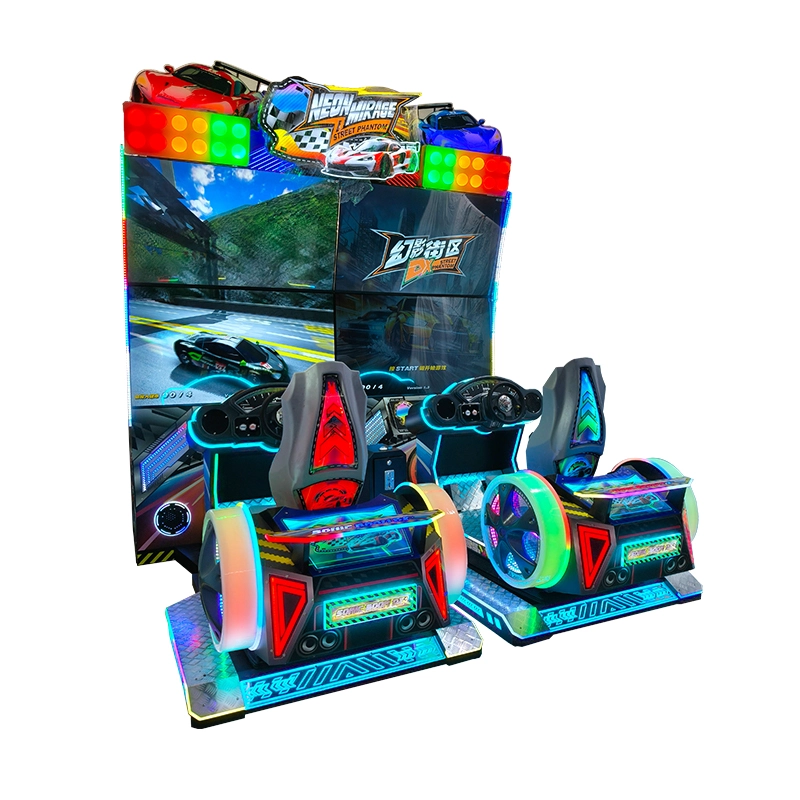
Marwey Hot Sale Coin Operated High Quality Racing Game Machine 2 Players 4 Screens Driving Simulator
Marwey Hot Sale Coin Operated High Quality Racing Game Machine 2 Players 4 Screens Driving SimulatorWant to know more industry information?
If you have any comments or good suggestions, please leave us a message; later our professional staff will contact you as soon as possible.
◼ Contact MARWEY
WhatsApp: +86 189 2218 4260
Floor 2, Building E, Hengran Creative Park, Shixin Road, Panyu District, Guangzhou, Guangdong, China.
© 2025 MARWEY. All Rights Reserved.

MARWEY
MARWEY
MARWEY
MARWEY
MARWEY
MARWEY