


- Is Owning an Arcade Worth It? A Data-Driven Guide to Modern FEC Investment
- TL;DR: Worth the Investment?
- ## The True Value Proposition: Beyond Quarters and Tickets
- ### 1. High-Margin Business Dynamics
- ### 2. Resilience and Growth in the Experience Economy
- ## Quantifying the Worth: ROI and Payback Period Analysis
- ### The Power of the High-Earning Unit
- ### The Opportunity Cost of Poor Sourcing
- ## A Step-by-Step Guide: Making Your Arcade Investment Worth It
- ### The MARWEY Project Success Blueprint
Is Owning an Arcade Worth It? A Data-Driven Guide to Modern FEC Investment
Yes, owning an arcade is an exceptionally worthwhile business venture in the modern Location-Based Entertainment (LBE) market, offering strong ROI, diversified revenue, and recession-resistant qualities.
The value, however, is not in the nostalgia of old-school coin-ops, but in the sophisticated model of the Family Entertainment Center (FEC). This model capitalizes on the human need for shared, tangible, out-of-home experiences that digital consumption cannot replicate.
For investors, the key to maximizing the "worth" of this venture is mitigating the single largest risk: equipment quality and sourcing. This is where the expertise of a global partner like MARWEY transforms a risky investment into a professional, high-yield asset.
TL;DR: Worth the Investment?
Owning a modern arcade is worth it because the business model generates high gross margins (often 80%+ on game play) and can achieve full capital payback on individual machines in 12-24 months. The true value lies in creating a highly desirable, social entertainment destination that attracts consistent foot traffic and repeat revenue. Success depends heavily on premium, high-earning equipment and expert operational strategy.
## The True Value Proposition: Beyond Quarters and Tickets
To determine if owning an arcade is "worth it," one must analyze the total ecosystem of a modern FEC, which offers compelling financial and lifestyle advantages over other small business ventures.
### 1. High-Margin Business Dynamics
The arcade sector’s profitability is rooted in low Cost of Goods Sold (COGS) relative to the price of play. Once the machine is purchased, the incremental cost of each play is negligible.
Data Point 1 (Game Gross Margin): The gross profit margin on digital game play in a card-swipe system environment is typically very high, often exceeding 80% to 90% before accounting for prizes in redemption games. This operational gearing is superior to most retail or food service businesses.
### 2. Resilience and Growth in the Experience Economy
The arcade industry has evolved from a pure gaming spot to an essential social hub. This shift makes it resilient, even during economic shifts, as consumers prioritize experiential spending.
- Social Fun: Arcades provide a communal, competitive environment that home consoles cannot replicate.
- Recession Resistance: Small, affordable outings often replace expensive vacations or luxury purchases during downturns, making FECs a reliable entertainment budget choice.
## Quantifying the Worth: ROI and Payback Period Analysis
The most critical measure of "worth" is the Return on Investment (ROI). Modern arcade machines, when properly selected, are highly capital efficient.
### The Power of the High-Earning Unit
The financial success is an aggregation of individual machine performance. Savvy operators seek machines that deliver a rapid return on initial investment.
Data Point 2 (Typical Payback Period): Industry standard ROI expectations suggest that a high-performing, popular arcade machine should achieve full capital payback within 12 to 24 months of operation. Machines that fall outside this window should be quickly identified and replaced.
### The Opportunity Cost of Poor Sourcing
The greatest threat to a healthy ROI, especially for international investors, is procuring low-quality, high-maintenance, or low-earning equipment.
| Investment Path | MARWEY (Strategic Sourcing) | Non-Vetted (Blind Sourcing) |
| Machine Selection | High-Earning, Data-Proven Units | Low-Cost, Unproven Units |
| Payback Period | 12-24 Months (Target) | 36+ Months or Never (Risk) |
| Downtime/Maintenance | Minimized due to QC & Vetting | High, due to poor component quality |
| Long-Term Value | High Resale Value, Extended Life | Low Resale Value, Early Obsolescence |
MARWEY’s specialization in global arcade foreign trade directly addresses this risk. Our EEAT-driven process vets thousands of manufacturers worldwide to select only the top-performing, most durable models, ensuring clients’ initial investment accelerates their path to profit.
## A Step-by-Step Guide: Making Your Arcade Investment Worth It
Simply buying games is insufficient. Sustained profitability requires a structured, expert-led approach.
### The MARWEY Project Success Blueprint
This How-To Guide highlights the crucial steps where professional intervention is necessary for maximum value:
Step 1: Market Validation and Location Strategy
- Action: Conduct a feasibility study. Analyze local demographics, traffic patterns, and competitor density.
- Worth Maximized: Ensures you are not competing on price but delivering a unique attraction in an underserved market.
Step 2: Optimal Game Mix and Layout Design
- Action: Develop a game floor plan that balances high-tech simulators (high price-per-play) with high-traffic redemption games (high throughput).
- MARWEY Value: We provide proprietary data on international top-earning games and advise on the ideal mix for your specific market demographic.
Step 3: Strategic Equipment Procurement and Logistics
- Action: Secure new, premium equipment. Manage factory production, international freight, customs, and delivery.
- Worth Maximized: MARWEY guarantees the lowest landed cost and highest quality control, preventing operational delays and costly repairs from faulty imports.
Step 4: Operational Excellence (Cashless Systems and Data)
- Action: Implement a modern cashless card system. Monitor revenue per-machine, per-day.
- Data Point 3 (Cashless System Uplift): Implementing a modern cashless card system can increase average customer spend by 20% to 35% compared to traditional coin-only operation, simply by simplifying the transaction process.
Step 5: Active Maintenance and Game Rotation
- Action: Dedicate budget to preventative maintenance and plan to rotate the lowest-performing 10% of games annually to keep the inventory fresh and appealing.
- ## The MARWEY Case Study: Guaranteeing Long-Term Value
- In a recent foreign trade example, a new FEC client utilizing MARWEY's end-to-end sourcing and logistics service achieved a 15% lower initial capital expenditure on equipment compared to their original budget. This reduction was achieved through consolidated shipping and negotiated factory pricing. More importantly, our vetting process ensured their key anchor machine, a premium racing simulator, delivered $620 USD per week consistently in its first quarter, significantly surpassing the client's $400 USD projection and accelerating overall ROI. This demonstrates how expert sourcing is not just about reducing cost, but about guaranteeing high-performance assets.
- Frequently Asked Questions (FAQ)
- 1. Is an arcade a stable, long-term business model?
- Yes, the modern Family Entertainment Center (FEC) model is stable and long-term, driven by the enduring demand for social, out-of-home experiences and supported by diverse revenue streams.
- 2. What is the most common reason why an arcade business fails?
- The most common reason for failure is poor equipment selection and poor maintenance, leading to low earnings-per-square-foot and high customer dissatisfaction from broken games.
- 3. What role does the redemption prize counter play in profitability?
- The redemption counter is a critical profit driver; it controls the 'Cost of Goods Sold' for tickets and encourages high repeat play, thereby maximizing the overall blended profit margin of the business.
- 4. How does MARWEY help manage the risk of equipment breakdown post-purchase?
- MARWEY mitigates this risk by performing rigorous factory quality control checks and ensuring clients receive machines with verifiable, strong manufacturer warranties, which is crucial for international imports.
- 5. What is the average expected income for an arcade owner?
- Owner income varies widely but a well-managed, medium-sized FEC generating $1.5 million in annual revenue might generate an owner/operator salary and profit distribution in the range of $150,000 to $300,000+ per year.
- 6. Should I buy used or new arcade machines?
- It is generally recommended to invest primarily in new, high-earning machines, especially anchor attractions, as the reliability and warranty of new equipment significantly reduce long-term maintenance costs and downtime.
- 7. How much physical space is needed for a viable arcade business?
- A profitable standalone arcade or FEC typically requires a minimum of 5,000 to 10,000 square feet, which allows for a proper game mix, party rooms, and essential food and beverage areas.
- 8. Is the use of virtual reality (VR) equipment worth the higher cost?
- Yes, premium VR/AR attractions are worth the cost because they command a higher price-per-play and offer unique, highly shareable experiences that serve as key anchors for driving overall foot traffic.
- 9. What key performance indicator (KPI) should an owner track daily?
- The most critical daily KPI is "Revenue Per Available Game" (RPAG), which instantly highlights underperforming machines requiring attention, repair, or rotation.
- 10. How long does it typically take to open an arcade business from the initial concept?
- From initial feasibility study to opening day, the process typically takes between 9 to 18 months, with the longest lead times often tied to construction/fit-out and international equipment procurement.
Related Articles
Sourcing High-Quality PU Leather for Punching Machine Pad Replacement
Effective Risk Management to Lower Your Trampoline Park Insurance Premiums
The Art of Upselling: Maximizing Spend Per Guest (SPG) at Your Family Entertainment Center
Why The Risk Management Protocol Every Indoor Playground Operator Needs
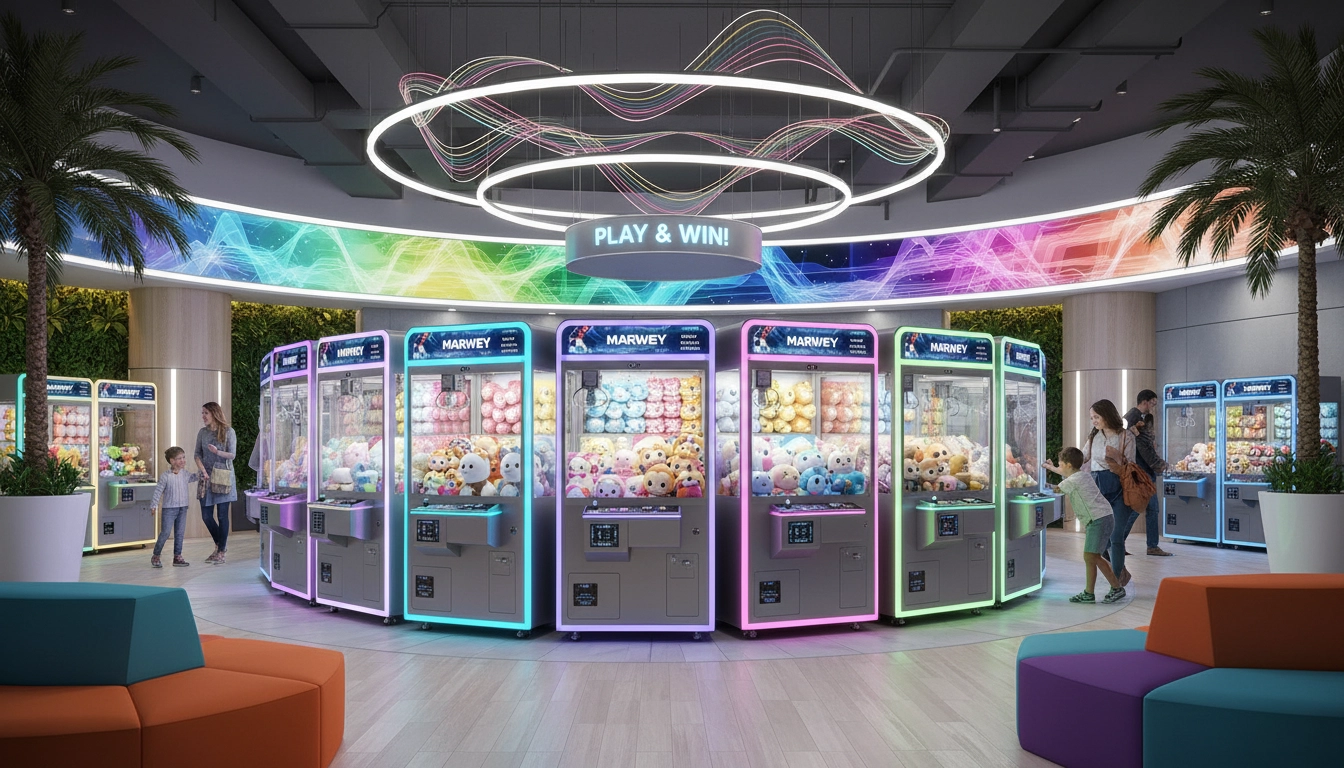
The Impact of Surrounding Decor on the Perceived Value of a Claw Machine!
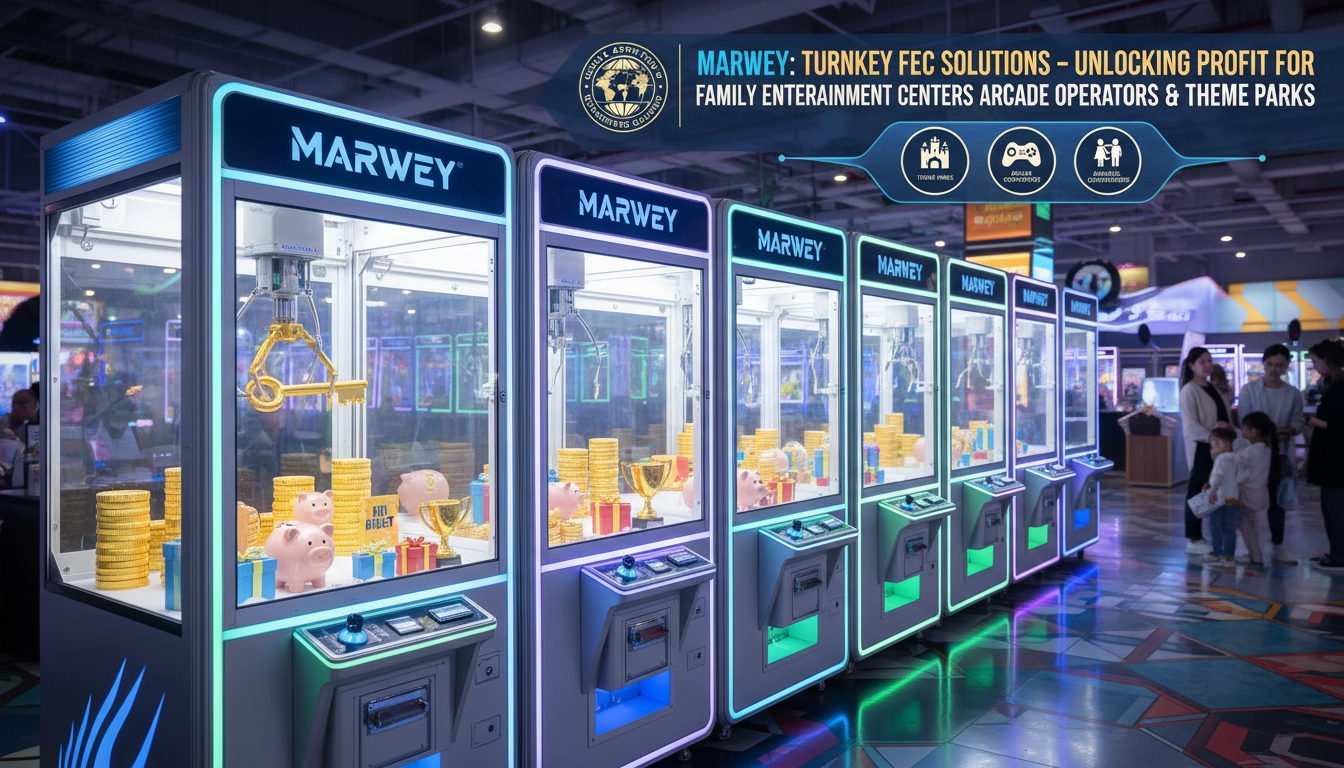
Insights: The Economic Advantages of Standardizing Your Claw Machine Fleet Model
Boxing Arcade Machine
Why should I choose MARWEY's boxing arcade machine?
As a leading boxing arcade machine manufacturer, MARWEY offers uniquely designed modern units with premium durability (800-1000 PSI strength), setting us apart from generic suppliers. Our direct factory pricing eliminates middlemen, allowing you to purchase arcade punching machines at 30% below market rates while enjoying 24/7 global support via phone/email/chat – perfect for arcades, FECs, or bars seeking profit-boosting attractions.
Photo Booth Machine
How can a photo booth machine make money for my business?
Photo booth machines offer multiple revenue streams. You can:
-
Charge per session or offer timed packages.
-
Sell high-quality printed photo strips as souvenirs.
-
Use the booth to capture customer emails for future promotions.
-
Increase overall dwell time, leading to higher spending in your venue.
Read more:
Thrilling Results: How can a photo booth machine make money for my business?
How critical is the Food & Beverage (F&B) component?
The F&B section is highly critical. It serves two main functions: it is a high-margin revenue stream in its own right, and it dramatically influences dwell time. When guests have appealing dining options, they stay longer, play more games, and are more likely to book future events.
Family Entertainment Center
How does MARWEY ensure the safety of its equipment?
Safety is the highest priority. MARWEY equipment adheres rigorously to international standards, including ASTM (USA) and EN (Europe). This involves using certified non-toxic materials, designing for anti-entrapment and fall protection, and ensuring all structures undergo rigorous stress testing prior to installation and use.
Indoor Playground
Is an indoor playground profitable?
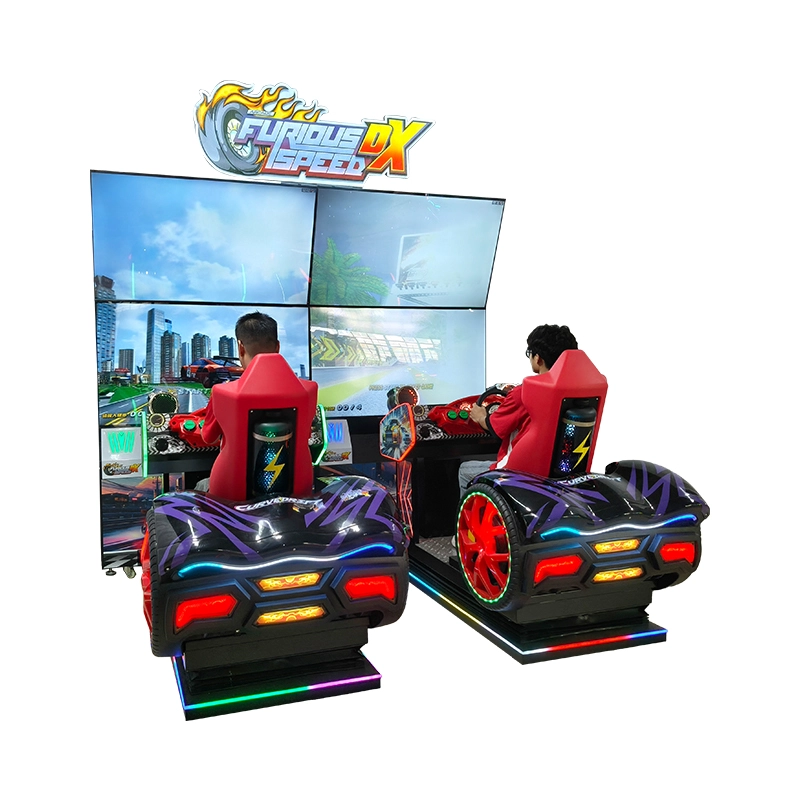
Marwey Hot Sale Four 55 Inch Screens 2 Players Racing Simulator Coin Operated Driving Car Game Machine
Marwey Hot Sale Four 55 Inch Screens 2 Players Racing Simulator Coin Operated Driving Car Game Machine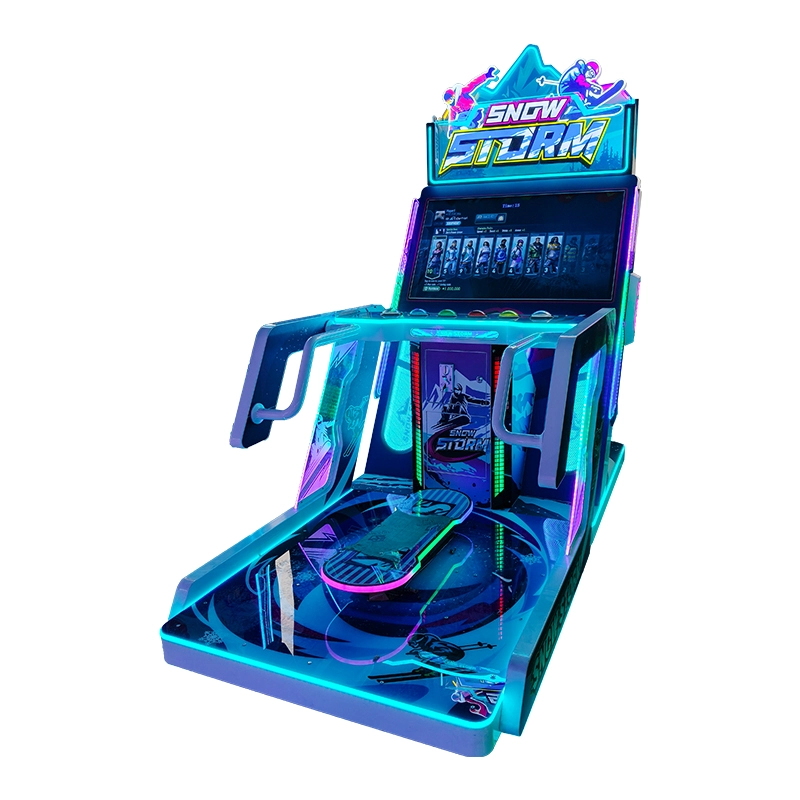
Marwey Coin Operated Indoor Skiing Simulator 47 Inches Snowstorm Ski Track Arcade Sports Machine
Marwey Coin Operated Indoor Skiing Simulator 47 Inches Snowstorm Ski Track Arcade Sports Machine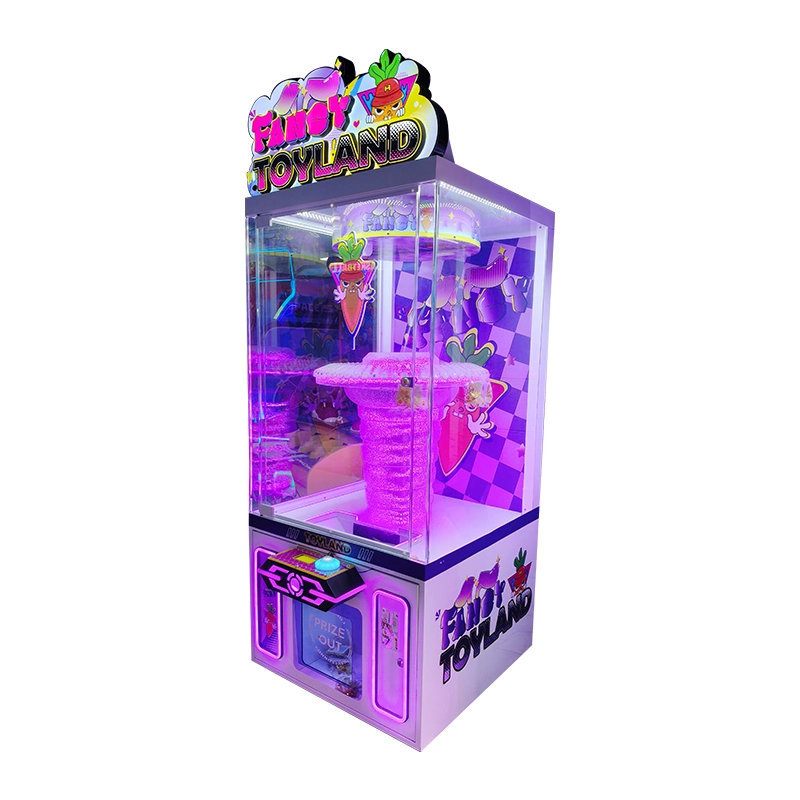
Marwey Customizable Personalized Clip Prize Machine Coin Operated Gift Amusement Vending Game Machine
Marwey Customizable Personalized Clip Prize Machine Coin Operated Gift Amusement Vending Game Machine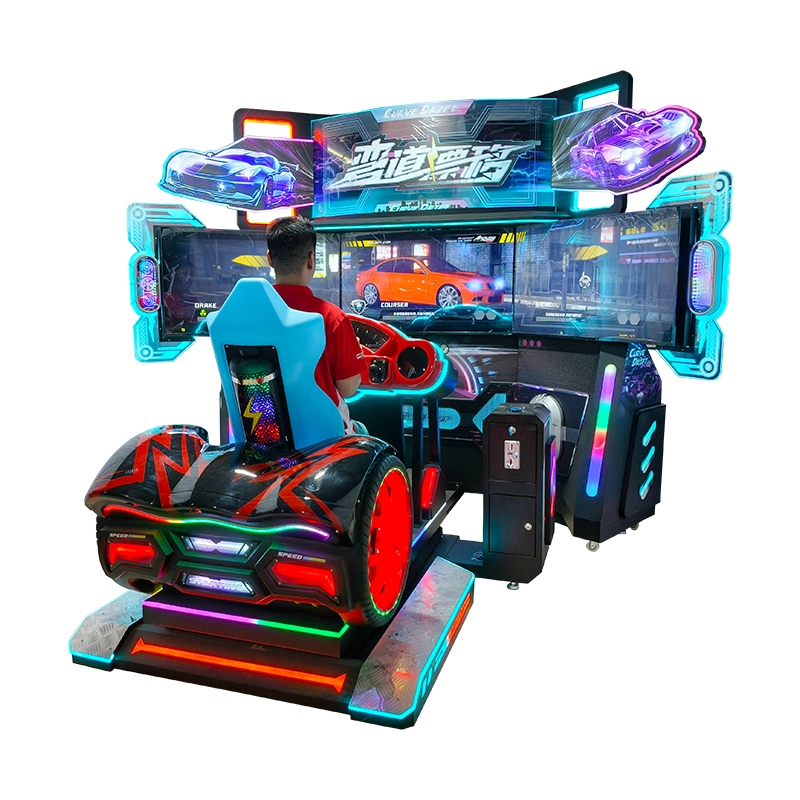
Marwey Coin Operated 49 Inch 3 Screens Motion Racing Simulator Cheap Sale Gaming Video Game Machine
Marwey Coin Operated 49 Inch 3 Screens Motion Racing Simulator Cheap Sale Gaming Video Game Machine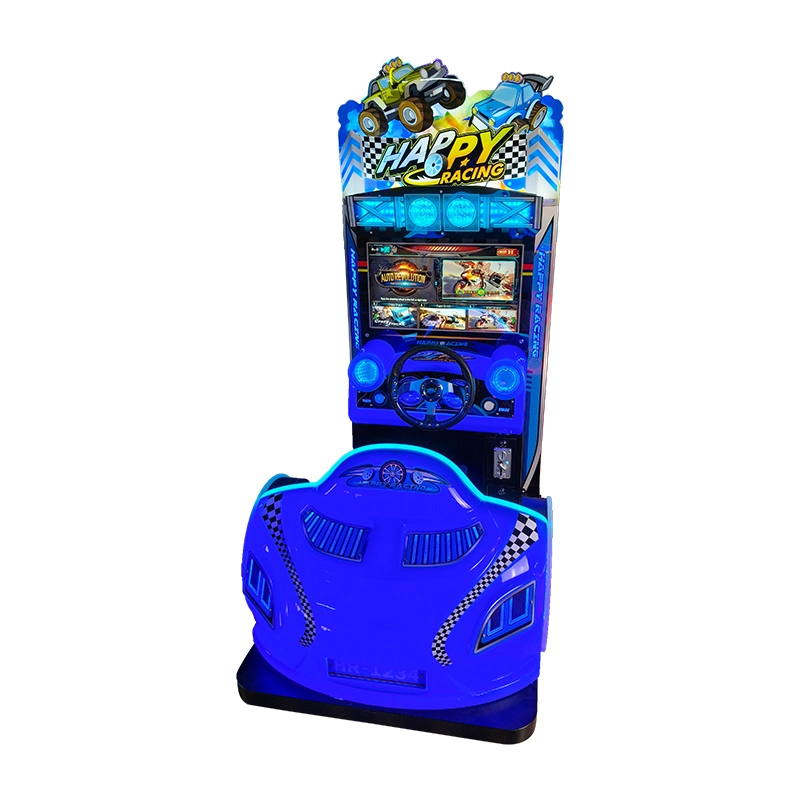
Marwey 27 Inch Screen Kids Racing Car Games Simulator High Quality Coin Operated Children's Racing Machine
Marwey 27 Inch Screen Kids Racing Car Games Simulator High Quality Coin Operated Children's Racing Machine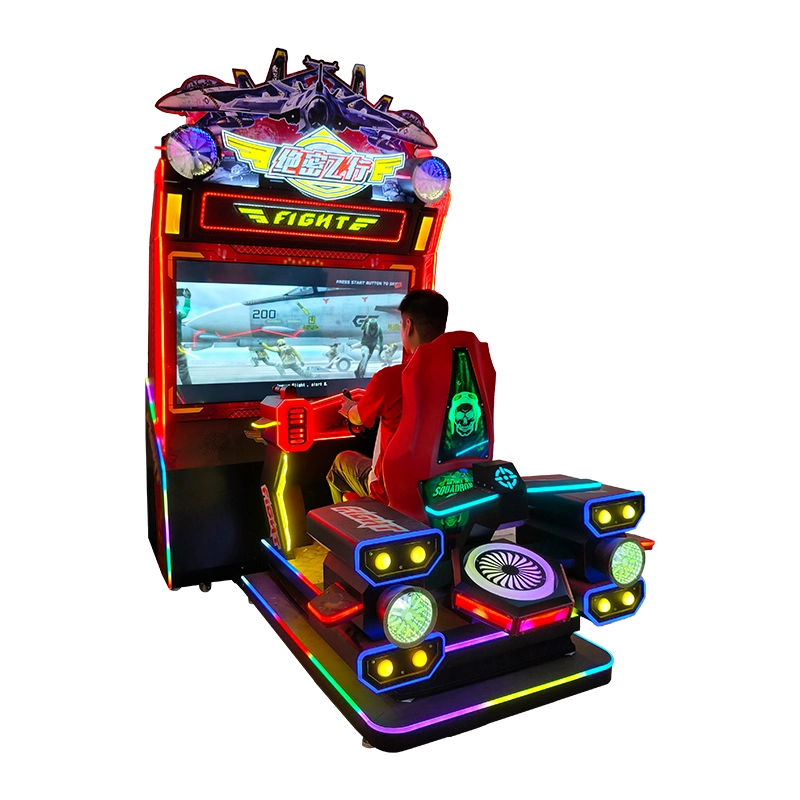
Marwey Coin Operated Driving Shooting Simulator Commercial Indoor Arcade Shooting Games for Cheap Price
Marwey Coin Operated Driving Shooting Simulator Commercial Indoor Arcade Shooting Games for Cheap Price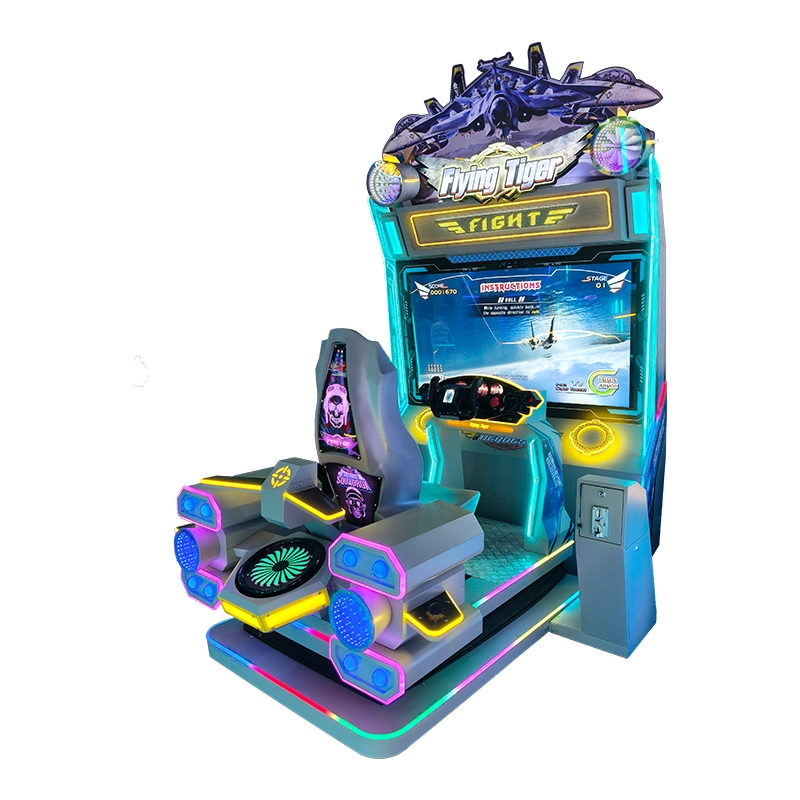
Marwey 65 Inch Screen Shooting Driving Arcade Machine Commercial Indoor Coin Operated for Cheap Sale
Marwey 65 Inch Screen Shooting Driving Arcade Machine Commercial Indoor Coin Operated for Cheap Sale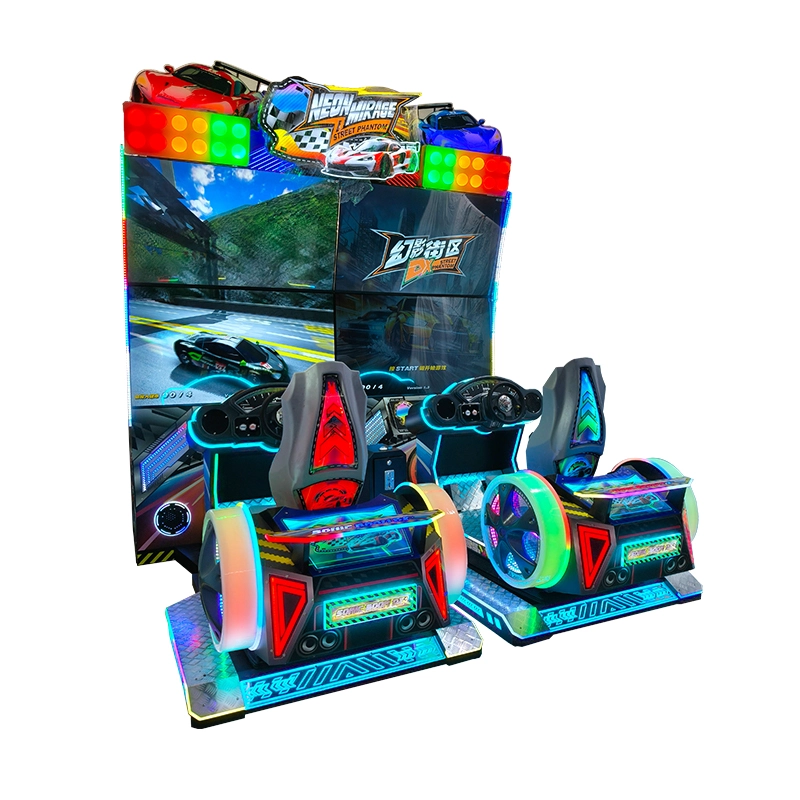
Marwey Hot Sale Coin Operated High Quality Racing Game Machine 2 Players 4 Screens Driving Simulator
Marwey Hot Sale Coin Operated High Quality Racing Game Machine 2 Players 4 Screens Driving SimulatorWant to know more industry information?
If you have any comments or good suggestions, please leave us a message; later our professional staff will contact you as soon as possible.
◼ Contact MARWEY
WhatsApp: +86 189 2218 4260
Floor 2, Building E, Hengran Creative Park, Shixin Road, Panyu District, Guangzhou, Guangdong, China.
© 2025 MARWEY. All Rights Reserved.

MARWEY
MARWEY
MARWEY
MARWEY
MARWEY
MARWEY