

- How Much to Invest in an Arcade? Full Startup Cost Breakdown 2025
- TL;DR: Investment Levels at a Glance
- ## Defining Your Investment Tier: Small Arcade vs. Family Entertainment Center (FEC)
- ### Comparison of Arcade Investment Tiers
- ## The Core Expenditure: Arcade Equipment & Technology (50-70% of Budget)
- ### Breaking Down Equipment Costs
- ### MARWEY: Optimizing Your Equipment CAPEX
- ## Real Estate, Build-Out, and Working Capital (30-50% of Budget)
- ### Key Non-Equipment Startup Costs
- ## The Financial Planning Roadmap: Ensuring ROI
- ### Step-by-Step Investment Strategy
- Frequently Asked Questions (FAQ)
How Much to Invest in an Arcade? Full Startup Cost Breakdown 2025
The required investment for an arcade business ranges dramatically, from a focused $50,000–$150,000 for a small route operation to over $1 million for a modern Family Entertainment Center (FEC).
The single largest cost component, accounting for 50-70% of the initial capital, is the arcade equipment itself. Your investment strategy must prioritize high-earning machines and robust technology over low upfront cost. MARWEY’s expertise lies in helping investors structure this complex capital expenditure to maximize return on investment (ROI) from day one.
Understanding where every dollar goes—from machines and infrastructure to working capital—is the foundation of a successful venture.
TL;DR: Investment Levels at a Glance
A successful arcade investment requires a minimum of $50,000 to $75,000 for a small, niche setup (e.g., 10-15 high-quality machines), while a large, multi-attraction FEC demands an investment starting at $750,000 and easily exceeding $1.5 million. The most critical investment is in premium, low-downtime equipment, not cheap floor space.
## Defining Your Investment Tier: Small Arcade vs. Family Entertainment Center (FEC)
The first step in budgeting is determining the scale of your operation. Your investment budget will be dictated by your business model and target market—a difference of magnitude in capital.
### Comparison of Arcade Investment Tiers
| Investment Category | Target Size/Games | Estimated Initial Investment Range | Key Cost Drivers |
| Route/Niche Operation | 5–15 machines, existing venue | $50,000 – $150,000 | Equipment, installation, minimal rent/labor. |
| Small Standalone Arcade | 1,500–3,000 sq ft, 20–40 games | $150,000 – $400,000 | Leasehold improvements, equipment, working capital. |
| Family Entertainment Center (FEC) | 5,000–10,000+ sq ft, 50+ games | $750,000 – $1.5 Million+ | Construction/build-out, multi-attraction equipment, F&B infrastructure. |
Data Point 1 (Equipment Proportion): Across all scales, arcade equipment and its supporting technology (card swipe systems, redemption centers) typically consume 35% to 60% of the total initial startup capital, solidifying its position as the largest single line item.
## The Core Expenditure: Arcade Equipment & Technology (50-70% of Budget)
The performance of your equipment directly dictates your revenue per square foot. Investment here is not a cost center, but a profit center. Skimping on game quality guarantees future maintenance costs and low earnings.
### Breaking Down Equipment Costs
Individual machine prices vary drastically based on technology and licensing:
- Standard Video/Skill Games: $4,000 - $10,000 per unit. (e.g., air hockey, traditional racing)
- Licensed/Redemption Games: $12,000 - $20,000 per unit. (e.g., basketball shooters, high-end pushers)
- Premium Simulators & VR: $25,000 - $75,000+ per unit. (These offer a premium price-per-play that justifies the investment).
- Beyond the hardware, budget for essential modern operating systems:
- Cashless Payment System (POS/Card Swipe): Investing $15,000 - $40,000 in a robust system is non-negotiable. This infrastructure provides vital data analytics, reduces cash handling risk, and enables modern promotions.
### MARWEY: Optimizing Your Equipment CAPEX
For investors importing equipment, shipping costs, duties, and customs clearance are significant, often adding 15-25% to the machine's factory cost. MARWEY’s value proposition is centered here.
MARWEY Case Insight: We helped a new FEC owner in the Middle East save over $45,000 on a single 40-foot container shipment of 30 games by optimizing freight consolidation, minimizing tariff codes, and managing all import documentation. This saved capital was immediately reinvested into a high-end VR simulator that became the venue's top earner. Our foreign trade mastery ensures your equipment investment is efficient and compliant.
## Real Estate, Build-Out, and Working Capital (30-50% of Budget)
After equipment, real estate-related costs represent the most significant chunk of your budget. These costs are highly volatile based on location (urban vs. suburban) and the space's condition.
### Key Non-Equipment Startup Costs
| Cost Category | Typical Investment Allocation | Detail & Variance |
| Lease & Renovation (Build-Out) | 10% - 25% | First/Last month's rent, security deposit, and TIs (Tenant Improvements). A shell space requiring new electrical and HVAC can easily run $30-$60 per square foot. |
| Licenses, Permits, Insurance | 2% - 5% | Includes business licenses, amusement permits, fire safety inspections, and general liability insurance (mandatory). |
| Initial Inventory & Prizes | 3% - 7% | Starting stock of prizes for the redemption center and initial food/beverage stock. Prize costs are often maintained at a 25-30% COGS ratio. |
| Working Capital | 10% - 20% | Critical to cover 3-6 months of operating expenses (rent, payroll, utilities) before the business reaches sustainable cash flow. Never underestimate this fund. |
Data Point 2 (Real Estate Volatility): Commercial lease rates for suitable FEC spaces can range from $15 to over $50 per square foot annually, meaning a 5,000 sq ft space could incur $75,000 to $250,000 in annual rent, demanding a robust working capital reserve.
## The Financial Planning Roadmap: Ensuring ROI
A well-capitalized arcade should aim for a rapid return on investment. Industry experts use a simple metric: the most profitable games should pay for themselves within 12 to 18 months.
### Step-by-Step Investment Strategy
- Feasibility Study: Before investing, commission a study to analyze local demographics, competition, and realistic revenue projections.
- Budget Allocation (The 60/40 Rule): Aim to spend no more than 60% of your total capital on the physical build-out and fixed costs, leaving at least 40% for high-quality equipment and the vital working capital reserve.
- Strategic Sourcing: Engage a specialist like MARWEY to secure high-margin, durable equipment at the best landed cost, bypassing the high margins of local distributors. This decision can reduce your equipment budget by up to 20% compared to buying from in-country resellers.
- Data Point 3 (Game Performance and Lifespan): Premium, high-earning machines, properly maintained, have a profitable lifespan of 5-7 years before needing substantial replacement, far outlasting cheaper alternatives and proving that the initial investment in quality is cheaper than continuous repair and replacement.
Frequently Asked Questions (FAQ)
-
Q1:What is the single biggest mistake new arcade investors make?
The single biggest mistake is underestimating the need for working capital and overspending on low-quality, used equipment. This leads to frequent downtime, low revenue, and premature closure.
-
Q2:How much should I allocate for redemption prizes initially?
A starting budget of $5,000 to $10,000 is typically required for a diverse and appealing redemption prize inventory for a medium-sized arcade, with a focus on high-perceived-value items.
-
Q3:Is it better to buy new or used arcade games for startup?
It is best to buy a mix. All core redemption and simulator games should be new for reliability and data analytics. Classic video games can be used, but only with a guarantee of refurbishment and parts availability.
-
Q4:What is the average cost per square foot for an FEC build-out?
Total project costs (excluding land purchase) for a medium-to-large FEC generally range from $125 to $300 per square foot or more, depending heavily on the complexity and scale of attractions.
-
Q5:How can MARWEY save me money on shipping arcade machines?
MARWEY uses freight consolidation and expertise in customs classification to minimize logistics costs and prevent expensive customs delays or over-declaration of duties, ensuring the lowest possible "landed cost" for your equipment.
-
Q6:Should I include food and beverage (F&B) in my initial investment budget?
If your budget allows, yes. F&B dramatically increases customer dwell time and average spend per visit. Even a simple snack bar can add a significant, high-margin revenue stream.
-
Q7:What permits are essential for a new arcade business?
Essential permits include a general business license, specific amusement or coin-operated machine licenses, and fire/safety occupancy permits. Requirements vary by municipality.
-
Q8:How much space (sq ft) does an average arcade game require?
Allocate approximately 75 square feet per game. This includes the machine footprint, plus the necessary space for player movement, safety, and crowd flow.
-
Q9:What percentage of my revenue should I set aside for machine maintenance?
Successful operators typically budget 3% to 5% of gross arcade revenue for preventative maintenance and parts. This is crucial for maximizing uptime and minimizing loss.
-
Q10:What is 'Tenant Improvement' (TI) allowance and how does it affect my budget?
TI allowance is capital provided by the landlord to help the tenant build out the space. If negotiated successfully, it can drastically reduce your out-of-pocket costs for renovations.
Related Articles
Sourcing High-Quality PU Leather for Punching Machine Pad Replacement
Effective Risk Management to Lower Your Trampoline Park Insurance Premiums
The Art of Upselling: Maximizing Spend Per Guest (SPG) at Your Family Entertainment Center
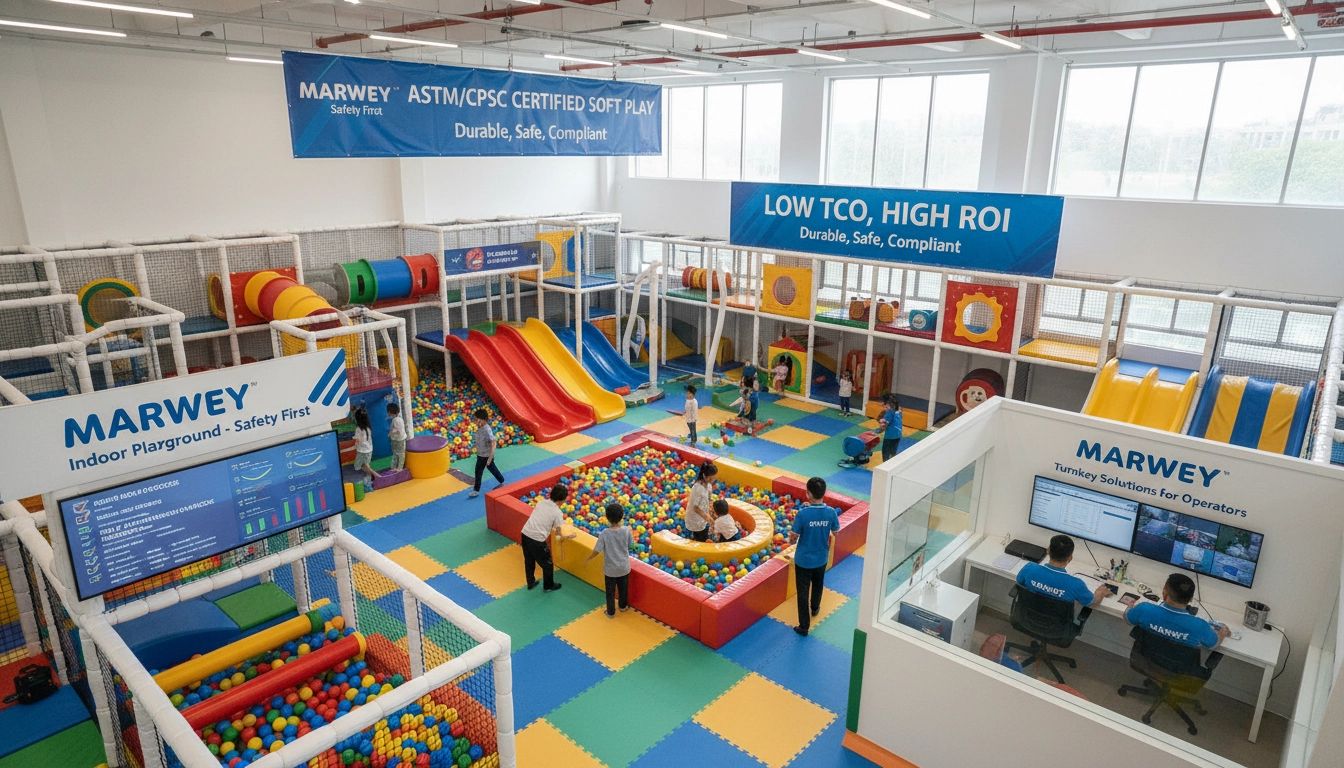
Why The Risk Management Protocol Every Indoor Playground Operator Needs
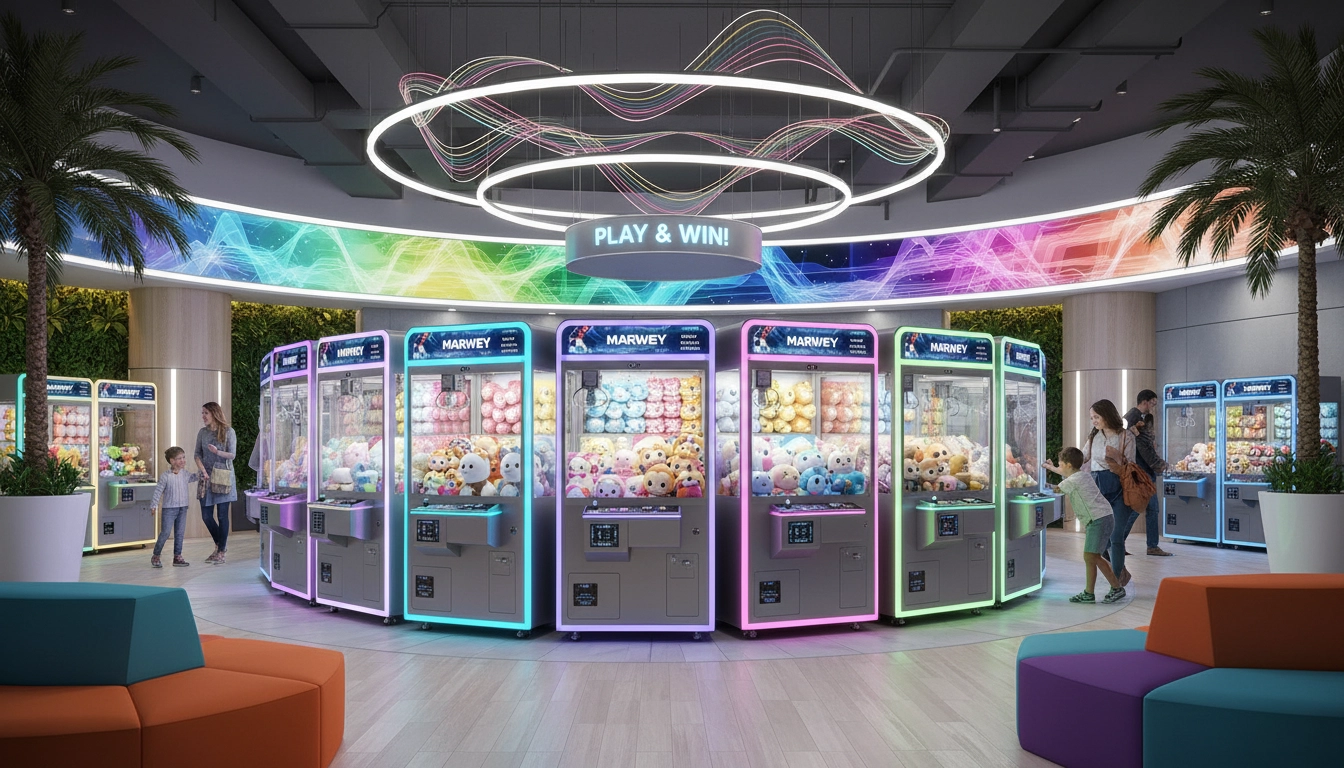
The Impact of Surrounding Decor on the Perceived Value of a Claw Machine!
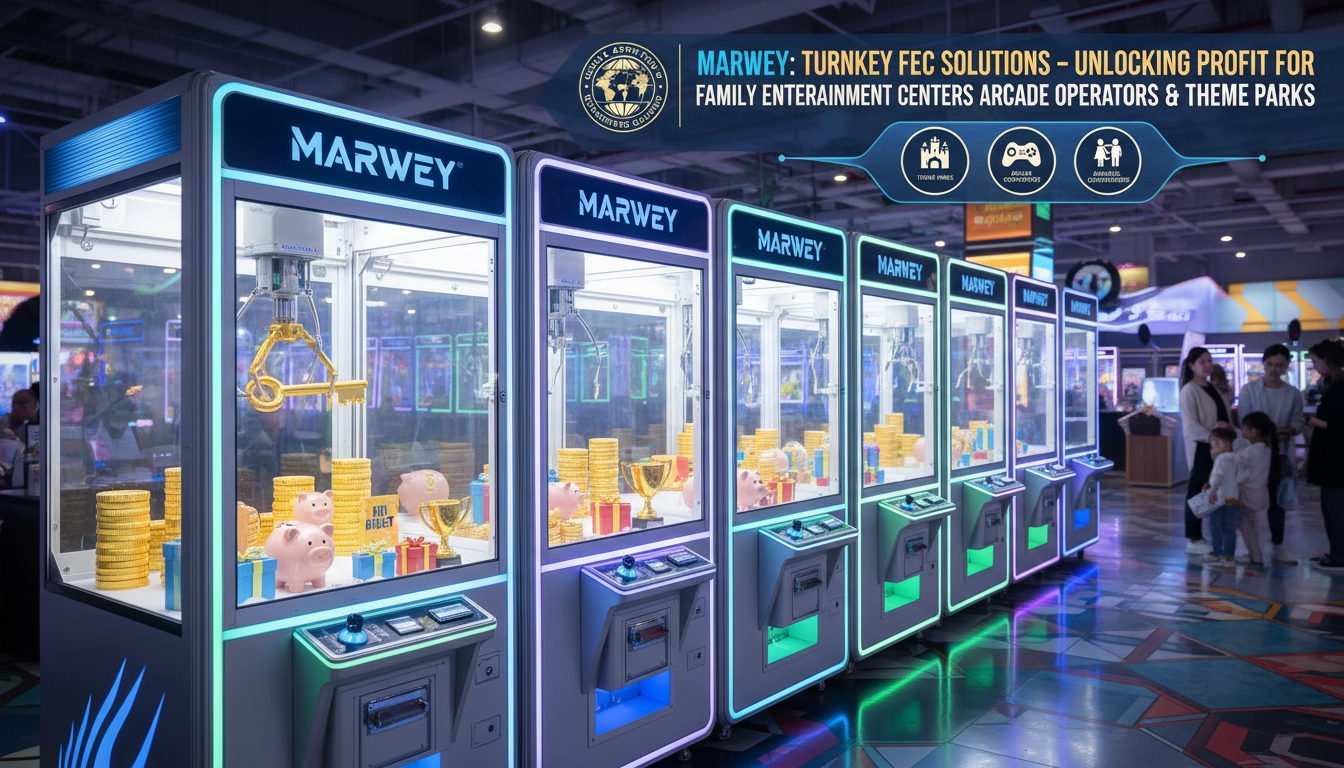
Insights: The Economic Advantages of Standardizing Your Claw Machine Fleet Model
Products & Equipment
Are MARWEY machines compatible with international safety standards?
Absolutely. All MARWEY gaming equipment meets and exceeds international safety certifications including CE, FCC, and RoHS compliance. Our manufacturing processes follow ISO 9001 quality management standards, ensuring every machine delivers reliable performance and meets global safety requirements for commercial entertainment venues.
Indoor Trampoline Park
How fast does a trampoline park ROI (Return on Investment)?
The time for a trampoline park to achieve a full Return on Investment (ROI) can vary, but industry benchmarks suggest that a profitable park typically begins to see substantial financial gains and can reach profitability within 18 to 24 months post-launch.
Key factors influencing this timeline include the initial investment size, rent/lease terms, operational efficiency, and effective marketing.
Photo Booth Machine
Why should I add a photo booth machine to my venue or business?
A commercial photo booth machine is a powerful investment to increase customer engagement, boost revenue, and enhance brand visibility. It provides instant entertainment, encourages social sharing, and turns visitors into brand advocates through customizable, shareable experiences. Ideal for arcades, events, tourist attractions, bars, and amusement parks.
Read more:
Curious risk: Why should I add a photo booth machine to my venue or business?
Family Entertainment Center
What are the main revenue streams for a successful FEC?
The three legs of the stool are: 1. Tickets, Passes, and Game Play (the largest volume source); 2. Birthday Party and Group Event Packages (the highest margin source); and 3. Food & Beverage (F&B) sales (critical for increasing average spend). Diversification across these three areas minimizes risk.
Services & Support
What warranty coverage does MARWEY provide?
MARWEY offers industry-leading warranty coverage including 2 years comprehensive warranty on all electronic components, 3 years on mechanical systems, and lifetime support for software updates. Extended warranty options and customized service agreements are available to meet specific operational requirements and budget considerations.
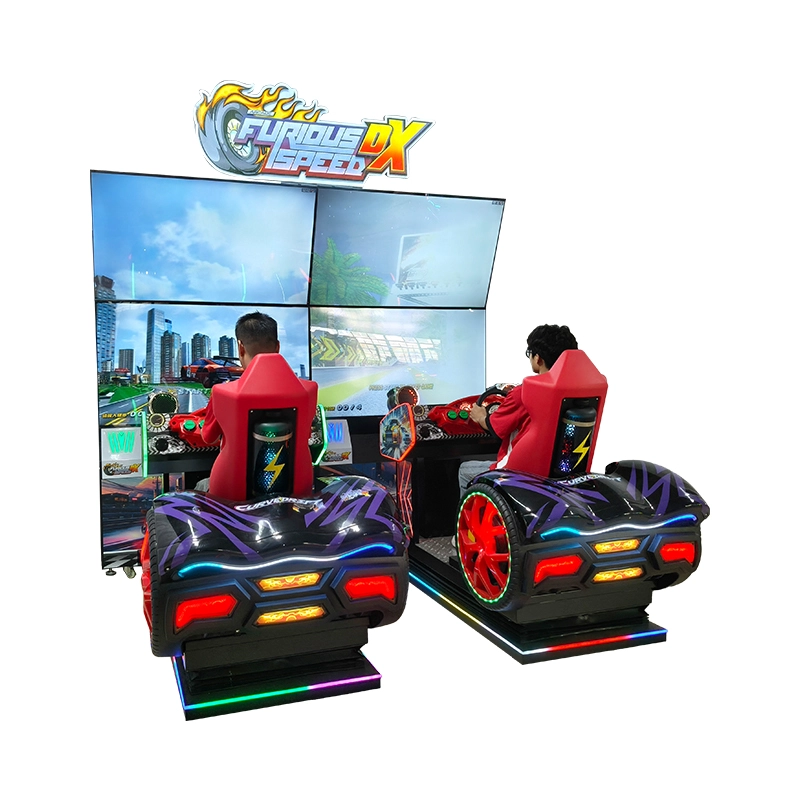
Marwey Hot Sale Four 55 Inch Screens 2 Players Racing Simulator Coin Operated Driving Car Game Machine
Marwey Hot Sale Four 55 Inch Screens 2 Players Racing Simulator Coin Operated Driving Car Game Machine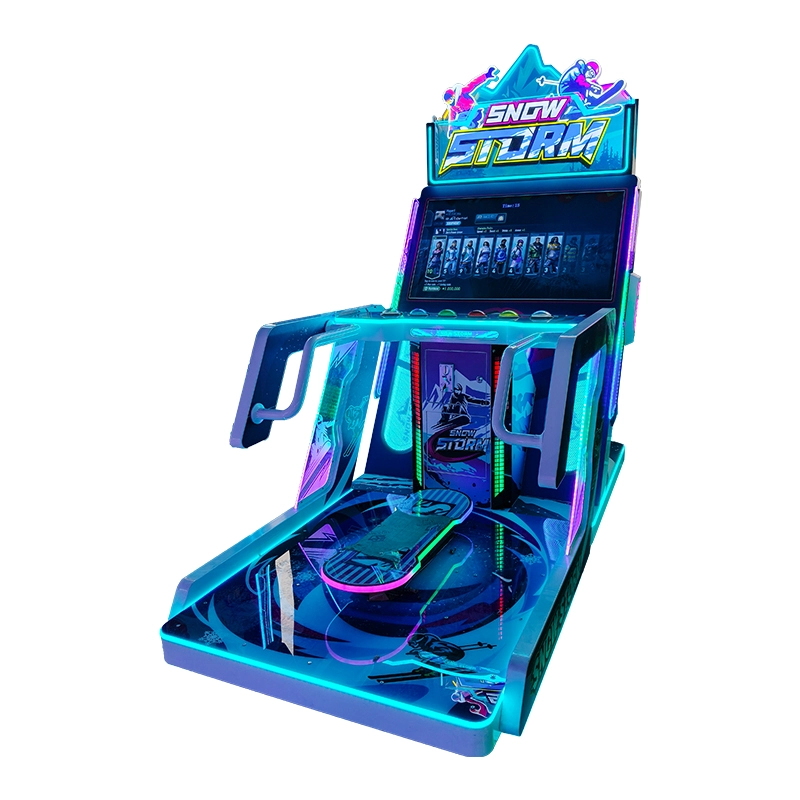
Marwey Coin Operated Indoor Skiing Simulator 47 Inches Snowstorm Ski Track Arcade Sports Machine
Marwey Coin Operated Indoor Skiing Simulator 47 Inches Snowstorm Ski Track Arcade Sports Machine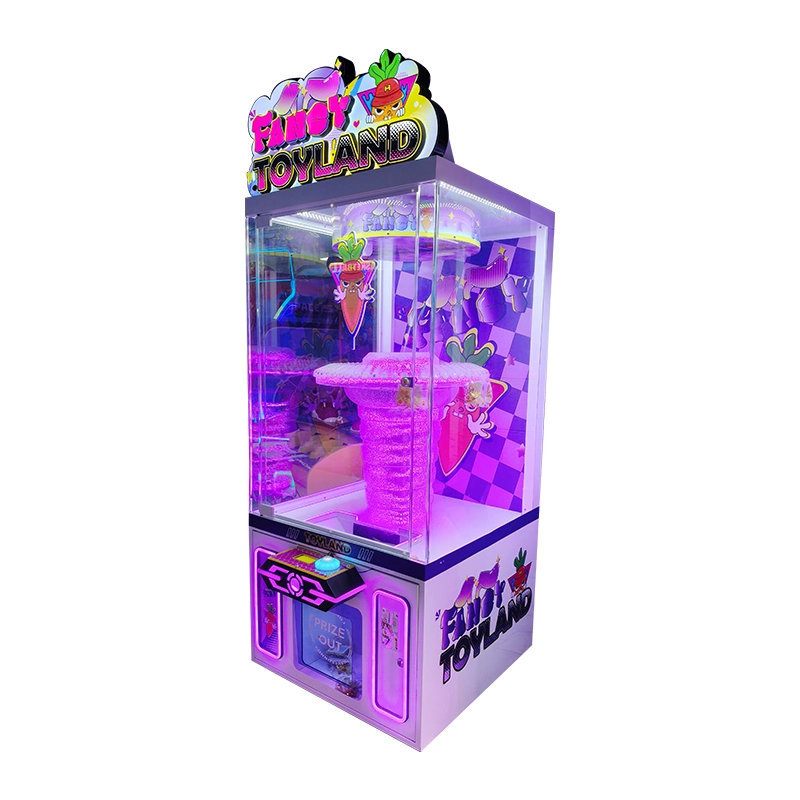
Marwey Customizable Personalized Clip Prize Machine Coin Operated Gift Amusement Vending Game Machine
Marwey Customizable Personalized Clip Prize Machine Coin Operated Gift Amusement Vending Game Machine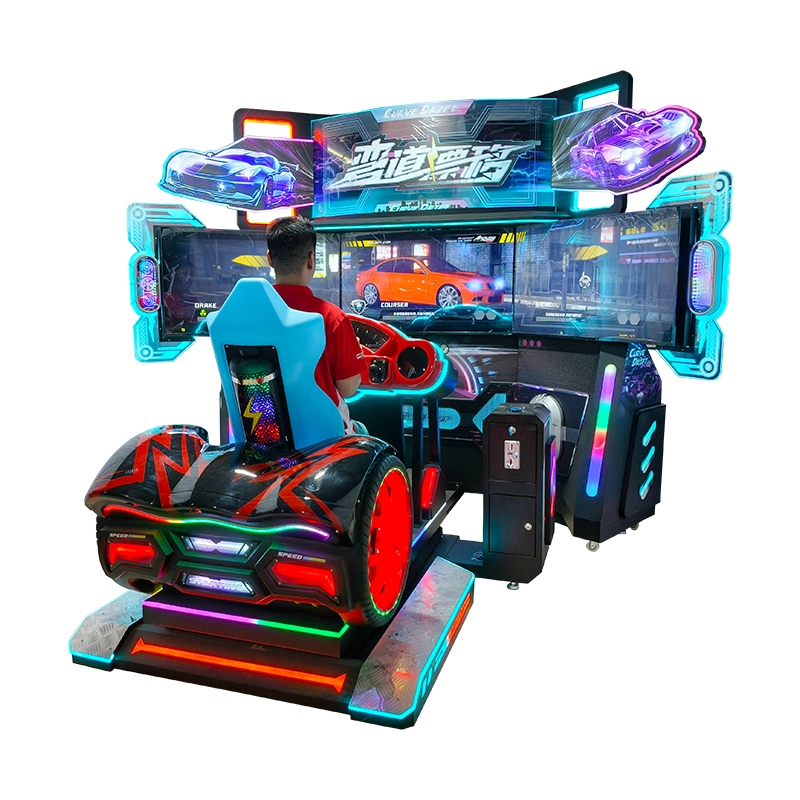
Marwey Coin Operated 49 Inch 3 Screens Motion Racing Simulator Cheap Sale Gaming Video Game Machine
Marwey Coin Operated 49 Inch 3 Screens Motion Racing Simulator Cheap Sale Gaming Video Game Machine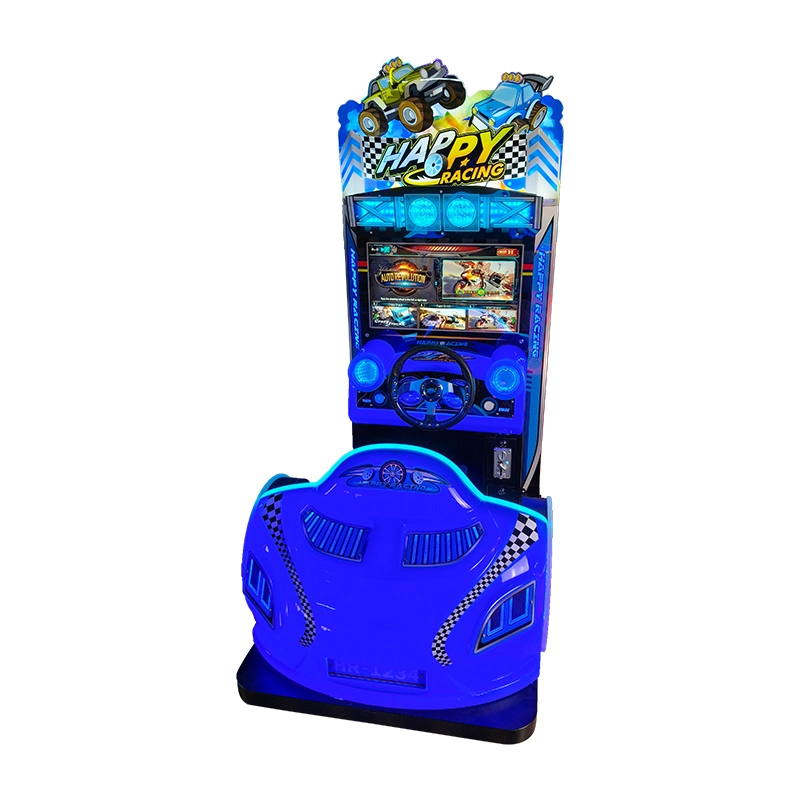
Marwey 27 Inch Screen Kids Racing Car Games Simulator High Quality Coin Operated Children's Racing Machine
Marwey 27 Inch Screen Kids Racing Car Games Simulator High Quality Coin Operated Children's Racing Machine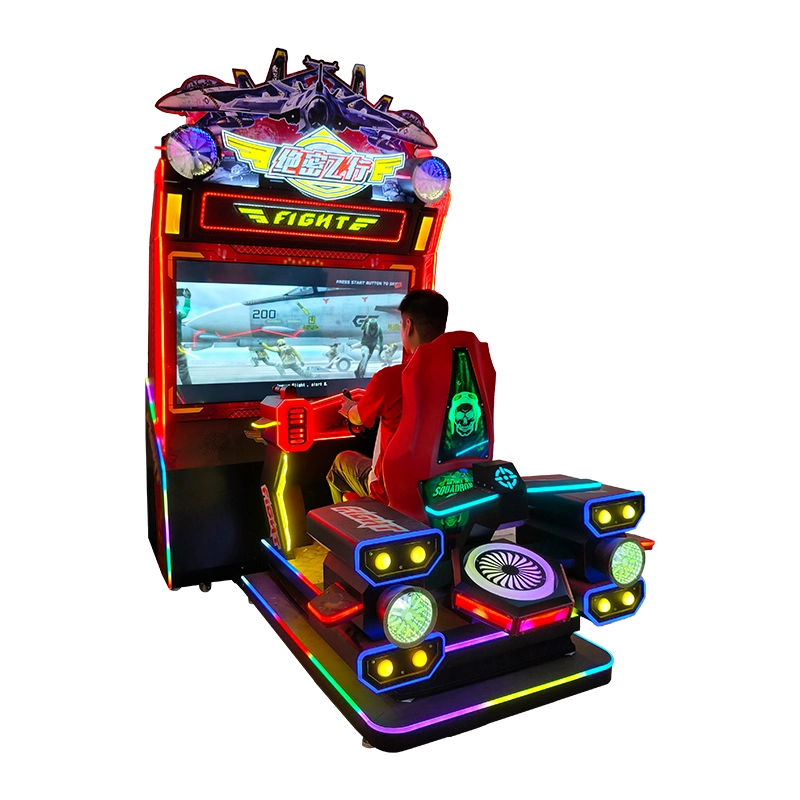
Marwey Coin Operated Driving Shooting Simulator Commercial Indoor Arcade Shooting Games for Cheap Price
Marwey Coin Operated Driving Shooting Simulator Commercial Indoor Arcade Shooting Games for Cheap Price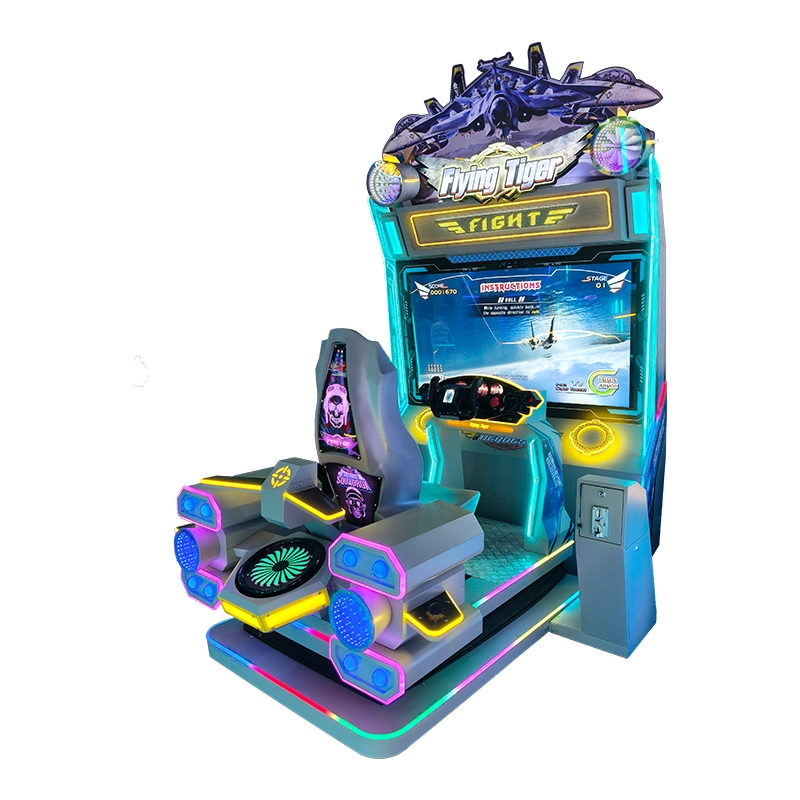
Marwey 65 Inch Screen Shooting Driving Arcade Machine Commercial Indoor Coin Operated for Cheap Sale
Marwey 65 Inch Screen Shooting Driving Arcade Machine Commercial Indoor Coin Operated for Cheap Sale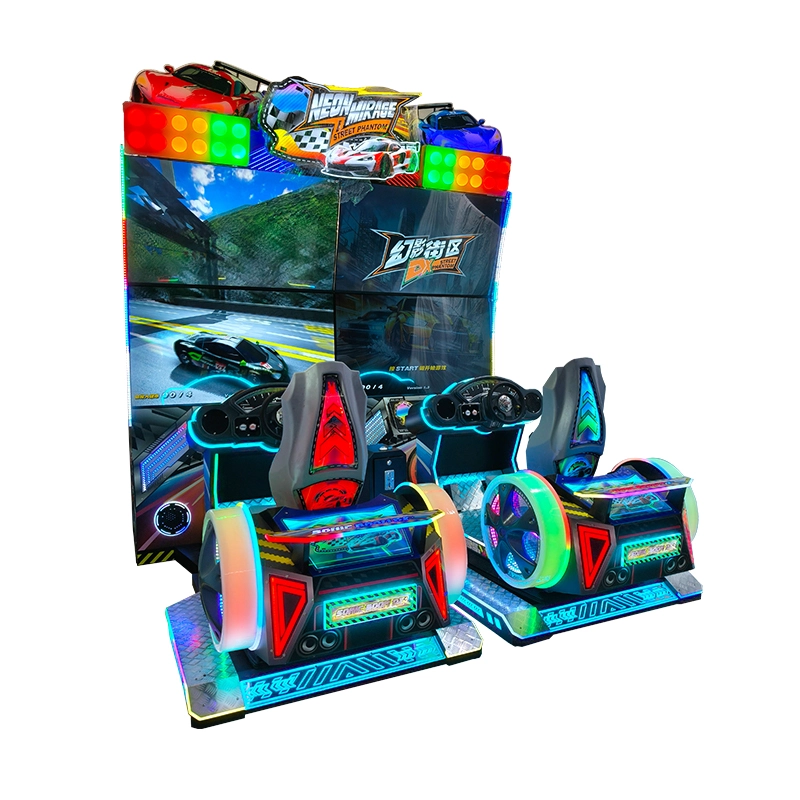
Marwey Hot Sale Coin Operated High Quality Racing Game Machine 2 Players 4 Screens Driving Simulator
Marwey Hot Sale Coin Operated High Quality Racing Game Machine 2 Players 4 Screens Driving SimulatorWant to know more industry information?
If you have any comments or good suggestions, please leave us a message; later our professional staff will contact you as soon as possible.
◼ Contact MARWEY
WhatsApp: +86 189 2218 4260
Floor 2, Building E, Hengran Creative Park, Shixin Road, Panyu District, Guangzhou, Guangdong, China.
© 2025 MARWEY. All Rights Reserved.
MARWEY
MARWEY
MARWEY
MARWEY
MARWEY
MARWEY