


- How Much Does an Arcade Owner Make? A Deep Dive into FEC Profitability
- TL;DR: Arcade Owner Earning Potential
- ## Decoding the Numbers: Gross Revenue vs. Net Profit
- ### The Arcades' Revenue Ecosystem
- ### Typical Profit Margins and Cost Centers
- ## The Strategic Investment: Equipment ROI and Uptime
- ### The Power of the Right Game Mix
- ## Key Levers for Maximizing Arcade Owner Income
- ### 1. Location and Demographic Matching
- ### 2. Operational Efficiency and Maintenance
- ### 3. Revenue Diversification and Ancillary Sales
- Frequently Asked Questions (FAQ)
How Much Does an Arcade Owner Make? A Deep Dive into FEC Profitability
The income of an arcade owner varies widely, but typically falls between $50,000 and over $250,000 in annual net profit.
This significant range is driven by core factors like location (foot traffic), size, operational efficiency, and, critically, the quality and mix of the gaming machines. An arcade is a high-capita business; the owner's net take-home pay is directly tied to managing costs, maximizing per-game revenue, and investing in high-earning, reliable equipment—a specialty provided by global suppliers like MARWEY.
The most successful owners treat their arcade as a data-driven investment, focusing on strong Return on Investment (ROI) from every machine purchased.
TL;DR: Arcade Owner Earning Potential
| Arcade Business Model | Annual Gross Revenue Range | Typical Net Profit Margin | Estimated Owner Compensation (Net) |
| Small Route/Independent | $100,000 - $300,000 | 10% - 15% | $10,000 - $45,000 |
| Mid-Sized Standalone Arcade | $350,000 - $650,000 | 15% - 20% | $50,000 - $130,000 |
| Large FEC/Anchor Tenant | $750,000 - $1,500,000+ | 20% - 25% | $150,000 - $375,000+ |
## Decoding the Numbers: Gross Revenue vs. Net Profit
To accurately answer "How much does an owner make?", one must differentiate between the total money generated (Gross Revenue) and the money remaining after all expenses (Net Profit). The latter determines the owner's actual salary.
### The Arcades' Revenue Ecosystem
Arcades are high-grossing businesses, but they are also capital-intensive.
Data Point 1 (Revenue Potential): High-performing arcade games, particularly popular redemption and simulator machines, can generate an average of $200 to $485 per game, per week on an annualized basis in well-managed locations. This performance benchmark is crucial for calculating the potential Gross Revenue. A 40-machine arcade, for example, could conservatively project an annual gross income between $416,000 and $1,009,000 solely from game play.
### Typical Profit Margins and Cost Centers
The typical net profit margin for a well-run arcade or Family Entertainment Center (FEC) ranges from 10% to 25%. The owner's ultimate income is the portion of this net profit paid out as a salary or draw. Key operational expenses that reduce the gross to the net include:
-
Labor Costs: Should ideally be maintained at 15% to 20% of total sales. Overstaffing immediately erodes profitability.
-
Rent/Lease: Should ideally not exceed 10% to 12% of gross revenue, especially in high-traffic locations.
-
Prizes & Maintenance (Cost of Goods Sold - COGS): Prizes and machine repair parts represent a continuous cost. Efficient MARWEY-sourced machines help keep maintenance costs low and uptime high.
-
Utilities: High-power video and simulator machines lead to significant electricity costs.
## The Strategic Investment: Equipment ROI and Uptime
The most significant differentiator between a high-earning owner and one who struggles is the initial investment strategy and ongoing machine management. This is where MARWEY's value proposition becomes critical.
### The Power of the Right Game Mix
Successful arcades are not filled with cheap, high-maintenance games. They are stocked with a carefully selected mix designed for maximum ROI.
| Game Category | Typical Payout % (Tickets) | Key Role in Revenue Mix | MARWEY's Focus |
| Redemption Games | 20% - 35% | The primary, stable revenue driver (e.g., Skee-Ball, Basketball). | Durability, low maintenance, high ticket accuracy. |
| Merchandisers (Claws) | Shortest ROI due to lower initial cost. | Attracts high impulse play. | Reliability of claw mechanism, compliance with prize standards. |
| Simulators/Large Video | 0% (Pure Pay-to-Play) | High hourly earnings; serves as an "Anchor" attraction. | Newest technology, high throughput, immersive experience. |
MARWEY Case Study Insight: A client expanding into a new market was hesitant about purchasing premium VR simulators due to the high initial cost. MARWEY provided a detailed ROI analysis showing that while a standard driving game cost $15,000 and earned $350/week (43-week ROI), a high-end VR experience costing $70,000 could generate $1,500/week in a high-traffic zone (46-week ROI), immediately serving as an anchor that boosted foot traffic for all other games. This strategic, data-driven procurement is essential for maximizing owner income.
## Key Levers for Maximizing Arcade Owner Income
An owner's take-home pay is directly proportional to their ability to manage operational variables. High earners focus on these three core levers:
### 1. Location and Demographic Matching
-
High-Traffic Footfall: Arcades in prime spots (malls, tourist zones, beach fronts) naturally draw more players, justifying higher rent.
-
Demographic Alignment: Matching the game mix to the target player (e.g., retro classics for Barcades; new simulators for Family Entertainment Centers).
### 2. Operational Efficiency and Maintenance
The mantra is: Uptime equals Income. A game earning $400 per week loses nearly $57 per day when it is out of order.
Data Point 2 (Industry Standard): Leading FECs aim for a machine uptime rate of 98% or higher. This requires predictive maintenance schedules, immediate access to spare parts, and, crucially, high-quality, durable components sourced through reliable channels like MARWEY. Cheap components increase the frequency of failure, directly cutting into the owner's net income.
### 3. Revenue Diversification and Ancillary Sales
The most profitable FEC owners generate income beyond the swipe card.
Data Point 3 (Ancillary Revenue): Food, Beverage, and Party Room rentals can contribute anywhere from 15% to 30% of total gross revenue—often at a higher profit margin (60-70% for concessions) than the games themselves. An owner who leverages a party business model will see substantially higher net profits than one who relies on game income alone.
In summary, the arcade owner's income is a performance-based metric. Success is not guaranteed by merely buying machines; it is achieved through strategic investment in proven, high-ROI equipment (which MARWEY specializes in sourcing), meticulous operational management, and a focus on minimizing downtime.
Frequently Asked Questions (FAQ)
Q1. How long does it take for an arcade machine to pay for itself?
The typical Return on Investment (ROI) period for a well-chosen, top-earning arcade machine in a good location is generally 10 to 18 months.
Q2. What is the biggest ongoing expense for an arcade owner?
Labor costs and Rent/Lease expenses are typically the largest fixed and variable overheads, respectively, often totaling over 30% of gross revenue.
Q3. Do modern video games or classic redemption games make more money?
Redemption games and merchandisers (claw machines) generally provide the most consistent, high-volume revenue. Modern video simulators serve as necessary "anchor attractions" to drive foot traffic but may have a longer ROI period.
Q4. Is it better to buy new or used arcade machines?
While used machines have a lower initial cost, they often lead to higher maintenance costs and downtime. MARWEY generally recommends new, high-quality equipment to maximize uptime, increase average weekly revenue, and secure better long-term ROI.
Q5. What is the typical average customer spend per visit in an arcade?
The average dollar spend per customer visit typically ranges from $12 to $25, heavily influenced by the game mix and the presence of ancillary revenue streams like food and beverage.
Q6. How does location affect an arcade owner's income?
Location is paramount. Arcades in high-footfall areas (tourist resorts, large malls) can achieve higher gross revenues, leading to higher net profits, even with slightly higher rent costs.
Q7. What is the role of MARWEY in improving an owner's profitability?
MARWEY increases profitability by sourcing only high-quality, reliable, and top-earning game models globally, ensuring low maintenance costs (high uptime) and providing data-backed recommendations for a maximized ROI game mix.
Q8. Should an arcade owner manage the business full-time?
Yes, for a medium-to-large FEC, active full-time management is necessary to maintain the high operational efficiency (98%+ uptime) and actively manage the labor and marketing efforts required for high profitability.
Q9. What is the typical lifespan of a modern arcade machine?
With proper maintenance, a high-quality arcade machine can have an effective revenue-generating lifespan of 5 to 10 years, though its peak earning period is usually in the first 2-3 years before a refresh is needed.
Q10. How important are concession sales to the overall net profit?
Concession and food/beverage sales are highly important, often contributing 15-30% of total revenue and generally featuring a significantly higher net profit margin (up to 70%) than game play itself.
Related Articles
Sourcing High-Quality PU Leather for Punching Machine Pad Replacement
Effective Risk Management to Lower Your Trampoline Park Insurance Premiums
The Art of Upselling: Maximizing Spend Per Guest (SPG) at Your Family Entertainment Center
Why The Risk Management Protocol Every Indoor Playground Operator Needs
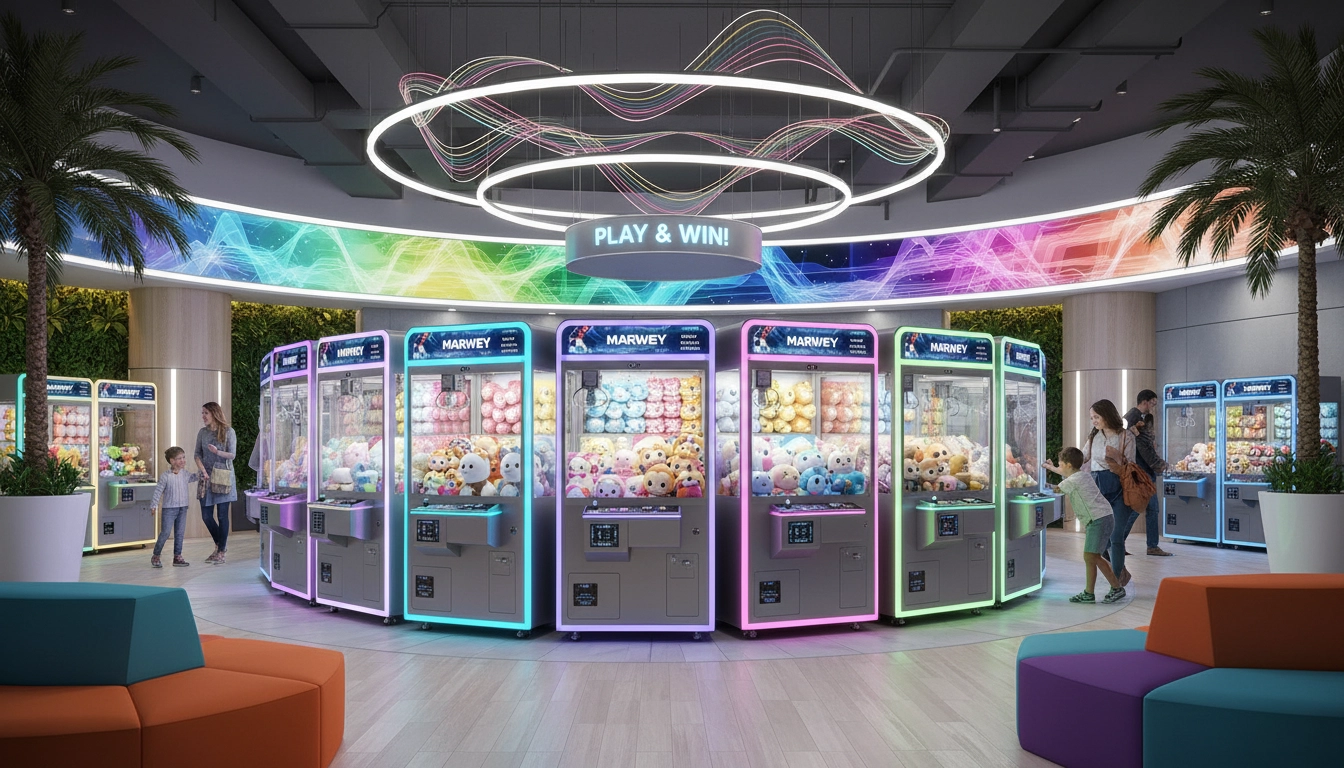
The Impact of Surrounding Decor on the Perceived Value of a Claw Machine!
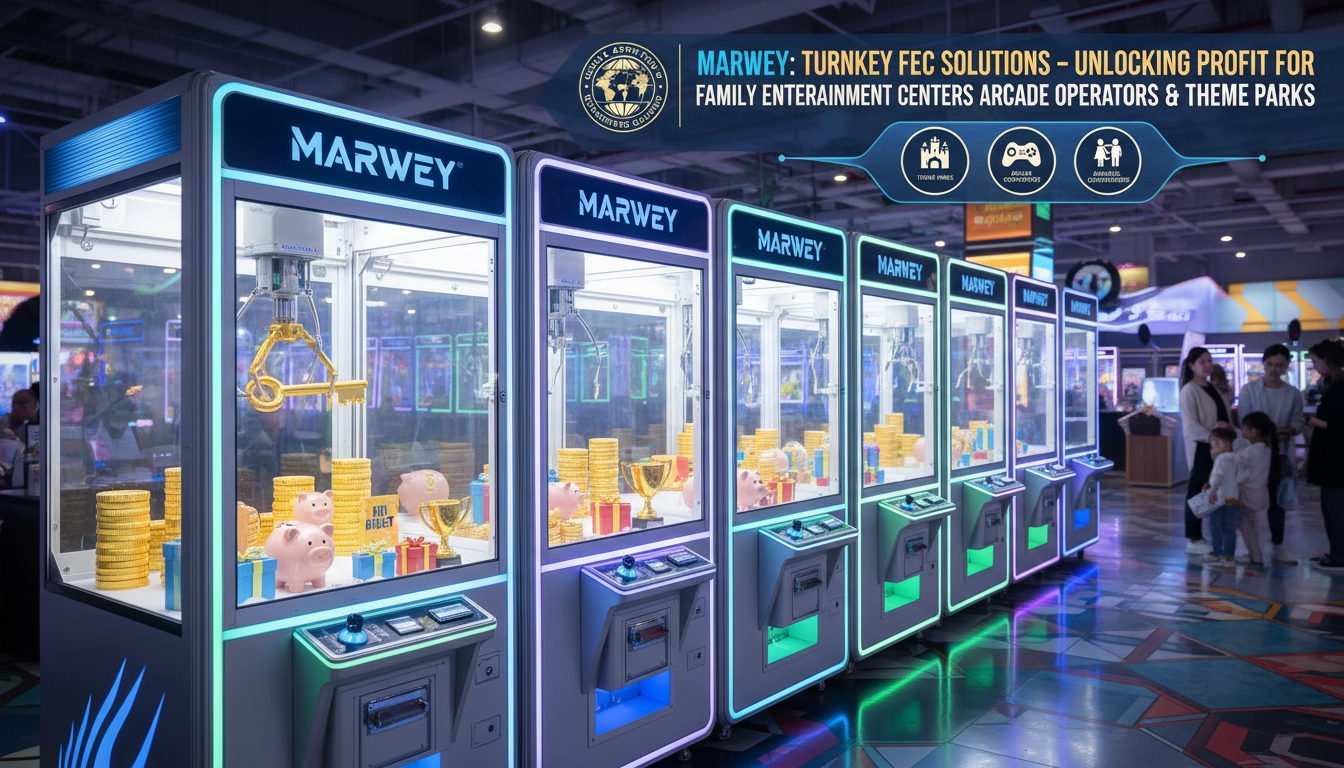
Insights: The Economic Advantages of Standardizing Your Claw Machine Fleet Model
Claw Machine
What prizes work best in claw machines?
-
High-demand prizes include licensed plush toys like Squishmallows, Pokémon figures, LEGO sets, capsule toys, and collectible electronics to maximize play frequency.
Indoor Trampoline Park
How to start up a trampoline park business?
Starting a trampoline park is a major undertaking that requires significant planning, capital, and attention to safety and legal compliance. Here is a step-by-step guide on how to approach starting a trampoline park business:
1. Market Research and Business Concept
The foundation of your business is understanding your market and defining your unique offering.
- Target Market: Define your primary customer base. Is it families with young children, teenagers (for dodgeball/fitness), or corporate groups? This affects your park design and pricing.
- Competition Analysis: Research all direct (other trampoline parks) and indirect (bowling alleys, laser tag, indoor playgrounds) competitors in your region. Analyze their pricing, attractions, and what they do well or poorly.
- Unique Selling Proposition (USP): Determine how you will stand out. Will you focus on high-end attractions, a specialized theme, fitness classes, or superior party packages?
- Business Model: Decide between an Independent Park (full creative control, no royalties) or a Franchise (established brand, proven operations, but with fees and less flexibility).
2. Develop a Comprehensive Business Plan
This document is essential for securing financing and guiding your operation. It should include:
- Executive Summary: A brief overview of the entire plan.
- Company Description: Your mission, vision, and legal structure (LLC, Corporation, etc.).
- Market Analysis: Detailed findings from your research, including target audience and competitive landscape.
- Products & Services: Detailed list of all attractions (main court, dodgeball, ninja course, foam pit), party packages, concessions, and other revenue streams (fitness classes, merchandise).
- Management Team: Who will run the business and their relevant experience.
- Financial Plan:
- Startup Costs: Detailed estimates for equipment, building improvements, licenses, insurance, pre-opening marketing, and working capital (often $1.5 million to over $4 million total).
- Funding Strategy: How you will finance the park (SBA loans, investors, self-funding).
- Projections: 3-5 year financial forecasts (P&L, cash flow, break-even analysis).
3. Secure a Location and Facility
The property is one of the most critical factors for a trampoline park's success and safety.
- Size and Height: Look for a building with a large open floor plan. Industry guidelines often recommend a minimum of 18,000 - 20,000+ square feet and a clear ceiling height of at least 17 - 18 feet (5.2 - 5.5 meters) to accommodate safe jumping.
- Zoning: Confirm the location is properly zoned for a commercial family entertainment center/indoor recreational use. This is a common early hurdle.
- Accessibility: Choose a highly visible location with easy access, high traffic flow, and ample parking.
- Lease/Purchase: Secure the property with favorable lease terms or purchase the building.
4. Design and Equipment Procurement
This is where your vision is translated into a physical space.
- Professional Design: Work with experienced architects and a reputable trampoline park equipment manufacturer (like MARWEY) to create a safe, efficient, and engaging layout that maximizes jump area and minimizes congestion.
- Attraction Mix: Select a variety of attractions based on your target market (e.g., more ninja/warrior courses for teens, a dedicated toddler zone for families).
- Equipment Quality: Ensure all equipment is certified and meets international safety standards (e.g., those from the ASTM or the International Association of Trampoline Parks - IATP). Get multiple bids from suppliers.
5. Legal, Insurance, and Compliance
This is the most crucial step for risk management.
- Business Registration: Register your business entity and obtain an Employer Identification Number (EIN).
- Licensing & Permits: Obtain all required local and state licenses, including a General Business License, Zoning/Land Use Permits, and a Fire Safety Certificate. If you serve food, you will need Health Department permits.
- Liability Insurance: Trampoline parks are considered a high-risk business. Secure a robust commercial general liability insurance policy—this will be a significant ongoing expense.
- Waivers: Implement a mandatory, legally sound liability waiver system for all participants, which is essential for risk mitigation.
- Safety Protocols: Develop detailed safety rules, staff training programs, and emergency procedures.
6. Staffing and Operations
- Hiring: Recruit and hire your management team and court monitors. The court monitor is a critical role for safety.
- Training: Provide comprehensive training focused on emergency response, first aid, customer service, and enforcing safety rules.
- Technology: Implement a robust Point of Sale (POS) and ticketing system that can handle online bookings, waivers, scheduling, and tracking sales.
7. Marketing and Launch
- Pre-Launch Marketing: Build buzz by creating a website, social media presence, and local campaigns (press releases, local event sponsorships) months before opening.
- Pricing Strategy: Set prices for jump time, party packages, and concessions based on your cost analysis and competitor pricing.
- Grand Opening: Plan a large, well-publicized launch event to generate excitement and initial cash flow.
One Stop Bowling Alley Solution
What is your warranty and after-sales service policy?
We offer a clear and reliable warranty.
Our dedicated support team provides remote troubleshooting and ensures a continuous supply of spare parts to minimize your downtime.
Technical Support
How does MARWEY handle data security and privacy protection?
MARWEY implements enterprise-grade security protocols including encrypted data transmission, secure payment processing, regular security audits, and compliance with international data protection regulations. All customer data is protected using industry-standard encryption, and we maintain strict privacy policies to safeguard user information.
Air Hockey Table
What makes MARWEY's air hockey tables more durable?
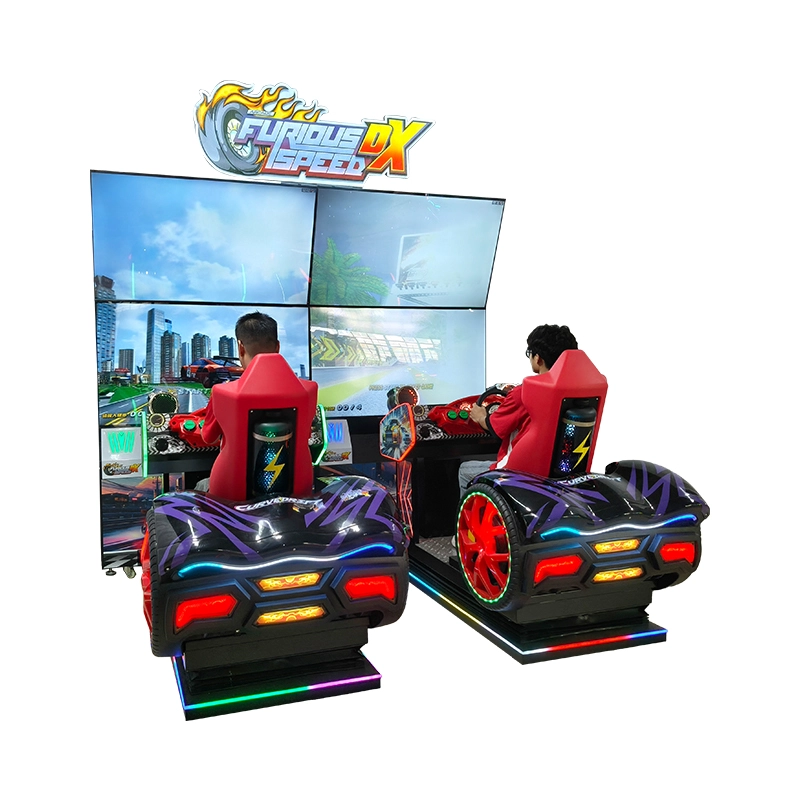
Marwey Hot Sale Four 55 Inch Screens 2 Players Racing Simulator Coin Operated Driving Car Game Machine
Marwey Hot Sale Four 55 Inch Screens 2 Players Racing Simulator Coin Operated Driving Car Game Machine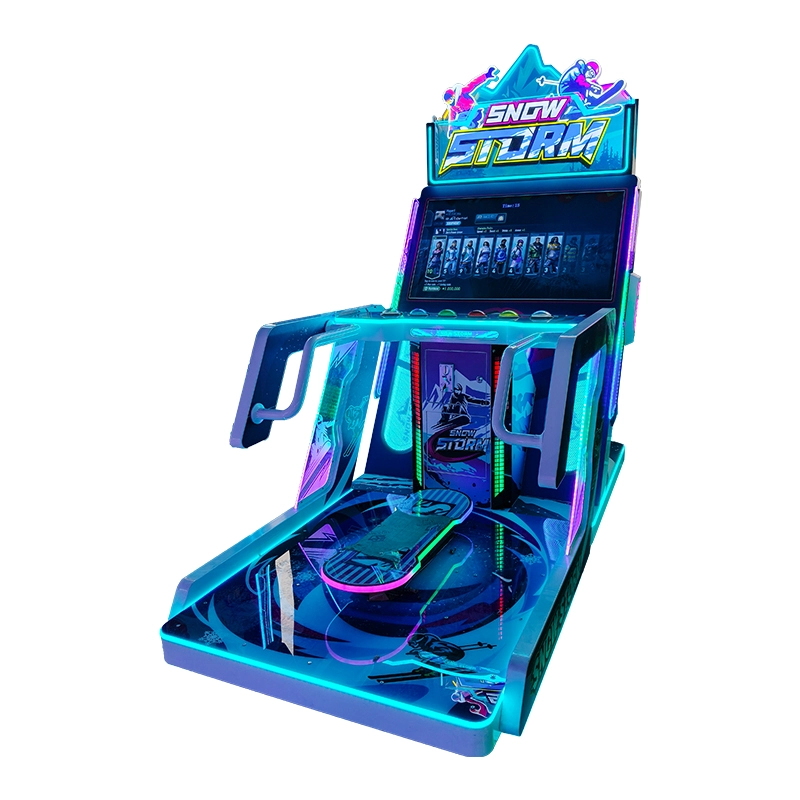
Marwey Coin Operated Indoor Skiing Simulator 47 Inches Snowstorm Ski Track Arcade Sports Machine
Marwey Coin Operated Indoor Skiing Simulator 47 Inches Snowstorm Ski Track Arcade Sports Machine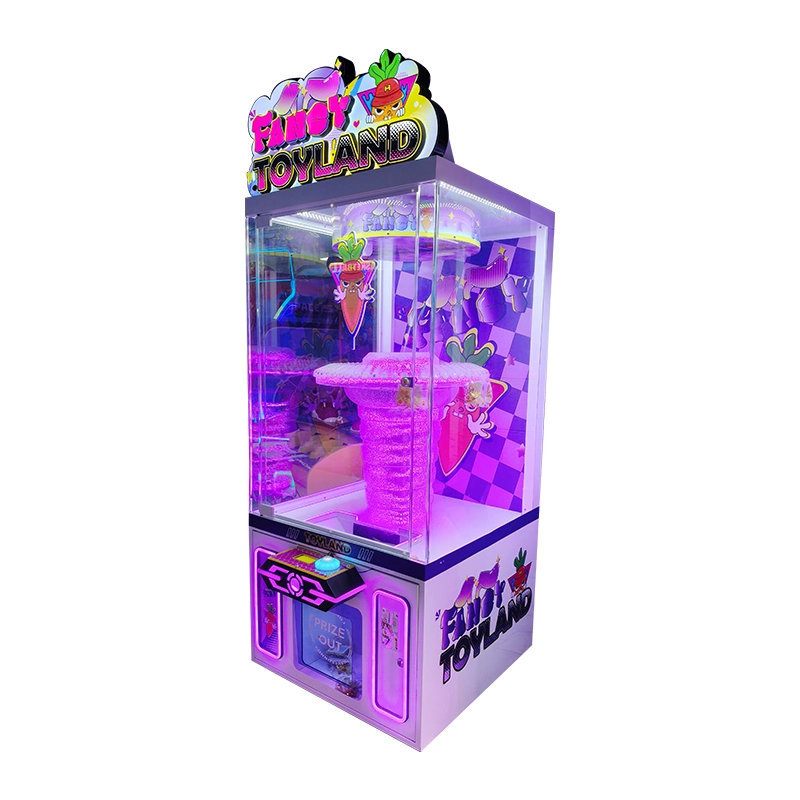
Marwey Customizable Personalized Clip Prize Machine Coin Operated Gift Amusement Vending Game Machine
Marwey Customizable Personalized Clip Prize Machine Coin Operated Gift Amusement Vending Game Machine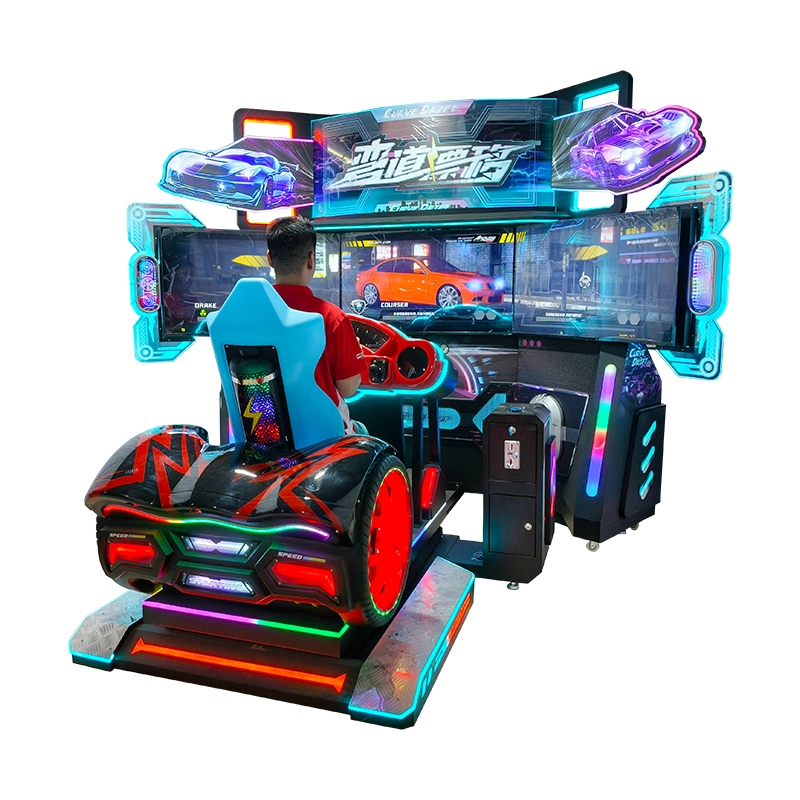
Marwey Coin Operated 49 Inch 3 Screens Motion Racing Simulator Cheap Sale Gaming Video Game Machine
Marwey Coin Operated 49 Inch 3 Screens Motion Racing Simulator Cheap Sale Gaming Video Game Machine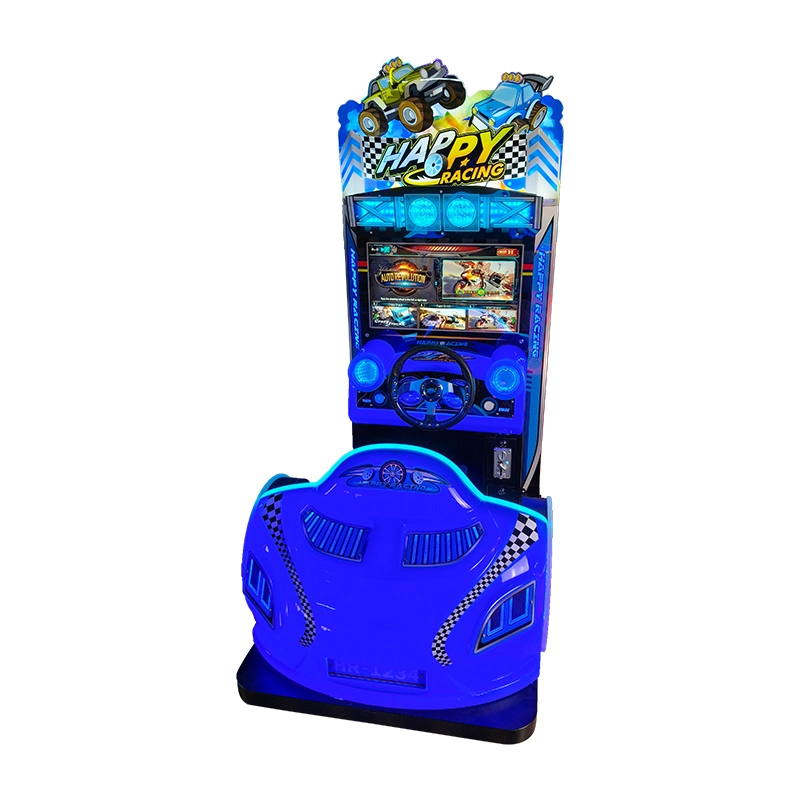
Marwey 27 Inch Screen Kids Racing Car Games Simulator High Quality Coin Operated Children's Racing Machine
Marwey 27 Inch Screen Kids Racing Car Games Simulator High Quality Coin Operated Children's Racing Machine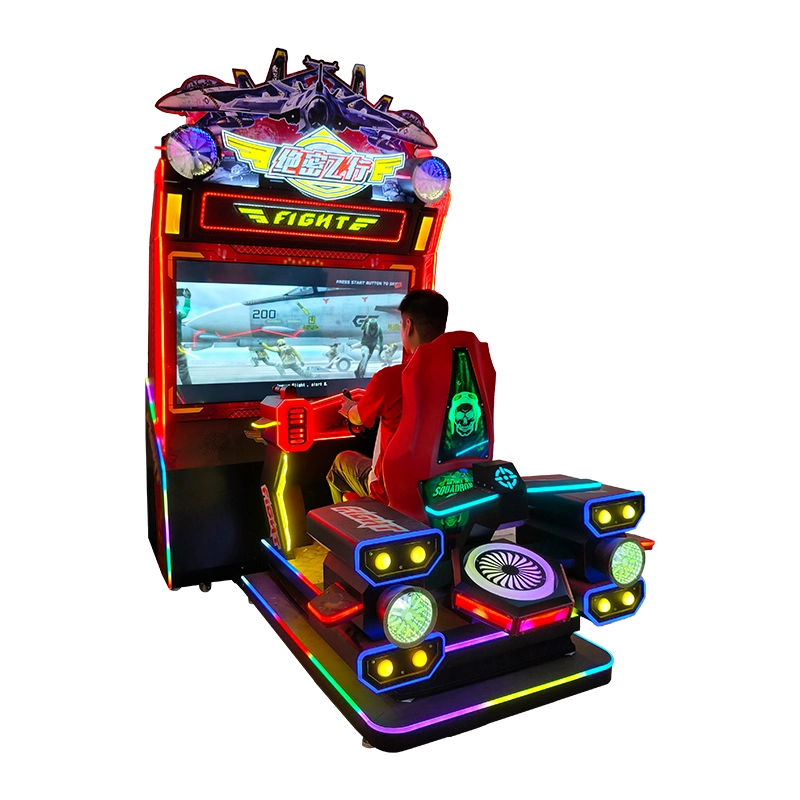
Marwey Coin Operated Driving Shooting Simulator Commercial Indoor Arcade Shooting Games for Cheap Price
Marwey Coin Operated Driving Shooting Simulator Commercial Indoor Arcade Shooting Games for Cheap Price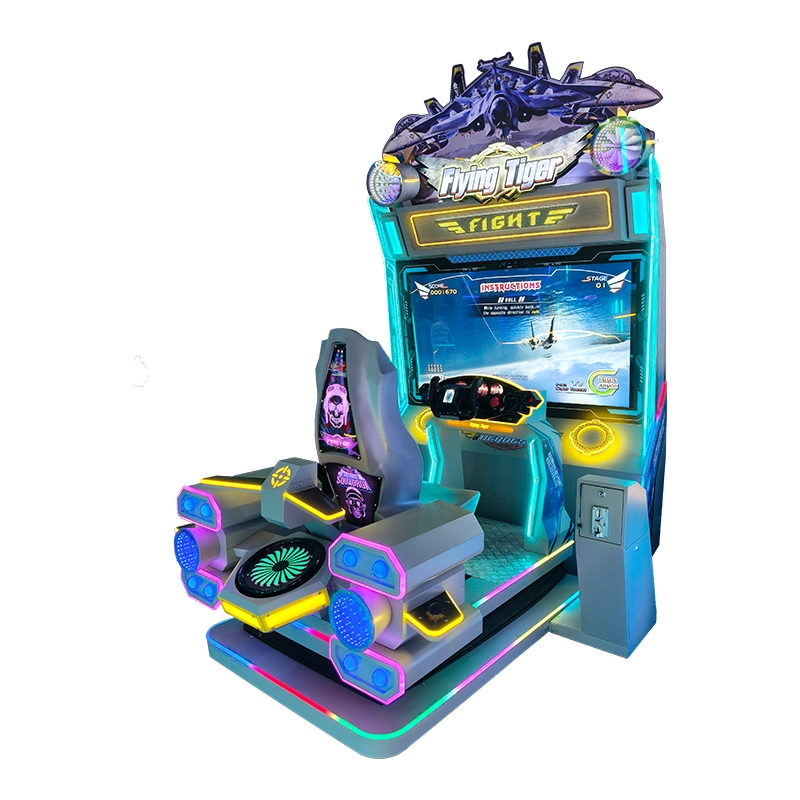
Marwey 65 Inch Screen Shooting Driving Arcade Machine Commercial Indoor Coin Operated for Cheap Sale
Marwey 65 Inch Screen Shooting Driving Arcade Machine Commercial Indoor Coin Operated for Cheap Sale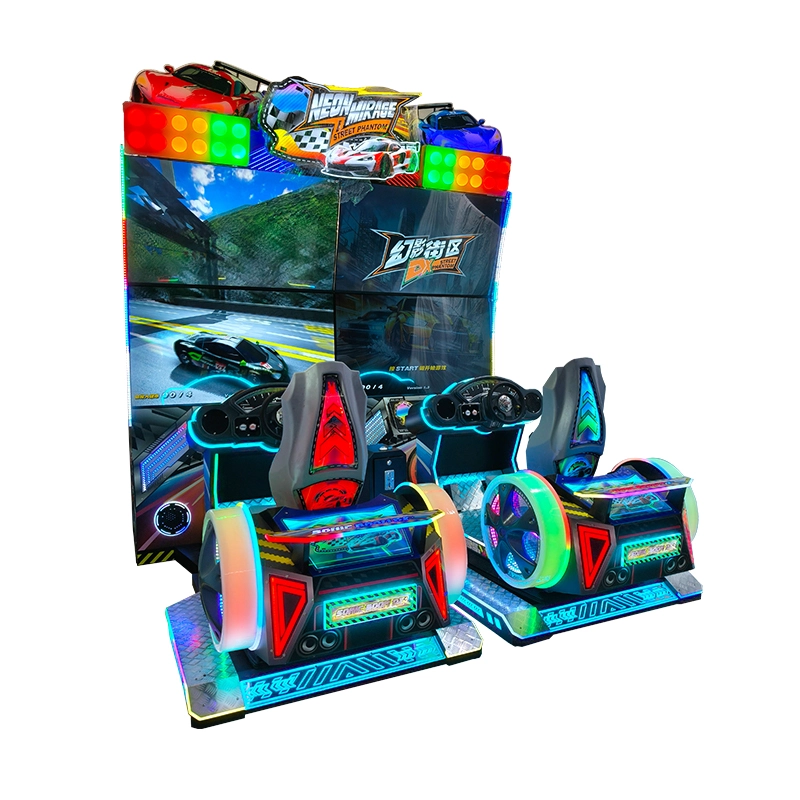
Marwey Hot Sale Coin Operated High Quality Racing Game Machine 2 Players 4 Screens Driving Simulator
Marwey Hot Sale Coin Operated High Quality Racing Game Machine 2 Players 4 Screens Driving SimulatorWant to know more industry information?
If you have any comments or good suggestions, please leave us a message; later our professional staff will contact you as soon as possible.
◼ Contact MARWEY
WhatsApp: +86 189 2218 4260
Floor 2, Building E, Hengran Creative Park, Shixin Road, Panyu District, Guangzhou, Guangdong, China.
© 2025 MARWEY. All Rights Reserved.

MARWEY
MARWEY
MARWEY
MARWEY
MARWEY
MARWEY